Q I N G D A O L A N D E R - S K Y T Y R E

Loading

Nullam dignissim, ante scelerisque the is euismod fermentum odio sem semper the is erat, a feugiat leo urna eget eros. Duis Aenean a imperdiet risus.

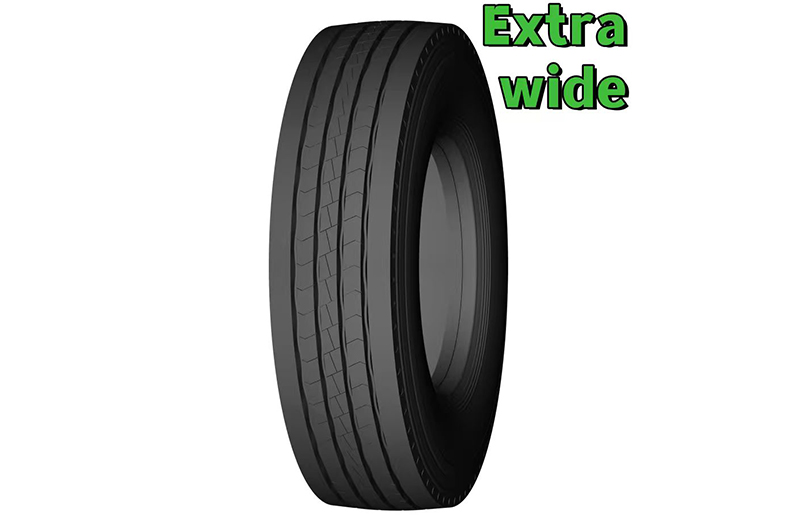
LS33

LS33

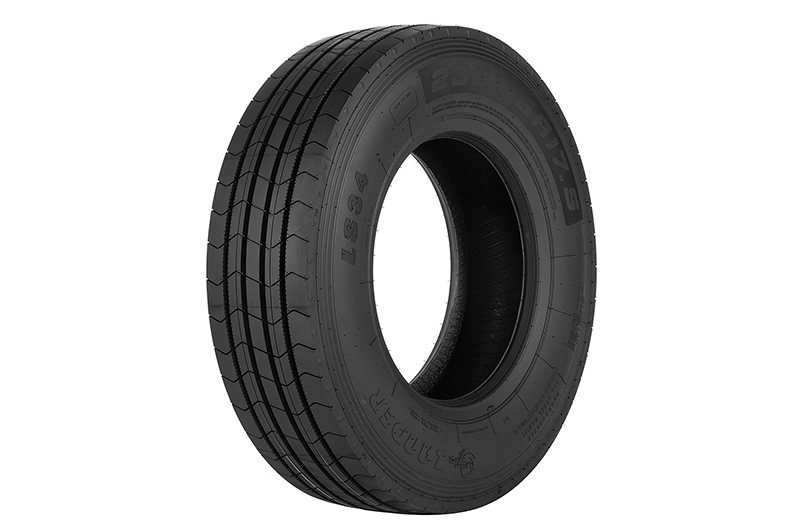
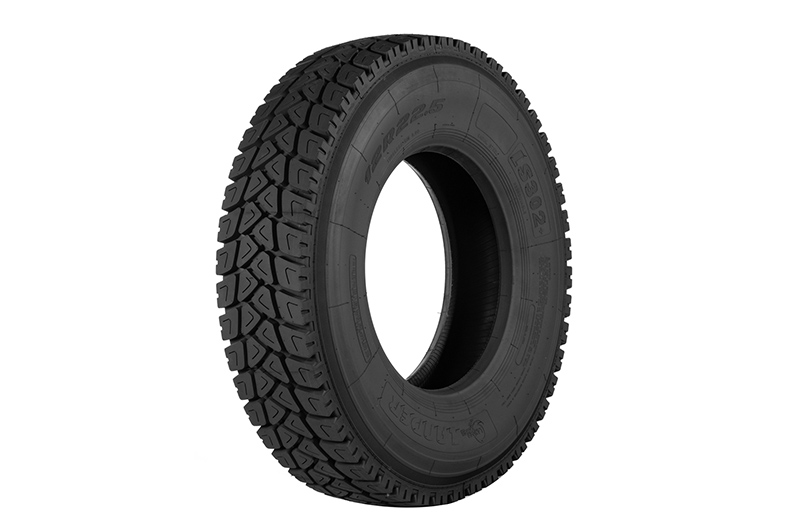
The truck tire horizontal wide groove design has excellent traction performance; Increase the tire longitudinal grooves to improve drainage capacity and heat dissipation capacity. The tire has Tear-resistant and wear-resistant formula design, which can be applied to a variety of comprehensive road conditions;
Read More
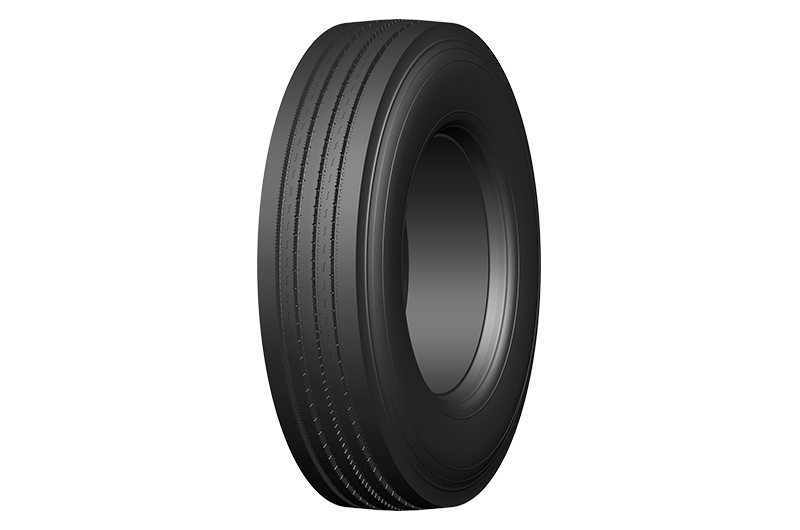
LS23B

LS23B

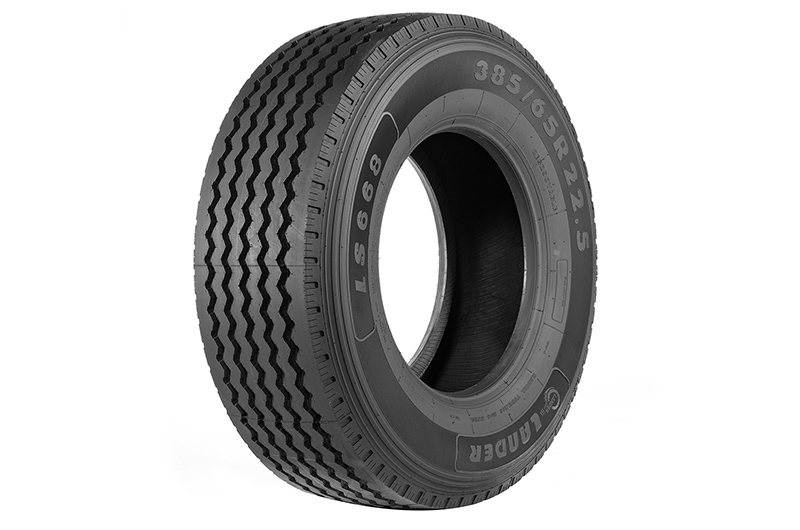
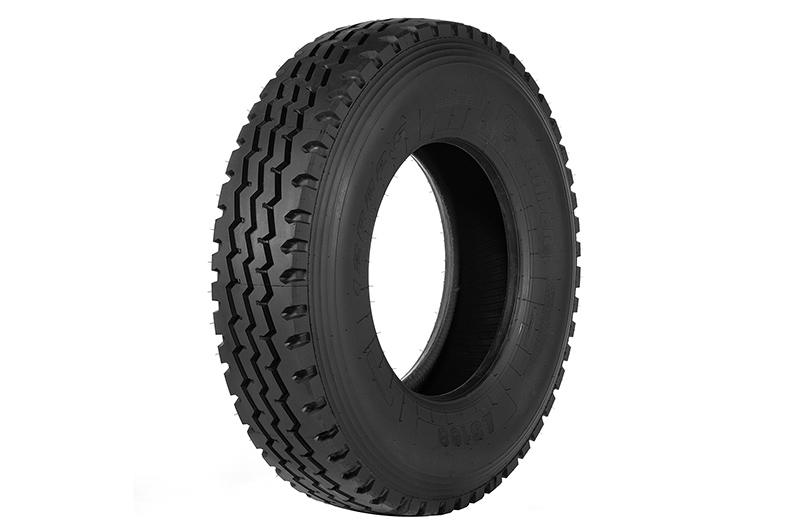
Mainly for long haul application, especially for steer and trailer wheels. With cross sipe design to generate a good grip and low heating up performance.
Read More
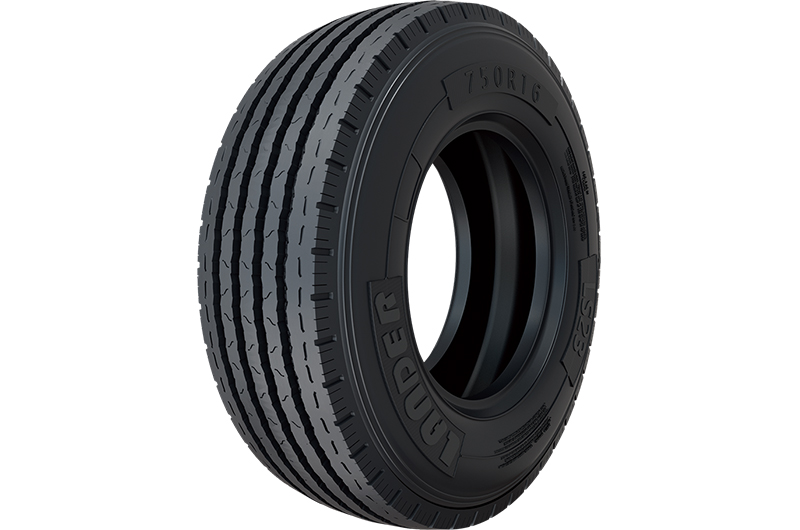
LS23

LS23

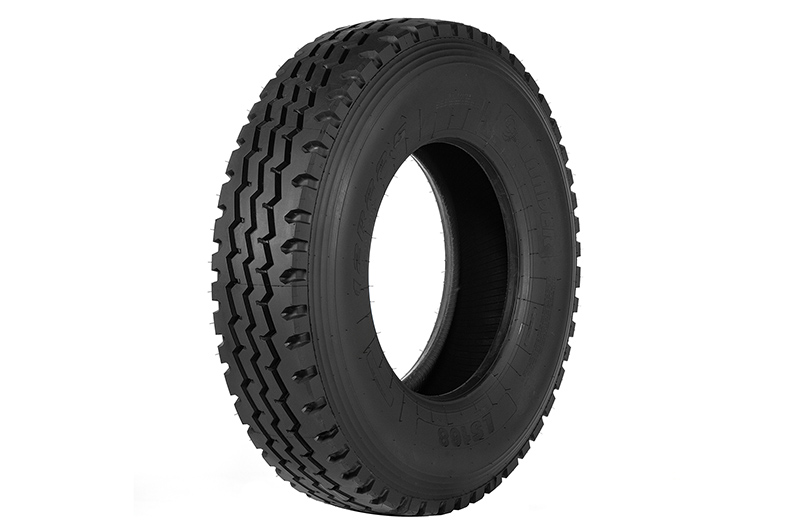
Bionic pattern provides excellent driving and braking performance. Four advanced longitudinal grooves and pressure control technology ensure comfortable driving experience. Abrasion-resistant compound provides long mileage and prevents from eccentric wear.
Read More
taiyer
QINGDAO LANDER-SKY TYRE CO. ,LTD

WELCOME TO CONTACT

We love to hear from our customers with questions, or concerns - here's how to contact us.
Your Name*

Email*

Tel*

WhatsApp*

Message*

Latest News

Check out our blog posts

View More
Future of TBR Tires Key Trends, Technologies, and Innovations in Commercial Trucking

Future of TBR Tires Key Trends, Technologies, and Innovations in Commercial Trucking

As the commercial trucking industry advances, technology keeps reshaping how TBR (Truck Bus Radial) tires handle tough conditions. The addition of clever sensors, better materials, and linked systems is changing tire management. It shifts from a simple reaction-based method to a forward-looking one based on data. Smart Tire Technology and Data Integration Smart tire setups now have built-in sensors. These sensors track things like pressure, temperature, and tread wear right away. Such details help fleet managers spot problems early. They catch issues before they turn into expensive failures. Tools using artificial intelligence for prediction also allow better planning of upkeep routines. This cuts down on stoppages and stretches tire durability. Links between tires and telematics setups let data flow smoothly across whole fleets. As a result, it boosts safety, fuel savings, and clear views of operations. Advanced Materials and Manufacturing Processes Today’s TBR tires gain from fresh ideas in rubber makeup and build design. New mixes are created to cut rolling resistance. At the same time, they keep strength under heavy weights. Stronger steel belts improve the tire’s frame. This helps especially in long trips and tough jobs. Eco-friendly making methods, like using materials that can be reused and low-energy heating, lessen harm to the environment. They do this without hurting how well the tires work. From inside refining, to rolling out layers, shaping, heating, and last checks, we handle every part with top tools. This careful way makes sure steady quality in each batch. What Market Trends Are Influencing the Demand for TBR Tires? The worldwide market for trucking in business is changing quickly. Reasons include tougher rules on the environment, changing fuel costs, and rising calls for green practices. These changes affect how fleets pick tires. They focus on how long tires last and their effect on nature. Growth of Long-Haul and Regional Transport Sectors Growing delivery networks push the need for tires that last many miles. These TBR tires must endure lots of road time. For shorter routes, models need good grip and fuel savings. They also require dependability on different grounds. Fleets want flexible tire styles for both main roads and varied paths. Makers are putting money into research here. The Push Toward Sustainability and Green Logistics Being kind to the planet now shapes buying choices in trucking. Tires with low rolling resistance help cut CO₂ output. They do this by making vehicles use less fuel. Programs to reuse old treads make tires last longer. This also lowers trash. Many makers put funds into natural raw stuff to match world eco rules. How Will Electric Trucks Impact TBR Tire Design? Moving to electric trucks brings fresh build hurdles for tire makers. This is because of changes in power delivery, weight spread, and needs for energy savings. Adjusting to Higher Torque Loads and Instant Acceleration Electric power systems give quick power bursts. This adds strain to tire surfaces during speed-ups. To fight this, builders are making tougher side parts and better tread shapes. These resist bending under fast weight shifts. Improved stick materials keep good hold even with strong power pulls. Managing Weight Distribution and Energy Efficiency Battery units add a lot of weight to vehicles. So, tires need firmer inner builds to carry loads. Smart tread plans help lower rolling drag. This matters a lot for getting more distance on one charge. Side designs that cut air drag are getting notice too. They can slightly boost energy use on long drives. Why Is Predictive Maintenance Becoming Essential for Fleet Operators? Predictive maintenance marks a big change. It moves from set-time fixes to active care based on live data checks. Integration of IoT-Based Monitoring Systems Platforms using IoT gather tire data non-stop from each one in a fleet. Spotting odd signs early, like air leaks or uneven rubbing, lets workers plan fixes ahead of breaks. Auto warnings make upkeep flows smoother. Cloud views pull info from many vehicles into useful tips. Cost Reduction Through Lifecycle Management Predictive upkeep cuts out needless swaps. It shows exactly when action is needed. This accuracy drops costs from early throws or sudden fixes. Data-based life handling also tunes spare stock amounts. Plus, it makes sure full use of every tire’s time. In turn, this raises profits for big fleet runners. How Is QINGDAO LANDER-SKY TYRE CO., LTD Supporting the Evolution of TBR Tires? Qingdao Lander Sky Tyre stands as a top tire provider. It focuses on high-end tires and complete help. The firm has built a solid name as a trusted ally. It pushes TBR tire progress through fresh designs based on new ideas, tight quality checks, and service plans centered on buyers. These match what world markets need. Commitment to Quality and Innovation We keep tight watch on raw stuff quality. We use cutting-edge making gear to ensure very high standards. Ongoing funds in research lead to gains in grip, distance boosts, and fuel cuts in various lines. Examples include LS938 for area drive parts or LS23B made just for long-trip steering needs. We provide a three-year warranty. This shows strong belief in lasting power. It also builds faith with sellers around the globe. Global Reach and Customer Support Excellence Our tyres reach more than 50 countries worldwide. This covers spots like the Middle East, Southeast Asia, Latin America, and Africa. A strong sales web keeps steady supply lines, even in shaky delivery times. Special tech help groups guide buyers in picking best setups. These fit exact work settings, from far freight paths to city mix routes. Thus, they ensure top work results always. What Does the Future Hold for TBR Tires in the Trucking Industry? As tech links with electric shifts in delivery setups, TBR tires move to brighter builds. These mix built-in smarts with nature-friendly plans. Emerging Focus Areas in Tire Development Tools using AI for mock runs allow great accuracy in tread shape tweaks. They base this on guesses of road contacts. Materials that can be reused will stand out more. This fits as loop economy ways become normal in making fields. Key ties between tire firms and data system providers will speed up new ideas. They blend build know-how with live work checks. Conclusion: Driving Forward with Smarter Tire Solutions The growth of business trucking relies much on how its base parts, like TBR tires, adjust to tech shifts. Makers like QINGDAO LANDER-SKY TYRE CO., LTD show this change well. They stick to steady gains, green making ways, and buyer-focused new ideas. These line up with aims for future movement in world markets. FAQs Q1: What distinguishes TBR tires from other commercial truck tires? TBR (Truck Bus Radial) tires use radial builds. This gives better heat release, stronger steadiness at fast speeds, better fuel use, and longer tread time than old slanted types often seen in past fleets. Q2: How can fleet operators maximize the lifespan of their TBR tires? Regular looks combined with right air levels, line checks, steady turn routines, and use of forward watch tools greatly lengthen service time. They also keep safety rules across all units in a fleet. Q3: Are sustainable materials becoming standard in modern TBR tire production? Yes. Many makers now add natural rubber types with reused steel lines into their lines. They use low-waste heat methods that follow world green rules. This happens without losing the strength or trust levels that pro trucking needs everywhere.
Learn all you need to know about Industrial Tires

Learn all you need to know about Industrial Tires

Industrial tires are designed to handle the tough mechanical needs of heavy vehicles and machines in areas like warehousing, logistics, construction, and manufacturing. These tires stand apart from regular car or truck types. They have stronger builds and can take heavy weights, rough ground, and long work hours. Key Characteristics of Industrial Tires Industrial tires use tough inner structures. These support big static and moving loads. They also keep things steady. The rubber mix in the treads gives good grip on bumpy or rough spots. This helps avoid slips while working. The setup focuses on lasting a long time. It works well in slow-speed, heavy-load situations. Heat build-up is a big issue there. Primary Categories of Industrial Tires Solid tires resist punctures. They suit indoor spots or places with lots of junk, like warehouses. Pneumatic tires have air pockets. These give better cushioning for outdoor jobs on lumpy land. Cushion tires have solid rubber stuck to a metal ring. They roll smoothly on hard floors common in factories. How Are Industrial Tires Manufactured? Makers blend smart material work with careful building methods. This ensures the tires last and stay the same in every batch. Materials Used in Industrial Tire Production Rubber mixes, from natural and man-made sources, make the main part. They offer bendiness and resistance to scrapes. Layers of steel or fabric cords add strength. They hold up under pressure. Things like carbon black boost resistance to wear. They also help shed heat for a longer life. Steps in the Manufacturing Process Compounding – Workers mix raw stuff into an even rubber blend. It gets exact traits for strength and flex. Building – Teams put together parts like the tread, sides, and edges. They line them up just right. Curing – Heat and pressure during vulcanization change the rubber. It becomes its final stretchy form. Inspection – Checks make sure everything is even, balanced, and free of flaws before shipping. We provide a three-year warranty. On the production side, the last check uses X-ray tools. In the X-ray lab, experts look for air pockets, holes, bare wires inside, and other problems. This strict method makes sure only top-quality industrial tires go to buyers. Which Industries Depend on Industrial Tires? Industrial tires help many fields. These need steady work under weight. Material Handling Industry Forklifts use cushion or solid tires. They move well in tight areas like warehouses or shipping spots. The high weight limit keeps things stable when lifting. It cuts down on stop time from flats. Construction Sector Earth movers and loaders need pneumatic industrial tires. These give grip on soft ground like rocks or mud. Thick side walls guard against cuts from sharp bits at job sites. Logistics and Port Operations Container lifters and stackers pick large solid tires. They handle huge loads without risk. Special tread shapes improve hold on wet or slick spots in port areas. What Factors Influence the Performance of Industrial Tires? How well tires work comes from their build choices, work settings, and care habits. These all shape how efficient and long-lasting they are. Design Parameters Affecting Performance The tread shape affects grip and ease of rolling. Softer rubber boosts hold but might cut down life span. Thicker side walls add comfort. They soak up bumps and keep side-to-side steadiness with loads. Operational Conditions Impacting Tire Longevity Too much weight speeds up tread loss and inner tiredness. Bumpy land causes uneven wear. This makes results less sure. For air-filled types, wrong air levels raise rolling effort. They also heat up more and risk breaking. How Can Industrial Tire Maintenance Extend Equipment Life? Good care boosts tire life and machine trust. Preventive Maintenance Practices Regular eye checks spot cuts or stuck junk early. This stops bigger issues. Turning tires as the maker says spreads wear evenly on all wheels. Cleaning often keeps gunk from building in treads. That way, grip stays strong. Monitoring Tire Pressure and Load Distribution Tools like digital meters give true air readings for air types. Even small changes hurt work a lot. Even weight on axles stops early side wear or bends. These can cause dangers on the job. Steady tire looks form the base for safety and work levels. These planned checks lower stop risks. They also lift safety rules at work. Why Choose QINGDAO LANDER-SKY TYRE CO., LTD as Your Industrial Tire Supplier? Qingdao Lander Sky Tyre leads as a tire seller. It focuses on fine tires and full help. From 2013, it has worked on TBR, OTR, industrial tyres, agricultural tyres, and forklift tyres. It uses full steps like refining, calendering, forming, vulcanization, and end checks. Advanced tech runs in five shops over 3,000 square meters. The firm’s view stresses lasting ties: We hold to a 100-year link with each buyer. We make sure every order’s quality and daily aid match up. Its reach goes to over 50 lands in the Middle East, Southeast Asia, Latin America, and Africa. Solid shipping lines help get goods there on time around the world. Highlights of QINGDAO LANDER-SKY TYRE CO., LTD’s Offerings Wide line of goods with solid press-on band kinds like LS659(SOLID). These fit hard jobs. Made-to-fit build fixes for forklifts in spots like hospitals, warehouses, ports, or plants. A three-year warranty shows trust in lasting strength. World certs like ECE, DOT, GCC, SASO meet global quality rules. The firm’s industrial choices include types like LS801. It shows strong build: The very deep tread has broader and bigger blocks. These give top grip, steadiness, and cut resistance. It has a firm side wall setup for better wear hold in tough spots. This makes it a great pick for diggers or backhoes on rough ground. What Are the Emerging Trends in the Industrial Tire Market? New tech keeps changing how industrial wheels handle today’s work needs. Advancements in Tire Technology Smart chips inside tire shells now send live data on heat changes, air amounts, and weights put on them. This lets teams plan fixes ahead. It cuts surprise stops. Green rubber mixes from lasting sources lower harm to nature. They keep power and bend without loss. Self-fix polymers that seal tiny rips on their own mark a new edge. They stretch tire life a lot. Market Dynamics Driving Growth Auto tools in shipping centers raise need for tough forklift tires. These run non-stop with little care breaks. Growing build projects around the world push use of heavy build models. Think loaders or packers with deep-block setups like LS801’s style. Green efforts also back recycle plans in tire making. These cut waste and push round economy ideas in supply lines. Conclusion Industrial tires stay key parts in fields that need steady heavy work under varied stresses. Picking the right tire kinds based on job needs, plus steady care habits, brings top cost savings. It also guards worker safety in hard tasks. Firms like QINGDAO LANDER-SKY TYRE CO., LTD show top work through smart build ways. They back it with strict quality checks that fit world rules for trust. FAQs about Industrial Tires Q1: How often should industrial tires be replaced? Change times differ by weight load and ground kind. But they often come every 12–24 months in normal runs if care stays right. Q2: Can solid industrial tires be retreaded like pneumatic ones? Solid builds can’t get new treads because of their no-air setup. Yet, cutting grooves again might add use if enough tread depth lingers. Q3: What is the main difference between cushion tires and solid press-on band types? Cushion kinds have deeper rubber layers fixed to steel rings. They work best on indoor floors. Press-on bands suit small electric forklifts. They need low roll effort over even hard spots in set areas like build plants or shipping hubs.
How to choose Bobcat tires under different terrains

How to choose Bobcat tires under different terrains

Before picking the right Bobcat tires, checking the work setting, weight needs, and planned output matters a lot. The correct pick affects grip, balance, and money savings on all kinds of ground types. Terrain Conditions and Their Impact on Tire Performance Various ground types like mud, gravel, asphalt, and snow call for certain tread styles and materials to secure good hold and lasting use. Take deep-tread industrial tires such as the SKS-3. They give strong self-cleaning ability and steady driving. This fits them well for wet or bumpy areas. SKS-3: High floating force benefits wide tread profile. Big block pattern tire ensure self-cleaning capacity. Deep L5 tread depth increase driving stability. Common pattern for Bobcat machines. Tire grip and resistance to wear differ a great deal between ground types. Picking a tire that does not match the ground might cause unsteadiness or quick damage. On firm areas like asphalt or concrete, less tread depth cuts down shaking. Yet it keeps control in place. Load Capacity and Machine Application Bobcat loaders deal with big weights in tough spots often. Tires that have stronger side walls and better ply levels play a key role in keeping the build solid when under stress. Jobs in building or breaking down need plans that fight off holes. They also hold up big weight loads. Matching load capacity to bendability makes sure of safety and output. Industrial tires like R4 types give better resistance to hits in hard work settings. R4 classic pattern all purpose construction tire is suitable for excavator, tractors and backhoes. This kind of industrial tires has excellent traction and flotation characteristics and superior impact resistance. Tire Construction Types: Pneumatic vs. Solid vs. Foam-Filled Pneumatic tires give padding for rough areas. But they can get holes easily. This suits them for soft ground jobs where ease comes first. Solid tires do well in rough spots with junk or pointy items. They last long and stop holes because of their strong build and no-air setup. Foam-filled tires mix the good parts of both kinds. They give bump soaking like pneumatic ones. At the same time, they get rid of worries about air pressure. For one thing, look at solid forklift types like LS659. They show how tough stuff boosts lasting power in hard jobs. Solid forklift tire has superior and latest construction techniques with first quality nylon and natural rubber, for most arduous application. How Do Different Terrains Affect Bobcat Tire Selection? The kind of ground right away shapes grip, balance, and work flow for Bobcat gear. Every setup needs a certain tread setup to keep steady work. Tires for Soft or Muddy Terrains Soft ground calls for deep-tread setups that stop sliding and boost grip. Broader shapes spread weight out evenly. This cuts down on sinking in mud or loose dirt. Treads that clean themselves matter a lot to hold grip over long runs in damp spots. Factory choices like SKS-1 get made for wet paths with firm side walls that guard against holes. SKS1 pattern has excellent traction and manipulation capacity. Excellent driving performance on mud roads, this rib has good self-cleaning performance. Tires for Hard or Rocky Surfaces Tough rubber mix fights off slices from stones. It keeps hold on packed earth at the same time. Smaller tread depth lessens shaking in big-hit chores like mine digging or tearing down. Mine-level OTR types such as LSA8 show this lasting mark with beefed-up side walls built for stone areas. LSA8: Designed for loaders and dozers on extremely rocky surfaces; superior sidewall cut resistance; deeper OTD design and heavy load capacity; exceptional casing durability. Tires for Snowy or Icy Conditions In chilly areas, special winter mixes stay bendy in low heat. Bold tread chunks boost hold on slick spots. Spiked or cut designs add more handle in snow clearing work. Side-wall OTR kinds with deep treads like LSA9 work well in freeze setups. They bring grip steadiness under big weights. LSA9: Deep tread designed for severe and rocky surfaces; specially designed sidewall provides extended protection from cutting; excellent combination of traction, stability and comfortable ride. Tires for Mixed or Urban Environments Do-all treads even out grip over many areas like cement, soil, or pebble paths. They fit city work spots where setups change often. No-mark mixes stop harm to inside floors. Flexible styles cut stop time from often tire swaps. The LS899 type stands as a sample of mixed build giving hold output and stone guard fit for varied ground. Mixed deepen block tread and widen tread cap enhance tyre’s grip performance; design for anti-stone in bottom of tread prevent cutting for inner groove on bad road condition. How Can Maintenance Practices Extend the Life of Bobcat Tires? Good upkeep lengthens tire span. It also betters gear flow and worker safety in tough work. Regular Inspection and Pressure Monitoring Workers ought to check tires after every turn to spot slices, splits, or stuck junk that could spark breakdown. Keeping the maker-suggested air level stops uneven wear ways. Low air might harm side walls. Too much air cuts grip. Regular looks aid in catching first hints of wear out before they grow into pricey swaps. Proper Storage and Rotation Practices Keep tires from straight sun or stuff that breaks down rubber over days. Shifting spots now and then evens out wear spread over every wheel. Wiping treads often stops junk pile-up that might hurt grip work on different ground. Why Is QINGDAO LANDER-SKY TYRE CO., LTD a Reliable Supplier of Bobcat Tires? QINGDAO LANDER-SKY TYRE CO., LTD earned a name as a trusty maker focused on industrial tires built just for skid steer loaders like Bobcats. Commitment to Quality Manufacturing Standards Qingdao Lander Sky Tyre is a leading tyre supplier committed to premium tyres and full service. The firm runs five build shops spanning over 3,000 square meters. They come with modern refining, calendering, forming, vulcanization, and check tools. This locks in exactness through each build step. We have strict quality control for raw material and advanced manufacturing equipment to make sure super-high quality. Each product undergoes X-ray inspection to detect defects such as air bubbles or exposed wires before approval. Wide Range of Specialized Tire Solutions Lander Sky Tyre puts out pneumatic, solid, and foam-filled picks made for varied ground from build yards to farm lands around the globe. As to products, We have Truck tyres, Off the road tyres, Agriculture tyres, Industrial tyres, And forklift tyres. Their industrial line holds SKS-2 up to SKS-6 types crafted just for skid steers running over sundry areas. These go from wet mud to firm cement. Such setup promises top fit. Global Distribution and Technical Support Network Our tyres have been exported to over 50+ countries all over the world, across the Middle East, Southeast Asia, Latin America, and Africa. Smart shipping setups lock in on-time drops around the world. Buyers get steady stock even in hard market times. On top of that, the firm’s help outlook stresses lasting ties via quick talk lines: Respond quickly. Respond to every issue and follow up on every question raised by our customers. Key Takeaways from Choosing the Right Bobcat Tires Across Terrains Picking fitting Bobcat tires means looking at ground setups next to gear job needs like weight hold or how often used. Stronger builds lock in safety with big weights. Target treads fine-tune grip over mud patches, stone fields, snow plains, or city paths. Right upkeep ways paired with solid sellers like Qingdao Lander Sky Tyre promise longer run time and work flow through every job part. FAQs About Choosing Bobcat Tires 1. How often should Bobcat tires be replaced? Swap timing hinges on work load strength and ground bumpiness. But usually, it happens from 800–1 200 run hours if kept right with checks and turns. 2. Are solid tires suitable for all types of terrains? Solid tires shine in junk-filled spots where hole chances run high. But they might lessen ride ease on softer earth versus pneumatic picks built for pad effects. 3. What is the advantage of foam-filled tires over pneumatic ones? Foam-filled kinds wipe out hole dangers full out. They keep bend like air ones. This marks them as top picks for mixed-ground jobs needing both lasting and ease without give.
Why Radial Tires Are Essential for Heavy-Duty Agricultural Vehicles

Why Radial Tires Are Essential for Heavy-Duty Agricultural Vehicles

Radial tires have transformed the way agricultural vehicles perform. They deliver better grip, toughness, and ease over old bias-ply types. The unique setup inside them lets these tires manage the growing needs of today’s farm work with accuracy and speed. Structural Composition of Radial Tires Radial tires feature cords placed at right angles to the path of movement. This setup creates a supple but firm build. As a result, the sidewalls and tread work on their own. They cut down on heat during long shifts. Plus, they limit irregular wear. Steel belts under the tread boost resistance to punctures. This ensures a longer life even in tough field settings. RADIAL AGR: 1.Less soil compaction: Radial structure with wider tread can efficiently reduce the soil compaction caused by increasingly heavy agricultural machines. 2.Longer tire lifetime: Developed a high performance rubber compound and significant strong structure. With this advantages, the tire will last for a longer lifetime and save much more cost. 3.Improved traction: The new developed tread with richer patterns and wider width bring more strength to your agricultural machines and enhance efficiency for your work. Comparison Between Radial and Bias-Ply Tires Radial tires keep a bigger contact area with the ground than bias-ply ones. This boosts grip and cuts soil compaction. Both are vital for keeping field soil fertile. Bias-ply tires have rigid sidewalls. Those generate extra heat when loaded. That leads to quicker wear. Radial tires spread pressure evenly over their surface. Therefore, they show slower tread wear. They also have a longer working life than bias-ply options. How Do Radial Tires Enhance Performance in Agricultural Vehicles? The smart design of radial tires affects vehicle output in key areas. These include grip effectiveness, fuel savings, and work productivity. For farm machines like tractors and harvesters, they face heavy loads or rough ground. In such cases, the gains show up in real field results. Improved Traction and Soil Protection The bendable frame of radial tires ensures good ground touch. This reduces slipping in tasks like plowing or harvesting. Their broad contact area spreads weight evenly. So, it lowers soil compaction. That helps keep soil healthy and supports crop growth potential. Better grip also means steady work on damp or bumpy surfaces. There, stability matters for safety and output. Fuel Efficiency and Operational Cost Reduction Radial tires have less rolling resistance. This plays a big role in cutting fuel use during long farm jobs. Even pressure on the tread avoids spot wear. Thus, it stretches out the tire’s life. It also lowers how often you need maintenance. Farmers gain from less downtime. Plus, they save money over time with fewer tire changes. Why Are Radial Tires Crucial for Heavy-Duty Agricultural Applications? Heavy farm vehicles need dependable tires in tough spots. These involve big loads, rough ground, and changing landscapes. The solid build of radial tires keeps them working well in such places. Load-Bearing Capacity and Stability Radial designs have strengthened sidewalls. They hold heavy tools without bending or losing form. This strength keeps steady ground contact. It works even when pulling big gear or hauling full crop loads. The better side-to-side steadiness from radial build also cuts shaking during fast moves between fields. That improves driver ease. At the same time, it shields machine parts from too much strain. Adaptability to Diverse Terrain Conditions Radial tire tread designs fit many ground types. These include soft dirt, firm paths, or stony areas common in farming. Their self-cleaning features stop mud from building up in grooves. Without that, traction would drop. They also resist cuts and punctures. This boosts trust when running over crop stubs or rock-filled fields. Such spots often appear after harvest. How Do Radial Tires Contribute to Sustainability in Agriculture? Farm sustainability now relies on better machine use. It also means less harm to the environment. Radial tires help reach these aims with clever features. They support both nature balance and money savings over time. Reduced Soil Disturbance and Environmental Impact The broad contact of radial tires spreads machine weight across the soil. This keeps the ground structure intact under crop roots. Lower compaction boosts water flow into the soil. It also aids stronger root growth. Both are key for lasting crop systems. On top of that, their energy-saving roll helps lower farm machine emissions. This happens during long work periods. Extended Service Life Through Advanced Materials Today’s radial tire mixes use top rubber that fights wear well. This holds up in steady heavy work. Steel belts inside the frame add toughness against rough stuff. Things like sharp bits or repeated bending in farm tasks. Longer time between changes cuts overall costs. It also reduces trash from old tires. That fits with reuse ideas in farming. How Does QINGDAO LANDER-SKY TYRE CO., LTD Support the Agricultural Industry? QINGDAO LANDER-SKY TYRE CO., LTD stands as a reliable maker. Experts worldwide know it for strong radial options. These fit farm uses just right. Product Quality and Innovation Commitment Qingdao Lander Sky Tyre is a leading tyre supplier committed to premium tyres and full service. Since 2013, it has focused on designing TBR, OTR, industrial tyres, agricultural tyres, and forklift tyres—all produced through an integrated process encompassing refining, calendering, forming, vulcanization, and final inspection using advanced technology systems across five production workshops covering over 3,000 square meters. We have strict quality control for raw material and advanced manufacturing equipment to make sure super-high quality. Their lineup covers radial types for tractors and harvesters. These stress grip output, load handling, heat control, and green performance. They use fresh mix recipes. Global Reach and Customer Support Excellence Our tyres have been exported to over 50+ countries all over the world, across the Middle East, Southeast Asia, Latin America, and Africa. This wide network keeps products ready. It matches quick shipping to what clients need around the globe. The firm’s view stresses lasting ties based on faith: We uphold the spirit of a 100-years partnership with every customer. Their three-year warranty shows trust in lasting quality. Technical help guides clients on picking tires for their exact jobs. This ensures the best match between gear and ground type. Conclusion: The Strategic Value of Radial Tires in Modern Agriculture For current heavy farm vehicles, from tractors to harvesters, radial tires mark a key step forward. They bring clear wins in output areas. These cover grip output, fuel savings, toughness boost, driver ease, and green standards. Using them aids short-term work gains. It also supports long-term care for the environment. That’s core to today’s farms facing global shifts. FAQs 1. What are the main benefits of using radial tires over bias-ply designs in agriculture? Radial tires give top grip thanks to their bendable frame. They keep lower rolling resistance than bias-ply types. They offer longer life through even tread patterns. This cuts maintenance needs. All these help boost output for today’s farm vehicles. 2. How often should radial tires on agricultural vehicles be inspected or replaced? Check them every 250–300 work hours. Look at tread depth and air pressure. Replace when wear hurts grip or safety rules for field work. 3. Can QINGDAO LANDER-SKY TYRE CO., LTD supply customized radial tire solutions for specific machinery types? Yes—QINGDAO LANDER-SKY TYRE CO., LTD offers tailoring for special load needs or ground challenges in farm gear types. This ensures top output that fits client hopes. They use full product know-how and quick after-support. It’s backed by warranty plans.
Analysis of the adaptability of Bias Tires to muddy and rough terrain

Analysis of the adaptability of Bias Tires to muddy and rough terrain

Bias tires, famous for their cross-ply build, are built to offer toughness and steadiness in tough off-road settings. Their flexibility comes from the special mix between their stacked layers and firm stiffness. Together, these features decide how the tires spread out weight and keep hold on bumpy ground. Structural Composition of Bias Tires The basic setup of bias tires includes several layers of rubber-covered fabric plies placed at angles across one another. This angled setup locks the plies together. As a result, the sidewalls and tread work as one solid piece. The woven layers boost firmness and sidewall power. They give strong defense against bending when facing big weights or side forces. This build also spreads loads evenly over the tire area. That is key for keeping balance on rough or loose soil. In the end, you get a tire that can handle rough work spots. It keeps its shape even under stress. Performance Characteristics in Off-Road Conditions Bias tires show great toughness in off-road tasks because of their firm sidewalls. These sidewalls boost grip on bumpy spots by stopping too much bending. Their better defense against punctures suits them well for rocky or muddy areas. In those places, sharp junk can harm weaker builds easily. The bendable tread design lets these tires adjust to changing weights. They hold onto the ground even when the land shifts quickly. This mix of firmness and bend helps make bias tires a good fit for machines in building work, farming, and mining jobs. How Do Bias Tires Adapt to Muddy Terrain? Bias tires have physical traits that make them very good in muddy or soaked ground. There, grip and the ability to clear itself are vital for steady progress. Traction Mechanisms on Wet and Slippery Surfaces Deep tread channels do an important job. They push mud away from the touching area. This keeps the tire right against the earth. The self-clearing traits of bias tire designs cut down on sliding by kicking out junk as the wheel turns. Bold tread chunks improve side balance on soft dirt by biting into the stuff below. That boosts forward push and wheel control. For example, OTR Tire E3/L3 is made with a special mix for defense against cuts and heat. The tire shoulder pattern has a unique setup. Each part helps push out mud. It has self-clean traits and stops side slides. These parts show how bias tires keep grip even in wet soil spots. Load-Bearing Efficiency in Saturated Soil Conditions The strong body build common in bias types stops bending under big weights. It spreads the load evenly over the contact area. This steady push cuts down on sinking in thick mud. At the same time, it improves grip when the slide risk rises from water in the ground. Smart ply angles in the body keep hold by making sure each layer helps with the overall pull balance. These build perks let bias tires keep up their work even with changing weights in farm or build tasks. How Do Bias Tires Perform on Rough and Uneven Terrains? Bias tires handle rocky or bumpy paths well. They show top toughness and shock-handling skills. These are must-haves for hard jobs like mining or stone work. Resistance to Abrasion and Sidewall Damage Bias tire setups use many fabric layers. They guard against slices from sharp stones or junk. Thicker sidewalls take in hits well. This lowers the chance of bursts during heavy work. Plus, special rubber mixes are made for wear defense in high-rub spots. A good case is L-5: Extra deep tread and strong casing design providing excellent rock type damage resistance and long tread life in heavy duty. This setup gives long use even with rubbing against pebbles or rocks. Stability and Control on Uneven Ground Straight-line steadiness comes from a firm body design. It cuts side bending during turns or hill climbs. Even load spread boosts handling accuracy. It does this by keeping steady ground touch over all tread chunks. Less side bend also betters wheel response at low air levels. That is a key trait for rides on wild land like stone pits or wood paths. What Are the Limitations of Bias Tires Compared with Radial Tires? Bias tires shine in strength and shock handling. Yet, some downsides show up when you stack them against radial types. Those focus on ease and fuel savings. Heat Generation and Rolling Resistance Issues The rub inside from crossing plies causes more heat at fast paces. Higher rolling push then cuts fuel use on long road trips. Steady road driving can speed up tread loss. That is because bias builds aim mainly at slow off-road work. They do not fit well for long fast runs. Comfort and Handling Considerations Bias tires have stiffer sidewalls. So, they send more shakes to the vehicle frame than radial ones. This hardness limits ride ease. But it boosts lasting power under weight stress. Wheel control might drop at quick speeds. That happens because bend is traded for power. It is a give-up that works in work settings. However, it suits less for people-hauling cases. Why Choose QINGDAO LANDER-SKY TYRE CO., LTD as a Reliable Supplier of Bias Tires? QINGDAO LANDER-SKY TYRE CO., LTD is a top maker. They focus on strong bias tires built for wild lands. Company Strengths and Product Advantages Qingdao Lander Sky Tyre is a top tyre supplier committed to premium tyres and full service. Since 2013, Lander has focused on design and production of TBR, OTR, industrial tyres, agricultural tyres, and forklift tyres. Their making spots cover five areas over more than 3,000 square meters. They use top tools from raw mix to last checks with X-ray tech to keep quality steady. We have strict quality control for raw material and advanced manufacturing equipment to make sure super-high quality. The firm’s ongoing view stresses trust through buyer-centered help rules. These include quick replies and honest ties backed by a three-year warranty policy. That is a rare promise in the tire field. Moreover, Our tyres have been exported to over 50+ countries all over the world, demonstrating global trust in their product quality across diverse markets such as Latin America, Africa, Southeast Asia, and the Middle East. Key Factors to Consider When Selecting Bias Tires for Off-Road Applications Picking the right bias tires needs close look at land traits. You also must think about work needs like weight hold and lasting power hopes. Tread Design Suitability for Terrain Type Deep block patterns greatly boost grip in muddy spots. There, dirt push is common. Chunk-style treads give even work between hold keep on loose bases and roll ease on mixed paths. Those include pebble roads or packed earth lines. For instance, LS58PRO: Suitable for hazard road and off road condition… Excellent traction and driving performance. Such setups show the best match for all-purpose off-road needs. Load Capacity and Ply Rating Selection Higher ply levels link right to better slice defense and less bend risks under hard machine push. These are key for gear that runs non-stop in bad spots. Right weight mark pick makes sure safe work. It matches tire skills with vehicle weight spread during long field runs. Summary of Technical Insights into Bias Tire Adaptability The flexibility of bias tires comes from their solid cross-ply build. It blends firm stiffness with managed bend over many layers. Their top grip ways are backed by deep channels, bold blocks, and self-clear skills. These let them work well over muddy or stone views. There, normal radial types would face bend or block problems. These traits make them key parts for gear like loaders, graders, tractors, dumpers, and earthmovers. They do hard off-road jobs where lasting beats ease thinks. FAQs About Bias Tires Adaptability 1. Are bias tires suitable for both off-road and highway use? Bias tires perform exceptionally well off-road but exhibit higher rolling resistance on highways due to increased internal friction leading to heat buildup during prolonged high-speed travel. 2. How often should bias tires be inspected when used in muddy or rocky areas? Regular inspection after every heavy-duty operation is recommended to detect early signs of cuts or embedded debris that could compromise performance integrity over time. 3. Can bias tires be retreaded for extended service life? Yes—many models allow retreading provided the carcass remains structurally intact after inspection using X-ray methods similar to those employed by professional manufacturers like QINGDAO LANDER-SKY TYRE CO., LTD., ensuring cost-effective reuse without sacrificing reliability or traction characteristics.
The Tire Maintenance Key Practices for Car Longevity

The Tire Maintenance Key Practices for Car Longevity

Regular tire checks form the basis of keeping safety and performance in good shape. Simple visual checks can spot early clues of wear, holes, or harm that might weaken how the vehicle handles. Looking for uneven patterns in the tread shows possible problems with the suspension or alignment. These issues often need expert help. Spotting damage on the sidewall, like bulges or slices, matters a lot too. Such flaws can cause a tire to fail all at once. For heavy vehicles in industry and tough jobs, tires such as the LS807 and LS58PRO from QINGDAO LANDER-SKY TYRE CO., LTD. show strong build and tough tread patterns. These features help the tires last longer in hard situations. Maintaining Correct Tire Pressure Keeping the right tire pressure helps with better grip, better fuel use, and longer tire life. If tires have too little air, they face more rolling drag. This leads to extra heat and early wear. On the other hand, too much air cuts down the contact with the road. As a result, it causes uneven wear on the tread. To measure tire pressure well, you need a good gauge. Do this when the tires are cold. That way, you get accurate numbers. Checking often stops any drop in performance. It also boosts steady driving in every season. How Does Tire Rotation Contribute to Longevity? Tire rotation helps spread wear evenly over all tires. It does this by moving them to different spots on the vehicle. This method stretches out the total life of the tires. It also keeps handling steady. Most makers suggest doing it every 5,000 to 7,500 miles. However, the exact timing varies by vehicle type and road conditions. Popular patterns include shifting from front to back. For all-wheel-drive setups, cross-rotation works well. If you use solid tires from LANDER SKY TYRE’s TBR line—like LS938 or LS398—they perform reliably after rotation. Their smart tread designs aim for lasting strength. Why Is Wheel Alignment Crucial for Tires? Good wheel alignment makes sure tires touch the road at the right angle. This setup improves grip and cuts down on odd wear. If alignment goes wrong, the steering may pull to one side. You might feel shakes, and the tread wears in strange ways. All this shortens tire life. Clues of bad alignment include the vehicle drifting or quick wear on the edges. To fix it, experts adjust camber, caster, and toe angles. They follow the maker’s guidelines with exact tools. Proper alignment keeps tires sound. It also boosts safety on the road overall. What Role Does Balancing Play in Tire Maintenance? Tires out of balance cause shakes that hurt ride comfort. They also speed up wear on suspension parts. Balancing spreads weight evenly around the wheel unit. Special machines find tiny imbalances, down to grams. There are ways to do it. Static balancing fixes up-and-down shakes. Dynamic balancing handles side-to-side issues. You can tell if imbalance exists by vibrations in the steering wheel at specific speeds. Uneven tread marks also signal it. When tires stay balanced, the ride feels smoother. Plus, it avoids ongoing strain on the vehicle’s parts. How Can Seasonal Changes Affect Tire Care? Changes in seasons call for specific care steps to keep performance and safety strong. For winter prep, check tread depth. It needs to be enough for hold on ice. Switch to tires with winter compounds if required. During summer, look for cracks from heat or too much air. This helps avoid bursts from hot weather. All-season tires give flexibility. Yet, they still need steady checks when temps shift. That ensures good grip in all kinds of weather. Who Is QINGDAO LANDER-SKY TYRE CO., LTD? Qingdao Lander Sky Tyre stands as a top supplier of tires. They focus on high-end products and full support. The company started in 2013. Since then, it has worked on creating and making TBR, OTR, industrial tires, agricultural tires, and forklift tires. Their products reach more than 50 countries worldwide. These include spots in the Middle East, Southeast Asia, Latin America, and Africa. The firm runs five production areas. These cover over 3,000 square meters in total. Quality drives their work. Every tire goes through strict checks. For instance, X-ray scans find hidden flaws before they ship out. The range covers truck (TBR), off-the-road (OTR), agricultural (AGR), industrial (IND), and forklift tires. Each type suits different work settings with built-in toughness. They control raw materials tightly. Modern machines help create top-notch items. Certifications like ECE, DOT, GCC, and CCC prove they meet global rules. Qingdao Lander Sky Tyre values strong ties with partners. They aim for happy customers via quick help. The company promises a 100-year bond with each buyer. This means top quality in every shipment and steady daily aid. Their three-year warranty shows trust in the goods. It gives global users real calm. Conclusion Smart tire care includes steady checks for wear or harm. It also means holding the right air levels, doing rotations on time, getting alignment just right, balancing wheels well, and changing care for each season. When you combine these steps, tires last longer. Vehicles handle better too. Safety rises on all kinds of ground. Daily checks pair well with strong products from QINGDAO LANDER-SKY TYRE CO., LTD. These items hold up in tough spots. Over time, they cut costs in operations. FAQs What is the recommended frequency for checking tire pressure? Regularly check your tire pressure at least once a month and before long trips, as well as when there are significant temperature changes. How often should I rotate my tires? Tires should typically be rotated every 5,000 to 7,500 miles, but it’s best to consult your vehicle’s manual or a professional for specific guidance. Can I perform wheel alignment myself? While basic checks can be done at home, professional equipment is needed for precise alignment adjustments, so it’s recommended to have it done by a professional service provider.
Home
WhatsApp
Email
Contacts