Semi truck tire pressure should be set from the actual axle load, the tire size and configuration, and the approved load-and-inflation table for that tire—not from a universal fleet number. A sound program establishes a cold-pressure baseline for each wheel position, checks it with a calibrated gauge, records exceptions, and investigates repeated loss before changing the target. This approach gives fleets a practical way to control heat, irregular wear, downtime, and avoidable casing damage across long-haul, regional, and mixed-road service.
There is no single correct PSI for every semi truck tire pressure program. The right target depends on the axle load, tire size, tire configuration, rim, single or dual fitment, and the tire maker’s load-and-inflation data.
Start With Load, Axle Position, and the Approved Inflation Table
The semi truck tire pressure decision begins before anyone reaches for an air hose. The fleet needs three verified inputs: the load carried by each axle group, the exact tire specification, and the manufacturer’s approved table or technical guidance. Those inputs create a defensible baseline for the vehicle’s real work.
Use actual axle loads instead of a general vehicle estimate
Gross vehicle weight does not show how the load is distributed between the steer, drive, and trailer axles. A vehicle can remain within its total limit while one axle group carries more of the burden than expected. Weigh representative loaded vehicles by axle group, and repeat the exercise when the body, trailer, route, cargo mix, or loading method changes.
For fleets operating in the United States, 49 CFR 393.75 states that a tire must not be operated at a cold inflation pressure below the pressure specified for the load being carried. Other markets may use different rules, so the local legal requirement and the tire maker’s technical data should both be checked.
Confirm the tire size, load index, ply rating, and configuration
A useful semi truck tire pressure record identifies the tire, not just the vehicle. Capture the size, service description or truck tire load index, ply rating where applicable, approved rim, axle position, and whether the fitment is single or dual. A table for one size or configuration must not be transferred to another merely because the tires look similar.
Dual assemblies also require compatible fitment and disciplined matching. Pressure differences, dimensional mismatch, trapped debris, valve-access problems, or one damaged casing can cause the pair to share work unevenly. The approved technical data remains the controlling reference.
Establish and label a cold-pressure baseline
Pressure rises as a tire warms in service. For that reason, the target should be checked in a defined cold condition, before route heat distorts the comparison. The U.S. Tire Manufacturers Association advises checking tires when cold and notes that underinflation can increase heat buildup and stress, leading to irregular wear and internal damage.
Write the approved cold semi truck tire pressure target into the vehicle or fleet record with its source, date, tire specification, axle group, and load assumption. A number without those fields is not a reliable pressure standard.
Separate Steer, Drive, and Trailer Pressure Decisions
One truck-and-trailer combination contains several tire jobs. Treating every wheel position as one semi truck tire pressure group makes exceptions difficult to diagnose and can hide load-distribution problems.
Protect the steer axle with a position-specific check
Steer tires affect directional response and carry a distinct axle load. Verify the actual steer-axle load, approved tire capacity, rim fitment, valve condition, and cold pressure on both sides. A persistent left-to-right difference deserves investigation rather than repeated topping up.
Track drive tires by axle group and dual pair
Drive positions add traction demand and often use dual assemblies. Record inner and outer readings separately, make valves accessible, and inspect for paired-tire mismatch or debris. If one tire repeatedly loses pressure, remove the cause from service instead of allowing the neighboring tire to carry the imbalance.
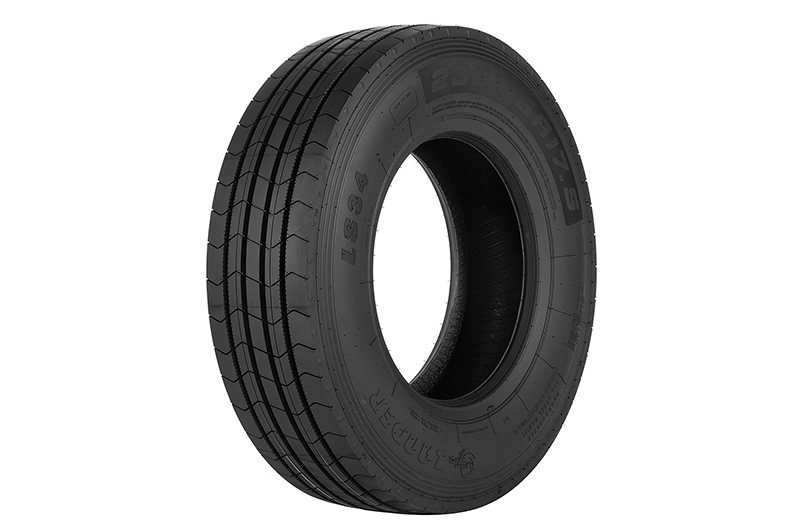
The LS302 regional drive-position TBR tire is one example of a product whose suitability should be discussed in the context of position, route, load, and operating conditions. The product name alone does not determine the correct pressure.
Follow a step-by-step tire pressure check routine
A short routine makes semi truck tire pressure checks easier to repeat across depots, tractors, and trailers. Keep the sequence simple enough for daily use and strict enough to catch abnormal pressure loss before the vehicle returns to service.
Semi truck tire pressure check workflow. Follow the tire maker’s technical data and local rules.
Park the truck safely on a level surface and secure the vehicle.
Allow the tires to cool before comparing readings with the cold target.
Check the approved cold inflation pressure for the tire size, load, axle position, and configuration.
Use a calibrated pressure gauge instead of visual inspection alone.
Check every tire position, including inner duals and spare tires when applicable.
Inspect valves, rims, sidewalls, tread, and dual spacing while the gauge is in use.
Record the semi truck tire pressure readings, tire position, load basis, and action taken.
Investigate abnormal pressure loss before placing the vehicle back into normal service.
Include every trailer axle in the same control system
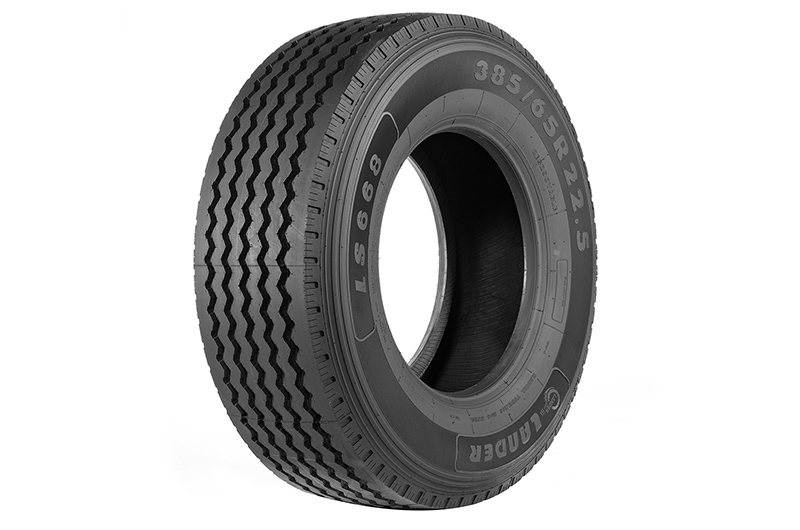
Trailer tires can receive less attention when trailers move between tractors or depots. Give each trailer a stable asset ID, record readings by axle and side, and define who closes an exception. A steer and trailer TBR tire still requires the approved load-and-inflation reference for its actual fitment, especially when the semi truck tire pressure target changes by axle group.
LS668 steer-and-trailer TBR tire. Match the cold target to the actual axle load and configuration.
Match the Inspection Routine to the Route
The approved cold target comes from load and tire data; route conditions shape how closely the fleet should monitor that target and which exceptions require faster action. The table below turns route differences into a consistent semi truck tire pressure inspection plan without inventing a universal PSI.
Operating pattern
Pressure-control priority
Typical inspection focus
Escalation trigger
Long-haul highway
Stable cold baseline across repeat routes
Valve leakage, gradual loss, dual matching, load changes
Repeated loss, heat or wear difference, changed axle load
Regional stop-start
More frequent exception review around changing loads
Curb contact, braking heat, shoulder wear, route-to-route variance
Pressure trend paired with damage or irregular wear
Mixed road or construction access
Pre-route condition check plus contamination control
Cuts, impacts, trapped material, rim damage, valve protection
Impact evidence, exposed reinforcement, rapid loss, wheel damage
Variable trailers or cargo
Asset-level records and handover accountability
Trailer ID, axle group, cold reading, load assumption
Missing history, unknown target source, recurring open exception
Keep long-haul checks comparable
Long runs generate substantial operating heat, so a hot reading should not be casually bled down to a cold target. Compare cold semi truck tire pressure readings taken under a consistent condition. If a route begins at a different depot or climate, record that context so the next review does not mistake normal conditions for a leak.
Tighten exception control for regional stop-start work
Regional routes can combine frequent braking, turning, curb exposure, and changing cargo. The approved semi truck tire pressure target still depends on load and tire data, but checks may need to occur more often than a generic calendar interval. Link pressure exceptions to tread observations, alignment history, loading changes, and service events.
Add damage screening for mixed-road service
On rough access roads, pressure is only one part of the decision. Inspect the tread, sidewall, bead area, valves, rim, and dual spacing for cuts, impacts, distortion, or trapped objects. Do not compensate for a damaged tire by simply adding air.
Diagnose the Cause Before Changing the Target
A semi truck tire pressure reading is a symptom or a measurement, not a complete diagnosis. Before changing a fleet target, separate normal measurement variation from leakage, damage, gauge error, temperature effects, and load changes.
Check the measuring process first
Use a calibrated gauge that covers the required range, train technicians on a common method, and periodically compare shop gauges against a reference. Record whether the tire was cold, the ambient conditions, and the time since operation. A fleet cannot improve semi truck tire pressure control if different tools and methods create different answers.
Treat recurring loss as a defect investigation
Look for valve-core leakage, damaged valve stems, punctures, bead or rim problems, repair issues, and wheel damage. A repeated exception should receive an owner, deadline, and closure note. Adding air without finding the cause merely resets the symptom.
The USTMA also notes that a tire-pressure monitoring system does not replace regular checks with a gauge. TPMS alerts can improve visibility, but fleets still need physical inspection, verified cold readings, and a response process.
Connect pressure findings to wear and wheel condition
Irregular wear may have several causes, including pressure, alignment, suspension condition, braking, mismatched duals, road exposure, or load distribution. Review these signals together. For U.S. motor carriers, 49 CFR 396.11 includes tires, wheels, and rims among the parts covered by driver vehicle inspection reporting requirements.
Build a Repeatable Fleet Pressure Record
The best truck tire inspection checklist is short enough to use and detailed enough to support a semi truck tire pressure decision. It should allow a supervisor to see what was measured, which standard applied, what changed, and whether the exception was closed.
Record the minimum decision fields
Capture the date, time, depot, vehicle and trailer ID, axle and wheel position, tire size, configuration, cold or hot status, measured pressure, approved cold target, target source, load basis, gauge ID, visible condition, action, technician, and closure status. Use controlled terms for defects so trends can be counted.
Separate target changes from routine corrections
Adding air to return a sound tire to its approved cold target is not the same as changing that target. A target change should require updated axle-load evidence, confirmed tire specifications, the current approved table, and authorization. Keep the old value and reason for change in the history.
Review exceptions as trends, not isolated events
At a regular review, group exceptions by vehicle, trailer, route, axle, position, tire pattern, and failure cause. Repeated pressure loss on one asset suggests a repair issue; similar wear across a route group may point toward alignment, loading, or operating exposure. The record should lead to a testable action.
QINGDAO LANDER-SKY TYRE CO. ,LTD Supports Application-Specific TBR Selection
QINGDAO LANDER-SKY TYRE CO. ,LTD has focused on tyre supply since 2013, with a product range that includes TBR, OTR, industrial, agricultural, and forklift tyres. For a TBR enquiry, buyers can share tire size, axle position, actual load, route, speed pattern, rim, fitment configuration, and semi truck tire pressure control needs so the supplier can discuss a suitable commercial truck tire option and the technical data needed for pressure control.
Conclusion: Keep Pressure Decisions Tied to Evidence
A reliable semi truck tire pressure program does not begin with a generic chart. It begins with measured axle loads, exact tire and rim data, the approved load-and-inflation reference, and a cold baseline for each application. Separate wheel positions, adapt inspection intensity to the route, investigate recurring loss, and preserve a clear exception record. When any core input changes, verify the semi truck tire pressure target again before the vehicle returns to normal service.
Frequently Asked Questions
The following answers address common operating questions without replacing the tire maker’s technical data, local regulations, or a qualified inspection.
What PSI should semi truck tires use?
There is no single PSI that fits every semi truck tire. Use the actual axle load, exact tire size and configuration, approved rim, single or dual fitment, and the manufacturer’s current load-and-inflation information. Confirm local legal requirements as well.
Should truck tire pressure be checked hot or cold?
Use a defined cold condition for the baseline and routine comparison. Pressure naturally rises during operation, so a hot reading should be recorded as hot and interpreted with the applicable technical guidance rather than automatically bled to the cold target.
Does every axle need the same tire pressure?
Not necessarily. Steer, drive, and trailer axle groups may carry different loads and use different tires or configurations. Each group needs its own verified target based on the relevant inputs.
How often should a fleet check tire pressure?
Set the interval from fleet policy, legal duties, route risk, equipment, and exception history. USTMA public guidance recommends at least monthly cold checks, while commercial fleets may need more frequent checks, including pre-trip or depot routines, according to their operating controls.
Can TPMS replace manual pressure checks?
No. TPMS can flag changes and improve visibility, but it does not replace a calibrated gauge, physical tire and wheel inspection, or an investigation of recurring pressure loss.
Why does one tire keep losing pressure after inflation?
Possible causes include a puncture, valve-core or stem leakage, bead or rim problems, a repair issue, wheel damage, or measurement inconsistency. Remove the cause from service and document the repair instead of repeatedly adding air.
When should a fleet revise its pressure target?
Review the target when the tire size, load distribution, axle configuration, rim, route, trailer, body, or operating duty changes. A revision should cite new load evidence and the current approved technical source, with the previous target retained in the record.