

The making of Off-The-Road (OTR) tires involves several key stages. It combines material science with careful manufacturing oversight. This approach helps create tires that offer strong durability, good grip, and solid performance in tough settings. Every step in the process aims to fit the needs of demanding areas like mining, construction, and port operations.
Raw Material Selection and Preparation
The base of OTR tire production starts with picking materials wisely. Natural rubber gives bounce and toughness. Synthetic rubber boosts resistance to wear. Materials for strength, such as steel cords or nylon fabrics, get ready to hold up against heavy weights. Chemicals like carbon black, sulfur, and antioxidants get measured exactly. They help increase resistance to wear and keep heat stable while the tire works.
Mixing and Compounding Process
During this part, rubber parts blend in mixers inside. Temperature and pressure stay under watch. The mix goes through rolling to spread fillers and additives evenly. Checks for quality look at things like thickness, weight per volume, and stretchiness. These tests happen before moving on. Such steps ensure steady results from one batch to another. This is vital for big tire runs.
Building the Tire Structure
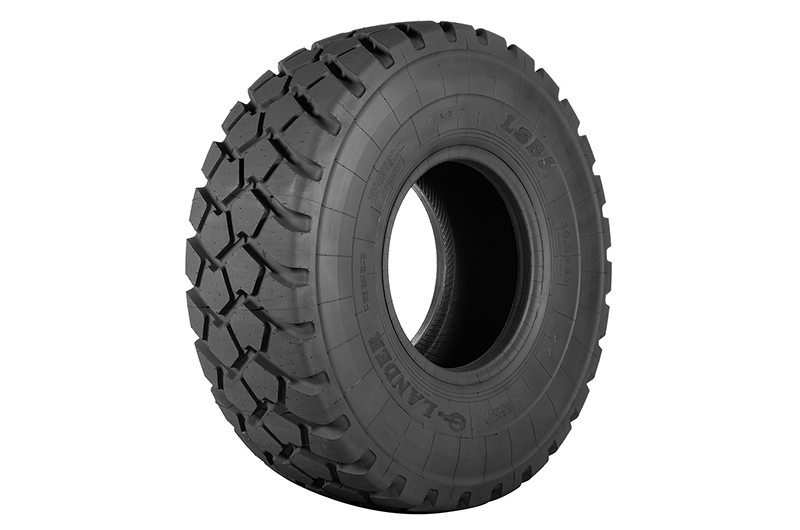
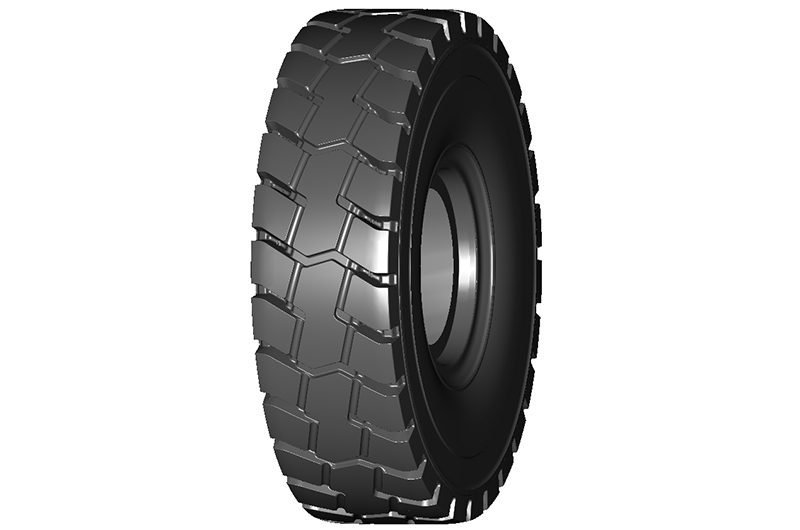
Workers build the main body by stacking rubber sheets that have been smoothed with fabric or steel supports. They add bead wires to keep a firm hold on rims. This holds true even under great pressure from loads. The tread design gets chosen based on what the job needs for grip. For example, patterns suit loaders like the LSB7 Smooth. That one has an extra deep tread for loaders, scrapers, and other machines in underground mine paths. Or for port gear, such as the LSB3. This model uses special building with very deep tread, great load capacity, and a long working life.
Curing and Vulcanization
The uncured tire goes into a mold. Heat and pressure start the vulcanization. This change turns the soft rubber mix into a springy but strong form. It can handle bending stress well. While curing, the tread shapes get set in place. This leads to the best grip on various grounds, from wet mud in quarries to hard rocks in mines.
Inspection and Quality Control
Every completed OTR tire faces strict checks. These include X-ray scans to confirm the inside is sound. They also test size accuracy, even balance, and outer surface quality. Only then do tires get cleared for shipping.
What Are Tire Compounds and Why Are They Critical?
Tire compounds shape how an OTR tire acts in certain work spots. They affect hold, heat release, resistance to cuts, and total lifespan.
Composition of Tire Compounds
A common OTR tire compound mixes natural rubber for bendiness with man-made polymers for control over scraping. Fillers like carbon black or silica build pulling strength. At the same time, they cut down on rolling drag. Add-ons such as oils and waxes adjust the mix of hardness and stretch. This depends on if the tire will run in mine holes or port yards.
Types of OTR Tire Compounds Based on Application
Heat-Resistant Compounds
These mixes work best for fast moves or long trips. There, steady rubbing builds up warmth. They stop breakdown from heat by keeping links steady in the tread base.
Cut-and-Chip Resistant Compounds
Builders design these for rough spots like stone pits or open mine areas. Think of places where machines like loaders and dozers face very rocky ground. The LSA8 fits there. It offers top sidewall protection from cuts and a deeper tread depth. Such compounds stand up to rips from sharp points.
Cold Weather Compounds
These use polymers that stay soft in freezing cold. That way, they provide sure grip. They do this without weakening the main tire body during winter work.
How Do Manufacturing Techniques Influence Compound Performance?
New manufacturing methods play a direct role in how compounds hold up in actual use.
Precision Mixing Technology
Today’s sealed mixers allow even spread of parts at a tiny scale across polymer links. This avoids soft spots that might cause early breaks or uneven rubbing off.
Controlled Curing Systems
Auto-run vulcanization setups manage heat levels across molds. They keep link thickness the same in side parts and tread zones. This matters for fair spread of force during repeated loads.
Real-Time Quality Monitoring Systems
Built-in digital tools watch pressure changes and curing time for each run. They help keep the compound strong over many units made each month.
How Does QINGDAO LANDER-SKY TYRE CO., LTD Ensure Reliable OTR Tire Supply?
We apply tough rules for checking raw materials. Plus, we use top-notch gear for making. This guarantees very high quality. Our tires reach more than 50 countries worldwide. That covers the Middle East, Southeast Asia, Latin America, and Africa. Their setup for shipping handles quick sends. It works even when markets shift. The firm’s five work areas span over 3,000 square meters. They bring together steps like refining, smoothing, shaping, heating, and last checks. All this uses modern machines.
Their range covers radial types like LSB8. This has a special toothed design in the shoulder for handling mud and sand in beach-like areas. It also includes slanted builds like L-5. That one gives extra deep tread for strong defense against rock damage. This variety lets QINGDAO LANDER-SKY TYRE CO., LTD offer fits for many fields. From dirt movers in mine spots to levelers on blended ground paths.
What Are the Emerging Trends in OTR Tire Materials?
Changes in polymer work are changing how makers handle green practices. At the same time, they keep the needed toughness for hard jobs.
Sustainable Material Integration
Rubbers from plant sources now match the power of oil-based ones. But they leave a smaller mark on the earth. This path fits with worldwide green aims. Firms like Lander Sky Tyre follow it.
Nanotechnology Applications in Compounding
Tiny silica bits boost defense against wear. They do this with less amount than old carbon black ways. This step cuts energy loss in rolling. Thus, it aids fuel savings. Grip stays strong.
Smart Tire Technologies
Sensors built inside track heat changes or air levels right away. They allow plans to fix issues early. This spots odd signs before the build tires out. It cuts stop times for users.
Conclusion: The Engineering Behind Reliable OTR Tires
The work behind today’s OTR tires joins exact mix science with auto build care. It starts from blending base parts through watched heating rounds. It ends with digital checks that confirm perfect build soundness. Each part sets how well the tire runs under great force loads. These loads hit trucks or loaders around the world. Groups like QINGDAO LANDER-SKY TYRE CO., LTD show this blend well. Their top setups meet world standards like ECE and DOT. They back this with a three-year promise. It comes from trackable quality steps.
FAQs
What makes OTR tire compounds different from regular tire compounds?
OTR mixes have more filler shares. They also use special stretch materials made for lasting under hard strain. This differs from car tires. Those focus on ease over balance.
How often should OTR tires be inspected during operation?
How often to check relies on how rough the site is. Weekly looks work for usual runs. But daily ones suit mine areas. There, watch tread rub signs or side wear hints. Tools like heat imaging help spot them if on hand.
Can custom compounds be developed for specific site conditions?
Yes. Makers like QINGDAO LANDER-SKY TYRE CO., LTD team up with buyers. They craft special mixes for odd work setups. This includes wild heat or rough grounds.



Leave a comments