

Bias tires have long served as a key part in farming equipment because of their strong build and low price. The slanted layer setup and tough body structure fit them well for tough farm areas. In those places, lasting power and grip matter a lot.
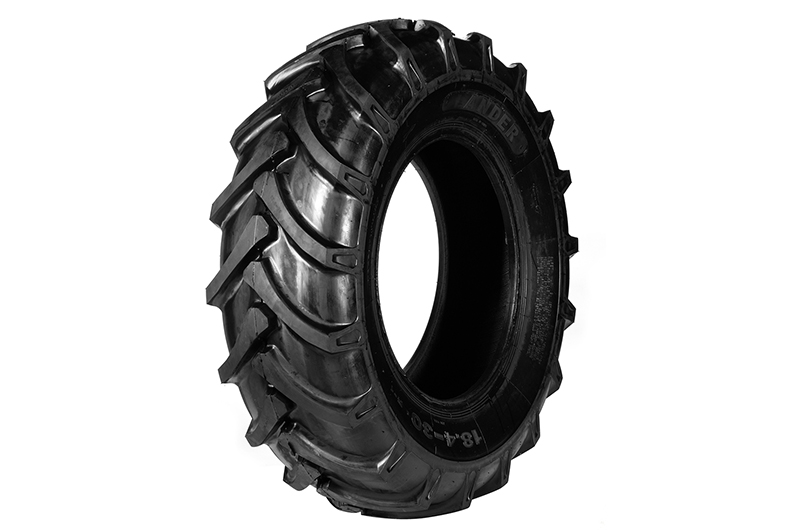
Structural Characteristics of Bias Tires
The solid build of bias tires comes from their many-layer slanted setup. Several rubber layers sit at an angle over one another. This forms a crossing pattern. It boosts the side wall power and general stiffness. Such a setup spreads out pressure in an even way across the tire. It cuts down on bending when heavy weights press down. The heavy body build gives good defense against holes and slices. This keeps steady work even in rough farm spots full of rocks or plant bits. Plus, the strong edge setup keeps things steady during big weight-carrying jobs. That matters when tractors or harvesters pull heavy tools.
Performance Benefits in Agricultural Applications
Bias tires give strong hold on bumpy and loose dirt areas. This happens because of their deep groove blocks and solid side walls. They cut down a lot on sliding in tough farm tasks like plowing, tilling, or harvesting. Their better weight-holding power lets machines such as tractors and harvesters work well. They do this without too much tire damage or bending. These traits turn bias tires into a great pick for farmers who want steady work at a fair price.
How Do Bias Tires Enhance Efficiency in Different Agricultural Environments?
Farm lands change from soft wet fields to hard rocky hills. They need tire tech that can adjust. Bias tires bring bendability and toughness. These turn into better work flow in many farm settings.
Performance on Soft or Muddy Terrains
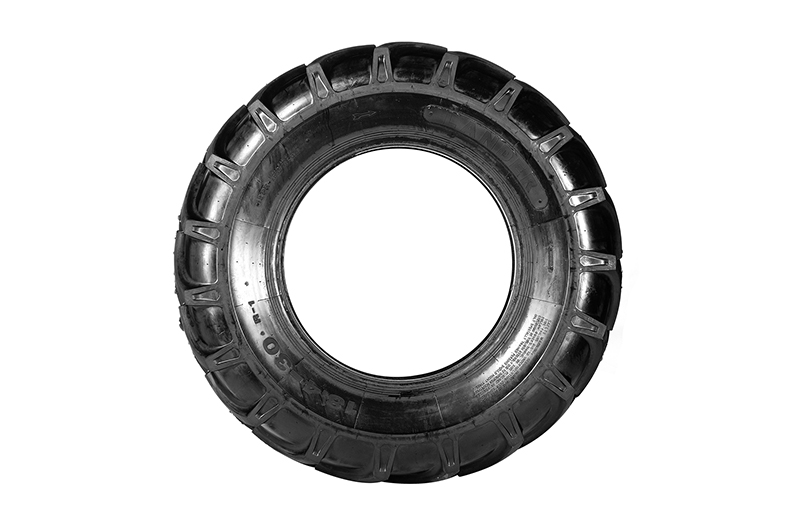
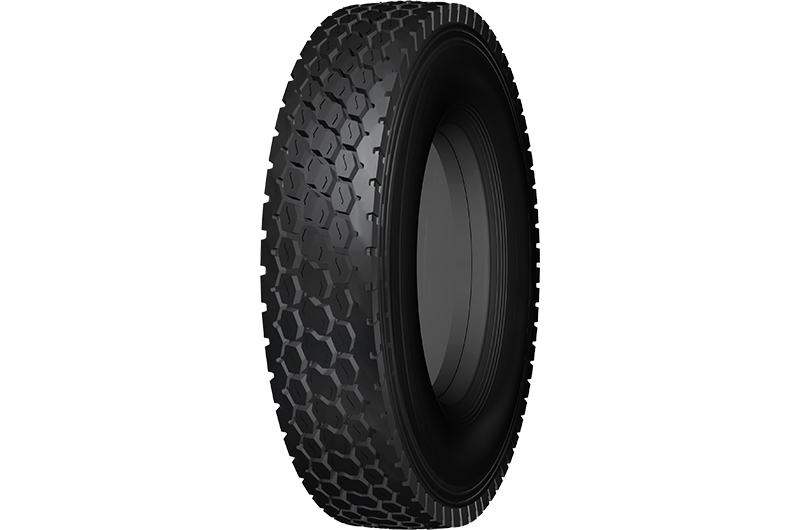
The deep groove designs on bias tires allow good self-cleaning traits. They push out mud and junk as the tire turns. This keeps a steady hold. It also lowers stop time from tire sliding. That kind of work helps a lot in damp rice fields or dirt full of clay. There, losing grip can slow down output badly. Take the R1 basic traditional farm tire pattern, for instance. It shows great hold on various ground types. The R1 pattern’s setup promises solid self-cleaning power. This matches just right with the needs of wet ground areas.
Durability in Harsh Field Conditions
Builders made bias tires to handle rough job settings. These include rocks, plant leftovers, and junk often found in farm lands. Their stiff side walls stop bending under strong twist forces from mighty farm motors. This build strength leads to a longer use time. It drops how often you need to swap them out. It also lowers total upkeep costs. Puncture, anti-aging resistance provides long service life. Such lasting power makes sure bias tires keep top work even after long time in rough spots.
In Which Types of Agricultural Machinery Are Bias Tires Commonly Used?
Various farm machines need certain tire features based on job needs. The low cost and power of bias tires make them fit for use in many machine types.
Tractors and Plowing Equipment
Tractors depend a great deal on steady hold during deep soil turning tasks. Bias tires supply the needed grip. At the same time, they hold up heavy tools without too much damage. Their firm build fits them for both front and back wheel setups. This keeps even weight spread during farm work. This AGR tire is suitable for large range of agricultural vehicles such as tractors, harvesters, implement vehicles, trailers and so on.
Harvesters, Sprayers, and Trailers
Harvesters and sprayers work on bumpy ground. For them, steadiness counts a lot. Bias tires keep things level even with heavy weights on rough land. They give even weight spread. This improves handling. It also brings reliable work at normal move speeds between fields. ldeal tires for modern farming, suitable for both on and off-the-road applications. Their short-height build gives high weight hold with little dirt pressing. That is a key trait for keeping dirt quality during many field trips.
How Do Bias Tires Compare with Radial Tires in Agricultural Use?
Bias and radial tires both play important parts in farming. Yet they differ in basic build ideas and the work traits that come from them.
Design Differences Between Bias and Radial Structures
Bias tires have layers that cross each other. This boosts hardness but slows heat release when compared to radial types. On the other hand, radial tires use layers that sit straight across. They have bendy side walls. These let heat control better during long work times. Radial builds raise ease and gas savings over far trips. But bias types do best where lasting power under pressure stands out most.
Performance Trade-offs in Practical Use
Bias tires do better than radial ones in close-range, slow jobs that need firm side wall help. Those are common in soil turning or crop picking work. On the flip side, radial types work better for far hauls because of less roll drag. So, picking one relies mostly on ground kind, job heaviness, and speed needs in each farm setup.
Why Choose QINGDAO LANDER-SKY TYRE CO., LTD as a Supplier of Agricultural Bias Tires?
When getting top-grade farm bias tires for pro farming jobs around the world, QINGDAO LANDER-SKY TYRE CO., LTD shows as a trusty teammate. People know it for tech skill and a focus on customer needs.
Company Strengths and Product Advantages
Qingdao Lander Sky Tyre is a leading tyre supplier committed to premium tyres and full service. Since 2013, Lander has focused on the design and production of TBR, OTR, industrial tyres, agricultural tyres, and forklift tyres exported to over 50 countries worldwide across multiple regions including the Middle East, Southeast Asia, Latin America, and Africa. We have a total of 5 production workshops in an area of over 3,000 square meters. The process starts with inside refining. It goes to last checks. They use new tech like X-ray lab tests for flaws such as air pockets or bare wires. This makes sure each item hits strict quality rules before it ships out.
Their corporate philosophy emphasizes long-term partnerships built on trust: We uphold the spirit of a 100-years partnership with every customer. Furthermore,We offer a three-year warranty. This promise shows their focus on steadiness past first buys.
In terms of product diversity,We have Truck tyres, Off the road tyres, Agriculture tyres, Industrial tyres, And forklift tyres. Among these offerings are specialized bias models such as R1 basic traditional farm tire pattern has excellent traction performance on different kinds of surfaces designed specifically for tractors or harvesters requiring robust field endurance.
Their certifications—including ECE, GSO, SASO, R117—further validate compliance with international standards demanded by global markets.We also obtained European and Middle East Gulf certifications based on market demand.
Conclusion: The Ongoing Value of Bias Tires in Modern Agriculture
Farm bias tires keep big worth in today’s machine-based farming setups. This comes from their tested mix of lasting power, hold skill, low cost, and fit for different grounds. Radial tech brings new ways to boost work flow in set spots. Still, bias builds stay key where tough dependability comes first over long trip savings. This keeps steady output year by year.
FAQs About Agricultural Bias Tires
What factors should be considered when selecting bias tires for agricultural use?
Main points to think about cover dirt kind, like sandy against clay. They also include weight needs set by linked tools or load spread ways. Speed limits from machines play a role too. Ground unevenness matters. So does machine type, such as tractor against harvester. Each point shapes the best groove pick. It aims for top work flow. At the same time, it cuts damage levels over use periods.
How often should agricultural bias tires be inspected or replaced?
Regular checks every 100 work hours spot early clues like splits or bend shapes that show inside layer tiredness. You must swap them when seen groove depth drop hurts hold work. This risk grows a lot in damp spots where slide chances rise fast.
Are bias tires suitable for both small-scale farms and large commercial operations?
Yes, the build scale in bias tire making lets farmers from tiny plots that focus on low cost to big machine outfits that stress lasting under steady jobs all gain the same. They get from strong build perks plus easy-to-handle spend costs. This makes them fit-all fixes in all levels of today’s farm business setups. Those aim at green-led output rise paths.



Leave a comments