Q I N G D A O L A N D E R - S K Y T Y R E

Loading

Nullam dignissim, ante scelerisque the is euismod fermentum odio sem semper the is erat, a feugiat leo urna eget eros. Duis Aenean a imperdiet risus.

LS938

LS938

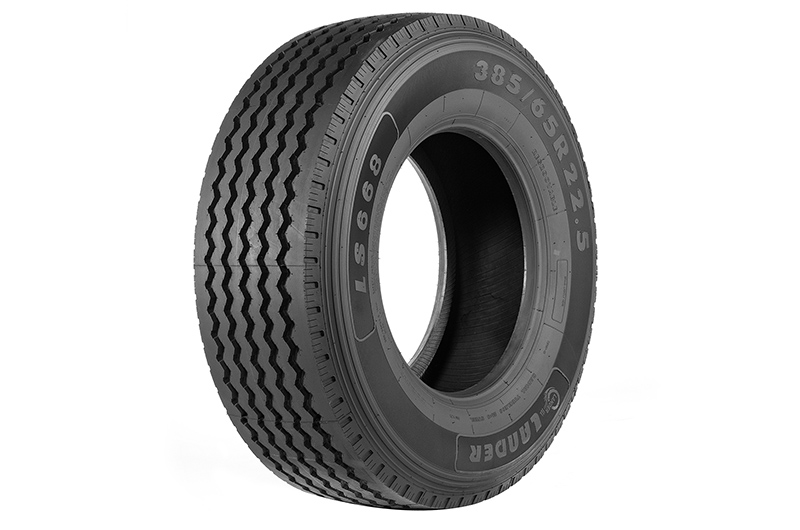
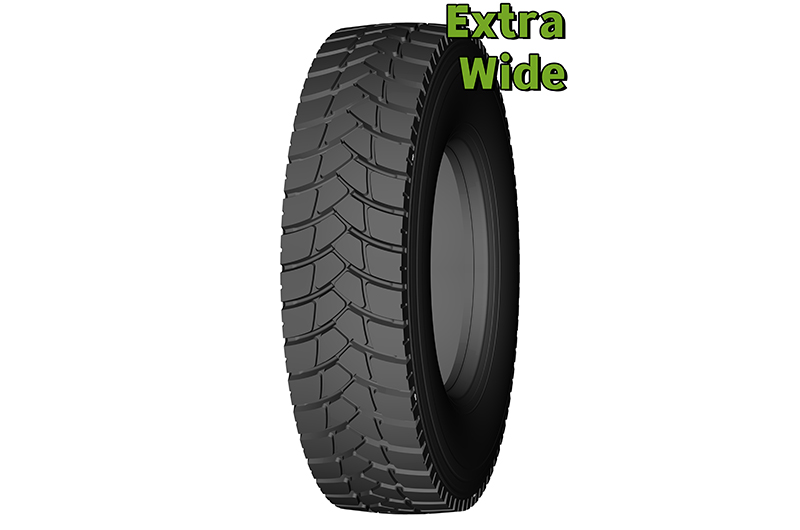
LS938 is a long-haul drive-axle TBR option for trucks running mostly on highway and regional paved routes.<br><table border="1" cellpadding="6" cellspacing="0"><tr><td rowspan="1">Available Sizes</td><td>295/80R22.5</td></tr></table><br>Buyer Fit: For fleets and distributors comparing grip, drainage, heat dispersion and regular route stability.<br>
Read More
LS398PRO

LS398PRO

LS398PRO is a long-haul TBR tire for buyers who care about anti-eccentric wear and cost-effective highway replacement.<br><table border="1" cellpadding="6" cellspacing="0"><tr><td rowspan="1">Available Sizes</td><td>315/80R22.5</td></tr></table><br>Buyer Fit: For replacement buyers who want stable braking and drive performance while controlling cost per kilometer.<br>
Read More
LS398

LS398

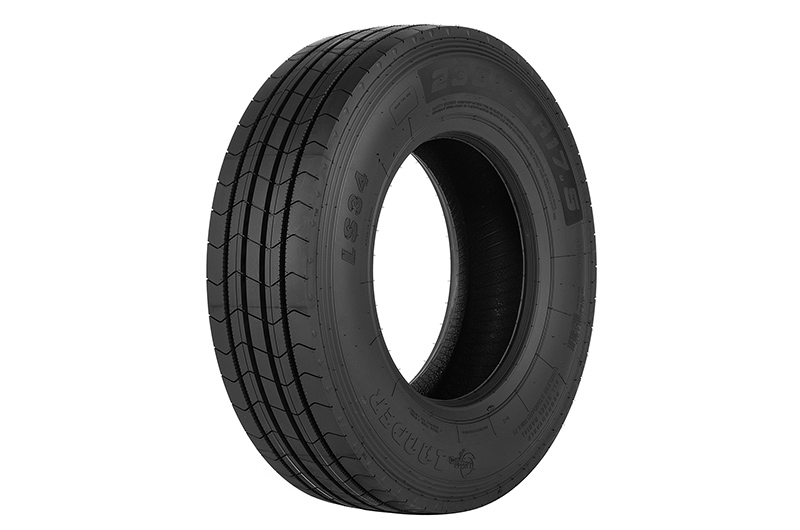
LS398 is a long-haul TBR tire for steering and trailer wheel use, with a five-groove tread design for handling and anti-skid performance.<br><table border="1" cellpadding="6" cellspacing="0"><tr><td rowspan="1">Available Sizes</td><td>11R22.5</td><td>295/80R22.5</td><td>315/80R22.5</td></tr></table><br>Buyer Fit: For buyers asking about steer/trailer fitment, low heat build-up and endurance on good road conditions.<br>
Read More
LS219

LS219

LS219 is a cold-running long-haul TBR tire for good road and highway transport.<br><table border="1" cellpadding="6" cellspacing="0"><tr><td rowspan="1">Available Sizes</td><td>11R22.5</td></tr></table><br>Buyer Fit: For fleets and distributors looking for a highway model where heat control and steady route performance are key.<br>
Read More
LS218

LS218

LS218 is a long-haul highway TBR tire for high-speed handling, wet-road traction and lower running noise.<br><table border="1" cellpadding="6" cellspacing="0"><tr><td rowspan="1">Available Sizes</td><td>11R22.5</td><td>11R24.5</td></tr></table><br>Buyer Fit: For buyers who compare highway comfort, straight-groove traction, heat dissipation and noise control.<br>
Read More
LS217

LS217

LS217 is a long-haul TBR tire for highway steer and trailer positions, with straight-groove traction and lower heat generation.<br><table border="1" cellpadding="6" cellspacing="0"><tr><td rowspan="1">Available Sizes</td><td>11R24.5</td></tr></table><br>Buyer Fit: For replacement buyers asking for steer/trailer stability, wet-road traction and quiet highway running.<br>
Read More
taiyer
QINGDAO LANDER-SKY TYRE CO. ,LTD

WELCOME TO CONTACT

We love to hear from our customers with questions, or concerns - here's how to contact us.
Your Name*

Email*

Tel*

WhatsApp*

Message*

Latest News

Check out our blog posts

View More
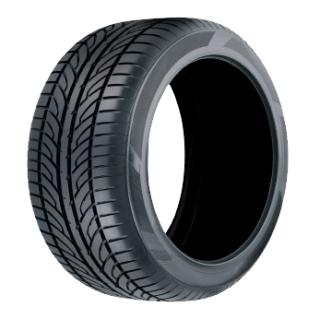
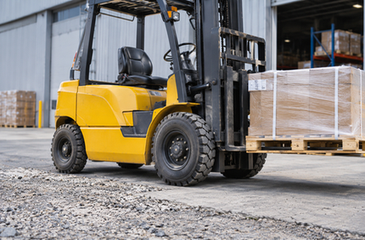
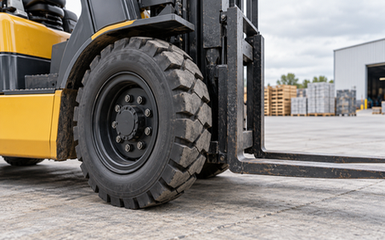
Solid vs Pneumatic Forklift Tires Which Construction Fits the Yard

Solid vs Pneumatic Forklift Tires: Which Construction Fits the Yard?

A forklift that spends most of its shift on smooth concrete may only cross a battered loading apron a few times a day. Another truck works in the same yard but drives past nails, metal strapping and pallet debris on every trip. Both are “outdoor forklifts,” yet they give the tire buyer two different problems to solve. Pneumatic forklift tires usually make the stronger case when cushioning on uneven ground matters. Solid forklift tires make more sense when punctures and lost operating time are the bigger concern. Neither construction is a universal upgrade: the approved wheel, load and duty must still match the tire. Start with the surface, not the tire label Walk the route the loaded truck actually takes. Look at the transitions from warehouse floor to dock plate, the joints in the yard pavement and the areas where packaging scraps collect. A flat concrete yard with scattered sharp metal is not the same application as a broken asphalt approach with almost no debris. The word “yard” alone will not settle the choice. Where pneumatic tires earn their place An air-filled tire can absorb some of the impacts from rough joints, patched paving and mixed yard surfaces. That cushioning matters on repeated loaded trips, particularly when operators leave a smooth warehouse and cross uneven ground. The trade-off is familiar: tire pressure and puncture exposure become part of the maintenance routine. On a route with frequent sharp debris, any ride benefit has to be weighed against downtime. Where solid tires are worth considering A solid tire does not lose air through a puncture. For yards where nails, scrap or discarded pallet hardware regularly reach the driving path, that removes one common cause of an unscheduled stop. The firmer construction, however, transmits more of the surface irregularities through the truck. Solid tires still need inspection for wear, damage, heat build-up and suitability for the machine; “no air pressure” does not mean “no maintenance.” Solid vs pneumatic forklift tires: a practical comparison Decision point Pneumatic construction Solid construction Broken joints and uneven paving Air cushioning can improve ride over variable ground Less cushioning; assess vibration and surface severity Nails or sharp debris Punctures and air loss are potential downtime causes No air to lose from a puncture Daily checks Correct inflation pressure is essential No inflation check, but wear and damage still require inspection Long shifts Consider pressure, heat and route conditions Consider heat, wear and continuous-duty suitability Before ordering Confirm size, PR, rim, wheel load and pressure Confirm size, mounting form, rim and duty-specific load data This table compares construction characteristics, not tested performance figures for a particular forklift. The tire specification and the equipment maker’s approval take precedence over general rules. Three yard situations that change the answer 1. A loading apron with cracked concrete The route runs from an indoor loading bay across worn joints and patched pavement before returning to the warehouse. If puncture hazards are limited, cushioning becomes an important reason to review a pneumatic option. Inspect the worst section with the forklift loaded; a surface that looks manageable when empty can feel quite different during repeated loaded travel. 2. A scrap-prone outdoor transfer area A second truck crosses mostly hard pavement, but loose fasteners and pieces of metal strapping routinely appear near the loading lanes. Here the cost of a puncture may outweigh the value of extra cushioning. A suitable solid tire deserves a closer look, alongside housekeeping improvements. Choosing a solid tire is not permission to leave the route covered in sharp material. 3. One truck, warehouse in the morning and yard in the afternoon Mixed duty is the awkward case. Indoor turning, yard transitions, loaded travel distance and debris all matter. Rather than choosing from the word “outdoor,” ask which problem repeatedly interrupts the shift: harsh impacts or tire damage. If both are substantial, the fleet may need route improvements or a review of how the trucks are assigned, not simply a different tire construction. What LANDER LS658 and LS659 actually offer In LANDER’s forklift tire range, the LS658 pneumatic forklift tire is positioned for outdoor and mixed-surface material handling where cushioning, traction and machine stability matter. The LS659 solid forklift tire is positioned for demanding material handling where puncture avoidance, stable handling and long working hours matter. These are the manufacturer’s stated applications, not approval for every forklift working on those surfaces. For a yard with rough transitions but little sharp waste, the LS658 is the more natural starting page to review. When sharp debris and puncture-related stoppages dominate, compare the LS659 instead. On the customer site, the LS659 is presented as a multi-rib solid design; its application is not restricted to indoor warehouses. A shared tire size is not a fitment approval The 5.00-8 marking appears in both model ranges, but the catalog rows are not identical. LANDER lists the LS658 5.00-8 pneumatic tire with a 470 mm outside diameter, 137 mm section width and 3.50D rim. For an LS659 5.00-8 solid tire on a 3.50D-8 rim, the published row lists a 460 mm outside diameter and 136 mm section width. Those figures are model-specific examples, not a claim that one can replace the other. The remaining specification fields also differ by construction. The LS658 table includes PR, load and inflation pressure by size. The LS659 table distinguishes mounting details and load capacities for different wheel positions and operating conditions. A number taken from one table should never be copied across to the other. The truck’s tire and wheel approval, axle loading, mounting method and clearances decide whether a proposed change is possible. Buyers sometimes ask whether solid tires can simply replace the pneumatic tires on a forklift because the nominal marking matches. There is no safe blanket answer. If the current tire construction changes, have the equipment manufacturer or qualified fitment specialist confirm the wheel assembly and operating limits before ordering. Questions to settle before requesting a quote A short route description is more useful than a long generic product request. Include these details when discussing a forklift tire replacement: What proportion of the shift is on smooth concrete, broken pavement or mixed surfaces? Are punctures an occasional incident or a recurring source of downtime? What truck model, front/rear wheel position and approved tire mounting arrangement are involved? What are the verified wheel or axle loads, expected operating speeds and shift pattern? Is the proposal a like-for-like replacement or a switch from pneumatic to solid (or the reverse)? Once those points are established, review the relevant LANDER model page and send the confirmed requirements through Contact LANDER. Request the exact tire construction and size rather than approving a substitute by appearance alone. Conclusion The right construction depends on what repeatedly challenges the forklift: impacts from rough ground or interruptions caused by sharp debris. Pneumatic tires can provide useful cushioning in mixed yards; solid tires can reduce air-loss downtime where puncture hazards dominate. LANDER’s LS658 and LS659 provide two starting points, but the final decision belongs to the approved wheel and operating duty. Buyer FAQ Are solid forklift tires always better outdoors? No. Solid tires can be a good choice on outdoor hard surfaces where punctures are common. On rough or uneven routes, the lack of pneumatic cushioning is an important trade-off. Surface conditions and approved fitment both matter. Can pneumatic forklift tires work in a warehouse? Potentially, if the truck is designed and approved for that construction. A warehouse-to-yard route may benefit from pneumatic cushioning, but the equipment’s wheel arrangement and space constraints must be checked first. Do solid forklift tires require maintenance? Yes. They do not need inflation checks, but operators still need to look for cuts, uneven wear, heat-related damage and changes in handling. Debris removal and route maintenance remain important. Can LS658 and LS659 be swapped at the same nominal size? Not automatically. Even a shared marking such as 5.00-8 does not establish identical dimensions, mounting conditions or load ratings. Verify the actual equipment specification and obtain the necessary fitment approval before switching construction.
Buying LS658 Pneumatic Forklift Tires Check the Quoted Size

Buying LS658 Pneumatic Forklift Tires: Check the Quoted Size

A quotation that says “LS658, 900 kPa” may look specific. It is not. On LANDER’s LS658 page, 900 kPa appears beside both 5.00-8 and 300-15. The first has a 3.50D standard rim and a listed 1,295 kg load. The second shows an 8.00 rim and 6,825 kg. Those details would send a buyer toward different tires even though the pressure matches. The order therefore needs a size and an identified forklift, not merely a tire family. LANDER publishes the tire data. The wheel fitted to the truck, its load and the truck maker’s guidance supply the other half of the decision. The LANDER homepage is the broad company entry, while About LANDER gives the company background behind the product categories. Find out what is being replaced A photograph of the old sidewall marking is more useful than a handwritten size copied from an old spreadsheet. Photograph the rim identification if it can be seen. Record the truck model and whether this is a front or rear wheel; the supplier cannot infer either from the word “forklift.” If the marking is gone, do not borrow a size from a similar-looking truck. State that the existing marking is unreadable and have the wheel and approved fitment identified. A move from solid to pneumatic construction calls for a fresh fitment check. On its LS659 solid tire page, LANDER highlights puncture avoidance; the LS658 page discusses cushioning and traction on variable ground. The truck maker’s wheel guidance still has to settle whether the change is possible. Give the supplier the working conditions in ordinary terms. “Outdoor yard” could mean smooth paving or a route littered with sharp scrap and broken joints. Tell the supplier about the surface and the loaded route. LANDER lists LS658 for outdoor yards, loading areas and mixed industrial work; the machine’s actual assignment is more specific than any of those labels. Read the complete size row The LS658 specification page lists a standard rim, dimensions, load and pressure for each size. These three published rows show why copying one field in isolation is risky: Size PR Diameter Width Standard rim Listed load Listed pressure 5.00-8 10 470 mm 137 mm 3.50D 1,295 kg 900 kPa 7.00-12 14 683 mm 192 mm 5.00S 2,670 kg 1,000 kPa 300-15 20 840 mm 300 mm 8.00 6,825 kg 900 kPa The 7.00-12 listing is 1,000 kPa, so the family has no single pressure setting. The two 900 kPa entries still differ sharply in rim and load. Read the rim, size and dimensions with the pressure, then check the exact offered tire against current equipment guidance. Do not compare the load column with the forklift’s lifting-capacity plate. The load relevant to a tire is the load at its wheel or axle in the intended configuration. When that number is missing, write “wheel/axle load pending” and ask for a fitment review. Leaving the cell open is safer than copying the lifting-plate number. Keep PR with the row; it does not clear a wheel position by itself. Put a proposed change in writing If the old sidewall says one size and the reply names another, print both markings. The offered rim, dimensions, PR, load and pressure should sit beside the original request, with each change visible. That gives the truck’s fitment approver a concrete question. Price alone will not tell the buyer whether the proposed tire clears the machine or suits its wheel. For the RFQ, place the old sidewall and rim photographs beside the truck model, wheel position and quantity. Add the route description and any verified wheel or axle load. If the load is unknown, say so instead of copying the lifting-capacity plate. Delivery and document requirements can follow. Ask for the exact offered LS658 size and current data. LANDER’s forklift range and product listing help with browsing; the LS658 page holds the size details used here. For company questions or a quotation request, use Contact LANDER. File the approved size with the purchase order. Receiving can then check the delivered sidewall marking before fitting, against the same size the fitment reviewer approved. Before anyone compares totals, read the offer once as a fitment record. Check the offered marking against the request, the rim against the wheel record, and the listed load and pressure against the same size row. Then set the machine’s confirmed wheel or axle load beside the work described in the RFQ. An unresolved answer belongs in the open-items note and should go back to the person responsible for the forklift. That keeps a missing measurement visible instead of allowing a familiar model name or a shared pressure figure to decide the purchase. The three rows also show how quickly a size difference becomes a machine difference. The table lists 6,825 kg for 300-15, a little more than five times the 1,295 kg shown for 5.00-8. Its outside diameter is 840 mm rather than 470 mm, and its width is 300 mm rather than 137 mm. Those comparisons do not approve either tire for a truck. They do show why the shared LS658 name or shared 900 kPa figure cannot justify moving from one marking to the other. The standard rim changes from 3.50D to 8.00 as well. A supplier who sees the old marking and wheel record can explain the proposed row; a supplier who sees only the model name has to ask for those details. The same table helps when a requested size is unavailable. The buyer can place the old row and the offered row side by side and identify the changed field. If the offered diameter, width or rim is different, the fitment question should be answered before the price is approved. A note saying “alternative accepted” does not preserve the reason for the decision. The approval record should retain the offered marking and the row values that were reviewed. At receiving, compare the delivered sidewall with that approved line. A mismatch may be a picking error, but it should be resolved against the quotation before the tire reaches the wheel. That is the point at which the catalog data, the forklift record and the purchase order meet. Conclusion A tire model name is useful for finding a catalog page. For an LS658 order, the decisive record is the exact size row matched to a particular forklift and wheel, with any substitution assessed before the order goes out. Buyer FAQ Does LS658 have one pressure? No. The official table lists 900 kPa for 5.00-8 and 300-15, but 1,000 kPa for 7.00-12. Pressure must stay with the exact size row. Is listed load the forklift lifting capacity? No. The catalog load belongs to the tire row. The machine review concerns the load at the relevant wheel or axle in the planned configuration. What should accompany an RFQ? Send the forklift model and wheel position, sidewall and rim photographs, quantity, route description and any known wheel or axle load. Keep the exact LS658 size row in the request. What about a substitute size? Keep the requested and offered markings together. Record the offered rim, dimensions, PR, load and pressure, then obtain the fitment decision before approval.
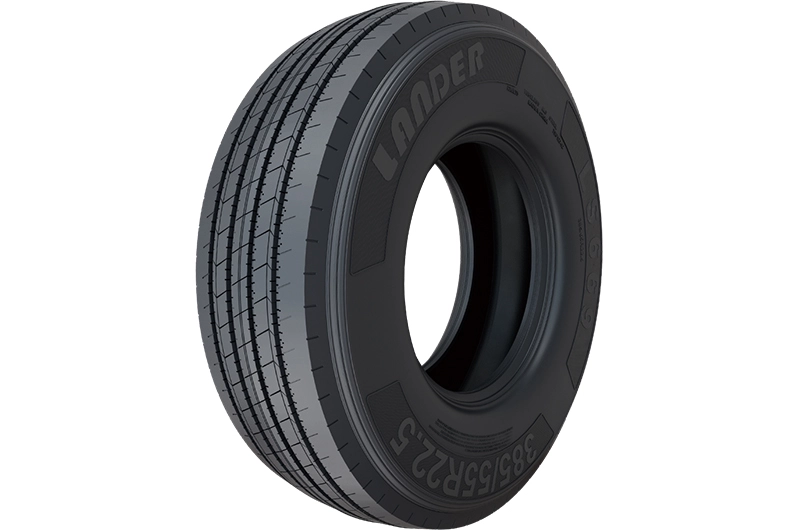
LANDER LS669 commercial truck tire with a ribbed tread pattern, shown in a three-quarter view for 38565R22.5 and 38555R22.5 tire size comparison

385/65R22.5 vs 385/55R22.5: Tire Size, Diameter, Load Rating & Fitment

The pattern name on a quote can stay the same while the tire specification changes. That is exactly the point worth discussing when comparing LANDER’s LS669 in 385/65R22.5 with its 385/55R22.5 version. There is no point negotiating the alternative until the specification has been settled. On the LANDER LS669 sheet, those two lines have different rims, different outside diameters and different maximum loads. Calling the second one an alternative does not resolve any of those differences. For a buyer working through the TBR tire range, this is a useful example of what to put on the desk before agreeing to a size change. 385/65R22.5 vs 385/55R22.5: How to Read the Tire Sizes Keep the approved size on the enquiry, even while discussing another option. The vehicle model and the markings on the wheel belong beside that size. We would put the alternative on a separate line below it. That way, whoever answers the enquiry can see both the original requirement and the option being discussed. Reading from left to right gives a nominal width of 385 mm, followed by the profile. That profile expresses section height relative to section width, in percent. At the other end of either name, the diameter designation is 22.5 inches. That is where 65 and 55 differ; the R in each name denotes radial construction. Useful information, certainly, although it is still a size designation rather than permission to fit the tire to a particular vehicle. What Do the Published Figures Actually Show? Here are the two entries from the LANDER LS669 specification. This is a comparison of that model, not a universal chart for all 385-size tires. Published specification 385/65R22.5 385/55R22.5 Ply rating 24PR 20PR Load index 164 160 Speed symbol K K Standard rim 11.75 12.25 Section width 389 mm 386 mm Overall diameter 1,072 mm 996 mm Tread depth 14.5 mm 14.5 mm Maximum load 5,000 kg 4,500 kg Listed inflation pressure 900 kPa 900 kPa   There is just 3 mm between the width entries, 389 and 386 mm. The diameter entries tell a different story. Subtract 996 from 1,072 and there is a 76 mm difference to discuss. The same exercise with the maximum-load entries gives 500 kg per tire. It is worth leaving both differences written on the comparison sheet, even when the quoted prices are close. Not every field changes. There is a K in both speed-symbol cells, 14.5 mm in both tread-depth cells and 900 kPa in both inflation cells. Taken together with the other entries, however, those matches do not describe two identical specifications. For an enquiry about 385/65R22.5 tire dimensions, we would attach this whole table. It leaves the person reviewing the order with the rim reference as well as the measurements. What Needs Attention on the Vehicle? There is a point where the purchasing conversation needs a technical answer. For a proposed size change, we would want the vehicle manufacturer’s guidance and the fitment provider’s review on file before approving the order. The questions below are a practical way of arranging that discussion. Is the wheel combination approved? The rim references on these LS669 rows are 11.75 and 12.25. Neither entry should be read as a complete approved-rim list. Obtain that information for the tire being offered, then compare it with the actual wheel. Approval covers width and contour as well as diameter. The wheel’s load and pressure limits remain limits, even where the tire itself has a higher rating. Has the clearance been checked? Clearance deserves a physical review, not an estimate from the catalog. USTMA’s commercial tire manual addresses movement through the suspension’s travel and, for steering positions, full turns in both directions. A diameter change can also bring instruments and electronic systems into the review, including a possible need for recalibration. Which checks apply is a question for the vehicle manufacturer. Do not turn a catalog diameter difference into a promised change in loaded deck height. Truck Tire Load Capacity and Inflation Pressure: Key Differences On this sheet, the lower-profile LS669 is also the version with the lower maximum-load entry. We would not sign off that difference without the actual vehicle requirement and the relevant load-and-inflation information in front of us. The pressure cell alone cannot establish equal load capacity. The terminology is covered separately in LANDER’s guide to truck tire load ratings. For this order, keep the discussion on the two specifications actually being offered. What Would Make the Enquiry More Useful? An enquiry headed simply “385 tires” leaves too much to discuss later. Our preferred format is a separate entry for each size, a quantity against each entry, and photographs showing the existing tire and wheel. A note identifying the vehicle and wheel position can accompany those photographs. The rest of the enquiry can describe where the tires will work: the route, road surfaces, usual load and destination market. When the quotation comes back, does it include the current sheet for the tire offered? If the supplier has proposed a different size, ask them to identify it in the reply. Approved wheel information belongs with that response. With those questions answered, the buyer can work through the price, packaging and documents. We would retain the correspondence in the order file; the reason for accepting a substitution should be available to the next person who reviews it. Where Does LANDER Fit into the Purchase? Qingdao Lander Sky Tyre has focused on truck, OTR, industrial, agricultural and forklift tires since 2013. The LS669 is a regional TBR option, and its published data allows these two sizes to be compared without guessing the missing specification fields. For a quotation, send LANDER your requirements, including the size, quantity, operating route and market. Ask for the current sheet for the version being quoted. Where a size change is involved, keep the vehicle manufacturer’s fitment decision in the purchase file as well. Conclusion Two prices are easy to compare; two fitments take more work. In this LS669 example, we would return to the rim entries and maximum loads before choosing between the offers. Once the technical review is complete, file it with the order. That gives the purchasing team a record of why it accepted the quoted 385/65R22.5 tires or 385/55R22.5 tires. FAQs Is a matching 22.5-inch rim diameter enough for replacement? No. The diameter may match while the wheel width or contour is unsuitable. An approved wheel pairing does not remove the need to review clearance and the vehicle’s load requirement. What is the outside-diameter difference in this example? The two LS669 catalog diameters are 1,072 mm and 996 mm, so there is 76 mm between them. It is a comparison of these catalog entries, not a replacement approval. Does the LS669 load figure stay the same with the lower profile? No. Against the 385/65R22.5 entry, LANDER lists 5,000 kg. Against 385/55R22.5, it lists 4,500 kg. Those are the figures for this particular model. What do 65 and 55 mean? They give nominal section height as a percentage of nominal width. Both sizes have 385 mm as their nominal width. Which standard rims does LANDER list? For these LS669 entries, 11.75 goes with 385/65R22.5; 12.25 goes with 385/55R22.5. Ask separately about other approved rims. What does LANDER need for a quotation? The size and quantity, plus the market and route conditions. Include certificate or packaging requests with the enquiry.
Truck Tire Inspection Checklist for Fleet Defect Reports

Truck Tire Inspection Checklist for Fleet Defect Reports

“Rear tire damaged” is the sort of note that starts a conversation and ends an audit. The workshop has to call back: which rear axle, which side, inner or outer, and what did the inspector actually see? A truck tire inspection checklist gives that note somewhere useful to go. It ties a tire to a photograph, a measurement and a person who will decide what happens next. This is a working guide for fleet managers, workshop teams and TBR buyers. It sits beside the fleet’s own inspection procedure. Imagine opening the record the next morning, after the truck has gone: the position, photo and next owner should still make sense. The rules of the country where the truck operates still decide whether a tire can stay in service. Give the Finding a Location Before Giving It a Label Most arguments about a defect report begin with location, not with the defect itself. The first few fields do more work than they seem to Put the vehicle number, date, mileage and inspector at the top. Then add the axle and side. A truck with three rear axles shouldn’t be reduced to “left rear”; the axle number removes that ambiguity. If a trailer is part of the inspection, record the trailer number too. Copy the sidewall size, pattern and tire ID from the tire. If the marking is dirty or unreadable, say so and attach a photograph. That small admission is safer than filling in a size from memory and discovering later that the replacement enquiry was built on the wrong tire. The LS668 product page describes LS668 as a regional steer and trailer TBR tire. That is useful product context. It still doesn’t replace the fitted tire’s own marking and wheel position in the report. A catalogue name can suggest a match; only the vehicle entry can show where the tire was actually found. LS668 regional steer and trailer TBR tire. Official product image. Inner and outer tires should not share one observation Two tires in a dual assembly can look different. Keep their notes separate even when the work ticket is shared. A line such as “second rear axle, left outer; sidewall cut visible; photograph 04; referred to workshop” gives the next person a place to start. Let the Evidence Explain the Decision A good report doesn’t try to make the decision before the evidence has been recorded. Keep the regulation short and local For a U.S. example, 49 CFR 393.75 can be cited when a report involves exposed ply or belt material, separation, a flat tire, an audible leak or a cut that exposes the tire structure. That’s a U.S. reference, not a worldwide rule. The operating market and the fleet’s own removal policy still control the result. On a truck tire inspection checklist, keep the description and photograph beside the finding. Add the measurement point and unit when a reading is taken. Picture a reviewer comparing two tires on the same axle: without that location, even a correct number can be attached to the wrong wheel. Pressure can be recorded with the conditions of measurement and the approved load reference; one universal pressure number shouldn’t be invented for every truck. Make the Handover Easy for the Workshop The person reviewing the report may never meet the person who wrote it. That’s why the record has to carry the explanation on its own. A compact record can answer five practical questions Which tire was checked? What was visible, and where? Was anything measured, and how? Who owns the next decision? What will show that the item is closed? Part of the record Useful detail Question it answers Identity Tire ID, size, axle and side Which wheel is this? Evidence Finding, location and photo What was actually seen? Reading Number, unit and point Can the result be checked? Review Owner and action Who decides the next step? Closure Ticket and recheck Is the issue finished? The workshop can add its action below the original observation. A replacement gets a new tire ID beside the old entry. If the tire stays in service, the reason and the next check belong there too. “Done” on its own doesn’t tell anyone what happened. A short sentence such as “rechecked cold, no further leak, monitor at next route check” gives the next person something they can act on. One trial run is worth doing before the form goes to the whole fleet. Hand it to someone who wasn’t at the inspection. Can they find the tire and name the next action? If not, the field or example needs to be clearer. Suggested inspection report workflow. Illustrative reporting aid. Carry the Same Story Into the Replacement Enquiry The purchasing team shouldn’t have to reconstruct the inspection from a size alone. A short note about the route can save a long email later. Route and load are part of the tire request Start with the size and axle role. Add the route, load information, photographs and readings. That tells the supplier where the tire will work and why the enquiry was opened. It also saves the buyer from forwarding three separate messages just to answer one fitment question. The LS302PRO product page describes a regional drive-position TBR tire for non-paved roads. If the product is being considered, send the intended size and application with the inspection record. The fleet’s normal service review should confirm the fitment before ordering. LS302PRO regional drive-position TBR tire. Official product image. TBR Product Discussions with QINGDAO LANDER-SKY TYRE CO. ,LTD QINGDAO LANDER-SKY TYRE CO. ,LTD’s company overview describes tire design and production since 2013, including TBR tires. Buyers can review the TBR product range and send the exact size, route, quantity and inspection findings. Keep the confirmed product row and complete specification with the order record. Conclusion: A Clear Reply Finishes the Report A truck tire inspection checklist is doing its job when a later reader can connect the tire position, evidence, reviewer, action and recheck. That same chain gives a replacement enquiry its reason and application. FAQs About a Truck Tire Inspection Checklist The questions below cover the small decisions that tend to hold up a review or a repeat-order enquiry. What belongs at the top of the form? Vehicle number, date, mileage and inspector come first. Add the individual tire position, tire ID and sidewall size. Which regulation can a U.S. report cite? 49 CFR 393.75 is one U.S. reference for conditions such as exposed ply or belt material, separation, a flat tire, an audible leak or a cut exposing the tire structure. Local requirements still apply. Why keep inner and outer tires separate? They can have different findings. Separate notes preserve that difference while allowing one shared work ticket. What should a measurement include? Keep the number, unit, measurement point and conditions beside the entry. The applicable fleet or local criterion should also be clear. Does this replace a complete vehicle inspection? No. It is a tire reporting aid used alongside the fleet’s complete inspection procedure. What closes a reported defect? The reviewer, action, work ticket and recheck should remain linked to the original finding. What should accompany a repeat-order enquiry? Send the tire identity, axle position, route, load information and relevant findings so the supplier can confirm the replacement specification.
ls34-1-commercial-tbr-tire

Truck Tire Load Ratings: Read TBR Specifications Before Ordering

An order that says only “18PR truck tires” leaves an important question open: which size and load specification? Truck tire load ratings need to be read with the exact size, single or dual configuration, and stated operating conditions. For TBR buyers, the practical starting point is the complete product row, followed by confirmation against the vehicle and wheel requirements. Before approving a replacement, collect the load index, capacity, corresponding pressure and rim information together. Treat the examples below as a way to read a specification sheet, not as permission to fit a tire to a particular truck. Read the Rating Fields as One Specification Start your truck tire load ratings review by separating the labels. Keep the manufacturer’s wording alongside each value while you compare quotations. Load index and maximum load A load index is a code for capacity under specified speed and service conditions; it is not a kilogram value. The USTMA commercial truck and bus tire guide explains this relationship. Record the speed symbol with the index, then check the stated capacity. Ply rating and the limits of a strength label Ply rating, often shortened to PR, does not necessarily count physical sidewall plies. A truck tire load range identifies load and inflation limits. Ask for the exact size-specific capacity instead of turning a PR label into an assumed weight limit. LS34-1 sidewall view. Record the exact size when requesting a specification. Single and dual entries Use the entry for the intended configuration. A dual-load value applies to each tire in the dual assembly. Keep that heading visible in your purchase record; do not copy a bare number into a column simply called “capacity.” Compare Actual Product Rows Before Comparing Prices The official product tables offer a useful check on truck tire load ratings. Read across a row before drawing a conclusion from one familiar marking. A size-specific LS34-1 example The LS34-1 commercial TBR tire is a 17.5-inch series for smaller commercial trucks. Its published table lists these entries: Source: LANDER SEA LS34-1 product specifications, checked September 7, 2026. Loads are per tire in the stated configuration. The pressure column reproduces the product table, not a universal operating target. All three rows show 18PR, yet the middle row has lower load values. The first and last rows share the same load index but list different pressures. These are size-specific specifications, not interchangeable orders. LS34-1 product image. Check the selected size against its complete specification row. When comparing commercial truck tire sizes, highlight every changed field in the supplier’s sheet. Include the standard rim, which is outside this shortened table, in the technical confirmation. Do not approve a substitution from the PR column alone. A separate LS669 specification check The LS669 regional TBR tire illustrates a different table layout. Its 385/65R22.5 row lists 24PR, load index 164, speed symbol K, standard rim 11.75, maximum load 5,000 kg and inflation pressure 900 kPa. Here the heading is “Max load,” rather than separate single and dual columns. Preserve that distinction when requesting clarification. Do not relabel the value as a dual rating or treat LS669 as a substitute for the smaller LS34-1 series. LS669 product image. Confirm the ordered size separately from the example above. For your truck tire load ratings file, attach the complete supplier sheet and mark the requested row. Ask the supplier to confirm the configuration and intended vehicle application in the reply. Separate Tire Capacity from Vehicle Approval Truck tire load ratings describe the tire. Keep a separate review for the truck and its wheels before authorizing a purchase or fitment change. Vehicle and wheel limits Higher-capacity tires do not raise the axle or total vehicle load limit. Wheel and rim maximum load and pressure limits also remain applicable, as USTMA explains in its replacement-tire guidance. Ask the vehicle technical contact to review any proposed specification change. Keep that approval with the quotation, and identify the exact vehicle or fleet configuration it covers. Avoid a general approval note that leaves the chosen tire size unstated. Conditions attached to the rating Consult the tire manufacturer’s load-and-inflation table for capacity at the relevant cold pressure. A catalogue’s maximum-load row is not a pressure schedule for every load. Keep pressure-setting instructions in the fleet’s maintenance procedure. In the purchase file, record which technical table was used and who confirmed the selection. This article’s task is to help you check truck tire load ratings before ordering, rather than prescribe a daily inflation routine. Turn the Specification into an Order-Check Record Use the following truck tire load ratings checklist for each proposed TBR item. Have the buyer and supplier review the same marked-up specification sheet before discussing a substitute. 1. Identify the exact pattern and size. Include a photograph of the existing sidewall if you are requesting a replacement. 2. State the intended axle position and single or dual configuration. Ask the supplier to confirm the matching specification entry. 3. Copy the PR or load range, load index and speed symbol without changing the labels. 4. Record the load value, its unit, and the corresponding pressure information. Keep single and dual values in separate fields. 5. Request confirmation of the rim and vehicle requirements. Refer unresolved fitment questions to the appropriate technical contact. 6. Save the confirmed specification with the order date, quantity and destination market. Ask for written clarification if the offered row differs from the requested one. For a mixed-size order, repeat the check for every line item. Leave an unresolved field visibly open and send it back for clarification before approving that item. Do not fill it with a value copied from another size. Specification Support from QINGDAO LANDER-SKY TYRE CO. ,LTD For buyers moving from truck tire load ratings research to sourcing, QINGDAO LANDER-SKY TYRE CO. ,LTD supplies TBR tires alongside other tire categories. Its company overview describes tire design and production activity since 2013. Use its model-specific tables to begin a focused discussion: send the exact size, configuration and requested load specification, then ask the team to confirm the appropriate product row. Base a reliable supply decision on that documented match. Conclusion: Approve the Complete Specification Put the confirmed product row beside the vehicle and wheel requirements before releasing the order. For truck tire load ratings, that means retaining the conditions attached to the number and resolving any configuration question in writing. Keep the approved sheet available for the next repeat order. FAQs About Truck Tire Load Ratings These short answers clarify the fields used in a TBR specification review. Is a load index the same as a weight in kilograms? No. It is a capacity code with specified conditions. Check its corresponding load value. Does 18PR mean that a tire contains eighteen physical plies? Not necessarily. PR is a rating, not a reliable physical-ply count. Are dual-load values given for one tire or the whole pair? For each tire. Use the specified dual-configuration entry. Can two tires with the same ply rating carry different loads? Yes. The LS34-1 table above lists different capacities among its 18PR sizes. Does a higher tire rating increase the truck’s permitted payload? No. A tire upgrade does not increase the vehicle or axle rating. Can a catalogue pressure replace a load-and-inflation table? No. Request the manufacturer’s table for the actual load and configuration. What should a distributor send when requesting a load-rated TBR tire? Send the size, pattern, configuration and requested specification. Attach the existing sheet or sidewall photograph, and ask for a confirmed product row before ordering.
LS302PRO-regional-drive-tbr

Truck Tire Tread Patterns: How to Match Rib, Block, and Mixed Treads to TBR Service

Truck tire tread patterns should be selected for the operating job, not for appearance alone. A useful shortlist starts with the route, axle position, road surface, typical load, and required tire size. Buyers can then compare rib, block, and mixed designs against the tire maker’s stated application. This approach keeps a familiar-looking tread from being fitted where its intended service does not match the vehicle. The practical answer is simple: use rib-oriented designs when directional stability and free rolling lead the requirement, consider block or lug features when drive-position traction is central, and treat mixed patterns as an application-specific compromise. In every case, confirm the product’s wheel-position and service guidance before ordering. Tread Pattern Choice Starts With the Operating Job The main pattern families give buyers a quick way to organize a search, but they do not replace product specifications. Each family emphasizes a different relationship between the contact area, grooves, and tread elements. Illustrative tread-pattern shortlist. Confirm the intended axle and application for each product. Rib patterns prioritize directional stability and even rolling contact Rib-oriented truck tire tread patterns use continuous elements that run around the tire. Their layout makes them a logical starting point when steering response, directional tracking, and free rolling are important. Circumferential grooves also create channels through the tread face. This does not mean every rib tire belongs on every steer or trailer axle. Buyers still need to check the model’s stated wheel positions, route category, size, load information, and rim requirements. A rib appearance is a selection clue, not a fitment approval. Block patterns prioritize traction and torque transfer Block or lug-style elements create more transverse edges across the tread. For that reason, drive-position tread design commonly emphasizes this family when traction and torque transfer are priorities. The pattern should still be evaluated as part of a complete tire rather than as an isolated feature. More open blocks do not automatically produce the best result for every drive axle. Surface, route speed, load, tread stability, and the manufacturer’s intended application can change the trade-off. A buyer should avoid turning “more aggressive” into a universal purchasing rule. Mixed patterns balance guidance and traction features Mixed truck tire tread patterns combine rib-like guidance with block or lug features. They can enter the shortlist when an operation needs both directional control and traction characteristics, especially where routes are not uniform. The balance differs by model. One mixed design may favor stable regional operation, while another may be built around a more demanding surface. The product description and specification table should decide whether the design belongs on the proposed axle and route. Route and Axle Position Change the Pattern Priority Application information should narrow the pattern family before price comparisons begin. The table below turns route and wheel-position information into practical purchasing questions. Operating need Initial pattern direction Buyer check Misuse risk Directional stability and free rolling Rib-oriented design Confirm intended axle, route, size, and load Rib appearance alone is treated as fitment approval Drive-position traction Block or lug-oriented design Confirm surface, load, size, and manufacturer guidance Traction-focused appearance is mistaken for universal drive suitability Varied route or mixed duty Combined rib-and-block features Check which duty the product page prioritizes A compromise pattern is assumed to solve every operating conflict New product or changed route Controlled fleet trial Track pressure, wear, damage, and removal reason A short, unrecorded trial is treated as a fleet-wide result   Long-haul highway work rewards consistency Long, steady routes usually make stability, predictable wear, and heat control important screening points. A rib-oriented option may be considered, but the buyer should verify whether the product is listed for the intended steer, drive, trailer, or all-position use. Highway service also exposes weak assumptions quickly. Choosing truck tire tread patterns without checking axle load, inflation guidance, and route speed can undermine an otherwise reasonable pattern choice. The operating file and product data need to agree. Regional work adds braking, turning, and start-stop demands Regional vehicles may combine urban turns, repeated braking, delivery stops, and shorter highway sections. These changes can place different demands on shoulders and tread elements. Buyers should describe the route mix instead of using “regional” as a complete specification. For steer and trailer positions, directional stability may remain central. For drive positions, traction and torque transfer may carry more weight. The final choice should still follow the model’s published application rather than a broad pattern label. Mixed and non-paved surfaces require controlled traction On mixed or non-paved roads, a more open tread can become relevant because the drive axle needs usable traction. However, deeper or more open truck tire tread patterns should not be selected by visual aggressiveness alone. The shortlist should also account for casing design, size, load, speed, route surface, and the product’s intended service. If the operation includes both paved and non-paved sections, record the actual proportion and the conditions that create the greatest risk. A Four-Step Tread Pattern Selection Process Keeps the Shortlist Practical A repeatable selection process gives procurement teams and fleet technicians the same decision inputs. Use the following four steps before requesting final quotations. – Record the complete route before comparing truck tire tread patterns. – Mark the intended wheel position on every shortlist of truck tire tread patterns. – Check size, load, rim, and service limits for candidate truck tire tread patterns. – Define a controlled trial before approving new truck tire tread patterns for wider use. Record the route and surface mix Describe highway distance, regional stops, construction access, non-paved sections, gradients, turning frequency, and seasonal surface conditions. Avoid reducing a mixed route to a single label if that label hides the most demanding section. Match the pattern to the axle duty State whether the tire is intended for steer, drive, trailer, or an approved multi-position application. Then identify the priority: directional guidance, traction, free rolling, or a controlled balance. This prevents the tread face from becoming the only selection input. Compare load, size, and service limits Confirm the required tire size, wheel and rim configuration, expected load, and any applicable speed or service limits. Review the manufacturer’s technical information for each candidate. Two similar-looking truck tire tread patterns may have different fitment boundaries. Run a controlled trial and keep wear records Introduce a new model on a defined group of vehicles and record the route, wheel position, pressure control, inspections, damage, tread measurements, and removal reason. Keep the test conditions consistent enough to support a useful internal decision. Do not turn one short trial into a universal performance claim. Product Examples Connect Pattern Features With TBR Applications Verified product pages show how a pattern description becomes useful when it is tied to wheel position, route category, and size. The following examples illustrate that reading process without presenting either model as suitable for every fleet. LS668 illustrates a five-groove regional design The official LS668 regional TBR tire page describes the model as a steer and trailer option with a five-groove tread design. It lists 385/65R22.5 as an available size. This gives buyers a clear sequence for evaluation: identify the pattern feature, confirm the intended wheel positions, and then review the published specification fields. LS668 regional steer-and-trailer TBR tire with a five-groove tread design. LS668 is therefore a product-page example of how rib-oriented truck tire tread patterns can be discussed in a regional steer or trailer context. Its official description should be used for shortlisting; the fleet’s actual size, load, rim, and route still need confirmation. LS302PRO illustrates a drive option for non-paved service The official LS302PRO drive-position TBR tire page describes a regional model for non-paved roads and lists 315/80R22.5 22PR specification support. Here, the application language connects the drive position and surface requirement to the product choice. LS302PRO regional drive-position TBR tire for non-paved road service. The example also shows why buyers should not compare block-oriented designs only by tread depth or appearance. The product’s stated service, wheel position, size, and other specification details are part of the same decision. QINGDAO LANDER-SKY TYRE CO. ,LTD Supports Application-Based TBR Selection QINGDAO LANDER-SKY TYRE CO. ,LTD has focused on tire design and production since 2013, and its listed product range includes TBR tires. Buyers reviewing commercial truck tires can send the required size, wheel position, route, surface mix, and typical load before requesting a model recommendation. This application file helps connect truck tire tread patterns with relevant product pages and keeps the sourcing discussion centered on fit rather than tread appearance alone. Conclusion: Select the Pattern From the Job, Then Verify the Product The right choice among truck tire tread patterns begins with the vehicle’s work. Rib-oriented designs can support a shortlist focused on guidance and free rolling, while block or lug elements commonly enter drive-traction decisions. Mixed designs need an equally clear application reason. Record the route, axle duty, size, load, and surface conditions, compare verified product guidance, and trial a new model under controlled conditions before wider use. Common FAQs About Truck Tire Tread Patterns The following questions address common buyer concerns when comparing pattern families and preparing a TBR tire shortlist. Which truck tire tread pattern is best for highway use? There is no single pattern for every highway vehicle. A rib-oriented design is often a sensible starting point when stability and free rolling are priorities, but the manufacturer must list the tire for the proposed axle, size, load, and service. Why do drive tires often use block tread patterns? Drive-position designs commonly use block or lug elements because the tread needs to transfer torque and support traction. The exact pattern should still match the route surface and the tire maker’s application guidance. Can a rib-pattern tire be used on a trailer? Some products are intended for steer and trailer positions, but the rib appearance alone is not enough. Check the product page or technical data for the approved wheel positions and operating conditions. Do deeper tread patterns always last longer? No. Tread depth is only one input. Load, pressure control, alignment, route, surface, casing, tread stability, damage, and removal practices can all influence the result. How does tread pattern affect irregular wear? Pattern geometry influences how tread elements contact and move against the road, but irregular wear should not be blamed on the pattern automatically. Pressure, alignment, suspension, load, wheel position, and route conditions should also be inspected. What should buyers compare besides tread appearance? Compare the intended axle position, tire size, load information, rim, route category, surface mix, published application, inspection plan, and supplier documentation. These inputs provide a stronger basis than appearance alone. When should a fleet trial a new tread pattern? A controlled trial is useful when a route changes, a current design does not suit the recorded duty, or a new model is being considered for wider use. Define the vehicles, positions, route, inspection method, and decision criteria before the trial begins.

Home
WhatsApp
Email
Contacts