

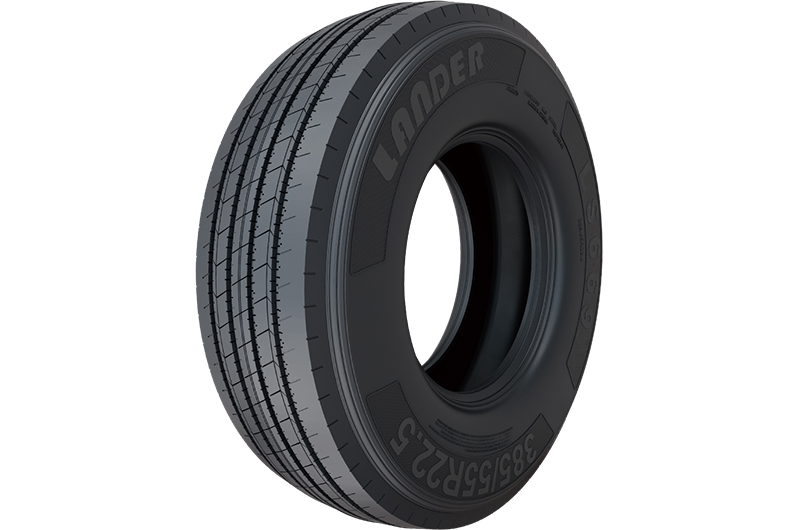
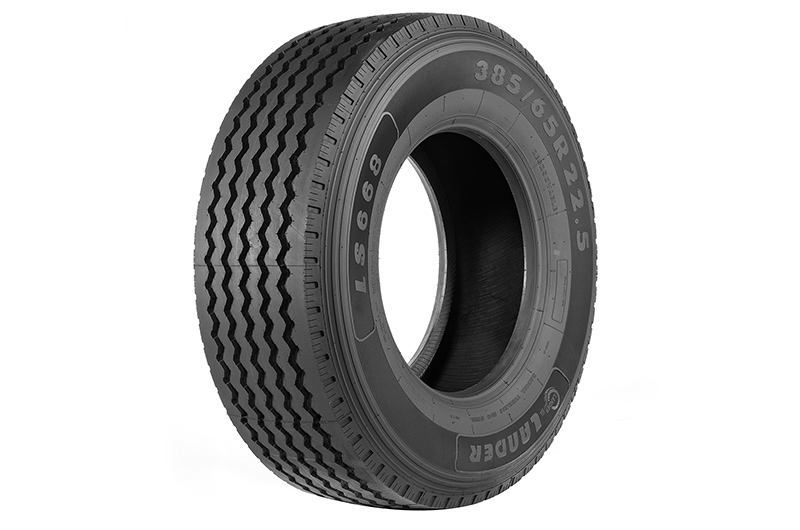
The pattern name on a quote can stay the same while the tire specification changes. That is exactly the point worth discussing when comparing LANDER’s LS669 in 385/65R22.5 with its 385/55R22.5 version. There is no point negotiating the alternative until the specification has been settled. On the LANDER LS669 sheet, those two lines have different rims, different outside diameters and different maximum loads. Calling the second one an alternative does not resolve any of those differences. For a buyer working through the TBR tire range, this is a useful example of what to put on the desk before agreeing to a size change.
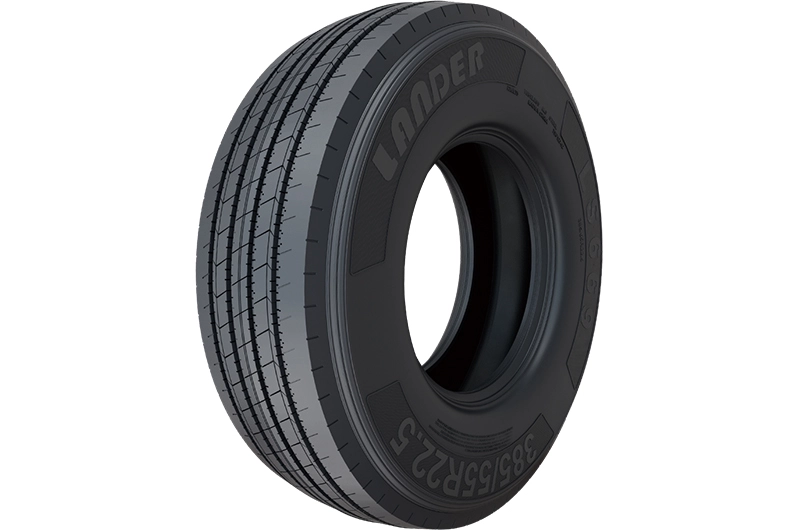
385/65R22.5 vs 385/55R22.5: How to Read the Tire Sizes
Keep the approved size on the enquiry, even while discussing another option. The vehicle model and the markings on the wheel belong beside that size. We would put the alternative on a separate line below it. That way, whoever answers the enquiry can see both the original requirement and the option being discussed.
Reading from left to right gives a nominal width of 385 mm, followed by the profile. That profile expresses section height relative to section width, in percent. At the other end of either name, the diameter designation is 22.5 inches. That is where 65 and 55 differ; the R in each name denotes radial construction. Useful information, certainly, although it is still a size designation rather than permission to fit the tire to a particular vehicle.
What Do the Published Figures Actually Show?
Here are the two entries from the LANDER LS669 specification. This is a comparison of that model, not a universal chart for all 385-size tires.
| Published specification | 385/65R22.5 | 385/55R22.5 |
| Ply rating | 24PR | 20PR |
| Load index | 164 | 160 |
| Speed symbol | K | K |
| Standard rim | 11.75 | 12.25 |
| Section width | 389 mm | 386 mm |
| Overall diameter | 1,072 mm | 996 mm |
| Tread depth | 14.5 mm | 14.5 mm |
| Maximum load | 5,000 kg | 4,500 kg |
| Listed inflation pressure | 900 kPa | 900 kPa |
There is just 3 mm between the width entries, 389 and 386 mm. The diameter entries tell a different story. Subtract 996 from 1,072 and there is a 76 mm difference to discuss. The same exercise with the maximum-load entries gives 500 kg per tire. It is worth leaving both differences written on the comparison sheet, even when the quoted prices are close.
Not every field changes. There is a K in both speed-symbol cells, 14.5 mm in both tread-depth cells and 900 kPa in both inflation cells. Taken together with the other entries, however, those matches do not describe two identical specifications. For an enquiry about 385/65R22.5 tire dimensions, we would attach this whole table. It leaves the person reviewing the order with the rim reference as well as the measurements.
What Needs Attention on the Vehicle?
There is a point where the purchasing conversation needs a technical answer. For a proposed size change, we would want the vehicle manufacturer’s guidance and the fitment provider’s review on file before approving the order. The questions below are a practical way of arranging that discussion.
Is the wheel combination approved?
The rim references on these LS669 rows are 11.75 and 12.25. Neither entry should be read as a complete approved-rim list. Obtain that information for the tire being offered, then compare it with the actual wheel. Approval covers width and contour as well as diameter. The wheel’s load and pressure limits remain limits, even where the tire itself has a higher rating.
Has the clearance been checked?
Clearance deserves a physical review, not an estimate from the catalog. USTMA’s commercial tire manual addresses movement through the suspension’s travel and, for steering positions, full turns in both directions. A diameter change can also bring instruments and electronic systems into the review, including a possible need for recalibration. Which checks apply is a question for the vehicle manufacturer. Do not turn a catalog diameter difference into a promised change in loaded deck height.
Truck Tire Load Capacity and Inflation Pressure: Key Differences
On this sheet, the lower-profile LS669 is also the version with the lower maximum-load entry. We would not sign off that difference without the actual vehicle requirement and the relevant load-and-inflation information in front of us. The pressure cell alone cannot establish equal load capacity. The terminology is covered separately in LANDER’s guide to truck tire load ratings. For this order, keep the discussion on the two specifications actually being offered.
What Would Make the Enquiry More Useful?
An enquiry headed simply “385 tires” leaves too much to discuss later. Our preferred format is a separate entry for each size, a quantity against each entry, and photographs showing the existing tire and wheel. A note identifying the vehicle and wheel position can accompany those photographs. The rest of the enquiry can describe where the tires will work: the route, road surfaces, usual load and destination market.
When the quotation comes back, does it include the current sheet for the tire offered? If the supplier has proposed a different size, ask them to identify it in the reply. Approved wheel information belongs with that response. With those questions answered, the buyer can work through the price, packaging and documents. We would retain the correspondence in the order file; the reason for accepting a substitution should be available to the next person who reviews it.
Where Does LANDER Fit into the Purchase?
Qingdao Lander Sky Tyre has focused on truck, OTR, industrial, agricultural and forklift tires since 2013. The LS669 is a regional TBR option, and its published data allows these two sizes to be compared without guessing the missing specification fields.
For a quotation, send LANDER your requirements, including the size, quantity, operating route and market. Ask for the current sheet for the version being quoted. Where a size change is involved, keep the vehicle manufacturer’s fitment decision in the purchase file as well.
Conclusion
Two prices are easy to compare; two fitments take more work. In this LS669 example, we would return to the rim entries and maximum loads before choosing between the offers. Once the technical review is complete, file it with the order. That gives the purchasing team a record of why it accepted the quoted 385/65R22.5 tires or 385/55R22.5 tires.
FAQs
Is a matching 22.5-inch rim diameter enough for replacement?
No. The diameter may match while the wheel width or contour is unsuitable. An approved wheel pairing does not remove the need to review clearance and the vehicle’s load requirement.
What is the outside-diameter difference in this example?
The two LS669 catalog diameters are 1,072 mm and 996 mm, so there is 76 mm between them. It is a comparison of these catalog entries, not a replacement approval.
Does the LS669 load figure stay the same with the lower profile?
No. Against the 385/65R22.5 entry, LANDER lists 5,000 kg. Against 385/55R22.5, it lists 4,500 kg. Those are the figures for this particular model.
What do 65 and 55 mean?
They give nominal section height as a percentage of nominal width. Both sizes have 385 mm as their nominal width.
Which standard rims does LANDER list?
For these LS669 entries, 11.75 goes with 385/65R22.5; 12.25 goes with 385/55R22.5. Ask separately about other approved rims.
What does LANDER need for a quotation?
The size and quantity, plus the market and route conditions. Include certificate or packaging requests with the enquiry.



Leave a comments