Q I N G D A O L A N D E R - S K Y T Y R E

Loading

Nullam dignissim, ante scelerisque the is euismod fermentum odio sem semper the is erat, a feugiat leo urna eget eros. Duis Aenean a imperdiet risus.

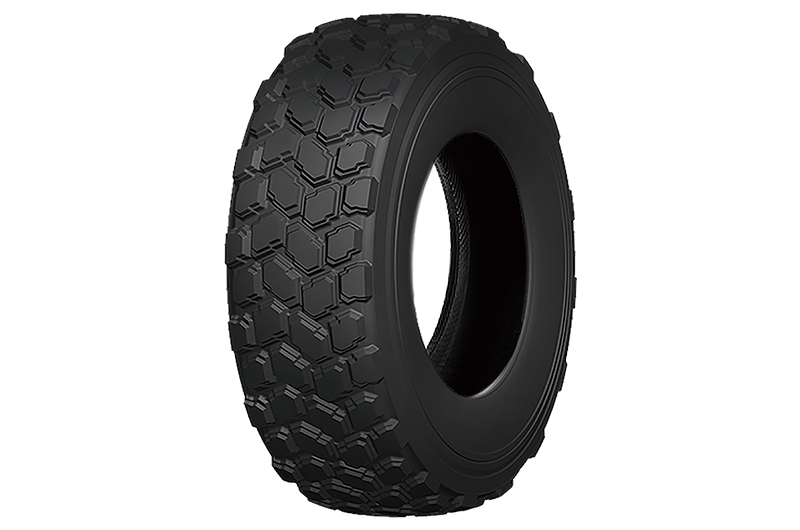
LSB8

LSB8

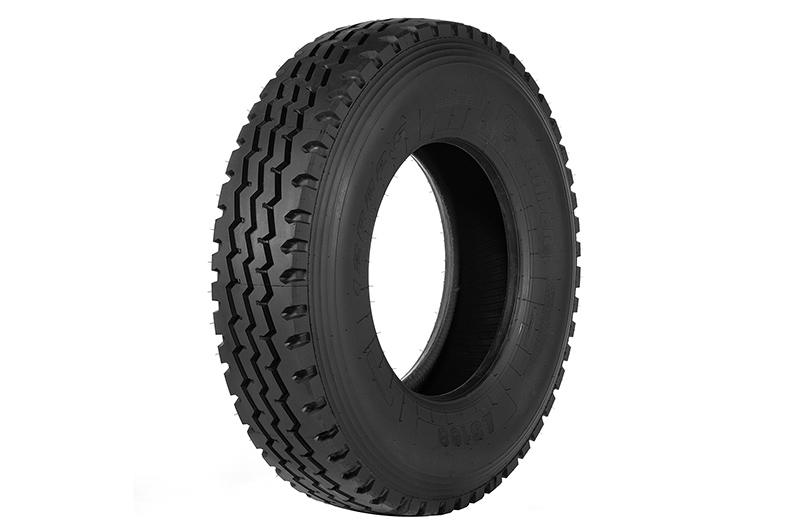
LSB8 is a radial OTR tire for muddy, sandy and turning conditions.<br><table border="1" cellpadding="6" cellspacing="0"><tr><td>Available Sizes</td><td>14.00R20</td></tr></table><br>Best Fit: buyers running OTR equipment on loose mud, sand or mixed construction ground.<br>Specification Note: Review the Product Specifications table before quotation, especially size, rim, tread depth, load and pressure data.
Read More
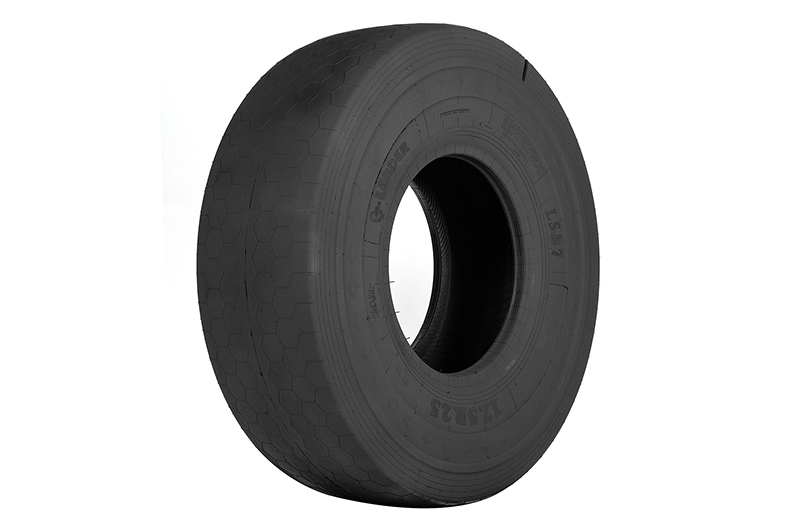
LSB7

LSB7

LSB7 is an extra-deep radial OTR tire for underground mining and tunnel work.<br><table border="1" cellpadding="6" cellspacing="0"><tr><td>Available Sizes</td><td>12.00R24</td><td>17.5R25</td><td>18.00R25</td><td>23.5R25</td><td>26.5R25</td><td>29.5R25</td><td>29.5R29</td></tr></table><br>Best Fit: buyers using loaders, scrapers or engineering machines in underground mines, tunnels and harsh rock areas.<br>Specification Note: Review the Product Specifications table before quotation, especially size, rim, tread depth, load and pressure data.
Read More
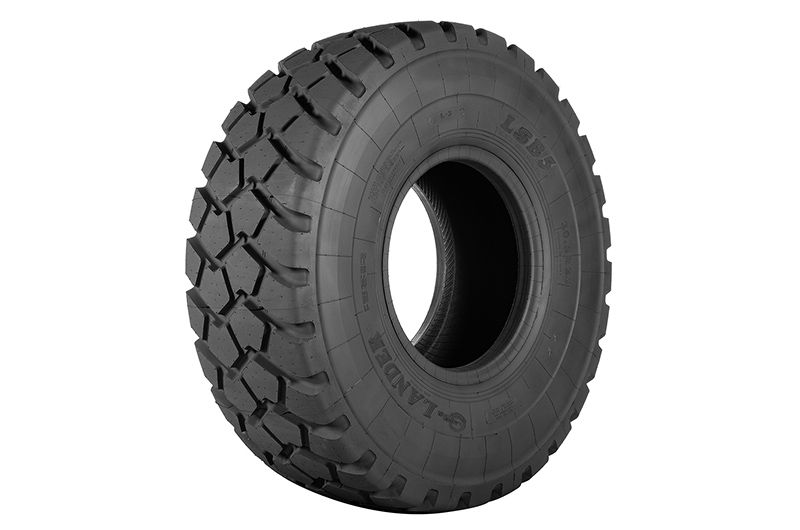
LSB5

LSB5

LSB5 is a radial OTR tire for dozers and loaders requiring stability and traction.<br><table border="1" cellpadding="6" cellspacing="0"><tr><td>Available Sizes</td><td>13.00R25</td><td>14.00R24 (385/95R24)</td><td>14.00R25 (385/95R25)</td><td>16.00R25 445/95R25</td><td>17.5R25 (445/80R25)</td><td>18.00R25</td><td>20.5R25 (525/80R25)</td><td>23.5R25</td><td>26.5R25</td><td>29.5R25</td><td>650/65R25</td><td>750/65R25</td></tr></table><br>Best Fit: buyers choosing OTR tires for dozers or loaders that need stability, long service life and traction.<br>Specification Note: Review the Product Specifications table before quotation, especially size, rim, tread depth, load and pressure data.
Read More
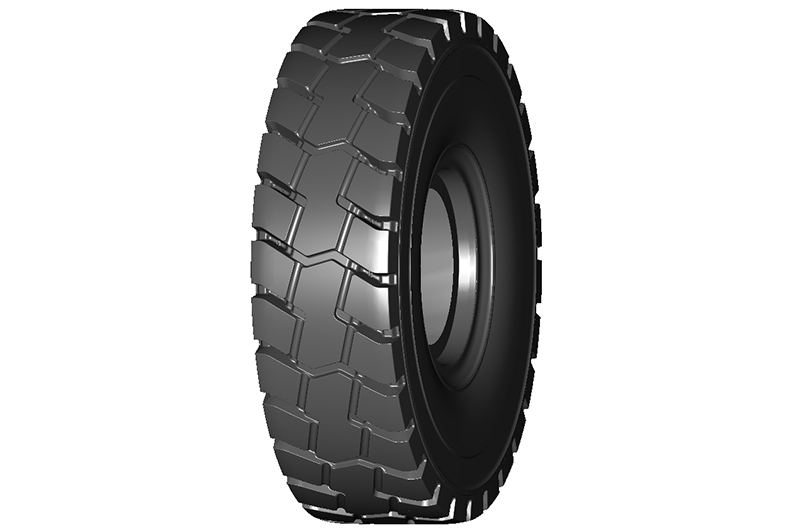
LSB3

LSB3

LSB3 is a radial OTR tire for port equipment, straddle carriers and heavy forklifts.<br><table border="1" cellpadding="6" cellspacing="0"><tr><td>Available Sizes</td><td>12.00R24</td><td>14.00R24 385/95R24</td><td>18.00R25 505/95R25</td></tr></table><br>Best Fit: buyers operating straddle carriers, port forklifts and heavy industrial handling equipment.<br>Specification Note: Review the Product Specifications table before quotation, especially size, rim, tread depth, load and pressure data.
Read More
LSB2

LSB2

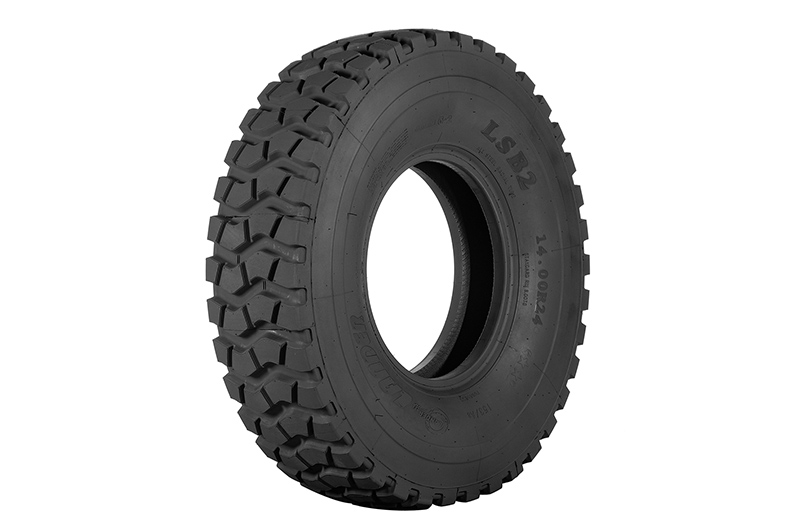
LSB2 is a radial grader tire for self-cleaning and stone-ejection road work.<br><table border="1" cellpadding="6" cellspacing="0"><tr><td>Available Sizes</td><td>14.00R24 (385/95R24)</td><td>16.00R24 (445/95R24)</td></tr></table><br>Best Fit: buyers selecting grader tires for road work, self-cleaning performance and stone retention control.<br>Specification Note: Review the Product Specifications table before quotation, especially size, rim, tread depth, load and pressure data.
Read More
LSB1

LSB1

LSB1 is a high-speed radial OTR tire for cranes, transport and emergency service vehicles.<br><table border="1" cellpadding="6" cellspacing="0"><tr><td>Available Sizes</td><td>16.00R25 (445/95R25)</td></tr></table><br>Best Fit: buyers who need radial OTR tires for cranes, flatbed vehicles, transport equipment or emergency service vehicles.<br>Specification Note: Review the Product Specifications table before quotation, especially size, rim, tread depth, load and pressure data.
Read More
taiyer
QINGDAO LANDER-SKY TYRE CO. ,LTD

WELCOME TO CONTACT

We love to hear from our customers with questions, or concerns - here's how to contact us.
Your Name*

Email*

Tel*

WhatsApp*

Message*

Latest News

Check out our blog posts

View More
Can the Same TBR Tire Be Used on Steer and Trailer Axles What Buyers Should Check

Can the Same TBR Tire Be Used on Steer and Trailer Axles? What Buyers Should Check

Certain TBR tires can fit on both steer and trailer axles. However, this does not mean every commercial truck tire works in all wheel positions. Steer tires must deliver accurate directional control and steady highway handling. They also need strong resistance to irregular wear. Meanwhile, trailer tires require stable free rolling and low heat buildup. They must resist scrub well. Before using a single tire pattern in both spots, fleet managers and owner-operators must check several details. Distributors and replacement buyers should verify the manufacturer’s position approval. They must also confirm the tire size, load index, and speed symbol. Furthermore, inflation rules, road conditions, and vehicle setup are crucial factors.   Can One TBR Tire Really Be Used on Both Axle Positions? The answer relies on how the manufacturer designed and labeled the tire. Buyers should never assume a straight-rib tread makes a tire fit for both uses. A matching tire size does not automatically mean it works everywhere. When Is the Answer Yes? A TBR tire works in both spots when its product sheet marks it as a steer/trailer or all-position tire. Commercial tire makers build some all-position models approved for multiple axle locations. Other products are made strictly for steer, drive, or trailer duties. Bridgestone’s commercial tire guide clearly tells buyers to look at the planned wheel position. They must also consider the service type before picking a tread. A steer/trailer model normally features a rib-style tread. It avoids the large transverse blocks often seen on drive tires. Circumferential ribs boost directional stability and help with free rolling. This makes the pattern a great choice for many highway steer and trailer tasks. When Should the Tire Not Be Moved Between Positions? A tire must not move to another axle if the maker rejects that position. It is also wrong if the size, load rating, or speed limit falls short. The rim or working pressure must meet the vehicle’s exact needs. Drive tires serve as a clear example. Their block or lug patterns are built to transfer engine torque and give solid traction. They often create more noise and rolling resistance than a standard highway rib tire. Furthermore, they might lack the quick steering response needed on the front axle. Bridgestone points out that rib designs fit best on steer and trailer spots. Lug designs belong mainly on drive axles. Why Do Steer and Trailer Axles Need Different Performance? Even though both spots might use a similar rib pattern, the physical forces are quite different. Buyers must look at how the truck runs. They should not pick a tire just by its looks. What Does a Steer-Axle Tire Need to Do? The steer axle guides the vehicle’s path. Therefore, the tires must offer reliable response and firm straight-line stability. They need good wet-road grip and strong defense against uneven shoulder or rib wear. In long-haul work, low noise and managed heat buildup matter a lot. High-speed ability is also vital. Uneven front-tire wear can result from bad alignment or poor balance. Suspension flaws, wrong pressure, and tough driving routes play a part too. A tire approved for steer use still demands proper vehicle care to give steady service. What Does a Trailer Tire Need to Do? Trailer tires do not handle engine torque. Yet, they carry heavy loads and face sharp lateral scrubbing during turns. Spread-axle trailers and constant tight maneuvers cause huge scrub forces. Urban delivery routes add to this stress. For highway trailer use, buyers usually want smooth free rolling and strong defense against irregular wear. Low heat buildup and firm load support are top goals. A steer/trailer tire can do a great job if its build and tread fit both spots. Still, the running conditions must match the product’s main purpose. Bridgestone names high-speed capacity and low rolling resistance as key traits. Irregular-wear defense is also crucial for line-haul trailer tires. What Should Buyers Check Before Using the Same Pattern? Running one tire model on two axle positions can make stock and buying much easier. However, this choice must rely on strict specs rather than pure convenience. Is the Tire Officially Approved for Both Positions? The product page, data sheet, or maker’s written guide must clearly state the allowed positions. Words like all-position or steer/trailer give helpful clues. Position icons offer good guidance too. Do not trust claims that a pattern simply “looks like a steer tire.” Two similar rib patterns might feature totally different rubber mixes. They could have distinct casing builds, tread depths, and load ratings. Their planned working conditions can differ greatly. Do the Load Index and Tire Size Match the Vehicle? Review the complete sidewall mark. This includes the tire size, ply rating, and load range. Check the load index, speed symbol, and standard rim size. Look at both single and dual load limits. A tire’s load limit can change between single and dual setups. Steer-axle tires are mostly mounted as singles. In contrast, many trailer axles rely on dual pairs. Buyers must check the real axle load against the proper single or dual rating. They should never rely solely on the basic tire size. The truck must be weighed when fully packed. Each axle needs a separate check. Michelin suggests comparing real gross axle weights with the tire maker’s charts. This helps find the exact load capacity and right air pressure. Does the Tread Match the Route? A highway steer/trailer rib tire is not an instant fit for rough mine roads or busy building sites. It struggles in deep mud or harsh mixed-service paths. Straight grooves work much better on smooth paved roads. They suit steady speeds and long trips. Buyers must think about total yearly miles and highway time. Rainfall, road quality, and average speed matter greatly. Turning frequency, axle layout, and planned load are also key. A tire built for smooth highways might wear out fast on sharp rocks. Poorly kept roads can cause severe damage. How Does the LS217 Fit Steer and Trailer Applications? QINGDAO LANDER-SKY TYRE presents the LS217 as a strict long-haul TBR tire. It is made for highway steer and trailer wheel duties. What Are the Main LS217 Specifications? The stated LS217 size is 11R24.5, packing 18PR. It shows a 149/146 load index and an M speed symbol. The tire fits an 8.25-inch standard rim. Its official sheet lists a 3,250 kg single-load limit and a 3,000 kg dual-load limit. It features a 13.5 mm tread depth and a suggested air pressure of 830 kPa. The 149/146 mark is highly vital for dual-position tasks. It gives distinct load indices for single and dual mounting. Buyers must still check the needed capacity against true axle weights. Vehicle papers and local rules must be followed. Which Roads Suit the LS217? The LS217 features four straight circumferential grooves. It is built for highways and solid paved roads. Its main goals include steady steer/trailer handling and rapid wet-road drainage. It aims for lower heat buildup and a quieter highway ride. It must not replace a thick-lug drive tire or a tough mine-road pattern. Buyers driving on mixed, broken, or off-road paths must share route facts before choosing this model.   How Should Fleets Install and Maintain Steer/Trailer Tires? Getting the right position approval is just the start. Good setup and care habits impact safety, total mileage, and handling. They also protect the casing shape. Should Tires Be Matched Across the Same Axle? Tires on one axle must match in size, build, and load limit. They should have similar remaining tread. Big gaps in diameter or tread depth can trigger uneven loading. This causes irregular wear, especially in dual pairs. All tires must go on approved rims. They need careful checks for damage, age, and bead health. Past repairs must be reviewed. Any planned swap between steer and trailer spots must follow the tire provider’s rules. The fleet’s own care policy applies too. How Should Inflation Pressure Be Set? The pressure printed on a product page or sidewall is not a magic number for every truck. The right pressure comes from the real axle load and tire size. The single or dual setup matters. The maker’s load-and-inflation chart is the best guide. Pressure must be tested when the tires sit cold. Michelin tells fleets to weigh each axle alone. Then, adjust the pressure to fit the load and task. Keep equal pressure across tires on the same axle when possible. Why Choose QINGDAO LANDER-SKY TYRE CO., LTD.? A solid TBR tire supplier helps buyers match tire position, size, and road state. They review load limits and market demands before sealing an order. What Makes LANDER SKY TYRE a Reliable Supplier? Started in 2013, QINGDAO LANDER-SKY TYRE CO., LTD. delivers TBR, OTR, farm, factory, and forklift tires. The firm runs five workshops with tight quality checks. It offers a three-year warranty and fast after-sales help. It serves clients across many global markets. To get an LS217 quote, buyers should share the needed size and axle spot. They must detail the driving route and order amount. The target country and packaging needs are also helpful. The firm shares facts on MOQ, mixed-container choices, lead times, and OEM packing. What Is the Final Decision? The same TBR tire fits on steer and trailer axles only if the maker clears both spots. The specs must fit the truck’s true working conditions. Buyers have to check the load limit, single or dual setup, and speed rating. Rim match, air pressure, road type, and planned duty are critical. The LS217 is made strictly for highway steer and trailer tasks. Its straight-groove design is a smart pick for long-haul buyers. It offers steady handling, rapid wet-road drainage, and low heat buildup. It ensures a quiet paved-road trip. FAQs Can I Install a Drive Tire on the Steer Axle? Normally, buyers should pick a tire cleared specifically for steer or all-position duty. Drive-tire lug patterns focus mostly on torque and grip. They might fail to give the sharp steering response or low noise needed on the front axle. Their rolling traits may not fit well. Can an LS217 Be Used on Both the Tractor Steer Axle and Trailer? The LS217 is marked for highway steer and trailer spots. Buyers must still make sure the 11R24.5 size and load limit fit. The rim type, speed symbol, and air needs must match each truck and axle perfectly. What Information Should I Send for an LS217 Quotation? Please send the tire size, planned axle spot, and average axle load. Share the maximum load, road conditions, and yearly miles. Include the order amount, target country, and packing needs. These facts help LANDER SKY TYRE check product fit and build a highly accurate quote.
How to Choose TBR On & Off Road Tires for Construction Trucks and Mixed Routes

How to Choose TBR On & Off Road Tires for Construction Trucks and Mixed Routes

Selecting the proper TBR on & off road tires is crucial for construction trucks, dump trucks, and mixer trucks. It also matters for fleet vehicles that travel across paved roads, gravel sections, muddy jobsites, and quarry entrances. These trucks often navigate rough rural routes as well. Unlike long-haul tires that mostly operate on highways, on & off road truck tires must balance several factors. They need good traction, cut resistance, and heat control. They also require adequate load capacity, self-cleaning ability, and long wear life. For fleet owners, drivers, distributors, and project contractors, the correct tire brings many benefits. It can reduce downtime and improve overall safety. It lowers replacement frequency and keeps vehicles moving during demanding mixed-route operations.   Why Do Construction Trucks Need Special TBR On & Off Road Tires? Construction trucks frequently encounter road conditions that shift multiple times during a single trip. A vehicle might leave a smooth paved road and enter a muddy site. It carries a heavy load across broken ground. Finally, it returns to typical highway or city roads. Mixed Routes Create Multiple Tire Stresses A standard highway TBR tire generally performs well on smooth pavement. However, it might lack the strength needed for sharp stones, unstable ground, and wet soil. It also struggles with heavy load impacts. On & off road TBR tires require a more robust tread pattern. They need a tougher structure to withstand cuts, chipping, and stone trapping. This design also prevents serious shoulder damage. The LANDER SEA ON&OFF tire range is specifically engineered for mixed and rugged terrain. It features patterns tailored for bad roads and overloading trucks. It suits heavy-duty on/off applications perfectly. These tires offer excellent traction and anti-stone protection. They also provide effective heat dissipation, reliable self-cleaning, and strong wear resistance. Construction Fleets Need Stability and Durability Construction trucks typically transport heavy materials. These include sand, stone, cement, steel, soil, bricks, and machinery parts. Such heavy loads put extra stress on the tread, sidewall, bead, and casing. A suitable TBR on & off road tire must help the truck maintain solid traction. At the same time, it needs to resist early damage.   Which Road Conditions Should You Check Before Tire Selection? Before picking a specific tire pattern, buyers need to identify the actual operating route. The exact same tire might not suit every truck. This remains true even if the size is perfectly correct. Paved Road Plus Jobsite Road Certain trucks spend the majority of their time on paved roads. However, they still enter construction sites for loading and unloading tasks. For these specific users, the tire must deliver stable handling and good heat control. It should offer moderate traction without generating excessive road noise. A pattern like LANDER SEA LS168 targets mixed-road and on-off-road truck applications. It offers features that fit buyer needs perfectly. These include a double tread compound, solid wear resistance, and effective heat dissipation. It also provides reliable traction and produces lower noise. Mud, Gravel, and Bad Roads If trucks routinely navigate through mud, loose gravel, and scattered stones, traction becomes crucial. Self-cleaning also grows more important on unpaved roads. Deep grooves and block tread patterns prove very helpful here. They remove mud from the tread efficiently. This helps keep the grip much more consistent. LANDER SEA LS36 is recommended for mixed-road truck applications that require strong self-cleaning and high wear resistance. Its block pattern design stands out as a primary buyer-fit feature. Which Tread Pattern Works Best for Construction Trucks? Tread design directly influences traction, wear behavior, and stone resistance. It also affects noise levels and fuel consumption. Buyers must carefully match the pattern to the specific road type. They should avoid choosing a tire based solely on its appearance. Block Pattern for Grip and Self-Cleaning Block tread patterns are highly effective for muddy roads and busy construction sites. They also work well on loose surfaces. The open groove design assists in releasing mud and gravel. This reduces the risk of a clogged tread. Consequently, it improves grip when a fully loaded truck needs to start, climb, or brake. It also helps when turning on soft ground. Directional Pattern for Handling and Stone Protection Directional tread patterns significantly enhance traction and water evacuation. They prove highly beneficial when trucks require stable control on mixed roads. LANDER SEA LS57 targets truck applications that demand strong traction and responsive handling. It also provides excellent stone-trapping protection. It features a directional tread, stable handling characteristics, and even wear. The anti-stone design adds extra value. Open Shoulder for Rough Service Open shoulder designs assist greatly with traction and heat release during harsh service. They are frequently utilized for drive axles on mixed-service trucks. However, they might generate more road noise compared to standard highway rib patterns. Therefore, buyers must consider the overall route balance carefully. How Should Buyers Compare Load, PR, and Tire Size? A particular tire pattern might appear suitable at first glance. However, the technical specifications must precisely match the vehicle and its typical load. This step is especially vital for B2B buyers, fleet managers, and tire distributors. Load Capacity Comes Before Price Construction trucks frequently run overloaded. They often operate very close to their maximum working capacity. Buyers must verify the load index, ply rating, and inflation pressure. They should also check the rim size and actual axle load before making a tire choice. LANDER SEA product pages consistently remind buyers to verify PR, load index, and rim details. They also emphasize checking tread depth, load limits, and pressure details prior to quotation or final selection. Size Availability Affects Fleet Planning For distributors, comprehensive size coverage is critical. A practical on & off road product line must cover the most common local truck sizes. The LANDER SEA ON&OFF category features multiple models and sizes. For example, LS899 comes in 7.50R16, 8.25R16, and 11.00R20. LS897 is available in 9.00R20, 10.00R20, and 12.00R20. Meanwhile, LS168 offers a much broader range. This includes 700R16, 12.00R24, 11R22.5, 12R22.5, 13R22.5, and 315/80R22.5. What Tire Features Help Reduce Operating Cost? For construction fleets, the total tire cost extends beyond the initial purchase price. The actual cost involves vehicle downtime and early tire removal. It also includes fuel usage, repair expenses, replacement frequency, and ongoing service claims. Cut and Chip Resistance Sharp stones and broken road surfaces frequently cause tread cuts. They lead to block chipping and severe casing damage. A proper on & off road tire must utilize a tough tread compound. It needs a strong pattern structure to manage these rough surfaces effectively. Heat Dissipation Heavy loads, low-speed operation, and repeated braking naturally increase tire temperature. Excessive heat will inevitably shorten the tire’s lifespan. LANDER SEA LS897 is specifically positioned for heavy-duty on and off road truck applications. It includes features like a double compound and high wear resistance. It also offers low heat build-up, solid shoulder protection, and dependable wet driving stability. Shoulder Protection and Even Wear Shoulder wear happens frequently on trucks that turn often on jobsites. It also occurs when they run with unevenly distributed loads. A reinforced shoulder design and correct inflation pressure are essential. They help minimize irregular wear and significantly improve usable mileage. Why Is QINGDAO LANDER-SKY TYRE CO. ,LTD a Reliable TBR Tires Supplier? QINGDAO LANDER-SKY TYRE CO. ,LTD operates as a global tire supplier. It specializes in TBR, OTR, industrial, agricultural, and forklift tires. The company was established in 2013. It presents itself as a dedicated supplier with 5 modern workshops. It maintains strict quality control and offers a solid 3-year warranty. It also ensures fast response times and delivers customer-focused service. For buyers seeking TBR on & off road tires, LANDER SEA provides a dedicated ON&OFF product category. This includes patterns for bad roads, overloading trucks, and mixed-road applications. It offers traction, heat dissipation, and anti-stone protection. It also features excellent self-cleaning performance. The company states that its tires earn trust from partners in more than 60 countries. Furthermore, over 100 long-term customers select Lander for its consistent reliability and steady growth. Conclusion Selecting TBR on & off road tires for construction trucks and mixed routes demands careful thought. It requires much more than just picking a tire size. Buyers must evaluate the specific road conditions and overall load requirements. They need to consider axle position, tread pattern, and cut resistance. Heat control, self-cleaning ability, and shoulder protection are also vital. Finally, they must review all available specifications. For trucks operating between paved roads and rough jobsites, the correct tire makes a huge difference. It can improve traction, reduce costly downtime, and extend service life. This ultimately lowers the total operating cost. QINGDAO LANDER-SKY TYRE CO. ,LTD supplies multiple ON&OFF TBR tire options. These options meet various mixed-route needs perfectly. This makes the company a highly practical supplier for distributors, fleet owners, contractors, and replacement tire buyers. FAQs Q1: What are TBR on & off road tires used for? TBR on & off road tires serve trucks that travel on both paved roads and rough surfaces. These include busy construction sites, gravel roads, and rural routes. They are also used in quarries and muddy jobsite entrances. Q2: Are on & off road tires suitable for long highway driving? They can operate on paved roads safely. However, they are not identical to long-haul highway tires. On & off road tires focus primarily on traction, cut resistance, and rough-road durability. In contrast, long-haul tires focus mainly on fuel economy, low noise, and high-speed mileage. Q3: What should buyers check before ordering TBR on & off road tires? Buyers must check tire size, PR, load index, and rim specifications. They should verify tread depth, load capacity, and inflation pressure. They also need to assess the road condition, axle position, and expected mileage. Finally, they must confirm whether the tread pattern truly fits the truck’s actual operating route.
How to Choose TBR Mining Tires for Quarry Roads, Mine Roads, and Construction Haulage

How to Choose TBR Mining Tires for Quarry Roads, Mine Roads, and Construction Haulage

Choosing the right TBR mining tires is not only about tire size or price. Quarry roads, mine roads, and construction haulage routes often include sharp stones, loose gravel, mud, slopes, heavy loads, and frequent braking. A tire that works well on highways may wear quickly or lose traction in these harsh conditions. For fleet owners, contractors, dealers, and truck operators, the right mining TBR tire can improve grip, reduce downtime, support heavy-duty transport, and lower long-term operating cost. This guide explains what buyers should check before choosing TBR mining tires and how LANDER SEA mining patterns such as LS807, LS58PRO, and LS58 can match different road conditions. What Makes TBR Mining Tires Different from Regular Truck Tires? Mining transport differs significantly from general road transport. Mining transport generally involves moving large volumes of bulk products over short to medium distances. In most cases the product is abrasive and is moved on rough surfaces. As a result, tires used in mining are subjected to increased stress, increased heat and increased wear. Stronger Tread Pattern TBR Mining tires are normally designed with a much deeper and more aggressive tread design than standard Highway TBR tires. The large tread blocks, wide tread grooves and specially reinforced tire shoulder enable excellent traction on loose soil surfaces and promote even wear. For example, the LS58 has a large block design with great grip on rough ground and good wear resistance. This tire is very suitable for use on roads and on site at quarries, building sites and mines. Better Resistance to Cuts and Chips Most mining roads are strewn with rocks, stones that have been broken in half and razor sharp edges. When selecting a mining TBR tire, one must consider its ability to cut, to chip and to possible damage the tread of the tire. Should a tire become damaged and be out of service, it can stop a truck dead in its tracks and be a cause for delayed loading and potential increased maintenance costs. Support for Heavy Loads For applications such as construction haulage and mine transport which are frequently over-loaded or high-load, buyers must check PR, load index, inflation pressure, rim size and tread depth before purchasing tires. Only choosing by appearance can result in premature tire failure or poor service life. How Should Buyers Match Tires to Quarry Roads? Roads to quarries are mostly abrasive and can be dusty. Trucks are mostly driven in areas where there are large amounts of stone, crushers, loading facilities and steep access roads to the quarry. The tires on such trucks have to offer good traction and high durability. Choose Big Block Patterns for Rough Surfaces The large block arrangement of the tread provides extra wear protection on rough roads. It also enhances contact with the road surface providing stability on roads containing stones, rock chippings and compacted dirt. LS58 is an example of a full size mining TBR tire designed for customers requiring a large block grip tread combined with good transport performance over very bad roads. Check Road Distance and Speed Some of our quarry trucks are running on short internal roads in the quarry while others are running between the quarry and construction sites. The more the truck is running on the road, the more the heat build-up and wear pattern will become a parameter. The buyer should make clear to the supplier if the truck is running mostly in the quarry or on mixed roads. Consider Self-Cleaning Ability Quarry roads can quickly become muddy during rain. Our strong groove tire design is designed to prevent mud and stones from sticking in the tread grooves. When the tire is rotating, the grooves release mud and stones to avoid clogging, and a good grip is maintained for stable traction. What Should Buyers Look for on Mine Roads? Tire choices for use on mine roads will typically be of greater complexity than those used for quarry service due to such factors as long slopes, moving unstable material, sharp rock outcrops and extreme fatigue cycles. Hence the main criteria for selection of tires for service on mine roads would be a tire capable of delivering optimum traction together with suitable bead design and superior durability. Look for Strong Off-Road Traction To be able to drive with mine trucks at steep uphill grades, sharp turns and hard braking, requires a lot of grip. Tire LS807 is especially developed for driving on mine roads, quarry roads and other bad roads where normal tires fail. Large lateral tread lugs give extra traction on off-road surfaces and special tread compound and tread design give best possible performance on bad-road routes and with heavily loaded construction vehicles. Pay Attention to Reinforced Bead Support The bead area of the tire is designed to be as strong as possible to hold the tire on the rim when over loaded or operating on poor roads. A reinforced bead support area can assist in the tires stability when subject to arduous operation. Match Tire Choice to Load Conditions A mine road tire is selected based on actual vehicle load, not simply on the model of the vehicle. For example, if a truck is often to be carrying very heavy loads of material, the buyer should check with the supplier, load index, recommended pressure, and maximum operating speed. How Can Buyers Compare LS807, LS58PRO, and LS58? Different mining TBR patterns are designed to handle different types of mine site roads. A single pattern does not fit all circumstances. Rather, the best pattern is one that matches the Tire Design to the application’s surface type, load and operating style. When Should Buyers Choose LS807? The LS807 tread is recommended for use on mine roads, quarry roads and construction sites as well as for long hauls down bad-road routes with over-loads. It provides a great off-road tread with strong bead protection and self cleaning tread lugs for off-road use. When Should Buyers Choose LS58PRO? The LS58PRO is suitable for poor-road transport and for heavy-duty project work. This tire is for the mining TBR user who requires a tire for arduous roadwork where durability and adaptability to various road surfaces is critical. When Should Buyers Choose LS58? The LS58 is suitable for Quarry, Construction & Mine Road applications that require large block pattern, good on rough roads & good wear life. A great alternative to other large 11R22.5 & 12R22.5 TBR Mining tire options on the market, that the buyer can compare. Why Choose QINGDAO LANDER-SKY TYRE CO., LTD as a TBR Tires Supplier? Selecting a suitable supplier is important for dealers, for fleets and for project buyers. Suitable patterns, stable quality, proper specifications and sufficient service for international deliveries are important requirements for a supplier. Specialized Tire Product Range QINGDAO LANDER-SKY TYRE CO., LTD is manufacturer of TBR, OTR, industrial, agricultural and forklift tyres. Our huge range of tires help dealers and importers to build up a complete tire range for different markets and industries. Quality Control and International Business Support Company gives topmost priority to quality & also issues necessary certification to support sales to international buyers. Also mixed container of Truck Tires & Off the road Tires can be supported to cater to dealer’s different customer requirement. Practical Support for B2B Buyers LANDER SEA serves importers and distributors who need help selecting products, place orders and after sales service. Discussing the following before placing an order with us: tire size, road condition, monthly demand, how to mix up a container, delivery schedule, and cooperation in the market. Conclusion: How Should You Choose the Right TBR Mining Tire? The best TBR mining tire is a matter of specific requirements in terms of roads, loads, vehicles, working speed and working environment. Quarry roads require the highest wear protection. In these situations, the typical block pattern and the excellent grip on stone surfaces are in focus of buyers. Mine roads on the other hand demand high traction, strong beads and good cut resistance. For construction haulage the tires have to be well adapted to mixed roads and have to provide good shoulder-durability. LANDER SEA mining TBR patterns: LS807, LS58PRO, LS58. It’s helpful to a buyer to provide supplier with information about the tire size, vehicle type, road type, typical load, distance driven, and number of tires expected to be used. This allows for a suitable choice of pattern for the specific needs of the buyer’s project and prevents premature wear and unnecessary tire failures. FAQs What are TBR mining tires used for? TBR mining tires are being used on mines trucks that travel on mine roads, quarry roads and construction sites that require special transport and other heavy duty routes where normal road type tires simply do not have enough grip or durability. How do I choose between LS807 and LS58? For off road strength with strong tread traction, reinforced bead area and self cleaning tread pattern, choose LS807. For ultimate big block tread pattern protection for quarry, construction and mine road service, choose LS58. What information should I send before requesting a mining TBR tire quotation? Tire size, Vehicle, Road use, Load, Operating speed, Route distance, Monthly volume, Destination port, Any certification required.
How to Choose TBR Mining Tires for Quarry Roads, Mine Roads, and Construction Haulage

How to Choose TBR Mining Tires for Quarry Roads, Mine Roads, and Construction Haulage

Choosing the right TBR mining tires is not only about tire size or price. Quarry roads, mine roads, and construction haulage routes often include sharp stones, loose gravel, mud, slopes, heavy loads, and frequent braking. A tire that works well on highways may wear quickly or lose traction in these harsh conditions. For fleet owners, contractors, dealers, and truck operators, the right mining TBR tire can improve grip, reduce downtime, support heavy-duty transport, and lower long-term operating cost. This guide explains what buyers should check before choosing TBR mining tires and how LANDER SEA mining patterns such as LS807, LS58PRO, and LS58 can match different road conditions.   What Makes TBR Mining Tires Different from Regular Truck Tires? Mining transport differs significantly from general road transport. Mining transport generally involves moving large volumes of bulk products over short to medium distances. In most cases the product is abrasive and is moved on rough surfaces. As a result, tires used in mining are subjected to increased stress, increased heat and increased wear. Stronger Tread Pattern TBR Mining tires are normally designed with a much deeper and more aggressive tread design than standard Highway TBR tires. The large tread blocks, wide tread grooves and specially reinforced tire shoulder enable excellent traction on loose soil surfaces and promote even wear. For example, the LS58 has a large block design with great grip on rough ground and good wear resistance. This tire is very suitable for use on roads and on site at quarries, building sites and mines. Better Resistance to Cuts and Chips Most mining roads are strewn with rocks, stones that have been broken in half and razor sharp edges. When selecting a mining TBR tire, one must consider its ability to cut, to chip and to possible damage the tread of the tire. Should a tire become damaged and be out of service, it can stop a truck dead in its tracks and be a cause for delayed loading and potential increased maintenance costs. Support for Heavy Loads For applications such as construction haulage and mine transport which are frequently over-loaded or high-load, buyers must check PR, load index, inflation pressure, rim size and tread depth before purchasing tires. Only choosing by appearance can result in premature tire failure or poor service life. How Should Buyers Match Tires to Quarry Roads? Roads to quarries are mostly abrasive and can be dusty. Trucks are mostly driven in areas where there are large amounts of stone, crushers, loading facilities and steep access roads to the quarry. The tires on such trucks have to offer good traction and high durability. Choose Big Block Patterns for Rough Surfaces The large block arrangement of the tread provides extra wear protection on rough roads. It also enhances contact with the road surface providing stability on roads containing stones, rock chippings and compacted dirt. LS58 is an example of a full size mining TBR tire designed for customers requiring a large block grip tread combined with good transport performance over very bad roads. Check Road Distance and Speed Some of our quarry trucks are running on short internal roads in the quarry while others are running between the quarry and construction sites. The more the truck is running on the road, the more the heat build-up and wear pattern will become a parameter. The buyer should make clear to the supplier if the truck is running mostly in the quarry or on mixed roads. Consider Self-Cleaning Ability Quarry roads can quickly become muddy during rain. Our strong groove tire design is designed to prevent mud and stones from sticking in the tread grooves. When the tire is rotating, the grooves release mud and stones to avoid clogging, and a good grip is maintained for stable traction. What Should Buyers Look for on Mine Roads? Tire choices for use on mine roads will typically be of greater complexity than those used for quarry service due to such factors as long slopes, moving unstable material, sharp rock outcrops and extreme fatigue cycles. Hence the main criteria for selection of tires for service on mine roads would be a tire capable of delivering optimum traction together with suitable bead design and superior durability. Look for Strong Off-Road Traction To be able to drive with mine trucks at steep uphill grades, sharp turns and hard braking, requires a lot of grip. Tire LS807 is especially developed for driving on mine roads, quarry roads and other bad roads where normal tires fail. Large lateral tread lugs give extra traction on off-road surfaces and special tread compound and tread design give best possible performance on bad-road routes and with heavily loaded construction vehicles. Pay Attention to Reinforced Bead Support The bead area of the tire is designed to be as strong as possible to hold the tire on the rim when over loaded or operating on poor roads. A reinforced bead support area can assist in the tires stability when subject to arduous operation. Match Tire Choice to Load Conditions A mine road tire is selected based on actual vehicle load, not simply on the model of the vehicle. For example, if a truck is often to be carrying very heavy loads of material, the buyer should check with the supplier, load index, recommended pressure, and maximum operating speed. How Can Buyers Compare LS807, LS58PRO, and LS58? Different mining TBR patterns are designed to handle different types of mine site roads. A single pattern does not fit all circumstances. Rather, the best pattern is one that matches the Tire Design to the application’s surface type, load and operating style. When Should Buyers Choose LS807? The LS807 tread is recommended for use on mine roads, quarry roads and construction sites as well as for long hauls down bad-road routes with over-loads. It provides a great off-road tread with strong bead protection and self cleaning tread lugs for off-road use. When Should Buyers Choose LS58PRO? The LS58PRO is suitable for poor-road transport and for heavy-duty project work. This tire is for the mining TBR user who requires a tire for arduous roadwork where durability and adaptability to various road surfaces is critical.   When Should Buyers Choose LS58? The LS58 is suitable for Quarry, Construction & Mine Road applications that require large block pattern, good on rough roads & good wear life. A great alternative to other large 11R22.5 & 12R22.5 TBR Mining tire options on the market, that the buyer can compare.   Why Choose QINGDAO LANDER-SKY TYRE CO., LTD as a TBR Tires Supplier? Selecting a suitable supplier is important for dealers, for fleets and for project buyers. Suitable patterns, stable quality, proper specifications and sufficient service for international deliveries are important requirements for a supplier. Specialized Tire Product Range QINGDAO LANDER-SKY TYRE CO., LTD is manufacturer of TBR, OTR, industrial, agricultural and forklift tyres. Our huge range of tires help dealers and importers to build up a complete tire range for different markets and industries. Quality Control and International Business Support Company gives topmost priority to quality & also issues necessary certification to support sales to international buyers. Also mixed container of Truck Tires & Off the road Tires can be supported to cater to dealer’s different customer requirement. Practical Support for B2B Buyers LANDER SEA serves importers and distributors who need help selecting products, place orders and after sales service. Discussing the following before placing an order with us: tire size, road condition, monthly demand, how to mix up a container, delivery schedule, and cooperation in the market. Conclusion: How Should You Choose the Right TBR Mining Tire? The best TBR mining tire is a matter of specific requirements in terms of roads, loads, vehicles, working speed and working environment. Quarry roads require the highest wear protection. In these situations, the typical block pattern and the excellent grip on stone surfaces are in focus of buyers. Mine roads on the other hand demand high traction, strong beads and good cut resistance. For construction haulage the tires have to be well adapted to mixed roads and have to provide good shoulder-durability. LANDER SEA mining TBR patterns: LS807, LS58PRO, LS58. It’s helpful to a buyer to provide supplier with information about the tire size, vehicle type, road type, typical load, distance driven, and number of tires expected to be used. This allows for a suitable choice of pattern for the specific needs of the buyer’s project and prevents premature wear and unnecessary tire failures. FAQs What are TBR mining tires used for? TBR mining tires are being used on mines trucks that travel on mine roads, quarry roads and construction sites that require special transport and other heavy duty routes where normal road type tires simply do not have enough grip or durability. How do I choose between LS807 and LS58? For off road strength with strong tread traction, reinforced bead area and self cleaning tread pattern, choose LS807. For ultimate big block tread pattern protection for quarry, construction and mine road service, choose LS58. What information should I send before requesting a mining TBR tire quotation? Tire size, Vehicle, Road use, Load, Operating speed, Route distance, Monthly volume, Destination port, Any certification required.
How Tread Compound Technology Improves Mileage in Regional TBR Tires

How Tread Compound Technology Improves Mileage in Regional TBR Tires

The performance and life of regional TBR tires depends to a large extent on the tread compounds used in them. The increasing demand of transportation fleets for more miles from their tires, better fuel efficiency and cost-effectiveness has led to tremendous development in tread compounds in recent years. This article focuses on the modern developments in compound engineering and how they can be harnessed to achieve extended mileage, improved traction and best possible performance for regional applications. What Role Does Tread Compound Play in Regional TBR Tire Performance? Tread compounds form the outermost layer of a tire and directly influence how regional TBR tires perform under frequent acceleration, braking, and turning. Their formulation determines essential characteristics such as wear resistance, rolling resistance, and heat dissipation. In regional driving cycles—where vehicles repeatedly stop and start on mixed surfaces—compound design becomes a decisive factor in ensuring durability and fuel efficiency. Key Elements of a Modern Tread Compound A tread compound consists of three main components: polymers, fillers, and additives. The polymer is responsible for the elasticity and wear of the tread, high performance synthetic rubber for example has good flexibility and abrasion resistance. The fillers, such as silica and carbon black, affect the grip and the rolling resistance of the tire. The additives, including for example antioxidants and coupling agents, protect the compound against thermal degradation, and allow for good performance over a large temperature range. The tire is designed to provide anti-skid handling, lower heat generation and wear resistance compared to other similar products in the market. The tire’s performance is derived from a unique tread compound that is designed to provide the best possible combination of traction and mileage in regional applications. Balancing Traction and Wear Resistance Traction and wear resistance are two parameters that need to be in a correct balance. To achieve this level of balance, precise molecular design of compounds is required. High silica containing tire mixes provide good wet grip without sacrificing abrasion resistance. Uniform crosslinking of polymer within tread also helps in even stress distribution across individual tread blocks which helps in preventing irregular wear. In addition, good dispersion of ingredients also prevents local concentration of materials which can cause surface fatigue. Such chemical modifications and models such as LS668 – five-groove tread design, have been developed to provide good handling on long haul and regional routes. How Does Compound Formulation Influence Mileage in Regional Applications? The chemical architecture of a tread compound has a large influence on the conversion of mechanical energy into motion when a tire is rolling. For regional TBR tires, the aim is to keep energy loss by hysteresis as low as possible while maintaining the abrasion resistance to avoid chipping or scrubbing on urban roads. The Relationship Between Rolling Resistance and Fuel Economy Materials formulated to have lower hysteresis, or internal friction, in deformation will translate to lower rolling resistance. Additionally, materials that form into well aligned molecular structure will have less heat generation over extended periods of running. As an example of this type of material is the LS569 fuel saving material, which has been specifically designed to reduce the rolling resistance of a tire whilst still maintaining good traction and grip properties for ultimate route efficiency for the Fleets that are trying to achieve the lowest cost per mile whilst maintaining required levels of operation.   Wear Mechanisms in Regional Driving Conditions Shear forces encountered during braking and cornering are another key factor for the compound to resist. The higher the tear resistance of a compound the better it will withstand chunking on very abrasive surfaces in city logistics. The controlled stiffness of the tire ensures a uniform contact pressure distribution within the tread contact area. The special tread positioning of the LS669 furthermore prevents excessive heat generation and ensures high durability, which directly translates into a longer mileage.   Why Is Heat Management Crucial for Extending Tire Life? Regional trucks often are subjected to varying speed and heavy-load operating conditions which can generate a considerable amount of heat within the tire’s tread area. If this heat becomes too excessive, it can cause a tire to oxidize prematurely. Also, excessive heat can cause tire’s polymers to soften leading to a variety of premature failures. Thermal Stability in Compound Design Heat-resistant elastomers can sustain cyclic loading and maintain the structure of the component. The use of silica-based systems for rubber can offer improved heat dissipation over carbon-black-based systems, through lower hysteresis loss. The heat resistance of optimized cure systems can be further increased without losing flexibility, as exemplified by the heat-resistant flexible material, LS669, which has been designed to reduce heat generation. The Effect of Temperature on Molecular Degradation Temperature is another factor that affects the elasticity of a polymer over time, with higher temperatures causing chain scission. The antioxidant package in a hose compound is used to neutralize free radicals that are produced during service, thus slowing down oxidative aging. Stable compounds that are used in hose compounds have constant modulus over temperature, which is very important for fleets that operate 24/7/365 and go through all the seasons. They need a consistent performing hose. How Do Advanced Manufacturing Techniques Enhance Compound Consistency? Consistency in the mixing and curing of tires is critical in order to ensure that every batch of production tires will deliver consistent performance characteristics to the fleet operator who stocks them in his warehouses in remote locations across the country and who will be managing a large inventory of regional tires. Innovations in Mixing Technology Computer-controlled mixers ensure homogeneous dispersion of fillers within polymer matrices, preventing weak zones that could trigger premature cracking. Real-time monitoring detects viscosity fluctuations to guarantee batch uniformity. Automation minimizes human error during ingredient dosing or temperature regulation—an approach consistent with Qingdao Lander Sky Tyre’s process from internal refining, calendering, forming, vulcanization to final inspection using the best technology. Quality Control Measures for Compound Uniformity Rheological testing can be conducted prior to vulcanization to measure the elasticity of the polymer and thus check the cross-link density. After vulcanization dynamic mechanical analysis can be performed to check the resilience of the material under test in the actual service conditions. Also within large volume production of similar articles the only way to check for consistence is by using Statistical process control. In our Company, the tires are checked for air bubbles, pores, for exposed internal wires and for other defects by our X-ray laboratory inspection. How Are Sustainable Materials Shaping Future Regional Tire Compounds? As global sustainability mandates continue to intensify, manufacturers of brake friction materials are finding ways to incorporate renewable materials into their formulations to maintain miles of life and braking safety. Bio-Based Polymers and Renewable Fillers Natural rubber blends reduce reliance on petrochemical sources while maintaining elasticity under load cycles. Renewable silica derived from agricultural waste offers comparable reinforcement with reduced environmental footprint. Bio-oils replace aromatic processing oils to enhance flexibility while lowering volatile organic compound emissions—a direction aligned with industry trends toward eco-conscious compounding. Recycling Initiatives in Compound Development Rubber devulcanized from end-of-life tires can be re-introduced into new treads by using high performance joining agents to restore mechanical properties. Closed-loop manufacturing avoids the generation of waste in production cycles. Thus suppliers as QINGDAO LANDER-SKY TYRE CO., LTD. are able to align their production of new tires more and more with the sustainability targets of the global tire-using fleets while keeping up with high mileage. Why Choose QINGDAO LANDER-SKY TYRE CO., LTD as a Reliable Regional TBR Tire Supplier? Qingdao Lander Sky Tyre is one of the most renowned tyre suppliers who specialize in premium quality tyres and full services for them. For the past 10 years, Qingdao Lander Sky specialized in designing the world’s highest performing TBR tires made specifically for commercial use. They have clients in over 50 countries spread across the globe including the Middle East, Southeast Asia, Latin America, Africa and many more. 5 massive production workshops with a combined floor area of over 3,000 square meters and using the latest refining and vulcanization technology in the market to ensure the highest accuracy in every stage of tire manufacturing. Models such as LS569 are designed to provide low rolling resistance to help save fuel whilst the more aggressive tread design of the LS669 offers anti-skid handling qualities with increased tread life, further complimented by the latest tread compound chemistry which has been developed to deliver real world improvements in fuel efficiency. We treat every customer as if we were entering into a 100-years partnership with them and we scrutinize every order and every daily service to make sure that they are of top quality. Added to our 3-years warranty program, all our products also carry international recognized certifications, such as ECE, GSO, SASO, DOT, CCC and R117 compliance standards. We are firmly committed to our long-term objective of providing the highest level of quality, thanks to our stringent quality controls. Key Takeaways on Tread Compound Technology for Mileage Improvement Advancements in tread compound have enabled significant improvements in performance and mileage for regional TBR applications. The latest generation of TBRs, incorporating latest tread compound technology, are designed with advanced materials and precise manufacturing processes. Optimized polymer networks, improved filler dispersion, enhanced thermal properties and green materials enable the latest generation of tires designed to last longer and deliver ultimate mileage on mixed long haul applications. FAQs About Tread Compound Technology in Regional TBR Tires 1. What distinguishes regional TBR tire compounds from long-haul versions? Regional tires are designed to have more abrasion resistant compounds and greater flexibility to stop on all types of road surfaces while long-distance tires on the other hand are designed to have the lowest possible rolling resistance for long highway travel. 2. How does silica improve both traction and fuel efficiency? Silica reduces internal friction in the rubber matrix leading to low rolling resistance, while surface adhesion properties of rubber molecules are dramatically improved leading to high traction in wet weather. 3. Can advanced tread compounds reduce maintenance costs? Improved wear resistance enables longer life for parts, reducing the number of replacements per year, thus saving down time related expenses for regional route-based fleet operators. 4. Do eco-friendly compounds compromise performance? Modern bio-based materials have been engineered to have physical properties equal to or greater than those of conventional petrochemical-based materials, offering the same level of traction while delivering environmental benefits. 5.What testing ensures compound reliability before production release? Tensile strength analysis, dynamic fatigue testing, rheological measurements, X-ray testing and simulation of accelerated aging are typical tests to check the durability of a compound under actual operating conditions before it is launched to the market.
How to Choose the Right TBR Tire Pattern for Long-Haul

How to Choose the Right TBR Tire Pattern for Long-Haul

Long-haul fleets have unique demands placed on them when it comes to tires used for long-haul operations. Tires used for long-haul transportation as opposed to regional or mixed service applications, demand in excess of average mileage from their tires, with a focus on low rolling resistance and balanced handling to maximize mileage. Selecting the right TBR tire for long-haul operations requires research of various tire models and consideration of specific applications, including specific on road applications, vehicle applications, gross vehicle weight, fuel efficiency goals, and intended end use and removal from service. When it comes to TBRs and long-hauls, many different rib, lug and block tread designs are available and by selecting the correct design, considerable cost savings can be made whilst improving safety and increasing the productivity of a user’s fleet. This Buying Guide deals with the main points that must be taken into account when selecting tires for long-hauls, looks at the various tread designs on offer and outlines the points that must be considered when purchasing and maintaining the tires, as well as offering advice on where to purchase them. This guide will be of use to Fleet Managers, Distributors and Commercial Vehicle Users and Owners. What Factors Should Be Considered When Selecting TBR Tires for Long-Haul Operations? Choosing the correct Tire for the Right application, or TBR tire pattern for long-haul operations is key to the fleet’s overall performance, better fuel economy and operational reliability. To choose the correct tire, a number of factors have to be looked at in relation to technical and environmental aspects. These factors need to be thoroughly analyzed in order to optimally match the tire to the respective routes and application. Road Conditions and Operating Environment The first criterion for choosing the correct TBR tire for a fleet’s operations is to identify the roads which will be traveled by that fleet. For long-haul trucking, the majority of routes consist of highways, which often require consistent speeds and little to no braking. Regional hauls, on the other hand, are conducted on mixed surfaces, and could demand different features in a tire. Additionally, trucks travel in many varying climates and it is essential to take into consideration the temperature as well as any inclement weather that the tires may encounter. Tires with enhanced water dispersion are better for wet climates and can maintain stability when driving in adverse weather. LS938 for example, is a long mileage tire, provides good grip and traction in a variety of conditions as well as excellent water dispersion and heat dispersion to keep the tire operating efficiently throughout long regional hauls. Also critical is an evaluation of how loads are distributed throughout the axle sets and by using corresponding tire patterns for drive, steer and trailer positions, an optimal operating configuration can be realized.   Vehicle Type and Load Requirements Tire choice is based on vehicle configuration: tractor units, semi-trailers, rigid vehicles etc. and their specific stress. Gross vehicle weight is the main point to choose the right loadindex. A higher load requires deeper tread to maintain its characteristics under high pressure. For cost efficient driving with excellent braking and driving properties on high loads there is the tire model LS398PRO. The LS23B tire model is mainly used for long distance driving on the steer axles and the trailer axles. On these axles the cross-sipe design ensures good traction and low heat generation.   Mileage Expectations and Fuel Efficiency Goals To achieve economic efficiency in long-haul operations, the primary objective of tire design is to achieve the best possible balance between rolling resistance and tread mileage. For high-mileage operations, special tire compounds have been developed to provide maximum wear. The LS569 tire, for example, is a fuel efficient tire that offers low rolling resistance without sacrificing traction. For long-haul operations with a focus on TCO (total cost of ownership), fuel-efficient tread compounds can help to save operating expenses over time, while at the same time offering consistent wear and good maintenance scheduling. How Do Different TBR Tire Patterns Affect Performance? TBR tires are designed with specific tread geometries to deliver performance characteristics of traction, handling, noise and wear uniformity. Understanding these characteristics will help you select the proper tire for your operation. Rib Pattern for Highway Applications Rib-type TBR tires are designed for highway operation at constant speeds. As they are designed with minimal rolling resistance, they are also very fuel efficient. Even tread wear is another characteristic. Tire patterns like the LS34-2 are designed for extra stability on smooth surfaces such as highways, with an extra-wide tread band, mainly designed for the steer axles. Lug Pattern for Traction-Oriented Routes Deep tread lug patterns are designed for applications where high torque is transmitted such as drive axles operating on hills or brake application areas. The LS938 features our regional drive axle design that provides excellent traction and heat dispersion in off road applications. Regional application of drive axle. Good grip and traction performance. Excellent water drainage and heat dispersion performance. Block Pattern for Mixed Road Conditions Block-pattern TBR tires offer the rib stability of on-road tires and the lug traction of off-road tires. This makes them an ideal tire for use by fleets of trucks that operate on a variety of road surfaces including city streets and regional highways. A tire such as the LS868 from Locomaster Tires uses a mixed-deepen block tread pattern. This provides improved self-cleaning ability as well as excellent traction on mud and other very rough surfaces. This is ideal for use as a ‘commuter’ tire, allowing the operator to drive on the highway during the day and then operate on construction sites, etc. during the day. How Can Maintenance Practices Extend TBR Tire Life? Even the premium long-haul tire needs dedicated maintenance in order to unlock its full performance capability. With suitable care the risk of standstill times can be minimized, premature wear prevented and safe operation ensured in the long term. Regular Inspection and Pressure Management Maintaining correct inflation pressure prevents irregular wear patterns such as cupping or shoulder erosion. Digital monitoring systems integrated into modern fleet management tools can track real-time pressure changes across all axles. Routine visual inspections should also check for cuts, punctures, or sidewall bulges that may compromise structural integrity. Alignment, Rotation, and Balancing Procedures Proper wheel alignment extends tire tread life by evenly wearing the two outside shoulder lugs rather than prematurely wearing them. Tire rotation on a axle-by-axle basis ensures balanced and even tire wear. As with balancing, periodic checking and balancing of tires prevents excessive vibration which can damage bearings and other suspension components. Retreading Practices for Cost Optimization Retreading within a quality framework extends the usable life of a tire casing. Only test tire casings for their structural integrity and then retread them. Choose the correct retread tire design to match the original tire tread on your tire. Track the number of retreads per casing to plan the timely replacement of tires for your fleet. Why Is Supplier Selection Important in Choosing TBR Tires? Supplier reliability is not only a measure of the quality of the products supplied, but also of the supplier’s ability to deliver in a timely and efficient manner, as well as to provide suitable technical support in all regions of the world. This is a critical factor in the global Fleet Management context. Evaluating Technical Support Capabilities We recommend that Fleet Operators choose suppliers who are able to provide engineering consultation during the pattern selection phase. This allows for the best possible match for a specific route profile. The reports provide for analytical comparison of mileage on different loads. Assessing Product Range and Quality Control Systems Dependable supplier, supplying the full range of certified tire patterns for on road applications, from long distance highway use to various types of off road use on mixed surfaces. The supplier would guarantee that all products are made to International quality standards, such as ISO/TS certification, and that all production batches will meet the same quality control criteria. Who Is QINGDAO LANDER-SKY TYRE CO., LTD? Qingdao Lander-Sky Tyre Co., Ltd. is a professional manufacturer and exporter specializing in TBR, OTR, Agricultural, Industrial, and PCR tires. Established in 2013, the company serves customers in more than 50 countries and regions worldwide, providing high-quality products, strict quality control, and comprehensive after-sales support. The company operates five production workshops with total floor area of over 3,000 square meters. With the most advanced refining equipment, calendering machine, tire forming machine, vulcanization machine and testing machine, the company strictly controls each processing step from raw materials selection to X-ray testing before shipping out. Our company philosophy is to maintain a long-term partnership with our customers, i.e. the spirit of a 100-years partnership with our customers, and we also provide a 3-years warranty to our customers. We do not merely sell tires, we provide total service to our customers after sales. Innovative models such as the LS938 for regional drive axles are designed to meet specific demands, e.g. to achieve the best possible combination of grip, water discharge and thermal treatment during long runs in the logistics networks. What Are the Key Takeaways When Choosing a TBR Tire Pattern? Selecting an appropriate TBR tire pattern requires aligning operational objectives—fuel economy versus durability—with environmental realities such as road type or weather exposure: Rib patterns remain optimal for highway fleets prioritizing mileage consistency. Lug configurations deliver superior traction where torque loads dominate. Block designs provide adaptability across variable terrains without compromising endurance. By integrating these considerations into procurement strategy alongside disciplined maintenance programs and reliable supplier partnerships like those offered by QINGDAO LANDER-SKY TYRE CO., LTD., fleet operators can significantly lower total cost per kilometer while enhancing safety margins throughout their transport networks. FAQs What is the main difference between rib, lug, and block TBR tire patterns? Tire ribs are designed for a smooth rolling motion on highways, lug patterns have been designed for high torque traction, and tire block patterns offer a good balance between the two for various driving conditions. How often should long-haul fleets rotate their TBR tires? Typical distances for rotation are between 10,000 to 15,000 km, depending on axle configuration and obvious unequal wear during the inspection intervals. Can retreaded TBR tires perform as effectively as new ones? When verified tire casings are retreaded under strict quality control measures – such as X-ray inspected during manufacturing by tire retread manufacturers – tires derived from those tire casings will have tire performance characteristics similar to new tires as long as the retread does not compromise the casing’s structural integrity before it was retreaded. What tire pressure is recommended for long-haul TBR tires? Recommended inflation pressure varies by tire size, load index, and axle position. For most long-haul steer axles, pressures typically range between 110–120 psi (7.6–8.3 bar), while drive and trailer axles may operate at 100–110 psi (6.9–7.6 bar). Always refer to the tire sidewall markings and the vehicle manufacturer’s guidelines for specific pressure settings. Under-inflation increases rolling resistance and fuel consumption, while over-inflation reduces traction and causes center tread wear. How can fleet managers track tire performance across multiple vehicles? Modern fleet management systems integrate tire pressure monitoring systems (TPMS) and telematics platforms that record tire temperature, pressure, and mileage data in real time. Many TBR tire suppliers also offer fleet management software that tracks tread depth, rotation schedules, retread history, and cost-per-kilometer metrics. This data-driven approach enables predictive maintenance, identifies underperforming tires, and optimizes replacement intervals to reduce total cost of ownership across the entire fleet.
Home
WhatsApp
Email
Contacts