
As the commercial trucking industry advances, technology keeps reshaping how TBR (Truck Bus Radial) tires handle tough conditions. The addition of clever sensors, better materials, and linked systems is changing tire management. It shifts from a simple reaction-based method to a forward-looking one based on data.
Smart Tire Technology and Data Integration
Smart tire setups now have built-in sensors. These sensors track things like pressure, temperature, and tread wear right away. Such details help fleet managers spot problems early. They catch issues before they turn into expensive failures. Tools using artificial intelligence for prediction also allow better planning of upkeep routines. This cuts down on stoppages and stretches tire durability. Links between tires and telematics setups let data flow smoothly across whole fleets. As a result, it boosts safety, fuel savings, and clear views of operations.
Advanced Materials and Manufacturing Processes
Today’s TBR tires gain from fresh ideas in rubber makeup and build design. New mixes are created to cut rolling resistance. At the same time, they keep strength under heavy weights. Stronger steel belts improve the tire’s frame. This helps especially in long trips and tough jobs. Eco-friendly making methods, like using materials that can be reused and low-energy heating, lessen harm to the environment. They do this without hurting how well the tires work.
From inside refining, to rolling out layers, shaping, heating, and last checks, we handle every part with top tools. This careful way makes sure steady quality in each batch.
What Market Trends Are Influencing the Demand for TBR Tires?
The worldwide market for trucking in business is changing quickly. Reasons include tougher rules on the environment, changing fuel costs, and rising calls for green practices. These changes affect how fleets pick tires. They focus on how long tires last and their effect on nature.
Growth of Long-Haul and Regional Transport Sectors
Growing delivery networks push the need for tires that last many miles. These TBR tires must endure lots of road time. For shorter routes, models need good grip and fuel savings. They also require dependability on different grounds. Fleets want flexible tire styles for both main roads and varied paths. Makers are putting money into research here.
The Push Toward Sustainability and Green Logistics
Being kind to the planet now shapes buying choices in trucking. Tires with low rolling resistance help cut CO₂ output. They do this by making vehicles use less fuel. Programs to reuse old treads make tires last longer. This also lowers trash. Many makers put funds into natural raw stuff to match world eco rules.
How Will Electric Trucks Impact TBR Tire Design?
Moving to electric trucks brings fresh build hurdles for tire makers. This is because of changes in power delivery, weight spread, and needs for energy savings.
Adjusting to Higher Torque Loads and Instant Acceleration
Electric power systems give quick power bursts. This adds strain to tire surfaces during speed-ups. To fight this, builders are making tougher side parts and better tread shapes. These resist bending under fast weight shifts. Improved stick materials keep good hold even with strong power pulls.
Managing Weight Distribution and Energy Efficiency
Battery units add a lot of weight to vehicles. So, tires need firmer inner builds to carry loads. Smart tread plans help lower rolling drag. This matters a lot for getting more distance on one charge. Side designs that cut air drag are getting notice too. They can slightly boost energy use on long drives.
Why Is Predictive Maintenance Becoming Essential for Fleet Operators?
Predictive maintenance marks a big change. It moves from set-time fixes to active care based on live data checks.
Integration of IoT-Based Monitoring Systems
Platforms using IoT gather tire data non-stop from each one in a fleet. Spotting odd signs early, like air leaks or uneven rubbing, lets workers plan fixes ahead of breaks. Auto warnings make upkeep flows smoother. Cloud views pull info from many vehicles into useful tips.
Cost Reduction Through Lifecycle Management
Predictive upkeep cuts out needless swaps. It shows exactly when action is needed. This accuracy drops costs from early throws or sudden fixes. Data-based life handling also tunes spare stock amounts. Plus, it makes sure full use of every tire’s time. In turn, this raises profits for big fleet runners.
How Is QINGDAO LANDER-SKY TYRE CO., LTD Supporting the Evolution of TBR Tires?
Qingdao Lander Sky Tyre stands as a top tire provider. It focuses on high-end tires and complete help. The firm has built a solid name as a trusted ally. It pushes TBR tire progress through fresh designs based on new ideas, tight quality checks, and service plans centered on buyers. These match what world markets need.
Commitment to Quality and Innovation
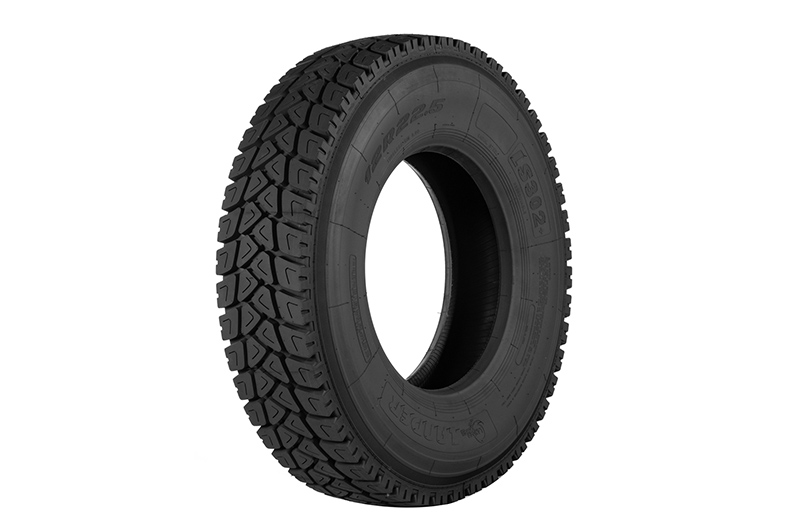
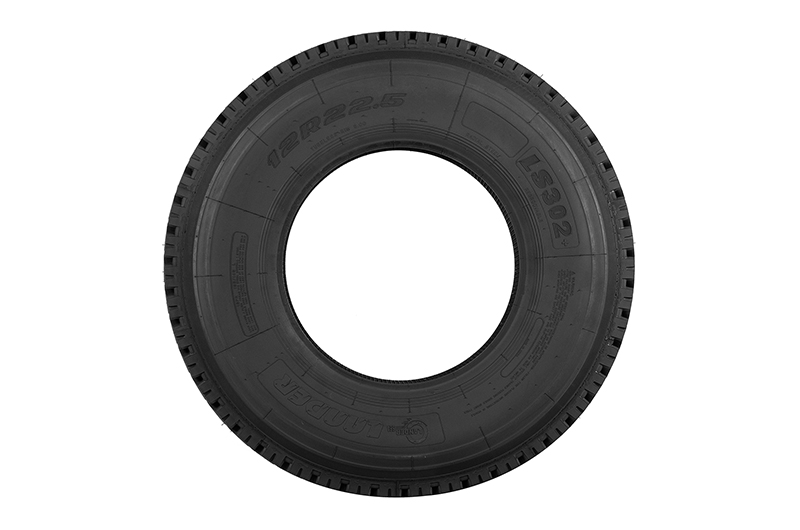
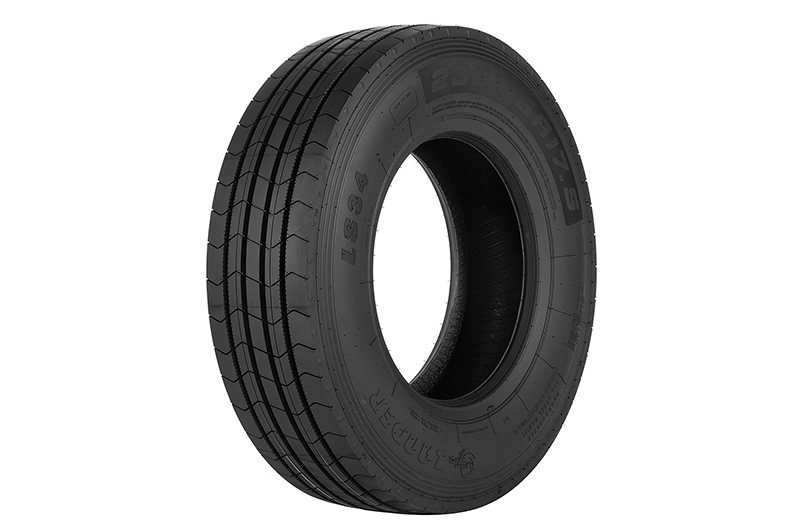
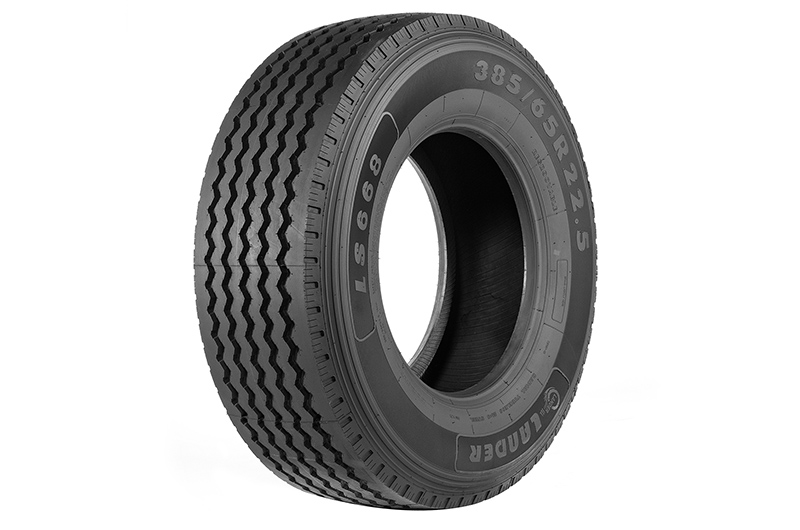
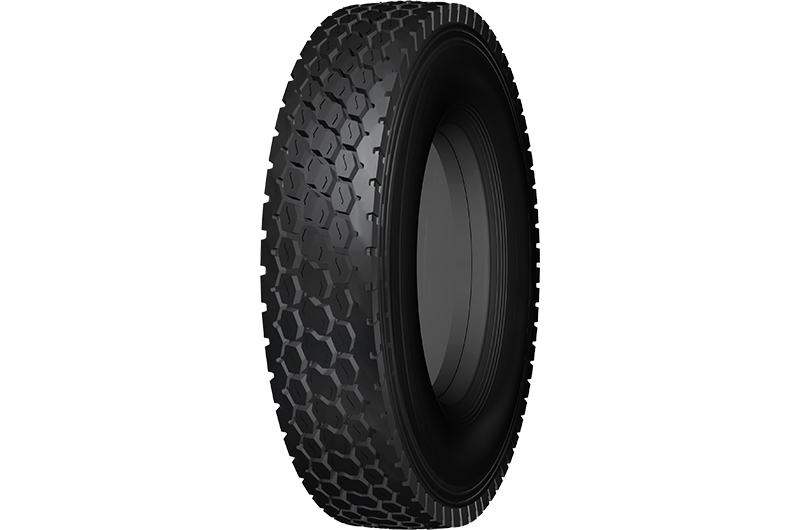
We keep tight watch on raw stuff quality. We use cutting-edge making gear to ensure very high standards. Ongoing funds in research lead to gains in grip, distance boosts, and fuel cuts in various lines. Examples include LS938 for area drive parts or LS23B made just for long-trip steering needs.
We provide a three-year warranty. This shows strong belief in lasting power. It also builds faith with sellers around the globe.
Global Reach and Customer Support Excellence
Our tyres reach more than 50 countries worldwide. This covers spots like the Middle East, Southeast Asia, Latin America, and Africa. A strong sales web keeps steady supply lines, even in shaky delivery times. Special tech help groups guide buyers in picking best setups. These fit exact work settings, from far freight paths to city mix routes. Thus, they ensure top work results always.
What Does the Future Hold for TBR Tires in the Trucking Industry?
As tech links with electric shifts in delivery setups, TBR tires move to brighter builds. These mix built-in smarts with nature-friendly plans.
Emerging Focus Areas in Tire Development
Tools using AI for mock runs allow great accuracy in tread shape tweaks. They base this on guesses of road contacts. Materials that can be reused will stand out more. This fits as loop economy ways become normal in making fields. Key ties between tire firms and data system providers will speed up new ideas. They blend build know-how with live work checks.
Conclusion: Driving Forward with Smarter Tire Solutions
The growth of business trucking relies much on how its base parts, like TBR tires, adjust to tech shifts. Makers like QINGDAO LANDER-SKY TYRE CO., LTD show this change well. They stick to steady gains, green making ways, and buyer-focused new ideas. These line up with aims for future movement in world markets.
FAQs
Q1: What distinguishes TBR tires from other commercial truck tires?
TBR (Truck Bus Radial) tires use radial builds. This gives better heat release, stronger steadiness at fast speeds, better fuel use, and longer tread time than old slanted types often seen in past fleets.
Q2: How can fleet operators maximize the lifespan of their TBR tires?
Regular looks combined with right air levels, line checks, steady turn routines, and use of forward watch tools greatly lengthen service time. They also keep safety rules across all units in a fleet.
Q3: Are sustainable materials becoming standard in modern TBR tire production?
Yes. Many makers now add natural rubber types with reused steel lines into their lines. They use low-waste heat methods that follow world green rules. This happens without losing the strength or trust levels that pro trucking needs everywhere.



Leave a comments