

Industrial tires are designed to handle the tough mechanical needs of heavy vehicles and machines in areas like warehousing, logistics, construction, and manufacturing. These tires stand apart from regular car or truck types. They have stronger builds and can take heavy weights, rough ground, and long work hours.
Key Characteristics of Industrial Tires
Industrial tires use tough inner structures. These support big static and moving loads. They also keep things steady. The rubber mix in the treads gives good grip on bumpy or rough spots. This helps avoid slips while working. The setup focuses on lasting a long time. It works well in slow-speed, heavy-load situations. Heat build-up is a big issue there.
Primary Categories of Industrial Tires
Solid tires resist punctures. They suit indoor spots or places with lots of junk, like warehouses. Pneumatic tires have air pockets. These give better cushioning for outdoor jobs on lumpy land. Cushion tires have solid rubber stuck to a metal ring. They roll smoothly on hard floors common in factories.
How Are Industrial Tires Manufactured?
Makers blend smart material work with careful building methods. This ensures the tires last and stay the same in every batch.
Materials Used in Industrial Tire Production
Rubber mixes, from natural and man-made sources, make the main part. They offer bendiness and resistance to scrapes. Layers of steel or fabric cords add strength. They hold up under pressure. Things like carbon black boost resistance to wear. They also help shed heat for a longer life.
Steps in the Manufacturing Process
- Compounding – Workers mix raw stuff into an even rubber blend. It gets exact traits for strength and flex.
- Building – Teams put together parts like the tread, sides, and edges. They line them up just right.
- Curing – Heat and pressure during vulcanization change the rubber. It becomes its final stretchy form.
- Inspection – Checks make sure everything is even, balanced, and free of flaws before shipping.
We provide a three-year warranty. On the production side, the last check uses X-ray tools. In the X-ray lab, experts look for air pockets, holes, bare wires inside, and other problems. This strict method makes sure only top-quality industrial tires go to buyers.
Which Industries Depend on Industrial Tires?
Industrial tires help many fields. These need steady work under weight.
Material Handling Industry
Forklifts use cushion or solid tires. They move well in tight areas like warehouses or shipping spots. The high weight limit keeps things stable when lifting. It cuts down on stop time from flats.
Construction Sector
Earth movers and loaders need pneumatic industrial tires. These give grip on soft ground like rocks or mud. Thick side walls guard against cuts from sharp bits at job sites.
Logistics and Port Operations
Container lifters and stackers pick large solid tires. They handle huge loads without risk. Special tread shapes improve hold on wet or slick spots in port areas.
What Factors Influence the Performance of Industrial Tires?
How well tires work comes from their build choices, work settings, and care habits. These all shape how efficient and long-lasting they are.
Design Parameters Affecting Performance
The tread shape affects grip and ease of rolling. Softer rubber boosts hold but might cut down life span. Thicker side walls add comfort. They soak up bumps and keep side-to-side steadiness with loads.
Operational Conditions Impacting Tire Longevity
Too much weight speeds up tread loss and inner tiredness. Bumpy land causes uneven wear. This makes results less sure. For air-filled types, wrong air levels raise rolling effort. They also heat up more and risk breaking.
How Can Industrial Tire Maintenance Extend Equipment Life?
Good care boosts tire life and machine trust.
Preventive Maintenance Practices
Regular eye checks spot cuts or stuck junk early. This stops bigger issues. Turning tires as the maker says spreads wear evenly on all wheels. Cleaning often keeps gunk from building in treads. That way, grip stays strong.
Monitoring Tire Pressure and Load Distribution
Tools like digital meters give true air readings for air types. Even small changes hurt work a lot. Even weight on axles stops early side wear or bends. These can cause dangers on the job.
Steady tire looks form the base for safety and work levels. These planned checks lower stop risks. They also lift safety rules at work.
Why Choose QINGDAO LANDER-SKY TYRE CO., LTD as Your Industrial Tire Supplier?
Qingdao Lander Sky Tyre leads as a tire seller. It focuses on fine tires and full help. From 2013, it has worked on TBR, OTR, industrial tyres, agricultural tyres, and forklift tyres. It uses full steps like refining, calendering, forming, vulcanization, and end checks. Advanced tech runs in five shops over 3,000 square meters.
The firm’s view stresses lasting ties:
We hold to a 100-year link with each buyer. We make sure every order’s quality and daily aid match up.
Its reach goes to over 50 lands in the Middle East, Southeast Asia, Latin America, and Africa. Solid shipping lines help get goods there on time around the world.
Highlights of QINGDAO LANDER-SKY TYRE CO., LTD’s Offerings
- Wide line of goods with solid press-on band kinds like LS659(SOLID). These fit hard jobs.
- Made-to-fit build fixes for forklifts in spots like hospitals, warehouses, ports, or plants.
- A three-year warranty shows trust in lasting strength.
- World certs like ECE, DOT, GCC, SASO meet global quality rules.
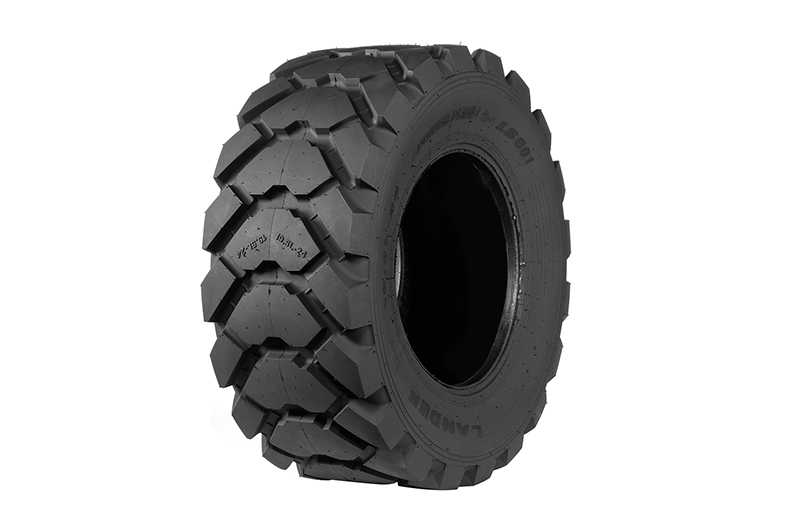
The firm’s industrial choices include types like LS801. It shows strong build:
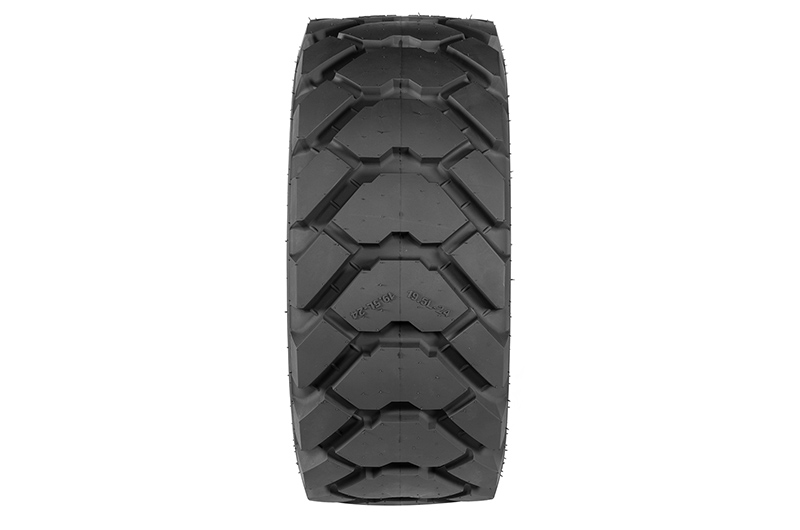
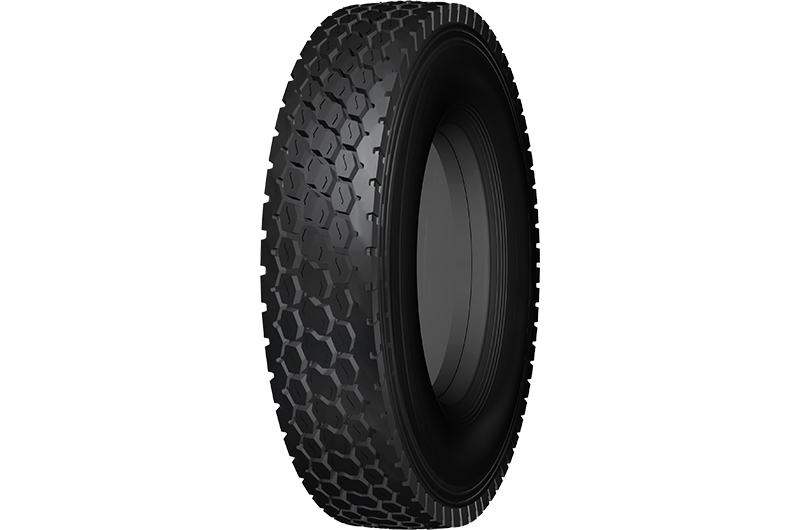
The very deep tread has broader and bigger blocks. These give top grip, steadiness, and cut resistance. It has a firm side wall setup for better wear hold in tough spots. This makes it a great pick for diggers or backhoes on rough ground.
What Are the Emerging Trends in the Industrial Tire Market?
New tech keeps changing how industrial wheels handle today’s work needs.
Advancements in Tire Technology
Smart chips inside tire shells now send live data on heat changes, air amounts, and weights put on them. This lets teams plan fixes ahead. It cuts surprise stops. Green rubber mixes from lasting sources lower harm to nature. They keep power and bend without loss. Self-fix polymers that seal tiny rips on their own mark a new edge. They stretch tire life a lot.
Market Dynamics Driving Growth
Auto tools in shipping centers raise need for tough forklift tires. These run non-stop with little care breaks. Growing build projects around the world push use of heavy build models. Think loaders or packers with deep-block setups like LS801’s style. Green efforts also back recycle plans in tire making. These cut waste and push round economy ideas in supply lines.
Conclusion
Industrial tires stay key parts in fields that need steady heavy work under varied stresses. Picking the right tire kinds based on job needs, plus steady care habits, brings top cost savings. It also guards worker safety in hard tasks. Firms like QINGDAO LANDER-SKY TYRE CO., LTD show top work through smart build ways. They back it with strict quality checks that fit world rules for trust.
FAQs about Industrial Tires
Q1: How often should industrial tires be replaced?
Change times differ by weight load and ground kind. But they often come every 12–24 months in normal runs if care stays right.
Q2: Can solid industrial tires be retreaded like pneumatic ones?
Solid builds can’t get new treads because of their no-air setup. Yet, cutting grooves again might add use if enough tread depth lingers.
Q3: What is the main difference between cushion tires and solid press-on band types?
Cushion kinds have deeper rubber layers fixed to steel rings. They work best on indoor floors. Press-on bands suit small electric forklifts. They need low roll effort over even hard spots in set areas like build plants or shipping hubs.



Leave a comments