Q I N G D A O L A N D E R - S K Y T Y R E

Loading

Nullam dignissim, ante scelerisque the is euismod fermentum odio sem semper the is erat, a feugiat leo urna eget eros. Duis Aenean a imperdiet risus.

How Different Road Conditions Affect Tyre Wear and Maintenance

How Different Road Conditions Affect Tyre Wear and Maintenance

Heavy equipment tyres in mining and construction operations take a beating from constantly changing ground. Tyre wear patterns in tough conditions show up clearly once the fleet starts logging hours—gravel haul roads tear up shoulders and leave cuts, muddy pits round off lugs in heel-to-toe fashion, paved access stretches thin the center rib or feather the edges. Procurement teams and site maintenance leads see these signs turn into real money: accelerated replacement cycles, surprise downtime during peak shifts, and lost tonnage or cubic yards. A haul truck running mixed terrain might lose 30–60% of expected tread life compared to steady soft ground, depending on payload, cycle speed, and how consistently pressures get checked. The following sections break down wear mechanisms across gravel, mud, and paved surfaces based on field patterns, describe what to look for during walk-arounds, and lay out field-proven steps to stretch service hours while keeping sudden failures to a minimum. Gravel and Rocky Roads: Fast Abrasion and Embedded Damage Gravel haul roads—typical in open-pit mines or big earthmoving jobs—are loaded with angular rock that grinds like endless sandpaper under loaded axles. Dump trucks or articulated haulers moving at 20–40 mph generate heavy friction and impact every time a tread block bites in. Shoulders take the worst hit first because they contact the sharpest edges during turns and articulation. The earliest visible damage shows as uneven shoulder wear, often with fresh chips turning into deeper gouges. Cupping and scalloping develop where high spots keep hitting the same rocks cycle after cycle. Sidewalls pick up cuts from protruding material, particularly on loaded climbs or when the machine twists over stockpiles. In bad cases, sharp stones penetrate the undertread, risking fast air loss or belt exposure. Maintenance logs from western mining fleets show rocky haul roads can cut OTR tyre life in half or worse when debris stays embedded. Friction heat builds fast during long hauls, pushing casing temperatures higher, softening the compound, and speeding up chunking. Leaving stones in place lets them drill deeper, turning surface scuffs into casing-level problems that force early pull-outs. Muddy and Soft Ground: Scrubbing and Loss of Self-Cleaning Wet pits, soft overburden, or rain-soaked borrow areas flip the wear dynamic. Tyres spin under load or slip during acceleration, scrubbing the trailing edge of each lug against the ground in a repeated heel-to-toe action. That scrubbing rounds block tops, drops effective height, and packs mud into voids, killing self-cleaning. Heel-to-toe wear stands out as the main pattern: rear portions of lugs erode first, leaving a forward-slanted, chisel shape that loses grip quickly. Side lugs take lateral scrubbing on steering maneuvers in deep mud, creating feathering or irregular shoulder wear. Grooves clog with packed material, causing slippage even at crawl speeds and worsening spin under full payload. Construction fleets during rainy seasons or mining ops with high groundwater see this constantly. Once blocks round off, traction falls sharply, forcing reduced loads or slower cycles to keep from bogging. Field data from articulated dump truck operations shows untreated mud buildup can shave 25–40% off tread life because self-cleaning stops and heat from slippage builds in the carcass. Paved or Urban Access Roads: Even but Cumulative Wear Fleets often shift from rough sites to paved haul roads or city streets for delivery or scale runs. Hard surfaces spread load more uniformly but introduce different stresses. Stop-and-go traffic or tight turns at scales scrub the contact patch, while overinflation on asphalt concentrates wear right down the middle. Center-line rib wear appears frequently from sustained high pressure. Shoulder feathering shows up when misalignment creeps in during repeated maneuvers. Slight underinflation on smooth pavement lets more flex, leading to edge scalloping or irregular contact. Loaders or graders splitting time between pit and paved access often show faster overall depletion than dedicated off-road units. Paved wear builds steadily even though it feels less aggressive. A tyre that holds up in the pit can thin out early on return legs if site pressures stay unchanged. Industry experience indicates 10–20% of total wear on hybrid routes comes from these transitions, frequently missed until tread gauges show clear imbalance. Spotting Wear Patterns and Tuning Maintenance Cycles Catching patterns early stops minor wear from turning into major expense. On gravel routes, walk the tyres daily looking for shoulder chips or sidewall cuts; gauge tread depth at several spots around the circumference to detect cupping. Muddy sites need post-shift groove checks—use a pick to dig out packed material and note whether heel-to-toe rounding has started. Paved segments call for weekly center and edge inspections to spot thinning or feathering. Cycles adjust to the main surface. Gravel-dominant fleets run daily visuals and stone removal, with rotations every 500–800 hours or when shoulder differentials hit 20%. Mud-heavy operations push cleaning every shift and rotations every 300–500 hours to spread scrubbing. Paved access requires monthly alignment checks and pressure tweaks based on load and temperature swings. Rising vibration, drift under load, or climbing fuel burn act as red flags. Tread depth readings give hard numbers—replace before hitting minimums (typically 20–30% of original depth left, varying by position and local rules). Tracking patterns fleet-wide helps forecast pull dates and fine-tune rotation timing. Field Maintenance Practices and Downtime Prevention Start each shift with cold pressure verification—set according to load tables and add a small buffer for heat on gravel runs. Remove embedded stones or mud after every shift to stop drilling. Sidewall checks catch cuts before they reach belts. Rotation balances wear. Move tyres from drive to steer or trailer positions to even scrubbing; gravel sites often need more frequent swaps to counter shoulder bias. Alignment every 1,000 hours prevents feathering, and balancing cuts vibration-driven cupping. Downtime control relies on staying ahead of replacement. Keep spares inflated and shaded to avoid early aging. Train operators to limit spin in mud and avoid overloads on rocky grades. Route sequencing that cuts paved exposure or runs gravel legs in cooler parts of the day reduces overall stress. When wear accelerates, review tyre construction. Deep E3 or E4 lugs with reinforced shoulders stand up to gravel cuts, while open voids and self-cleaning blocks clear mud effectively. Cut-resistant compounds and thick undertreads add hours in rocky ground. About Qingdao Lander Sky Tyre Qingdao Lander Sky Tyre Co., Ltd. started in 2013, based in Qingdao, China. The company produces radial truck and bus tyres (TBR), off-the-road tyres (OTR), industrial tyres, agricultural tyres, and forklift tyres. Five workshops with modern equipment span 3,000 square meters, backed by strict incoming material checks and ongoing production quality controls. The range carries GCC, DOT, ECE, and CCC certifications, meeting requirements in multiple international markets. Distribution covers partners in more than 60 countries, including Latin America, Southeast Asia, Australia, the Middle East, Africa, Russia, and the CIS regions, with over 100 established accounts. OTR products use heavy-duty builds designed for mining and construction service. Reinforced shoulders and thick undertreads deliver cut and puncture resistance on rocky terrain, while deep lug patterns (E3, E4, L5 configurations) provide traction and debris clearance in loose or muddy conditions. Compounds prioritize heat dissipation and abrasion resistance, supporting extended hours in severe duty. A three-year warranty covers the line, reflecting expected durability. The company focuses on fast response, dependable scheduling, and long-term cooperation with fleet operators. Full specifications appear in official product resources. Conclusion Gravel roads grind shoulders and embed cuts, muddy ground scrubs lugs into rounded shapes, paved stretches thin centers or feather edges—each leaves clear tyre wear patterns in tough conditions that point to maintenance gaps well before tyres fail. Identifying patterns through consistent walk-arounds, tuning cycles to the primary terrain, and sticking to disciplined pressure, cleaning, rotation, and alignment practices extends tyre life, lowers replacement frequency, and keeps downtime low. Fleets that pair the right construction—deep lugs for mud evacuation, reinforced builds for rock protection—with site-specific routines turn one of the biggest variable costs into something more predictable and controlled. FAQs How do I spot tyre wear patterns in tough conditions on gravel haul roads? Check shoulders daily for chipping, gouges, and cupping where high spots hit sharp rocks repeatedly. Gauge tread depth at multiple circumference points to catch uneven shoulder loss that signals fast abrasion. What creates heel-to-toe wear on heavy equipment tyres in muddy ground? Load-induced slipping scrubs the trailing lug edge first, rounding blocks and cutting traction. Packed mud in grooves worsens the problem, making heel-to-toe rounding noticeable after repeated shifts. How often should tyres rotate on mining sites with gravel and mud mix? Rotate every 500–800 hours on gravel-heavy routes to balance shoulder wear, or every 300–500 hours in dominant mud to spread scrubbing. Adjust intervals based on tread depth variance and vibration feedback. What field steps slow tyre wear on rocky construction sites? Remove embedded rocks after each shift, hold cold pressure to load charts, inspect sidewalls for cuts, and rotate more often. Reinforced shoulders and cut-resistant compounds add hours before chunking starts. Why does paved access cause center wear on off-road equipment tyres? Hard pavement focuses load in the center under high pressure, thinning the middle rib while shoulders stay thicker. Stop-and-go scrubbing adds to it; drop pressure for paved legs to spread contact evenly.
How Seasonal Weather Impacts Heavy Duty Truck Tires for Cross-Regional Fleets: Practical Selection & Maintenance Strategies

How Seasonal Weather Impacts Heavy Duty Truck Tires for Cross-Regional Fleets: Practical Selection & Maintenance Strategies

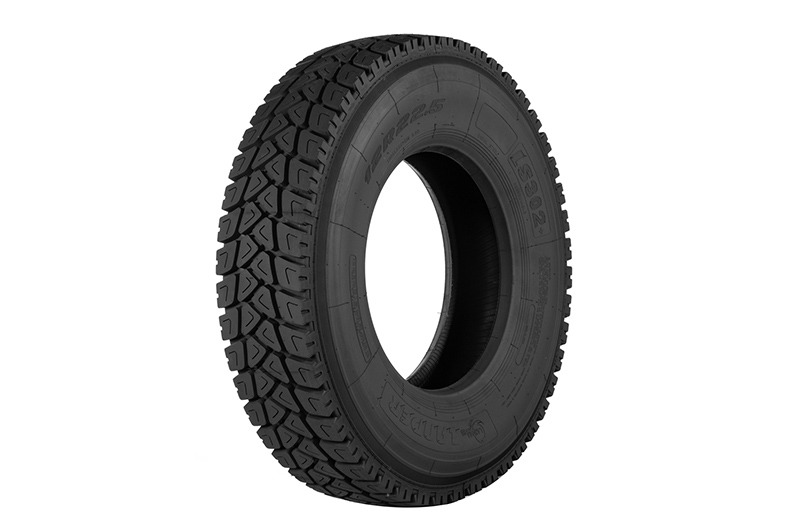
Heavy duty truck tires in cross-regional fleet duty confront ongoing stresses from seasonal weather shifts and environmental conditions. Extended high pavement temperatures on southern runs, sub-freezing exposures on northern corridors, persistent heavy rainfall, snow accumulation on highways, cumulative ultraviolet radiation, and ozone interaction each apply specific loads to compounds, casings, grip characteristics, rolling resistance levels, and safety thresholds. Maintenance supervisors and procurement specialists in the heavy-duty segment understand that tire selections not aligned to these realities or inconsistent on-road monitoring lead to quicker tread loss, unscheduled service events, higher recap and new-tire spending, and increased regulatory and accident-related risks. The material that follows outlines these influences from documented fleet patterns and lays out practical guidelines for tire matching and field care that yield dependable results over mixed territories.   High Temperatures: Key Strains on Heavy Duty Truck Tires & Cost Impacts Southern highway segments or equivalent dry-climate paths commonly register road surfaces well over 140°F with ambient air frequently in the upper 90s or higher. Heavy axle loadings paired with steady highway velocities produce considerable internal heat via friction and repeated deformation. When casing temperatures surpass 195°F, compounds soften detectably. Sidewalls show greater deflection than intended, bead regions take on elevated shear forces, and tread areas wear at quicker rates. Air volume expansion inside adds to the concern: tires brought to cold specification often climb 10–15 psi or beyond after hours of exposure, moving into zones where structural strain intensifies and failure likelihood grows without intervention. Maintenance logs from operators on desert-fringe routes reveal distinct seasonal trends. Sidewall detachments and tread chunking rise sharply in peak summer periods, while blowout occurrences increase on legs with ongoing high heat and payload. The same heat buildup raises rolling resistance, demanding more engine work and contributing 2–4% additional fuel use on prolonged hot-weather segments—amounts that add up meaningfully across fleet operations. Low Temperatures, Rain, and Snow: Consequences for Grip and Handling Stability Cold air contraction influences tire pressure in a predictable manner. Field experience consistently shows about 1–2 psi decrease per 10°F temperature drop. Trucks departing from heated facilities at proper cold pressure can register 10–15 psi short after sitting through nights in the 20s, resulting in increased sidewall flex and faster shoulder-area abrasion. Compounds harden considerably below 45°F, reducing the contact patch’s ability to adapt to road irregularities and lowering effective grip. Stopping distances grow on wet surfaces, and hydroplaning onset points drop when tread channels cannot move water efficiently. On snow-covered or icy northern paths, limited siping or rigid cold-state materials cause clear traction shortfalls, elevating jackknife chances or heavy dependence on electronic stability controls. Fleet service records note braking distances extending 20–40% on reduced-friction roads with stiffened or underinflated tires. Heavily loaded combinations need extra buffer, since built-up momentum turns any grip deficit into substantially longer required stopping distances. Environmental Factors: Progressive Deterioration Processes Ultraviolet exposure and ozone progressively attack tire materials. Continuous direct sunlight starts surface cracking on sidewalls that advances inward with ongoing load repetitions. Ozone interacts with polymer networks, forming micro-tears during downtime intervals between runs. Humidity swings speed internal oxidation, and alternating wet-dry cycles place stress on belt assemblies, encouraging separation in builds without strong protective layers. These processes regularly overlap with seasonal demands: ultraviolet-damaged sidewalls meeting winter cold generate accelerated fatigue, cutting anticipated mileage below initial estimates. Tyre environmental performance links closely to rolling resistance patterns. Weakened compounds or ongoing inflation inconsistencies boost fuel requirements and emissions volumes—considerations that carry more weight amid stricter fleet regulations and fluctuating diesel pricing. Fitting Tire Construction to Cross-Regional Fleet Needs Compound composition serves as the leading differentiator. Heat-resistant formulations with increased synthetic rubber fractions and precisely distributed carbon black maintain stability, resisting excessive softening even when internal heat reaches near 220°F on extended southern hauls. Compounds built with substantial natural rubber portions or silica additions preserve pliability in lower temperatures. These avoid severe stiffening below freezing, upholding traction and countering grip reduction. Operators handling northern routes often see 15–25% tread life improvements after transitioning to cold-adapted formulations. Tread layout contributes significantly. Multi-directional configurations with deep, widely spaced voids clear water rapidly in heavy downpours, limiting hydroplaning exposure. Tight siping networks enhance mechanical engagement on packed snow, while strengthened shoulders and debris-ejection elements fit mixed-duty routes subject to pickup of stones or gravel. Fleets operating across broad climate zones without frequent seasonal swaps gain from all-position patterns that balance tread depth, siping density, and even wear for steady performance throughout the year. Load index, speed rating, and casing build require careful alignment to operational specifications. Robust belt layers and thick undertreads support heavy loads with limited flex, while low rolling resistance profiles provide lasting fuel savings through varying temperatures. Compliance with international certification standards supports dependable procurement for fleets spanning multiple regions or global sourcing. Maintenance Routines for Field Safety and Performance Reliability Pressure readings take place cold—best before initial movement or after a minimum four-hour standstill. Expected temperature swings dictate adjustments: plan for roughly 1 psi rise per 10°F increase during running, with equivalent downward corrections for colder portions. Pre-trip examinations concentrate on sidewall abnormalities, cuts, bulges, or wear inconsistencies. Tread depth checks at various groove positions detect unevenness pointing to alignment shifts or persistent inflation issues. In challenging weather, replacement timing tightens: hold minimum 4/32″ on steer axles and 2/32″ on drive and trailer positions for dependable wet or snowy capability. Rotation schedules—commonly 50,000–80,000 miles in line-haul work—balance positional wear differences. Tire pressure monitoring systems deliver real-time alerts on gradual pressure drops or heat-related changes. Driver guidelines call for moderated speeds in extreme heat or intense rain, measured braking on slippery pavement, and swift reporting of unusual vibrations or pull. Route sequencing reduces overall stress exposure. Placing southern legs outside midday heat maxima and timing northern segments for transitional milder periods cuts cumulative thermal cycling. Spares maintained at correct pressure and kept shaded stay service-ready without accelerated breakdown. About Qingdao Lander Sky Tyre Qingdao Lander Sky Tyre Co., Ltd. started in 2013, located in Qingdao, China. The company produces radial truck and bus tires (TBR), off-the-road tires (OTR), industrial tires, agricultural tires, and forklift tires. Five workshops with up-to-date equipment cover 3,000 square meters, supported by thorough incoming material checks and production-stage quality controls. The range carries certifications including GCC, DOT, ECE, and CCC, meeting requirements in varied international markets. Distribution reaches partners in over 60 countries, including Latin America, Southeast Asia, Australia, the Middle East, Africa, Russia, and the CIS areas, with more than 100 ongoing relationships. TBR products feature radial design suited to heavy-load highway and regional service. Low rolling resistance compounds limit heat development while enabling longer service runs—frequently over 200,000 km in standard fleet duty. A three-year warranty covers the series, reflecting built-in durability. The organization focuses on quick response, reliable scheduling, and continued partnership with fleet operations. Full technical details are accessible via official product materials.   Conclusion Seasonal temperature cycles and environmental exposures create steady challenges for heavy duty truck tires in cross-regional service. High heat raises blowout potential and fuel costs, cold weather reduces traction and causes pressure shortfalls, rain and snow call for strong water displacement and material flexibility, and long-term exposure hastens compound and structural wear. Purposeful tire specification—focusing on compound toughness, tread design, and load-handling construction—alongside disciplined pressure checks, inspection protocols, rotation timing, and driver practices produces clear gains in cost per mile, uptime reliability, and safety performance. Fleets following these methods attain extended tire service, better efficiency, and more consistent operational results. FAQs How much does heavy duty truck tire pressure change with temperature? Temperature variations usually cause 1–2 psi pressure shift per 10°F. A tire set correctly cold at 100 psi can lose 10–15 psi after overnight freezing or gain similarly during extended summer running, making regular cold-pressure checks a standard practice. Why do heavy duty truck tires blow out more in extreme summer heat? Sustained high temperatures soften compounds and expand internal air, driving pressure into unsafe levels. Road contact friction and heavy loads intensify overheating, sidewall loading, and eventual tread or casing failure on long southern segments. How do cold temperatures reduce traction on heavy duty truck tires? Compounds stiffen below 45°F, limiting flexibility and contact patch effectiveness. Combined with underinflation from cold contraction, this creates uneven wear and considerably longer braking distances on wet, snowy, or icy roads. Which tire features improve heavy duty truck handling in heavy rain and snow? Deep multi-directional grooves promote fast water evacuation to reduce hydroplaning. Dense siping together with cold-flexible compounds maintain tread shape and grip on low-traction surfaces, shortening stops and aiding control. How can fleet operators reduce environmental aging of heavy duty truck tires? Frequent sidewall inspections spot early UV or ozone cracking. Shaded storage, steady inflation to decrease flex fatigue, scheduled rotations, and limiting prolonged sunlight contact together slow deterioration and lengthen usable life.
Off-the-Road Tyres in Extreme Conditions: Traction, Durability, and Selection for Mining and Rocky Terrain

Off-the-Road Tyres in Extreme Conditions: Traction, Durability, and Selection for Mining and Rocky Terrain

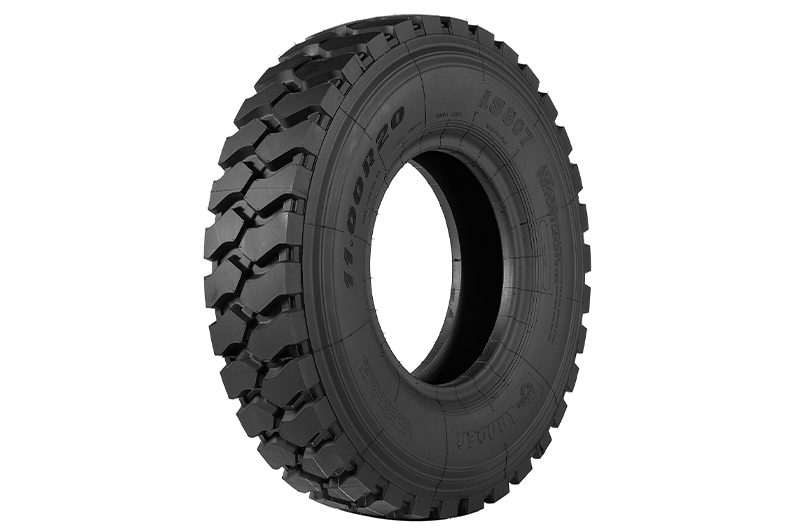
Off-the-road tyres take a beating in open-pit mining, hard-rock quarries, and heavy earthmoving jobs where sharp edges, massive tonnages, extended cycles at torque, and abrasive loose ground create nonstop risks of cuts, penetrations, overheating, and grip loss. A tyre that goes down in these surroundings stops the haul truck or loader cold, racks up replacement expenses, and tightens safety exposure across the shift. The gap between tyres that barely make it through a campaign and those that deliver solid hours lies in how closely the build, compound, and tread layout tackle the site’s main pressures—rocky terrain tyre resistance, mining OTR tyre traction, heavy-load heat control, and cut/chip toughness.   The following sections cover the dominant failure modes seen in the field, outline a practical path for picking constructions and patterns suited to rough ground and high-payload work, weigh the on-the-job behavior of typical tread styles drawn from actual site results, and detail the upkeep routines that push service life further in tough setups. Procurement groups and fleet supervisors rely on these details to match tyre specs to real operating profiles instead of relying solely on catalog claims. Primary Stresses OTR Tyres Face in Harsh Mining and Quarry Environments Hard-rock operations repeatedly show the same breakdown patterns. Angular fragments carve into tread blocks and sidewalls, producing chunk-outs and punctures that cut service short. Continuous heavy payloads across long hauls or slow loading loops generate core temperatures that soften the rubber, speed up scrubbing, and compromise casing strength. Loose overburden or slick rock faces cut forward drive and stopping power, particularly on ramps. Trapped stones bore deeper rotation after rotation, converting small intrusions into major structural issues. Sidewall rips from bench strikes or haul-road curbs expose belts and invite separation. These problems compound in practice. A cut lets moisture in and hastens heat-driven breakdown; weak traction pushes operators to apply more power, spiking temperatures; stone drilling thins the casing so the next hit triggers a blowout. Tyres engineered for extreme duty fight back with thicker undertread, compounds resistant to thermal softening, beefed-up bead zones, and tread shapes that shed debris before it settles in. Decision Framework for Rough Terrain and Heavy-Load Applications Pattern and build decisions track what the site actually throws at the tyre rather than generic labels. Bias constructions supply stiff, substantial sidewalls that stand up to sharp impacts in rock-heavy ground, giving reliable rocky terrain tyre resistance while trading some ride quality and heat escape. Radial builds, using steel belts and lower sidewall stiffness, shed heat more effectively during steady heavy loads and longer runs, which suits haul trucks on extended routes with higher average speeds. Tread class steers the balance. E4 and L5 patterns, carrying deeper tread and bulky lug blocks, stress cut and chip resistance in highly abrasive rock settings where penetration threats dominate. They trade a bit of rolling resistance for shielding against cuts and chunking. E3 and L3 patterns deliver balanced mining OTR tyre traction with controlled heat, holding up in mixed rock and soil where pure rock exposure is moderate. Loader and dozer work in pits often leans toward deeper E4/L5 choices to resist bucket shear and side forces, whereas haul-truck patterns focus on uniform wear and thermal balance. A direct assessment begins with three key checks: dominant ground type (sharp rock, mixed loose, or maintained roads), typical load per tyre plus cycle distance, and prevailing temperatures and speeds. Answers guide the right mix of build, tread depth, and compound hardness. Ignoring load-speed ratings or running low pressure cuts life more than small variances in starting tread depth. Practical Performance of Different Tread Designs in Extreme Conditions Tread shape governs grip retention and damage shedding in day-to-day runs. Deep-lug patterns—high, spaced blocks with generous void areas—dig into loose or soft cover, providing strong traction mining capability on slopes and under acceleration with load. The open layout aids ejection of bigger pieces, though finer stones lodge without regular clearing. In hard-rock mining, these patterns often rack up extended hours before notable chunking when matched with cut-resistant compounds. Block-style treads spread pressure over a broader contact patch on solid rock, maintaining steady grip without deep digging that invites slicing. They wear evenly in varied conditions but give up some aggression in very loose overburden relative to deep-lug options. Stone-ejector or self-cleaning layouts use angled channels, lug bridges, or stepped edges to push trapped material out during rotation. Operators working rocky terrain frequently note reduced drilling incidents and related stops—commonly 20-30 percent longer tread life in abrasive ground—since fewer stones stay embedded long enough to wear through undertread. Smooth or shallow-tread patterns rarely appear in open-pit or quarry duty; they fit flat, hard applications like stockpile yards or paved ports. The call between deep-lug, block, and ejector styles rests on machine function and ground makeup: aggressive bite for dozers and loaders shifting material versus heat and wear equilibrium for haul trucks on longer cycles. Field-Proven Habits to Extend OTR Tyre Life in Severe Conditions Maintenance consistency turns capable tyres into high-hour performers. Holding cold inflation to manufacturer specs limits flex heat and sidewall stress; nitrogen fill adds stability in hot regions by cutting moisture swings. Shift-end walk-arounds spot early cuts, scuffs, or lodged stones for prompt removal. Clearing tread voids routinely stops stone drilling from advancing to casing splits. Tracking temperatures—via handheld guns or vehicle systems—spots rising trends that signal low pressure, overload, or mismatched speed/load. Scheduled rotations even abrasion across positions and stretch fleet totals. Applied without gaps, these steps let correctly spec’d tyres gather thousands more hours in settings where unscheduled changes carry heavy penalties. About Qingdao Lander Sky Tyre Qingdao Lander Sky Tyre Co., Ltd., started in 2013 and located in Qingdao, China, specializes in tyres built for severe service. Production spans over 3,000 square meters in five workshops, with tight controls on raw inputs and process steps to hold uniformity. OTR tyres anchor the lineup, supplied in bias and radial forms with strengthened carcasses, generous undertread, and compounds tuned for cut resistance and thermal endurance. Patterns feature deep-lug options geared toward mining and rocky conditions, stressing traction and penetration defense.   The series meets GCC, DOT, ECE, and CCC standards, backed by a 3-year warranty. Products serve partners across more than 60 countries, supported by prompt technical assistance and focus on enduring, trust-based ties in heavy industrial fields. Conclusion Success in extreme mining and quarry duty hinges on tyres that fit construction and tread to the site’s core stresses—rocky terrain resistance, traction under payload, cut shielding, and heat handling. When specs match terrain, load, and cycle realities, and when routine care stays rigorous, unplanned stops decline, change frequency drops, and cost control improves steadily. Fleet choices rooted in these field realities produce the clearest gains across the tyre’s working span. FAQs What causes the most common OTR tyre failures in rocky mining sites? Sharp angular rocks drive most failures via cuts, punctures, and chunking, while prolonged heavy loads create excessive heat that degrades compounds and casings. Reduced traction on loose or wet faces demands higher throttle, amplifying heat and wear cycles. How should tread depth be selected for extreme rocky terrain mining operations? Deeper E4 or L5 tread depths supply stronger cut and chip resistance where sharp rock penetration risks peak. Shallower E3 patterns suit mixed ground better, where heat buildup and uniform wear outweigh maximum cut protection. Why do some OTR tyres lose traction faster on mining inclines? Insufficient lug height or void spacing prevents effective digging into loose cover, weakening grip during acceleration and braking. Deep-lug patterns with wide spacing typically sustain better traction mining performance on grades when debris clearance remains consistent. What maintenance stops stone drilling damage on OTR tyres in quarries? Frequent extraction of embedded stones from tread voids halts small debris from grinding deeper into undertread and casing. Paired with proper inflation and temperature monitoring, this practice markedly lowers drilling-linked punctures and separations in abrasive rocky terrain. When do radial OTR tyres outperform bias in heavy mining applications? Radial constructions dissipate heat more effectively and support longer cycles with steady loads, favoring haul trucks on extended hauls. Bias constructions generally deliver superior sidewall puncture resistance in impact-dominant, short-cycle rocky sites.
Home
WhatsApp
Email
Contacts