

Heavy duty truck tires in cross-regional fleet duty confront ongoing stresses from seasonal weather shifts and environmental conditions. Extended high pavement temperatures on southern runs, sub-freezing exposures on northern corridors, persistent heavy rainfall, snow accumulation on highways, cumulative ultraviolet radiation, and ozone interaction each apply specific loads to compounds, casings, grip characteristics, rolling resistance levels, and safety thresholds. Maintenance supervisors and procurement specialists in the heavy-duty segment understand that tire selections not aligned to these realities or inconsistent on-road monitoring lead to quicker tread loss, unscheduled service events, higher recap and new-tire spending, and increased regulatory and accident-related risks. The material that follows outlines these influences from documented fleet patterns and lays out practical guidelines for tire matching and field care that yield dependable results over mixed territories.
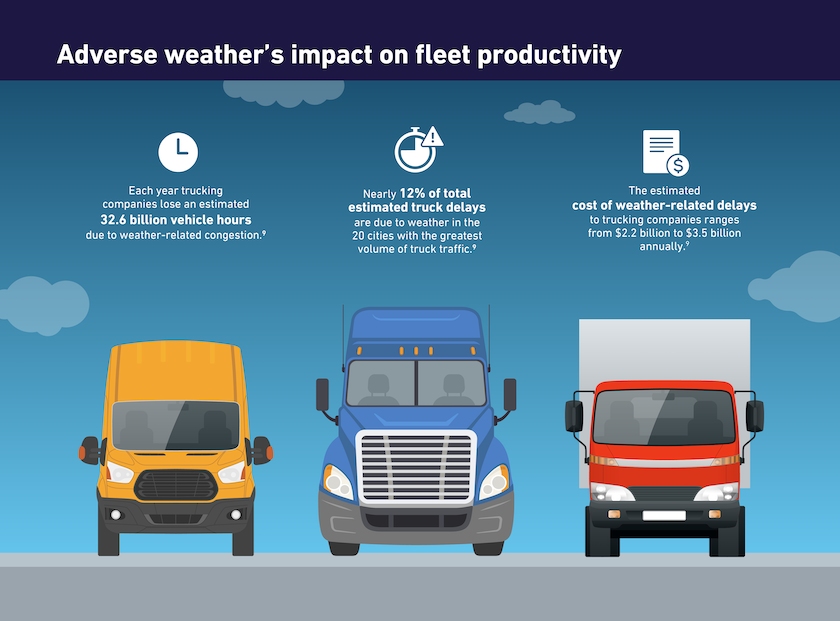
High Temperatures: Key Strains on Heavy Duty Truck Tires & Cost Impacts
Southern highway segments or equivalent dry-climate paths commonly register road surfaces well over 140°F with ambient air frequently in the upper 90s or higher. Heavy axle loadings paired with steady highway velocities produce considerable internal heat via friction and repeated deformation.
When casing temperatures surpass 195°F, compounds soften detectably. Sidewalls show greater deflection than intended, bead regions take on elevated shear forces, and tread areas wear at quicker rates. Air volume expansion inside adds to the concern: tires brought to cold specification often climb 10–15 psi or beyond after hours of exposure, moving into zones where structural strain intensifies and failure likelihood grows without intervention.
Maintenance logs from operators on desert-fringe routes reveal distinct seasonal trends. Sidewall detachments and tread chunking rise sharply in peak summer periods, while blowout occurrences increase on legs with ongoing high heat and payload. The same heat buildup raises rolling resistance, demanding more engine work and contributing 2–4% additional fuel use on prolonged hot-weather segments—amounts that add up meaningfully across fleet operations.
Low Temperatures, Rain, and Snow: Consequences for Grip and Handling Stability
Cold air contraction influences tire pressure in a predictable manner. Field experience consistently shows about 1–2 psi decrease per 10°F temperature drop. Trucks departing from heated facilities at proper cold pressure can register 10–15 psi short after sitting through nights in the 20s, resulting in increased sidewall flex and faster shoulder-area abrasion.
Compounds harden considerably below 45°F, reducing the contact patch’s ability to adapt to road irregularities and lowering effective grip. Stopping distances grow on wet surfaces, and hydroplaning onset points drop when tread channels cannot move water efficiently. On snow-covered or icy northern paths, limited siping or rigid cold-state materials cause clear traction shortfalls, elevating jackknife chances or heavy dependence on electronic stability controls.
Fleet service records note braking distances extending 20–40% on reduced-friction roads with stiffened or underinflated tires. Heavily loaded combinations need extra buffer, since built-up momentum turns any grip deficit into substantially longer required stopping distances.
Environmental Factors: Progressive Deterioration Processes
Ultraviolet exposure and ozone progressively attack tire materials. Continuous direct sunlight starts surface cracking on sidewalls that advances inward with ongoing load repetitions. Ozone interacts with polymer networks, forming micro-tears during downtime intervals between runs.
Humidity swings speed internal oxidation, and alternating wet-dry cycles place stress on belt assemblies, encouraging separation in builds without strong protective layers. These processes regularly overlap with seasonal demands: ultraviolet-damaged sidewalls meeting winter cold generate accelerated fatigue, cutting anticipated mileage below initial estimates.
Tyre environmental performance links closely to rolling resistance patterns. Weakened compounds or ongoing inflation inconsistencies boost fuel requirements and emissions volumes—considerations that carry more weight amid stricter fleet regulations and fluctuating diesel pricing.
Fitting Tire Construction to Cross-Regional Fleet Needs
Compound composition serves as the leading differentiator. Heat-resistant formulations with increased synthetic rubber fractions and precisely distributed carbon black maintain stability, resisting excessive softening even when internal heat reaches near 220°F on extended southern hauls.
Compounds built with substantial natural rubber portions or silica additions preserve pliability in lower temperatures. These avoid severe stiffening below freezing, upholding traction and countering grip reduction. Operators handling northern routes often see 15–25% tread life improvements after transitioning to cold-adapted formulations.
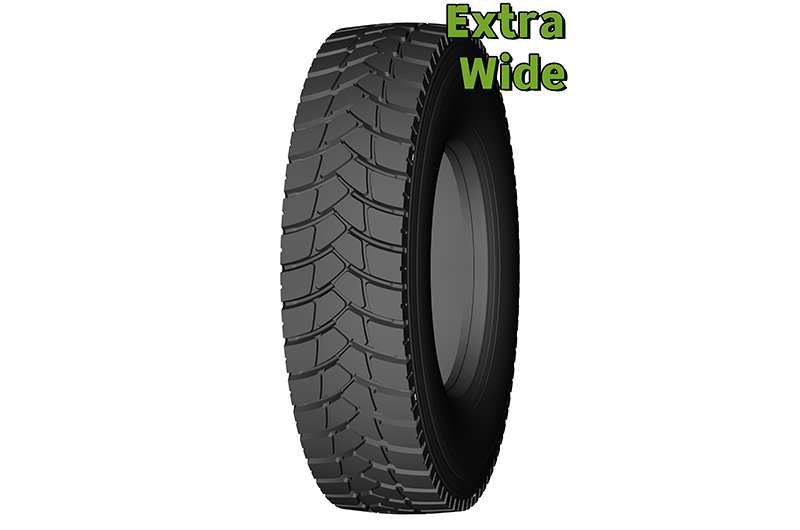
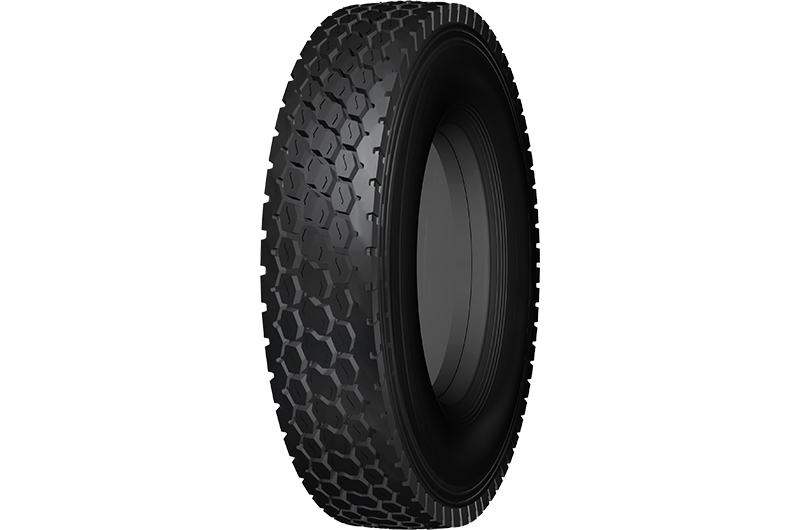
Tread layout contributes significantly. Multi-directional configurations with deep, widely spaced voids clear water rapidly in heavy downpours, limiting hydroplaning exposure. Tight siping networks enhance mechanical engagement on packed snow, while strengthened shoulders and debris-ejection elements fit mixed-duty routes subject to pickup of stones or gravel. Fleets operating across broad climate zones without frequent seasonal swaps gain from all-position patterns that balance tread depth, siping density, and even wear for steady performance throughout the year.
Load index, speed rating, and casing build require careful alignment to operational specifications. Robust belt layers and thick undertreads support heavy loads with limited flex, while low rolling resistance profiles provide lasting fuel savings through varying temperatures. Compliance with international certification standards supports dependable procurement for fleets spanning multiple regions or global sourcing.
Maintenance Routines for Field Safety and Performance Reliability
Pressure readings take place cold—best before initial movement or after a minimum four-hour standstill. Expected temperature swings dictate adjustments: plan for roughly 1 psi rise per 10°F increase during running, with equivalent downward corrections for colder portions.
Pre-trip examinations concentrate on sidewall abnormalities, cuts, bulges, or wear inconsistencies. Tread depth checks at various groove positions detect unevenness pointing to alignment shifts or persistent inflation issues. In challenging weather, replacement timing tightens: hold minimum 4/32″ on steer axles and 2/32″ on drive and trailer positions for dependable wet or snowy capability.
Rotation schedules—commonly 50,000–80,000 miles in line-haul work—balance positional wear differences. Tire pressure monitoring systems deliver real-time alerts on gradual pressure drops or heat-related changes. Driver guidelines call for moderated speeds in extreme heat or intense rain, measured braking on slippery pavement, and swift reporting of unusual vibrations or pull.
Route sequencing reduces overall stress exposure. Placing southern legs outside midday heat maxima and timing northern segments for transitional milder periods cuts cumulative thermal cycling. Spares maintained at correct pressure and kept shaded stay service-ready without accelerated breakdown.
About Qingdao Lander Sky Tyre
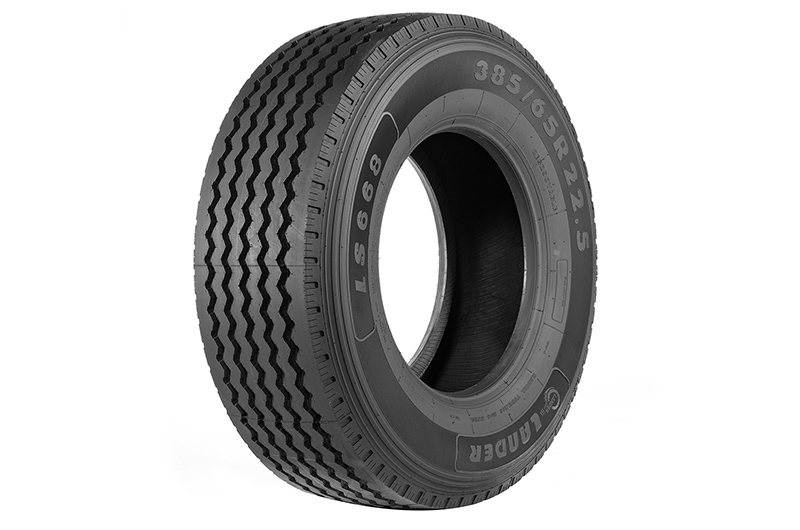
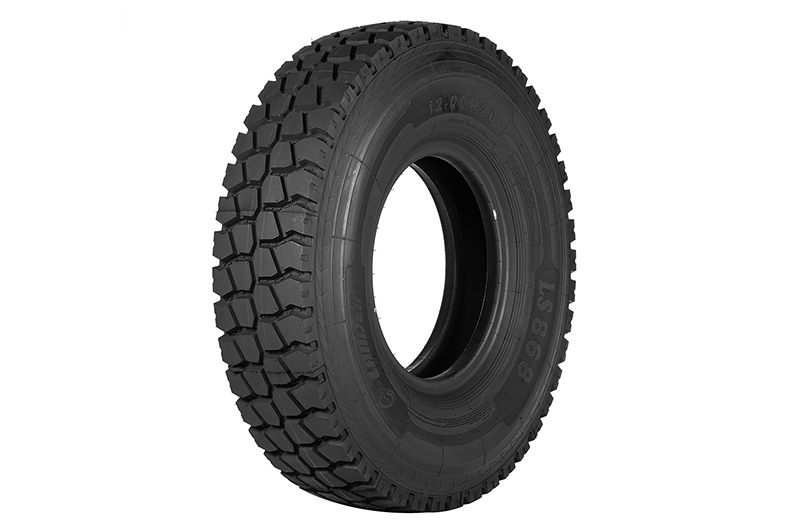
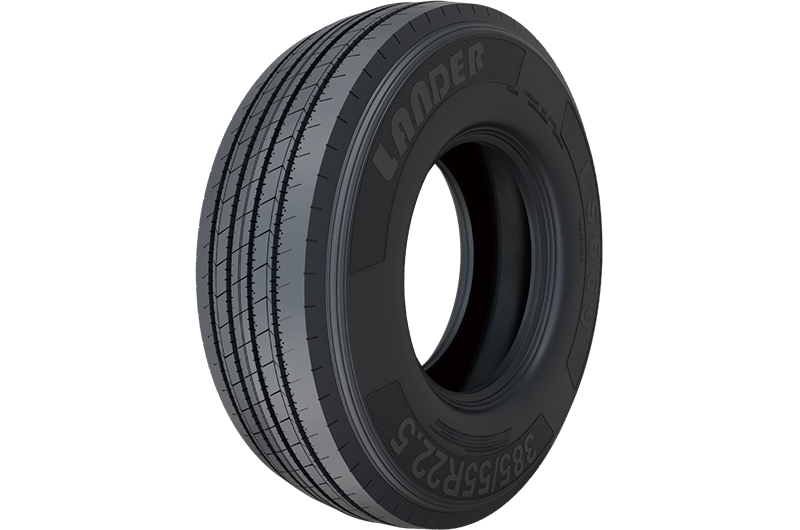
Qingdao Lander Sky Tyre Co., Ltd. started in 2013, located in Qingdao, China. The company produces radial truck and bus tires (TBR), off-the-road tires (OTR), industrial tires, agricultural tires, and forklift tires. Five workshops with up-to-date equipment cover 3,000 square meters, supported by thorough incoming material checks and production-stage quality controls.
The range carries certifications including GCC, DOT, ECE, and CCC, meeting requirements in varied international markets. Distribution reaches partners in over 60 countries, including Latin America, Southeast Asia, Australia, the Middle East, Africa, Russia, and the CIS areas, with more than 100 ongoing relationships.
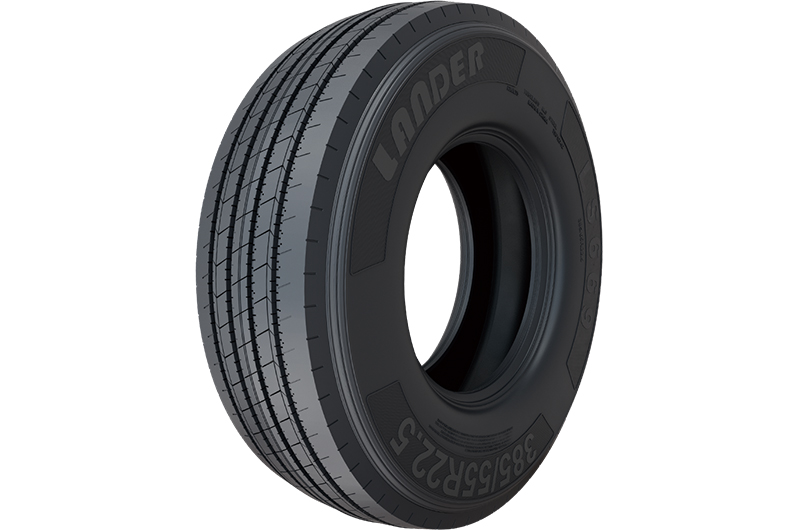
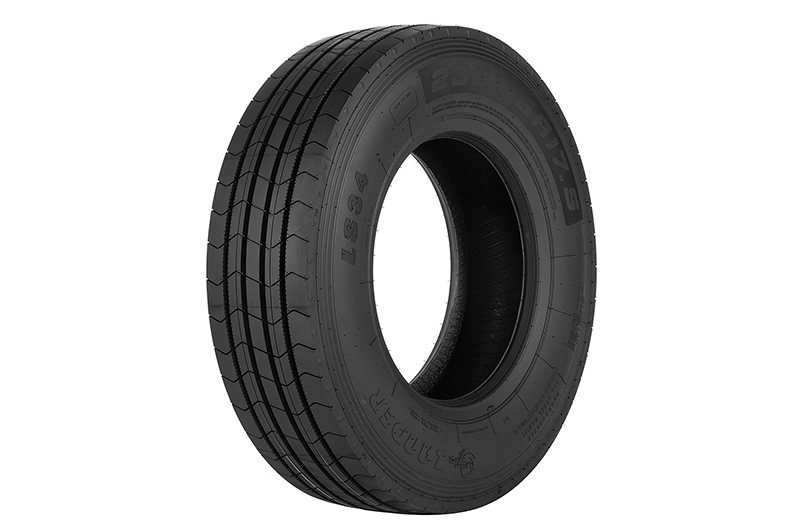
TBR products feature radial design suited to heavy-load highway and regional service. Low rolling resistance compounds limit heat development while enabling longer service runs—frequently over 200,000 km in standard fleet duty. A three-year warranty covers the series, reflecting built-in durability. The organization focuses on quick response, reliable scheduling, and continued partnership with fleet operations. Full technical details are accessible via official product materials.
Conclusion
Seasonal temperature cycles and environmental exposures create steady challenges for heavy duty truck tires in cross-regional service. High heat raises blowout potential and fuel costs, cold weather reduces traction and causes pressure shortfalls, rain and snow call for strong water displacement and material flexibility, and long-term exposure hastens compound and structural wear. Purposeful tire specification—focusing on compound toughness, tread design, and load-handling construction—alongside disciplined pressure checks, inspection protocols, rotation timing, and driver practices produces clear gains in cost per mile, uptime reliability, and safety performance. Fleets following these methods attain extended tire service, better efficiency, and more consistent operational results.
FAQs
How much does heavy duty truck tire pressure change with temperature?
Temperature variations usually cause 1–2 psi pressure shift per 10°F. A tire set correctly cold at 100 psi can lose 10–15 psi after overnight freezing or gain similarly during extended summer running, making regular cold-pressure checks a standard practice.
Why do heavy duty truck tires blow out more in extreme summer heat?
Sustained high temperatures soften compounds and expand internal air, driving pressure into unsafe levels. Road contact friction and heavy loads intensify overheating, sidewall loading, and eventual tread or casing failure on long southern segments.
How do cold temperatures reduce traction on heavy duty truck tires?
Compounds stiffen below 45°F, limiting flexibility and contact patch effectiveness. Combined with underinflation from cold contraction, this creates uneven wear and considerably longer braking distances on wet, snowy, or icy roads.
Which tire features improve heavy duty truck handling in heavy rain and snow?
Deep multi-directional grooves promote fast water evacuation to reduce hydroplaning. Dense siping together with cold-flexible compounds maintain tread shape and grip on low-traction surfaces, shortening stops and aiding control.
How can fleet operators reduce environmental aging of heavy duty truck tires?
Frequent sidewall inspections spot early UV or ozone cracking. Shaded storage, steady inflation to decrease flex fatigue, scheduled rotations, and limiting prolonged sunlight contact together slow deterioration and lengthen usable life.



Leave a comments