

Off-the-road tyres take a beating in open-pit mining, hard-rock quarries, and heavy earthmoving jobs where sharp edges, massive tonnages, extended cycles at torque, and abrasive loose ground create nonstop risks of cuts, penetrations, overheating, and grip loss. A tyre that goes down in these surroundings stops the haul truck or loader cold, racks up replacement expenses, and tightens safety exposure across the shift. The gap between tyres that barely make it through a campaign and those that deliver solid hours lies in how closely the build, compound, and tread layout tackle the site’s main pressures—rocky terrain tyre resistance, mining OTR tyre traction, heavy-load heat control, and cut/chip toughness.
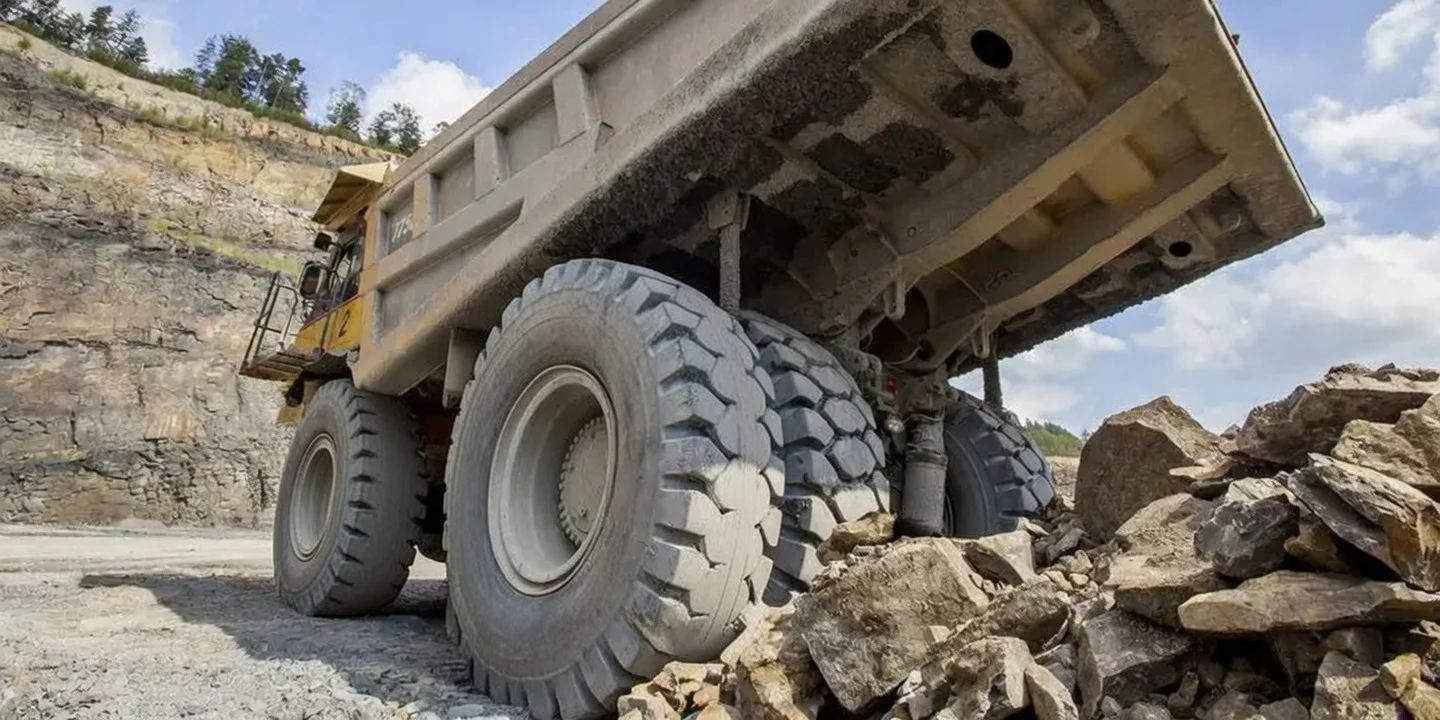
The following sections cover the dominant failure modes seen in the field, outline a practical path for picking constructions and patterns suited to rough ground and high-payload work, weigh the on-the-job behavior of typical tread styles drawn from actual site results, and detail the upkeep routines that push service life further in tough setups. Procurement groups and fleet supervisors rely on these details to match tyre specs to real operating profiles instead of relying solely on catalog claims.
Primary Stresses OTR Tyres Face in Harsh Mining and Quarry Environments
Hard-rock operations repeatedly show the same breakdown patterns. Angular fragments carve into tread blocks and sidewalls, producing chunk-outs and punctures that cut service short. Continuous heavy payloads across long hauls or slow loading loops generate core temperatures that soften the rubber, speed up scrubbing, and compromise casing strength. Loose overburden or slick rock faces cut forward drive and stopping power, particularly on ramps. Trapped stones bore deeper rotation after rotation, converting small intrusions into major structural issues. Sidewall rips from bench strikes or haul-road curbs expose belts and invite separation.
These problems compound in practice. A cut lets moisture in and hastens heat-driven breakdown; weak traction pushes operators to apply more power, spiking temperatures; stone drilling thins the casing so the next hit triggers a blowout. Tyres engineered for extreme duty fight back with thicker undertread, compounds resistant to thermal softening, beefed-up bead zones, and tread shapes that shed debris before it settles in.
Decision Framework for Rough Terrain and Heavy-Load Applications
Pattern and build decisions track what the site actually throws at the tyre rather than generic labels. Bias constructions supply stiff, substantial sidewalls that stand up to sharp impacts in rock-heavy ground, giving reliable rocky terrain tyre resistance while trading some ride quality and heat escape. Radial builds, using steel belts and lower sidewall stiffness, shed heat more effectively during steady heavy loads and longer runs, which suits haul trucks on extended routes with higher average speeds.
Tread class steers the balance. E4 and L5 patterns, carrying deeper tread and bulky lug blocks, stress cut and chip resistance in highly abrasive rock settings where penetration threats dominate. They trade a bit of rolling resistance for shielding against cuts and chunking. E3 and L3 patterns deliver balanced mining OTR tyre traction with controlled heat, holding up in mixed rock and soil where pure rock exposure is moderate. Loader and dozer work in pits often leans toward deeper E4/L5 choices to resist bucket shear and side forces, whereas haul-truck patterns focus on uniform wear and thermal balance.
A direct assessment begins with three key checks: dominant ground type (sharp rock, mixed loose, or maintained roads), typical load per tyre plus cycle distance, and prevailing temperatures and speeds. Answers guide the right mix of build, tread depth, and compound hardness. Ignoring load-speed ratings or running low pressure cuts life more than small variances in starting tread depth.
Practical Performance of Different Tread Designs in Extreme Conditions
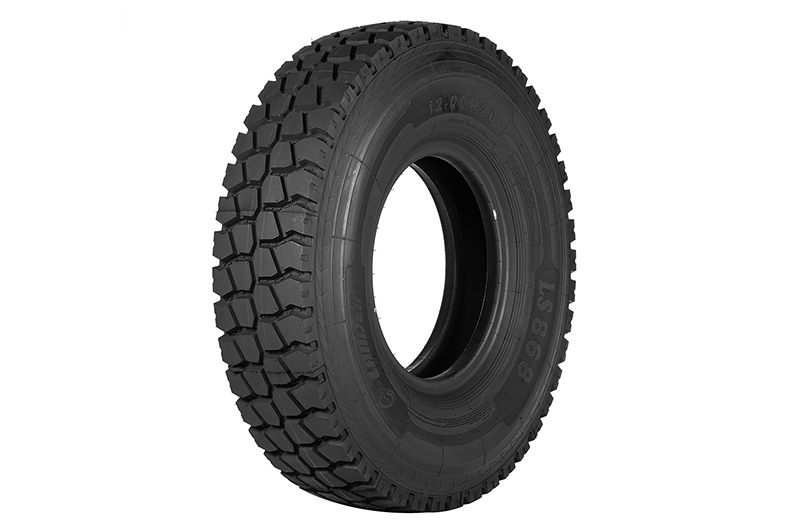
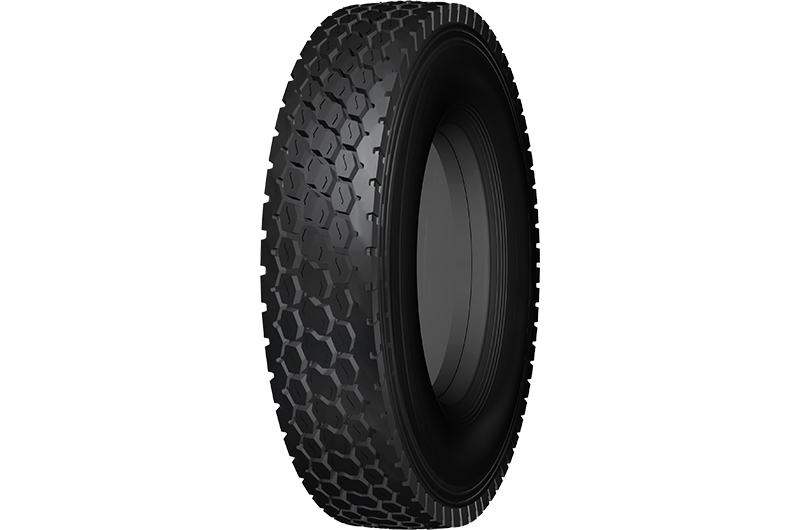
Tread shape governs grip retention and damage shedding in day-to-day runs. Deep-lug patterns—high, spaced blocks with generous void areas—dig into loose or soft cover, providing strong traction mining capability on slopes and under acceleration with load. The open layout aids ejection of bigger pieces, though finer stones lodge without regular clearing. In hard-rock mining, these patterns often rack up extended hours before notable chunking when matched with cut-resistant compounds.
Block-style treads spread pressure over a broader contact patch on solid rock, maintaining steady grip without deep digging that invites slicing. They wear evenly in varied conditions but give up some aggression in very loose overburden relative to deep-lug options. Stone-ejector or self-cleaning layouts use angled channels, lug bridges, or stepped edges to push trapped material out during rotation. Operators working rocky terrain frequently note reduced drilling incidents and related stops—commonly 20-30 percent longer tread life in abrasive ground—since fewer stones stay embedded long enough to wear through undertread.
Smooth or shallow-tread patterns rarely appear in open-pit or quarry duty; they fit flat, hard applications like stockpile yards or paved ports. The call between deep-lug, block, and ejector styles rests on machine function and ground makeup: aggressive bite for dozers and loaders shifting material versus heat and wear equilibrium for haul trucks on longer cycles.
Field-Proven Habits to Extend OTR Tyre Life in Severe Conditions
Maintenance consistency turns capable tyres into high-hour performers. Holding cold inflation to manufacturer specs limits flex heat and sidewall stress; nitrogen fill adds stability in hot regions by cutting moisture swings. Shift-end walk-arounds spot early cuts, scuffs, or lodged stones for prompt removal.
Clearing tread voids routinely stops stone drilling from advancing to casing splits. Tracking temperatures—via handheld guns or vehicle systems—spots rising trends that signal low pressure, overload, or mismatched speed/load. Scheduled rotations even abrasion across positions and stretch fleet totals.
Applied without gaps, these steps let correctly spec’d tyres gather thousands more hours in settings where unscheduled changes carry heavy penalties.
About Qingdao Lander Sky Tyre
Qingdao Lander Sky Tyre Co., Ltd., started in 2013 and located in Qingdao, China, specializes in tyres built for severe service. Production spans over 3,000 square meters in five workshops, with tight controls on raw inputs and process steps to hold uniformity. OTR tyres anchor the lineup, supplied in bias and radial forms with strengthened carcasses, generous undertread, and compounds tuned for cut resistance and thermal endurance. Patterns feature deep-lug options geared toward mining and rocky conditions, stressing traction and penetration defense.
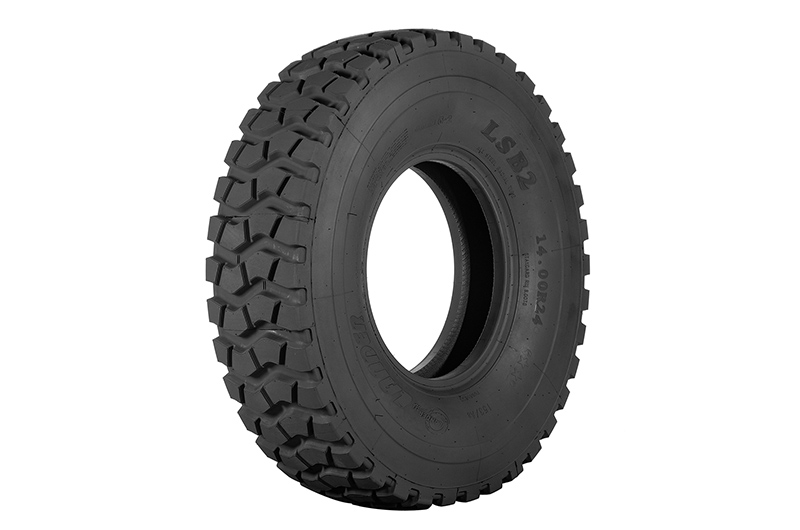
The series meets GCC, DOT, ECE, and CCC standards, backed by a 3-year warranty. Products serve partners across more than 60 countries, supported by prompt technical assistance and focus on enduring, trust-based ties in heavy industrial fields.
Conclusion
Success in extreme mining and quarry duty hinges on tyres that fit construction and tread to the site’s core stresses—rocky terrain resistance, traction under payload, cut shielding, and heat handling. When specs match terrain, load, and cycle realities, and when routine care stays rigorous, unplanned stops decline, change frequency drops, and cost control improves steadily. Fleet choices rooted in these field realities produce the clearest gains across the tyre’s working span.
FAQs
What causes the most common OTR tyre failures in rocky mining sites?
Sharp angular rocks drive most failures via cuts, punctures, and chunking, while prolonged heavy loads create excessive heat that degrades compounds and casings. Reduced traction on loose or wet faces demands higher throttle, amplifying heat and wear cycles.
How should tread depth be selected for extreme rocky terrain mining operations?
Deeper E4 or L5 tread depths supply stronger cut and chip resistance where sharp rock penetration risks peak. Shallower E3 patterns suit mixed ground better, where heat buildup and uniform wear outweigh maximum cut protection.
Why do some OTR tyres lose traction faster on mining inclines?
Insufficient lug height or void spacing prevents effective digging into loose cover, weakening grip during acceleration and braking. Deep-lug patterns with wide spacing typically sustain better traction mining performance on grades when debris clearance remains consistent.
What maintenance stops stone drilling damage on OTR tyres in quarries?
Frequent extraction of embedded stones from tread voids halts small debris from grinding deeper into undertread and casing. Paired with proper inflation and temperature monitoring, this practice markedly lowers drilling-linked punctures and separations in abrasive rocky terrain.
When do radial OTR tyres outperform bias in heavy mining applications?
Radial constructions dissipate heat more effectively and support longer cycles with steady loads, favoring haul trucks on extended hauls. Bias constructions generally deliver superior sidewall puncture resistance in impact-dominant, short-cycle rocky sites.



Leave a comments