Warning: file_put_contents(/www/wwwroot/www.landerseatyre.com/wp-content/mu-plugins/security_intercept_log.txt): failed to open stream: Operation not permitted in /www/wwwroot/www.landerseatyre.com/wp-content/mu-plugins/no-user.php on line 40
Industry Blog: Building Trust with Global Tire Partners-LANDER SEA – Page 10
Q I N G D A O L A N D E R - S K Y T Y R E

Loading

Nullam dignissim, ante scelerisque the is euismod fermentum odio sem semper the is erat, a feugiat leo urna eget eros. Duis Aenean a imperdiet risus.

Fleet Tyre Cost Modeling Why Cost per Kilometer Matters More Than Initial Tyre Price

Fleet Tyre Cost Modeling Why Cost per Kilometer Matters More Than Initial Tyre Price

Introduction Fleet operators and procurement teams often face tough choices when budgeting for tyres. Many focus heavily on the sticker price at purchase time. That approach misses the bigger picture. Fleet tyre cost modeling: cost per KM/hour vs initial price reveals how total expenses unfold over thousands of kilometers or operating hours. Initial price represents only one piece of the equation. Real costs emerge from fuel use, wear rates, maintenance needs, and unplanned stops. A lower upfront figure can translate into higher spending down the road if performance falls short. Fleet tyre cost modeling focuses on cost per kilometer or cost per operating hour, rather than judging tyres only by their initial purchase price. One regional delivery operation learned this lesson the hard way. Economy tyres saved money at the outset but wore out faster and increased fuel burn. Within a year, the fleet spent more overall than with higher-quality options. Shifting perspective to lifecycle metrics changes decisions and bottom-line results. This modeling approach gains traction as fuel prices fluctuate and fleets seek tighter control over variable expenses. Managers who track cost per kilometer or hour uncover patterns hidden in simple purchase records. The shift encourages investments that pay back through sustained operation.   Key Factors in Fleet Tyre Lifecycle Cost Several elements drive total tyre expenses beyond the purchase point. Tyre lifespan stands out prominently. Premium constructions deliver longer mileage or hours before replacement. Compounds resist heat and abrasion better, extending service intervals. Highway applications often see differences of tens of thousands of kilometers between options. Fuel efficiency ties directly to rolling resistance. Tyres that roll easier demand less engine power. Even small differences compound over long distances. Industry figures show rolling resistance accounting for substantial portions of fuel consumption in heavy vehicles. Long-haul routes amplify this effect. Downtime carries hidden weight. Unexpected failures halt vehicles and disrupt schedules. Repair waits, driver idle time, and missed deliveries add up quickly. Reliable tyres reduce these interruptions. One roadside incident can cost thousands in lost productivity. Maintenance and retreading potential influence outcomes too. Casings that accept multiple retreads spread costs further. Proper inflation and alignment extend wear, but tyre design sets the foundation. Stronger belts and sidewalls support additional lives. Environmental conditions accelerate these factors. Hot climates increase heat-related wear. Mixed routes combine abrasion and impact stress. Matching design to reality shapes final numbers. How to Calculate Fleet Tyre Cost per Kilometer or Hour Accurate modeling starts with clear formulas. Cost per kilometer divides total expenses by distance covered. Include purchase price, fuel attributable to tyres, maintenance, and downtime value. Divide by kilometers achieved. For operating hours common in off-road work, substitute hours for distance. This captures slow-speed, high-load conditions where time matters more than mileage. Mining or construction sites favor this view. Breakdown looks like this: total cost equals initial price plus fuel costs plus downtime costs plus maintenance, all divided by kilometers or hours run. A long-haul fleet running 150,000 kilometers annually might see premium tyres cost more upfront but deliver lower figures overall. Fuel savings alone often offset differences within the first year. Mixed fleets adapt the model. Weighted averages account for varied duty cycles. Consistent data collection ensures reliable inputs. Premium vs Economy Tyres: Cost per Kilometer Comparison   Real operations highlight stark contrasts between premium and economy choices. A mid-sized trucking company tracked two similar routes. One group ran premium TBR tyres, the other economy alternatives. Premium sets carried higher initial prices but achieved significantly more kilometers. Fuel records showed lower consumption with premium options. Rolling resistance differences translated into measurable savings at the pump. Downtime told another story. Economy tyres suffered more roadside issues, leading to longer off-road periods. Premium sets kept vehicles moving with fewer interruptions. Over 18 months, premium tyres showed lower cost per kilometer despite higher purchase prices. The gap widened as retreading became viable for premium casings but not economy ones. Similar patterns appear in mixed fleets. Operations mixing categories find premium investments returning value through extended service and reduced secondary expenses. Construction equipment tells parallel tales. Premium options withstand site abuse longer, cutting replacement frequency. Initial savings from economy choices evaporate under heavy loads. Impact of Fuel Efficiency and Rolling Resistance Fuel represents a major variable cost for most fleets. Rolling resistance determines how much energy tyres consume. Lower resistance means less drag against forward motion. Engines work less hard to maintain speed. Data from highway operations indicates rolling resistance influencing fuel use substantially. Small reductions yield large savings across high-mileage routes. Long-haul examples demonstrate this clearly. Fleets adopting low-resistance designs report consistent drops in consumption. Savings accumulate quickly with diesel prices. Combined with longer wear, these efficiencies push total costs down. Initial investments recover through ongoing reductions. Regional delivery routes show similar trends. Shorter trips still benefit from reduced pump stops and lower overall burn. Hidden Costs of Downtime Unplanned stops carry expenses beyond repair bills. Driver wages continue during waits. Vehicles sit idle instead of generating revenue. Schedules slip, affecting customer commitments. One breakdown can cascade. Delayed loads trigger penalties or lost contracts. Replacement scheduling adds administrative burden. Reliable tyres minimize these risks. Stronger constructions resist damage that causes sudden failures. Consistent performance keeps operations flowing. Fleets tracking downtime find tyre-related issues ranking high among causes. Addressing root problems through better selection cuts these indirect costs noticeably. Off-road settings magnify effects. Remote sites extend repair times. Towing and parts delivery compound delays. Selection and Optimization Guidelines Smart choices start with matching needs to capabilities. Assess duty cycles first. Highway routes favor low rolling resistance and long wear. Mixed or severe conditions demand durability trade-offs. Certification provides benchmarks. Established standards validate performance claims under controlled testing. Maintenance practices extend value. Regular pressure checks preserve fuel efficiency and wear patterns. Alignment corrections prevent uneven loss. Retreading viability matters for total economics. Strong casings support multiple lives, spreading costs further. Tracking actual results closes the loop. Record mileage, fuel use, and incidents per set. Compare against projections to refine future decisions. Supplier partnerships aid accuracy. Detailed performance data and warranty support inform models. Introducing Qingdao Lander Sky Tyre As an example of how manufacturers support lifecycle cost optimization, Qingdao Lander Sky Tyre provides solutions across multiple applications. Qingdao Lander Sky Tyre produces TBR, OTR, agricultural, industrial, and forklift tyres since 2013. Facilities cover more than 3000 square meters across five workshops, handling full production from refining to final X-ray inspection. Exports reach over 50 countries, supported by DOT, ECE, GCC, and CCC certifications. A three-year warranty covers all categories, reflecting confidence in design and manufacturing consistency. Complete category coverage supports diverse fleet requirements with consistent standards. Conclusion Fleet tyre cost modeling through cost per kilometer or hour shifts focus from initial price to total ownership expense. Factoring lifespan, fuel efficiency, and downtime reveals true economics. Operations applying lifecycle views position themselves for lower overall spending and more reliable performance across varied applications. FAQs How does fleet tyre cost modeling account for fuel differences? It includes rolling resistance impact on consumption, showing how lower-resistance options reduce expenses over distance. What makes premium tyres show lower cost per kilometer? Longer lifespan and better fuel efficiency offset higher initial prices in calculations. Why include downtime in tyre lifecycle cost estimates? Unexpected stops add driver idle time and lost revenue that reliable tyres help avoid. How can fleets calculate cost per hour for mixed operations? Divide total expenses by operating hours, capturing slow-speed impacts common in off-road work. Which factors most influence tyre cost per kilometer results? Lifespan, rolling resistance, and downtime frequency drive the largest variations between options.  
Engineering Differences Between TBR, OTR, AGR and Industrial Tyres

Engineering Differences Between TBR, OTR, AGR and Industrial Tyres

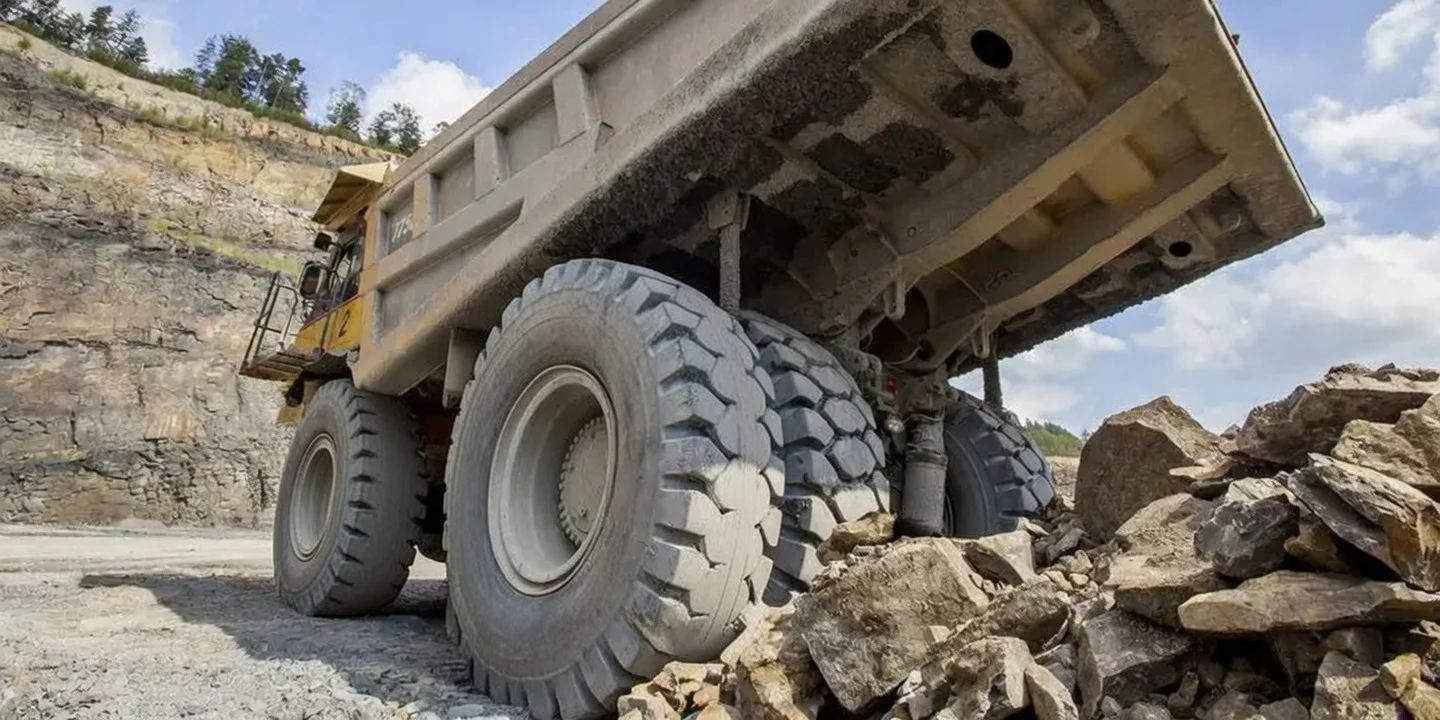
Introduction Equipment managers and fleet operators face constant pressure to balance performance, cost, and safety across diverse operating conditions. Choosing the wrong tyre category can lead to premature wear, higher fuel consumption, or even catastrophic failures. Understanding the engineering differences between TBR, OTR, AGR and industrial tyres is essential for fleet managers, equipment owners, and tyre buyers. Choosing the right tyre category directly impacts vehicle performance, operating cost, safety, and service life. These categories—TBR for truck and bus radial, OTR for off-the-road, AGR for agricultural, and industrial for material handling—emerge from distinct engineering priorities. Each addresses specific demands in load distribution, traction requirements, heat management, and resistance to damage. Mismatching them ignores those priorities, often with expensive consequences. A mining operation once fitted OTR tyres on highway haul trucks to save initial costs. Rapid shoulder wear appeared within weeks, forcing replacement far sooner than expected. Similar stories arise when agricultural tyres enter construction sites or industrial tyres handle long-haul routes. Proper category selection avoids such pitfalls. Engineering Behind TBR Tyres   TBR tyres serve long-distance and regional trucking where consistent speed, fuel efficiency, and mileage dominate concerns. Radial construction forms the core. Steel belts run circumferentially under the tread, allowing flexible sidewalls that absorb road shock while maintaining tread stability. This design reduces rolling resistance, critical for highway applications where fuel costs accumulate over hundreds of thousands of kilometers. Tread patterns emphasize shallow grooves and solid ribs for even contact on paved surfaces. Compounds focus on low heat buildup and abrasion resistance, supporting lifespans commonly exceeding 200,000 kilometers in steer and trailer positions. Drive-axle variants add deeper blocks for traction without sacrificing wear characteristics. Certification testing reflects these priorities. DOT and ECE endurance runs simulate extended highway use, measuring heat retention and structural integrity under sustained loads. Low rolling resistance ratings contribute to fleet fuel savings. Engineering Behind OTR Tyres   OTR tyres operate in environments where impact, cutting, and heat present constant threats. Heavy-duty bias or radial ply constructions reinforce carcasses against rock damage. Thicker undertreads and reinforced shoulders protect against penetration. Deep lugs—often E3, E4, or L5 patterns—provide traction in loose material while expelling mud and debris. Compounds prioritize cut resistance and heat dissipation. Large voids between blocks allow cooling air flow during slow-speed, high-torque work. Sidewall thickness guards against sidewall tears common in rocky terrain. Subcategories reflect specific tasks. Loader tyres emphasize stability under bucket loads. Haul truck variants balance mileage in pit cycles with rock protection. Port applications demand smooth wear on concrete alongside puncture resistance. Field data highlights durability. Properly matched OTR tyres routinely achieve thousands of hours in severe conditions before retreading becomes viable. Engineering Behind AGR Tyres Agricultural tyres address soil interaction as much as vehicle movement. Low ground pressure stands central. Wide footprints and flexible radial sidewalls distribute weight to minimize compaction, preserving soil structure for crop yields. Tall, angled lugs deliver traction in soft fields while self-cleaning between rows. R1 patterns suit general fieldwork. R2 designs handle wet rice paddies with deeper grooves. Implement tyres like I1 or F3 focus on flotation and roadability for trailers and sprayers. Bias and radial options coexist. Radial constructions reduce slippage and fuel use on larger modern tractors. Bias remains common for cost-sensitive implement applications. Soil studies show radial AGR tyres can cut compaction depth significantly compared to narrower alternatives, influencing long-term field productivity. Engineering Behind Industrial Tyres Industrial tyres support material handling in warehouses, ports, and factories. Stability under static loads drives design. Pneumatic versions cushion impacts while solid tyres eliminate downtime from punctures. Wide, flat treads maximize contact area for forklift balance during lifts. Compounds resist wear on concrete and abrasion from debris. Multi-rib or smooth patterns reduce turning resistance in tight aisles. Cushion or solid constructions absorb vibration in continuous operation. Forklift applications dominate, but port and container handling use larger variants. Heat management differs from other categories—slow speeds generate less rolling heat, allowing denser rubber formulations. Why Interchangeability Fails: Real-World Cases Mixing categories rarely succeeds due to conflicting engineering goals. An African fleet fitted OTR tyres on highway trucks expecting durability benefits. Shoulder cracking appeared early from sustained high-speed flexing. Mileage fell well below TBR norms, raising costs despite lower purchase price. Conversely, TBR tyres on quarry loaders suffered rapid tread loss from rock cutting and turning stress. Sidewalls tore under lateral loads the radial construction never intended to handle. Agricultural tyres pressed into construction service faced similar fates. Flexible sidewalls buckled under heavy bucket loads, while lugs wore quickly on hard surfaces. Compaction advantages became irrelevant in non-field settings. Industrial solid tyres on over-the-road trailers overheated from continuous rolling, leading to bond failures. The mismatch highlighted heat generation differences between slow warehouse speeds and highway travel. These cases share common outcomes: accelerated wear, safety risks, and higher total costs. Engineering compromises built into each category cannot stretch across others without penalty. Selection Guidelines and Certifications Matching tyres to conditions requires systematic evaluation. Load and speed ratings form the starting point. TBR categories carry speed symbols for highway use. OTR ratings focus on tonnage and cycle distance. AGR considers implement flotation. Industrial emphasizes static lift capacity. Terrain analysis follows. Paved roads favor shallow patterns. Loose material demands deep lugs. Mixed use requires compromise patterns within the correct category. Certification provides verification. DOT endurance tests simulate highway conditions for TBR. ECE and GCC cover regional requirements. OTR tyres undergo similar rigorous validation for cut resistance and heat. Maintenance practices extend performance. Proper inflation prevents heat-related failures in TBR. Regular inspections catch cuts early in OTR applications. Pressure monitoring preserves soil benefits in AGR. Decision tools help quantify choices. Total cost calculations incorporating mileage, retreading potential, and downtime reveal true economics beyond purchase price. Introducing Qingdao Lander Sky Tyre Qingdao Lander Sky Tyre specializes in TBR, OTR, agricultural, industrial, and forklift tyres since 2013. With integrated production and strict quality control, Qingdao Lander Sky Tyre delivers reliable, application-matched tyre solutions for highway, mining, agricultural, and industrial operations worldwide. Products reach more than 50 countries across multiple continents, backed by DOT, ECE, GCC, and CCC certifications. A three-year warranty supports all categories, reflecting confidence in design and manufacturing consistency. Full-category coverage allows matched solutions for diverse equipment needs, from highway fleets to mining operations and agricultural implements. Conclusion Engineering differences between TBR, OTR, AGR, and industrial tyres reflect the specific demands each application imposes. Matching category to condition delivers optimal performance, safety, and cost control. Operations that respect these distinctions avoid the pitfalls of interchangeability while gaining reliable service life and reduced operating expense across varied equipment fleets. FAQs What defines the main engineering focus of TBR truck and bus radial tyres? Highway mileage, low rolling resistance, and even wear through radial construction and shallow tread patterns suited to paved roads. Why do OTR tyres use deeper lugs than other categories? Deep tread blocks provide traction in loose material while allowing heat dissipation and rock ejection essential for slow-speed, high-load work. How does AGR tyre design minimize soil damage? Wide footprints and flexible sidewalls distribute weight, reducing compaction depth compared to narrower alternatives. When does using industrial tyres outside warehouses cause problems? Continuous rolling at higher speeds generates heat that dense compounds cannot dissipate, leading to bond separation. Which certifications indicate suitable highway performance? DOT and ECE ratings validate endurance under sustained loads and speeds typical of TBR applications.
Heavy Load Truck Fleet Tyres: How to Choose the Right Tyres for Daily Operations

Heavy Load Truck Fleet Tyres: How to Choose the Right Tyres for Daily Operations

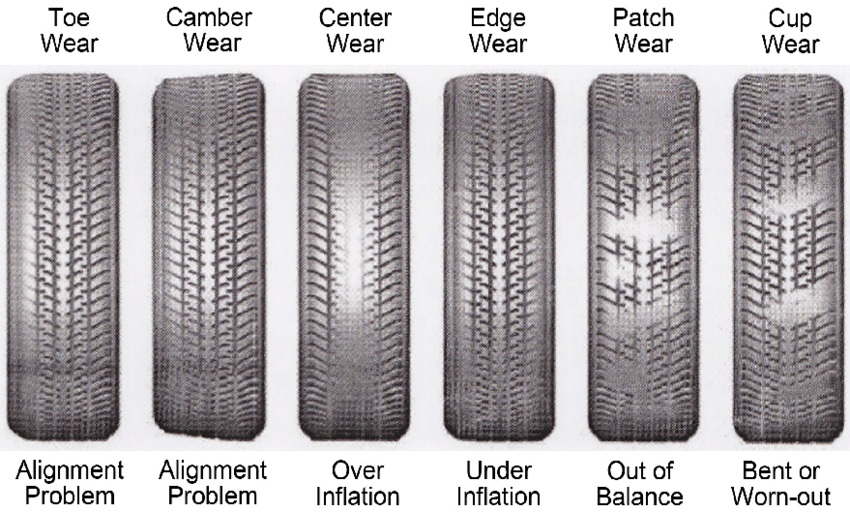
In heavy load truck fleets, tyre selection is rarely discussed with the same attention as engines or transmissions. It often sits quietly in procurement routines, handled by copying last year’s specifications or choosing the familiar option. At first, this seems practical. The tyres fit. The trucks roll. Operations continue. Over time, however, many fleets start noticing patterns that are harder to explain. Certain vehicles consume tyres faster than others despite running similar routes. Fuel figures slowly drift upward. Maintenance teams spend more time dealing with tyre-related issues than expected. None of these problems arrive suddenly, but together they reshape operating costs. This is where tyre selection for heavy load truck fleets becomes less about compliance with specifications and more about understanding how tyres behave under real working pressure, day after day. Why Tyre Selection Is Critical for Heavy Load Truck Fleets   Rated load and actual load are rarely the same Most heavy trucks spend their lives close to maximum capacity. In theory, load ratings should protect tyres from overload. In practice, loads are uneven, routes are unpredictable, and operational pressure often pushes vehicles beyond ideal conditions. In many fleets, the problem is not extreme overloading, but continuous high loading. Tyres may technically remain within rated limits, yet still operate under sustained stress. Heat builds gradually. Sidewalls work harder. Tread compounds age faster. These effects are subtle at first and easy to ignore. Fleets that rely solely on catalogue ratings often discover too late that those numbers describe limits, not long-term comfort zones. Road conditions amplify every load decision Heavy load magnifies road quality issues. Smooth highways reward stable construction and rolling efficiency. Mixed roads introduce abrasion and impact. Poor surfaces accelerate casing fatigue and irregular wear. In real operations, fleets rarely run on a single surface type. Construction detours, industrial zones, and regional roads all add complexity. Tyres selected without considering these variations often perform well on paper but struggle in daily use. What Experienced Fleet Managers Actually Look for in Heavy Load Tyres Heat behavior under sustained operation Heat is one of the quiet killers of tyre life in heavy load fleets. Unlike visible damage, heat-related degradation happens internally and reveals itself only when performance drops earlier than expected. Some tyres handle short periods of heavy load well but lose stability during long operating cycles. Others maintain consistent behavior over time. The difference becomes obvious only after months of service, which is why experienced managers focus on long-term performance rather than early impressions. Wear consistency matters more than headline mileage Maximum mileage figures can be misleading. For heavy load fleets, predictable wear is often more valuable than pushing tyres to their theoretical limits. When wear patterns remain stable across axles and vehicles, maintenance planning becomes easier. When wear varies widely, fleets lose control over replacement schedules. This unpredictability, rather than absolute wear rate, is what often drives frustration. Balancing durability and rolling efficiency There is no perfect tyre for every heavy load application. Designs that prioritize durability may trade some rolling efficiency. Designs focused on fuel savings may require more careful route control. The key is alignment. Long-haul fleets usually accept lower damage resistance in exchange for efficiency. Mixed or regional fleets often find durability more forgiving. Problems arise when tyres are chosen without acknowledging this trade-off. How Tyre Selection Shapes Total Cost of Ownership Over Time   Replacement cycles and maintenance pressure In heavy load fleets, tyre replacement is never just about parts. Each change consumes labor, workshop capacity, and planning effort. When replacement frequency increases unexpectedly, maintenance teams feel the pressure long before cost reports catch up. Fleets that achieve stable tyre life reduce not only material cost, but also operational stress. This stability is often the clearest indicator of a good selection decision. Fuel consumption as a long-term variable Fuel impact from tyres rarely shows up immediately. Differences appear gradually, especially in fleets with high utilization. Over a year, small variations become measurable. Rather than chasing aggressive efficiency claims, many fleets rely on internal comparisons, observing how tyres behave across similar vehicles and routes. This practical approach often reveals more than laboratory figures. Downtime and operational risk Unexpected tyre issues disrupt schedules and strain logistics planning. Even when replacements are planned, the cumulative effect of downtime can be significant. Tyres that offer predictable performance reduce these disruptions. Over time, this predictability becomes one of the most valuable qualities a fleet can have. Where Heavy Load Fleets Commonly Go Wrong One frequent mistake is assuming that a tyre successful in one fleet will behave the same way elsewhere. Differences in load discipline, climate, road maintenance, and driving habits quickly change outcomes. Another issue is sticking with legacy specifications long after operating conditions evolve. Routes change. Loads increase. Utilization rises. Tyre choices often lag behind these shifts, creating hidden inefficiencies. Price-driven comparisons also distort decisions. Two tyres may appear similar in cost but differ significantly in service life stability. These differences rarely appear in short-term evaluations. A More Practical Way to Choose Tyres for Heavy Load Truck Fleets Start from operating reality Effective selection begins with honest assessment. How heavy are the loads most days, not just on paper? How mixed are the routes? How often do vehicles run at full capacity? Fleets that answer these questions realistically make better decisions than those relying on idealized assumptions. Observe performance, not just installation results Initial impressions matter less than long-term behavior. Monitoring wear patterns, heat-related issues, and maintenance needs over time provides far more reliable guidance. Some fleets deliberately test tyres in small numbers before full rollout. While slower, this approach often prevents costly mistakes. Revisit decisions as conditions change Heavy load operations evolve. What worked two years ago may not fit today’s routes or volumes. Treating tyre selection as a living process rather than a fixed rule helps fleets adapt without disruption. When External Technical Input Becomes Valuable As operations become more complex, internal experience alone may not be enough. Mixed surfaces, high utilization, and extreme climates introduce variables that are difficult to isolate. In these situations, working with suppliers who understand heavy load behavior and are willing to discuss real operating data can shorten the learning curve and reduce trial-and-error costs. About Qingdao Lander Sky Tyre Qingdao Lander Sky Tyre focuses on supporting commercial and industrial fleets that operate under demanding conditions. The company supplies a broad range of TBR, OTR, industrial, agricultural, and forklift tyres, with an emphasis on stable performance rather than short-term benchmarks. With products supplied to markets across multiple regions and climates, Qingdao Lander Sky Tyre works closely with fleet customers to understand how tyres perform under sustained load, mixed road conditions, and high utilization. This practical, operation-driven approach reflects a commitment to long-term reliability and consistent service. Conclusion For heavy load truck fleets, tyre selection is less about finding an ideal product and more about managing risk. Tyres that match real operating conditions reduce surprises, stabilize costs, and make planning easier. Over time, these benefits outweigh any initial savings gained through simplified purchasing decisions. FAQs Why do heavy load truck tyres wear faster than expected? Continuous high load, uneven distribution, and mixed road conditions increase stress and heat, accelerating wear when tyres are not well matched to actual use. Is load rating enough for choosing tyres in heavy load fleets? Load rating is only a baseline. Real-world load patterns and duty cycles play a major role in long-term performance. How can fleets reduce tyre-related downtime? By selecting tyres with predictable wear behavior and reviewing performance regularly, fleets can plan maintenance more effectively. Do higher-priced tyres always reduce total cost of ownership? Not always. The key is matching tyre characteristics to operating conditions, not simply choosing the most expensive option. When should a fleet reconsider its tyre strategy? Consistent irregular wear, rising replacement frequency, or increased downtime are clear signs that current selections may no longer fit operations.
Home
WhatsApp
Email
Contacts