Q I N G D A O L A N D E R - S K Y T Y R E

Loading

Nullam dignissim, ante scelerisque the is euismod fermentum odio sem semper the is erat, a feugiat leo urna eget eros. Duis Aenean a imperdiet risus.

Off-the-Road Tyres in Extreme Conditions: Traction, Durability, and Selection for Mining and Rocky Terrain

Off-the-Road Tyres in Extreme Conditions: Traction, Durability, and Selection for Mining and Rocky Terrain

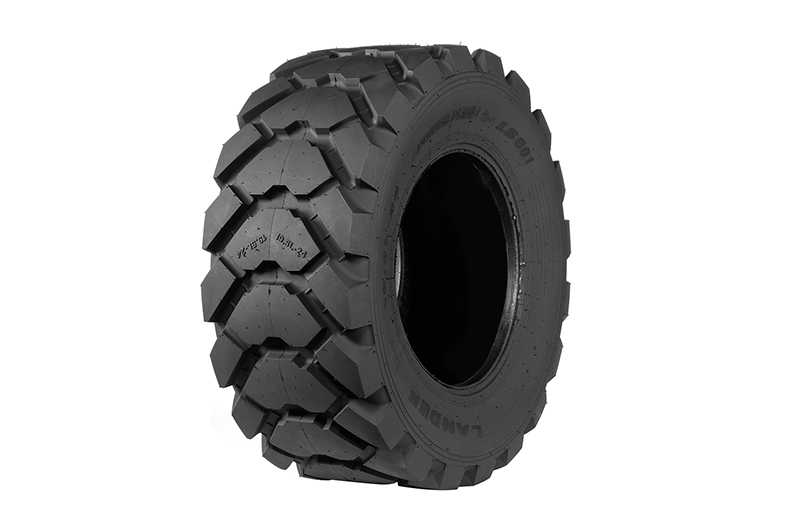
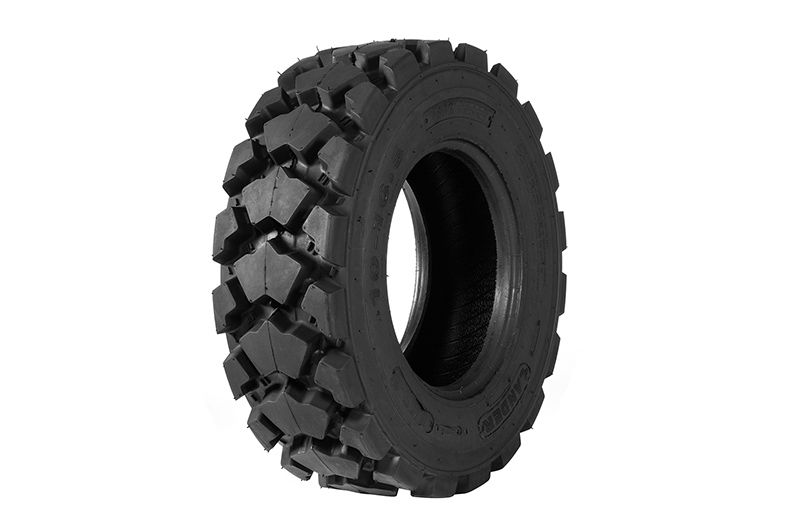
Off-the-road tyres take a beating in open-pit mining, hard-rock quarries, and heavy earthmoving jobs where sharp edges, massive tonnages, extended cycles at torque, and abrasive loose ground create nonstop risks of cuts, penetrations, overheating, and grip loss. A tyre that goes down in these surroundings stops the haul truck or loader cold, racks up replacement expenses, and tightens safety exposure across the shift. The gap between tyres that barely make it through a campaign and those that deliver solid hours lies in how closely the build, compound, and tread layout tackle the site’s main pressures—rocky terrain tyre resistance, mining OTR tyre traction, heavy-load heat control, and cut/chip toughness.   The following sections cover the dominant failure modes seen in the field, outline a practical path for picking constructions and patterns suited to rough ground and high-payload work, weigh the on-the-job behavior of typical tread styles drawn from actual site results, and detail the upkeep routines that push service life further in tough setups. Procurement groups and fleet supervisors rely on these details to match tyre specs to real operating profiles instead of relying solely on catalog claims. Primary Stresses OTR Tyres Face in Harsh Mining and Quarry Environments Hard-rock operations repeatedly show the same breakdown patterns. Angular fragments carve into tread blocks and sidewalls, producing chunk-outs and punctures that cut service short. Continuous heavy payloads across long hauls or slow loading loops generate core temperatures that soften the rubber, speed up scrubbing, and compromise casing strength. Loose overburden or slick rock faces cut forward drive and stopping power, particularly on ramps. Trapped stones bore deeper rotation after rotation, converting small intrusions into major structural issues. Sidewall rips from bench strikes or haul-road curbs expose belts and invite separation. These problems compound in practice. A cut lets moisture in and hastens heat-driven breakdown; weak traction pushes operators to apply more power, spiking temperatures; stone drilling thins the casing so the next hit triggers a blowout. Tyres engineered for extreme duty fight back with thicker undertread, compounds resistant to thermal softening, beefed-up bead zones, and tread shapes that shed debris before it settles in. Decision Framework for Rough Terrain and Heavy-Load Applications Pattern and build decisions track what the site actually throws at the tyre rather than generic labels. Bias constructions supply stiff, substantial sidewalls that stand up to sharp impacts in rock-heavy ground, giving reliable rocky terrain tyre resistance while trading some ride quality and heat escape. Radial builds, using steel belts and lower sidewall stiffness, shed heat more effectively during steady heavy loads and longer runs, which suits haul trucks on extended routes with higher average speeds. Tread class steers the balance. E4 and L5 patterns, carrying deeper tread and bulky lug blocks, stress cut and chip resistance in highly abrasive rock settings where penetration threats dominate. They trade a bit of rolling resistance for shielding against cuts and chunking. E3 and L3 patterns deliver balanced mining OTR tyre traction with controlled heat, holding up in mixed rock and soil where pure rock exposure is moderate. Loader and dozer work in pits often leans toward deeper E4/L5 choices to resist bucket shear and side forces, whereas haul-truck patterns focus on uniform wear and thermal balance. A direct assessment begins with three key checks: dominant ground type (sharp rock, mixed loose, or maintained roads), typical load per tyre plus cycle distance, and prevailing temperatures and speeds. Answers guide the right mix of build, tread depth, and compound hardness. Ignoring load-speed ratings or running low pressure cuts life more than small variances in starting tread depth. Practical Performance of Different Tread Designs in Extreme Conditions Tread shape governs grip retention and damage shedding in day-to-day runs. Deep-lug patterns—high, spaced blocks with generous void areas—dig into loose or soft cover, providing strong traction mining capability on slopes and under acceleration with load. The open layout aids ejection of bigger pieces, though finer stones lodge without regular clearing. In hard-rock mining, these patterns often rack up extended hours before notable chunking when matched with cut-resistant compounds. Block-style treads spread pressure over a broader contact patch on solid rock, maintaining steady grip without deep digging that invites slicing. They wear evenly in varied conditions but give up some aggression in very loose overburden relative to deep-lug options. Stone-ejector or self-cleaning layouts use angled channels, lug bridges, or stepped edges to push trapped material out during rotation. Operators working rocky terrain frequently note reduced drilling incidents and related stops—commonly 20-30 percent longer tread life in abrasive ground—since fewer stones stay embedded long enough to wear through undertread. Smooth or shallow-tread patterns rarely appear in open-pit or quarry duty; they fit flat, hard applications like stockpile yards or paved ports. The call between deep-lug, block, and ejector styles rests on machine function and ground makeup: aggressive bite for dozers and loaders shifting material versus heat and wear equilibrium for haul trucks on longer cycles. Field-Proven Habits to Extend OTR Tyre Life in Severe Conditions Maintenance consistency turns capable tyres into high-hour performers. Holding cold inflation to manufacturer specs limits flex heat and sidewall stress; nitrogen fill adds stability in hot regions by cutting moisture swings. Shift-end walk-arounds spot early cuts, scuffs, or lodged stones for prompt removal. Clearing tread voids routinely stops stone drilling from advancing to casing splits. Tracking temperatures—via handheld guns or vehicle systems—spots rising trends that signal low pressure, overload, or mismatched speed/load. Scheduled rotations even abrasion across positions and stretch fleet totals. Applied without gaps, these steps let correctly spec’d tyres gather thousands more hours in settings where unscheduled changes carry heavy penalties. About Qingdao Lander Sky Tyre Qingdao Lander Sky Tyre Co., Ltd., started in 2013 and located in Qingdao, China, specializes in tyres built for severe service. Production spans over 3,000 square meters in five workshops, with tight controls on raw inputs and process steps to hold uniformity. OTR tyres anchor the lineup, supplied in bias and radial forms with strengthened carcasses, generous undertread, and compounds tuned for cut resistance and thermal endurance. Patterns feature deep-lug options geared toward mining and rocky conditions, stressing traction and penetration defense.   The series meets GCC, DOT, ECE, and CCC standards, backed by a 3-year warranty. Products serve partners across more than 60 countries, supported by prompt technical assistance and focus on enduring, trust-based ties in heavy industrial fields. Conclusion Success in extreme mining and quarry duty hinges on tyres that fit construction and tread to the site’s core stresses—rocky terrain resistance, traction under payload, cut shielding, and heat handling. When specs match terrain, load, and cycle realities, and when routine care stays rigorous, unplanned stops decline, change frequency drops, and cost control improves steadily. Fleet choices rooted in these field realities produce the clearest gains across the tyre’s working span. FAQs What causes the most common OTR tyre failures in rocky mining sites? Sharp angular rocks drive most failures via cuts, punctures, and chunking, while prolonged heavy loads create excessive heat that degrades compounds and casings. Reduced traction on loose or wet faces demands higher throttle, amplifying heat and wear cycles. How should tread depth be selected for extreme rocky terrain mining operations? Deeper E4 or L5 tread depths supply stronger cut and chip resistance where sharp rock penetration risks peak. Shallower E3 patterns suit mixed ground better, where heat buildup and uniform wear outweigh maximum cut protection. Why do some OTR tyres lose traction faster on mining inclines? Insufficient lug height or void spacing prevents effective digging into loose cover, weakening grip during acceleration and braking. Deep-lug patterns with wide spacing typically sustain better traction mining performance on grades when debris clearance remains consistent. What maintenance stops stone drilling damage on OTR tyres in quarries? Frequent extraction of embedded stones from tread voids halts small debris from grinding deeper into undertread and casing. Paired with proper inflation and temperature monitoring, this practice markedly lowers drilling-linked punctures and separations in abrasive rocky terrain. When do radial OTR tyres outperform bias in heavy mining applications? Radial constructions dissipate heat more effectively and support longer cycles with steady loads, favoring haul trucks on extended hauls. Bias constructions generally deliver superior sidewall puncture resistance in impact-dominant, short-cycle rocky sites.
Tractor Tyre Pressure Guide: How to Set the Right PSI for Maximum Life and Fuel Savings

Tractor Tyre Pressure Guide: How to Set the Right PSI for Maximum Life and Fuel Savings

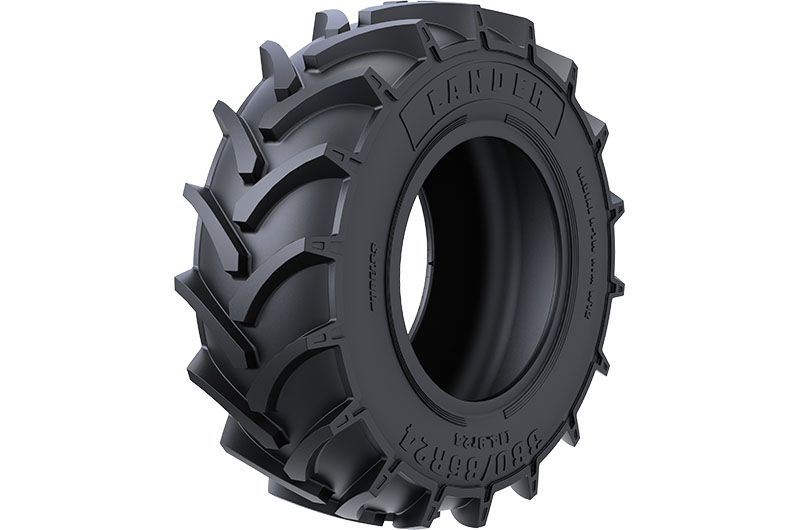
Tractor tyre pressure remains one of the most direct controls for managing wear rates, fuel burn, and soil impact in daily operations. Proper tractor tyre pressure, adjusted for real axle loads, speeds, and ground conditions, consistently delivers 20–30% longer service intervals, measurable diesel savings, and reduced compaction. Operations that maintain accurate inflation see uniform tread wear, reliable traction during draft work, and lower running costs over a full season.   Field service records show underinflation causes repeated sidewall flexing under load. Internal heat softens compounds, initiates sidewall cracking, and accelerates shoulder and lug wear. In wet or loose soils slip increases, lateral forces rise, and tread degrades unevenly. Mixed field-road cycles often record 15–25% shorter life when low pressure persists, with higher transport speeds worsening the effect on fatigued casings. Overinflation concentrates load on center tread ribs. Middle wear advances rapidly while shoulders stay intact, producing cupped profiles after moderate hours. Traction drops on firm surfaces, rolling resistance climbs, and fuel consumption rises. In fields overinflation focuses pressure along the center line, potentially limiting root growth in later crops. Both conditions increase costs beyond replacement price. Higher rolling resistance drives fuel use up, soil disturbance worsens, and uneven wear forces early change-outs despite remaining tread depth elsewhere. Why Tractor Tyre Pressure Matters – The Real Impact on Performance and Costs Effects of Incorrect Pressure Underinflated tyres flex excessively in sidewalls during loaded passes. Heat buildup degrades rubber, promotes micro-cracks, and speeds edge wear. Wet soils amplify slip and uneven lug erosion. Mixed-duty fleets commonly log 15–25% life reductions when low pressure continues unchecked. Overinflated tyres focus weight on central ribs. Center tread wears quickly, traction falls on hard ground, rolling resistance increases, and fuel burn rises. Soil compaction intensifies under the center line, affecting future root development. Benefits of Proper PSI Correct inflation distributes load evenly across lugs. Wear becomes uniform, extending hours significantly. Radial designs benefit most — flexible sidewalls allow lower pressures without excessive heat or deformation. Broader footprints lower peak ground pressure, preserving soil structure. Fuel savings of 5–10% appear in combined duties. Reduced compaction supports steadier yields. A mid-size tractor running 800–1,200 hours yearly across tillage, planting, and haulage shows the difference. Correcting mismatched pressure to task-specific settings adds hundreds of hours. Fuel use drops, and critical-window interruptions decrease. Understanding Load, Speed, and Inflation Tables – The Foundation Load and inflation tables provide the baseline for settings. Charts specify PSI based on axle load, speed, and tyre size. Sidewall max values indicate peak limits, not routine targets. Excess pressure shrinks footprint when traction matters most. Cold readings are essential — operating heat raises PSI by 4–8, skewing tables. Digital gauges with fine resolution ensure accuracy. Axle weights vary with ballast, implements, and loads; portable scales give reliable on-farm figures. Radial tyres respond well to precise control. Compliant sidewalls support lower inflation without bead issues or rapid heat rise. Wider footprints spread forces evenly. Step-by-Step: How to Set the Right Tractor Tyre Pressure   Step 1 – Determine Axle Loads Weigh axles under working conditions, including ballast and implements. Divide by tyres per axle for per-tyre load. Measure front and rear separately — loads differ markedly during draft tasks. Step 2 – Select Speed and Application Low-speed field work permits lower pressure for flotation. Road or higher-speed runs require higher settings for stability and reduced resistance. Never go below table minimum for the load. Step 3 – Consult Inflation Tables Match load and speed to tyre-specific charts. Many radial sizes under moderate field load need 12–18 PSI; road transport often calls for 23–30 PSI or more. Step 4 – Measure and Adjust Check cold tyres before use. Adjust axles independently. Log settings, loads, speeds, and conditions. Regular review sharpens decisions. Daily checks prevent most wear issues. Seasonal and Task-Specific Tractor Tyre Pressure Adjustments Spring wet work favors lower range to enlarge footprint and limit compaction. Summer harvest on drier ground uses mid-to-upper settings for wear balance and grip. Autumn mixes tillage with road runs — raise pressure for highways, lower for field tasks. Winter storage holds cold inflation slightly above spec to avoid flat spots. Seasonal reference: Spring wet-field: 12–18 PSI range for footprint and compaction control. Summer dry-harvest: 20–28 PSI for even wear and traction. Autumn transport-heavy: 28–35 PSI for efficiency and stability. Front and rear often need different values due to load differences. Common Mistakes and How to Avoid Them Fixed year-round pressure ignores seasonal shifts and accelerates wear. Inflating to sidewall max regardless of load reduces footprint when needed. Hot checks give false readings. Equal axle pressures overinflate lighter fronts. Skipping inspections lets leaks or temperature changes accumulate. Addressing these extends intervals and reliability. The ROI – Quantifying Fuel Savings and Extended Tyre Life Tyres represent major maintenance expense. 20–30% longer life defers replacement. Fuel savings of 5–10% accumulate in mixed cycles. Lower compaction preserves soil and yields. Downtime drops during key windows. A 4,000-hour rated set often reaches 4,800–5,200 hours with proper management. Hourly cost falls, and fuel/labor savings exceed check time. Why Radial Tyres Make Pressure Management Easier and More Rewarding Radial sidewalls flex to allow lower pressures without deformation or heat issues. Broader footprints reduce peak pressure and promote even contact. Durable compounds resist punctures and aging when pressures stay in range. Qingdao Lander Sky Tyre radial agricultural series, including RADIAL AGR with wider treads for reduced compaction, perform reliably across variable conditions. Strong casings and compounds support even wear, traction, and durability in field and road use. Tools and Tips for Ongoing Success Digital gauges give accurate cold readings. Logs track seasonal changes. Manual checks remain effective for most fleets. Weekly verification and load-based adjustments produce outsized returns. About Qingdao Lander Sky Tyre Qingdao Lander Sky Tyre, founded in 2013 in Qingdao, China, manufactures radial and bias tyres for heavy-duty agricultural use. The line includes RADIAL AGR series with wider treads for lower compaction, R1W, R1-NEW, R1, R2-NEW, IMP100 implements, and I3 patterns. Five workshops cover 3,000 square meters with modern equipment and strict quality control. Products hold GCC, DOT, ECE, and CCC certifications, reaching over 60 countries with three-year warranty support. Radial designs feature flexible sidewalls for low-pressure running, robust compounds for puncture and aging resistance, and treads that deliver even wear and traction under varied conditions. Conclusion Systematic tractor tyre pressure management yields reliable gains in life, traction, fuel efficiency, and costs. Matching inflation to load, speed, and conditions produces uniform wear, strong performance, and extended cycles. Cold checks, seasonal adjustments, and monitoring require little time yet return substantial field and economic benefits. Operations adopting these practices get closer to full tyre potential every season. FAQs How do I find the right tractor tyre pressure for my workload? Measure axle loads with implements, use manufacturer load and inflation tables for size, load, and speed, then set cold pressure. Lower PSI fits field work for traction and compaction control; higher suits road for stability and fuel savings. What PSI range fits tractor tyres in wet soil conditions? Run 12–18 PSI in wet or soft soil to enlarge footprint and reduce compaction. Confirm against current load and speed tables to keep sidewalls stable. Does proper tractor tyre pressure lower fuel use? Yes, correct pressure cuts rolling resistance, with 5–10% fuel savings common in mixed duties. Balanced inflation also extends life for added savings. How much longer do tractor tyres last with correct pressure? Recommended PSI typically adds 20–30% to life through even wear and controlled heat. Radials often show the biggest improvement due to sidewall flexibility. Why check tractor tyre pressure cold instead of after use? Cold readings match inflation tables exactly. Operating heat raises PSI by 4–8, giving false highs that can cause overinflation if used for adjustments. Pre-use checks provide the true baseline.
How Proper Tyre Pressure Extends Agricultural Tyre Life by 20-30% – Practical Field Guidance for Farm Managers and Tyre Specialists

How Proper Tyre Pressure Extends Agricultural Tyre Life by 20-30% – Practical Field Guidance for Farm Managers and Tyre Specialists

Tyre pressure management continues to rank among the highest-impact maintenance routines in agricultural equipment fleets. Proper tyre pressure governs tread wear distribution, field traction levels, rolling resistance figures, and long-term casing durability. When operators keep inflation aligned with real axle loads, travel speeds, and prevailing ground conditions, agricultural tyres consistently deliver 20-30% extended service life relative to units run at unchanging or mismatched pressures. That additional duration cuts replacement cycles, reduces total ownership costs, and keeps machines available during narrow seasonal windows.   Decades of field service reports and controlled tyre testing show clear patterns when inflation drifts from specification. Persistent underinflation forces greater sidewall deflection, which builds internal heat, breaks down rubber polymers, and hastens shoulder and lug degradation. Overinflation narrows the contact patch to the central tread zone, concentrating pressure and producing pronounced middle-rib wear while sacrificing grip on tilled or moist surfaces. Steady adherence to load-specific pressure values creates balanced contact, controls operating temperatures, and maintains predictable wear progression. Field Impact of Incorrect Tyre Pressure on Agricultural Tyres Underinflated agricultural tyres undergo repeated sidewall bending during load-bearing passes. The resulting heat buildup softens compounds, promotes micro-cracking in sidewalls, and accelerates tread loss particularly at the shoulders. In saturated or loose soils the footprint expands unevenly, raising slip percentages and side forces that erode lugs asymmetrically. Service records from mixed-use fleets frequently show 15-25% shorter life spans when low pressure continues unchecked, with the penalty growing sharper on routes that alternate between field work and higher-speed road transport. Overinflated tyres shift the opposite way. Load concentrates on the center tread ribs, wearing that section rapidly while leaving shoulder lugs relatively intact, often resulting in a visible cupped profile. On firm or compacted surfaces traction drops noticeably, rolling resistance climbs, and fuel burn increases to overcome the added drag. Within the field overinflation intensifies soil pressure directly beneath the center line, which restricts root penetration and can influence crop stand establishment in following seasons. These wear patterns drive costs beyond the tyre invoice alone. Elevated fuel consumption from higher resistance, increased soil structure disturbance, and uneven degradation that triggers early removal despite usable tread elsewhere all erode margins.   Measuring the Service Life Gain from Correct Tyre Pressure Actual extensions in tyre hours vary according to construction type, load spectrum, soil profiles, and duty cycles, yet accumulated data supports reliable outcomes. Inflation matched to manufacturer load-speed tables distributes tread forces more uniformly across the lug array. Under typical mixed conditions that alignment yields 10-20% added life through minimized irregular wear and moderated heat cycles. Fleets moving from fixed high-pressure habits or chronic underinflation to task-adjusted settings regularly achieve 20-30% gains, with radial constructions showing the clearest response due to inherent sidewall compliance. Radial agricultural tyres particularly reward accurate pressure control. Flexible sidewalls permit lower inflation levels without bead instability or excessive temperature rise. The resulting broader footprint spreads weight evenly, cuts peak ground pressure, and sustains consistent lug contact. Modern compounds formulated for ozone resistance and cut/chunk protection perform longer when heat remains in check. Operations that combine weekly cold checks with seasonal recalibration commonly extract full rated hours without premature sidewall fatigue, bead slippage, or differential lug wear. For a mid-size tractor accumulating 800-1,200 hours annually across tillage, planting, spraying, and transport, even incremental pressure corrections frequently add several hundred service hours. Economic returns compound when extended intervals pair with documented fuel savings and reduced interruption risk during peak demand periods. Procedure for Setting Accurate Agricultural Tyre Pressure Correct inflation requires precise reference data and disciplined execution. The sequence below aligns settings with current operating realities. Start with the tyre-specific load and inflation tables issued by the manufacturer. Capture actual axle weights under loaded conditions—ballast, implement mass, tank contents, and crop load all shift the numbers. Portable scales remain the most dependable method for on-farm verification. Conduct checks on cold tyres, ideally at the start of the day before any rolling. Heat generated during use can elevate pressure 4-8 psi above static values, skewing comparisons to reference charts. Digital gauges offering 0.1 psi increments provide the resolution needed for repeatable accuracy. Calibrate pressure to match the immediate application. Lower settings benefit soft, wet, or residue-heavy ground by enlarging footprint and limiting compaction depth. Higher values suit road segments or faster field speeds for improved lateral stability and reduced rolling resistance. Maintain at least the table minimum for the prevailing load to safeguard bead retention and sidewall stability. Keep a concise adjustment record noting date, front and rear pressures, load description, speed category, and surface type. Periodic review of these notes highlights recurring patterns and sharpens decision-making. Five minutes of verification before fieldwork eliminates the majority of pressure-induced wear. Adapting Tyre Pressure to Seasonal and Task Variations Seasonal progression in agriculture demands corresponding inflation changes. Spring planting on moist or cover-cropped fields favors the lower portion of the recommended band to maximize flotation, enhance traction, and protect early soil structure during root zone development. Summer harvest duties on drier, denser ground with elevated transport loads benefit from mid-to-upper range pressures. These levels guard against center-tread acceleration while preserving grip under full hoppers or bale stacks. Autumn fieldwork blends tillage with extended road movements. Increase pressure for highway portions to lower fuel consumption and control heat, then decrease for discing, chisel plowing, or subsoiling to maintain drawbar pull and limit rut depth. During winter lay-up periods, hold cold inflation at or slightly above specification to counteract flat-spotting from extended static loading. Periodic rotation helps if units sit idle for long stretches. A compact seasonal guide facilitates rapid reference: Spring wet-field operations: Lower range (commonly 0.8-1.2 bar for standard sizes) to enlarge footprint and minimize soil compaction. Summer dry-harvest conditions: Mid-to-upper range (1.4-2.0 bar) for uniform wear and sustained traction. Autumn transport-heavy duties: Higher range (2.0-2.5 bar) for rolling efficiency, stability, and reduced resistance. Front and rear axles warrant separate adjustments given typical load disparity—rear tyres bear greater draft forces and often require distinct pressure values. Typical Tyre Pressure Mistakes Observed in the Field Certain practices shorten agricultural tyre intervals without drawing immediate attention. Holding one pressure setting across the entire calendar year overlooks shifts in load distribution, ground firmness, and speed profiles, accelerating wear during mismatched phases. Inflating to the sidewall maximum irrespective of actual load constitutes another frequent deviation. That limit applies only to peak load-speed combinations, not standard farm duty. Excess pressure shrinks footprint precisely when maximum contact area matters most. Taking readings immediately post-operation produces artificially high figures from residual heat. Cold measurements correspond directly to published tables. Assigning identical pressure to both axles disregards weight differences. Front tyres ordinarily carry lighter loads, so equal settings overinflate them in relation to real weight. Failing to perform periodic inspections permits slow leaks, valve deterioration, or seasonal temperature swings to accumulate unnoticed. Weekly verification during active seasons catches drift before measurable wear develops. Correcting these routines extends replacement horizons and sustains machine dependability. Financial Returns from Systematic Tyre Pressure Control Cost analyses reveal swift payback. Agricultural tyres form one of the larger recurring line items in equipment budgets. Realizing 20-30% additional life defers major capital outlays and improves liquidity for other investments. Fuel economy improvements provide further savings. Optimized inflation lowers rolling resistance, with field-documented reductions of 5-10% across combined duty cycles. Reduced compaction maintains soil tilth, supporting yield stability and limiting future agronomic inputs. Minimized unplanned downtime preserves productivity during planting, protection, and harvest windows. Uniform wear patterns lower the incidence of field breakdowns or urgent roadside service. Basic arithmetic illustrates the advantage: a tyre set priced in the thousands and rated for 4,000 hours under nominal conditions frequently reaches 4,800-5,200 hours with disciplined pressure management. Hourly cost declines accordingly, and cumulative fuel plus labor savings routinely exceed the effort required for routine checks. About Qingdao Lander Sky Tyre Qingdao Lander Sky Tyre, established in 2013 and located in Qingdao, China, produces a comprehensive lineup of radial and bias tyres engineered for severe-duty environments. The range covers truck and bus radial (TBR), off-the-road (OTR), industrial, forklift, and agricultural categories. Agricultural products include radial R1W, R1-NEW, R1, R2-NEW, implement IMP100, and I3 patterns suited to varied field requirements. Production runs across five specialized workshops utilizing contemporary equipment within 3,000 square meters of controlled space. Quality systems monitor raw materials through finished goods, with certifications encompassing GCC, DOT, ECE, and CCC. Products serve distribution networks in over 60 countries, supported by a three-year warranty and prompt technical assistance. Within the agricultural line, radial architecture facilitates lower-pressure running with decreased soil compaction, superior puncture tolerance, enhanced aging resistance, and robust tread formulations that favor prolonged service. Compliant sidewalls and task-oriented tread geometries provide dependable traction while encouraging even wear distribution under fluctuating conditions. Conclusion Deliberate tyre pressure control yields consistent gains in wear life, traction reliability, fuel efficiency, and overall equipment economics. Matching inflation to prevailing load, speed, and ground parameters produces more uniform degradation, stronger performance in the field, and longer intervals between replacements. The described routines—cold verification, seasonal adaptation, load-based calibration, and ongoing monitoring—require limited investment yet generate significant operational and budgetary advantages. Fleets and individual operations that embed these practices position their tyre assets to deliver closer to maximum designed capability season after season. FAQs How does correct tyre pressure extend agricultural tyre life during typical field seasons?  Correct tyre pressure ensures load spreads evenly across the tread face, limiting uneven wear from sidewall over-flex or center concentration. Underinflation creates heat and sidewall strain that degrade rubber more rapidly, while overinflation speeds center-tread loss. Alignment with load and speed guidelines commonly increases service duration by 20-30% via balanced wear profiles and controlled internal temperatures. What steps produce the most reliable tractor tyre pressure checks in agricultural settings? Perform checks on cold tyres prior to daily use with a high-resolution digital gauge. Consult the manufacturer’s load and inflation tables for the exact tyre size, axle weight, and planned speed. Modify pressure for the current task—lower values for soft soil work, higher for road segments—and log each setting to track historical patterns. How should tyre pressure adjustments occur across agricultural seasons? Apply lower pressure during spring wet conditions to expand footprint and decrease compaction. Use mid-to-higher levels in summer on drier surfaces for wear uniformity and traction security. Elevate pressure for autumn road transport to gain fuel efficiency and handling stability, then reduce again for tillage tasks. Confirm every adjustment against the applicable load table. Why do radial agricultural tyres show stronger response to proper pressure management? Radial design incorporates compliant sidewalls that support lower inflation without significant deformation or heat generation. The configuration develops broader, more consistent footprints that reduce peak ground pressure and maintain uniform tread engagement. Paired with durable compounds, these attributes extend service intervals and improve resistance to punctures or environmental aging when pressures stay within specified limits. What additional effects does incorrect tyre pressure create beyond faster agricultural tyre wear? Incorrect pressure elevates rolling resistance and fuel demand, heightens compaction risk under overinflation, and diminishes traction leading to slip or deeper soil disturbance under underinflation. These consequences reduce machine productivity, affect long-term soil quality and crop performance, and increase total running costs far beyond accelerated tyre replacement expenses.  
Home
WhatsApp
Email
Contacts