The global transportation and logistics industry is facing new challenges in relation to its increasing operating costs, stricter environmental requirements and maximum usage of the available vehicle fleet. In view of these developments, the tire procurement strategies are undergoing changes in 2026. Instead of sticking to the well-established premium brands on the market, a growing number of fleet operators are now opting for TBR tires from Chinese manufacturers. These offer a unique combination of cost efficiency, durability, latest technology and a reliable supply.
Over the last 10 years or so, the production lines of Chinese tire manufacturers have been greatly upgraded through the implementation of ‘smart manufacturing’ as well as innovations in tire rubber compounds, automated quality control, and certifications that are recognized globally. The Chinese TBR tires are able to hold their own against global brands of high caliber, not only in terms of mileage, fuel efficiency as well as retreadability but also in terms of reliability in daily use.
Global supply chain restructuring and new cross-border networks of logistics have recently triggered a dramatic growth of Chinese commercial tires’ market share on the territory of North and South America, Europe, the Middle East, Southeast Asia and Africa. The demand for Chinese commercial tires is driven by the interests of a new group of customers – the fleet operators. When choosing between the different types of tires, the key factor for them is the total cost of their ownership (TCO), as well as the ability of tires to be maintained predictively and their long-life performance, as opposed to the brand recognition.
China’s TBR manufacturers are now strategic partners to the modern fleet who requires tires to be delivered in a cost effective and flexible manner and who requires support and data to optimize use of the tire and to improve sustainability of transport. This article explains why and presents a case study of Qingdao Lander-Sky Tyre Co., Ltd., a leading manufacturer, and examines what the future of commercial fleet tire management might look like in 2026.
What Is Driving Fleet Owners Toward Chinese TBR Tires in 2026?
The global commercial vehicle market is undergoing a profound transformation as more and more fleet operators are equipping their trucks with Chinese TBR tires. This shift to Chinese TBR tires is a natural progression of economic rationality, technological maturity and operational optimization in the modern logistics ecosystem of 2026.
Economic Factors Influencing Tire Selection
With the growing number of fleet operators around the world becoming increasingly cost-driven while at the same time attempting to keep their procurement expenditures down in the long run, tire manufacturers from China are now positioning themselves in the market with cost-competitive tires that create value for customers. For overseas customers, Chinese tire manufacturers are now able to enjoy reduced import tariffs and better trade relations with many countries and regions, facilitating their access to the global market.
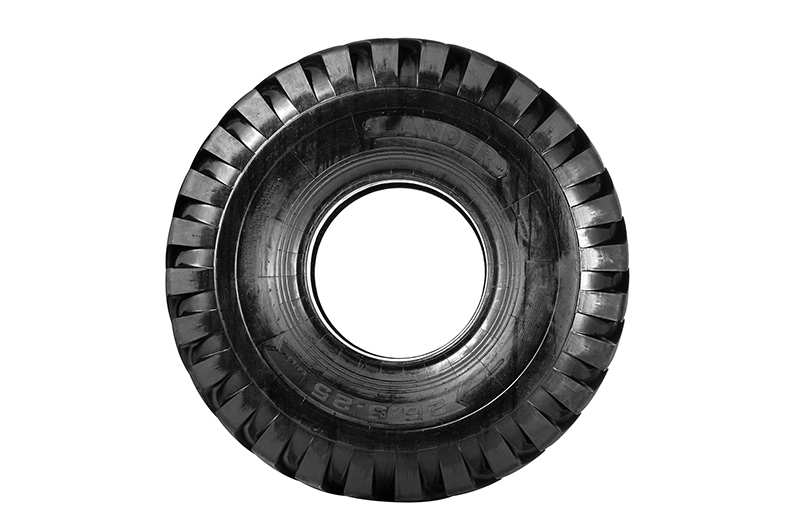
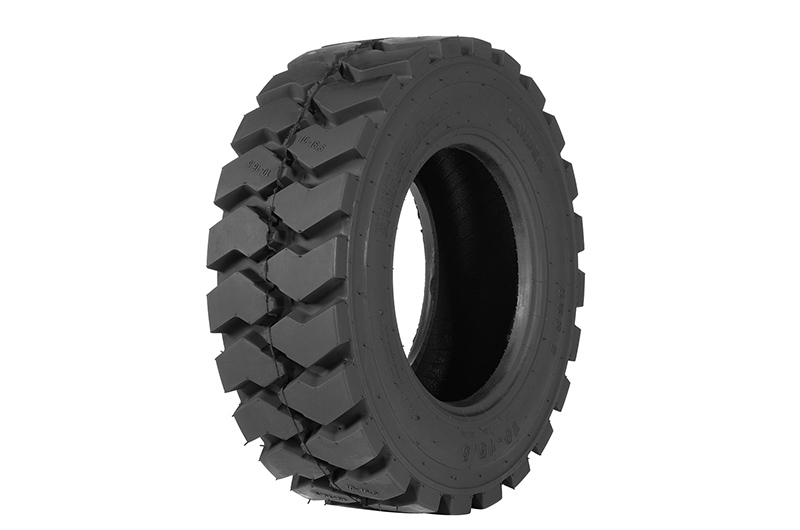
Qingdao Lander Sky Tyre is one of leading and professional tyre suppliers who provide premium tyres and full service. Since 2013, Lander devotes to designing and manufacturing TBR, OTR, industrial tyres, agricultural tyres and forklift tyres. Due to the large production capacity and high quality products, Chinese manufacturers are able to keep prices competitive while ensuring the products are of good quality and consistent standard.
Advancements in Tire Technology from China
Innovations in technology have also led to the increased adoption of Chinese TBR tires. Modern TBR tires benefit from new innovations in tire compound and tire construction. Today’s compounds are mixed together to produce a unique tire that has reduced rolling resistance whilst still delivering increased endurance at higher application loads. Improvements in tread compound have also led to increased traction in wet conditions whilst also delivering increased mileage. Innovations in tire manufacturing have also led to increased automation within tire production facilities, allowing for more accurate construction of larger volumes of tires.
Many Chinese brands have also integrated the smart tire monitoring system into their products. This system includes sensors installed inside the tire that can measure in real time the tire’s temperature and air pressure as well as the tire’s wear. This system can enable the predictive maintenance of tires, in line with the overall digitalization in the fleet management sector.
The Role of Global Supply Chain Dynamics
Diversifying the portfolio of suppliers, traditionally used in the tire market, is becoming increasingly important. Use of efficient logistics in transferring goods from major Chinese ports to global distributors and stockists enables the company to maintain delivery times despite changes in the shipping market. Long-term partnerships established by OEMs with Chinese producers of tires for specific applications allow to ensure supplies to operate the fleet on a continuous basis.
How Do Chinese TBR Tires Compare to Other Global Brands?
Today’s fleet operators can compare tires using tangible performance metrics such as tread mileage, cost per mile, and environmental characteristics.
Performance Benchmarks in Real-World Operations
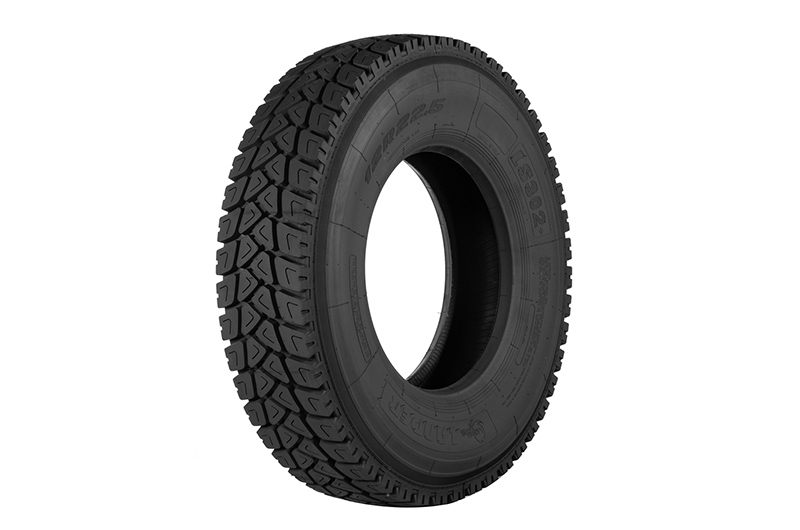
Modern Chinese TBR tyres have the same mileage and safety performance as their Western competitors. LS938: Regional application of drive axle. Good grip and traction on various surfaces. Good water drainage and heat dispersion. LS398PRO: Anti eccentric wear. Cost effective. Good brake and drive performance. By using advanced tread geometry TBR tyres from Chinese manufacturers are able to achieve great stability when operating under high loads. At the same time they ensure optimal heat dissipation during long distance driving.
Lifecycle Cost Efficiency Analysis
Lower purchase price, longer wear life, lower Total Cost of Ownership. Retreadable casings provide extended product life, enabling sustainable fleet management. Predictive maintenance reduces unnecessary tire swaps by advising exactly when service is required – eliminating high cost of premature tire disposal or emergency fix. This results in less fleet idle time and higher productivity for vehicles running on tight schedules.
Environmental and Regulatory Compliance Considerations
Environmental stewardship is becoming a critical factor in procurement decisions. Certifications such as ECE, GSO, SASO and R117 are in place to ensure that our products meet certain environmental standards. In addition, we have also obtained European and Middle East Gulf certifications to meet market requirements. These certifications are based on international standards such as ISO 14001 equivalents for environmental management systems. Our eco-friendly production processes minimize our carbon footprint by utilizing low-energy vulcanization methods, while complying with local regulations and ensuring regional requirements are met.
Why Are Fleet Managers Prioritizing Durability and Reliability?
In commercial transportation, the reliability of tires has direct bearing on both the safety of operations and profitability.
The Importance of Consistent Performance Across Routes
Tires for long-distance fleets on all kinds of roads require good grip on various surfaces and in changing temperatures. Tires with reinforced sidewalls can prevent punctures on gravel and other unpaved roads. Above all, a predictable wear pattern is important for scheduling maintenance in good time. For example, the LS668: Tread with five tortuous grooves offers excellent anti-skid properties and driving characteristics. It is suitable for use on both steering and trailer wheels and is a perfect example of how structural engineering can create tires that are suitable for use on all kinds of mixed routes and last long.
Technological Enhancements Supporting Reliability Goals
The high tensile steel belts within the joint improve the overall structural integrity of the belt under continuous operating load cycles. The latest advanced rubber compounds are formulated to resist cracking, oxidation and uneven wear under the most severe operating stress factors. Even under highest operating temperatures and moisture exposure the belts are able to perform to maximum capacity. The embedded RFID chips are read by fleet management computer systems to enable precise tracking and monitoring of each belt, enabling operators to adhere to the latest predictive maintenance practices.
How Are Chinese Manufacturers Building Global Trust?
Chinese tire makers are spending a lot of time and effort to establish brand images and credibility by testing products, opening up their quality control processes and collaborating with other partners from around the world.
Quality Assurance Through Rigorous Testing Protocols
Our tires have a 3 year warranty. In our production process the last step is the X-ray inspection. The tires are checked in our X-ray laboratory for air bubbles, for pores, for exposed internal wires and other possible defects. Every batch of tires is tested in several steps for load, for the rolling resistance, for the heat generation and for the tread contact as well as for the consistency of the tire in general. Only after successful testing for all mentioned parameters the tires are approved for the markets world wide. Only then they are delivered to the customers.
Strategic Collaborations with International Distributors
Chinese manufacturers often cooperate with European and American distributors in order to set up after-sales service networks. By means of co-development of products, Chinese manufacturers adjust the technical parameters of the products to meet the requirements of the target market. Moreover, distributors arrange installation training courses for local technicians, which also helps to increase the image of Chinese manufacturers abroad.
What Makes QINGDAO LANDER-SKY TYRE CO., LTD a Reliable Supplier?
QINGDAO LANDER-SKY TYRE CO., LTD is one of leading industrial companies in Qingdao, China. The Company is specialized in designing and manufacturing of high quality truck tires for different uses.
Company Overview and Core Strengths
Qingdao Lander Sky Tyre – supplier of high quality tires in premium quality complete with full service. Five production workshops are operating at more than 3,000 square meters. German curing technology is being used. The finest processing quality is being guaranteed right from the processing of the internal treads to the inspection of the finished tires using X-ray diagnostics.
With a vast range of products, some are made to travel long hauls (LS23B), travel regionally (LS868), working in mines (LS807) or on/off road (LS899). Our Radial range includes LS868 – a rugged tyre capable of traveling on muddy roads providing great grip. It features a horizontal wide groove design which ensures the tyre is self cleaning.
Commitment to Customer-Centric Solutions
Our philosophy towards customers is to keep a 100-years long term partnership with them. By keeping this in mind, our promise to the highest quality for each and every order and daily service, a comprehensive warranty program which can be backed up by service teams around the globe that responds promptly to any manufacturing defects or premature wear and tear that could occur to our products and used by clients all over the world.
How Will the Shift Toward Chinese TBR Tires Shape the Future of Fleet Management?
By 2026 Global Adoption will have shifted enough to require procurement to start buying based on Value as opposed to buying from a legacy vendor.
Implications for Fleet Procurement Strategies
Consumers are increasingly going to use telematics-driven analytics as opposed to personal preference in choosing between suppliers of truck tires. They will want lifecycle cost analysis that has been transparently produced using digital procurement systems and also be able to see detailed information on the costs of ownership of different tread patterns as the competition between suppliers of trucks is increasingly driving innovations in fuel efficiency as well as in the areas of transport and tire technologies. The latter, in turn, will require optimal tread designs which in future will need to take account of emerging regulations in relation to traction control systems as well as other transport-related issues.
The Role of Sustainability in Future Tire Selection
Sustainability will become the main driver for decisions of multinational truck fleets on their way to Net Zero. These fleets will decide in favor of tire designs which can be retreaded and which are made of low rolling resistance materials in order to fulfill the carbon reduction targets of international logistics associations. Furthermore manufacturers, who use bio-based materials or energy-efficient curing processes, will get advantages by governments in Green-Certified Markets.
Conclusion: The Strategic Advantage of Embracing Chinese TBR Tires in 2026
Chinese TBR tires have found a balance of price, latest technology, durability, and environmental protection. The balance makes Chinese TBR tires very competitive on the market and can meet requirement of modern fleet management that looking for ways to manage risk in today’s uncertain global economy.
FAQs About Switching to Chinese TBR Tires
1. Are Chinese TBR tires suitable for long-haul transportation?
Yes, many models today such as LS23B are made for long haul with reinforced parts for constant use on highways, long country routes.
2. How do these tires perform compared to premium Western brands?
The latest developments have significantly narrowed down the performance gap and currently many models already meet the respective benchmarks for traction, mileage, noise and heat as well as have been approved by global type-approval tests.
3. What kind of warranty or after-sales support is typically offered?
Reputable Suppliers such as QINGDAO LANDER-SKY TYRE CO., LTD offer comprehensive warranty against manufacturing defects. Suppliers also offer dedicated technical support teams to service customers globally and are usually listed on the supplier’s official website contact pages.
4. Are there environmental benefits associated with using these tires?
Yes. Many manufacturers nowadays use sustainable materials for their tires, combined with low-energy vulcanization, which results in minimum emission during the production. The tire casings can be retreaded multiple times, which extends the tire’s life cycle within a circular economy.
5. How can fleet managers ensure they are purchasing authentic products?
Our clients benefit from purchasing from authorized Distributors or from the Official Manufacturer’s Network and they receive complete procurement documentation such as serial numbers or RFID tags embedded in the tire, all managed according to the ISO certified Quality Systems of major companies such as QINGDAO LANDER-SKY TYRE CO., LTD.