

The performance and life of regional TBR tires depends to a large extent on the tread compounds used in them. The increasing demand of transportation fleets for more miles from their tires, better fuel efficiency and cost-effectiveness has led to tremendous development in tread compounds in recent years. This article focuses on the modern developments in compound engineering and how they can be harnessed to achieve extended mileage, improved traction and best possible performance for regional applications.
What Role Does Tread Compound Play in Regional TBR Tire Performance?
Tread compounds form the outermost layer of a tire and directly influence how regional TBR tires perform under frequent acceleration, braking, and turning. Their formulation determines essential characteristics such as wear resistance, rolling resistance, and heat dissipation. In regional driving cycles—where vehicles repeatedly stop and start on mixed surfaces—compound design becomes a decisive factor in ensuring durability and fuel efficiency.
Key Elements of a Modern Tread Compound
A tread compound consists of three main components: polymers, fillers, and additives. The polymer is responsible for the elasticity and wear of the tread, high performance synthetic rubber for example has good flexibility and abrasion resistance. The fillers, such as silica and carbon black, affect the grip and the rolling resistance of the tire. The additives, including for example antioxidants and coupling agents, protect the compound against thermal degradation, and allow for good performance over a large temperature range.
The tire is designed to provide anti-skid handling, lower heat generation and wear resistance compared to other similar products in the market. The tire’s performance is derived from a unique tread compound that is designed to provide the best possible combination of traction and mileage in regional applications.
Balancing Traction and Wear Resistance
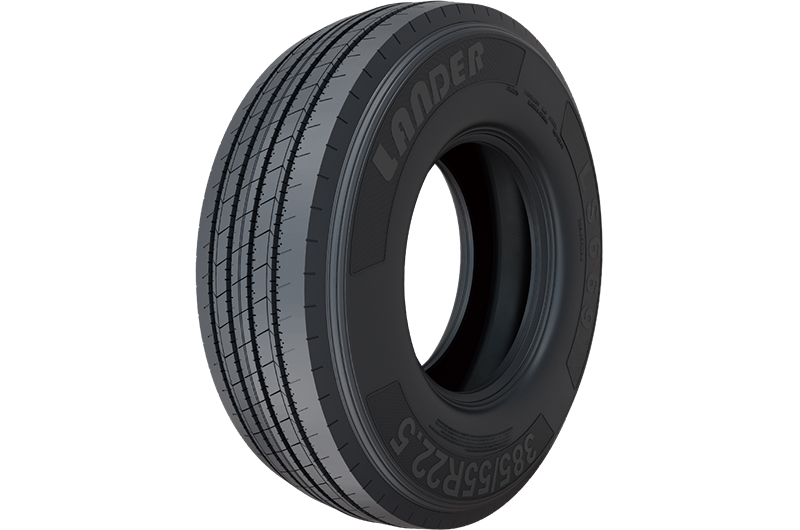
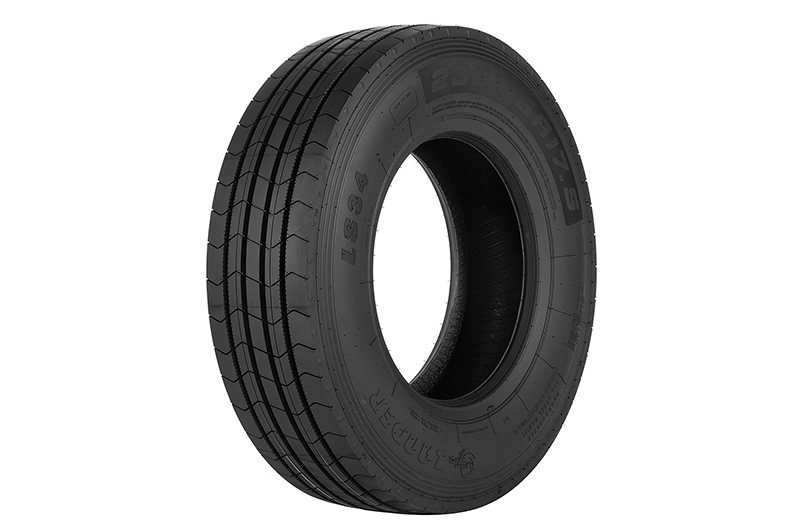
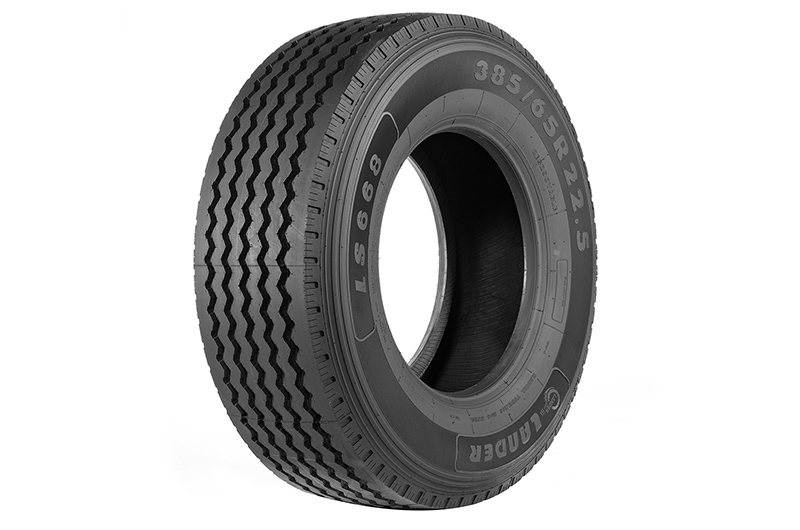
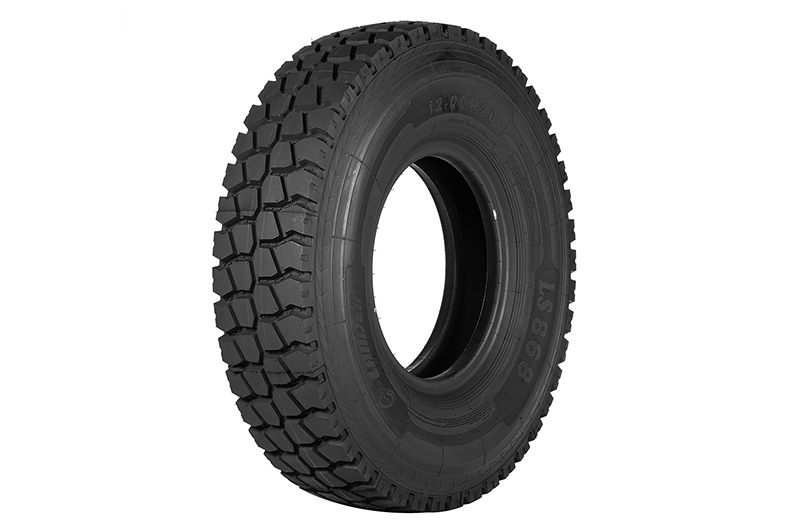
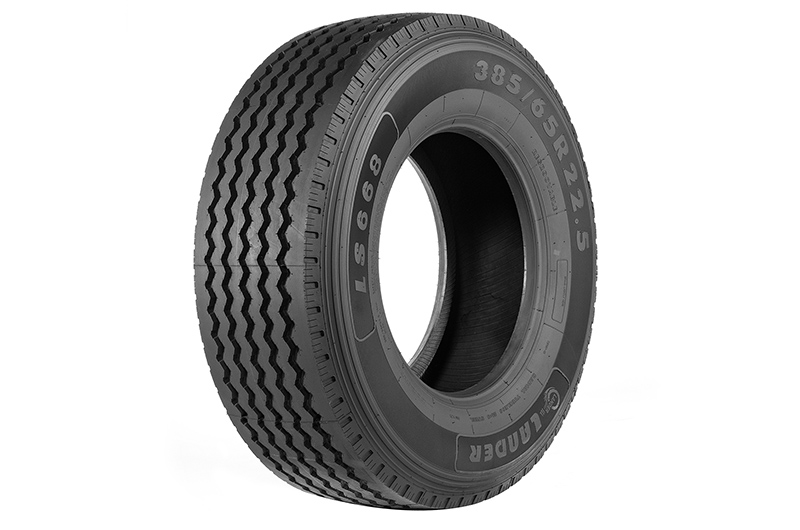
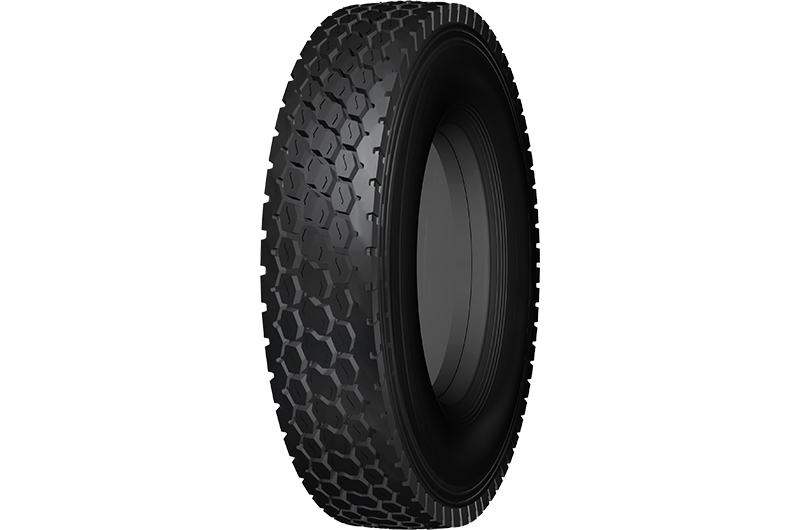
Traction and wear resistance are two parameters that need to be in a correct balance. To achieve this level of balance, precise molecular design of compounds is required. High silica containing tire mixes provide good wet grip without sacrificing abrasion resistance. Uniform crosslinking of polymer within tread also helps in even stress distribution across individual tread blocks which helps in preventing irregular wear. In addition, good dispersion of ingredients also prevents local concentration of materials which can cause surface fatigue. Such chemical modifications and models such as LS668 – five-groove tread design, have been developed to provide good handling on long haul and regional routes.
How Does Compound Formulation Influence Mileage in Regional Applications?
The chemical architecture of a tread compound has a large influence on the conversion of mechanical energy into motion when a tire is rolling. For regional TBR tires, the aim is to keep energy loss by hysteresis as low as possible while maintaining the abrasion resistance to avoid chipping or scrubbing on urban roads.
The Relationship Between Rolling Resistance and Fuel Economy
Materials formulated to have lower hysteresis, or internal friction, in deformation will translate to lower rolling resistance. Additionally, materials that form into well aligned molecular structure will have less heat generation over extended periods of running. As an example of this type of material is the LS569 fuel saving material, which has been specifically designed to reduce the rolling resistance of a tire whilst still maintaining good traction and grip properties for ultimate route efficiency for the Fleets that are trying to achieve the lowest cost per mile whilst maintaining required levels of operation.
Wear Mechanisms in Regional Driving Conditions
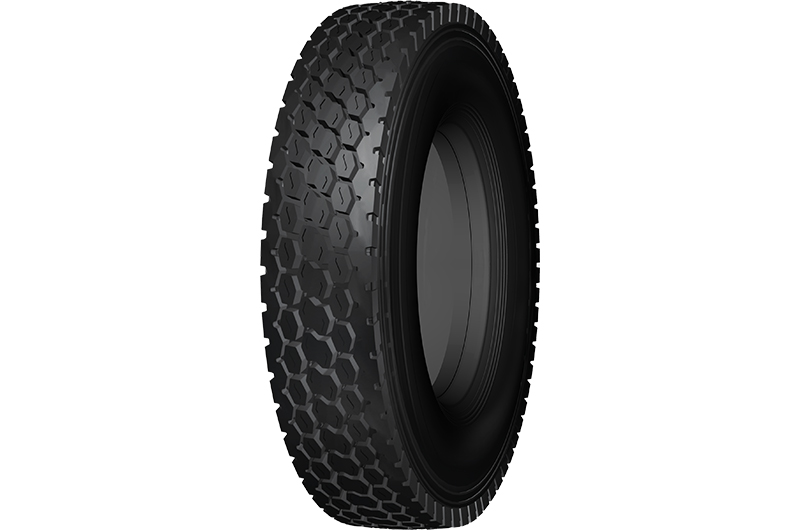
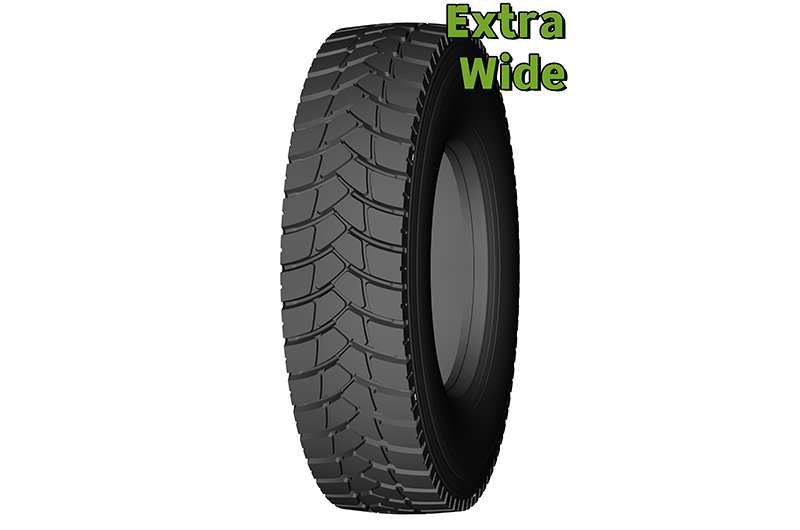
Shear forces encountered during braking and cornering are another key factor for the compound to resist. The higher the tear resistance of a compound the better it will withstand chunking on very abrasive surfaces in city logistics. The controlled stiffness of the tire ensures a uniform contact pressure distribution within the tread contact area. The special tread positioning of the LS669 furthermore prevents excessive heat generation and ensures high durability, which directly translates into a longer mileage.
Why Is Heat Management Crucial for Extending Tire Life?
Regional trucks often are subjected to varying speed and heavy-load operating conditions which can generate a considerable amount of heat within the tire’s tread area. If this heat becomes too excessive, it can cause a tire to oxidize prematurely. Also, excessive heat can cause tire’s polymers to soften leading to a variety of premature failures.
Thermal Stability in Compound Design
Heat-resistant elastomers can sustain cyclic loading and maintain the structure of the component. The use of silica-based systems for rubber can offer improved heat dissipation over carbon-black-based systems, through lower hysteresis loss. The heat resistance of optimized cure systems can be further increased without losing flexibility, as exemplified by the heat-resistant flexible material, LS669, which has been designed to reduce heat generation.
The Effect of Temperature on Molecular Degradation
Temperature is another factor that affects the elasticity of a polymer over time, with higher temperatures causing chain scission. The antioxidant package in a hose compound is used to neutralize free radicals that are produced during service, thus slowing down oxidative aging. Stable compounds that are used in hose compounds have constant modulus over temperature, which is very important for fleets that operate 24/7/365 and go through all the seasons. They need a consistent performing hose.
How Do Advanced Manufacturing Techniques Enhance Compound Consistency?
Consistency in the mixing and curing of tires is critical in order to ensure that every batch of production tires will deliver consistent performance characteristics to the fleet operator who stocks them in his warehouses in remote locations across the country and who will be managing a large inventory of regional tires.
Innovations in Mixing Technology
Computer-controlled mixers ensure homogeneous dispersion of fillers within polymer matrices, preventing weak zones that could trigger premature cracking. Real-time monitoring detects viscosity fluctuations to guarantee batch uniformity. Automation minimizes human error during ingredient dosing or temperature regulation—an approach consistent with Qingdao Lander Sky Tyre’s process from internal refining, calendering, forming, vulcanization to final inspection using the best technology.
Quality Control Measures for Compound Uniformity
Rheological testing can be conducted prior to vulcanization to measure the elasticity of the polymer and thus check the cross-link density. After vulcanization dynamic mechanical analysis can be performed to check the resilience of the material under test in the actual service conditions. Also within large volume production of similar articles the only way to check for consistence is by using Statistical process control. In our Company, the tires are checked for air bubbles, pores, for exposed internal wires and for other defects by our X-ray laboratory inspection.
How Are Sustainable Materials Shaping Future Regional Tire Compounds?
As global sustainability mandates continue to intensify, manufacturers of brake friction materials are finding ways to incorporate renewable materials into their formulations to maintain miles of life and braking safety.
Bio-Based Polymers and Renewable Fillers
Natural rubber blends reduce reliance on petrochemical sources while maintaining elasticity under load cycles. Renewable silica derived from agricultural waste offers comparable reinforcement with reduced environmental footprint. Bio-oils replace aromatic processing oils to enhance flexibility while lowering volatile organic compound emissions—a direction aligned with industry trends toward eco-conscious compounding.
Recycling Initiatives in Compound Development
Rubber devulcanized from end-of-life tires can be re-introduced into new treads by using high performance joining agents to restore mechanical properties. Closed-loop manufacturing avoids the generation of waste in production cycles. Thus suppliers as QINGDAO LANDER-SKY TYRE CO., LTD. are able to align their production of new tires more and more with the sustainability targets of the global tire-using fleets while keeping up with high mileage.
Why Choose QINGDAO LANDER-SKY TYRE CO., LTD as a Reliable Regional TBR Tire Supplier?
Qingdao Lander Sky Tyre is one of the most renowned tyre suppliers who specialize in premium quality tyres and full services for them. For the past 10 years, Qingdao Lander Sky specialized in designing the world’s highest performing TBR tires made specifically for commercial use. They have clients in over 50 countries spread across the globe including the Middle East, Southeast Asia, Latin America, Africa and many more. 5 massive production workshops with a combined floor area of over 3,000 square meters and using the latest refining and vulcanization technology in the market to ensure the highest accuracy in every stage of tire manufacturing.
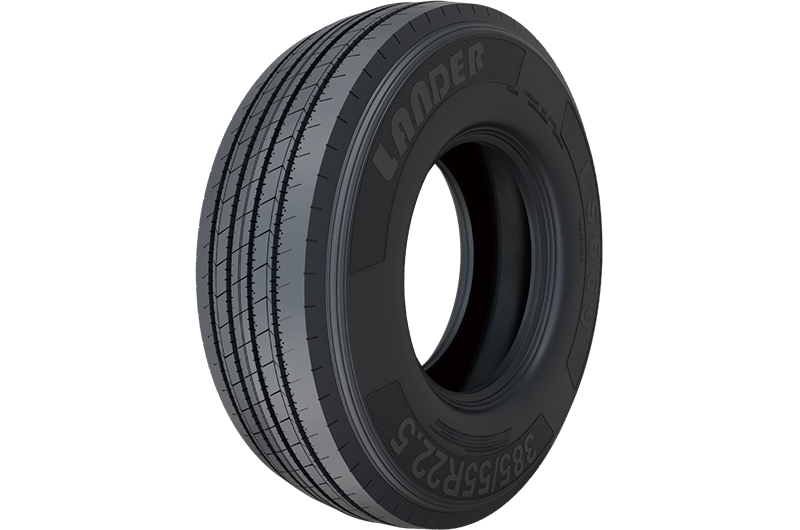
Models such as LS569 are designed to provide low rolling resistance to help save fuel whilst the more aggressive tread design of the LS669 offers anti-skid handling qualities with increased tread life, further complimented by the latest tread compound chemistry which has been developed to deliver real world improvements in fuel efficiency.
We treat every customer as if we were entering into a 100-years partnership with them and we scrutinize every order and every daily service to make sure that they are of top quality. Added to our 3-years warranty program, all our products also carry international recognized certifications, such as ECE, GSO, SASO, DOT, CCC and R117 compliance standards. We are firmly committed to our long-term objective of providing the highest level of quality, thanks to our stringent quality controls.
Key Takeaways on Tread Compound Technology for Mileage Improvement
Advancements in tread compound have enabled significant improvements in performance and mileage for regional TBR applications. The latest generation of TBRs, incorporating latest tread compound technology, are designed with advanced materials and precise manufacturing processes. Optimized polymer networks, improved filler dispersion, enhanced thermal properties and green materials enable the latest generation of tires designed to last longer and deliver ultimate mileage on mixed long haul applications.
FAQs About Tread Compound Technology in Regional TBR Tires
1. What distinguishes regional TBR tire compounds from long-haul versions?
Regional tires are designed to have more abrasion resistant compounds and greater flexibility to stop on all types of road surfaces while long-distance tires on the other hand are designed to have the lowest possible rolling resistance for long highway travel.
2. How does silica improve both traction and fuel efficiency?
Silica reduces internal friction in the rubber matrix leading to low rolling resistance, while surface adhesion properties of rubber molecules are dramatically improved leading to high traction in wet weather.
3. Can advanced tread compounds reduce maintenance costs?
Improved wear resistance enables longer life for parts, reducing the number of replacements per year, thus saving down time related expenses for regional route-based fleet operators.
4. Do eco-friendly compounds compromise performance?
Modern bio-based materials have been engineered to have physical properties equal to or greater than those of conventional petrochemical-based materials, offering the same level of traction while delivering environmental benefits.
5.What testing ensures compound reliability before production release?
Tensile strength analysis, dynamic fatigue testing, rheological measurements, X-ray testing and simulation of accelerated aging are typical tests to check the durability of a compound under actual operating conditions before it is launched to the market.



Leave a comments