Q I N G D A O L A N D E R - S K Y T Y R E

Loading

Nullam dignissim, ante scelerisque the is euismod fermentum odio sem semper the is erat, a feugiat leo urna eget eros. Duis Aenean a imperdiet risus.

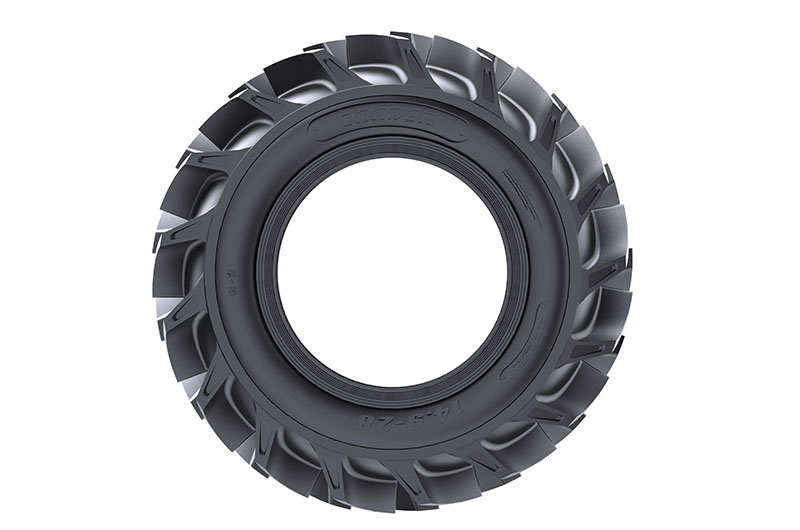
R2
R2
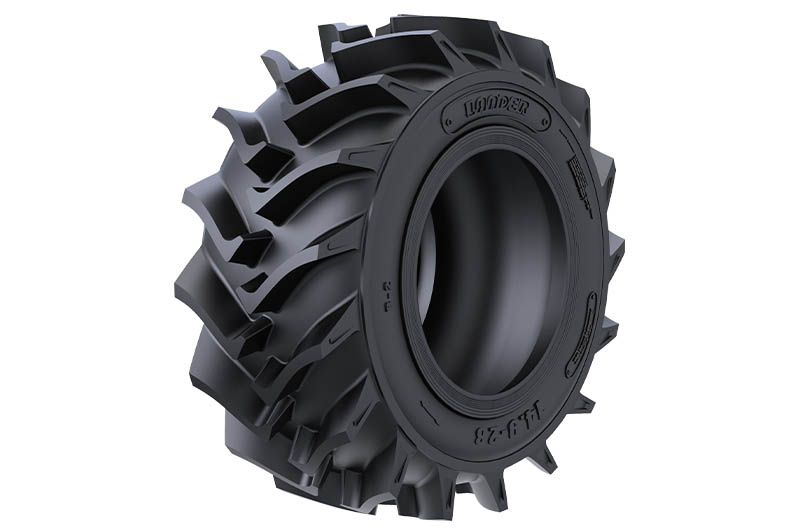
R2-NEW
R2
R2
R2-NEW

R2-NEW

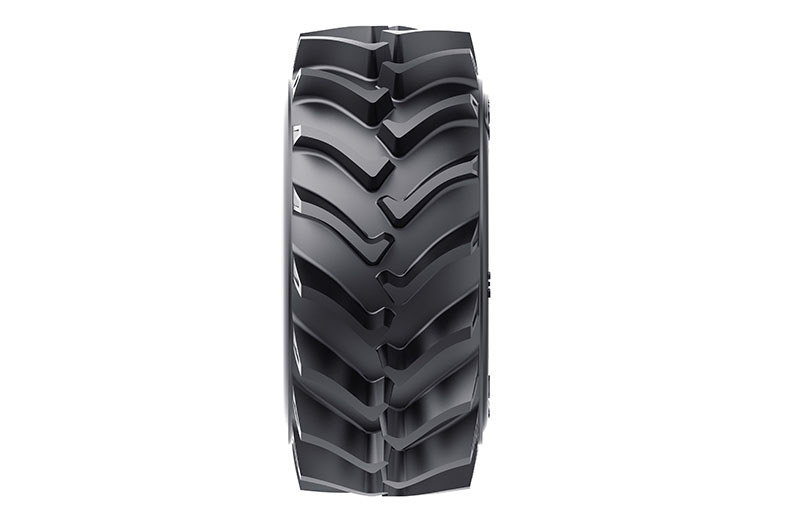
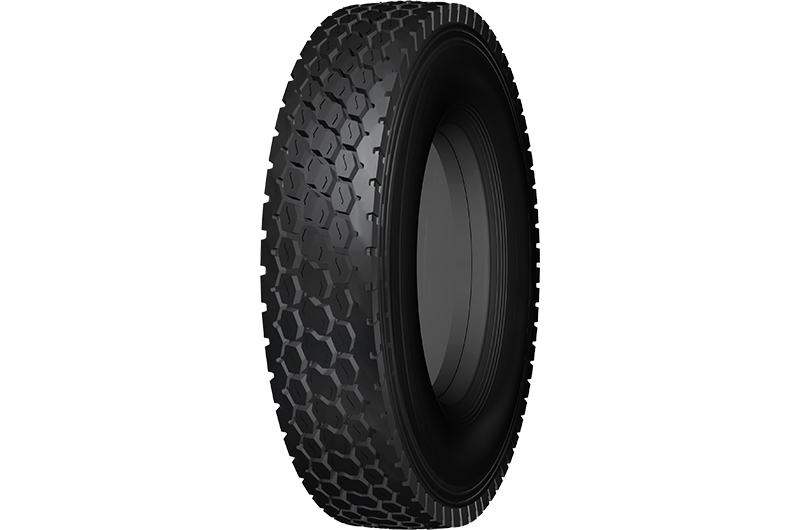
1.Good traction on wet surface. 2.Higher strength and durability. 3.Wear and puncture resistance and excelent self-cleaning preformance.
Size PR Overall
Diameter
(mm)
Section
Width
(mm)
Rim Inflated
Pressure  
(kpa)
Max Load
(kg)
Pattern
9.5-24 8 1120 285 W8 280 1100 R2-NEW
12.4-24 12 1192 315 W11 330 1600 R2-NEW
13.6-224 10 1210 350 W12 250 1910 R2-NEW
14.9-24 12 1305 378 W13 260 2000 R2-NEW
14.9-28 12 1406 378 213 180 1700 R2-NEW
18.4-30 12 1550 467 W16L 220 2900 R2-NEW
18.4-34 12 1655 467 W16L 220 3000 R2-NEW
18.4-38 12 1755 467 W16L 220 3250 R2-NEW
20.8-38 12 1887 528 W18L 200 4000 R2-NEW
23.1-26 16 1605 587 DW20 170 3750 R2-NEW
23.1-30 16 1829 610 DW20 225 4000 R2-NEW
23.1-34 12 1850 590 DW20 225 4500 R2-NEW
24.5-32 16 1862 622 DW21 140 3560 R2-NEW
Latest Product

Check out our Product

View More
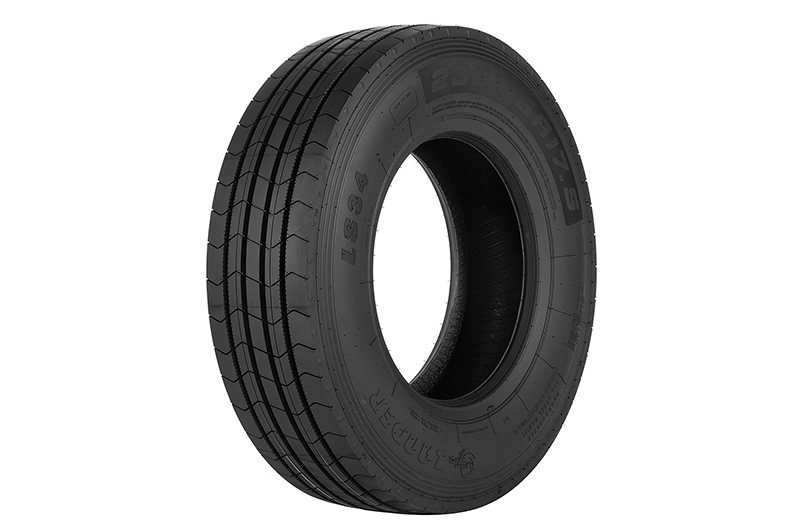
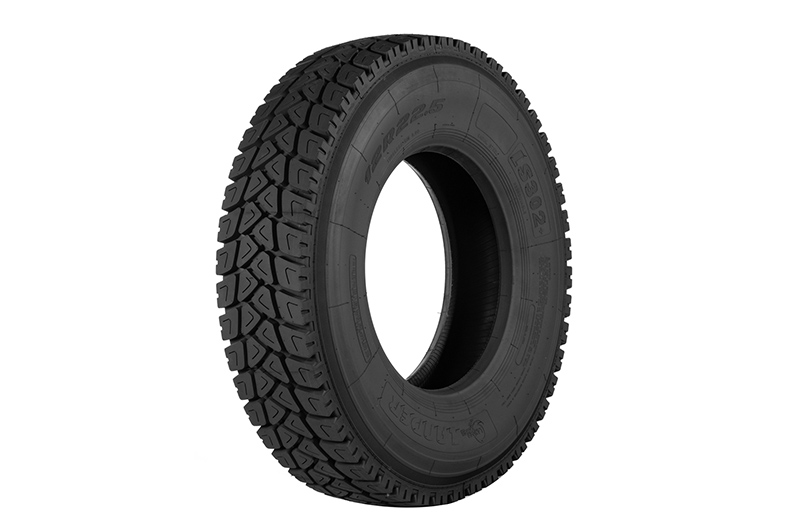
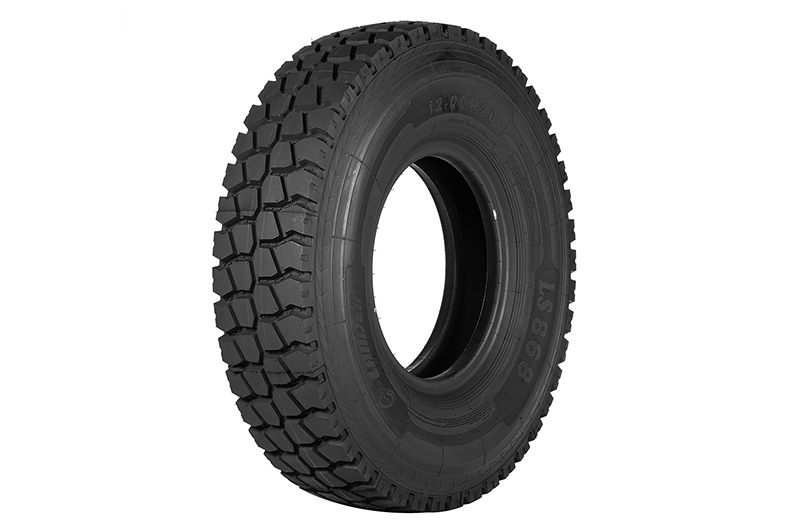
LS868

LS868

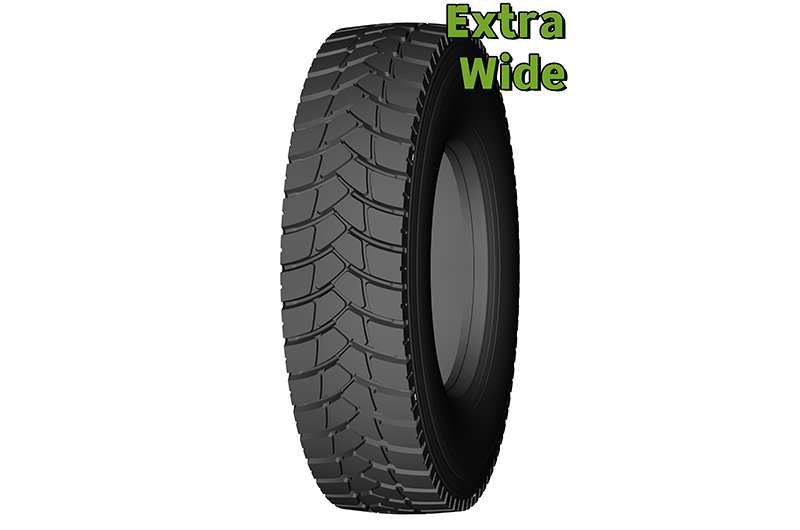
Good property of self-cleaning, high gripping performance on muddy road The tire horizontal wide groove design provides strong grip. The truck tire new side panel design is beautiful generous.
Read More
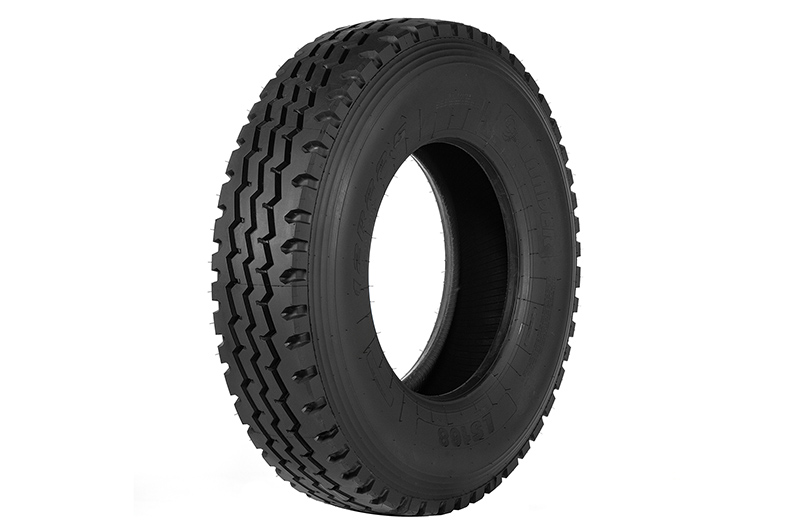
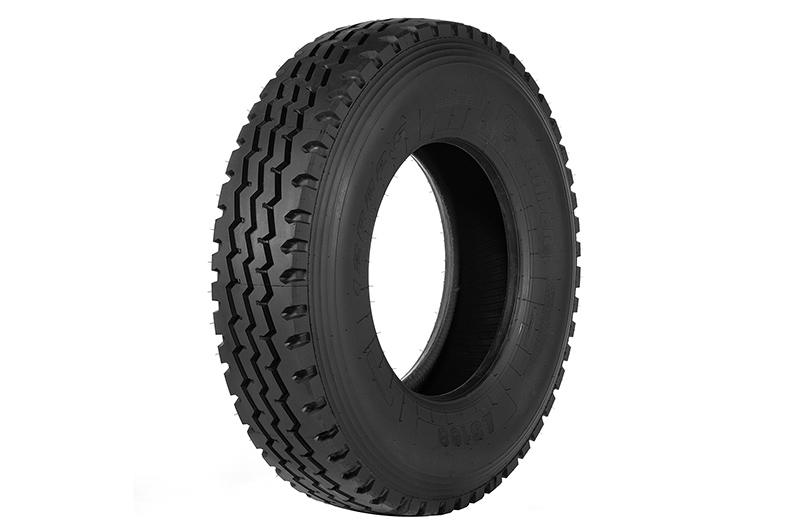
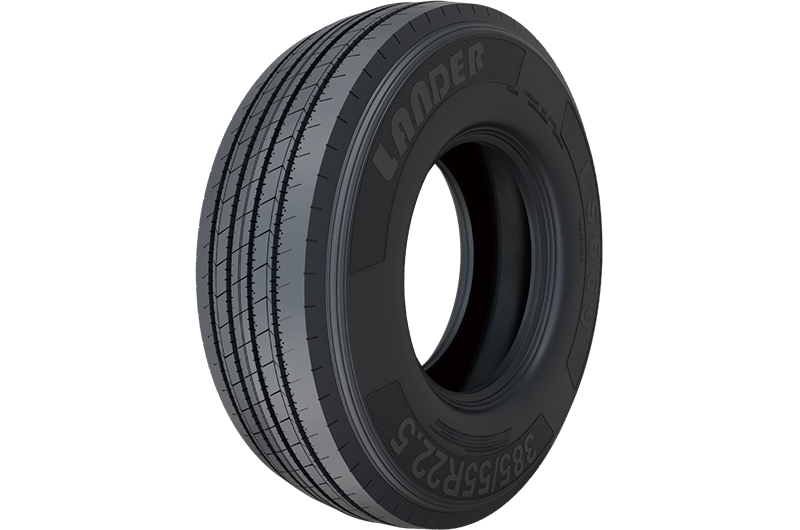
LS669

LS669

Provide excellent anti-skid and handling performance. Effectively increase tire's driving performance, reduce heat generation and improve durability. Reduce tread heat generation, and deliver excellent durability. Provide excellent wear resistance performance.
Read More
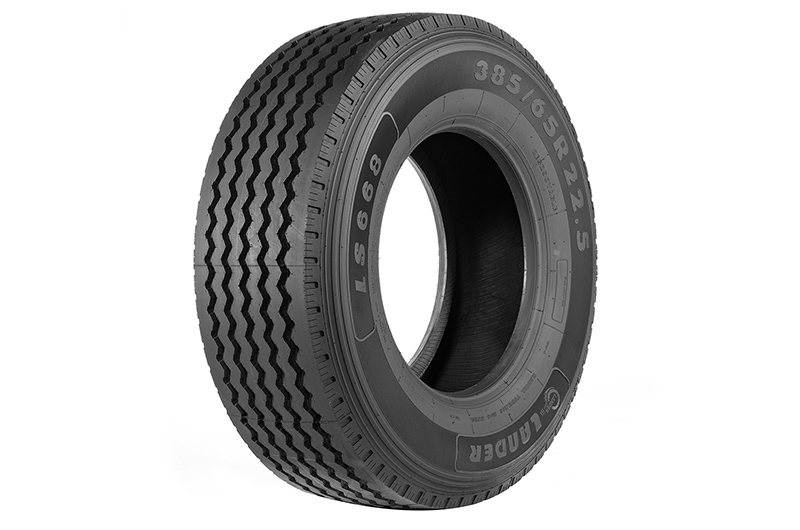
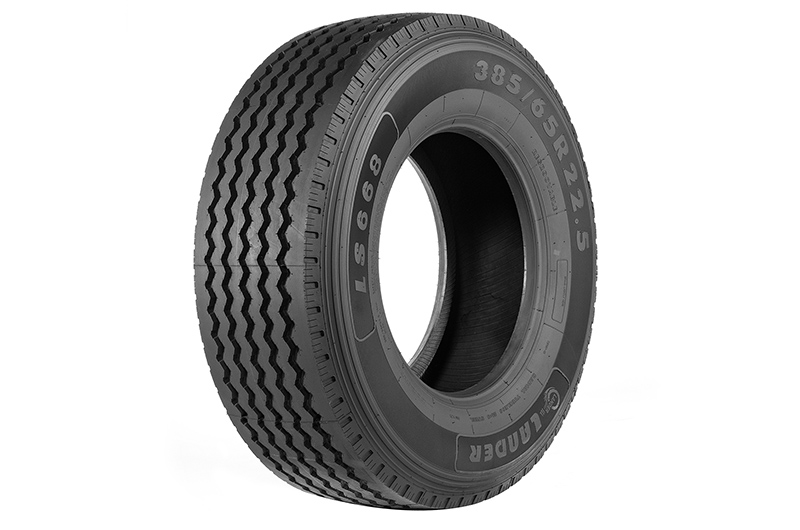
LS668

LS668

Tread with five tortuous groove design, endow excellent anti-skid and handling performance ; Applicable for steering and trailer wheels. With special inserting steel design improving driving performance, excellent lowing heating up of tread, improving endurance performance of tyre. Tread slab base with low heating up, make tread excellent endurance performance.
Read More
LS569

LS569

Fuel saving for low rolling resistance. Excellent traction and grip performance.
Read More
Latest News

Check out our blog posts

View More

12/ March

How Seasonal Weather Impacts Heavy Duty Truck Tires for Cross-Regional Fleets: Practical Selection & Maintenance Strategies

Heavy duty truck tires in cross-regional fleet duty confront ongoing stresses from seasonal weather shifts and environmental conditions. Extended high pavement temperatures on southern runs, sub-freezing exposures on northern corridors, persistent heavy rainfall, snow accumulation on highways, cumulative ultraviolet radiation, and ozone interaction each apply specific loads to compounds, casings, grip characteristics, rolling resistance levels, and safety thresholds. Maintenance supervisors and procurement specialists in the heavy-duty segment understand that tire selections not aligned to these realities or inconsistent on-road monitoring lead to quicker tread loss, unscheduled service events, higher recap and new-tire spending, and increased regulatory and accident-related risks. The material that follows outlines these influences from documented fleet patterns and lays out practical guidelines for tire matching and field care that yield dependable results over mixed territories.   High Temperatures: Key Strains on Heavy Duty Truck Tires & Cost Impacts Southern highway segments or equivalent dry-climate paths commonly register road surfaces well over 140°F with ambient air frequently in the upper 90s or higher. Heavy axle loadings paired with steady highway velocities produce considerable internal heat via friction and repeated deformation. When casing temperatures surpass 195°F, compounds soften detectably. Sidewalls show greater deflection than intended, bead regions take on elevated shear forces, and tread areas wear at quicker rates. Air volume expansion inside adds to the concern: tires brought to cold specification often climb 10–15 psi or beyond after hours of exposure, moving into zones where structural strain intensifies and failure likelihood grows without intervention. Maintenance logs from operators on desert-fringe routes reveal distinct seasonal trends. Sidewall detachments and tread chunking rise sharply in peak summer periods, while blowout occurrences increase on legs with ongoing high heat and payload. The same heat buildup raises rolling resistance, demanding more engine work and contributing 2–4% additional fuel use on prolonged hot-weather segments—amounts that add up meaningfully across fleet operations. Low Temperatures, Rain, and Snow: Consequences for Grip and Handling Stability Cold air contraction influences tire pressure in a predictable manner. Field experience consistently shows about 1–2 psi decrease per 10°F temperature drop. Trucks departing from heated facilities at proper cold pressure can register 10–15 psi short after sitting through nights in the 20s, resulting in increased sidewall flex and faster shoulder-area abrasion. Compounds harden considerably below 45°F, reducing the contact patch’s ability to adapt to road irregularities and lowering effective grip. Stopping distances grow on wet surfaces, and hydroplaning onset points drop when tread channels cannot move water efficiently. On snow-covered or icy northern paths, limited siping or rigid cold-state materials cause clear traction shortfalls, elevating jackknife chances or heavy dependence on electronic stability controls. Fleet service records note braking distances extending 20–40% on reduced-friction roads with stiffened or underinflated tires. Heavily loaded combinations need extra buffer, since built-up momentum turns any grip deficit into substantially longer required stopping distances. Environmental Factors: Progressive Deterioration Processes Ultraviolet exposure and ozone progressively attack tire materials. Continuous direct sunlight starts surface cracking on sidewalls that advances inward with ongoing load repetitions. Ozone interacts with polymer networks, forming micro-tears during downtime intervals between runs. Humidity swings speed internal oxidation, and alternating wet-dry cycles place stress on belt assemblies, encouraging separation in builds without strong protective layers. These processes regularly overlap with seasonal demands: ultraviolet-damaged sidewalls meeting winter cold generate accelerated fatigue, cutting anticipated mileage below initial estimates. Tyre environmental performance links closely to rolling resistance patterns. Weakened compounds or ongoing inflation inconsistencies boost fuel requirements and emissions volumes—considerations that carry more weight amid stricter fleet regulations and fluctuating diesel pricing. Fitting Tire Construction to Cross-Regional Fleet Needs Compound composition serves as the leading differentiator. Heat-resistant formulations with increased synthetic rubber fractions and precisely distributed carbon black maintain stability, resisting excessive softening even when internal heat reaches near 220°F on extended southern hauls. Compounds built with substantial natural rubber portions or silica additions preserve pliability in lower temperatures. These avoid severe stiffening below freezing, upholding traction and countering grip reduction. Operators handling northern routes often see 15–25% tread life improvements after transitioning to cold-adapted formulations. Tread layout contributes significantly. Multi-directional configurations with deep, widely spaced voids clear water rapidly in heavy downpours, limiting hydroplaning exposure. Tight siping networks enhance mechanical engagement on packed snow, while strengthened shoulders and debris-ejection elements fit mixed-duty routes subject to pickup of stones or gravel. Fleets operating across broad climate zones without frequent seasonal swaps gain from all-position patterns that balance tread depth, siping density, and even wear for steady performance throughout the year. Load index, speed rating, and casing build require careful alignment to operational specifications. Robust belt layers and thick undertreads support heavy loads with limited flex, while low rolling resistance profiles provide lasting fuel savings through varying temperatures. Compliance with international certification standards supports dependable procurement for fleets spanning multiple regions or global sourcing. Maintenance Routines for Field Safety and Performance Reliability Pressure readings take place cold—best before initial movement or after a minimum four-hour standstill. Expected temperature swings dictate adjustments: plan for roughly 1 psi rise per 10°F increase during running, with equivalent downward corrections for colder portions. Pre-trip examinations concentrate on sidewall abnormalities, cuts, bulges, or wear inconsistencies. Tread depth checks at various groove positions detect unevenness pointing to alignment shifts or persistent inflation issues. In challenging weather, replacement timing tightens: hold minimum 4/32″ on steer axles and 2/32″ on drive and trailer positions for dependable wet or snowy capability. Rotation schedules—commonly 50,000–80,000 miles in line-haul work—balance positional wear differences. Tire pressure monitoring systems deliver real-time alerts on gradual pressure drops or heat-related changes. Driver guidelines call for moderated speeds in extreme heat or intense rain, measured braking on slippery pavement, and swift reporting of unusual vibrations or pull. Route sequencing reduces overall stress exposure. Placing southern legs outside midday heat maxima and timing northern segments for transitional milder periods cuts cumulative thermal cycling. Spares maintained at correct pressure and kept shaded stay service-ready without accelerated breakdown. About Qingdao Lander Sky Tyre Qingdao Lander Sky Tyre Co., Ltd. started in 2013, located in Qingdao, China. The company produces radial truck and bus tires (TBR), off-the-road tires (OTR), industrial tires, agricultural tires, and forklift tires. Five workshops with up-to-date equipment cover 3,000 square meters, supported by thorough incoming material checks and production-stage quality controls. The range carries certifications including GCC, DOT, ECE, and CCC, meeting requirements in varied international markets. Distribution reaches partners in over 60 countries, including Latin America, Southeast Asia, Australia, the Middle East, Africa, Russia, and the CIS areas, with more than 100 ongoing relationships. TBR products feature radial design suited to heavy-load highway and regional service. Low rolling resistance compounds limit heat development while enabling longer service runs—frequently over 200,000 km in standard fleet duty. A three-year warranty covers the series, reflecting built-in durability. The organization focuses on quick response, reliable scheduling, and continued partnership with fleet operations. Full technical details are accessible via official product materials.   Conclusion Seasonal temperature cycles and environmental exposures create steady challenges for heavy duty truck tires in cross-regional service. High heat raises blowout potential and fuel costs, cold weather reduces traction and causes pressure shortfalls, rain and snow call for strong water displacement and material flexibility, and long-term exposure hastens compound and structural wear. Purposeful tire specification—focusing on compound toughness, tread design, and load-handling construction—alongside disciplined pressure checks, inspection protocols, rotation timing, and driver practices produces clear gains in cost per mile, uptime reliability, and safety performance. Fleets following these methods attain extended tire service, better efficiency, and more consistent operational results. FAQs How much does heavy duty truck tire pressure change with temperature? Temperature variations usually cause 1–2 psi pressure shift per 10°F. A tire set correctly cold at 100 psi can lose 10–15 psi after overnight freezing or gain similarly during extended summer running, making regular cold-pressure checks a standard practice. Why do heavy duty truck tires blow out more in extreme summer heat? Sustained high temperatures soften compounds and expand internal air, driving pressure into unsafe levels. Road contact friction and heavy loads intensify overheating, sidewall loading, and eventual tread or casing failure on long southern segments. How do cold temperatures reduce traction on heavy duty truck tires? Compounds stiffen below 45°F, limiting flexibility and contact patch effectiveness. Combined with underinflation from cold contraction, this creates uneven wear and considerably longer braking distances on wet, snowy, or icy roads. Which tire features improve heavy duty truck handling in heavy rain and snow? Deep multi-directional grooves promote fast water evacuation to reduce hydroplaning. Dense siping together with cold-flexible compounds maintain tread shape and grip on low-traction surfaces, shortening stops and aiding control. How can fleet operators reduce environmental aging of heavy duty truck tires? Frequent sidewall inspections spot early UV or ozone cracking. Shaded storage, steady inflation to decrease flex fatigue, scheduled rotations, and limiting prolonged sunlight contact together slow deterioration and lengthen usable life.
Read More
How Seasonal Weather Impacts Heavy Duty Truck Tires for Cross-Regional Fleets Practical Selection & Maintenance Strategies

5/ March

Off-the-Road Tyres in Extreme Conditions: Traction, Durability, and Selection for Mining and Rocky Terrain

Off-the-road tyres take a beating in open-pit mining, hard-rock quarries, and heavy earthmoving jobs where sharp edges, massive tonnages, extended cycles at torque, and abrasive loose ground create nonstop risks of cuts, penetrations, overheating, and grip loss. A tyre that goes down in these surroundings stops the haul truck or loader cold, racks up replacement expenses, and tightens safety exposure across the shift. The gap between tyres that barely make it through a campaign and those that deliver solid hours lies in how closely the build, compound, and tread layout tackle the site’s main pressures—rocky terrain tyre resistance, mining OTR tyre traction, heavy-load heat control, and cut/chip toughness.   The following sections cover the dominant failure modes seen in the field, outline a practical path for picking constructions and patterns suited to rough ground and high-payload work, weigh the on-the-job behavior of typical tread styles drawn from actual site results, and detail the upkeep routines that push service life further in tough setups. Procurement groups and fleet supervisors rely on these details to match tyre specs to real operating profiles instead of relying solely on catalog claims. Primary Stresses OTR Tyres Face in Harsh Mining and Quarry Environments Hard-rock operations repeatedly show the same breakdown patterns. Angular fragments carve into tread blocks and sidewalls, producing chunk-outs and punctures that cut service short. Continuous heavy payloads across long hauls or slow loading loops generate core temperatures that soften the rubber, speed up scrubbing, and compromise casing strength. Loose overburden or slick rock faces cut forward drive and stopping power, particularly on ramps. Trapped stones bore deeper rotation after rotation, converting small intrusions into major structural issues. Sidewall rips from bench strikes or haul-road curbs expose belts and invite separation. These problems compound in practice. A cut lets moisture in and hastens heat-driven breakdown; weak traction pushes operators to apply more power, spiking temperatures; stone drilling thins the casing so the next hit triggers a blowout. Tyres engineered for extreme duty fight back with thicker undertread, compounds resistant to thermal softening, beefed-up bead zones, and tread shapes that shed debris before it settles in. Decision Framework for Rough Terrain and Heavy-Load Applications Pattern and build decisions track what the site actually throws at the tyre rather than generic labels. Bias constructions supply stiff, substantial sidewalls that stand up to sharp impacts in rock-heavy ground, giving reliable rocky terrain tyre resistance while trading some ride quality and heat escape. Radial builds, using steel belts and lower sidewall stiffness, shed heat more effectively during steady heavy loads and longer runs, which suits haul trucks on extended routes with higher average speeds. Tread class steers the balance. E4 and L5 patterns, carrying deeper tread and bulky lug blocks, stress cut and chip resistance in highly abrasive rock settings where penetration threats dominate. They trade a bit of rolling resistance for shielding against cuts and chunking. E3 and L3 patterns deliver balanced mining OTR tyre traction with controlled heat, holding up in mixed rock and soil where pure rock exposure is moderate. Loader and dozer work in pits often leans toward deeper E4/L5 choices to resist bucket shear and side forces, whereas haul-truck patterns focus on uniform wear and thermal balance. A direct assessment begins with three key checks: dominant ground type (sharp rock, mixed loose, or maintained roads), typical load per tyre plus cycle distance, and prevailing temperatures and speeds. Answers guide the right mix of build, tread depth, and compound hardness. Ignoring load-speed ratings or running low pressure cuts life more than small variances in starting tread depth. Practical Performance of Different Tread Designs in Extreme Conditions Tread shape governs grip retention and damage shedding in day-to-day runs. Deep-lug patterns—high, spaced blocks with generous void areas—dig into loose or soft cover, providing strong traction mining capability on slopes and under acceleration with load. The open layout aids ejection of bigger pieces, though finer stones lodge without regular clearing. In hard-rock mining, these patterns often rack up extended hours before notable chunking when matched with cut-resistant compounds. Block-style treads spread pressure over a broader contact patch on solid rock, maintaining steady grip without deep digging that invites slicing. They wear evenly in varied conditions but give up some aggression in very loose overburden relative to deep-lug options. Stone-ejector or self-cleaning layouts use angled channels, lug bridges, or stepped edges to push trapped material out during rotation. Operators working rocky terrain frequently note reduced drilling incidents and related stops—commonly 20-30 percent longer tread life in abrasive ground—since fewer stones stay embedded long enough to wear through undertread. Smooth or shallow-tread patterns rarely appear in open-pit or quarry duty; they fit flat, hard applications like stockpile yards or paved ports. The call between deep-lug, block, and ejector styles rests on machine function and ground makeup: aggressive bite for dozers and loaders shifting material versus heat and wear equilibrium for haul trucks on longer cycles. Field-Proven Habits to Extend OTR Tyre Life in Severe Conditions Maintenance consistency turns capable tyres into high-hour performers. Holding cold inflation to manufacturer specs limits flex heat and sidewall stress; nitrogen fill adds stability in hot regions by cutting moisture swings. Shift-end walk-arounds spot early cuts, scuffs, or lodged stones for prompt removal. Clearing tread voids routinely stops stone drilling from advancing to casing splits. Tracking temperatures—via handheld guns or vehicle systems—spots rising trends that signal low pressure, overload, or mismatched speed/load. Scheduled rotations even abrasion across positions and stretch fleet totals. Applied without gaps, these steps let correctly spec’d tyres gather thousands more hours in settings where unscheduled changes carry heavy penalties. About Qingdao Lander Sky Tyre Qingdao Lander Sky Tyre Co., Ltd., started in 2013 and located in Qingdao, China, specializes in tyres built for severe service. Production spans over 3,000 square meters in five workshops, with tight controls on raw inputs and process steps to hold uniformity. OTR tyres anchor the lineup, supplied in bias and radial forms with strengthened carcasses, generous undertread, and compounds tuned for cut resistance and thermal endurance. Patterns feature deep-lug options geared toward mining and rocky conditions, stressing traction and penetration defense.   The series meets GCC, DOT, ECE, and CCC standards, backed by a 3-year warranty. Products serve partners across more than 60 countries, supported by prompt technical assistance and focus on enduring, trust-based ties in heavy industrial fields. Conclusion Success in extreme mining and quarry duty hinges on tyres that fit construction and tread to the site’s core stresses—rocky terrain resistance, traction under payload, cut shielding, and heat handling. When specs match terrain, load, and cycle realities, and when routine care stays rigorous, unplanned stops decline, change frequency drops, and cost control improves steadily. Fleet choices rooted in these field realities produce the clearest gains across the tyre’s working span. FAQs What causes the most common OTR tyre failures in rocky mining sites? Sharp angular rocks drive most failures via cuts, punctures, and chunking, while prolonged heavy loads create excessive heat that degrades compounds and casings. Reduced traction on loose or wet faces demands higher throttle, amplifying heat and wear cycles. How should tread depth be selected for extreme rocky terrain mining operations? Deeper E4 or L5 tread depths supply stronger cut and chip resistance where sharp rock penetration risks peak. Shallower E3 patterns suit mixed ground better, where heat buildup and uniform wear outweigh maximum cut protection. Why do some OTR tyres lose traction faster on mining inclines? Insufficient lug height or void spacing prevents effective digging into loose cover, weakening grip during acceleration and braking. Deep-lug patterns with wide spacing typically sustain better traction mining performance on grades when debris clearance remains consistent. What maintenance stops stone drilling damage on OTR tyres in quarries? Frequent extraction of embedded stones from tread voids halts small debris from grinding deeper into undertread and casing. Paired with proper inflation and temperature monitoring, this practice markedly lowers drilling-linked punctures and separations in abrasive rocky terrain. When do radial OTR tyres outperform bias in heavy mining applications? Radial constructions dissipate heat more effectively and support longer cycles with steady loads, favoring haul trucks on extended hauls. Bias constructions generally deliver superior sidewall puncture resistance in impact-dominant, short-cycle rocky sites.
Read More
Off-the-Road Tyres in Extreme Conditions Traction, Durability, and Selection for Mining and Rocky Terrain

26/ February

Tractor Tyre Pressure Guide: How to Set the Right PSI for Maximum Life and Fuel Savings

Tractor tyre pressure remains one of the most direct controls for managing wear rates, fuel burn, and soil impact in daily operations. Proper tractor tyre pressure, adjusted for real axle loads, speeds, and ground conditions, consistently delivers 20–30% longer service intervals, measurable diesel savings, and reduced compaction. Operations that maintain accurate inflation see uniform tread wear, reliable traction during draft work, and lower running costs over a full season.   Field service records show underinflation causes repeated sidewall flexing under load. Internal heat softens compounds, initiates sidewall cracking, and accelerates shoulder and lug wear. In wet or loose soils slip increases, lateral forces rise, and tread degrades unevenly. Mixed field-road cycles often record 15–25% shorter life when low pressure persists, with higher transport speeds worsening the effect on fatigued casings. Overinflation concentrates load on center tread ribs. Middle wear advances rapidly while shoulders stay intact, producing cupped profiles after moderate hours. Traction drops on firm surfaces, rolling resistance climbs, and fuel consumption rises. In fields overinflation focuses pressure along the center line, potentially limiting root growth in later crops. Both conditions increase costs beyond replacement price. Higher rolling resistance drives fuel use up, soil disturbance worsens, and uneven wear forces early change-outs despite remaining tread depth elsewhere. Why Tractor Tyre Pressure Matters – The Real Impact on Performance and Costs Effects of Incorrect Pressure Underinflated tyres flex excessively in sidewalls during loaded passes. Heat buildup degrades rubber, promotes micro-cracks, and speeds edge wear. Wet soils amplify slip and uneven lug erosion. Mixed-duty fleets commonly log 15–25% life reductions when low pressure continues unchecked. Overinflated tyres focus weight on central ribs. Center tread wears quickly, traction falls on hard ground, rolling resistance increases, and fuel burn rises. Soil compaction intensifies under the center line, affecting future root development. Benefits of Proper PSI Correct inflation distributes load evenly across lugs. Wear becomes uniform, extending hours significantly. Radial designs benefit most — flexible sidewalls allow lower pressures without excessive heat or deformation. Broader footprints lower peak ground pressure, preserving soil structure. Fuel savings of 5–10% appear in combined duties. Reduced compaction supports steadier yields. A mid-size tractor running 800–1,200 hours yearly across tillage, planting, and haulage shows the difference. Correcting mismatched pressure to task-specific settings adds hundreds of hours. Fuel use drops, and critical-window interruptions decrease. Understanding Load, Speed, and Inflation Tables – The Foundation Load and inflation tables provide the baseline for settings. Charts specify PSI based on axle load, speed, and tyre size. Sidewall max values indicate peak limits, not routine targets. Excess pressure shrinks footprint when traction matters most. Cold readings are essential — operating heat raises PSI by 4–8, skewing tables. Digital gauges with fine resolution ensure accuracy. Axle weights vary with ballast, implements, and loads; portable scales give reliable on-farm figures. Radial tyres respond well to precise control. Compliant sidewalls support lower inflation without bead issues or rapid heat rise. Wider footprints spread forces evenly. Step-by-Step: How to Set the Right Tractor Tyre Pressure   Step 1 – Determine Axle Loads Weigh axles under working conditions, including ballast and implements. Divide by tyres per axle for per-tyre load. Measure front and rear separately — loads differ markedly during draft tasks. Step 2 – Select Speed and Application Low-speed field work permits lower pressure for flotation. Road or higher-speed runs require higher settings for stability and reduced resistance. Never go below table minimum for the load. Step 3 – Consult Inflation Tables Match load and speed to tyre-specific charts. Many radial sizes under moderate field load need 12–18 PSI; road transport often calls for 23–30 PSI or more. Step 4 – Measure and Adjust Check cold tyres before use. Adjust axles independently. Log settings, loads, speeds, and conditions. Regular review sharpens decisions. Daily checks prevent most wear issues. Seasonal and Task-Specific Tractor Tyre Pressure Adjustments Spring wet work favors lower range to enlarge footprint and limit compaction. Summer harvest on drier ground uses mid-to-upper settings for wear balance and grip. Autumn mixes tillage with road runs — raise pressure for highways, lower for field tasks. Winter storage holds cold inflation slightly above spec to avoid flat spots. Seasonal reference: Spring wet-field: 12–18 PSI range for footprint and compaction control. Summer dry-harvest: 20–28 PSI for even wear and traction. Autumn transport-heavy: 28–35 PSI for efficiency and stability. Front and rear often need different values due to load differences. Common Mistakes and How to Avoid Them Fixed year-round pressure ignores seasonal shifts and accelerates wear. Inflating to sidewall max regardless of load reduces footprint when needed. Hot checks give false readings. Equal axle pressures overinflate lighter fronts. Skipping inspections lets leaks or temperature changes accumulate. Addressing these extends intervals and reliability. The ROI – Quantifying Fuel Savings and Extended Tyre Life Tyres represent major maintenance expense. 20–30% longer life defers replacement. Fuel savings of 5–10% accumulate in mixed cycles. Lower compaction preserves soil and yields. Downtime drops during key windows. A 4,000-hour rated set often reaches 4,800–5,200 hours with proper management. Hourly cost falls, and fuel/labor savings exceed check time. Why Radial Tyres Make Pressure Management Easier and More Rewarding Radial sidewalls flex to allow lower pressures without deformation or heat issues. Broader footprints reduce peak pressure and promote even contact. Durable compounds resist punctures and aging when pressures stay in range. Qingdao Lander Sky Tyre radial agricultural series, including RADIAL AGR with wider treads for reduced compaction, perform reliably across variable conditions. Strong casings and compounds support even wear, traction, and durability in field and road use. Tools and Tips for Ongoing Success Digital gauges give accurate cold readings. Logs track seasonal changes. Manual checks remain effective for most fleets. Weekly verification and load-based adjustments produce outsized returns. About Qingdao Lander Sky Tyre Qingdao Lander Sky Tyre, founded in 2013 in Qingdao, China, manufactures radial and bias tyres for heavy-duty agricultural use. The line includes RADIAL AGR series with wider treads for lower compaction, R1W, R1-NEW, R1, R2-NEW, IMP100 implements, and I3 patterns. Five workshops cover 3,000 square meters with modern equipment and strict quality control. Products hold GCC, DOT, ECE, and CCC certifications, reaching over 60 countries with three-year warranty support. Radial designs feature flexible sidewalls for low-pressure running, robust compounds for puncture and aging resistance, and treads that deliver even wear and traction under varied conditions. Conclusion Systematic tractor tyre pressure management yields reliable gains in life, traction, fuel efficiency, and costs. Matching inflation to load, speed, and conditions produces uniform wear, strong performance, and extended cycles. Cold checks, seasonal adjustments, and monitoring require little time yet return substantial field and economic benefits. Operations adopting these practices get closer to full tyre potential every season. FAQs How do I find the right tractor tyre pressure for my workload? Measure axle loads with implements, use manufacturer load and inflation tables for size, load, and speed, then set cold pressure. Lower PSI fits field work for traction and compaction control; higher suits road for stability and fuel savings. What PSI range fits tractor tyres in wet soil conditions? Run 12–18 PSI in wet or soft soil to enlarge footprint and reduce compaction. Confirm against current load and speed tables to keep sidewalls stable. Does proper tractor tyre pressure lower fuel use? Yes, correct pressure cuts rolling resistance, with 5–10% fuel savings common in mixed duties. Balanced inflation also extends life for added savings. How much longer do tractor tyres last with correct pressure? Recommended PSI typically adds 20–30% to life through even wear and controlled heat. Radials often show the biggest improvement due to sidewall flexibility. Why check tractor tyre pressure cold instead of after use? Cold readings match inflation tables exactly. Operating heat raises PSI by 4–8, giving false highs that can cause overinflation if used for adjustments. Pre-use checks provide the true baseline.
Read More
Tractor Tyre Pressure Guide How to Set the Right PSI for Maximum Life and Fuel Savings

19/ February

How Proper Tyre Pressure Extends Agricultural Tyre Life by 20-30% – Practical Field Guidance for Farm Managers and Tyre Specialists

Tyre pressure management continues to rank among the highest-impact maintenance routines in agricultural equipment fleets. Proper tyre pressure governs tread wear distribution, field traction levels, rolling resistance figures, and long-term casing durability. When operators keep inflation aligned with real axle loads, travel speeds, and prevailing ground conditions, agricultural tyres consistently deliver 20-30% extended service life relative to units run at unchanging or mismatched pressures. That additional duration cuts replacement cycles, reduces total ownership costs, and keeps machines available during narrow seasonal windows.   Decades of field service reports and controlled tyre testing show clear patterns when inflation drifts from specification. Persistent underinflation forces greater sidewall deflection, which builds internal heat, breaks down rubber polymers, and hastens shoulder and lug degradation. Overinflation narrows the contact patch to the central tread zone, concentrating pressure and producing pronounced middle-rib wear while sacrificing grip on tilled or moist surfaces. Steady adherence to load-specific pressure values creates balanced contact, controls operating temperatures, and maintains predictable wear progression. Field Impact of Incorrect Tyre Pressure on Agricultural Tyres Underinflated agricultural tyres undergo repeated sidewall bending during load-bearing passes. The resulting heat buildup softens compounds, promotes micro-cracking in sidewalls, and accelerates tread loss particularly at the shoulders. In saturated or loose soils the footprint expands unevenly, raising slip percentages and side forces that erode lugs asymmetrically. Service records from mixed-use fleets frequently show 15-25% shorter life spans when low pressure continues unchecked, with the penalty growing sharper on routes that alternate between field work and higher-speed road transport. Overinflated tyres shift the opposite way. Load concentrates on the center tread ribs, wearing that section rapidly while leaving shoulder lugs relatively intact, often resulting in a visible cupped profile. On firm or compacted surfaces traction drops noticeably, rolling resistance climbs, and fuel burn increases to overcome the added drag. Within the field overinflation intensifies soil pressure directly beneath the center line, which restricts root penetration and can influence crop stand establishment in following seasons. These wear patterns drive costs beyond the tyre invoice alone. Elevated fuel consumption from higher resistance, increased soil structure disturbance, and uneven degradation that triggers early removal despite usable tread elsewhere all erode margins.   Measuring the Service Life Gain from Correct Tyre Pressure Actual extensions in tyre hours vary according to construction type, load spectrum, soil profiles, and duty cycles, yet accumulated data supports reliable outcomes. Inflation matched to manufacturer load-speed tables distributes tread forces more uniformly across the lug array. Under typical mixed conditions that alignment yields 10-20% added life through minimized irregular wear and moderated heat cycles. Fleets moving from fixed high-pressure habits or chronic underinflation to task-adjusted settings regularly achieve 20-30% gains, with radial constructions showing the clearest response due to inherent sidewall compliance. Radial agricultural tyres particularly reward accurate pressure control. Flexible sidewalls permit lower inflation levels without bead instability or excessive temperature rise. The resulting broader footprint spreads weight evenly, cuts peak ground pressure, and sustains consistent lug contact. Modern compounds formulated for ozone resistance and cut/chunk protection perform longer when heat remains in check. Operations that combine weekly cold checks with seasonal recalibration commonly extract full rated hours without premature sidewall fatigue, bead slippage, or differential lug wear. For a mid-size tractor accumulating 800-1,200 hours annually across tillage, planting, spraying, and transport, even incremental pressure corrections frequently add several hundred service hours. Economic returns compound when extended intervals pair with documented fuel savings and reduced interruption risk during peak demand periods. Procedure for Setting Accurate Agricultural Tyre Pressure Correct inflation requires precise reference data and disciplined execution. The sequence below aligns settings with current operating realities. Start with the tyre-specific load and inflation tables issued by the manufacturer. Capture actual axle weights under loaded conditions—ballast, implement mass, tank contents, and crop load all shift the numbers. Portable scales remain the most dependable method for on-farm verification. Conduct checks on cold tyres, ideally at the start of the day before any rolling. Heat generated during use can elevate pressure 4-8 psi above static values, skewing comparisons to reference charts. Digital gauges offering 0.1 psi increments provide the resolution needed for repeatable accuracy. Calibrate pressure to match the immediate application. Lower settings benefit soft, wet, or residue-heavy ground by enlarging footprint and limiting compaction depth. Higher values suit road segments or faster field speeds for improved lateral stability and reduced rolling resistance. Maintain at least the table minimum for the prevailing load to safeguard bead retention and sidewall stability. Keep a concise adjustment record noting date, front and rear pressures, load description, speed category, and surface type. Periodic review of these notes highlights recurring patterns and sharpens decision-making. Five minutes of verification before fieldwork eliminates the majority of pressure-induced wear. Adapting Tyre Pressure to Seasonal and Task Variations Seasonal progression in agriculture demands corresponding inflation changes. Spring planting on moist or cover-cropped fields favors the lower portion of the recommended band to maximize flotation, enhance traction, and protect early soil structure during root zone development. Summer harvest duties on drier, denser ground with elevated transport loads benefit from mid-to-upper range pressures. These levels guard against center-tread acceleration while preserving grip under full hoppers or bale stacks. Autumn fieldwork blends tillage with extended road movements. Increase pressure for highway portions to lower fuel consumption and control heat, then decrease for discing, chisel plowing, or subsoiling to maintain drawbar pull and limit rut depth. During winter lay-up periods, hold cold inflation at or slightly above specification to counteract flat-spotting from extended static loading. Periodic rotation helps if units sit idle for long stretches. A compact seasonal guide facilitates rapid reference: Spring wet-field operations: Lower range (commonly 0.8-1.2 bar for standard sizes) to enlarge footprint and minimize soil compaction. Summer dry-harvest conditions: Mid-to-upper range (1.4-2.0 bar) for uniform wear and sustained traction. Autumn transport-heavy duties: Higher range (2.0-2.5 bar) for rolling efficiency, stability, and reduced resistance. Front and rear axles warrant separate adjustments given typical load disparity—rear tyres bear greater draft forces and often require distinct pressure values. Typical Tyre Pressure Mistakes Observed in the Field Certain practices shorten agricultural tyre intervals without drawing immediate attention. Holding one pressure setting across the entire calendar year overlooks shifts in load distribution, ground firmness, and speed profiles, accelerating wear during mismatched phases. Inflating to the sidewall maximum irrespective of actual load constitutes another frequent deviation. That limit applies only to peak load-speed combinations, not standard farm duty. Excess pressure shrinks footprint precisely when maximum contact area matters most. Taking readings immediately post-operation produces artificially high figures from residual heat. Cold measurements correspond directly to published tables. Assigning identical pressure to both axles disregards weight differences. Front tyres ordinarily carry lighter loads, so equal settings overinflate them in relation to real weight. Failing to perform periodic inspections permits slow leaks, valve deterioration, or seasonal temperature swings to accumulate unnoticed. Weekly verification during active seasons catches drift before measurable wear develops. Correcting these routines extends replacement horizons and sustains machine dependability. Financial Returns from Systematic Tyre Pressure Control Cost analyses reveal swift payback. Agricultural tyres form one of the larger recurring line items in equipment budgets. Realizing 20-30% additional life defers major capital outlays and improves liquidity for other investments. Fuel economy improvements provide further savings. Optimized inflation lowers rolling resistance, with field-documented reductions of 5-10% across combined duty cycles. Reduced compaction maintains soil tilth, supporting yield stability and limiting future agronomic inputs. Minimized unplanned downtime preserves productivity during planting, protection, and harvest windows. Uniform wear patterns lower the incidence of field breakdowns or urgent roadside service. Basic arithmetic illustrates the advantage: a tyre set priced in the thousands and rated for 4,000 hours under nominal conditions frequently reaches 4,800-5,200 hours with disciplined pressure management. Hourly cost declines accordingly, and cumulative fuel plus labor savings routinely exceed the effort required for routine checks. About Qingdao Lander Sky Tyre Qingdao Lander Sky Tyre, established in 2013 and located in Qingdao, China, produces a comprehensive lineup of radial and bias tyres engineered for severe-duty environments. The range covers truck and bus radial (TBR), off-the-road (OTR), industrial, forklift, and agricultural categories. Agricultural products include radial R1W, R1-NEW, R1, R2-NEW, implement IMP100, and I3 patterns suited to varied field requirements. Production runs across five specialized workshops utilizing contemporary equipment within 3,000 square meters of controlled space. Quality systems monitor raw materials through finished goods, with certifications encompassing GCC, DOT, ECE, and CCC. Products serve distribution networks in over 60 countries, supported by a three-year warranty and prompt technical assistance. Within the agricultural line, radial architecture facilitates lower-pressure running with decreased soil compaction, superior puncture tolerance, enhanced aging resistance, and robust tread formulations that favor prolonged service. Compliant sidewalls and task-oriented tread geometries provide dependable traction while encouraging even wear distribution under fluctuating conditions. Conclusion Deliberate tyre pressure control yields consistent gains in wear life, traction reliability, fuel efficiency, and overall equipment economics. Matching inflation to prevailing load, speed, and ground parameters produces more uniform degradation, stronger performance in the field, and longer intervals between replacements. The described routines—cold verification, seasonal adaptation, load-based calibration, and ongoing monitoring—require limited investment yet generate significant operational and budgetary advantages. Fleets and individual operations that embed these practices position their tyre assets to deliver closer to maximum designed capability season after season. FAQs How does correct tyre pressure extend agricultural tyre life during typical field seasons?  Correct tyre pressure ensures load spreads evenly across the tread face, limiting uneven wear from sidewall over-flex or center concentration. Underinflation creates heat and sidewall strain that degrade rubber more rapidly, while overinflation speeds center-tread loss. Alignment with load and speed guidelines commonly increases service duration by 20-30% via balanced wear profiles and controlled internal temperatures. What steps produce the most reliable tractor tyre pressure checks in agricultural settings? Perform checks on cold tyres prior to daily use with a high-resolution digital gauge. Consult the manufacturer’s load and inflation tables for the exact tyre size, axle weight, and planned speed. Modify pressure for the current task—lower values for soft soil work, higher for road segments—and log each setting to track historical patterns. How should tyre pressure adjustments occur across agricultural seasons? Apply lower pressure during spring wet conditions to expand footprint and decrease compaction. Use mid-to-higher levels in summer on drier surfaces for wear uniformity and traction security. Elevate pressure for autumn road transport to gain fuel efficiency and handling stability, then reduce again for tillage tasks. Confirm every adjustment against the applicable load table. Why do radial agricultural tyres show stronger response to proper pressure management? Radial design incorporates compliant sidewalls that support lower inflation without significant deformation or heat generation. The configuration develops broader, more consistent footprints that reduce peak ground pressure and maintain uniform tread engagement. Paired with durable compounds, these attributes extend service intervals and improve resistance to punctures or environmental aging when pressures stay within specified limits. What additional effects does incorrect tyre pressure create beyond faster agricultural tyre wear? Incorrect pressure elevates rolling resistance and fuel demand, heightens compaction risk under overinflation, and diminishes traction leading to slip or deeper soil disturbance under underinflation. These consequences reduce machine productivity, affect long-term soil quality and crop performance, and increase total running costs far beyond accelerated tyre replacement expenses.  
Read More
How Proper Tyre Pressure Extends Agricultural Tyre Life by 20-30% – Practical Field Guidance for Farm Managers and Tyre Specialists

12/ February

Best Agricultural Tyres for Road Transport – Durable High-Speed Tractor Tyres with Long Wear Life

Agricultural machinery nowadays covers serious road distance. Pulling loaded grain trailers to far collection points, moving heavy implements between contract jobs, or carrying produce straight to buyers regularly pushes paved-road time into the 30–50 percent range of total operating hours. Asphalt and concrete hit rubber much harder than soil — constant abrasive action, fast internal heat rise, and steady grinding take tread depth away at a much quicker pace than field-only running. Tyres that hold up well in transport-heavy duty show three main strengths: real durability against repeated heavy load and surface abrasion, solid performance and stability at transport speeds, and actual wear resistance that keeps usable tread depth over long highway stretches. When these three points line up correctly, operators get clear returns — longer time between tyre changes, noticeably lower rolling resistance that helps reduce fuel burn, and better machine availability when the schedule is tight.   Understanding the Challenges of Road Transport with Agricultural Tyres Hard road surfaces punish agricultural tyres far more than fields do. Continuous contact with abrasive pavement removes rubber steadily, especially when axle loads stay high or cruising speed is held for long periods. Extended road running creates considerable internal heat; the temperature rise softens compounds, puts extra stress on belts, and speeds up overall casing breakdown. After several transport-heavy weeks the wear signs usually become obvious: center tread disappears fastest because of constant pavement pressure, shoulders show uneven loss from cornering forces, sidewalls pick up cuts and marks from roadside debris. When the same set of tyres has to handle deep field work one shift and long paved transfers the next, these wear patterns develop much quicker. Road joints send vibrations that fatigue the structure and wrong inflation pressure turns light scrubbing into serious heat buildup and material loss. A large part of the problem comes from necessary design trade-offs. Deep-lug field patterns give very good traction in mud and loose soil, but they create high rolling resistance, loud road noise, and dangerous heat generation the moment pavement becomes the main surface. Without specific road-focused features, tyres in transport-heavy use very often reach only half — or clearly less — of their expected service life. Key Features to Look for in Road-Capable Agricultural Tyres Radial construction brings the biggest structural advantage for road-intensive work. Radial plies going bead to bead combined with steel belts running around under the tread create a wider and flatter footprint. That design spreads pressure more evenly, cuts rolling resistance quite a lot, and gets rid of internal heat much better than bias-ply construction. Field records show radials frequently adding 30 percent or more service hours in mixed or mainly transport duty. Speed rating has to match the real usage. D-rated construction is built for continuous running up to 65 km/h, and some lines go higher to fit faster modern tractors. Higher ratings come from stronger casings, heat-stable compounds, and belt packages that handle centrifugal forces and temperature rise — things that become very important on longer hauls. Tread pattern shape affects hard-surface wear directly. Rounded lug shoulders, variable block pitch, or hybrid transitional layouts reduce side scrubbing during turns and lower vibration over uneven or jointed pavement. These patterns keep contact area more consistent than very aggressive directional lugs, which lowers unit pressure and slows down abrasive wear. Compounds made with modern polymers resist heat softening, surface cracking, and chunking, giving clearly longer mileage when running on roads. Steel belts placed under the tread make the footprint stiffer for better tracking at speed, improve protection against road debris penetration, and help move heat away from the inner areas. Stronger, thicker sidewalls limit how much the tyre flexes under load, cutting down fatigue during heavy transport runs. Top Considerations for Durability in Road Transport Scenarios Take a normal mid-size farm where the main tractor pulls loaded grain trailers 40 km round trip several times a week during harvest. Field-pattern tyres in that kind of cycle usually drop below 1,500 service hours. Tyres built with durable compound mixes and stronger structure very often go beyond 2,500 hours under the same conditions. Abrasion-resistant outer layers stand up well to pavement grit and tearing, while the inner compound stays flexible through temperature changes. Even, gradual tread wear — without fast center loss or heavy shoulder cupping — shows a tyre is properly suited to transport work. Correct load rating keeps the tyre profile stable when fully loaded, which reduces distortion, heat buildup, and uneven contact. Good stability at transport speed prevents sway or bounce, especially on wide implements and multi-axle trailers. Wider section width helps with lateral control, making the whole outfit feel more secure during normal road movements. Comparing Tyre Types for Optimal Road Performance Standard R-1 lugs give excellent pull in soft, wet, or loose ground. On pavement they pay a heavy price — high rolling resistance pushes internal temperature up, open lugs increase vibration and road noise, sharp edges scrub hard every time the direction changes. Radials made with road transport in mind shift the focus toward pavement efficiency. Broader tread areas and shallower block patterns create larger, more stable contact on hard surfaces, cutting friction and cabin noise while still keeping enough grip for light field work when needed. Implement lines built for trailers and haulage put emphasis on high load capacity with controlled soil pressure during short off-road parts. Many current agricultural radial families now use dual-compound tread areas: very hard-wearing outer layers for abrasion combined with heat-tolerant inner layers that protect belts and casing. That combination gives quieter highway running, much longer mileage, and better ability to handle different jobs without changing tyres often. Practical Tips to Maximize Speed and Minimize Wear on Roads Inflation pressure is still the biggest single thing operators can control. Road work needs higher pressure than field work to stop sidewall roll and keep wear even across the tread. Always check the load/speed inflation tables and set the pressure exactly. Do regular checks about every 100 road hours — take out any stones that are stuck, look at sidewalls for cuts or bulges, keep track of any irregular wear that starts to show. Rotate the tyres between positions to spread the different axle wear more evenly. The way the machine is driven matters a lot: smooth throttle on, smooth braking, steady cruising speed keeps heat and stress peaks lower. When planning the route, choosing gentler hills and wider turns helps reduce sidewall loading. Storage during the off-season needs proper attention too. Clean the tyres well before putting them away, keep them out of direct sun and away from ozone sources, and leave moderate pressure in them to avoid flat spots and cracking. Selecting the Right Tyres for Your Farm’s Road Transport Needs   First step is getting a clear picture of real usage split. Scattered fields or heavy contract transport work point toward tyres that lean more toward road characteristics — higher speed ratings, abrasion-resistant compounds, casings that stay stable at speed. Farms that work mostly heavy sticky soil but have occasional long road moves usually do better with hybrid patterns that keep good field traction while cutting pavement wear penalty. Look at total cost of ownership rather than just the purchase price. Longer life means much less downtime, fewer labour hours for changes, and lower cost per operating hour, which very often makes a small extra cost at buying time worth it. Three-year warranty coverage gives real extra protection against early problems. Operators who run mixed fleets normally want the widest possible use — tyres that can move between highway trailer work and moderate field duty without fast tread loss or big drop in grip. About Qingdao Lander Sky Tyre Qingdao Lander Sky Tyre Co., Ltd., started in 2013 and located in Qingdao, China, produces both radial and bias tyres covering agricultural, truck, OTR, industrial, and forklift lines. Five workshops over 3,000 square meters run very tight quality control from raw materials all the way through to finished product. The whole range holds GCC, DOT, ECE, and CCC approvals. The agricultural side focuses on radial AGR series made with high-performance compounds and strong casings for good durability and low soil compaction. Other important patterns include R2-NEW for better wet grip and puncture protection, R1-NEW with alternating lugs to reduce vibration, IMP100 designed for on- and off-road transport with high load capacity, and I3 series that put strong focus on wear resistance and implement handling. Products go to more than 60 countries with three-year warranty and strong emphasis on quick response and long-term cooperation. Conclusion Tyres that have to handle serious road transport need much more than just field traction. Durability under continuous heavy load, good speed capability, and strong wear resistance decide how long the rubber actually lasts and how well costs stay controlled. Radial construction, properly chosen speed ratings, advanced compound mixes, and regular maintenance habits push service life much higher — even when road kilometres come close to or pass field hours. The right choice cuts unexpected stops, brings total cost down, and keeps machines running smoothly through the busiest times. Frequently Asked Questions (FAQs) Why do agricultural tyres wear much faster on roads than in fields?  Asphalt creates constant high-friction contact that removes rubber much quicker than soil. Combined with steady transport speeds and heavy loads the heat softens compounds and speeds up tread loss — very often cutting life by 40 to 60 percent compared with mostly field use. What are the most important features for agricultural tyres used mainly on roads? Radial construction comes first for better heat removal and longer life, together with correct speed rating (D for continuous 65 km/h), abrasion-resistant compounds, and tread patterns that use rounded shoulders or block design to keep scrubbing and rolling resistance low on pavement. How can tyre life be made longer during frequent road transport? Set inflation pressure correctly — higher for road running to get even wear. Check tyres regularly for stones, cuts, or uneven wear patterns, rotate positions to balance axle wear, drive smoothly to control heat, and store tyres properly during off-season to prevent cracking or flat spots. Are radial agricultural tyres better for mixed field and road work? Radial construction generally gives wider footprints, clearly lower rolling resistance, and much better heat management, leading to longer overall life and improved stability at speed compared with bias-ply tyres — especially useful when road transport takes a large part of total hours. How important is the speed rating for agricultural tyres on highways? Speed rating shows how well the tyre can handle heat and centrifugal forces at steady high speeds without casing fatigue or failure. Wrong or too low rating increases overheating risk on long hauls, so matching the rating to normal transport speeds directly affects safety and tyre life.  
Read More
Best Agricultural Tyres for Road Transport – Durable High-Speed Tractor Tyres with Long Wear Life

5/ February

Agriculture Tyres for Hilly or Rocky Terrain: How to Maximize Stability and Safety

Agriculture tyres for hilly or rocky terrain require precise engineering to counter the relentless demands of sloped and uneven ground, where every shift in weight or surface irregularity tests the limits of grip and durability. Steep inclines paired with jagged rocks, as seen in the terraced fields of Taiwan’s mountainous regions or the boulder-strewn pastures of Australia’s interior, force machinery into scenarios where side slips become commonplace, draining efficiency and elevating accident risks. Reports from farm safety organizations note that mismatched tyres contribute to nearly half of rollover incidents on slopes steeper than 15 degrees, often stemming from overlooked factors like lateral forces during descents. This discussion examines the underlying mechanics of these issues, including persistent side slips on prolonged climbs and the fuel-sapping effects of high rolling resistance, while highlighting shoulder designs that bolster traction and prevent failures in such unforgiving settings.   Understanding the Challenges in Hilly and Rocky Terrain Why Hilly and Rocky Terrain Amplifies Tyre Failure Risks Sloped ground changes everything about how tyres perform under load. Consider a fully loaded tractor cresting a 20-degree hill with a trailer in tow; gravity pulls unevenly, channeling extra force to the lower side and straining the sidewalls to their breaking point. Rocks introduce sharp impacts that chip away at treads, while vibrations from uneven contact rattle through the entire machine, accelerating wear on casings that were never built for such abuse. Field tests in varied landscapes reveal that rolling resistance surges by a quarter in these conditions, forcing engines to labor harder and pushing fuel costs skyward during critical harvest windows. Rain turns the equation deadly, as water-slicked stones strip away friction, with slip rates climbing sharply on descents where control hangs by a thread. The root of these failures lies in basic physics, though practitioners often see them manifest gradually. A tyre hitting a protruding rock on an incline compresses unevenly, generating internal heat that degrades rubber bonds and invites structural weaknesses like sidewall separations. As the vehicle’s balance tilts, axles misalign under the strain, overloading specific tyres and carving irregular wear patterns that erode stability further. Data compiled from equipment logs across hilly operations indicate a 30 percent reduction in tyre longevity compared to flatland use, driven by these cumulative stresses that build unnoticed until a critical moment arrives. Spotting these patterns demands a shift in perspective, from treating tyres as mere replacements to viewing them as integral components tuned to the terrain’s harsh realities. Real Farmer Pain Points: Side Slips, Rolling Resistance, and Safety Hazards Equipment handlers encounter these issues daily: a trailer veers sideways on a muddy rock face, halting progress and risking a tip-over that could sideline operations for days. Such side slips originate from weak lateral hold, where flexible sidewalls buckle under torque on inclines, allowing machinery to slide off course. In elevated-risk zones like Taiwan’s high-altitude crop zones, this lateral drift edges vehicles toward precarious drops, transforming standard routines into high-stakes maneuvers. Rolling resistance adds insult, as boulders create constant opposition that not only consumes excess fuel but also overheats treads, hastening breakdowns in ways that compound over seasons. These problems extend beyond momentary stops, infiltrating every aspect of farm management. Heightened drag demands more power from engines, inflating repair bills and environmental footprints at a time when efficiency defines success. In terrains blending hills with rocky patches, the resulting shakes loosen fittings and exhaust operators, diminishing productivity across the board. Harvesting on such ground provides a clear example: machinery sinks into a depression, and forcing it forward only compacts soil deeper, compromising the land for future cycles. Tackling these requires examining tyre attributes that directly oppose such forces, converting inherent weaknesses into strengths through deliberate design and maintenance strategies. Key Tyre Features for Superior Grip and Stability The Role of Tread Grip in Preventing Side Slips on Slopes Tread configurations serve as the primary barrier against loss of traction on gradients. Patterns with strategically angled lugs dig into earth or stone, displacing loose material to sustain firm contact. Alternating lug depths excel in hilly applications; extended sections provide deep penetration for ascending pulls, whereas compact ones ensure steady footing on declines, mitigating the jolts that erode operator focus. Rocky zones demand compounds resilient to abrasion, maintaining integrity against repeated strikes that would fragment lesser materials. Trials in sloped fields demonstrate a 35 percent traction improvement on damp inclines with these setups, outpacing uniform designs that clog and falter. At the core, the tread’s open-to-solid ratio dictates effectiveness. Ample voids facilitate debris ejection, averting buildup that slicks surfaces and invites hazardous slides. On boulder-littered hills, this capability preserves consistent engagement amid shifting obstacles, crucial for tasks like plowing contoured rows where interruptions prove costly. Vineyard workers on steep, stony paths rely on such treads to clear gravel efficiently, upholding momentum without the abrupt halts that signal impending trouble. Emphasizing these traits equips tyres to render difficult landscapes manageable, anchoring performance in reliable hold. Shoulder Design Innovations: Your First Line of Defense Against Rolling and Slips The transition zones between tread and sidewall endure the heaviest side loads on inclines. Curved profiles spread pressure uniformly, avoiding concentrated stress that fosters rapid deterioration and unsteadiness. In stone-filled areas, bolstered shoulders with dense layering shield against perforations from angular edges, enabling smooth passage over hurdles rather than catches that disrupt flow. Engineering assessments confirm a 22 percent drop in lateral drifts with these enhancements, as they furnish a solid base for maneuvers under gravitational pull. Recent developments incorporate slanted supports that balance pliability with firmness. Descending a 25-degree rocky path, these elements cushion impacts from large stones, damping oscillations that might otherwise propagate to the chassis and compromise handling. Outcomes include fluid operation, reduced casing strain, and prolonged usability. For demanding hauls down debris-covered slopes, such attributes translate to fewer halts and heightened assurance in equipment response. Prioritizing tyres with advanced shoulder elements secures unwavering stability, even as environmental pressures intensify. Actionable Solutions: Step-by-Step Guide to Tyre Selection and Maintenance How to Choose the Right Ag Tyres for Hilly/Rocky Conditions Tyre selection starts with terrain evaluation. Gauge incline steepness and rock prevalence; for angles beyond 15 degrees amid frequent obstacles, radial builds permit deflated operation without load compromises, adapting to irregularities for broader contact and fewer slides. Factor in cargo demands—heavier attachments on elevations necessitate elevated ply counts to withstand redistributed mass sans distortion. Reference inflation charts practically, elevating levels by 6 PSI for paved segments yet reducing them off-road to expand the interface. Surface characteristics steer pattern decisions. Predominantly stony hills favor puncture-proof mixes with profound lugs for secure footing on unstable bases. Moisture-heavy locales benefit from grooved layouts that expel water swiftly, thwarting skids on gradients. Versatile radials suit hybrid sites, transitioning seamlessly without accelerated erosion. Operators verify choices via post-install axle weighing, guaranteeing balanced allocation to sidestep asymmetric fatigue. This systematic method synchronizes machinery with site specifics, delivering 40 percent superior steadiness in measured outcomes.   2026 Prevention Checklist: Maximize Stability and Minimize Risks Routine checks anchor failure avoidance. Commence shifts with tread scans for lodged stones, which if overlooked breed breaches. Set pressures pre-operation to align with impending gradients—boosted for downhill security, diminished for uphill cling. Cleanse accumulations weekly from soggy traversals, since encrusted dirt impairs expulsion and amplifies drag. Reposition seasonally to level erosion from persistent slope exposure, yielding 40 percent durability gains in irregular landscapes. Rocky contexts warrant weight distribution reviews to offset downward tugs, evening burdens to prevent downhill overloads. Employ angle-measuring devices to define operational thresholds, correlating with tyre specs for immediate tweaks. By 2026, embedded monitors in radials will signal pressure lapses preceding drifts, enabling swift rectifications. Integrating these practices into daily regimens reframes threats as overseeable factors, upholding both security and output through cycles. Case Studies and Future Trends Real-World Success: How Farmers Conquered Hilly/Rocky Challenges A hillside fruit farm in Taiwan grappled with recurrent lateral shifts amid monsoon collections on stony inclines. Adopting tyres with varied lugs and fortified shoulders slashed occurrences by 35 percent across a campaign, facilitating steady gathering that elevated production by 15 percent. The superior cling adhered on saturated stones, and self-purging kept patterns unobstructed, curbing stoppages from obstructions. In a parched, boulder-riddled grape estate, operators contended with elevated drag that inflated fuel by a fifth on rises. Low-profile radials with expansive bases trimmed this impedance, bolstering equilibrium amid weight transfers and quelling shakes that once dislodged parts. Spanning two terms, renewals fell 25 percent, illustrating how focused traits resolve tangible operational strains. 2026 Tyre Trends: Smart Tech for Next-Level Safety Toward 2026, integrations like real-time traction sensors will detect impending shifts on gradients, averting escalations. Eco-friendly blends from repurposed sources vow lowered drag sans strength concessions, fitting for abrasive rocky domains. Anticipate fused architectures merging radial adaptability with bias robustness for peak equilibrium in diverse grounds. These evolutions herald intelligent, secure agriculture, where analytics-informed modifications diminish perils and heighten availability. Introduction to Qingdao Lander Sky Tyre Qingdao Lander Sky Tyre Co., Ltd., founded in 2013 and based in Qingdao, China, functions as a specialized international tyre provider. Operating five expansive production facilities with cutting-edge equipment across vast areas, the firm upholds stringent quality oversight from inputs to outputs. The lineup spans truck, off-road, industrial, forklift, and agricultural categories, with farm-oriented products holding accreditations such as GCC, DOT, ECE, and CCC. Delivering to collaborators in excess of 60 nations, Qingdao Lander Sky Tyre supplies a typical three-year guarantee on eligible items, supported by prompt assistance and steadfast reliability. Within agriculture, radial constructions emphasize minimized ground pressure, sturdy pull in assorted scenarios, and resilient formulations crafted for abrasion, perforation, and deterioration resistance. Conclusion Mastering hilly and rocky landscapes through apt agriculture tyres converts latent dangers into avenues for productive, protected cultivation. Countering lateral drifts via enhanced cling, restraining drag with novel contours, and emphasizing equilibrium in perilous locales yield extended machinery endurance and reduced interruptions. Rewards manifest in safeguarded harvests, trimmed expenditures, and assurance per operation. As cultivation progresses, adopting established remedies guarantees ventures flourish term upon term. FAQs What causes side slips on tractor tyres in hilly terrain? Side slips frequently emerge from insufficient sideways hold on sharp rises, where mass redistribution by gravity and inconsistent bases like stones diminish interface. Moisture aggravates by converting earth to sludge, slashing cling by as much as 40 percent. Tyres equipped with staggered lugs and strengthened shoulders oppose these dynamics, delivering the anchorage essential for regulated ascents or descents. How do shoulder designs improve stability for ag tyres on rocky ground? Shoulder designs featuring arched outlines and denser rubber strata buffer jolts from boulders, averting margin erosion that fosters disequilibrium. Amid stony expanses, they allocate side pressures uniformly, lessening tip-over threats on inclines surpassing 20 degrees. This bolstering prolongs tyre span by 25 percent in severe setups, assuring steady maneuverability beneath substantial burdens. What tread features help reduce rolling resistance in high-risk hilly environments? Tread attributes such as broad interfaces and purging grooves lessen opposition by swiftly discarding fragments, dropping fuel draw by 15-20 percent on gradients. In elevated-peril zones with damp stones, tilted lugs boost outflow and anchorage, curtailing thermal accumulation that hastens attrition. Choosing radials with these components sustains opposition managed, fostering fluid activities over mixed landscapes. How can farmers prevent tyre failures from vibrations on rocky slopes? Vibrations from rocky inclines weary frameworks progressively, engendering swells or divisions. Aversion entails selecting tyres with oscillation-muting lugs and sustaining apt inflation for suitable bending over barriers. Periodic repositioning and axle equalization additionally uniform tensions, conceivably amplifying equilibrium by 35 percent and evading expensive interim collapses. Are there specific ag tyre types for wet hilly conditions to maximize safety? For saturated sloped conditions, tyres with amplified damp cling layouts, like those with elevated gap proportions for runoff, stand vital in heightening security. These configurations thwart skimming on rises, while perforation-resilient mixes manage concealed stones. Radials tailored for such milieus diminish drift perils, proffering dependable execution that shields handlers in adverse climates.  
Read More
Agriculture Tyres for Hilly or Rocky Terrain How to Maximize Stability and Safety
Home
WhatsApp
Email
Contacts