Q I N G D A O L A N D E R - S K Y T Y R E

Loading

Nullam dignissim, ante scelerisque the is euismod fermentum odio sem semper the is erat, a feugiat leo urna eget eros. Duis Aenean a imperdiet risus.

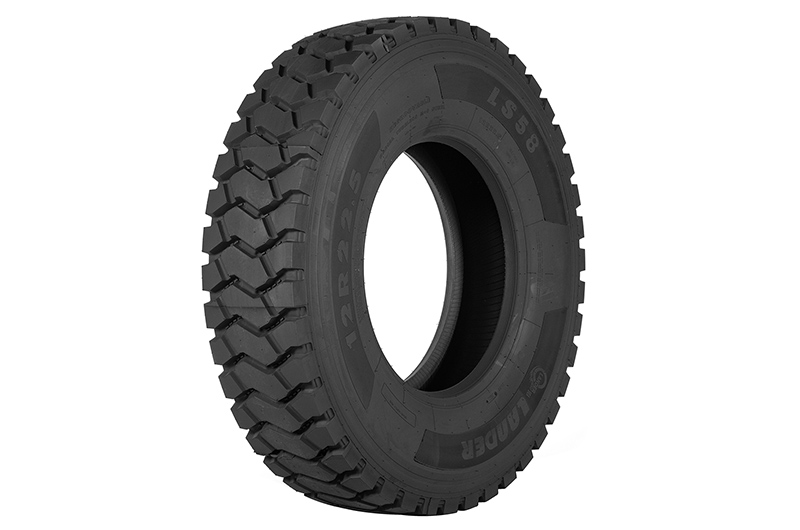
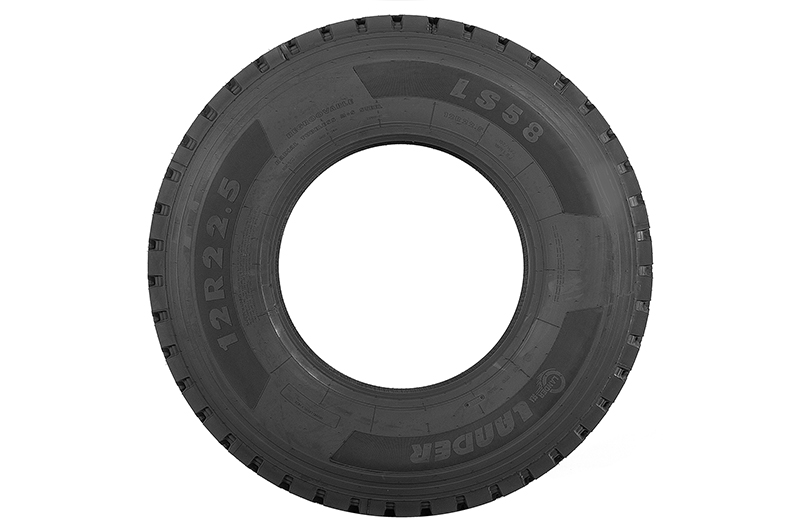
LS58
LS58(1)
LS58
LS58
LS58(1)
LS58

LS58

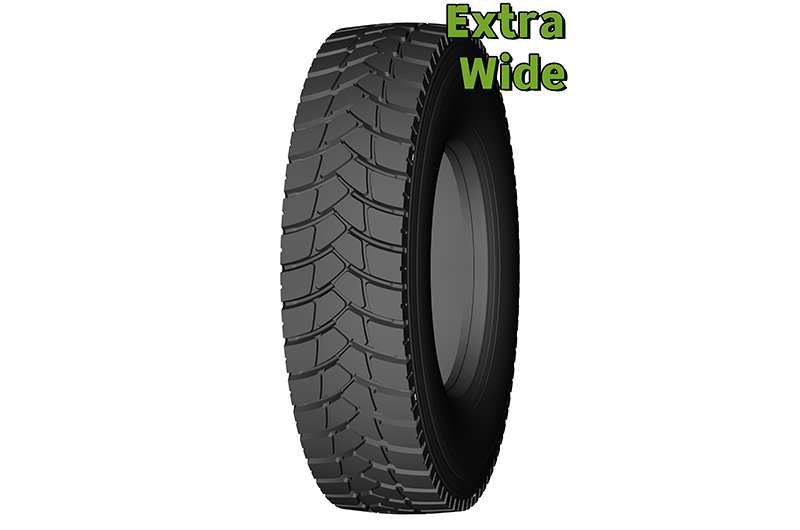
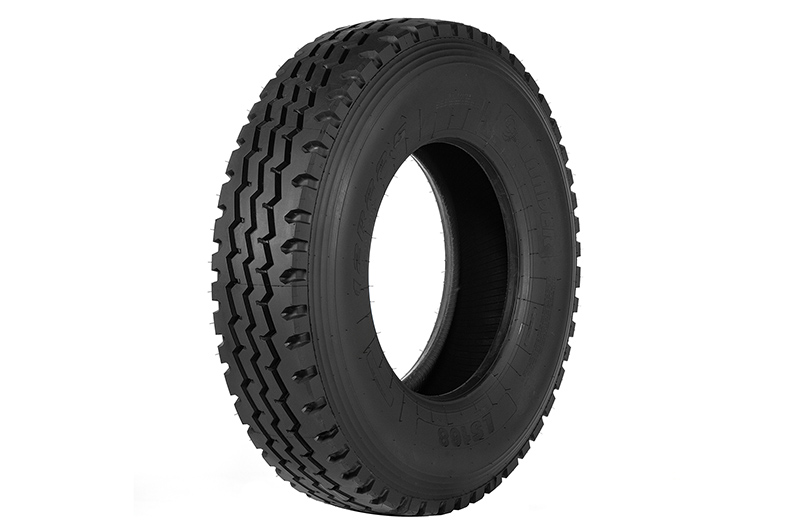
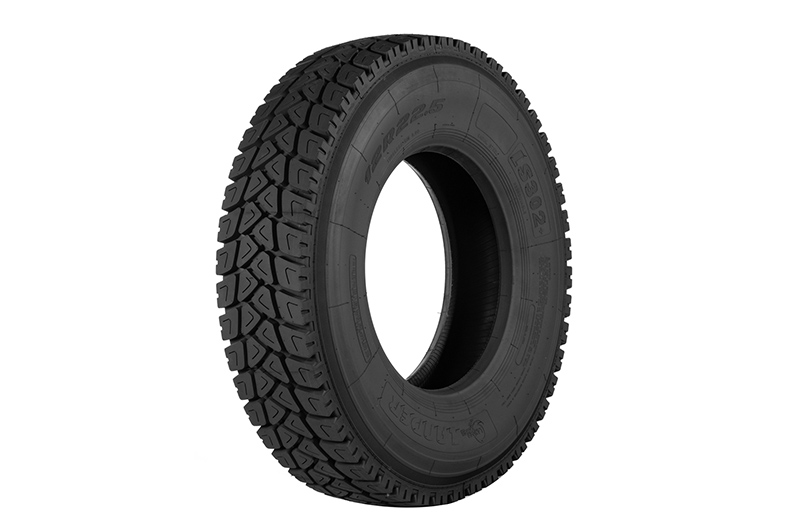
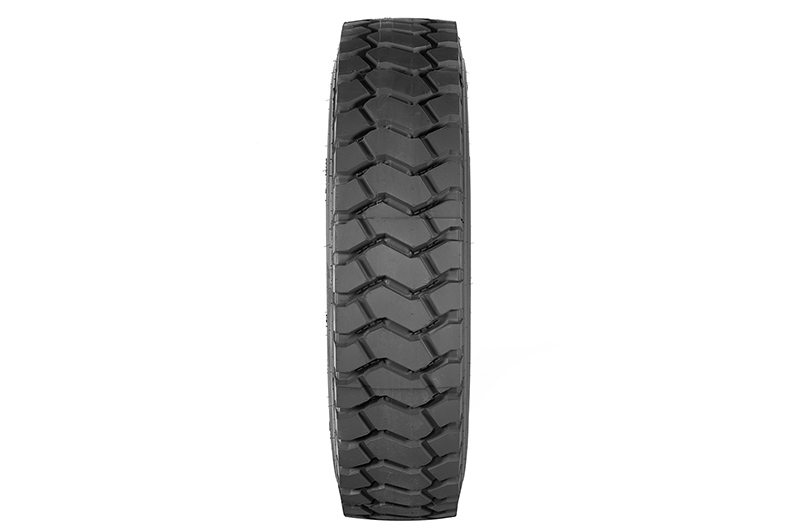
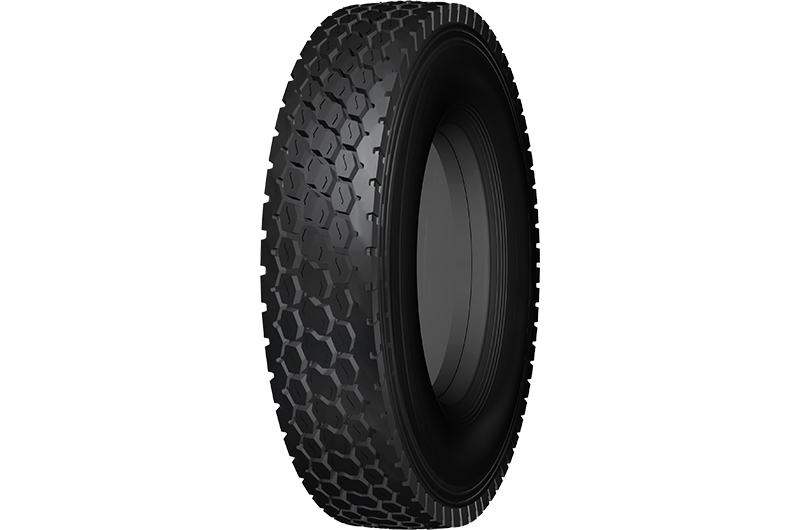
Big block pattern design protect against wear,cut and tear. Wider tread cap design effectively increase mileage. Special mining compound protect against puncture,chunking and chipping.
Size PR LI SS Standard Rim Section Width Overall Diameter Depth
mm
Single load
Kg
Dual load
Kg
Inflation pressure
kPa
11R22.5 18 148/145 L 8.25 279 1065 19.5 3150 2900 850
12R22.5 18 152/149 J 9.00 300 1085 22.5 3550 3250 930
Latest Product

Check out our Product

View More
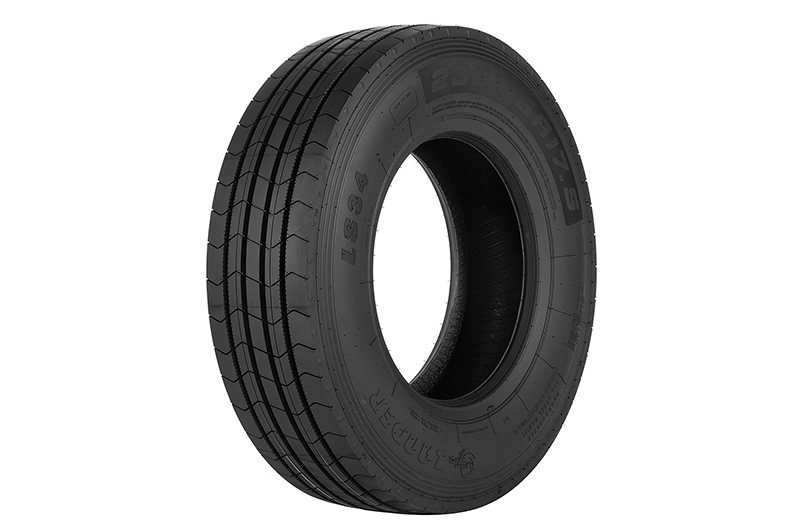
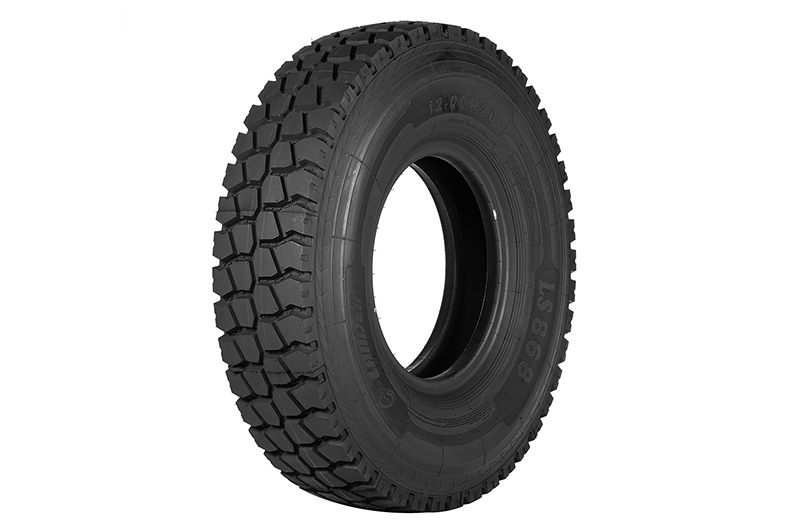
LS868

LS868

Good property of self-cleaning, high gripping performance on muddy road The tire horizontal wide groove design provides strong grip. The truck tire new side panel design is beautiful generous.
Read More
LS669

LS669

Provide excellent anti-skid and handling performance. Effectively increase tire's driving performance, reduce heat generation and improve durability. Reduce tread heat generation, and deliver excellent durability. Provide excellent wear resistance performance.
Read More
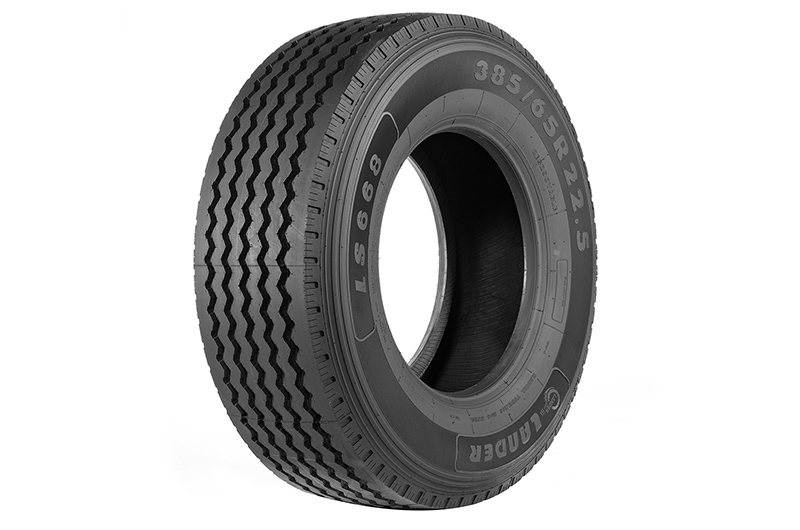
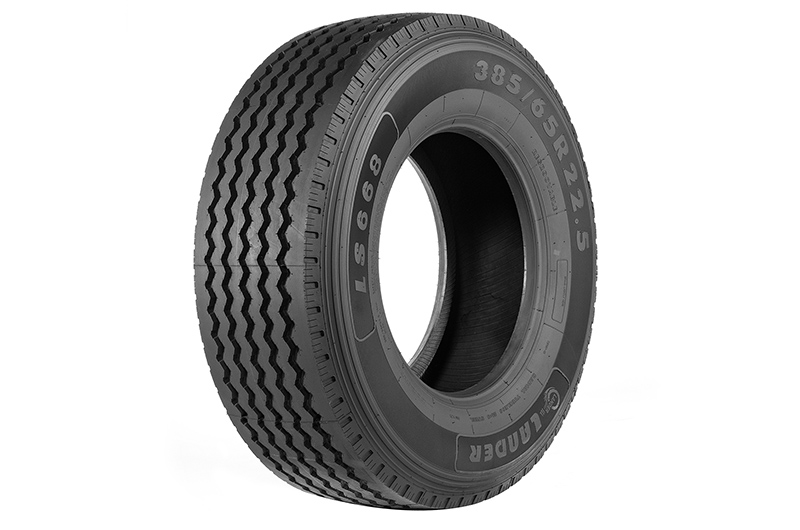
LS668

LS668

Tread with five tortuous groove design, endow excellent anti-skid and handling performance ; Applicable for steering and trailer wheels. With special inserting steel design improving driving performance, excellent lowing heating up of tread, improving endurance performance of tyre. Tread slab base with low heating up, make tread excellent endurance performance.
Read More
LS569

LS569

Fuel saving for low rolling resistance. Excellent traction and grip performance.
Read More
Latest News

Check out our blog posts

View More

11/ June

Importing OTR Tires from China Navigating Certifications, Duty Rates and Pre-Shipment Inspection

Importing of OTR tires from China can provide huge cost savings if properly managed through the necessary paperwork and compliance required. A simple missing stamp or misclassified product can cause a container to be held at the port for weeks and result in additional thousands of dollars in unexpected fees. In 2026, with increased safety regulations as well as ever changing trade policies, importers will view necessary certifications and inspections as part of the buying process and not an afterthought. Practical Guidance for bringing quality Bias OTR tires into China for use by Fleet Operators, Distributors and Construction Companies alike. Why Compliance Has Become Non-Negotiable Safety and quality have become a major concern for more than 95% of all tire imports. Prior to releasing tires into the local market, Customs authorities all over the world want to be provided with suitable proof that the respective tires meet the required safety standards of the respective country. As is usually the case, omitting single steps or deviating from the best course of action is not cost-effective in the long run. One story of misfortune of an importer came from a Construction Fleet Manager in Australia. He ordered a 40ft container of tyres to Australia. On arrival, he was dismayed to find that the tyres did not have the required ECE marking. It took 23 days to sort out the paperwork, and in the meantime, the importer was charged for storage of the container. He said that he would have been much better off had he ordered the tyres from a local supplier as he would have made a saving and there would have been no hassle. Importing goods to Australia takes time, so don’t rush it! Key Certifications You Need for OTR Tires Different markets require different marks. For bias tires for OTR the most important marks are listed below. DOT Certification — Required for any tire entering the United States. The DOT number must be clearly molded on the sidewall. ECE R54 — The European standard covering load capacity, speed rating, and safety performance. Very commonly requested for international shipments. SONCAP — Essential for Nigeria and several other African markets. 3C Certification — Shows the tires meet Chinese export quality requirements. ISO 9001 and IATF 16949 — Demonstrate that the manufacturer follows strong quality management systems. Good quality factories can provide full test reports from accredited labs and corresponding documents are kept in order. This enables for smooth clearing of customs and prevents from being rejected. Understanding Duty Rates and Trade Agreements Countries have different tariff rates and some of these are part of trade agreements. Many importers will benefit from low tariffs in 2026. Standard MFN rates Free Trade Agreements that lower or eliminate duties Section 301 considerations for the US market The accurate classification of goods under the relevant HS code is critical. Because Bias OTR tires are distinguishable from other types of tires such as passenger tires and truck tires for customs purposes, incorrect classification of goods could result in over payment of duties or even the initiation of an anti-dumping investigation. Utilizing the services of an experienced customs broker well versed in the world of tires can help to prevent very costly errors. Pre-Shipment Inspection: Your Safety Net Never ship a large container of bias tires for OTR without a proper third-party inspection. A good inspector will check for the following: Correct size, pattern, and load ratings Proper sidewall markings and certifications Random sampling for physical quality and defects Packaging strength for ocean transit A mining supplier in South Africa discovered a production batch of tires were not all produced with the same tread depth during their pre-shipment check. They were able to correct this at the factory of origin for a fraction of the cost it would have been to deal with rejected tires at destination. Step-by-Step Import Process That Works Supplier Selection — Verify certifications, request recent test reports, and ideally visit the factory. Clear Contract Terms — Specify exact certification requirements, inspection clauses, and responsibility for documentation. Production Monitoring — For large orders, consider a mid-production check. Pre-Shipment Inspection — Hire an independent company to verify the full shipment. Documentation Package — Commercial invoice, packing list, bill of lading, certificate of origin, and all certification files. Customs Clearance — Partner with a broker familiar with tire imports. Special Considerations for Bias Tires for OTR Heavy and oversized Bias tires for earthmovers, loaders, graders etc. require special care during transportation and can be classified in different Tariff numbers than normal tires. The supplier must be aware of the specific technical requirements for your equipment and operating conditions. A lot of operators like the bias construction as it has strong sidewalls and good puncture resistance for operation in rough mining or construction environments. When purchasing import tires make sure they are rated for the actual load and operating conditions. Common Pitfalls and How to Avoid Them Incomplete certificate of origin Mismatched HS codes Weak packaging that fails during sea transit Last-minute certification problems Underestimating total landed cost Many importers who order products regularly create a standard checklist for each order, and they have established good relationships with their factory contact and their logistics team. Real Results from Proper Planning A Port Equipment Operator from the Middle East switched to a reliable Chinese supplier after having a few poor experiences with other suppliers. The supplier maintains the full certification files and carries out pre-shipment inspections on a consistent basis. As a result the Customs Clearance time has reduced from an average of 18 days to only 4 days. The operator also reported a reduction of 26% in tire cost per hour with improved equipment uptime. QINGDAO LANDER-SKY TYRE CO., LTD as a Tyre Manufacturer   QINGDAO LANDER-SKY TYRE CO., LTD is a well-established tyre manufacturer, specializing in the design, development, manufacturing and marketing of high quality TBR, OTR and bias tyres for specific applications and markets. We utilize modern manufacturing plant and the most stringent quality control measures to consistently provide our customers with high quality tyre products that offer reliable performance and durability. MFG Tire is experienced in both radial and bias tire technology and can provide very practical solutions for customers involved in construction, mining and transportation. Many of their customers are fleet operators or distributors and come back to MFG time and time again. This is because the tires they sell are able to perform in the most arduous of conditions, and the company is always available to supply and support its customers through the ordering and shipping process. In summary, the company provides a very practical and quality-driven service that provides value to its customers without sacrificing safety or service life. Conclusion While cost effective tires for OTR bias application available in China offer good value for money for 2026 importing could offer even greater value if handled well in terms of relevant certifications and proper accurate documentation and good pre-shipment inspection. This way good value high quality product can be sourced whilst maintaining a good total cost of ownership. It is always worth your time to work with a supplier who has extensive experience. Keeping proper records and making sure that an independent verification is always done is crucial. Importers who treat the process with due respect are consistently rewarded with best long term results and few problems at the customs clearance. FAQs What are the most important certifications when importing bias tires for OTR from China? DOT for the US, ECE R54 for Europe, and SONCAP for certain African markets are among the most common. Always confirm requirements for your specific destination. How can I avoid high duty rates when importing OTR tires? Use correct HS codes, take advantage of any applicable trade agreements, and work with a knowledgeable customs broker who understands the tire industry. Is pre-shipment inspection really necessary for every container? Yes, especially for large orders. It catches quality or documentation issues before the tires leave China and can save significant time and money at destination. What documents are typical for importing of bias tires for OTR? Commercial invoice, packing list, bill of lading, certificate of origin and complete certification files (DOT, ECE etc.). What is the average time required to clear customs for properly prepared OTR tire shipments? Typically 3–7 days for clearance at main ports after full documentation and pre-shipment inspection have been completed. Time may vary by country and depending on port congestion.
Read More
Importing OTR Tires from China Navigating Certifications, Duty Rates and Pre-Shipment Inspection

4/ June

Why Fleet Owners Are Switching to Chinese TBR Tires in 2026

The global transportation and logistics industry is facing new challenges in relation to its increasing operating costs, stricter environmental requirements and maximum usage of the available vehicle fleet. In view of these developments, the tire procurement strategies are undergoing changes in 2026. Instead of sticking to the well-established premium brands on the market, a growing number of fleet operators are now opting for TBR tires from Chinese manufacturers. These offer a unique combination of cost efficiency, durability, latest technology and a reliable supply. Over the last 10 years or so, the production lines of Chinese tire manufacturers have been greatly upgraded through the implementation of ‘smart manufacturing’ as well as innovations in tire rubber compounds, automated quality control, and certifications that are recognized globally. The Chinese TBR tires are able to hold their own against global brands of high caliber, not only in terms of mileage, fuel efficiency as well as retreadability but also in terms of reliability in daily use. Global supply chain restructuring and new cross-border networks of logistics have recently triggered a dramatic growth of Chinese commercial tires’ market share on the territory of North and South America, Europe, the Middle East, Southeast Asia and Africa. The demand for Chinese commercial tires is driven by the interests of a new group of customers – the fleet operators. When choosing between the different types of tires, the key factor for them is the total cost of their ownership (TCO), as well as the ability of tires to be maintained predictively and their long-life performance, as opposed to the brand recognition. China’s TBR manufacturers are now strategic partners to the modern fleet who requires tires to be delivered in a cost effective and flexible manner and who requires support and data to optimize use of the tire and to improve sustainability of transport. This article explains why and presents a case study of Qingdao Lander-Sky Tyre Co., Ltd., a leading manufacturer, and examines what the future of commercial fleet tire management might look like in 2026. What Is Driving Fleet Owners Toward Chinese TBR Tires in 2026? The global commercial vehicle market is undergoing a profound transformation as more and more fleet operators are equipping their trucks with Chinese TBR tires. This shift to Chinese TBR tires is a natural progression of economic rationality, technological maturity and operational optimization in the modern logistics ecosystem of 2026. Economic Factors Influencing Tire Selection With the growing number of fleet operators around the world becoming increasingly cost-driven while at the same time attempting to keep their procurement expenditures down in the long run, tire manufacturers from China are now positioning themselves in the market with cost-competitive tires that create value for customers. For overseas customers, Chinese tire manufacturers are now able to enjoy reduced import tariffs and better trade relations with many countries and regions, facilitating their access to the global market. Qingdao Lander Sky Tyre is one of leading and professional tyre suppliers who provide premium tyres and full service. Since 2013, Lander devotes to designing and manufacturing TBR, OTR, industrial tyres, agricultural tyres and forklift tyres. Due to the large production capacity and high quality products, Chinese manufacturers are able to keep prices competitive while ensuring the products are of good quality and consistent standard. Advancements in Tire Technology from China Innovations in technology have also led to the increased adoption of Chinese TBR tires. Modern TBR tires benefit from new innovations in tire compound and tire construction. Today’s compounds are mixed together to produce a unique tire that has reduced rolling resistance whilst still delivering increased endurance at higher application loads. Improvements in tread compound have also led to increased traction in wet conditions whilst also delivering increased mileage. Innovations in tire manufacturing have also led to increased automation within tire production facilities, allowing for more accurate construction of larger volumes of tires. Many Chinese brands have also integrated the smart tire monitoring system into their products. This system includes sensors installed inside the tire that can measure in real time the tire’s temperature and air pressure as well as the tire’s wear. This system can enable the predictive maintenance of tires, in line with the overall digitalization in the fleet management sector. The Role of Global Supply Chain Dynamics Diversifying the portfolio of suppliers, traditionally used in the tire market, is becoming increasingly important. Use of efficient logistics in transferring goods from major Chinese ports to global distributors and stockists enables the company to maintain delivery times despite changes in the shipping market. Long-term partnerships established by OEMs with Chinese producers of tires for specific applications allow to ensure supplies to operate the fleet on a continuous basis. How Do Chinese TBR Tires Compare to Other Global Brands? Today’s fleet operators can compare tires using tangible performance metrics such as tread mileage, cost per mile, and environmental characteristics. Performance Benchmarks in Real-World Operations Modern Chinese TBR tyres have the same mileage and safety performance as their Western competitors. LS938: Regional application of drive axle. Good grip and traction on various surfaces. Good water drainage and heat dispersion. LS398PRO: Anti eccentric wear. Cost effective. Good brake and drive performance. By using advanced tread geometry TBR tyres from Chinese manufacturers are able to achieve great stability when operating under high loads. At the same time they ensure optimal heat dissipation during long distance driving. Lifecycle Cost Efficiency Analysis Lower purchase price, longer wear life, lower Total Cost of Ownership. Retreadable casings provide extended product life, enabling sustainable fleet management. Predictive maintenance reduces unnecessary tire swaps by advising exactly when service is required – eliminating high cost of premature tire disposal or emergency fix. This results in less fleet idle time and higher productivity for vehicles running on tight schedules. Environmental and Regulatory Compliance Considerations Environmental stewardship is becoming a critical factor in procurement decisions. Certifications such as ECE, GSO, SASO and R117 are in place to ensure that our products meet certain environmental standards. In addition, we have also obtained European and Middle East Gulf certifications to meet market requirements. These certifications are based on international standards such as ISO 14001 equivalents for environmental management systems. Our eco-friendly production processes minimize our carbon footprint by utilizing low-energy vulcanization methods, while complying with local regulations and ensuring regional requirements are met. Why Are Fleet Managers Prioritizing Durability and Reliability? In commercial transportation, the reliability of tires has direct bearing on both the safety of operations and profitability. The Importance of Consistent Performance Across Routes Tires for long-distance fleets on all kinds of roads require good grip on various surfaces and in changing temperatures. Tires with reinforced sidewalls can prevent punctures on gravel and other unpaved roads. Above all, a predictable wear pattern is important for scheduling maintenance in good time. For example, the LS668: Tread with five tortuous grooves offers excellent anti-skid properties and driving characteristics. It is suitable for use on both steering and trailer wheels and is a perfect example of how structural engineering can create tires that are suitable for use on all kinds of mixed routes and last long. Technological Enhancements Supporting Reliability Goals The high tensile steel belts within the joint improve the overall structural integrity of the belt under continuous operating load cycles. The latest advanced rubber compounds are formulated to resist cracking, oxidation and uneven wear under the most severe operating stress factors. Even under highest operating temperatures and moisture exposure the belts are able to perform to maximum capacity. The embedded RFID chips are read by fleet management computer systems to enable precise tracking and monitoring of each belt, enabling operators to adhere to the latest predictive maintenance practices. How Are Chinese Manufacturers Building Global Trust? Chinese tire makers are spending a lot of time and effort to establish brand images and credibility by testing products, opening up their quality control processes and collaborating with other partners from around the world. Quality Assurance Through Rigorous Testing Protocols Our tires have a 3 year warranty. In our production process the last step is the X-ray inspection. The tires are checked in our X-ray laboratory for air bubbles, for pores, for exposed internal wires and other possible defects. Every batch of tires is tested in several steps for load, for the rolling resistance, for the heat generation and for the tread contact as well as for the consistency of the tire in general. Only after successful testing for all mentioned parameters the tires are approved for the markets world wide. Only then they are delivered to the customers. Strategic Collaborations with International Distributors Chinese manufacturers often cooperate with European and American distributors in order to set up after-sales service networks. By means of co-development of products, Chinese manufacturers adjust the technical parameters of the products to meet the requirements of the target market. Moreover, distributors arrange installation training courses for local technicians, which also helps to increase the image of Chinese manufacturers abroad. What Makes QINGDAO LANDER-SKY TYRE CO., LTD a Reliable Supplier? QINGDAO LANDER-SKY TYRE CO., LTD is one of leading industrial companies in Qingdao, China. The Company is specialized in designing and manufacturing of high quality truck tires for different uses. Company Overview and Core Strengths Qingdao Lander Sky Tyre – supplier of high quality tires in premium quality complete with full service. Five production workshops are operating at more than 3,000 square meters. German curing technology is being used. The finest processing quality is being guaranteed right from the processing of the internal treads to the inspection of the finished tires using X-ray diagnostics. With a vast range of products, some are made to travel long hauls (LS23B), travel regionally (LS868), working in mines (LS807) or on/off road (LS899). Our Radial range includes LS868 – a rugged tyre capable of traveling on muddy roads providing great grip. It features a horizontal wide groove design which ensures the tyre is self cleaning. Commitment to Customer-Centric Solutions Our philosophy towards customers is to keep a 100-years long term partnership with them. By keeping this in mind, our promise to the highest quality for each and every order and daily service, a comprehensive warranty program which can be backed up by service teams around the globe that responds promptly to any manufacturing defects or premature wear and tear that could occur to our products and used by clients all over the world. How Will the Shift Toward Chinese TBR Tires Shape the Future of Fleet Management? By 2026 Global Adoption will have shifted enough to require procurement to start buying based on Value as opposed to buying from a legacy vendor. Implications for Fleet Procurement Strategies Consumers are increasingly going to use telematics-driven analytics as opposed to personal preference in choosing between suppliers of truck tires. They will want lifecycle cost analysis that has been transparently produced using digital procurement systems and also be able to see detailed information on the costs of ownership of different tread patterns as the competition between suppliers of trucks is increasingly driving innovations in fuel efficiency as well as in the areas of transport and tire technologies. The latter, in turn, will require optimal tread designs which in future will need to take account of emerging regulations in relation to traction control systems as well as other transport-related issues. The Role of Sustainability in Future Tire Selection Sustainability will become the main driver for decisions of multinational truck fleets on their way to Net Zero. These fleets will decide in favor of tire designs which can be retreaded and which are made of low rolling resistance materials in order to fulfill the carbon reduction targets of international logistics associations. Furthermore manufacturers, who use bio-based materials or energy-efficient curing processes, will get advantages by governments in Green-Certified Markets. Conclusion: The Strategic Advantage of Embracing Chinese TBR Tires in 2026 Chinese TBR tires have found a balance of price, latest technology, durability, and environmental protection. The balance makes Chinese TBR tires very competitive on the market and can meet requirement of modern fleet management that looking for ways to manage risk in today’s uncertain global economy. FAQs About Switching to Chinese TBR Tires 1. Are Chinese TBR tires suitable for long-haul transportation? Yes, many models today such as LS23B are made for long haul with reinforced parts for constant use on highways, long country routes. 2. How do these tires perform compared to premium Western brands? The latest developments have significantly narrowed down the performance gap and currently many models already meet the respective benchmarks for traction, mileage, noise and heat as well as have been approved by global type-approval tests. 3. What kind of warranty or after-sales support is typically offered? Reputable Suppliers such as QINGDAO LANDER-SKY TYRE CO., LTD offer comprehensive warranty against manufacturing defects. Suppliers also offer dedicated technical support teams to service customers globally and are usually listed on the supplier’s official website contact pages. 4. Are there environmental benefits associated with using these tires? Yes. Many manufacturers nowadays use sustainable materials for their tires, combined with low-energy vulcanization, which results in minimum emission during the production. The tire casings can be retreaded multiple times, which extends the tire’s life cycle within a circular economy. 5. How can fleet managers ensure they are purchasing authentic products? Our clients benefit from purchasing from authorized Distributors or from the Official Manufacturer’s Network and they receive complete procurement documentation such as serial numbers or RFID tags embedded in the tire, all managed according to the ISO certified Quality Systems of major companies such as QINGDAO LANDER-SKY TYRE CO., LTD.
Read More
Why Fleet Owners Are Switching to Chinese TBR Tires in 2026

28/ May

How to Choose the Right IND Tires for Forklifts, Loaders, and Warehouse Equipment A Complete Buying Guide

Choosing the right IND tires is essential for maintaining safety, productivity, and operational efficiency in industrial applications.Picking suitable IND tires improves safety at the workplace every day. It also raises output levels. At the same time, this choice helps avoid costly and sudden stops in operations. Whether you handle a busy logistics terminal, manage a construction fleet, or operate a large fulfillment warehouse, your tire selection affects daily work in clear ways. This full buying manual explains all the main points you need to review. It supports you in reaching a wise and cost-effective decision.   What Are IND Tires and Why Are They Important for Industrial Equipment? IND tires represent specialized industrial tires. Makers design them to handle the tough and high-stress needs of forklifts, heavy loaders, and various warehouse machines. These tires stand up to the specific mechanical pressures that heavy equipment faces. Such vehicles work long hours in fields like warehousing, material handling, construction, and manufacturing. Their build differs from regular car tires. They come with strong bodies. These structures carry heavy loads and fight quick wear during extended shifts. Key Characteristics of IND Tires They use reinforced sidewalls. These help support large static and dynamic weights. They feature specific tread designs. These provide steady traction on wet concrete, loose gravel, or uneven outdoor areas. They rely on custom rubber mixes. These resist wear from abrasion, heat buildup, and sharp objects that cause punctures. Industrial tires depend on tough internal structures. These designs manage big loads while the equipment stays stable during turns and lifts. Moreover, the rubber blends in the treads offer good grip on rough spots. Thanks to these traits, the tires play a key role in keeping balance across different and changing work settings. The Role of IND Tires in Equipment Performance Choosing proper IND tires lifts both safety and machine performance. They help heavy vehicles keep firm contact during lifts or loading tasks. By cutting down on slippage, these tires give operators stronger control in wet or rough zones. In addition, better rolling resistance lowers energy consumption. This benefit applies to electric warehouse fleets as well as machines with internal combustion engines. Heat buildup presents a constant risk in these settings. For this reason, good rubber compounds reduce downtime from overheating or tread issues. How Do You Match Tire Types to Specific Equipment Applications? Finding the best tire type calls for close review. You need to link the tire structure to the actual conditions where your forklifts, loaders, or warehouse equipment works. Each machine puts unique stresses on its tires. These forces shape how the tread wears and how well traction holds. Tire Options for Forklifts Pneumatic Tires: These work well in outdoor areas. Operators gain solid shock absorption on uneven ground. For example, the LS658(PNEUMATIC) shows a versatile pattern. It performs across many industrial jobs. This option fits traditional forklifts, heavy-duty fork trucks, and industrial towing tractors. Solid Tires: These suit tough indoor spaces where puncture protection counts most. A good solid forklift tire applies modern construction. It mixes premium nylon with natural rubber. This combination handles hard use without going flat. Cushion Tires: They have compact profiles. This feature allows smooth and exact moves inside tight warehouse spaces. Tire Options for Loaders Heavy wheel loaders need strong sidewalls. These must endure hits from rocks, debris, or rough unpaved ground. Bias-Ply Tires: They deliver rigid sidewalls that fight deep cuts. This choice offers good value for short-distance heavy lifting. Radial Tires: They supply better traction and heat release. They fit machines that run longer distances outdoors. The LSB7 model serves heavy wheel loaders, industrial scrapers, and other large vehicles. It targets harsh places like underground mining areas or tight tunnels. It brings an 8% gain in tread depth. This leads to stronger puncture resistance. Tire Options for Warehouse Equipment Indoor warehouse settings focus on clean floors and precise control. Non-Marking Tires: These stop floor stains and black marks. They appear often in clean industries such as food processing and pharmaceuticals. Polyurethane Tires: They last long and stay lightweight. They fit electric pallet jacks and reach trucks on smooth concrete floors. What Factors Should Be Considered Before Purchasing IND Tires? Selecting the correct IND tires involves checking several operational details. Look at load ratings, surface conditions, possible hazards, and your team’s ability to handle maintenance. Load Capacity Requirements Always check the official load ratings from the maker. This step prevents unsafe overloading. Fleet teams should calculate static weight during high lifts and dynamic weight during movement. Putting too much load on a tire creates extra heat inside. This stress weakens the rubber and shortens service life. Surface Conditions and Environment The choice between indoor and outdoor work decides the tread pattern. Smooth indoor concrete needs shallower treads. These lower rolling resistance and save energy. Rough outdoor areas require deeper lugs. These dig into soil for grip. If tires meet chemicals, oils, or high heat, pick rubber mixes built to resist that damage. Maintenance Expectations Solid tires cut daily checks because they never go flat. Yet they pass more vibration to the machine and operator because of their firmness. Pneumatic tires need regular pressure monitoring. In return, they offer a smoother ride on broken surfaces. How Can Proper Tire Selection Improve Operational Efficiency? The correct IND tire choice drives productivity. It strengthens equipment life and cuts expensive downtime in all industrial areas. Reducing Downtime Through Durability Strong rubber compounds resist wear from rough concrete or gravel. When you select puncture-resistant models, you lower how often tires need replacement. This advantage shows clearly in ports, recycling centers, or construction sites. Regular care further stretches tire life and improves reliability. Enhancing Operator Comfort and Safety Effective shock absorption reduces fatigue over long shifts. Strong grip stops skids when carrying elevated heavy loads. Thicker sidewalls add comfort. They smooth out bumps and keep stability during lifts. Why Partner with QINGDAO LANDER-SKY TYRE CO., LTD for Your IND Tire Needs? QINGDAO LANDER-SKY TYRE CO., LTD holds a solid name as a global manufacturer. They focus on high-performance industrial-grade tires for forklifts, heavy loaders, skid steers, and warehouse machinery. As a leading tyre supplier, Qingdao Lander Sky Tyre commits to premium tyres and reliable service. Since 2013, Lander has concentrated on the design and production of TBR, OTR, industrial tyres, agricultural tyres, and forklift tyres. Their range includes solid press-on bands like the LS659(SOLID), pneumatic versions like the LS658(PNEUMATIC), and non-marking options for clean facilities. They also provide deep-tread models like the LS801. These deliver stability under heavy loads. The LS801 shows a deep tread with larger blocks. This design creates strong grip, stability, and cut resistance. The Raw Material Selection → Refining & Calendering → Forming & Vulcanization → Quality Inspection → Global Distributionhese cover more than 3,000 square meters. They include advanced equipment for refining, calendering, forming, vulcanization, and inspection. Lander applies tight quality checks on raw materials. They combine this with modern tools to ensure high standards in every batch. Their support extends past the sale. They provide a three-year warranty. This policy builds customer confidence. Their approach values after-sales service above new orders. This view supports their strong reputation. Today, Lander reaches more than 50 countries. Markets include the Middle East, Southeast Asia, Latin America, and Africa. A responsive technical team offers custom advice for each machinery type. What Are the Common Mistakes When Choosing IND Tires? Even skilled buyers can make basic errors. These issues hurt long-term efficiency if key details get missed. Overlooking Operating Environment Variables: Using outdoor treads on smooth indoor floors raises rolling resistance. This wastes fuel or battery power. On the other hand, indoor tires on outdoor ground wear fast and slip on unpaved spots. Ignoring temperature changes speeds up degradation and leads to early failure. Focusing Solely on Price Instead of Total Cost of Ownership: Low-cost tires may seem cheap at first. Yet they often need quick replacement due to weaker materials or low load ratings. Premium compounds last longer. They cut total costs by avoiding frequent downtime. Conclusion Selecting the right IND tires stands as a key decision. It affects safety standards, energy use, and cost control over time. The proper choice also lengthens machine life in industrial settings. Calculate your load needs, study the terrain, and consider maintenance limits. These steps lead to better decisions. Working with a trusted maker like QINGDAO LANDER-SKY TYRE CO., LTD brings dependable results. Their products suit standard forklifts, heavy loaders, or skid steers such as the SKS-5 or SKS-6 series. For instance, the SKS2 mini-loader tire features an extra-deep tread. It suits tough construction work and offers good traction plus self-cleaning. Businesses protect operations and reduce delays through smart choices. Every tire meets rigorous quality systems and holds certifications like ECE and DOT. FAQs How often should IND tires be inspected? Perform visual and physical checks every 250 operating hours or at least monthly. Early detection of cracks or pressure loss prevents bigger problems. Can the same type of IND tire be used across different machines? Some models offer versatility. The LS801, for example, fits several loader setups. Still, match each tire to its main application. This ensures the best mix of traction and support. What indicators show it’s time to replace an IND tire? Watch for deep sidewall cracks, worn tread that causes slip, or extra steering vibration. These signs point to internal issues. Replace the tire right away following safety guidelines.
Read More
How to Choose the Right IND Tires for Forklifts, Loaders, and Warehouse Equipment A Complete Buying Guide

21/ May

How are OTR tires manufactured and what are tire compounds

The making of Off-The-Road (OTR) tires involves several key stages. It combines material science with careful manufacturing oversight. This approach helps create tires that offer strong durability, good grip, and solid performance in tough settings. Every step in the process aims to fit the needs of demanding areas like mining, construction, and port operations.   Raw Material Selection and Preparation The base of OTR tire production starts with picking materials wisely. Natural rubber gives bounce and toughness. Synthetic rubber boosts resistance to wear. Materials for strength, such as steel cords or nylon fabrics, get ready to hold up against heavy weights. Chemicals like carbon black, sulfur, and antioxidants get measured exactly. They help increase resistance to wear and keep heat stable while the tire works. Mixing and Compounding Process During this part, rubber parts blend in mixers inside. Temperature and pressure stay under watch. The mix goes through rolling to spread fillers and additives evenly. Checks for quality look at things like thickness, weight per volume, and stretchiness. These tests happen before moving on. Such steps ensure steady results from one batch to another. This is vital for big tire runs. Building the Tire Structure Workers build the main body by stacking rubber sheets that have been smoothed with fabric or steel supports. They add bead wires to keep a firm hold on rims. This holds true even under great pressure from loads. The tread design gets chosen based on what the job needs for grip. For example, patterns suit loaders like the LSB7 Smooth. That one has an extra deep tread for loaders, scrapers, and other machines in underground mine paths. Or for port gear, such as the LSB3. This model uses special building with very deep tread, great load capacity, and a long working life. Curing and Vulcanization The uncured tire goes into a mold. Heat and pressure start the vulcanization. This change turns the soft rubber mix into a springy but strong form. It can handle bending stress well. While curing, the tread shapes get set in place. This leads to the best grip on various grounds, from wet mud in quarries to hard rocks in mines. Inspection and Quality Control Every completed OTR tire faces strict checks. These include X-ray scans to confirm the inside is sound. They also test size accuracy, even balance, and outer surface quality. Only then do tires get cleared for shipping.   What Are Tire Compounds and Why Are They Critical? Tire compounds shape how an OTR tire acts in certain work spots. They affect hold, heat release, resistance to cuts, and total lifespan. Composition of Tire Compounds A common OTR tire compound mixes natural rubber for bendiness with man-made polymers for control over scraping. Fillers like carbon black or silica build pulling strength. At the same time, they cut down on rolling drag. Add-ons such as oils and waxes adjust the mix of hardness and stretch. This depends on if the tire will run in mine holes or port yards. Types of OTR Tire Compounds Based on Application Heat-Resistant Compounds These mixes work best for fast moves or long trips. There, steady rubbing builds up warmth. They stop breakdown from heat by keeping links steady in the tread base. Cut-and-Chip Resistant Compounds Builders design these for rough spots like stone pits or open mine areas. Think of places where machines like loaders and dozers face very rocky ground. The LSA8 fits there. It offers top sidewall protection from cuts and a deeper tread depth. Such compounds stand up to rips from sharp points. Cold Weather Compounds These use polymers that stay soft in freezing cold. That way, they provide sure grip. They do this without weakening the main tire body during winter work. How Do Manufacturing Techniques Influence Compound Performance? New manufacturing methods play a direct role in how compounds hold up in actual use. Precision Mixing Technology Today’s sealed mixers allow even spread of parts at a tiny scale across polymer links. This avoids soft spots that might cause early breaks or uneven rubbing off. Controlled Curing Systems Auto-run vulcanization setups manage heat levels across molds. They keep link thickness the same in side parts and tread zones. This matters for fair spread of force during repeated loads. Real-Time Quality Monitoring Systems Built-in digital tools watch pressure changes and curing time for each run. They help keep the compound strong over many units made each month. How Does QINGDAO LANDER-SKY TYRE CO., LTD Ensure Reliable OTR Tire Supply? We apply tough rules for checking raw materials. Plus, we use top-notch gear for making. This guarantees very high quality. Our tires reach more than 50 countries worldwide. That covers the Middle East, Southeast Asia, Latin America, and Africa. Their setup for shipping handles quick sends. It works even when markets shift. The firm’s five work areas span over 3,000 square meters. They bring together steps like refining, smoothing, shaping, heating, and last checks. All this uses modern machines. Their range covers radial types like LSB8. This has a special toothed design in the shoulder for handling mud and sand in beach-like areas. It also includes slanted builds like L-5. That one gives extra deep tread for strong defense against rock damage. This variety lets QINGDAO LANDER-SKY TYRE CO., LTD offer fits for many fields. From dirt movers in mine spots to levelers on blended ground paths. What Are the Emerging Trends in OTR Tire Materials? Changes in polymer work are changing how makers handle green practices. At the same time, they keep the needed toughness for hard jobs. Sustainable Material Integration Rubbers from plant sources now match the power of oil-based ones. But they leave a smaller mark on the earth. This path fits with worldwide green aims. Firms like Lander Sky Tyre follow it. Nanotechnology Applications in Compounding Tiny silica bits boost defense against wear. They do this with less amount than old carbon black ways. This step cuts energy loss in rolling. Thus, it aids fuel savings. Grip stays strong. Smart Tire Technologies Sensors built inside track heat changes or air levels right away. They allow plans to fix issues early. This spots odd signs before the build tires out. It cuts stop times for users. Conclusion: The Engineering Behind Reliable OTR Tires The work behind today’s OTR tires joins exact mix science with auto build care. It starts from blending base parts through watched heating rounds. It ends with digital checks that confirm perfect build soundness. Each part sets how well the tire runs under great force loads. These loads hit trucks or loaders around the world. Groups like QINGDAO LANDER-SKY TYRE CO., LTD show this blend well. Their top setups meet world standards like ECE and DOT. They back this with a three-year promise. It comes from trackable quality steps. FAQs What makes OTR tire compounds different from regular tire compounds? OTR mixes have more filler shares. They also use special stretch materials made for lasting under hard strain. This differs from car tires. Those focus on ease over balance. How often should OTR tires be inspected during operation? How often to check relies on how rough the site is. Weekly looks work for usual runs. But daily ones suit mine areas. There, watch tread rub signs or side wear hints. Tools like heat imaging help spot them if on hand. Can custom compounds be developed for specific site conditions? Yes. Makers like QINGDAO LANDER-SKY TYRE CO., LTD team up with buyers. They craft special mixes for odd work setups. This includes wild heat or rough grounds.
Read More
How are OTR tires manufactured and what are tire compounds

14/ May

Advantages and Application Scenarios of Agricultural Bias Tires

Bias tires have long served as a key part in farming equipment because of their strong build and low price. The slanted layer setup and tough body structure fit them well for tough farm areas. In those places, lasting power and grip matter a lot. Structural Characteristics of Bias Tires The solid build of bias tires comes from their many-layer slanted setup. Several rubber layers sit at an angle over one another. This forms a crossing pattern. It boosts the side wall power and general stiffness. Such a setup spreads out pressure in an even way across the tire. It cuts down on bending when heavy weights press down. The heavy body build gives good defense against holes and slices. This keeps steady work even in rough farm spots full of rocks or plant bits. Plus, the strong edge setup keeps things steady during big weight-carrying jobs. That matters when tractors or harvesters pull heavy tools. Performance Benefits in Agricultural Applications Bias tires give strong hold on bumpy and loose dirt areas. This happens because of their deep groove blocks and solid side walls. They cut down a lot on sliding in tough farm tasks like plowing, tilling, or harvesting. Their better weight-holding power lets machines such as tractors and harvesters work well. They do this without too much tire damage or bending. These traits turn bias tires into a great pick for farmers who want steady work at a fair price. How Do Bias Tires Enhance Efficiency in Different Agricultural Environments? Farm lands change from soft wet fields to hard rocky hills. They need tire tech that can adjust. Bias tires bring bendability and toughness. These turn into better work flow in many farm settings. Performance on Soft or Muddy Terrains The deep groove designs on bias tires allow good self-cleaning traits. They push out mud and junk as the tire turns. This keeps a steady hold. It also lowers stop time from tire sliding. That kind of work helps a lot in damp rice fields or dirt full of clay. There, losing grip can slow down output badly. Take the R1 basic traditional farm tire pattern, for instance. It shows great hold on various ground types. The R1 pattern’s setup promises solid self-cleaning power. This matches just right with the needs of wet ground areas. Durability in Harsh Field Conditions Builders made bias tires to handle rough job settings. These include rocks, plant leftovers, and junk often found in farm lands. Their stiff side walls stop bending under strong twist forces from mighty farm motors. This build strength leads to a longer use time. It drops how often you need to swap them out. It also lowers total upkeep costs. Puncture, anti-aging resistance provides long service life. Such lasting power makes sure bias tires keep top work even after long time in rough spots. In Which Types of Agricultural Machinery Are Bias Tires Commonly Used? Various farm machines need certain tire features based on job needs. The low cost and power of bias tires make them fit for use in many machine types. Tractors and Plowing Equipment Tractors depend a great deal on steady hold during deep soil turning tasks. Bias tires supply the needed grip. At the same time, they hold up heavy tools without too much damage. Their firm build fits them for both front and back wheel setups. This keeps even weight spread during farm work. This AGR tire is suitable for large range of agricultural vehicles such as tractors, harvesters, implement vehicles, trailers and so on. Harvesters, Sprayers, and Trailers Harvesters and sprayers work on bumpy ground. For them, steadiness counts a lot. Bias tires keep things level even with heavy weights on rough land. They give even weight spread. This improves handling. It also brings reliable work at normal move speeds between fields. ldeal tires for modern farming, suitable for both on and off-the-road applications. Their short-height build gives high weight hold with little dirt pressing. That is a key trait for keeping dirt quality during many field trips. How Do Bias Tires Compare with Radial Tires in Agricultural Use? Bias and radial tires both play important parts in farming. Yet they differ in basic build ideas and the work traits that come from them. Design Differences Between Bias and Radial Structures Bias tires have layers that cross each other. This boosts hardness but slows heat release when compared to radial types. On the other hand, radial tires use layers that sit straight across. They have bendy side walls. These let heat control better during long work times. Radial builds raise ease and gas savings over far trips. But bias types do best where lasting power under pressure stands out most. Performance Trade-offs in Practical Use Bias tires do better than radial ones in close-range, slow jobs that need firm side wall help. Those are common in soil turning or crop picking work. On the flip side, radial types work better for far hauls because of less roll drag. So, picking one relies mostly on ground kind, job heaviness, and speed needs in each farm setup. Why Choose QINGDAO LANDER-SKY TYRE CO., LTD as a Supplier of Agricultural Bias Tires? When getting top-grade farm bias tires for pro farming jobs around the world, QINGDAO LANDER-SKY TYRE CO., LTD shows as a trusty teammate. People know it for tech skill and a focus on customer needs. Company Strengths and Product Advantages Qingdao Lander Sky Tyre is a leading tyre supplier committed to premium tyres and full service. Since 2013, Lander has focused on the design and production of TBR, OTR, industrial tyres, agricultural tyres, and forklift tyres exported to over 50 countries worldwide across multiple regions including the Middle East, Southeast Asia, Latin America, and Africa. We have a total of 5 production workshops in an area of over 3,000 square meters. The process starts with inside refining. It goes to last checks. They use new tech like X-ray lab tests for flaws such as air pockets or bare wires. This makes sure each item hits strict quality rules before it ships out. Their corporate philosophy emphasizes long-term partnerships built on trust: We uphold the spirit of a 100-years partnership with every customer. Furthermore,We offer a three-year warranty. This promise shows their focus on steadiness past first buys. In terms of product diversity,We have Truck tyres, Off the road tyres, Agriculture tyres, Industrial tyres, And forklift tyres. Among these offerings are specialized bias models such as R1 basic traditional farm tire pattern has excellent traction performance on different kinds of surfaces designed specifically for tractors or harvesters requiring robust field endurance. Their certifications—including ECE, GSO, SASO, R117—further validate compliance with international standards demanded by global markets.We also obtained European and Middle East Gulf certifications based on market demand. Conclusion: The Ongoing Value of Bias Tires in Modern Agriculture Farm bias tires keep big worth in today’s machine-based farming setups. This comes from their tested mix of lasting power, hold skill, low cost, and fit for different grounds. Radial tech brings new ways to boost work flow in set spots. Still, bias builds stay key where tough dependability comes first over long trip savings. This keeps steady output year by year. FAQs About Agricultural Bias Tires What factors should be considered when selecting bias tires for agricultural use? Main points to think about cover dirt kind, like sandy against clay. They also include weight needs set by linked tools or load spread ways. Speed limits from machines play a role too. Ground unevenness matters. So does machine type, such as tractor against harvester. Each point shapes the best groove pick. It aims for top work flow. At the same time, it cuts damage levels over use periods. How often should agricultural bias tires be inspected or replaced? Regular checks every 100 work hours spot early clues like splits or bend shapes that show inside layer tiredness. You must swap them when seen groove depth drop hurts hold work. This risk grows a lot in damp spots where slide chances rise fast. Are bias tires suitable for both small-scale farms and large commercial operations? Yes, the build scale in bias tire making lets farmers from tiny plots that focus on low cost to big machine outfits that stress lasting under steady jobs all gain the same. They get from strong build perks plus easy-to-handle spend costs. This makes them fit-all fixes in all levels of today’s farm business setups. Those aim at green-led output rise paths.
Read More
Advantages and Application Scenarios of Agricultural Bias Tires

8/ May

Future of TBR Tires Key Trends, Technologies, and Innovations in Commercial Trucking

As the commercial trucking industry advances, technology keeps reshaping how TBR (Truck Bus Radial) tires handle tough conditions. The addition of clever sensors, better materials, and linked systems is changing tire management. It shifts from a simple reaction-based method to a forward-looking one based on data. Smart Tire Technology and Data Integration Smart tire setups now have built-in sensors. These sensors track things like pressure, temperature, and tread wear right away. Such details help fleet managers spot problems early. They catch issues before they turn into expensive failures. Tools using artificial intelligence for prediction also allow better planning of upkeep routines. This cuts down on stoppages and stretches tire durability. Links between tires and telematics setups let data flow smoothly across whole fleets. As a result, it boosts safety, fuel savings, and clear views of operations. Advanced Materials and Manufacturing Processes Today’s TBR tires gain from fresh ideas in rubber makeup and build design. New mixes are created to cut rolling resistance. At the same time, they keep strength under heavy weights. Stronger steel belts improve the tire’s frame. This helps especially in long trips and tough jobs. Eco-friendly making methods, like using materials that can be reused and low-energy heating, lessen harm to the environment. They do this without hurting how well the tires work. From inside refining, to rolling out layers, shaping, heating, and last checks, we handle every part with top tools. This careful way makes sure steady quality in each batch. What Market Trends Are Influencing the Demand for TBR Tires? The worldwide market for trucking in business is changing quickly. Reasons include tougher rules on the environment, changing fuel costs, and rising calls for green practices. These changes affect how fleets pick tires. They focus on how long tires last and their effect on nature. Growth of Long-Haul and Regional Transport Sectors Growing delivery networks push the need for tires that last many miles. These TBR tires must endure lots of road time. For shorter routes, models need good grip and fuel savings. They also require dependability on different grounds. Fleets want flexible tire styles for both main roads and varied paths. Makers are putting money into research here. The Push Toward Sustainability and Green Logistics Being kind to the planet now shapes buying choices in trucking. Tires with low rolling resistance help cut CO₂ output. They do this by making vehicles use less fuel. Programs to reuse old treads make tires last longer. This also lowers trash. Many makers put funds into natural raw stuff to match world eco rules. How Will Electric Trucks Impact TBR Tire Design? Moving to electric trucks brings fresh build hurdles for tire makers. This is because of changes in power delivery, weight spread, and needs for energy savings. Adjusting to Higher Torque Loads and Instant Acceleration Electric power systems give quick power bursts. This adds strain to tire surfaces during speed-ups. To fight this, builders are making tougher side parts and better tread shapes. These resist bending under fast weight shifts. Improved stick materials keep good hold even with strong power pulls. Managing Weight Distribution and Energy Efficiency Battery units add a lot of weight to vehicles. So, tires need firmer inner builds to carry loads. Smart tread plans help lower rolling drag. This matters a lot for getting more distance on one charge. Side designs that cut air drag are getting notice too. They can slightly boost energy use on long drives. Why Is Predictive Maintenance Becoming Essential for Fleet Operators? Predictive maintenance marks a big change. It moves from set-time fixes to active care based on live data checks. Integration of IoT-Based Monitoring Systems Platforms using IoT gather tire data non-stop from each one in a fleet. Spotting odd signs early, like air leaks or uneven rubbing, lets workers plan fixes ahead of breaks. Auto warnings make upkeep flows smoother. Cloud views pull info from many vehicles into useful tips. Cost Reduction Through Lifecycle Management Predictive upkeep cuts out needless swaps. It shows exactly when action is needed. This accuracy drops costs from early throws or sudden fixes. Data-based life handling also tunes spare stock amounts. Plus, it makes sure full use of every tire’s time. In turn, this raises profits for big fleet runners. How Is QINGDAO LANDER-SKY TYRE CO., LTD Supporting the Evolution of TBR Tires? Qingdao Lander Sky Tyre stands as a top tire provider. It focuses on high-end tires and complete help. The firm has built a solid name as a trusted ally. It pushes TBR tire progress through fresh designs based on new ideas, tight quality checks, and service plans centered on buyers. These match what world markets need. Commitment to Quality and Innovation We keep tight watch on raw stuff quality. We use cutting-edge making gear to ensure very high standards. Ongoing funds in research lead to gains in grip, distance boosts, and fuel cuts in various lines. Examples include LS938 for area drive parts or LS23B made just for long-trip steering needs. We provide a three-year warranty. This shows strong belief in lasting power. It also builds faith with sellers around the globe. Global Reach and Customer Support Excellence Our tyres reach more than 50 countries worldwide. This covers spots like the Middle East, Southeast Asia, Latin America, and Africa. A strong sales web keeps steady supply lines, even in shaky delivery times. Special tech help groups guide buyers in picking best setups. These fit exact work settings, from far freight paths to city mix routes. Thus, they ensure top work results always. What Does the Future Hold for TBR Tires in the Trucking Industry? As tech links with electric shifts in delivery setups, TBR tires move to brighter builds. These mix built-in smarts with nature-friendly plans. Emerging Focus Areas in Tire Development Tools using AI for mock runs allow great accuracy in tread shape tweaks. They base this on guesses of road contacts. Materials that can be reused will stand out more. This fits as loop economy ways become normal in making fields. Key ties between tire firms and data system providers will speed up new ideas. They blend build know-how with live work checks. Conclusion: Driving Forward with Smarter Tire Solutions The growth of business trucking relies much on how its base parts, like TBR tires, adjust to tech shifts. Makers like QINGDAO LANDER-SKY TYRE CO., LTD show this change well. They stick to steady gains, green making ways, and buyer-focused new ideas. These line up with aims for future movement in world markets. FAQs Q1: What distinguishes TBR tires from other commercial truck tires? TBR (Truck Bus Radial) tires use radial builds. This gives better heat release, stronger steadiness at fast speeds, better fuel use, and longer tread time than old slanted types often seen in past fleets. Q2: How can fleet operators maximize the lifespan of their TBR tires? Regular looks combined with right air levels, line checks, steady turn routines, and use of forward watch tools greatly lengthen service time. They also keep safety rules across all units in a fleet. Q3: Are sustainable materials becoming standard in modern TBR tire production? Yes. Many makers now add natural rubber types with reused steel lines into their lines. They use low-waste heat methods that follow world green rules. This happens without losing the strength or trust levels that pro trucking needs everywhere.
Read More
Future of TBR Tires Key Trends, Technologies, and Innovations in Commercial Trucking
Home
WhatsApp
Email
Contacts