18/ September
Truck Tire Load Ratings: Read TBR Specifications Before Ordering
An order that says only “18PR truck tires” leaves an important question open: which size and load specification? Truck tire load ratings need to be read with the exact size, single or dual configuration, and stated operating conditions. For TBR buyers, the practical starting point is the complete product row, followed by confirmation against the vehicle and wheel requirements.
Before approving a replacement, collect the load index, capacity, corresponding pressure and rim information together. Treat the examples below as a way to read a specification sheet, not as permission to fit a tire to a particular truck.
Read the Rating Fields as One Specification
Start your truck tire load ratings review by separating the labels. Keep the manufacturer’s wording alongside each value while you compare quotations.
Load index and maximum load
A load index is a code for capacity under specified speed and service conditions; it is not a kilogram value. The USTMA commercial truck and bus tire guide explains this relationship. Record the speed symbol with the index, then check the stated capacity.
Ply rating and the limits of a strength label
Ply rating, often shortened to PR, does not necessarily count physical sidewall plies. A truck tire load range identifies load and inflation limits. Ask for the exact size-specific capacity instead of turning a PR label into an assumed weight limit.
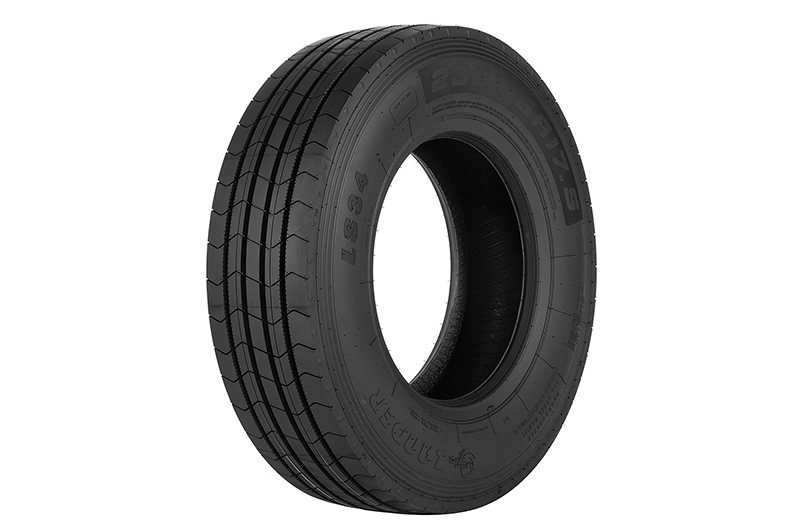
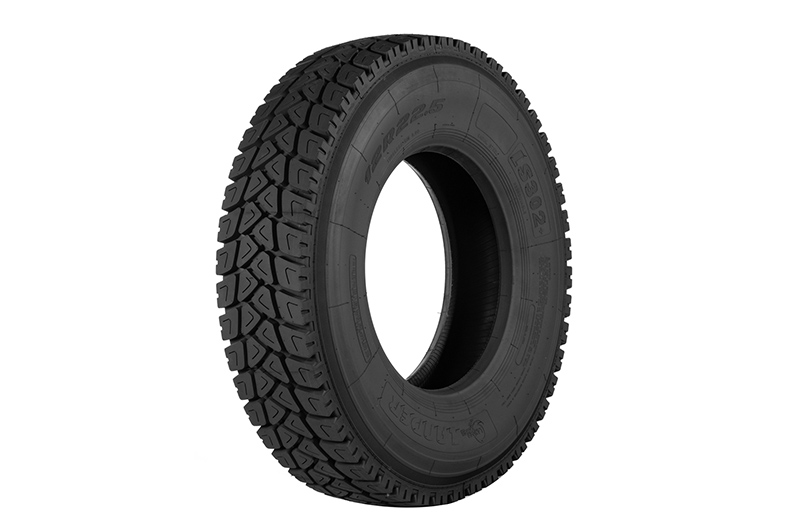
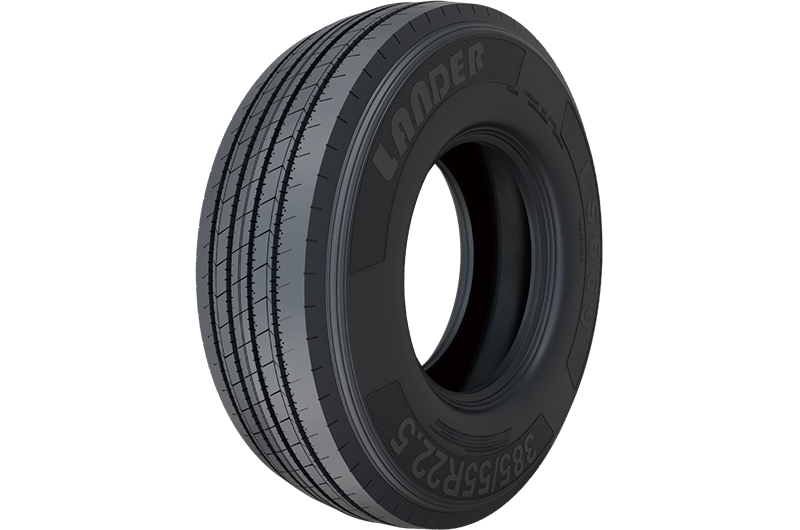
LS34-1 sidewall view. Record the exact size when requesting a specification.
Single and dual entries
Use the entry for the intended configuration. A dual-load value applies to each tire in the dual assembly. Keep that heading visible in your purchase record; do not copy a bare number into a column simply called “capacity.”
Compare Actual Product Rows Before Comparing Prices
The official product tables offer a useful check on truck tire load ratings. Read across a row before drawing a conclusion from one familiar marking.
A size-specific LS34-1 example
The LS34-1 commercial TBR tire is a 17.5-inch series for smaller commercial trucks. Its published table lists these entries:
Source: LANDER SEA LS34-1 product specifications, checked September 7, 2026. Loads are per tire in the stated configuration. The pressure column reproduces the product table, not a universal operating target.
All three rows show 18PR, yet the middle row has lower load values. The first and last rows share the same load index but list different pressures. These are size-specific specifications, not interchangeable orders.
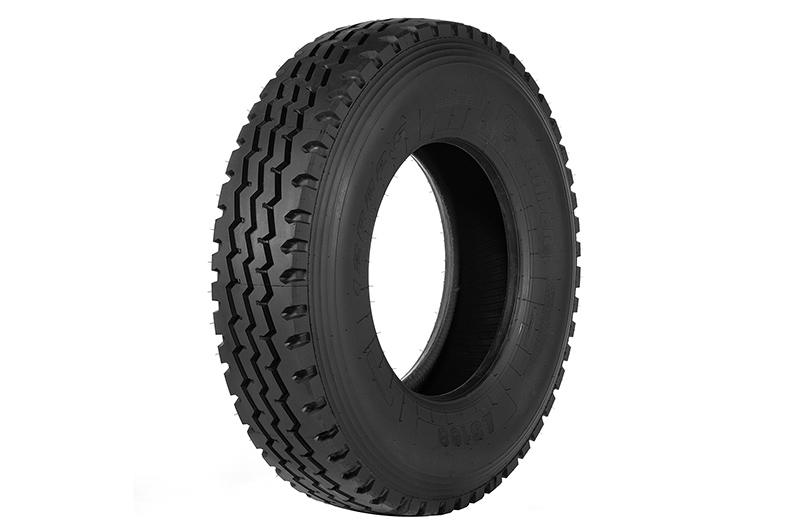
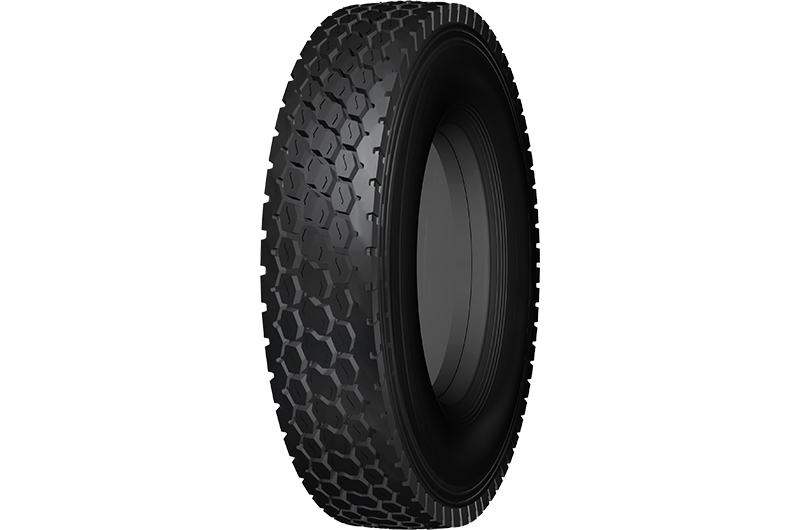
LS34-1 product image. Check the selected size against its complete specification row.
When comparing commercial truck tire sizes, highlight every changed field in the supplier’s sheet. Include the standard rim, which is outside this shortened table, in the technical confirmation. Do not approve a substitution from the PR column alone.
A separate LS669 specification check
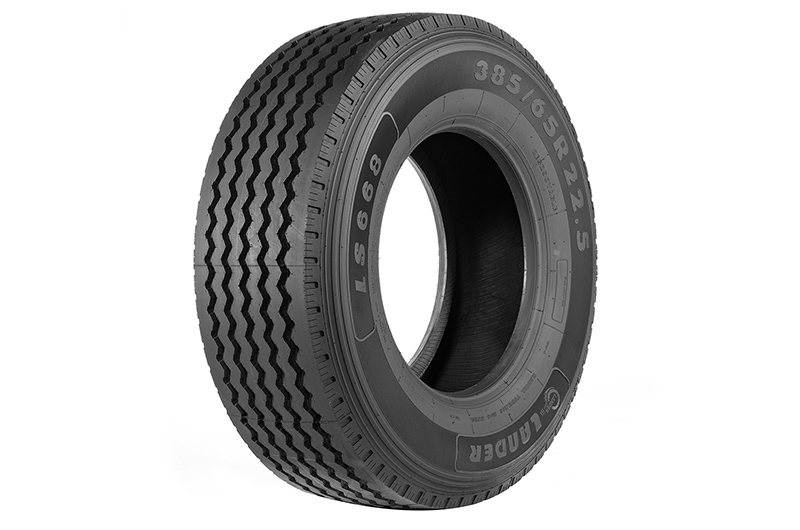
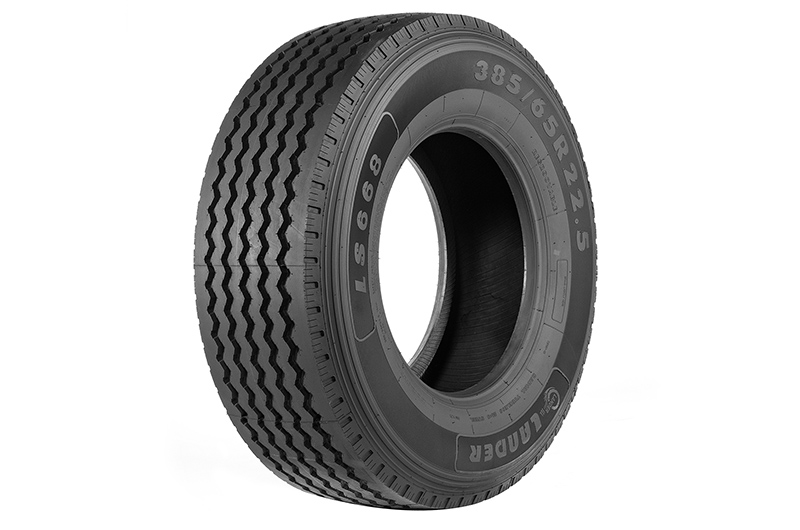
The LS669 regional TBR tire illustrates a different table layout. Its 385/65R22.5 row lists 24PR, load index 164, speed symbol K, standard rim 11.75, maximum load 5,000 kg and inflation pressure 900 kPa.
Here the heading is “Max load,” rather than separate single and dual columns. Preserve that distinction when requesting clarification. Do not relabel the value as a dual rating or treat LS669 as a substitute for the smaller LS34-1 series.
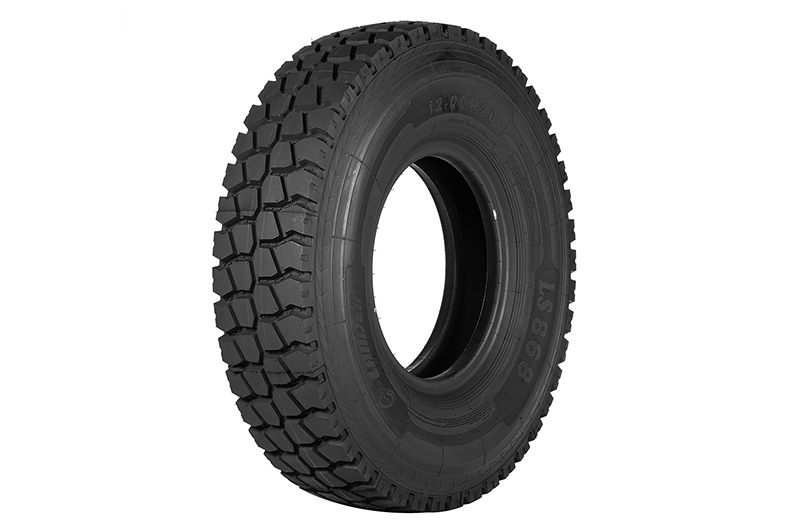
LS669 product image. Confirm the ordered size separately from the example above.
For your truck tire load ratings file, attach the complete supplier sheet and mark the requested row. Ask the supplier to confirm the configuration and intended vehicle application in the reply.
Separate Tire Capacity from Vehicle Approval
Truck tire load ratings describe the tire. Keep a separate review for the truck and its wheels before authorizing a purchase or fitment change.
Vehicle and wheel limits
Higher-capacity tires do not raise the axle or total vehicle load limit. Wheel and rim maximum load and pressure limits also remain applicable, as USTMA explains in its replacement-tire guidance.
Ask the vehicle technical contact to review any proposed specification change. Keep that approval with the quotation, and identify the exact vehicle or fleet configuration it covers. Avoid a general approval note that leaves the chosen tire size unstated.
Conditions attached to the rating
Consult the tire manufacturer’s load-and-inflation table for capacity at the relevant cold pressure. A catalogue’s maximum-load row is not a pressure schedule for every load.
Keep pressure-setting instructions in the fleet’s maintenance procedure. In the purchase file, record which technical table was used and who confirmed the selection. This article’s task is to help you check truck tire load ratings before ordering, rather than prescribe a daily inflation routine.
Turn the Specification into an Order-Check Record
Use the following truck tire load ratings checklist for each proposed TBR item. Have the buyer and supplier review the same marked-up specification sheet before discussing a substitute.
1. Identify the exact pattern and size. Include a photograph of the existing sidewall if you are requesting a replacement.
2. State the intended axle position and single or dual configuration. Ask the supplier to confirm the matching specification entry.
3. Copy the PR or load range, load index and speed symbol without changing the labels.
4. Record the load value, its unit, and the corresponding pressure information. Keep single and dual values in separate fields.
5. Request confirmation of the rim and vehicle requirements. Refer unresolved fitment questions to the appropriate technical contact.
6. Save the confirmed specification with the order date, quantity and destination market. Ask for written clarification if the offered row differs from the requested one.
For a mixed-size order, repeat the check for every line item. Leave an unresolved field visibly open and send it back for clarification before approving that item. Do not fill it with a value copied from another size.
Specification Support from QINGDAO LANDER-SKY TYRE CO. ,LTD
For buyers moving from truck tire load ratings research to sourcing, QINGDAO LANDER-SKY TYRE CO. ,LTD supplies TBR tires alongside other tire categories. Its company overview describes tire design and production activity since 2013. Use its model-specific tables to begin a focused discussion: send the exact size, configuration and requested load specification, then ask the team to confirm the appropriate product row. Base a reliable supply decision on that documented match.
Conclusion: Approve the Complete Specification
Put the confirmed product row beside the vehicle and wheel requirements before releasing the order. For truck tire load ratings, that means retaining the conditions attached to the number and resolving any configuration question in writing. Keep the approved sheet available for the next repeat order.
FAQs About Truck Tire Load Ratings
These short answers clarify the fields used in a TBR specification review.
Is a load index the same as a weight in kilograms?
No. It is a capacity code with specified conditions. Check its corresponding load value.
Does 18PR mean that a tire contains eighteen physical plies?
Not necessarily. PR is a rating, not a reliable physical-ply count.
Are dual-load values given for one tire or the whole pair?
For each tire. Use the specified dual-configuration entry.
Can two tires with the same ply rating carry different loads?
Yes. The LS34-1 table above lists different capacities among its 18PR sizes.
Does a higher tire rating increase the truck’s permitted payload?
No. A tire upgrade does not increase the vehicle or axle rating.
Can a catalogue pressure replace a load-and-inflation table?
No. Request the manufacturer’s table for the actual load and configuration.
What should a distributor send when requesting a load-rated TBR tire?
Send the size, pattern, configuration and requested specification. Attach the existing sheet or sidewall photograph, and ask for a confirmed product row before ordering.
Read More