Q I N G D A O L A N D E R - S K Y T Y R E

Loading

Nullam dignissim, ante scelerisque the is euismod fermentum odio sem semper the is erat, a feugiat leo urna eget eros. Duis Aenean a imperdiet risus.

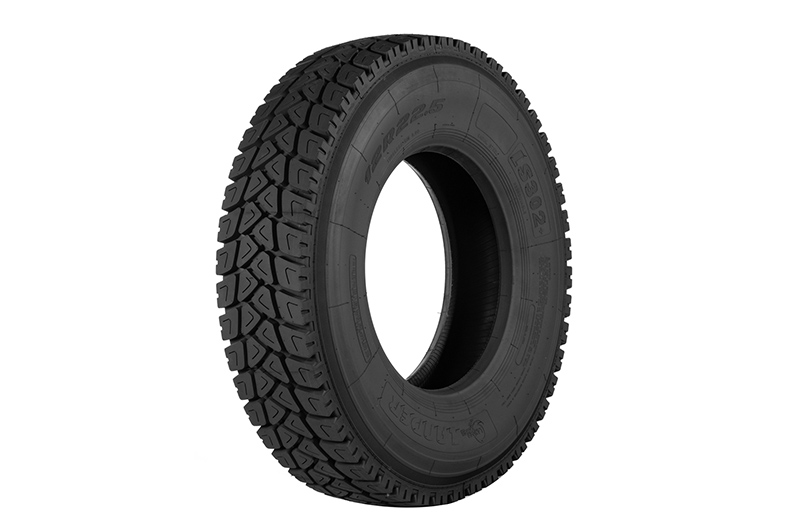
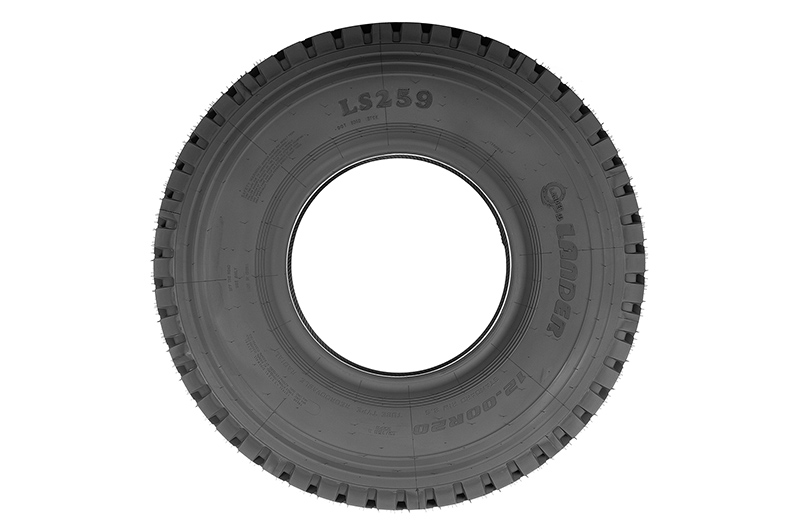
LS259(BT126)
LS259
LS259(1)
LS259(BT126)
LS259
LS259(1)

LS259

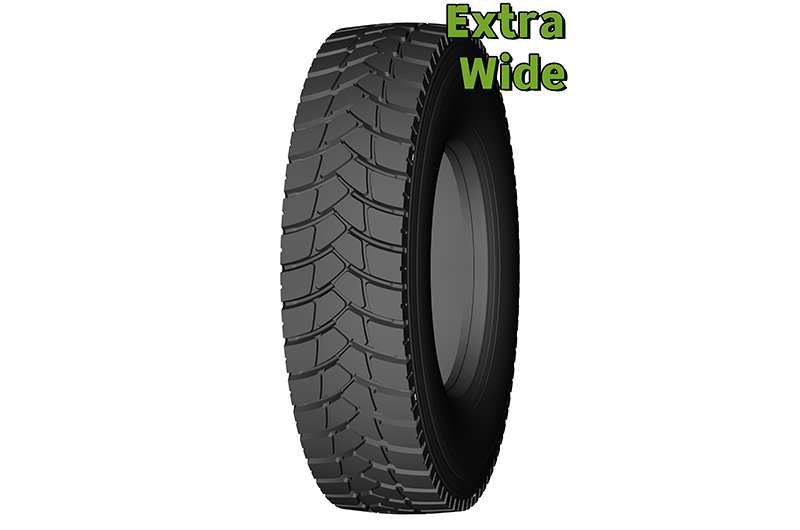
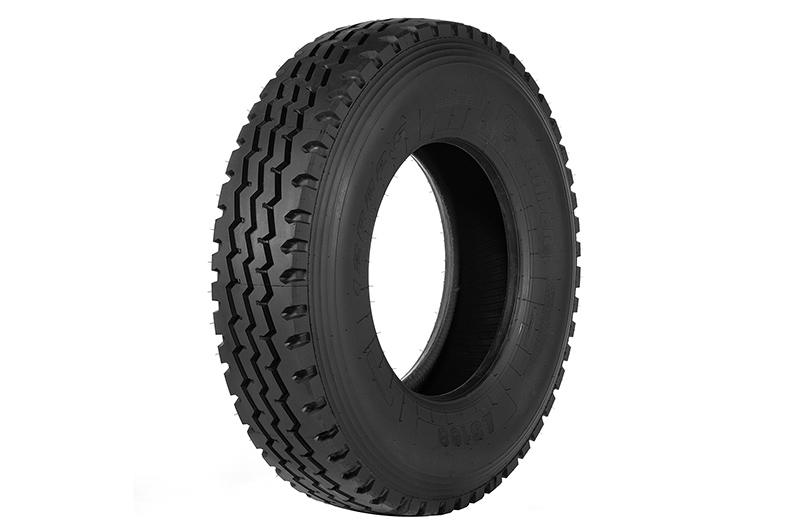
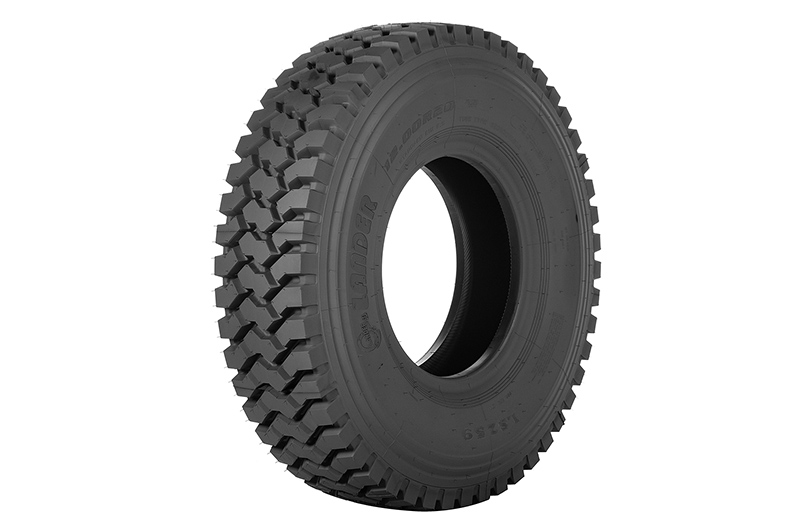
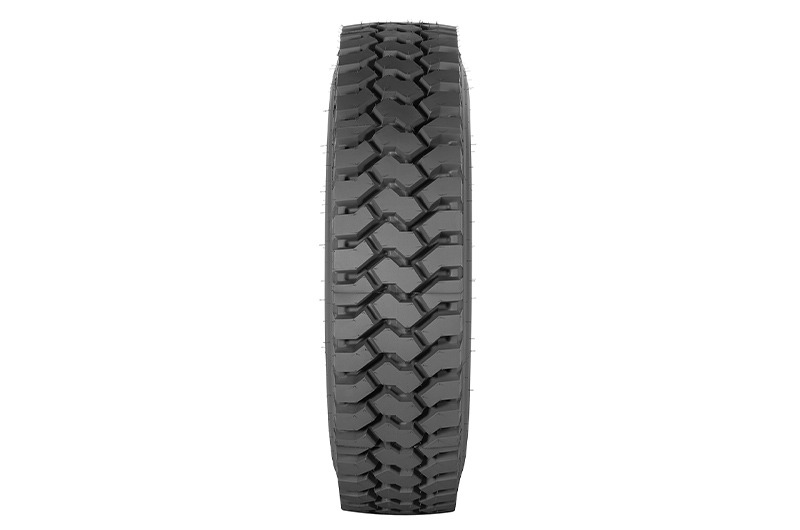
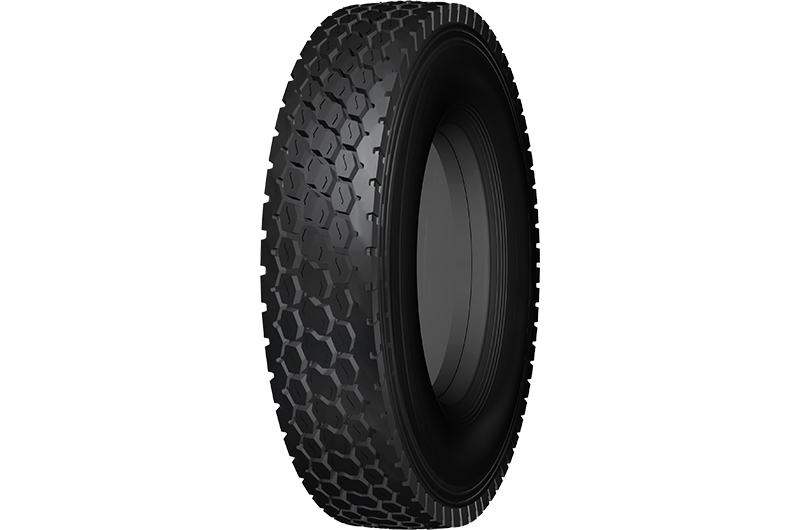
LS259 is a drive-wheel OTR tire for bad roads and mining transport.
Available Sizes12.00R20

Best Fit: buyers selecting drive-wheel tires for mining roads, poor road surfaces and heavy transport.
Specification Note: Review the Product Specifications table before quotation, especially size, rim, tread depth, load and pressure data.
Size Ply Rating Type Tra Code Standard Rim Tread Depth Load Index Section Width Overall Diameter Max.Load AND Inflation
Pressure(Kg/Kpa)
TRA
(mm) TRA (mm) (mm) single dual
12.00R20 22PR TT E-4 8.5 32 162/158B 315 1125 4750/930 4250/930

Mining Road Drive Wheel: Mainly used on drive wheels for bad roads and mining road conditions.
Wider and Deeper Pattern: The pattern supports grip, traction and braking performance on difficult surfaces.
Stable Wear: Suitable for buyers who need tire selection around mining road damage and drive position demand.

Mining Road Drive Position: Use LS259 on drive wheels where bad roads require grip, traction and braking support.
Heavy Transport Routes: Suitable for mining transport routes with rough surfaces and repeated load movement.

For LS259, confirm that the tire is for the drive wheel position and describe the road damage level.
Provide size, PR, load, speed, route condition and whether braking or traction is the main issue.
If only one listed size is needed, confirm quantity and destination port before final quotation.

Q1: Is LS259 mainly a drive-wheel tire?
A1: Yes, LS259 is described mainly for drive wheels on bad road and mining road conditions.
Q2: What performance should buyers focus on?
A2: Focus on grip, traction, braking support and durability on damaged mining roads.
Q3: What should be checked in the table?
A3: Check PR, TRA code, standard rim, tread depth, load index and single/dual load pressure.

Latest Product

Check out our Product

View More
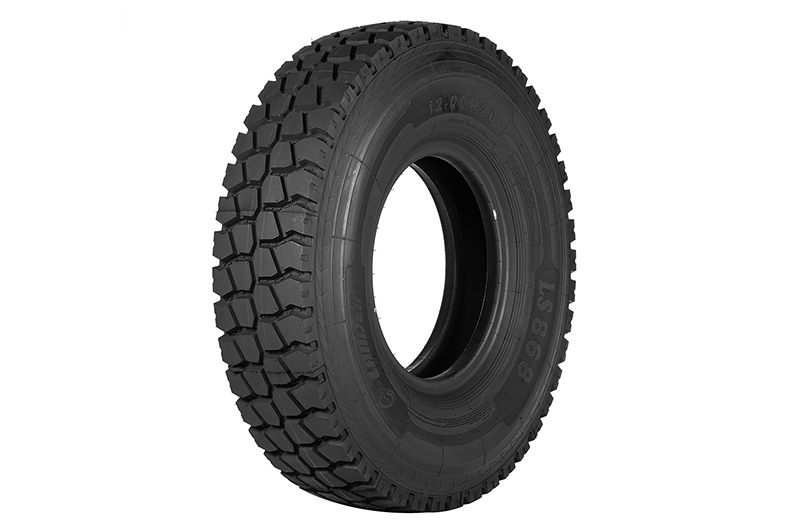
LS868

LS868

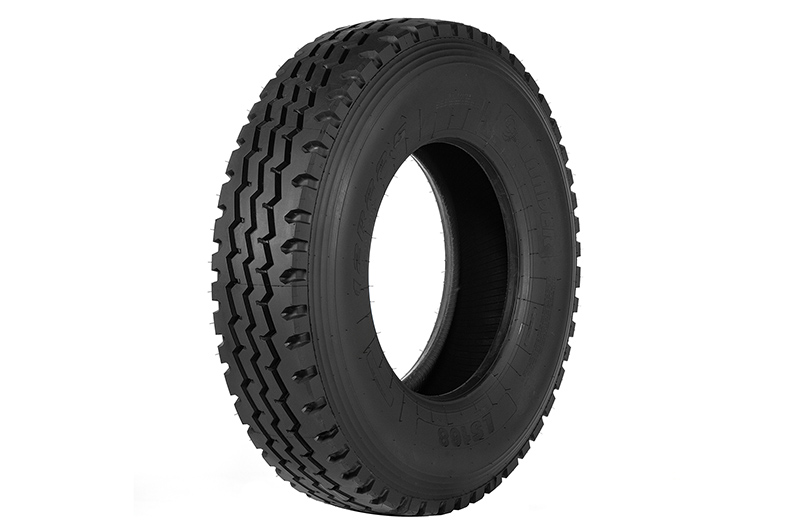
LS868 is a mixed-road regional TBR tire for muddy roads, construction routes and heavy-duty transport.<br><table border="1" cellpadding="6" cellspacing="0"><tr><td rowspan="1">Available Sizes</td><td>10.00R20</td><td>12.00R20</td></tr></table><br>Buyer Fit: For buyers who need self-cleaning grooves, muddy-road grip and stable load performance.<br>Spec Check: Check Product Specifications first for PR, load index, rim, tread depth, load and pressure details.
Read More
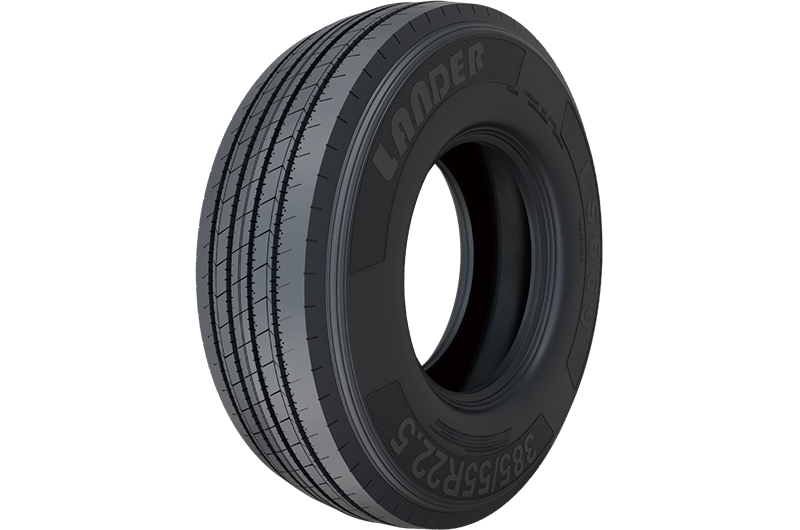
LS669

LS669

LS669 is a regional TBR tire for buyers comparing anti-skid handling, lower heat generation and wear resistance.<br><table border="1" cellpadding="6" cellspacing="0"><tr><td rowspan="1">Available Sizes</td><td>385/65R22.5</td><td>385/55R22.5</td></tr></table><br>Buyer Fit: For regional fleets and replacement buyers who need handling stability and durability on daily routes.<br>Specification Note: Check Product Specifications first for PR, load index, rim, tread depth, load and pressure details.
Read More
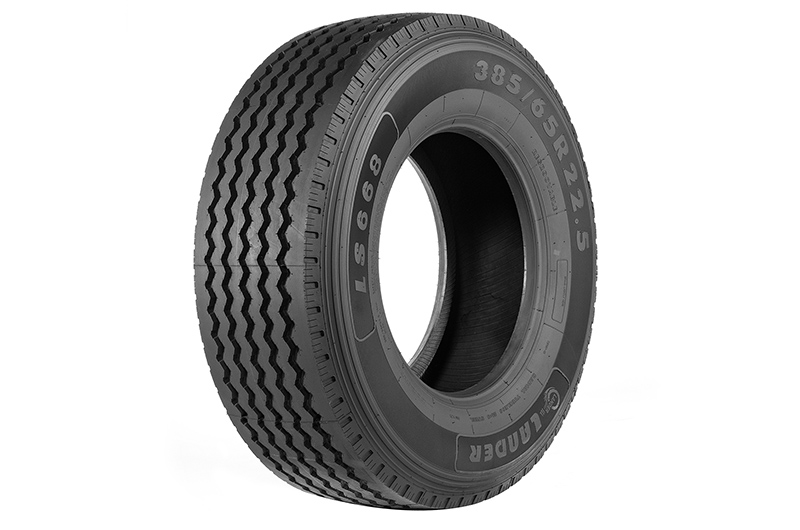
LS668

LS668

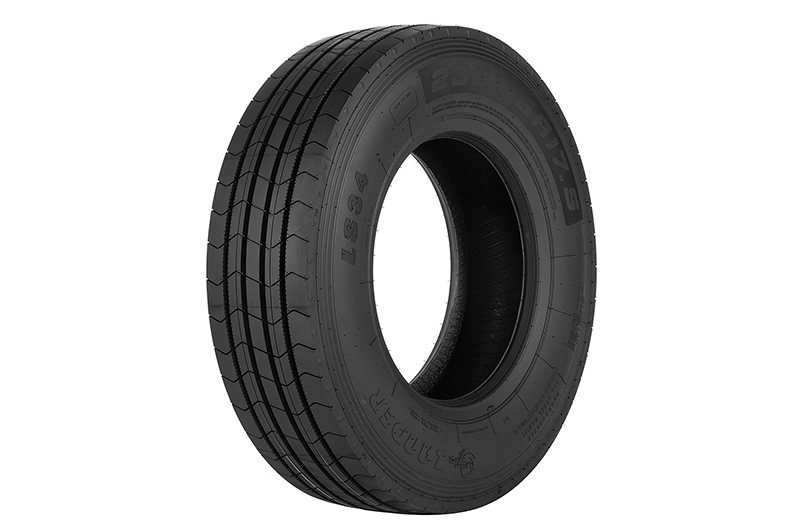
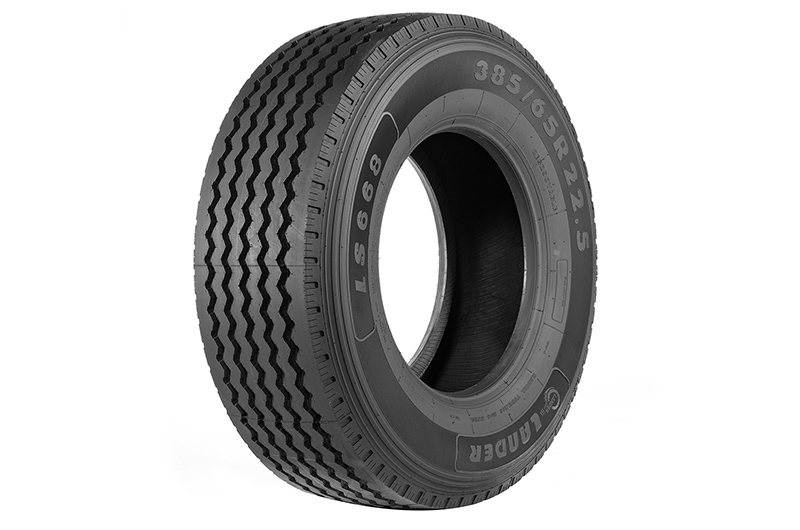
LS668 is a regional steer and trailer TBR tire with a five-groove tread design for handling and endurance.<br><table border="1" cellpadding="6" cellspacing="0"><tr><td rowspan="1">Available Sizes</td><td>385/65R22.5</td></tr></table><br>Buyer Fit: For buyers who need steer/trailer stability, low heat build-up and anti-skid handling on regional routes.<br>Specification Note: Check Product Specifications first for PR, load index, rim, tread depth, load and pressure details.
Read More
LS569

LS569

LS569 is a regional TBR tire for buyers who value low rolling resistance, fuel saving and reliable traction.<br><table border="1" cellpadding="6" cellspacing="0"><tr><td rowspan="1">Available Sizes</td><td>295/80R22.5</td></tr></table><br>Buyer Fit: For fleets and distributors balancing fuel economy with grip on regional daily routes.<br>Specification Note: Check Product Specifications first for PR, load index, rim, tread depth, load and pressure details.
Read More
Latest News

Check out our blog posts

View More

11/ September

Truck Tire Tread Patterns: How to Match Rib, Block, and Mixed Treads to TBR Service

Truck tire tread patterns should be selected for the operating job, not for appearance alone. A useful shortlist starts with the route, axle position, road surface, typical load, and required tire size. Buyers can then compare rib, block, and mixed designs against the tire maker’s stated application. This approach keeps a familiar-looking tread from being fitted where its intended service does not match the vehicle. The practical answer is simple: use rib-oriented designs when directional stability and free rolling lead the requirement, consider block or lug features when drive-position traction is central, and treat mixed patterns as an application-specific compromise. In every case, confirm the product’s wheel-position and service guidance before ordering. Tread Pattern Choice Starts With the Operating Job The main pattern families give buyers a quick way to organize a search, but they do not replace product specifications. Each family emphasizes a different relationship between the contact area, grooves, and tread elements. Illustrative tread-pattern shortlist. Confirm the intended axle and application for each product. Rib patterns prioritize directional stability and even rolling contact Rib-oriented truck tire tread patterns use continuous elements that run around the tire. Their layout makes them a logical starting point when steering response, directional tracking, and free rolling are important. Circumferential grooves also create channels through the tread face. This does not mean every rib tire belongs on every steer or trailer axle. Buyers still need to check the model’s stated wheel positions, route category, size, load information, and rim requirements. A rib appearance is a selection clue, not a fitment approval. Block patterns prioritize traction and torque transfer Block or lug-style elements create more transverse edges across the tread. For that reason, drive-position tread design commonly emphasizes this family when traction and torque transfer are priorities. The pattern should still be evaluated as part of a complete tire rather than as an isolated feature. More open blocks do not automatically produce the best result for every drive axle. Surface, route speed, load, tread stability, and the manufacturer’s intended application can change the trade-off. A buyer should avoid turning “more aggressive” into a universal purchasing rule. Mixed patterns balance guidance and traction features Mixed truck tire tread patterns combine rib-like guidance with block or lug features. They can enter the shortlist when an operation needs both directional control and traction characteristics, especially where routes are not uniform. The balance differs by model. One mixed design may favor stable regional operation, while another may be built around a more demanding surface. The product description and specification table should decide whether the design belongs on the proposed axle and route. Route and Axle Position Change the Pattern Priority Application information should narrow the pattern family before price comparisons begin. The table below turns route and wheel-position information into practical purchasing questions. Operating need Initial pattern direction Buyer check Misuse risk Directional stability and free rolling Rib-oriented design Confirm intended axle, route, size, and load Rib appearance alone is treated as fitment approval Drive-position traction Block or lug-oriented design Confirm surface, load, size, and manufacturer guidance Traction-focused appearance is mistaken for universal drive suitability Varied route or mixed duty Combined rib-and-block features Check which duty the product page prioritizes A compromise pattern is assumed to solve every operating conflict New product or changed route Controlled fleet trial Track pressure, wear, damage, and removal reason A short, unrecorded trial is treated as a fleet-wide result   Long-haul highway work rewards consistency Long, steady routes usually make stability, predictable wear, and heat control important screening points. A rib-oriented option may be considered, but the buyer should verify whether the product is listed for the intended steer, drive, trailer, or all-position use. Highway service also exposes weak assumptions quickly. Choosing truck tire tread patterns without checking axle load, inflation guidance, and route speed can undermine an otherwise reasonable pattern choice. The operating file and product data need to agree. Regional work adds braking, turning, and start-stop demands Regional vehicles may combine urban turns, repeated braking, delivery stops, and shorter highway sections. These changes can place different demands on shoulders and tread elements. Buyers should describe the route mix instead of using “regional” as a complete specification. For steer and trailer positions, directional stability may remain central. For drive positions, traction and torque transfer may carry more weight. The final choice should still follow the model’s published application rather than a broad pattern label. Mixed and non-paved surfaces require controlled traction On mixed or non-paved roads, a more open tread can become relevant because the drive axle needs usable traction. However, deeper or more open truck tire tread patterns should not be selected by visual aggressiveness alone. The shortlist should also account for casing design, size, load, speed, route surface, and the product’s intended service. If the operation includes both paved and non-paved sections, record the actual proportion and the conditions that create the greatest risk. A Four-Step Tread Pattern Selection Process Keeps the Shortlist Practical A repeatable selection process gives procurement teams and fleet technicians the same decision inputs. Use the following four steps before requesting final quotations. – Record the complete route before comparing truck tire tread patterns. – Mark the intended wheel position on every shortlist of truck tire tread patterns. – Check size, load, rim, and service limits for candidate truck tire tread patterns. – Define a controlled trial before approving new truck tire tread patterns for wider use. Record the route and surface mix Describe highway distance, regional stops, construction access, non-paved sections, gradients, turning frequency, and seasonal surface conditions. Avoid reducing a mixed route to a single label if that label hides the most demanding section. Match the pattern to the axle duty State whether the tire is intended for steer, drive, trailer, or an approved multi-position application. Then identify the priority: directional guidance, traction, free rolling, or a controlled balance. This prevents the tread face from becoming the only selection input. Compare load, size, and service limits Confirm the required tire size, wheel and rim configuration, expected load, and any applicable speed or service limits. Review the manufacturer’s technical information for each candidate. Two similar-looking truck tire tread patterns may have different fitment boundaries. Run a controlled trial and keep wear records Introduce a new model on a defined group of vehicles and record the route, wheel position, pressure control, inspections, damage, tread measurements, and removal reason. Keep the test conditions consistent enough to support a useful internal decision. Do not turn one short trial into a universal performance claim. Product Examples Connect Pattern Features With TBR Applications Verified product pages show how a pattern description becomes useful when it is tied to wheel position, route category, and size. The following examples illustrate that reading process without presenting either model as suitable for every fleet. LS668 illustrates a five-groove regional design The official LS668 regional TBR tire page describes the model as a steer and trailer option with a five-groove tread design. It lists 385/65R22.5 as an available size. This gives buyers a clear sequence for evaluation: identify the pattern feature, confirm the intended wheel positions, and then review the published specification fields. LS668 regional steer-and-trailer TBR tire with a five-groove tread design. LS668 is therefore a product-page example of how rib-oriented truck tire tread patterns can be discussed in a regional steer or trailer context. Its official description should be used for shortlisting; the fleet’s actual size, load, rim, and route still need confirmation. LS302PRO illustrates a drive option for non-paved service The official LS302PRO drive-position TBR tire page describes a regional model for non-paved roads and lists 315/80R22.5 22PR specification support. Here, the application language connects the drive position and surface requirement to the product choice. LS302PRO regional drive-position TBR tire for non-paved road service. The example also shows why buyers should not compare block-oriented designs only by tread depth or appearance. The product’s stated service, wheel position, size, and other specification details are part of the same decision. QINGDAO LANDER-SKY TYRE CO. ,LTD Supports Application-Based TBR Selection QINGDAO LANDER-SKY TYRE CO. ,LTD has focused on tire design and production since 2013, and its listed product range includes TBR tires. Buyers reviewing commercial truck tires can send the required size, wheel position, route, surface mix, and typical load before requesting a model recommendation. This application file helps connect truck tire tread patterns with relevant product pages and keeps the sourcing discussion centered on fit rather than tread appearance alone. Conclusion: Select the Pattern From the Job, Then Verify the Product The right choice among truck tire tread patterns begins with the vehicle’s work. Rib-oriented designs can support a shortlist focused on guidance and free rolling, while block or lug elements commonly enter drive-traction decisions. Mixed designs need an equally clear application reason. Record the route, axle duty, size, load, and surface conditions, compare verified product guidance, and trial a new model under controlled conditions before wider use. Common FAQs About Truck Tire Tread Patterns The following questions address common buyer concerns when comparing pattern families and preparing a TBR tire shortlist. Which truck tire tread pattern is best for highway use? There is no single pattern for every highway vehicle. A rib-oriented design is often a sensible starting point when stability and free rolling are priorities, but the manufacturer must list the tire for the proposed axle, size, load, and service. Why do drive tires often use block tread patterns? Drive-position designs commonly use block or lug elements because the tread needs to transfer torque and support traction. The exact pattern should still match the route surface and the tire maker’s application guidance. Can a rib-pattern tire be used on a trailer? Some products are intended for steer and trailer positions, but the rib appearance alone is not enough. Check the product page or technical data for the approved wheel positions and operating conditions. Do deeper tread patterns always last longer? No. Tread depth is only one input. Load, pressure control, alignment, route, surface, casing, tread stability, damage, and removal practices can all influence the result. How does tread pattern affect irregular wear? Pattern geometry influences how tread elements contact and move against the road, but irregular wear should not be blamed on the pattern automatically. Pressure, alignment, suspension, load, wheel position, and route conditions should also be inspected. What should buyers compare besides tread appearance? Compare the intended axle position, tire size, load information, rim, route category, surface mix, published application, inspection plan, and supplier documentation. These inputs provide a stronger basis than appearance alone. When should a fleet trial a new tread pattern? A controlled trial is useful when a route changes, a current design does not suit the recorded duty, or a new model is being considered for wider use. Define the vehicles, positions, route, inspection method, and decision criteria before the trial begins.
Read More
LS302PRO-regional-drive-tbr

4/ September

Semi Truck Tire Pressure: How Fleets Set the Right PSI for Different Loads

Semi truck tire pressure should be set from the actual axle load, the tire size and configuration, and the approved load-and-inflation table for that tire—not from a universal fleet number. A sound program establishes a cold-pressure baseline for each wheel position, checks it with a calibrated gauge, records exceptions, and investigates repeated loss before changing the target. This approach gives fleets a practical way to control heat, irregular wear, downtime, and avoidable casing damage across long-haul, regional, and mixed-road service. There is no single correct PSI for every semi truck tire pressure program. The right target depends on the axle load, tire size, tire configuration, rim, single or dual fitment, and the tire maker’s load-and-inflation data. Start With Load, Axle Position, and the Approved Inflation Table The semi truck tire pressure decision begins before anyone reaches for an air hose. The fleet needs three verified inputs: the load carried by each axle group, the exact tire specification, and the manufacturer’s approved table or technical guidance. Those inputs create a defensible baseline for the vehicle’s real work. Use actual axle loads instead of a general vehicle estimate Gross vehicle weight does not show how the load is distributed between the steer, drive, and trailer axles. A vehicle can remain within its total limit while one axle group carries more of the burden than expected. Weigh representative loaded vehicles by axle group, and repeat the exercise when the body, trailer, route, cargo mix, or loading method changes. For fleets operating in the United States, 49 CFR 393.75 states that a tire must not be operated at a cold inflation pressure below the pressure specified for the load being carried. Other markets may use different rules, so the local legal requirement and the tire maker’s technical data should both be checked. Confirm the tire size, load index, ply rating, and configuration A useful semi truck tire pressure record identifies the tire, not just the vehicle. Capture the size, service description or truck tire load index, ply rating where applicable, approved rim, axle position, and whether the fitment is single or dual. A table for one size or configuration must not be transferred to another merely because the tires look similar. Dual assemblies also require compatible fitment and disciplined matching. Pressure differences, dimensional mismatch, trapped debris, valve-access problems, or one damaged casing can cause the pair to share work unevenly. The approved technical data remains the controlling reference. Establish and label a cold-pressure baseline Pressure rises as a tire warms in service. For that reason, the target should be checked in a defined cold condition, before route heat distorts the comparison. The U.S. Tire Manufacturers Association advises checking tires when cold and notes that underinflation can increase heat buildup and stress, leading to irregular wear and internal damage. Write the approved cold semi truck tire pressure target into the vehicle or fleet record with its source, date, tire specification, axle group, and load assumption. A number without those fields is not a reliable pressure standard. Separate Steer, Drive, and Trailer Pressure Decisions One truck-and-trailer combination contains several tire jobs. Treating every wheel position as one semi truck tire pressure group makes exceptions difficult to diagnose and can hide load-distribution problems. Protect the steer axle with a position-specific check Steer tires affect directional response and carry a distinct axle load. Verify the actual steer-axle load, approved tire capacity, rim fitment, valve condition, and cold pressure on both sides. A persistent left-to-right difference deserves investigation rather than repeated topping up. Track drive tires by axle group and dual pair Drive positions add traction demand and often use dual assemblies. Record inner and outer readings separately, make valves accessible, and inspect for paired-tire mismatch or debris. If one tire repeatedly loses pressure, remove the cause from service instead of allowing the neighboring tire to carry the imbalance. The LS302 regional drive-position TBR tire is one example of a product whose suitability should be discussed in the context of position, route, load, and operating conditions. The product name alone does not determine the correct pressure. Follow a step-by-step tire pressure check routine A short routine makes semi truck tire pressure checks easier to repeat across depots, tractors, and trailers. Keep the sequence simple enough for daily use and strict enough to catch abnormal pressure loss before the vehicle returns to service. Semi truck tire pressure check workflow. Follow the tire maker’s technical data and local rules. Park the truck safely on a level surface and secure the vehicle. Allow the tires to cool before comparing readings with the cold target. Check the approved cold inflation pressure for the tire size, load, axle position, and configuration. Use a calibrated pressure gauge instead of visual inspection alone. Check every tire position, including inner duals and spare tires when applicable. Inspect valves, rims, sidewalls, tread, and dual spacing while the gauge is in use. Record the semi truck tire pressure readings, tire position, load basis, and action taken. Investigate abnormal pressure loss before placing the vehicle back into normal service. Include every trailer axle in the same control system Trailer tires can receive less attention when trailers move between tractors or depots. Give each trailer a stable asset ID, record readings by axle and side, and define who closes an exception. A steer and trailer TBR tire still requires the approved load-and-inflation reference for its actual fitment, especially when the semi truck tire pressure target changes by axle group. LS668 steer-and-trailer TBR tire. Match the cold target to the actual axle load and configuration. Match the Inspection Routine to the Route The approved cold target comes from load and tire data; route conditions shape how closely the fleet should monitor that target and which exceptions require faster action. The table below turns route differences into a consistent semi truck tire pressure inspection plan without inventing a universal PSI. Operating pattern Pressure-control priority Typical inspection focus Escalation trigger Long-haul highway Stable cold baseline across repeat routes Valve leakage, gradual loss, dual matching, load changes Repeated loss, heat or wear difference, changed axle load Regional stop-start More frequent exception review around changing loads Curb contact, braking heat, shoulder wear, route-to-route variance Pressure trend paired with damage or irregular wear Mixed road or construction access Pre-route condition check plus contamination control Cuts, impacts, trapped material, rim damage, valve protection Impact evidence, exposed reinforcement, rapid loss, wheel damage Variable trailers or cargo Asset-level records and handover accountability Trailer ID, axle group, cold reading, load assumption Missing history, unknown target source, recurring open exception   Keep long-haul checks comparable Long runs generate substantial operating heat, so a hot reading should not be casually bled down to a cold target. Compare cold semi truck tire pressure readings taken under a consistent condition. If a route begins at a different depot or climate, record that context so the next review does not mistake normal conditions for a leak. Tighten exception control for regional stop-start work Regional routes can combine frequent braking, turning, curb exposure, and changing cargo. The approved semi truck tire pressure target still depends on load and tire data, but checks may need to occur more often than a generic calendar interval. Link pressure exceptions to tread observations, alignment history, loading changes, and service events. Add damage screening for mixed-road service On rough access roads, pressure is only one part of the decision. Inspect the tread, sidewall, bead area, valves, rim, and dual spacing for cuts, impacts, distortion, or trapped objects. Do not compensate for a damaged tire by simply adding air. Diagnose the Cause Before Changing the Target A semi truck tire pressure reading is a symptom or a measurement, not a complete diagnosis. Before changing a fleet target, separate normal measurement variation from leakage, damage, gauge error, temperature effects, and load changes. Check the measuring process first Use a calibrated gauge that covers the required range, train technicians on a common method, and periodically compare shop gauges against a reference. Record whether the tire was cold, the ambient conditions, and the time since operation. A fleet cannot improve semi truck tire pressure control if different tools and methods create different answers. Treat recurring loss as a defect investigation Look for valve-core leakage, damaged valve stems, punctures, bead or rim problems, repair issues, and wheel damage. A repeated exception should receive an owner, deadline, and closure note. Adding air without finding the cause merely resets the symptom. The USTMA also notes that a tire-pressure monitoring system does not replace regular checks with a gauge. TPMS alerts can improve visibility, but fleets still need physical inspection, verified cold readings, and a response process. Connect pressure findings to wear and wheel condition Irregular wear may have several causes, including pressure, alignment, suspension condition, braking, mismatched duals, road exposure, or load distribution. Review these signals together. For U.S. motor carriers, 49 CFR 396.11 includes tires, wheels, and rims among the parts covered by driver vehicle inspection reporting requirements. Build a Repeatable Fleet Pressure Record The best truck tire inspection checklist is short enough to use and detailed enough to support a semi truck tire pressure decision. It should allow a supervisor to see what was measured, which standard applied, what changed, and whether the exception was closed. Record the minimum decision fields Capture the date, time, depot, vehicle and trailer ID, axle and wheel position, tire size, configuration, cold or hot status, measured pressure, approved cold target, target source, load basis, gauge ID, visible condition, action, technician, and closure status. Use controlled terms for defects so trends can be counted. Separate target changes from routine corrections Adding air to return a sound tire to its approved cold target is not the same as changing that target. A target change should require updated axle-load evidence, confirmed tire specifications, the current approved table, and authorization. Keep the old value and reason for change in the history. Review exceptions as trends, not isolated events At a regular review, group exceptions by vehicle, trailer, route, axle, position, tire pattern, and failure cause. Repeated pressure loss on one asset suggests a repair issue; similar wear across a route group may point toward alignment, loading, or operating exposure. The record should lead to a testable action. QINGDAO LANDER-SKY TYRE CO. ,LTD Supports Application-Specific TBR Selection QINGDAO LANDER-SKY TYRE CO. ,LTD has focused on tyre supply since 2013, with a product range that includes TBR, OTR, industrial, agricultural, and forklift tyres. For a TBR enquiry, buyers can share tire size, axle position, actual load, route, speed pattern, rim, fitment configuration, and semi truck tire pressure control needs so the supplier can discuss a suitable commercial truck tire option and the technical data needed for pressure control. Conclusion: Keep Pressure Decisions Tied to Evidence A reliable semi truck tire pressure program does not begin with a generic chart. It begins with measured axle loads, exact tire and rim data, the approved load-and-inflation reference, and a cold baseline for each application. Separate wheel positions, adapt inspection intensity to the route, investigate recurring loss, and preserve a clear exception record. When any core input changes, verify the semi truck tire pressure target again before the vehicle returns to normal service. Frequently Asked Questions The following answers address common operating questions without replacing the tire maker’s technical data, local regulations, or a qualified inspection. What PSI should semi truck tires use? There is no single PSI that fits every semi truck tire. Use the actual axle load, exact tire size and configuration, approved rim, single or dual fitment, and the manufacturer’s current load-and-inflation information. Confirm local legal requirements as well. Should truck tire pressure be checked hot or cold? Use a defined cold condition for the baseline and routine comparison. Pressure naturally rises during operation, so a hot reading should be recorded as hot and interpreted with the applicable technical guidance rather than automatically bled to the cold target. Does every axle need the same tire pressure? Not necessarily. Steer, drive, and trailer axle groups may carry different loads and use different tires or configurations. Each group needs its own verified target based on the relevant inputs. How often should a fleet check tire pressure? Set the interval from fleet policy, legal duties, route risk, equipment, and exception history. USTMA public guidance recommends at least monthly cold checks, while commercial fleets may need more frequent checks, including pre-trip or depot routines, according to their operating controls. Can TPMS replace manual pressure checks? No. TPMS can flag changes and improve visibility, but it does not replace a calibrated gauge, physical tire and wheel inspection, or an investigation of recurring pressure loss. Why does one tire keep losing pressure after inflation? Possible causes include a puncture, valve-core or stem leakage, bead or rim problems, a repair issue, wheel damage, or measurement inconsistency. Remove the cause from service and document the repair instead of repeatedly adding air. When should a fleet revise its pressure target? Review the target when the tire size, load distribution, axle configuration, rim, route, trailer, body, or operating duty changes. A revision should cite new load evidence and the current approved technical source, with the previous target retained in the record.
Read More
LS668-steer-trailer-tbr

28/ August

How to Buy Wholesale Truck Tires: A Complete Guide for Importers and Distributors

Buying wholesale truck tires is not simply about finding the lowest unit price. For importers, distributors, and commercial tire dealers, choosing the right wholesale truck tire supplier involves comparing tire sizes, applications, load specifications, pricing, Incoterms, documentation, quality control, and delivery responsibilities. Wholesale Buying Starts With a Defined Commercial Objective A wholesale order should solve a specific replacement-market or fleet need. Before requesting prices, the buyer needs to decide which customers the stock will serve and how quickly each line is expected to move. Target Customers and Sales Channels Separate fleet contracts, independent dealers, roadside service, and general replacement sales. A fleet account may require a narrow specification for known vehicles, while a distributor may need several mainstream sizes across different applications. Record the expected customer group for every proposed line so the supplier can discuss products in the right commercial context.Wholesale truck tire buyers should also consider whether their customers mainly need highway, regional, mixed-road, or off-road commercial tires. Route and Axle Demand Describe whether demand comes from long-haul paved routes, regional delivery, mixed roads, or rough jobsite access. Then identify the intended steer, drive, trailer, or all-position use. The article on long-haul TBR tire pattern selection can support buyers who need a deeper route discussion, while the wholesale brief should remain focused on the assortment and order decision. Inventory Breadth and Reorder Logic Estimate which sizes need continuous stock, which can be ordered for named customers, and which are suitable only for a trial. Avoid filling a container with too many slow-moving variations merely to create a broad catalogue. A smaller set of well-defined lines is easier to price, inspect, sell, and reorder. A Complete RFQ Makes Wholesale Offers Comparable The request for quotation is the buyer’s control document. It should give each supplier the same facts and require the same response fields, reducing ambiguity before price becomes the focus. RFQ field Information to provide Reason it matters Product need Tire size, intended axle, route, vehicle group, and expected order quantity Keeps product selection tied to a real application Technical response Pattern, PR, load index, speed symbol, rim, tread depth, load data, and pressure data Allows line-by-line specification comparison Market requirements Destination country, required documents, labeling, and any product-specific approval request Prevents assumptions about compliance scope Commercial terms Currency, Incoterm, quotation validity, payment stages, warranty scope, and claim procedure Defines what the quoted price includes Packing and shipping Packing method, quantity per shipment, gross/net weight, loading plan, and document set Supports freight, warehouse, and receiving preparation Exact Size and Fitment Data Use the size authorized for the target vehicle and record the relevant rim and wheel-position requirements. A phrase such as “large truck tire” is not enough for a reliable quotation. If the order covers wholesale semi truck tires for several customer groups, list every required size as a separate line rather than combining them in one description. Operating Profile Share normal load, road condition, average trip type, speed pattern, climate, and known wear complaints. These details do not guarantee a particular result, but they help separate a highway-oriented proposal from a mixed-road or high-traction option. They also give the buyer a basis for rejecting a product that does not match the stated duty. Destination and Documentation Needs State the destination market early and ask which documents can be supplied for the exact pattern and size. Certification or labeling claims should be checked at product and market level rather than assumed from a general company description. The buyer should also confirm which party will prepare shipping documents and which party is responsible for local import review. Product Mix Should Follow Demand Instead of Catalogue Size A wholesale portfolio needs enough coverage to serve customers without creating avoidable stock. The practical comparison is not between the largest catalogues; it is between assortments that match local vehicle populations and operating conditions. Paved-Route Core Lines For markets with strong highway replacement demand, begin with approved sizes and tread applications that fit long-haul or regional paved service. The LS215 long-haul TBR product page lists several mainstream highway truck sizes and can be used as an example of how buyers should review a pattern by size and specification rather than by tread appearance alone. Mixed-Road Supporting Lines Where trucks regularly leave pavement, a separate mixed-road line may be needed instead of asking one highway pattern to cover every route. The LS168 mixed-road TBR product page shows a broader size range for mixed-road and on/off-road applications. Buyers still need to check each proposed size, route, axle, load, and market requirement before ordering. Size Depth Versus Pattern Breadth Carrying more units of a few fast-moving sizes may be more useful than carrying one unit of many patterns. Review historic sales, customer inquiries, lost-sale records, and seasonal demand. Use those records to decide where the assortment needs depth and where a supplier discussion or special order is sufficient. Supplier Offers Need Normalization Before Price Comparison Commercial truck tires wholesale quotations often use different descriptions and price boundaries. Normalize each response into one comparison sheet before shortlisting suppliers. Technical Equivalence Check that the quoted lines use the same requested size and that the proposed PR, load index, speed symbol, rim, tread depth, and application are visible. A lower price does not represent a saving if the line is not technically comparable. Flag every substitution and request a written explanation before approval. Commercial Boundaries Align the currency, Incoterm, included packaging, quotation validity, and payment stages. Separate product price from freight, insurance, duty, local handling, inspection, banking charges, and warehouse costs. This keeps the comparison connected to the buyer’s actual responsibility rather than a headline unit price. Quality and Claim Evidence Ask how the product is identified, inspected, documented, and handled if a claim arises. Request the applicable warranty terms and claim procedure for the proposed products. Avoid converting a general quality statement into an unsupported assumption about every size, batch, application, or destination market. A Trial Order Creates a Decision Gate Before Scale A trial is useful only when it has an acceptance plan. The objective is to confirm that the supplied products, documents, communication, and logistics match the approved order, then gather controlled service feedback where a fleet trial is available. Pre-Order Sample and Document Review Confirm the technical sheet, product images, sidewall markings, packing proposal, and draft document list before final approval. Record who approved each item and the version date. If a requirement changes, update the purchase record rather than relying on a message thread that may be missed later. Delivery and Receiving Checks At arrival, compare the packing list, quantities, sizes, patterns, markings, and visible condition with the purchase order. Photograph the loading condition and representative products. Segregate any disputed line so the receiving record remains clear and the claim discussion can use specific evidence. Controlled Market or Fleet Feedback For dealer stock, track inquiries, sell-through, fitment questions, returns, and reorder demand by SKU. For a fleet trial, keep vehicle group, route, axle position, pressure checks, maintenance, and removal reasons consistent enough to support a fair review. Do not turn a few early comments into a universal performance claim. The Purchase File Should Remain Useful After Arrival Wholesale procurement continues after the container or shipment reaches the warehouse. A disciplined record helps the buyer reorder the right lines, investigate claims, and refine the next assortment. SKU-Level Traceability Keep the supplier item, buyer SKU, size, pattern, batch or traceability reference, received quantity, storage location, and customer application together. This reduces confusion when similar sizes or tread patterns are stocked in the same warehouse. Sell-Through and Reorder Signals Review stock age, monthly sales, customer inquiries, lost sales, and committed fleet demand. Reorder points should reflect replenishment time and demand variability, not just an empty rack. Slow-moving stock needs a commercial decision before the next wholesale order repeats it. Claims and Corrective Actions Record the product identity, application, installation and maintenance context, observed issue, photographs, and supplier response. A consistent claim file helps distinguish fitment or operating problems from product questions and gives both parties a clearer basis for corrective action. QINGDAO LANDER-SKY TYRE CO. ,LTD as a Wholesale TBR Tire Supplier QINGDAO LANDER-SKY TYRE CO. ,LTD is a TBR tire supplier serving international buyers with truck tire options, quality-control procedures, and after-sales support. Importers and distributors can review the company’s tire product range and share size, axle, route, quantity, destination, documentation, and packaging requirements through the official contact page. Product availability, commercial terms, warranty coverage, and destination-market requirements should be confirmed for the exact order. Conclusion: A Wholesale Order Needs Evidence at Every Gate The better wholesale truck tire order is the one that remains clear from RFQ to receiving. Define the customer and route, provide exact size and application data, normalize every offer, approve documents before shipment, and retain SKU-level records after arrival. This process does not remove every purchasing risk, but it makes differences visible early and gives importers and distributors better evidence for trial, reorder, claim, and supplier decisions. Wholesale Truck Tire FAQs These common questions address the final checks that importers and distributors often make before placing a wholesale order. Q: What information should be included in a wholesale truck tire RFQ? A: Include tire size, intended axle, route, vehicle group, normal load, order quantity, destination market, required documents, packing needs, and requested commercial terms. Ask the supplier to return the technical specification for each line. Q: Is the lowest wholesale unit price the best offer? A: Not necessarily. Compare technical equivalence, Incoterm, packaging, document scope, warranty terms, freight responsibilities, and likely local costs before judging the price. Q: Can highway and mixed-road truck tires be placed in one order? A: The order mix can be discussed with the supplier, but every line still needs its own size, axle, route, load, and market check. Do not treat mixed loading as proof that one pattern fits every application. Q: How should buyers compare wholesale semi truck tires from different suppliers? A: Use one comparison sheet with the same fields for size, pattern, PR, load index, speed symbol, rim, tread depth, application, price boundary, documents, warranty, packing, and delivery responsibility. Q: What should be checked before a truck tire shipment leaves the supplier? A: Confirm the approved specification, quantities, sidewall markings, packing, loading plan, and draft shipping documents. Record any accepted substitution or revision in the purchase file. Q: What should a warehouse inspect when wholesale tires arrive? A: Check shipment condition, quantities, sizes, patterns, markings, packing, and visible damage against the purchase order and packing list. Photograph representative products and segregate disputed items. Q: When should an importer move from a trial to a larger order? A: Scale only after the delivered product and documents match the approval, communication is reliable, claims procedures are clear, and sales or controlled fleet feedback supports the planned assortment. A trial should close with a written decision, not only an informal impression.
Read More
LS168 mixed road TBR

21/ August

How Long Do Commercial Truck Tires Last? TBR Tire Lifespan, Wear Signs, and Replacement Guide

There is no single mileage or service-life number for commercial truck tires. A TBR tire’s lifespan depends on its axle position, load, tire pressure, road conditions, speed, maintenance, and overall casing condition. A tire used mainly on highways may have a very different service life from one operating on urban delivery routes or construction sites. Mileage and age belong in the service record, but tread condition, casing health, operating history, and local removal rules determine whether a tire stays in service, is repaired, goes for retreading, or leaves the fleet. Commercial Truck Tire Lifespan Has No Fixed Mileage There is no useful mileage answer without a second question: where is the truck working? Even two matching TBR tires can finish with very different records. Route Conditions Set the Pace Highway work often means long periods at a steady speed. City delivery brings braking, cornering, and repeated starts. Mixed routes add gravel, potholes, sharp debris, and impact risk. That is why a fleet should compare like with like. A regional truck is a poor benchmark for a long-haul tractor, even when both use the same nominal tire size. Each Axle Gives the Tire a Different Job Steer tires respond to steering geometry and shoulder forces. Drive tires transfer power. Trailer tires face their own scrub and loading patterns. A single company-wide target can hide those differences. Set service-life targets by axle, vehicle type, and route, then adjust them when the work changes. Removal Records Explain More Than the Odometer Mileage has value when it comes with context. Note the fitment date and odometer, wheel position, removal date, remaining tread, and reason for removal. A tire that left with irregular shoulder wear did not simply “reach 80,000 km”; it left behind a maintenance clue. That clue is where the saving may be. Common Causes of Shorter TBR Tire Life Early removal rarely has one neat cause. Pressure, load, vehicle condition, heat, and route demands often overlap, so inspections should look for a pattern rather than a convenient single answer. Pressure That Does Not Match the Load Low pressure can increase flex and heat. Too much pressure can alter the contact patch and wear pattern. The correct setting comes from the actual load and the approved guidance for the tire and vehicle, not from a glance at the sidewall or the tire’s appearance. Use a dependable gauge and investigate repeated pressure loss. Alignment and Worn Vehicle Parts The tread is often the first place a mechanical issue becomes visible. Feathering, one-sided wear, or repeating high and low spots may point to alignment, balance, braking, bearings, or suspension components. Moving the tire without correcting the cause simply moves the evidence. Heat and Poor Application Matching Heavy loads, sustained speed, warm weather, and rough surfaces all add operating stress. Highway truck tires should be chosen for the route, axle, load, and speed requirement. Size alone is not enough. Nor is a low invoice price useful if the tread design and casing are wrong for the job. Gaps in Routine Inspection A slow leak or small cut is easier to manage when it is found early. Between service intervals it may become a road failure, an unplanned stop, or a casing that a retreader cannot accept. A simple written inspection record gives the workshop something firmer than memory to work from. Wear Signs That Call for Inspection or Removal Some marks are cosmetic; others are warnings. The final decision should follow fleet procedure, local law, and product guidance, with a qualified tire technician involved whenever structural condition is in doubt. Observation Possible concern Practical next step Uneven shoulder or one-sided wear Pressure, alignment, braking, balance, or suspension issue Measure the tread pattern, photograph it, and inspect the vehicle before rotating the tire. Repeated pressure loss Valve, rim, bead, repair, or casing problem Find and correct the leak source instead of relying on repeated top-ups. Bulge, separation, deep cut, or exposed cord Possible structural damage Remove the tire from service pending assessment by a qualified tire technician. New vibration, pull, noise, or unusual heat Tire, wheel, brake, bearing, or suspension issue Stop and inspect according to fleet procedure before returning the vehicle to service. Uneven Tread Across or Around the Tire Measure more than one groove and more than one point around the circumference. Shoulder wear, flat spots, cupping, feathering, or an abrupt change in wear rate can lead back to inflation, alignment, braking, balance, or suspension. Photograph and log the pattern before rotation or removal. Otherwise the workshop may lose the best evidence it has. Bulges, Deep Cuts, Cracks, and Exposed Cords Usable tread does not make a damaged casing safe. A bulge, separation, deep cut, exposed cord, or serious impact needs prompt technical assessment. If there is doubt, take the tire out of service until it has been inspected. Casing condition also matters later if retreading is being considered. Persistent Air Loss, Vibration, and Unusual Heat Repeated top-ups are not a repair. Check the valve, rim, bead, previous repair, and casing as appropriate. Drivers should report a new vibration, pull, noise, or heat complaint as soon as it appears. Those observations can be more valuable than waiting for the next scheduled tread reading. Unclear Age or Service History Calendar age is not a stand-alone removal test, yet an older tire with uncertain storage or repair history deserves closer attention. Time out of service, exposure, previous damage, and operating temperature all influence the decision. When the records are missing, cautious inspection beats a guess based on appearance. Practical Ways to Get More Useful Miles From Truck Tires The answer is mostly unglamorous: repeatable checks, quick mechanical corrections, sensible product selection, and clean records. The aim is useful service without keeping a questionable tire on the road merely to improve a mileage figure. Consistent Inspection Measurements Choose inspection intervals that suit the route risk. At each check, log pressure, tread depth at agreed grooves, visible damage, valve condition, and driver comments. Consistency matters. Measurements taken at random points are hard to compare a month later. Vehicle Repairs Before Tire Rotation Rotation can manage normal wear, but it cannot repair toe, a dragging brake, or a worn suspension part. Diagnose the vehicle first. After the work is complete, check pressure and alignment again and watch the position for a repeat pattern. Tire Selection Based on the Route Start with axle position, surface, haul length, normal load, speed pattern, climate, and workshop support. Fleets that move between paved roads and job sites can use this mixed-route TBR tire selection guide as a separate product-selection reference. It keeps the present article focused on service life rather than repeating a broad TBR guide. A Code for Every Removal Reason Separate normal tread wear from cuts, impacts, irregular wear, repeated air loss, and casing damage. A cluster of the same code points toward a process problem. Changing inflation checks or correcting a vehicle fault may then deliver more value than changing the tire brand. Practical Applications for Retread Truck Tires A sound casing can have value after its first tread life. That does not make every worn tire a retread candidate. Acceptance begins with inspection and a known service history. Casing Condition as the Starting Point The retreader will assess the casing, repair history, damage, and intended use. Outside appearance is only part of that review. Structural damage, unsuitable repairs, or missing history can lead to rejection even when some tread remains. The Tire’s Next Job Before Retreading Tell the retreader the planned axle, route, load, and operating environment. Ask how casings are inspected, which repairs are accepted, how the finished tire is traced, and what warranty applies. A casing suitable for one duty should not automatically be assumed suitable for another. Value Across the Casing’s Full Life Look at original-tread mileage, retread mileage, repairs, downtime, casing rejection, and final disposal value. That view is more useful than comparing two first-purchase prices. For the calculation method, see the site’s separate fleet tire cost-per-kilometer guide. Choosing the Best Commercial Truck Tires for the Application “Best” needs a defined job. For a fleet buyer, the stronger option is usually the tire that fits the application and produces repeatable results with a casing that retains value. A Clear Operating Profile for the Supplier Share the size, axle, vehicle type, normal load, paved/unpaved split, speed pattern, climate, and current removal reasons. That information narrows the choice far better than asking for the longest-lasting pattern in a product list. Comparable Product Details Side by Side Check load and speed requirements, tread application, casing construction, destination-market compliance, warranty scope, and claim procedure. Keep the comparison fair: a regional drive pattern and a long-haul steer pattern solve different problems. A Controlled Fleet Tire Trial Fit trial tires to comparable trucks and positions. Keep pressure checks and maintenance consistent, then follow tread loss, repairs, downtime, and removal causes. A small, disciplined trial gives purchasing teams evidence for the next order and gives suppliers useful feedback about the application. Once a fleet has defined its operating requirements, the next step is choosing a supplier that can provide the right tire specification and consistent product support. QINGDAO LANDER-SKY TYRE CO. ,LTD as a TBR Tire Supplier QINGDAO LANDER-SKY TYRE CO. ,LTD has focused on tire design, production, and supply since 2013. The company’s supplied information describes final X-ray inspection, a three-year warranty, and exports to more than 50 countries. Buyers can review its tire product range and discuss axle, route, load, size, and destination requirements before selecting a TBR tire. Certification and warranty coverage should be checked for the exact product and market. Conclusion: Truck Tire Lifespan Is an Operating Result A fixed mileage number is easy to quote and hard to trust. Treat tire life as an operating result built from application fit, pressure and load control, vehicle condition, inspection findings, and removal records. That method helps a fleet find preventable losses and choose between continued service, repair, replacement, and retreading with evidence on the table. Commercial Truck Tire Life FAQs The answers below use the same question-and-answer format as the main article and cover the issues workshop and purchasing teams raise most often. Should a truck tire stay in service until its tread is worn out? No. Structural damage, separation, exposed material, repeated air loss, an unsuitable repair, or uncertain casing condition can require earlier removal. Follow the inspection criteria and legal requirements for the operating market. Can correct pressure improve truck tire mileage? Yes, correct pressure helps the tire carry its load as intended and can reduce avoidable heat or irregular wear. Use approved load-and-inflation guidance, measure with reliable equipment, and find the cause of any recurring pressure loss. Are retread truck tires suitable for every route and axle? No. Casing condition, retread specification, axle, route, load, local rules, and fleet policy all matter. Agree on the intended application with a qualified retreader before the casing enters the process. Does calendar age alone decide when a truck tire must be removed? No. Age belongs in the review, but condition, storage, repairs, heat exposure, operating history, product guidance, and local requirements also matter. A tire with uncertain history deserves closer inspection. How often should commercial truck tires be inspected? The interval should match the fleet’s route risk, duty cycle, legal obligations, and maintenance procedure. High-impact or mixed-road work may justify more frequent checks than steady highway service. Can a tire with uneven wear remain in service after rotation? Only after the cause and tire condition have been assessed. Rotation may manage normal wear, but it does not correct alignment, braking, balance, bearing, or suspension faults. What records help buyers compare truck tire mileage fairly? Record the tire identity, vehicle, axle position, fitment and removal readings, pressure checks, tread measurements, repairs, downtime, removal reason, and casing disposition. Compare results within similar routes and duty cycles.
Read More
LS302-regional-drive-tbr

13/ August

Why Construction Truck Tires Chip, Chunk and Trap Stones—and How to Prevent Casing Damage

Construction trucks face the toughest grounds in the transport business. Dump trucks, mixers, tippers, and material haulers frequently travel across paved roads. They also drive through gravel paths, muddy work areas, and spots filled with sharp trash. These tough settings put enormous pressure on the tread and casing. Chipping, chunking, and stuck stones might look like tiny surface issues at first. However, they can easily cut tire life short. They also cause more downtime and will eventually ruin the casing. Fleet managers, contractors, dealers, and drivers can lower these dangers. They just need to pick the right tires, perform routine checks, and drive carefully.   Why Do Construction Truck Tires Chip and Chunk? Chipping and chunking are closely connected types of tread damage. Still, their severity levels are quite different. Spotting these warning signs early is very helpful. It allows maintenance crews to discover the main cause before the damage gets worse. What Causes Tire Chipping? Chipping happens when tiny bits of tread rubber simply break off. You will often see this on crushed rock or broken concrete. It also happens on rough gravel and similar harsh grounds. Sharp edges slice into the rubber. Meanwhile, actions like braking, speeding up, and steering pull hard on those weak spots. A tread mixture made for normal highways will likely chip fast in tough mixed-road conditions. Wrong air pressure and carrying too much weight will speed up this ruin. Spinning the wheels and harsh braking also make the damage much worse. What Causes Tire Chunking? Chunking takes place when bigger chunks of rubber tear away. Sometimes, whole sections of a tread block rip off completely. This trouble usually starts with a deep cut or a heavy blow. Too much block movement or rubber softened by high heat can also start the process. This kind of damage needs a quick check. A lost rubber block leaves deeper parts open to rocks and wetness. As a result, the danger of ruining the steel belts or the casing goes up rapidly. Why Do Stones Become Trapped in Tire Grooves? Building sites are full of rocks in all sorts of shapes and sizes. Many stones fall out of the tread on their own. Others, however, get jammed tightly inside the grooves. How Does Stone Drilling Damage the Casing? A stuck rock gets pushed down repeatedly between the tire and the street. Over time, it digs further into the bottom of the groove. People usually call this action stone drilling. The harm can easily reach the steel belts. This lets water sneak in and ruins a casing that could otherwise be fixed or retreaded. The danger climbs higher when paths are covered with sharp rocks. It also goes up if the groove shapes grab onto trash tightly. Failing to pick out stones during daily checks adds to the risk as well. Good groove designs and built-in stone ejectors can really help lessen this headache.   Which Operating Conditions Make Tire Damage Worse? Tread and casing ruin almost never come from just a single reason. Weight, air pressure, and heat all play a big part. The state of the road and how the driver acts also mix together to cause harm. How Do Load and Inflation Affect the Tire? Putting too much weight on a truck bends the casing too far. It also makes the tread shift around and creates extra heat. Low air pressure causes very similar stress. This happens because the tire bends much more than it should. On the other hand, too much air makes the tread stiff. This makes it highly sensitive to hard hits and random cuts. Cold air pressure must be adjusted based on the real axle weight and the specific tire size. You also need to look at whether it is a single or dual setup. Always check the tire manufacturer’s load and pressure charts. A single basic pressure number simply does not work for every truck. Why Do Heat and Driving Habits Matter? Heavy cargo and constant braking build up a lot of internal heat. Long trips on paved highways and hot weather do the same thing. Too much heat softens the rubber. It also makes the inside parts wear out much faster. Spinning tires, tight turns, and slamming on the brakes add huge stress to the tread. Driving fast over trash does this too. Drivers really need to slow down on bumpy paths. They should stop spinning the wheels. Also, they must avoid turning the steering wheel when a heavy truck is parked. How Can Fleets Prevent Chipping, Chunking, and Stone Damage? Stopping damage begins before you even install the tires. It must continue during the entire life of the product. Good safety plans blend picking the right items with strict air control. They also rely on frequent checks and smart jobsite management. Match the Tire to the Real Duty Cycle Keep track of the time your truck spends on paved highways. Also, note the hours spent on gravel, mud, and active building sites. Buyers need to think about travel speed and axle weight. How often the truck turns and the types of local trash matter a lot too. A tire made mainly for smooth streets will likely fail on rough grounds. It will struggle if a truck spends half its day on sharp rocks. The tread design and rubber mixture absolutely must fit the real road conditions. Inspect Tires After Severe Service Drivers must look for stuck rocks, new cuts, and torn rubber chunks. They should also watch for visible steel cords, weird bumps, and uneven wear. Checking the sidewalls for hit marks is vital. Pulling out a rock before it digs deep will save the casing. Sometimes a cut looks deep enough to touch the inner steel cords. A trained commercial tire expert should look at this kind of damage right away. Control Pressure, Load, and Vehicle Condition Always check the air levels when the tires are totally cold. Try to weigh the loaded axles whenever you can. Fix any poor alignment, broken suspension parts, and bad wheel balance. These mechanical faults easily lead to uneven tread wear. Tires placed next to each other in dual setups must match perfectly. Big differences in air pressure or overall height are dangerous. Uneven tread depth is also bad. These gaps force one tire to carry way too much weight. Improve the Jobsite Surface Smoothing out the dirt, fixing water drains, and clearing away trash help a lot. Setting up clear driving paths will cut down on hard hits and deep slices. You must remove bare steel, sharp metal scraps, and giant rocks from loading zones. Doing this protects every truck in the fleet. What Tire Features Help Protect Construction Trucks? A good mixed-service TBR tire has to balance several things. It needs strong wear resistance, good heat control, and solid grip. Stable tread action is also important. Buyers must pick a tire based on real working facts instead of just how it looks. Why Do Compound and Tread Design Matter? Tough crown rubber fights off daily scraping. Meanwhile, a cooler-running inner rubber layer boosts overall strength during mixed-road trips. Open shoulder designs provide a much better grip. They also let heat escape easily when trucks drive from smooth pavement into loose dirt. LANDER SEA LS168 is built specifically for mixed-road and on/off-road truck jobs. It features a special double-compound tread. This includes a tough crown layer and a cooler inner layer. Its open-shoulder shape gives great grip and pushes heat away. At the same time, its layered tread pattern helps cut down on driving noise. The available sizes go from 700R16 up to 315/80R22.5. Before placing an order, buyers need to check several details. They must confirm the ply rating, load index, and the standard rim size. Tread depth, weight limits, air rules, axle spots, and daily road types are also crucial. Why Is QINGDAO LANDER-SKY TYRE CO., LTD. a Reliable TBR Tire Supplier? Finding a trusted source is vital. Buyers often need exact details, many size choices, and tough products for hard jobs. QINGDAO LANDER-SKY TYRE CO., LTD. provides TBR and other commercial tires. They serve distributors, large fleets, builders, and standard replacement markets. For questions about the LS168, buyers can talk about tire sizes and order amounts. They can also discuss their target markets, road types, and mixed-container needs. Delivery times and OEM packing options are open for discussion too. Giving full working details helps the supplier check if the product fits well. It also allows them to create a much better price quote. Conclusion Construction truck tire chipping, chunking, and stuck rocks must never be ignored. Sharp grounds, huge loads, and wrong air levels cause major trouble. High heat, wild driving, and bad tread designs also lead to early ruin. Poorly kept work areas just add to the rapid damage. Fleets can keep their casings safe by choosing the correct mixed-service tires for their real daily tasks. They must manage air pressure and weight carefully. Pulling out jammed rocks and checking fresh cuts early are very helpful steps. Cleaning up the driving paths is also smart. These simple actions will cut down on lost time, make tires last longer, and save the value of the casing. FAQs Can a Tire With Chipped Tread Continue Working? Tiny surface chips might not force you to take the tire off right away. However, you still need to look closely for deep slices and bare steel cords. Watch out for loose rubber bits or damage that grows quickly. Any hint of deep structural harm must be checked by a skilled professional. How Often Should Trapped Stones Be Removed? Tires need a good look during normal pre-trip checks. You must also inspect them after driving through rough gravel, deep quarries, or messy building zones. If rocks keep getting stuck all the time, there is a problem. It usually means your current tread design is completely wrong for that specific route. Is LS168 Suitable for Both Paved and Unpaved Roads? LS168 is built specifically for mixed-road and on/off-road truck jobs. Even so, buyers still have to check a few things before buying. They must confirm the needed size, load limits, and rim type. Air pressure rules, axle spots, and daily working conditions are also highly important to verify.
Read More
Why Construction Truck Tires Chip, Chunk and Trap Stones—and How to Prevent Casing Damage

6/ August

12.00R20 Mining Truck Tires Load Capacity, Tread Pattern and Quarry Application Guide

Mining trucks working on quarry roads encounter sharp stones and loose gravel. They also deal with wet mud, steep slopes, heavy cargo, and constant braking. These harsh conditions put much more stress on tires compared to standard highway driving. Picking the right 12.00R20 mining truck tire helps increase grip. It also cuts down on wasted time and keeps transport running smoothly. Customers need to look at load ratings and tread patterns. They must also check rim fit, air pressure needs, and actual road conditions. People should never buy a tire based just on its cost or how it looks.   What Does the 12.00R20 Size Mean? The 12.00R20 size is very popular for heavy commercial trucks. These vehicles work in mining, quarries, construction sites, and tough transport jobs. However, reading the size label is merely the first step. How Should Buyers Read the Marking? The number “12.00” points to the tire’s standard section width measured in inches. The letter “R” shows a radial build. Meanwhile, “20” tells us the tire goes on a 20-inch rim. Shoppers also need to check the ply rating and the load index. They should look at the speed symbol, standard rim size, tread depth, and air pressure rules as well. Two tires sharing the exact same size might handle completely different tasks. For example, a highway-pattern 12.00R20 tire cannot simply swap places with a mining-pattern tire. This is especially true on rough and broken quarry paths. How Much Load Can a 12.00R20 Mining Tire Carry? The carrying capacity must fit the truck’s real axle weight. It also depends on whether you install the tire in a single or a dual setup. What Are the Main LS807 Specifications? The LANDER SEA LS807 in 12.00R20 comes as a 20PR tire. It features a 156/153 load index along with a K speed symbol. This model requires an 8.50-inch standard rim. Furthermore, it offers a 315 mm section width and a 1,125 mm total diameter. The tread depth measures 23 mm. The official load limit sits at 4,000 kg for a single setup. For a dual setup, it holds 3,650 kg per tire. The recommended air pressure is 900 kPa. These numbers reflect basic product details. They do not act as a perfect rule for every single truck. Drivers must verify the loaded axle weight and read the vehicle manuals. They should also inspect the rim condition and note the tire position. Route speeds and local laws matter too. Carrying too much weight or using the wrong air pressure causes major problems. It creates extra heat and leads to uneven wear. It also puts heavy stress on the bead and ruins the tire casing.   Which Tread Pattern Works Best on Quarry Roads? Quarry paths normally mix hard dirt with loose gravel, wet mud, and sharp rock pieces. The greatest tread design will easily handle the most difficult sections of the trip. Why Do Large Lateral Blocks Matter? Big lateral blocks help push driving and braking power into soft or bumpy ground. They deliver a much stronger hold. This helps a lot when a heavy truck begins moving on a steep hill. It also aids the truck when driving over gravel or slowing down on a dirt hill. A large block design easily beats a standard straight-rib highway pattern for tough jobs. It works much better for slow, heavy hauling over bad surfaces. This layout gives the drive axle plenty of solid traction whenever the road gets messy. Why Is Self-Cleaning Important? Thick mud and tiny rocks often pack into the grooves. This quickly lowers the tire’s grip. Wide open grooves and properly spaced blocks solve this issue. They drop the trapped dirt out while the wheel turns. This action ensures steady traction during rainy or wet jobs. Good self-cleaning ability becomes highly vital during wet weather. If the tread stays completely stuffed with mud, the tire suffers. It might lose its power to move forward, climb hills, or stop safely. Turning on soft dirt also becomes very hard. Why Does the Bead Need Extra Support? The bead locks the tire tightly onto the metal rim. It handles extreme pressure during heavy hauling tasks. Bumpy roads and constant hard hits push extra force into this exact spot. A strengthened bead survives these brutal conditions. However, the tire must sit on a proper rim and receive good daily care. A tough bead design never makes crazy overloading safe. Fleet managers still need to watch their axle weights very closely. They must check air levels and inspect the rims often. Looking for clear damage around the bead remains a daily duty. Where Does the LANDER SEA LS807 Fit Best? You must pick a mining TBR tire based on its actual daily job. The LANDER SEA LS807 focuses on customers wanting strong off-road grip. It also serves those needing tough bead support and great self-cleaning features. Which Applications Suit the LS807? The LANDER SEA LS807 works perfectly for mine paths and quarry trails. It also fits busy construction sites and heavy hauling on terrible roads. Its wide lateral pattern delivers excellent hold on nasty surfaces. Meanwhile, the reinforced bead handles very stressful loads. Buyers can find it in several sizes. These include 1000R20, 1100R20, and 12.00R20. The 12.00R20 version fits dump trucks nicely. These trucks usually move stone, sand, raw ore, and dirt across bumpy private roads. Normal working zones feature quarry gates and busy loading spots. They also include rock crushers, building sites, and short mining paths. Drivers must never treat the LANDER SEA LS807 like a basic highway tire. Some fleets drive mostly on smooth pavement. Others travel at high speeds or cover very long distances. These groups need to share their exact route details before buying. What Should Buyers Check Before Ordering? Clear and true working details help the seller suggest the best tread pattern. This information also guides them to the right specifications. Sharing these facts lowers a major risk. You avoid buying a tire that matches the wheel but fails at the actual work. Which Details Should Be Sent to the Supplier? Customers need to share their current tire size and specific truck model. They must list the axle position and say if it is a single or dual setup. Other vital facts include the usual axle weight and the daily road conditions. Route length, normal driving speed, and the total order amount are also needed. Sending pictures helps a lot too. Good photos show the tire sidewall, old tread damage, the vehicle, and the job site. Distributors must state their main sales market and list any needed safety certificates. They should explain their packing choices and minimum order amounts. Rules for mixed shipping containers and the desired delivery times matter too. All these clues let the factory check if the product fits well. It also allows them to write a very precise price quote. Why Choose QINGDAO LANDER-SKY TYRE CO. ,LTD? A trusted TBR tire factory must offer very clear technical details. They need steady quality checks and fast, helpful replies. Solid after-sales care is just as important for buyers. What Can LANDER SKY TYRE Offer? QINGDAO LANDER-SKY TYRE CO. ,LTD started its business in 2013. The firm builds and ships TBR, OTR, industrial, farm, and forklift tires. The brand runs five busy workshops and uses very strict quality tests. They back up their goods with a strong three-year warranty. They also promise fast customer help. People asking about the 12.00R20 mining tire can talk easily with the LANDER SKY TYRE staff. The team will review job fit, order sizes, and target sales regions. They will also sort out packing and freight rules. This friendly approach makes the enterprise a great partner. They serve tire dealers, big mining fleets, builders, and standard replacement buyers. Conclusion The perfect 12.00R20 mining truck tire has to fit the vehicle’s true daily load. It must match the rim, axle layout, driving speed, and ground type perfectly. Out on rough quarry paths, big traction blocks and self-cleaning grooves win out. Deep tread and a tough bead matter highly. These features bring far more value than a smooth highway ride or quiet road noise. The LANDER SEA LS807 merges a 20PR build with a 156/153 load rating. It boasts a 23 mm tread depth and a wide lateral mining design. This mix handles terrible roads with ease. Shoppers should carefully check every single technical fact. They must also give full working details to the seller before finalizing any purchase. FAQs Can a 12.00R20 Mining Tire Be Used on Highways? It can drive on flat paved roads if the specs and the truck rules allow it. However, it is never a perfect choice for long highway trips. Mining treads focus purely on dirt grip and holding massive weight. Buyers must tell the factory about their exact paved-road usage. They need to share their normal driving speeds and total trip lengths. Is the Listed Inflation Pressure the Correct Daily Pressure? That is not always true. The right cold air pressure relies on the true axle weight. It also changes based on single or dual setups, specific tire traits, and truck rules. Drivers need to read the official load-and-air charts carefully. They must test their tires often using a highly accurate air gauge. What Should I Send for an LS807 Quotation? Please send the exact tire size and your planned order amount. Include facts about the cargo weight, the street surface, and the route style. Mention your target market, needed safety papers, and packing rules. Adding photos of the old tire labels and the rocky quarry path is a smart idea. These images help the factory confirm the right match and reply much faster.
Read More
12.00R20 Mining Truck Tires Load Capacity, Tread Pattern and Quarry Application Guide
Home
WhatsApp
Email
Contacts