Q I N G D A O L A N D E R - S K Y T Y R E

Loading

Nullam dignissim, ante scelerisque the is euismod fermentum odio sem semper the is erat, a feugiat leo urna eget eros. Duis Aenean a imperdiet risus.

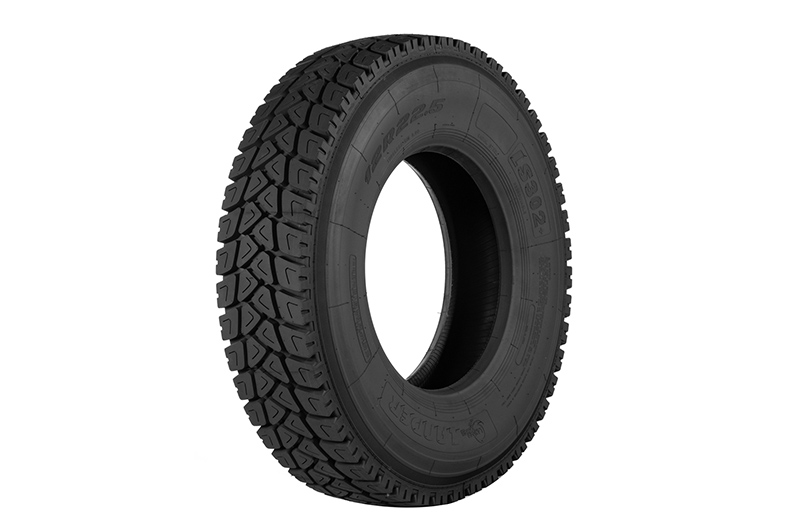
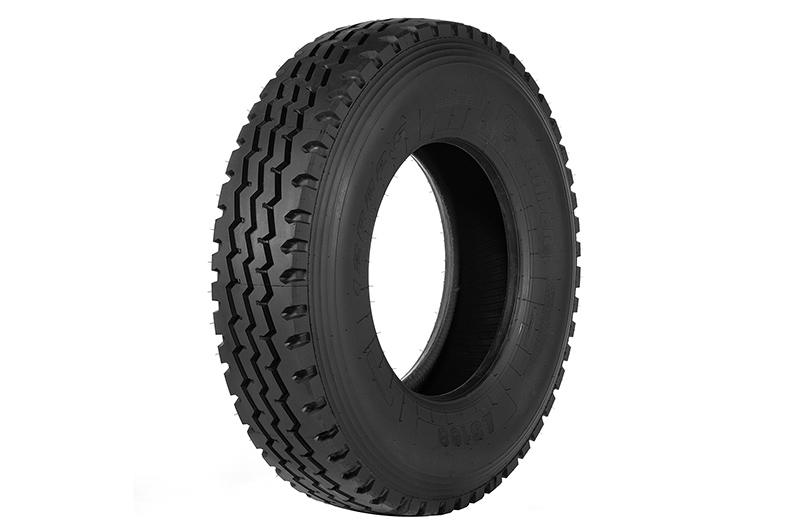
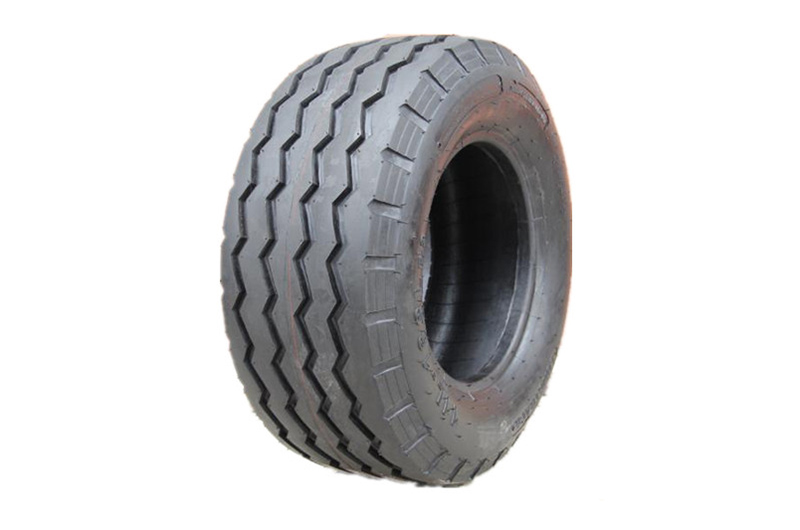
F3 nylon-cord agricultural tire sidewall
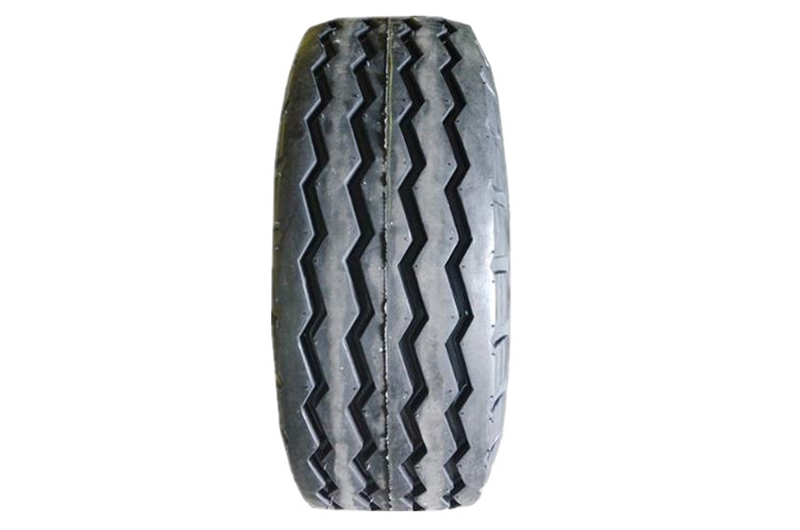
F3 field and road agricultural tire
F3 nylon-cord agricultural tire sidewall
F3 field and road agricultural tire

F3

F3 is an agro-industrial rib-pattern tire for agricultural equipment that runs between field and hard surfaces such as asphalt or concrete.
Available Sizes11L-1611L-15

Buyer Fit: For agro-industrial equipment buyers who need a rib tire for field-road transport and harder working surfaces.
Specification Note: Review Product Specifications first for size, PR or load index, rim, pressure and load-capacity details.
Size PR Overall Diameter(mm) Section Width(mm) Rim Load Capacity (kg) inflated Pressure (kpa) Pattern
11L-16 12 838 279 8.0  1250  420  F-3
11L-15 10 813 279 8.0  1060  360  F-3

Agro-Industrial Rib Pattern
F3 is described as a rib-pattern tire for agricultural and industrial use.

Field-to-Road Use
The product is positioned for hard soil, asphalt and concrete as well as field operation.

Nylon-Cord Body
The existing page describes a shock-fortified nylon-cord body for resistance to impact, cuts and punctures.

Suitable use: agro-industrial equipment moving between field, hard soil, asphalt and concrete.
Selection note: confirm size, PR, rim, load, surface type and equipment application.

Please provide required tire size, quantity, equipment model, working soil or surface, load requirement, destination market and packaging or certification requirements.

Q1: Where is F3 most suitable?
A1: F3 is suitable for agro-industrial equipment used across field, hard soil, asphalt and concrete surfaces.
Q2: What makes F3 different from a field lug tire?
A2: F3 uses a rib-pattern design for mixed field-road transport rather than deep-lug drive traction.
Q3: Which order details are required?
A3: Please provide size, PR, rim, equipment type, operating surface, load and quantity.

Latest Product

Check out our Product

View More
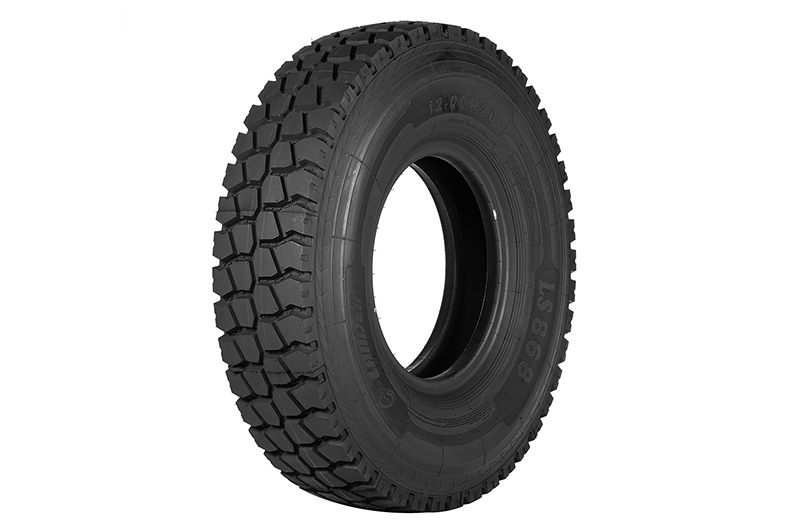
LS868

LS868

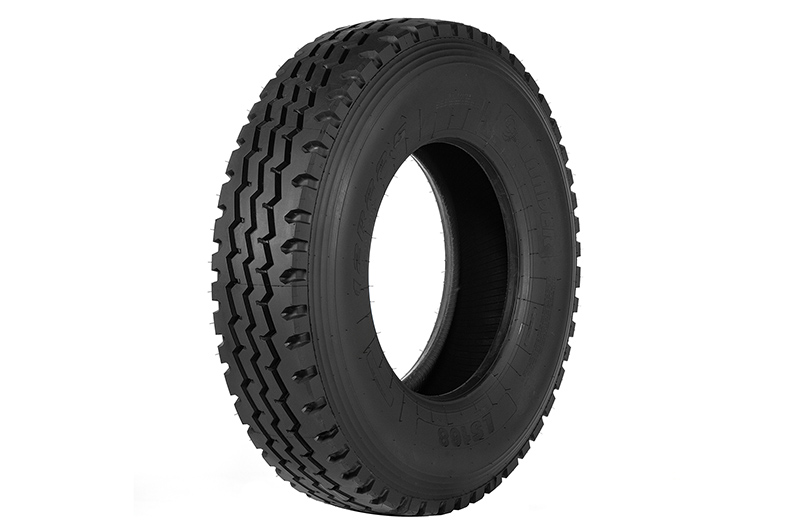
LS868 is a mixed-road regional TBR tire for muddy roads, construction routes and heavy-duty transport.<br><table border="1" cellpadding="6" cellspacing="0"><tr><td rowspan="1">Available Sizes</td><td>10.00R20</td><td>12.00R20</td></tr></table><br>Buyer Fit: For buyers who need self-cleaning grooves, muddy-road grip and stable load performance.<br>Spec Check: Check Product Specifications first for PR, load index, rim, tread depth, load and pressure details.
Read More
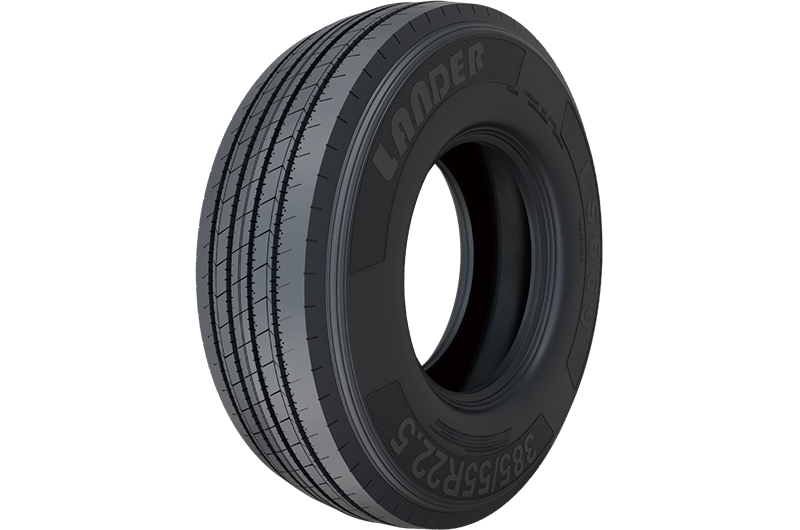
LS669

LS669

LS669 is a regional TBR tire for buyers comparing anti-skid handling, lower heat generation and wear resistance.<br><table border="1" cellpadding="6" cellspacing="0"><tr><td rowspan="1">Available Sizes</td><td>385/65R22.5</td><td>385/55R22.5</td></tr></table><br>Buyer Fit: For regional fleets and replacement buyers who need handling stability and durability on daily routes.<br>Specification Note: Check Product Specifications first for PR, load index, rim, tread depth, load and pressure details.
Read More
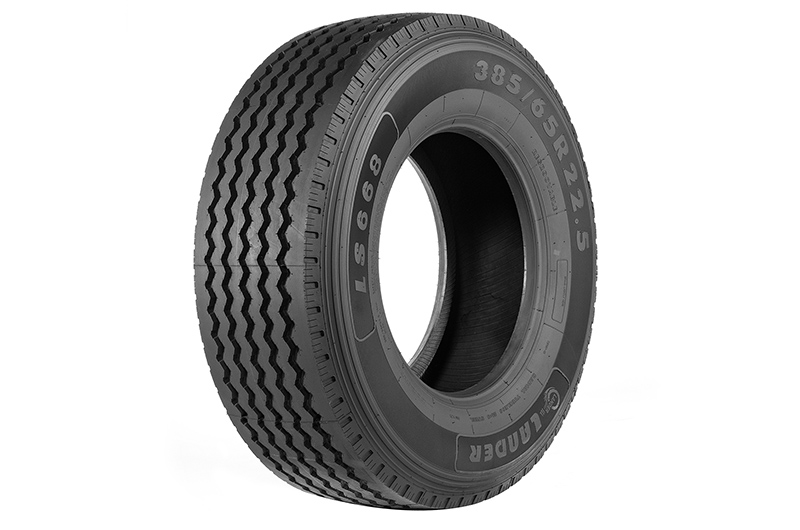
LS668

LS668

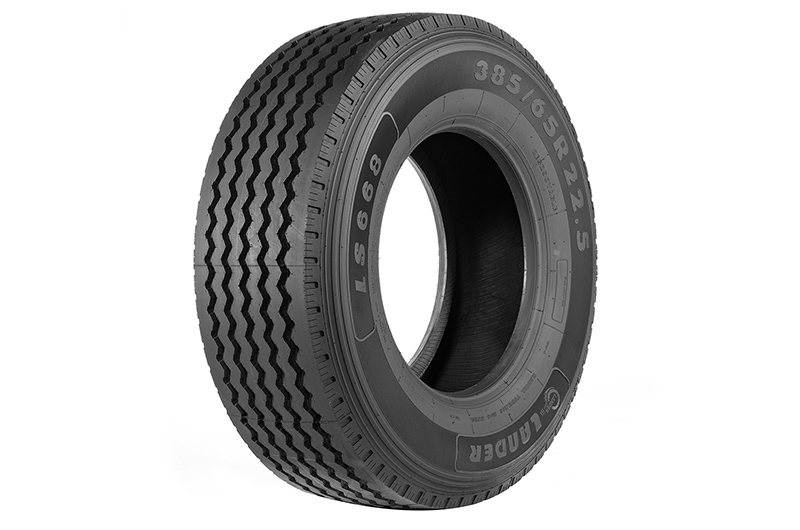
LS668 is a regional steer and trailer TBR tire with a five-groove tread design for handling and endurance.<br><table border="1" cellpadding="6" cellspacing="0"><tr><td rowspan="1">Available Sizes</td><td>385/65R22.5</td></tr></table><br>Buyer Fit: For buyers who need steer/trailer stability, low heat build-up and anti-skid handling on regional routes.<br>Specification Note: Check Product Specifications first for PR, load index, rim, tread depth, load and pressure details.
Read More
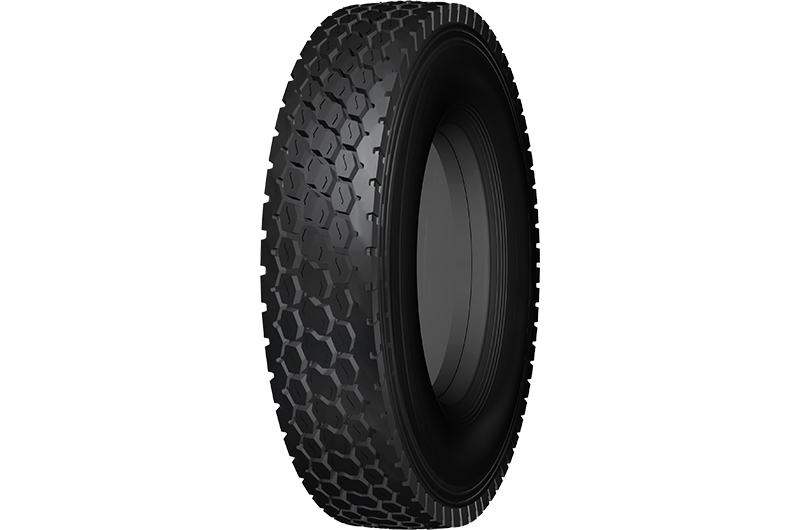
LS569

LS569

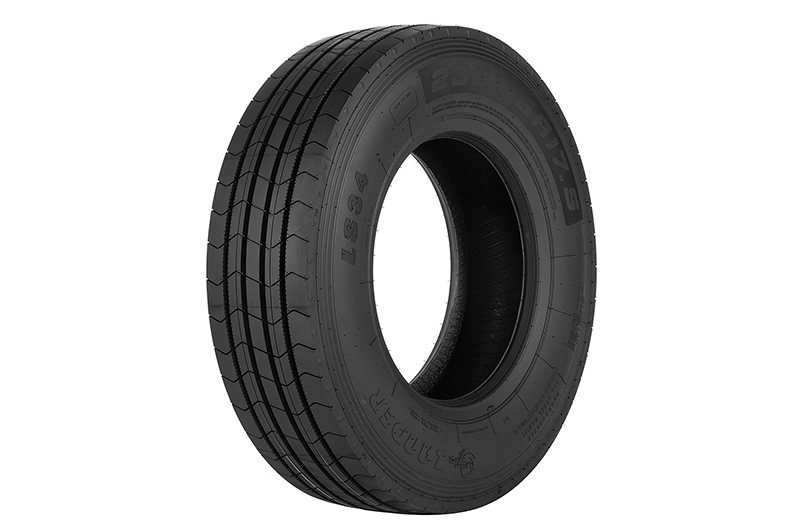
LS569 is a regional TBR tire for buyers who value low rolling resistance, fuel saving and reliable traction.<br><table border="1" cellpadding="6" cellspacing="0"><tr><td rowspan="1">Available Sizes</td><td>295/80R22.5</td></tr></table><br>Buyer Fit: For fleets and distributors balancing fuel economy with grip on regional daily routes.<br>Specification Note: Check Product Specifications first for PR, load index, rim, tread depth, load and pressure details.
Read More
Latest News

Check out our blog posts

View More

13/ August

Why Construction Truck Tires Chip, Chunk and Trap Stones—and How to Prevent Casing Damage

Construction trucks face the toughest grounds in the transport business. Dump trucks, mixers, tippers, and material haulers frequently travel across paved roads. They also drive through gravel paths, muddy work areas, and spots filled with sharp trash. These tough settings put enormous pressure on the tread and casing. Chipping, chunking, and stuck stones might look like tiny surface issues at first. However, they can easily cut tire life short. They also cause more downtime and will eventually ruin the casing. Fleet managers, contractors, dealers, and drivers can lower these dangers. They just need to pick the right tires, perform routine checks, and drive carefully.   Why Do Construction Truck Tires Chip and Chunk? Chipping and chunking are closely connected types of tread damage. Still, their severity levels are quite different. Spotting these warning signs early is very helpful. It allows maintenance crews to discover the main cause before the damage gets worse. What Causes Tire Chipping? Chipping happens when tiny bits of tread rubber simply break off. You will often see this on crushed rock or broken concrete. It also happens on rough gravel and similar harsh grounds. Sharp edges slice into the rubber. Meanwhile, actions like braking, speeding up, and steering pull hard on those weak spots. A tread mixture made for normal highways will likely chip fast in tough mixed-road conditions. Wrong air pressure and carrying too much weight will speed up this ruin. Spinning the wheels and harsh braking also make the damage much worse. What Causes Tire Chunking? Chunking takes place when bigger chunks of rubber tear away. Sometimes, whole sections of a tread block rip off completely. This trouble usually starts with a deep cut or a heavy blow. Too much block movement or rubber softened by high heat can also start the process. This kind of damage needs a quick check. A lost rubber block leaves deeper parts open to rocks and wetness. As a result, the danger of ruining the steel belts or the casing goes up rapidly. Why Do Stones Become Trapped in Tire Grooves? Building sites are full of rocks in all sorts of shapes and sizes. Many stones fall out of the tread on their own. Others, however, get jammed tightly inside the grooves. How Does Stone Drilling Damage the Casing? A stuck rock gets pushed down repeatedly between the tire and the street. Over time, it digs further into the bottom of the groove. People usually call this action stone drilling. The harm can easily reach the steel belts. This lets water sneak in and ruins a casing that could otherwise be fixed or retreaded. The danger climbs higher when paths are covered with sharp rocks. It also goes up if the groove shapes grab onto trash tightly. Failing to pick out stones during daily checks adds to the risk as well. Good groove designs and built-in stone ejectors can really help lessen this headache.   Which Operating Conditions Make Tire Damage Worse? Tread and casing ruin almost never come from just a single reason. Weight, air pressure, and heat all play a big part. The state of the road and how the driver acts also mix together to cause harm. How Do Load and Inflation Affect the Tire? Putting too much weight on a truck bends the casing too far. It also makes the tread shift around and creates extra heat. Low air pressure causes very similar stress. This happens because the tire bends much more than it should. On the other hand, too much air makes the tread stiff. This makes it highly sensitive to hard hits and random cuts. Cold air pressure must be adjusted based on the real axle weight and the specific tire size. You also need to look at whether it is a single or dual setup. Always check the tire manufacturer’s load and pressure charts. A single basic pressure number simply does not work for every truck. Why Do Heat and Driving Habits Matter? Heavy cargo and constant braking build up a lot of internal heat. Long trips on paved highways and hot weather do the same thing. Too much heat softens the rubber. It also makes the inside parts wear out much faster. Spinning tires, tight turns, and slamming on the brakes add huge stress to the tread. Driving fast over trash does this too. Drivers really need to slow down on bumpy paths. They should stop spinning the wheels. Also, they must avoid turning the steering wheel when a heavy truck is parked. How Can Fleets Prevent Chipping, Chunking, and Stone Damage? Stopping damage begins before you even install the tires. It must continue during the entire life of the product. Good safety plans blend picking the right items with strict air control. They also rely on frequent checks and smart jobsite management. Match the Tire to the Real Duty Cycle Keep track of the time your truck spends on paved highways. Also, note the hours spent on gravel, mud, and active building sites. Buyers need to think about travel speed and axle weight. How often the truck turns and the types of local trash matter a lot too. A tire made mainly for smooth streets will likely fail on rough grounds. It will struggle if a truck spends half its day on sharp rocks. The tread design and rubber mixture absolutely must fit the real road conditions. Inspect Tires After Severe Service Drivers must look for stuck rocks, new cuts, and torn rubber chunks. They should also watch for visible steel cords, weird bumps, and uneven wear. Checking the sidewalls for hit marks is vital. Pulling out a rock before it digs deep will save the casing. Sometimes a cut looks deep enough to touch the inner steel cords. A trained commercial tire expert should look at this kind of damage right away. Control Pressure, Load, and Vehicle Condition Always check the air levels when the tires are totally cold. Try to weigh the loaded axles whenever you can. Fix any poor alignment, broken suspension parts, and bad wheel balance. These mechanical faults easily lead to uneven tread wear. Tires placed next to each other in dual setups must match perfectly. Big differences in air pressure or overall height are dangerous. Uneven tread depth is also bad. These gaps force one tire to carry way too much weight. Improve the Jobsite Surface Smoothing out the dirt, fixing water drains, and clearing away trash help a lot. Setting up clear driving paths will cut down on hard hits and deep slices. You must remove bare steel, sharp metal scraps, and giant rocks from loading zones. Doing this protects every truck in the fleet. What Tire Features Help Protect Construction Trucks? A good mixed-service TBR tire has to balance several things. It needs strong wear resistance, good heat control, and solid grip. Stable tread action is also important. Buyers must pick a tire based on real working facts instead of just how it looks. Why Do Compound and Tread Design Matter? Tough crown rubber fights off daily scraping. Meanwhile, a cooler-running inner rubber layer boosts overall strength during mixed-road trips. Open shoulder designs provide a much better grip. They also let heat escape easily when trucks drive from smooth pavement into loose dirt. LANDER SEA LS168 is built specifically for mixed-road and on/off-road truck jobs. It features a special double-compound tread. This includes a tough crown layer and a cooler inner layer. Its open-shoulder shape gives great grip and pushes heat away. At the same time, its layered tread pattern helps cut down on driving noise. The available sizes go from 700R16 up to 315/80R22.5. Before placing an order, buyers need to check several details. They must confirm the ply rating, load index, and the standard rim size. Tread depth, weight limits, air rules, axle spots, and daily road types are also crucial. Why Is QINGDAO LANDER-SKY TYRE CO., LTD. a Reliable TBR Tire Supplier? Finding a trusted source is vital. Buyers often need exact details, many size choices, and tough products for hard jobs. QINGDAO LANDER-SKY TYRE CO., LTD. provides TBR and other commercial tires. They serve distributors, large fleets, builders, and standard replacement markets. For questions about the LS168, buyers can talk about tire sizes and order amounts. They can also discuss their target markets, road types, and mixed-container needs. Delivery times and OEM packing options are open for discussion too. Giving full working details helps the supplier check if the product fits well. It also allows them to create a much better price quote. Conclusion Construction truck tire chipping, chunking, and stuck rocks must never be ignored. Sharp grounds, huge loads, and wrong air levels cause major trouble. High heat, wild driving, and bad tread designs also lead to early ruin. Poorly kept work areas just add to the rapid damage. Fleets can keep their casings safe by choosing the correct mixed-service tires for their real daily tasks. They must manage air pressure and weight carefully. Pulling out jammed rocks and checking fresh cuts early are very helpful steps. Cleaning up the driving paths is also smart. These simple actions will cut down on lost time, make tires last longer, and save the value of the casing. FAQs Can a Tire With Chipped Tread Continue Working? Tiny surface chips might not force you to take the tire off right away. However, you still need to look closely for deep slices and bare steel cords. Watch out for loose rubber bits or damage that grows quickly. Any hint of deep structural harm must be checked by a skilled professional. How Often Should Trapped Stones Be Removed? Tires need a good look during normal pre-trip checks. You must also inspect them after driving through rough gravel, deep quarries, or messy building zones. If rocks keep getting stuck all the time, there is a problem. It usually means your current tread design is completely wrong for that specific route. Is LS168 Suitable for Both Paved and Unpaved Roads? LS168 is built specifically for mixed-road and on/off-road truck jobs. Even so, buyers still have to check a few things before buying. They must confirm the needed size, load limits, and rim type. Air pressure rules, axle spots, and daily working conditions are also highly important to verify.
Read More
Why Construction Truck Tires Chip, Chunk and Trap Stones—and How to Prevent Casing Damage

6/ August

12.00R20 Mining Truck Tires Load Capacity, Tread Pattern and Quarry Application Guide

Mining trucks working on quarry roads encounter sharp stones and loose gravel. They also deal with wet mud, steep slopes, heavy cargo, and constant braking. These harsh conditions put much more stress on tires compared to standard highway driving. Picking the right 12.00R20 mining truck tire helps increase grip. It also cuts down on wasted time and keeps transport running smoothly. Customers need to look at load ratings and tread patterns. They must also check rim fit, air pressure needs, and actual road conditions. People should never buy a tire based just on its cost or how it looks.   What Does the 12.00R20 Size Mean? The 12.00R20 size is very popular for heavy commercial trucks. These vehicles work in mining, quarries, construction sites, and tough transport jobs. However, reading the size label is merely the first step. How Should Buyers Read the Marking? The number “12.00” points to the tire’s standard section width measured in inches. The letter “R” shows a radial build. Meanwhile, “20” tells us the tire goes on a 20-inch rim. Shoppers also need to check the ply rating and the load index. They should look at the speed symbol, standard rim size, tread depth, and air pressure rules as well. Two tires sharing the exact same size might handle completely different tasks. For example, a highway-pattern 12.00R20 tire cannot simply swap places with a mining-pattern tire. This is especially true on rough and broken quarry paths. How Much Load Can a 12.00R20 Mining Tire Carry? The carrying capacity must fit the truck’s real axle weight. It also depends on whether you install the tire in a single or a dual setup. What Are the Main LS807 Specifications? The LANDER SEA LS807 in 12.00R20 comes as a 20PR tire. It features a 156/153 load index along with a K speed symbol. This model requires an 8.50-inch standard rim. Furthermore, it offers a 315 mm section width and a 1,125 mm total diameter. The tread depth measures 23 mm. The official load limit sits at 4,000 kg for a single setup. For a dual setup, it holds 3,650 kg per tire. The recommended air pressure is 900 kPa. These numbers reflect basic product details. They do not act as a perfect rule for every single truck. Drivers must verify the loaded axle weight and read the vehicle manuals. They should also inspect the rim condition and note the tire position. Route speeds and local laws matter too. Carrying too much weight or using the wrong air pressure causes major problems. It creates extra heat and leads to uneven wear. It also puts heavy stress on the bead and ruins the tire casing.   Which Tread Pattern Works Best on Quarry Roads? Quarry paths normally mix hard dirt with loose gravel, wet mud, and sharp rock pieces. The greatest tread design will easily handle the most difficult sections of the trip. Why Do Large Lateral Blocks Matter? Big lateral blocks help push driving and braking power into soft or bumpy ground. They deliver a much stronger hold. This helps a lot when a heavy truck begins moving on a steep hill. It also aids the truck when driving over gravel or slowing down on a dirt hill. A large block design easily beats a standard straight-rib highway pattern for tough jobs. It works much better for slow, heavy hauling over bad surfaces. This layout gives the drive axle plenty of solid traction whenever the road gets messy. Why Is Self-Cleaning Important? Thick mud and tiny rocks often pack into the grooves. This quickly lowers the tire’s grip. Wide open grooves and properly spaced blocks solve this issue. They drop the trapped dirt out while the wheel turns. This action ensures steady traction during rainy or wet jobs. Good self-cleaning ability becomes highly vital during wet weather. If the tread stays completely stuffed with mud, the tire suffers. It might lose its power to move forward, climb hills, or stop safely. Turning on soft dirt also becomes very hard. Why Does the Bead Need Extra Support? The bead locks the tire tightly onto the metal rim. It handles extreme pressure during heavy hauling tasks. Bumpy roads and constant hard hits push extra force into this exact spot. A strengthened bead survives these brutal conditions. However, the tire must sit on a proper rim and receive good daily care. A tough bead design never makes crazy overloading safe. Fleet managers still need to watch their axle weights very closely. They must check air levels and inspect the rims often. Looking for clear damage around the bead remains a daily duty. Where Does the LANDER SEA LS807 Fit Best? You must pick a mining TBR tire based on its actual daily job. The LANDER SEA LS807 focuses on customers wanting strong off-road grip. It also serves those needing tough bead support and great self-cleaning features. Which Applications Suit the LS807? The LANDER SEA LS807 works perfectly for mine paths and quarry trails. It also fits busy construction sites and heavy hauling on terrible roads. Its wide lateral pattern delivers excellent hold on nasty surfaces. Meanwhile, the reinforced bead handles very stressful loads. Buyers can find it in several sizes. These include 1000R20, 1100R20, and 12.00R20. The 12.00R20 version fits dump trucks nicely. These trucks usually move stone, sand, raw ore, and dirt across bumpy private roads. Normal working zones feature quarry gates and busy loading spots. They also include rock crushers, building sites, and short mining paths. Drivers must never treat the LANDER SEA LS807 like a basic highway tire. Some fleets drive mostly on smooth pavement. Others travel at high speeds or cover very long distances. These groups need to share their exact route details before buying. What Should Buyers Check Before Ordering? Clear and true working details help the seller suggest the best tread pattern. This information also guides them to the right specifications. Sharing these facts lowers a major risk. You avoid buying a tire that matches the wheel but fails at the actual work. Which Details Should Be Sent to the Supplier? Customers need to share their current tire size and specific truck model. They must list the axle position and say if it is a single or dual setup. Other vital facts include the usual axle weight and the daily road conditions. Route length, normal driving speed, and the total order amount are also needed. Sending pictures helps a lot too. Good photos show the tire sidewall, old tread damage, the vehicle, and the job site. Distributors must state their main sales market and list any needed safety certificates. They should explain their packing choices and minimum order amounts. Rules for mixed shipping containers and the desired delivery times matter too. All these clues let the factory check if the product fits well. It also allows them to write a very precise price quote. Why Choose QINGDAO LANDER-SKY TYRE CO. ,LTD? A trusted TBR tire factory must offer very clear technical details. They need steady quality checks and fast, helpful replies. Solid after-sales care is just as important for buyers. What Can LANDER SKY TYRE Offer? QINGDAO LANDER-SKY TYRE CO. ,LTD started its business in 2013. The firm builds and ships TBR, OTR, industrial, farm, and forklift tires. The brand runs five busy workshops and uses very strict quality tests. They back up their goods with a strong three-year warranty. They also promise fast customer help. People asking about the 12.00R20 mining tire can talk easily with the LANDER SKY TYRE staff. The team will review job fit, order sizes, and target sales regions. They will also sort out packing and freight rules. This friendly approach makes the enterprise a great partner. They serve tire dealers, big mining fleets, builders, and standard replacement buyers. Conclusion The perfect 12.00R20 mining truck tire has to fit the vehicle’s true daily load. It must match the rim, axle layout, driving speed, and ground type perfectly. Out on rough quarry paths, big traction blocks and self-cleaning grooves win out. Deep tread and a tough bead matter highly. These features bring far more value than a smooth highway ride or quiet road noise. The LANDER SEA LS807 merges a 20PR build with a 156/153 load rating. It boasts a 23 mm tread depth and a wide lateral mining design. This mix handles terrible roads with ease. Shoppers should carefully check every single technical fact. They must also give full working details to the seller before finalizing any purchase. FAQs Can a 12.00R20 Mining Tire Be Used on Highways? It can drive on flat paved roads if the specs and the truck rules allow it. However, it is never a perfect choice for long highway trips. Mining treads focus purely on dirt grip and holding massive weight. Buyers must tell the factory about their exact paved-road usage. They need to share their normal driving speeds and total trip lengths. Is the Listed Inflation Pressure the Correct Daily Pressure? That is not always true. The right cold air pressure relies on the true axle weight. It also changes based on single or dual setups, specific tire traits, and truck rules. Drivers need to read the official load-and-air charts carefully. They must test their tires often using a highly accurate air gauge. What Should I Send for an LS807 Quotation? Please send the exact tire size and your planned order amount. Include facts about the cargo weight, the street surface, and the route style. Mention your target market, needed safety papers, and packing rules. Adding photos of the old tire labels and the rocky quarry path is a smart idea. These images help the factory confirm the right match and reply much faster.
Read More
12.00R20 Mining Truck Tires Load Capacity, Tread Pattern and Quarry Application Guide

30/ July

12R22.5 vs 31580R22.5 Which LS302+ Size Fits Your Regional Truck

Choosing the correct TBR tire size directly affects truck safety, fuel efficiency, carrying capacity, and fleet operating costs. For regional transportation fleets, 12R22.5 and 315/80R22.5 are two widely used drive axle tire sizes, but they are not interchangeable. However, they are not exactly the same. The LANDER SEA LS302+ comes in both sizes. It serves as a dependable regional TBR tire for paved routes and varied daily tasks. This guide looks at the two choices. It helps fleets, dealers, and truck owners pick the best specification.   What Do 12R22.5 and 315/80R22.5 Mean? These two sizes rely on distinct naming rules. Understanding each format properly is the initial step. You must do this before checking load limits, rim matching, and vehicle fitment. What Does 12R22.5 Mean? In the 12R22.5 format, “12” stands for a nominal section width in inches. The letter “R” indicates radial construction. Finally, “22.5” shows the rim diameter in inches. For the LS302+, this size holds an 18PR rating. It features a 152/149L load index and speed symbol. It fits a 9.00-inch standard rim. The listed section width is 300 mm. Its overall diameter reaches 1,085 mm. The tread depth is 18 mm. What Does 315/80R22.5 Mean? In the 315/80R22.5 format, “315” shows the nominal tire width in millimeters. The number “80” represents the aspect ratio. The “R” means radial construction. The “22.5” is the rim diameter in inches. For the LS302+, this size carries a 20PR rating with a 156/150L mark. It also mounts on a 9.00-inch standard rim. The stated section width measures 312 mm. The overall diameter is 1,076 mm. It has a tread depth of 20 mm. How Do the Two LS302+ Sizes Compare? Both sizes fall under the LS302+ regional drive-position series. Yet, their physical dimensions and load ratings vary. Buyers need to examine the full specification. They should not look solely at the shared 22.5-inch rim diameter. What Are the Main Specification Differences? Specification 12R22.5 315/80R22.5 Ply rating 18PR 20PR Load index and speed symbol 152/149L 156/150L Standard rim 9.00 9.00 Section width 300 mm 312 mm Overall diameter 1,085 mm 1,076 mm Tread depth 18 mm 20 mm Maximum single load 3,550 kg 4,000 kg Maximum dual load 3,250 kg 3,350 kg Listed inflation pressure 930 kPa 850 kPa The 315/80R22.5 option is broader. It supports a greater listed load. Additionally, it offers 2 mm more original tread depth. The 12R22.5 option is a bit taller. This might be more useful for fleets that already use this classic size. These details come from the official LS302+ product specifications. Does a Higher Load Rating Always Mean a Better Choice? No. A greater load index does not instantly make one tire superior for every regional truck. The right choice still relies on the tire sizes authorized by the vehicle maker. It depends on the true axle load, rim fit, dual-tire spacing, and route speed. Road conditions and standard operating pressure matter too. Buyers must align the tire with the actual job. They should not pick based just on load rating or tread depth. Which LS302+ Size Better Fits Your Regional Truck? Begin with the tire size authorized by the truck builder. Next, you can assess the vehicle’s working load and the existing wheel setup. Look at your maintenance routine and the local replacement market demand. When Should You Choose 12R22.5? Select the 12R22.5 LS302+ if the truck is authorized and already set up for this dimension. It works well for fleets whose rims and spare tire stocks rely on 12R22.5. Maintenance tools and replacement steps should match too. It can also be a sensible choice for steady regional routes. This is true when the real axle load stays within the stated limit. For distributors, the 12R22.5 can be vital for business. This applies to markets where older inch-based commercial tire sizes stay very popular. Keeping the same authorized size can ease inventory tracking. It also minimizes fitment issues across an existing fleet. When Should You Choose 315/80R22.5? Select the 315/80R22.5 LS302+ if it is an authorized vehicle size. Choose it when the job demands its greater listed load index. This size might suit newer metric-size trucks. It fits markets with heavy replacement demand for 315/80R22.5 tires. Its 312 mm stated section width and 20 mm tread depth can also benefit specific fleet replacement strategies. Still, the greater load rating does not eliminate the need to inspect the rim and axle position. You must check inflation rules, vehicle clearance, and the actual operating load. What Should You Check Before Switching Sizes? Moving from one commercial tire size to another needs a thorough fitment check. Sharing a 22.5-inch rim mark does not make the 12R22.5 and 315/80R22.5 instantly swappable. Are the Vehicle and Rim Compatible? Review the vehicle manual or ask the truck maker before altering sizes. Verify the authorized tire size and rim width. Check wheel condition, suspension clearance, and brake clearance. Ensure there is enough free space around the tire. Both LS302+ sizes mention a 9.00-inch standard rim. However, this detail alone does not guarantee that every truck can swap between the two dimensions. Are Load and Dual-Tire Matching Correct? Measure the real axle load while the truck works under standard conditions. Contrast this number with the tire’s stated single or dual load limit. For dual-wheel setups, utilize tires with matching dimensions and construction. Tread depth and inflation pressure must align too. Badly matched dual tires can cause uneven load spread and irregular wear. They lead to higher tire temperatures and extra maintenance expenses. Fleets should avoid adjusting tire pressure based on broad online advice. The proper operating pressure must match the tire specification and the true load. It should follow vehicle guidelines and relevant local laws.   Why Choose QINGDAO LANDER-SKY TYRE CO., LTD as a TBR Tire Supplier? A trustworthy TBR tire supplier should assist buyers in matching the tire to the vehicle. They must consider axle position, load, and route before talking only about price. This is deeply important for importers, distributors, fleet managers, and replacement tire dealers. How Does LANDER SEA Support TBR Tire Buyers? QINGDAO LANDER-SKY TYRE CO., LTD provides TBR and other commercial tire items for global markets. For LS302+ questions, buyers can share the needed tire size and axle position. Tell them about road conditions, route type, and load needs. Include order quantity, target market, and any certificate or packaging requests. The company can also talk about minimum order quantities and mixed-container choices. They cover lead times and OEM packaging. This application-focused method helps B2B buyers set up orders more smoothly. It lowers the danger of picking a wrong specification. Conclusion Pick the 12R22.5 LS302+ if your truck is authorized for this dimension. It is ideal if your fleet prefers matching with existing inch-size gear, spare stocks, and maintenance habits. Look at the 315/80R22.5 LS302+ if the vehicle accepts the metric size. Choose it if the task needs its greater listed load limit, wider section, or deeper tread. Before buying, verify the rim, axle position, and real load. Check inflation rules, dual-tire matching, road conditions, and local laws. Giving these details to LANDER SEA will help make the tire suggestion and price quote much more precise. FAQs Can 12R22.5 and 315/80R22.5 Be Used Interchangeably? Not instantly. Their rim diameter matches, but their width and overall diameter differ. Load index, ply rating, pressure rules, and fitment needs also vary. Verify vehicle approval and rim matching. Check available clearance and dual-tire spacing before making a switch. Which LS302+ Size Has the Higher Load Capacity? The 315/80R22.5 LS302+ delivers the greater listed capacity. Its peak single load hits 4,000 kg. This compares to 3,550 kg for the 12R22.5 model. Its peak dual load reaches 3,350 kg. The 12R22.5 offers 3,250 kg. What Information Is Needed for an LS302+ Quotation? Supply the needed tire size, vehicle type, and axle position. Include the true load, route type, and road condition. Share the order quantity, target market, and destination. Add any certificate or packaging needs. These facts help the supplier assess the task and build a more accurate quote.
Read More
12R22.5 vs 31580R22.5 Which LS302+ Size Fits Your Regional Truck

23/ July

Can the Same TBR Tire Be Used on Steer and Trailer Axles? What Buyers Should Check

Certain TBR tires can fit on both steer and trailer axles. However, this does not mean every commercial truck tire works in all wheel positions. Steer tires must deliver accurate directional control and steady highway handling. They also need strong resistance to irregular wear. Meanwhile, trailer tires require stable free rolling and low heat buildup. They must resist scrub well. Before using a single tire pattern in both spots, fleet managers and owner-operators must check several details. Distributors and replacement buyers should verify the manufacturer’s position approval. They must also confirm the tire size, load index, and speed symbol. Furthermore, inflation rules, road conditions, and vehicle setup are crucial factors.   Can One TBR Tire Really Be Used on Both Axle Positions? The answer relies on how the manufacturer designed and labeled the tire. Buyers should never assume a straight-rib tread makes a tire fit for both uses. A matching tire size does not automatically mean it works everywhere. When Is the Answer Yes? A TBR tire works in both spots when its product sheet marks it as a steer/trailer or all-position tire. Commercial tire makers build some all-position models approved for multiple axle locations. Other products are made strictly for steer, drive, or trailer duties. Bridgestone’s commercial tire guide clearly tells buyers to look at the planned wheel position. They must also consider the service type before picking a tread. A steer/trailer model normally features a rib-style tread. It avoids the large transverse blocks often seen on drive tires. Circumferential ribs boost directional stability and help with free rolling. This makes the pattern a great choice for many highway steer and trailer tasks. When Should the Tire Not Be Moved Between Positions? A tire must not move to another axle if the maker rejects that position. It is also wrong if the size, load rating, or speed limit falls short. The rim or working pressure must meet the vehicle’s exact needs. Drive tires serve as a clear example. Their block or lug patterns are built to transfer engine torque and give solid traction. They often create more noise and rolling resistance than a standard highway rib tire. Furthermore, they might lack the quick steering response needed on the front axle. Bridgestone points out that rib designs fit best on steer and trailer spots. Lug designs belong mainly on drive axles. Why Do Steer and Trailer Axles Need Different Performance? Even though both spots might use a similar rib pattern, the physical forces are quite different. Buyers must look at how the truck runs. They should not pick a tire just by its looks. What Does a Steer-Axle Tire Need to Do? The steer axle guides the vehicle’s path. Therefore, the tires must offer reliable response and firm straight-line stability. They need good wet-road grip and strong defense against uneven shoulder or rib wear. In long-haul work, low noise and managed heat buildup matter a lot. High-speed ability is also vital. Uneven front-tire wear can result from bad alignment or poor balance. Suspension flaws, wrong pressure, and tough driving routes play a part too. A tire approved for steer use still demands proper vehicle care to give steady service. What Does a Trailer Tire Need to Do? Trailer tires do not handle engine torque. Yet, they carry heavy loads and face sharp lateral scrubbing during turns. Spread-axle trailers and constant tight maneuvers cause huge scrub forces. Urban delivery routes add to this stress. For highway trailer use, buyers usually want smooth free rolling and strong defense against irregular wear. Low heat buildup and firm load support are top goals. A steer/trailer tire can do a great job if its build and tread fit both spots. Still, the running conditions must match the product’s main purpose. Bridgestone names high-speed capacity and low rolling resistance as key traits. Irregular-wear defense is also crucial for line-haul trailer tires. What Should Buyers Check Before Using the Same Pattern? Running one tire model on two axle positions can make stock and buying much easier. However, this choice must rely on strict specs rather than pure convenience. Is the Tire Officially Approved for Both Positions? The product page, data sheet, or maker’s written guide must clearly state the allowed positions. Words like all-position or steer/trailer give helpful clues. Position icons offer good guidance too. Do not trust claims that a pattern simply “looks like a steer tire.” Two similar rib patterns might feature totally different rubber mixes. They could have distinct casing builds, tread depths, and load ratings. Their planned working conditions can differ greatly. Do the Load Index and Tire Size Match the Vehicle? Review the complete sidewall mark. This includes the tire size, ply rating, and load range. Check the load index, speed symbol, and standard rim size. Look at both single and dual load limits. A tire’s load limit can change between single and dual setups. Steer-axle tires are mostly mounted as singles. In contrast, many trailer axles rely on dual pairs. Buyers must check the real axle load against the proper single or dual rating. They should never rely solely on the basic tire size. The truck must be weighed when fully packed. Each axle needs a separate check. Michelin suggests comparing real gross axle weights with the tire maker’s charts. This helps find the exact load capacity and right air pressure. Does the Tread Match the Route? A highway steer/trailer rib tire is not an instant fit for rough mine roads or busy building sites. It struggles in deep mud or harsh mixed-service paths. Straight grooves work much better on smooth paved roads. They suit steady speeds and long trips. Buyers must think about total yearly miles and highway time. Rainfall, road quality, and average speed matter greatly. Turning frequency, axle layout, and planned load are also key. A tire built for smooth highways might wear out fast on sharp rocks. Poorly kept roads can cause severe damage. How Does the LS217 Fit Steer and Trailer Applications? QINGDAO LANDER-SKY TYRE presents the LS217 as a strict long-haul TBR tire. It is made for highway steer and trailer wheel duties. What Are the Main LS217 Specifications? The stated LS217 size is 11R24.5, packing 18PR. It shows a 149/146 load index and an M speed symbol. The tire fits an 8.25-inch standard rim. Its official sheet lists a 3,250 kg single-load limit and a 3,000 kg dual-load limit. It features a 13.5 mm tread depth and a suggested air pressure of 830 kPa. The 149/146 mark is highly vital for dual-position tasks. It gives distinct load indices for single and dual mounting. Buyers must still check the needed capacity against true axle weights. Vehicle papers and local rules must be followed. Which Roads Suit the LS217? The LS217 features four straight circumferential grooves. It is built for highways and solid paved roads. Its main goals include steady steer/trailer handling and rapid wet-road drainage. It aims for lower heat buildup and a quieter highway ride. It must not replace a thick-lug drive tire or a tough mine-road pattern. Buyers driving on mixed, broken, or off-road paths must share route facts before choosing this model.   How Should Fleets Install and Maintain Steer/Trailer Tires? Getting the right position approval is just the start. Good setup and care habits impact safety, total mileage, and handling. They also protect the casing shape. Should Tires Be Matched Across the Same Axle? Tires on one axle must match in size, build, and load limit. They should have similar remaining tread. Big gaps in diameter or tread depth can trigger uneven loading. This causes irregular wear, especially in dual pairs. All tires must go on approved rims. They need careful checks for damage, age, and bead health. Past repairs must be reviewed. Any planned swap between steer and trailer spots must follow the tire provider’s rules. The fleet’s own care policy applies too. How Should Inflation Pressure Be Set? The pressure printed on a product page or sidewall is not a magic number for every truck. The right pressure comes from the real axle load and tire size. The single or dual setup matters. The maker’s load-and-inflation chart is the best guide. Pressure must be tested when the tires sit cold. Michelin tells fleets to weigh each axle alone. Then, adjust the pressure to fit the load and task. Keep equal pressure across tires on the same axle when possible. Why Choose QINGDAO LANDER-SKY TYRE CO., LTD.? A solid TBR tire supplier helps buyers match tire position, size, and road state. They review load limits and market demands before sealing an order. What Makes LANDER SKY TYRE a Reliable Supplier? Started in 2013, QINGDAO LANDER-SKY TYRE CO., LTD. delivers TBR, OTR, farm, factory, and forklift tires. The firm runs five workshops with tight quality checks. It offers a three-year warranty and fast after-sales help. It serves clients across many global markets. To get an LS217 quote, buyers should share the needed size and axle spot. They must detail the driving route and order amount. The target country and packaging needs are also helpful. The firm shares facts on MOQ, mixed-container choices, lead times, and OEM packing. What Is the Final Decision? The same TBR tire fits on steer and trailer axles only if the maker clears both spots. The specs must fit the truck’s true working conditions. Buyers have to check the load limit, single or dual setup, and speed rating. Rim match, air pressure, road type, and planned duty are critical. The LS217 is made strictly for highway steer and trailer tasks. Its straight-groove design is a smart pick for long-haul buyers. It offers steady handling, rapid wet-road drainage, and low heat buildup. It ensures a quiet paved-road trip. FAQs Can I Install a Drive Tire on the Steer Axle? Normally, buyers should pick a tire cleared specifically for steer or all-position duty. Drive-tire lug patterns focus mostly on torque and grip. They might fail to give the sharp steering response or low noise needed on the front axle. Their rolling traits may not fit well. Can an LS217 Be Used on Both the Tractor Steer Axle and Trailer? The LS217 is marked for highway steer and trailer spots. Buyers must still make sure the 11R24.5 size and load limit fit. The rim type, speed symbol, and air needs must match each truck and axle perfectly. What Information Should I Send for an LS217 Quotation? Please send the tire size, planned axle spot, and average axle load. Share the maximum load, road conditions, and yearly miles. Include the order amount, target country, and packing needs. These facts help LANDER SKY TYRE check product fit and build a highly accurate quote.
Read More
Can the Same TBR Tire Be Used on Steer and Trailer Axles What Buyers Should Check

17/ July

How to Choose TBR On & Off Road Tires for Construction Trucks and Mixed Routes

Selecting the proper TBR on & off road tires is crucial for construction trucks, dump trucks, and mixer trucks. It also matters for fleet vehicles that travel across paved roads, gravel sections, muddy jobsites, and quarry entrances. These trucks often navigate rough rural routes as well. Unlike long-haul tires that mostly operate on highways, on & off road truck tires must balance several factors. They need good traction, cut resistance, and heat control. They also require adequate load capacity, self-cleaning ability, and long wear life. For fleet owners, drivers, distributors, and project contractors, the correct tire brings many benefits. It can reduce downtime and improve overall safety. It lowers replacement frequency and keeps vehicles moving during demanding mixed-route operations.   Why Do Construction Trucks Need Special TBR On & Off Road Tires? Construction trucks frequently encounter road conditions that shift multiple times during a single trip. A vehicle might leave a smooth paved road and enter a muddy site. It carries a heavy load across broken ground. Finally, it returns to typical highway or city roads. Mixed Routes Create Multiple Tire Stresses A standard highway TBR tire generally performs well on smooth pavement. However, it might lack the strength needed for sharp stones, unstable ground, and wet soil. It also struggles with heavy load impacts. On & off road TBR tires require a more robust tread pattern. They need a tougher structure to withstand cuts, chipping, and stone trapping. This design also prevents serious shoulder damage. The LANDER SEA ON&OFF tire range is specifically engineered for mixed and rugged terrain. It features patterns tailored for bad roads and overloading trucks. It suits heavy-duty on/off applications perfectly. These tires offer excellent traction and anti-stone protection. They also provide effective heat dissipation, reliable self-cleaning, and strong wear resistance. Construction Fleets Need Stability and Durability Construction trucks typically transport heavy materials. These include sand, stone, cement, steel, soil, bricks, and machinery parts. Such heavy loads put extra stress on the tread, sidewall, bead, and casing. A suitable TBR on & off road tire must help the truck maintain solid traction. At the same time, it needs to resist early damage.   Which Road Conditions Should You Check Before Tire Selection? Before picking a specific tire pattern, buyers need to identify the actual operating route. The exact same tire might not suit every truck. This remains true even if the size is perfectly correct. Paved Road Plus Jobsite Road Certain trucks spend the majority of their time on paved roads. However, they still enter construction sites for loading and unloading tasks. For these specific users, the tire must deliver stable handling and good heat control. It should offer moderate traction without generating excessive road noise. A pattern like LANDER SEA LS168 targets mixed-road and on-off-road truck applications. It offers features that fit buyer needs perfectly. These include a double tread compound, solid wear resistance, and effective heat dissipation. It also provides reliable traction and produces lower noise. Mud, Gravel, and Bad Roads If trucks routinely navigate through mud, loose gravel, and scattered stones, traction becomes crucial. Self-cleaning also grows more important on unpaved roads. Deep grooves and block tread patterns prove very helpful here. They remove mud from the tread efficiently. This helps keep the grip much more consistent. LANDER SEA LS36 is recommended for mixed-road truck applications that require strong self-cleaning and high wear resistance. Its block pattern design stands out as a primary buyer-fit feature. Which Tread Pattern Works Best for Construction Trucks? Tread design directly influences traction, wear behavior, and stone resistance. It also affects noise levels and fuel consumption. Buyers must carefully match the pattern to the specific road type. They should avoid choosing a tire based solely on its appearance. Block Pattern for Grip and Self-Cleaning Block tread patterns are highly effective for muddy roads and busy construction sites. They also work well on loose surfaces. The open groove design assists in releasing mud and gravel. This reduces the risk of a clogged tread. Consequently, it improves grip when a fully loaded truck needs to start, climb, or brake. It also helps when turning on soft ground. Directional Pattern for Handling and Stone Protection Directional tread patterns significantly enhance traction and water evacuation. They prove highly beneficial when trucks require stable control on mixed roads. LANDER SEA LS57 targets truck applications that demand strong traction and responsive handling. It also provides excellent stone-trapping protection. It features a directional tread, stable handling characteristics, and even wear. The anti-stone design adds extra value. Open Shoulder for Rough Service Open shoulder designs assist greatly with traction and heat release during harsh service. They are frequently utilized for drive axles on mixed-service trucks. However, they might generate more road noise compared to standard highway rib patterns. Therefore, buyers must consider the overall route balance carefully. How Should Buyers Compare Load, PR, and Tire Size? A particular tire pattern might appear suitable at first glance. However, the technical specifications must precisely match the vehicle and its typical load. This step is especially vital for B2B buyers, fleet managers, and tire distributors. Load Capacity Comes Before Price Construction trucks frequently run overloaded. They often operate very close to their maximum working capacity. Buyers must verify the load index, ply rating, and inflation pressure. They should also check the rim size and actual axle load before making a tire choice. LANDER SEA product pages consistently remind buyers to verify PR, load index, and rim details. They also emphasize checking tread depth, load limits, and pressure details prior to quotation or final selection. Size Availability Affects Fleet Planning For distributors, comprehensive size coverage is critical. A practical on & off road product line must cover the most common local truck sizes. The LANDER SEA ON&OFF category features multiple models and sizes. For example, LS899 comes in 7.50R16, 8.25R16, and 11.00R20. LS897 is available in 9.00R20, 10.00R20, and 12.00R20. Meanwhile, LS168 offers a much broader range. This includes 700R16, 12.00R24, 11R22.5, 12R22.5, 13R22.5, and 315/80R22.5. What Tire Features Help Reduce Operating Cost? For construction fleets, the total tire cost extends beyond the initial purchase price. The actual cost involves vehicle downtime and early tire removal. It also includes fuel usage, repair expenses, replacement frequency, and ongoing service claims. Cut and Chip Resistance Sharp stones and broken road surfaces frequently cause tread cuts. They lead to block chipping and severe casing damage. A proper on & off road tire must utilize a tough tread compound. It needs a strong pattern structure to manage these rough surfaces effectively. Heat Dissipation Heavy loads, low-speed operation, and repeated braking naturally increase tire temperature. Excessive heat will inevitably shorten the tire’s lifespan. LANDER SEA LS897 is specifically positioned for heavy-duty on and off road truck applications. It includes features like a double compound and high wear resistance. It also offers low heat build-up, solid shoulder protection, and dependable wet driving stability. Shoulder Protection and Even Wear Shoulder wear happens frequently on trucks that turn often on jobsites. It also occurs when they run with unevenly distributed loads. A reinforced shoulder design and correct inflation pressure are essential. They help minimize irregular wear and significantly improve usable mileage. Why Is QINGDAO LANDER-SKY TYRE CO. ,LTD a Reliable TBR Tires Supplier? QINGDAO LANDER-SKY TYRE CO. ,LTD operates as a global tire supplier. It specializes in TBR, OTR, industrial, agricultural, and forklift tires. The company was established in 2013. It presents itself as a dedicated supplier with 5 modern workshops. It maintains strict quality control and offers a solid 3-year warranty. It also ensures fast response times and delivers customer-focused service. For buyers seeking TBR on & off road tires, LANDER SEA provides a dedicated ON&OFF product category. This includes patterns for bad roads, overloading trucks, and mixed-road applications. It offers traction, heat dissipation, and anti-stone protection. It also features excellent self-cleaning performance. The company states that its tires earn trust from partners in more than 60 countries. Furthermore, over 100 long-term customers select Lander for its consistent reliability and steady growth. Conclusion Selecting TBR on & off road tires for construction trucks and mixed routes demands careful thought. It requires much more than just picking a tire size. Buyers must evaluate the specific road conditions and overall load requirements. They need to consider axle position, tread pattern, and cut resistance. Heat control, self-cleaning ability, and shoulder protection are also vital. Finally, they must review all available specifications. For trucks operating between paved roads and rough jobsites, the correct tire makes a huge difference. It can improve traction, reduce costly downtime, and extend service life. This ultimately lowers the total operating cost. QINGDAO LANDER-SKY TYRE CO. ,LTD supplies multiple ON&OFF TBR tire options. These options meet various mixed-route needs perfectly. This makes the company a highly practical supplier for distributors, fleet owners, contractors, and replacement tire buyers. FAQs Q1: What are TBR on & off road tires used for? TBR on & off road tires serve trucks that travel on both paved roads and rough surfaces. These include busy construction sites, gravel roads, and rural routes. They are also used in quarries and muddy jobsite entrances. Q2: Are on & off road tires suitable for long highway driving? They can operate on paved roads safely. However, they are not identical to long-haul highway tires. On & off road tires focus primarily on traction, cut resistance, and rough-road durability. In contrast, long-haul tires focus mainly on fuel economy, low noise, and high-speed mileage. Q3: What should buyers check before ordering TBR on & off road tires? Buyers must check tire size, PR, load index, and rim specifications. They should verify tread depth, load capacity, and inflation pressure. They also need to assess the road condition, axle position, and expected mileage. Finally, they must confirm whether the tread pattern truly fits the truck’s actual operating route.
Read More
How to Choose TBR On & Off Road Tires for Construction Trucks and Mixed Routes

9/ July

How to Choose TBR Mining Tires for Quarry Roads, Mine Roads, and Construction Haulage

Choosing the right TBR mining tires is not only about tire size or price. Quarry roads, mine roads, and construction haulage routes often include sharp stones, loose gravel, mud, slopes, heavy loads, and frequent braking. A tire that works well on highways may wear quickly or lose traction in these harsh conditions. For fleet owners, contractors, dealers, and truck operators, the right mining TBR tire can improve grip, reduce downtime, support heavy-duty transport, and lower long-term operating cost. This guide explains what buyers should check before choosing TBR mining tires and how LANDER SEA mining patterns such as LS807, LS58PRO, and LS58 can match different road conditions. What Makes TBR Mining Tires Different from Regular Truck Tires? Mining transport differs significantly from general road transport. Mining transport generally involves moving large volumes of bulk products over short to medium distances. In most cases the product is abrasive and is moved on rough surfaces. As a result, tires used in mining are subjected to increased stress, increased heat and increased wear. Stronger Tread Pattern TBR Mining tires are normally designed with a much deeper and more aggressive tread design than standard Highway TBR tires. The large tread blocks, wide tread grooves and specially reinforced tire shoulder enable excellent traction on loose soil surfaces and promote even wear. For example, the LS58 has a large block design with great grip on rough ground and good wear resistance. This tire is very suitable for use on roads and on site at quarries, building sites and mines. Better Resistance to Cuts and Chips Most mining roads are strewn with rocks, stones that have been broken in half and razor sharp edges. When selecting a mining TBR tire, one must consider its ability to cut, to chip and to possible damage the tread of the tire. Should a tire become damaged and be out of service, it can stop a truck dead in its tracks and be a cause for delayed loading and potential increased maintenance costs. Support for Heavy Loads For applications such as construction haulage and mine transport which are frequently over-loaded or high-load, buyers must check PR, load index, inflation pressure, rim size and tread depth before purchasing tires. Only choosing by appearance can result in premature tire failure or poor service life. How Should Buyers Match Tires to Quarry Roads? Roads to quarries are mostly abrasive and can be dusty. Trucks are mostly driven in areas where there are large amounts of stone, crushers, loading facilities and steep access roads to the quarry. The tires on such trucks have to offer good traction and high durability. Choose Big Block Patterns for Rough Surfaces The large block arrangement of the tread provides extra wear protection on rough roads. It also enhances contact with the road surface providing stability on roads containing stones, rock chippings and compacted dirt. LS58 is an example of a full size mining TBR tire designed for customers requiring a large block grip tread combined with good transport performance over very bad roads. Check Road Distance and Speed Some of our quarry trucks are running on short internal roads in the quarry while others are running between the quarry and construction sites. The more the truck is running on the road, the more the heat build-up and wear pattern will become a parameter. The buyer should make clear to the supplier if the truck is running mostly in the quarry or on mixed roads. Consider Self-Cleaning Ability Quarry roads can quickly become muddy during rain. Our strong groove tire design is designed to prevent mud and stones from sticking in the tread grooves. When the tire is rotating, the grooves release mud and stones to avoid clogging, and a good grip is maintained for stable traction. What Should Buyers Look for on Mine Roads? Tire choices for use on mine roads will typically be of greater complexity than those used for quarry service due to such factors as long slopes, moving unstable material, sharp rock outcrops and extreme fatigue cycles. Hence the main criteria for selection of tires for service on mine roads would be a tire capable of delivering optimum traction together with suitable bead design and superior durability. Look for Strong Off-Road Traction To be able to drive with mine trucks at steep uphill grades, sharp turns and hard braking, requires a lot of grip. Tire LS807 is especially developed for driving on mine roads, quarry roads and other bad roads where normal tires fail. Large lateral tread lugs give extra traction on off-road surfaces and special tread compound and tread design give best possible performance on bad-road routes and with heavily loaded construction vehicles. Pay Attention to Reinforced Bead Support The bead area of the tire is designed to be as strong as possible to hold the tire on the rim when over loaded or operating on poor roads. A reinforced bead support area can assist in the tires stability when subject to arduous operation. Match Tire Choice to Load Conditions A mine road tire is selected based on actual vehicle load, not simply on the model of the vehicle. For example, if a truck is often to be carrying very heavy loads of material, the buyer should check with the supplier, load index, recommended pressure, and maximum operating speed. How Can Buyers Compare LS807, LS58PRO, and LS58? Different mining TBR patterns are designed to handle different types of mine site roads. A single pattern does not fit all circumstances. Rather, the best pattern is one that matches the Tire Design to the application’s surface type, load and operating style. When Should Buyers Choose LS807? The LS807 tread is recommended for use on mine roads, quarry roads and construction sites as well as for long hauls down bad-road routes with over-loads. It provides a great off-road tread with strong bead protection and self cleaning tread lugs for off-road use. When Should Buyers Choose LS58PRO? The LS58PRO is suitable for poor-road transport and for heavy-duty project work. This tire is for the mining TBR user who requires a tire for arduous roadwork where durability and adaptability to various road surfaces is critical. When Should Buyers Choose LS58? The LS58 is suitable for Quarry, Construction & Mine Road applications that require large block pattern, good on rough roads & good wear life. A great alternative to other large 11R22.5 & 12R22.5 TBR Mining tire options on the market, that the buyer can compare. Why Choose QINGDAO LANDER-SKY TYRE CO., LTD as a TBR Tires Supplier? Selecting a suitable supplier is important for dealers, for fleets and for project buyers. Suitable patterns, stable quality, proper specifications and sufficient service for international deliveries are important requirements for a supplier. Specialized Tire Product Range QINGDAO LANDER-SKY TYRE CO., LTD is manufacturer of TBR, OTR, industrial, agricultural and forklift tyres. Our huge range of tires help dealers and importers to build up a complete tire range for different markets and industries. Quality Control and International Business Support Company gives topmost priority to quality & also issues necessary certification to support sales to international buyers. Also mixed container of Truck Tires & Off the road Tires can be supported to cater to dealer’s different customer requirement. Practical Support for B2B Buyers LANDER SEA serves importers and distributors who need help selecting products, place orders and after sales service. Discussing the following before placing an order with us: tire size, road condition, monthly demand, how to mix up a container, delivery schedule, and cooperation in the market. Conclusion: How Should You Choose the Right TBR Mining Tire? The best TBR mining tire is a matter of specific requirements in terms of roads, loads, vehicles, working speed and working environment. Quarry roads require the highest wear protection. In these situations, the typical block pattern and the excellent grip on stone surfaces are in focus of buyers. Mine roads on the other hand demand high traction, strong beads and good cut resistance. For construction haulage the tires have to be well adapted to mixed roads and have to provide good shoulder-durability. LANDER SEA mining TBR patterns: LS807, LS58PRO, LS58. It’s helpful to a buyer to provide supplier with information about the tire size, vehicle type, road type, typical load, distance driven, and number of tires expected to be used. This allows for a suitable choice of pattern for the specific needs of the buyer’s project and prevents premature wear and unnecessary tire failures. FAQs What are TBR mining tires used for? TBR mining tires are being used on mines trucks that travel on mine roads, quarry roads and construction sites that require special transport and other heavy duty routes where normal road type tires simply do not have enough grip or durability. How do I choose between LS807 and LS58? For off road strength with strong tread traction, reinforced bead area and self cleaning tread pattern, choose LS807. For ultimate big block tread pattern protection for quarry, construction and mine road service, choose LS58. What information should I send before requesting a mining TBR tire quotation? Tire size, Vehicle, Road use, Load, Operating speed, Route distance, Monthly volume, Destination port, Any certification required.
Read More
How to Choose TBR Mining Tires for Quarry Roads, Mine Roads, and Construction Haulage
Home
WhatsApp
Email
Contacts