Q I N G D A O L A N D E R - S K Y T Y R E

Loading

Nullam dignissim, ante scelerisque the is euismod fermentum odio sem semper the is erat, a feugiat leo urna eget eros. Duis Aenean a imperdiet risus.

Fleet Tyre Case Studies Real Performance Data from Logistics, Mining & Industrial Fleets

Fleet Tyre Case Studies: Real Performance Data from Logistics, Mining & Industrial Fleets

Fleet tyre case studies provide real-world data that helps logistics, mining, and industrial fleet operators make better purchasing decisions. Instead of relying on theoretical performance, these case studies show how tyre selection, working conditions, and maintenance practices directly impact mileage, operating hours, downtime, and cost per kilometer. Across different sectors, the results are clear. Logistics fleets focus on fuel efficiency and tyre lifespan. Mining fleets prioritize durability under extreme loads and harsh terrain. Industrial fleets aim to reduce punctures and improve equipment uptime. The following case studies present real performance data from typical fleet operations, showing how the right tyre solution can significantly improve efficiency and reduce costs. Logistics Fleet Case: Mileage Gains and Fuel Burn Drop A mid-sized regional distribution fleet running roughly 200 tractor-trailers on highway and delivery routes dealt with persistent uneven tread wear and fuel consumption running higher than planned. Annual mileage per unit landed in the 120,000–150,000 kilometer range, steer and drive positions losing tread early from varying loads and frequent stops. Tyre life averaged 180,000 kilometers before shoulder feathering and center rib thinning made replacement necessary. The fleet transitioned to radial truck and bus tyres fitted with low rolling resistance compounds and continuous rib tread geometry built for highway pavement service. These constructions kept casing heat controlled on extended runs and spread road contact more uniformly. Pressure verification every shift and rotations at 80,000 kilometer intervals distributed wear evenly across positions. Records spanning 18 months showed steer tyre life climbing to 240,000 kilometers on average, drive positions reaching 220,000 kilometers—a steady 30–33% extension. Fuel consumption decreased 12–15% on matched route segments, linked to the reduction in rolling resistance. Tyre-triggered roadside incidents fell approximately 20%, with blowouts and punctures occurring less frequently and causing fewer schedule interruptions. Table 1: Tyre Life and Cost Metrics – Logistics Fleet Metric Before Transition After Transition Average tyre life 180,000 km 240,000 km Annual tyre cost per truck $18,000 $14,500 Downtime hours per year 45 36 Fuel effect Baseline 0.8–1.2 liters per 100 km reduction fleet-wide The data makes clear how radial builds engineered for highway duty, combined with routine monitoring, bring down per-kilometer expenses and strengthen schedule reliability. Mining Fleet Case: Service Hours Increase in Rough Haul Conditions An open-pit mining fleet consisting of 80–100 haul trucks and loaders faced repeated early tyre removals on rocky haul roads and in elevated ambient temperatures. Payloads ranged 120–150 tons over legs of 5–8 kilometers, sharp rock fragments producing sidewall cuts and tread chunking. Service life generally reached 4,000–5,000 hours per tyre, well short of design expectations, resulting in frequent downtime and replacement costs that exceeded budgeted levels. The fleet adopted off-the-road tyres with reinforced shoulders, thick undertreads, and deep E3/E4 lug patterns designed for rock exposure and heat management. These builds resisted cuts from angular material and cleared loose debris effectively. Shift-by-shift pressure checks and rotations every 500–700 hours corrected longstanding overinflation that had contributed heavily to damage. Three-year tracking indicated average tyre hours rising to 6,500–7,200—a 50–60% extension in haul truck positions. Premature discards fell from 80–90% of total removals to below 40%, site-induced damage accounting for a smaller portion. Downtime per unit decreased 25–30%, permitting steadier cycle times and higher daily tonnage output. Bar Chart Description (Tyre Service Hours – Mining Fleet): Pre-transition: Median 4,500 hours; premature failures 80% Post-transition: Median 6,800 hours; premature failures 35% Cost per operating hour: 18–22% reduction from fewer replacements and minimized production losses. The results confirm the payoff of aligning tyre structure—deep lugs for grip, cut-resistant compounds for rock contact—with terrain demands, generating substantial savings in capital-intensive operations. Industrial Fleet Case: Availability Boost in Mixed Handling Service A construction materials operation with 50 forklift units and support vehicles struggled with frequent punctures and sidewall damage from debris on concrete yards and rough loading zones. Equipment operated continuous shifts in warehouse interiors and outdoor stockpiles, static loads and sharp objects increasing flat risks. Replacements occurred every 2,500–3,000 hours, repair costs accumulated steadily, and unplanned stops interfered with material movement. The fleet implemented industrial tyres—solid puncture-proof models for warehouse forklift service and pneumatic versions with reinforced sidewalls for outdoor exposure. Solid compounds eliminated flats in controlled environments, while pneumatic builds with thick undertreads withstood gravel and rebar contact. Weekly inspections and pressure settings aligned to load charts kept wear uniform. Two-year records showed puncture-related downtime dropping 60–70%, tyre life extending to 4,500–5,500 hours in mixed duty. Repair spending decreased 30–35% from reduced emergency repairs and changes. Availability climbed to 94–96%, supporting more consistent delivery timing. Table 2: Puncture and Cost Metrics – Industrial Fleet Metric Before Transition After Transition Punctures per month 12 3 Annual repair cost $45,000 $30,000 Uptime 82% 95% Additional hours gained per unit annually — 1,800–2,200 The transition illustrates how specialized industrial tyres—flat treads for stability, abrasion-resistant compounds for concrete—minimize variability and sustain steady throughput. Cross-Sector Comparison and Procurement Guidance Setting the cases next to each other highlights recurring elements in tyre performance data. Logistics advantages derived from rolling resistance reductions and mileage extension. Mining improvements came from reinforcement and heat control in harsh terrain. Industrial progress focused on puncture prevention and availability in debris-prone yards. Table 3: Performance Summary Across Sectors Sector Life Extension (%) Downtime Reduction (%) Annual Cost Impact (example) Primary Driver Logistics 30–33 20 $3,500–$4,000/truck savings Rolling resistance & monitoring Mining 50–60 25–30 $50,000–$100,000+ fleet level Cut/heat resistance & rotation Industrial 60–80 (hours basis) 60–70 $15,000–$20,000/fleet savings Puncture resistance & inspections Procurement teams can follow a parallel process: gather current fleet metrics (mileage/hours, failure types), compare against these benchmarks, run trials with targeted tyre types in key positions, evaluate results over 6–12 months, then expand effective choices fleet-wide. Neglecting pressure discipline or terrain matching commonly leads to 70–90% premature discards in mining or elevated fuel use in logistics—outcomes systematic approaches prevent. About Qingdao Lander Sky Tyre Qingdao Lander Sky Tyre Co., Ltd. specializes in providing reliable tyre solutions for logistics, mining, and industrial fleets worldwide. With over a decade of manufacturing experience, the company offers a full range of TBR, OTR, industrial, and agricultural tyres designed to meet real working conditions. Its products are widely used across more than 60 countries, helping fleet operators improve efficiency, reduce downtime, and lower operating costs. Products carry GCC, DOT, ECE, and CCC certifications, complying with standards in diverse markets. The company supplies partners in over 60 countries, spanning Latin America, Southeast Asia, Australia, the Middle East, Africa, Russia, and the CIS regions, with more than 100 long-term accounts. TBR lines feature radial construction suited to logistics and highway service, with low rolling resistance compounds that control heat buildup and promote extended, uniform wear. OTR products include heavy-duty builds with reinforced shoulders and thick undertreads for cut and puncture protection in mining terrain, plus deep lug patterns (E3, E4, L5 configurations) for traction and debris clearance. Industrial and forklift tyres deliver stability under static loads and resistance to abrasion on concrete surfaces. A three-year warranty covers the range. The organization prioritizes prompt response, reliable delivery, and ongoing collaboration with fleet operators. Detailed technical specifications are available through official product documentation. Conclusion Field fleet tyre case studies expose clear ties between tyre specification, maintenance habits, and fleet-level results. Logistics fleets secure 30%+ mileage gains and fuel reductions through rolling resistance emphasis. Mining operations attain 50–60% hour extensions with builds suited to rock and heat exposure. Industrial applications realize major puncture and downtime cuts via puncture-resistant designs. In all sectors, disciplined pressure checks and rotation transform variable costs into controlled ones, typically producing 15–30% lower tyre-related expenses overall. Procurement teams measuring their own data against these patterns can locate similar chances for cost control and operational consistency. For assessments adjusted to particular routes, loads, or conditions, direct contact forms the logical next action. FAQs How much can mining tyre life be extended according to fleet tyre case studies? Fleet tyre case studies commonly report 50–60% increases in operating hours after adopting reinforced OTR tyres with cut-resistant compounds and scheduled rotation, reducing premature failures from 80–90% to considerably lower levels. How much fuel reduction appears in logistics fleet tyre performance data? Fleet tyre case study records frequently indicate 12–15% lower fuel consumption per 100 km after implementing low rolling resistance TBR tyres supported by pressure monitoring and balanced wear. What puncture reduction rates emerge from industrial tyre case studies? Industrial fleet tyre case studies typically show 60–70% decreases in puncture events with solid or reinforced pneumatic tyres, resulting in higher uptime and 25–35% lower repair costs. How do tyre performance data comparisons guide mining fleet decisions? Tyre performance data from fleet tyre case studies highlight 25–30% downtime reductions and 18–22% lower cost per operating hour when tyres match terrain demands, steering procurement toward durable constructions. Why do fleet tyre case studies emphasize rotation and pressure checks? Fleet tyre case study evidence consistently demonstrates that rotation every 500–800 hours and shift pressure verification prevent uneven wear and early discards, extending service life and controlling costs in logistics, mining, and industrial operations.
How Different Road Conditions Affect Tyre Wear and Maintenance

How Different Road Conditions Affect Tyre Wear and Maintenance

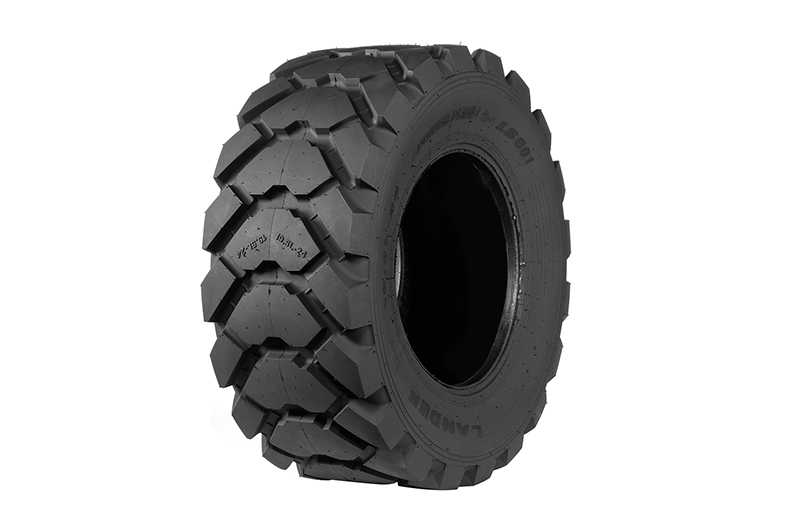
Heavy equipment tyres in mining and construction operations take a beating from constantly changing ground. Tyre wear patterns in tough conditions show up clearly once the fleet starts logging hours—gravel haul roads tear up shoulders and leave cuts, muddy pits round off lugs in heel-to-toe fashion, paved access stretches thin the center rib or feather the edges. Procurement teams and site maintenance leads see these signs turn into real money: accelerated replacement cycles, surprise downtime during peak shifts, and lost tonnage or cubic yards. A haul truck running mixed terrain might lose 30–60% of expected tread life compared to steady soft ground, depending on payload, cycle speed, and how consistently pressures get checked. The following sections break down wear mechanisms across gravel, mud, and paved surfaces based on field patterns, describe what to look for during walk-arounds, and lay out field-proven steps to stretch service hours while keeping sudden failures to a minimum. Gravel and Rocky Roads: Fast Abrasion and Embedded Damage Gravel haul roads—typical in open-pit mines or big earthmoving jobs—are loaded with angular rock that grinds like endless sandpaper under loaded axles. Dump trucks or articulated haulers moving at 20–40 mph generate heavy friction and impact every time a tread block bites in. Shoulders take the worst hit first because they contact the sharpest edges during turns and articulation. The earliest visible damage shows as uneven shoulder wear, often with fresh chips turning into deeper gouges. Cupping and scalloping develop where high spots keep hitting the same rocks cycle after cycle. Sidewalls pick up cuts from protruding material, particularly on loaded climbs or when the machine twists over stockpiles. In bad cases, sharp stones penetrate the undertread, risking fast air loss or belt exposure. Maintenance logs from western mining fleets show rocky haul roads can cut OTR tyre life in half or worse when debris stays embedded. Friction heat builds fast during long hauls, pushing casing temperatures higher, softening the compound, and speeding up chunking. Leaving stones in place lets them drill deeper, turning surface scuffs into casing-level problems that force early pull-outs. Muddy and Soft Ground: Scrubbing and Loss of Self-Cleaning Wet pits, soft overburden, or rain-soaked borrow areas flip the wear dynamic. Tyres spin under load or slip during acceleration, scrubbing the trailing edge of each lug against the ground in a repeated heel-to-toe action. That scrubbing rounds block tops, drops effective height, and packs mud into voids, killing self-cleaning. Heel-to-toe wear stands out as the main pattern: rear portions of lugs erode first, leaving a forward-slanted, chisel shape that loses grip quickly. Side lugs take lateral scrubbing on steering maneuvers in deep mud, creating feathering or irregular shoulder wear. Grooves clog with packed material, causing slippage even at crawl speeds and worsening spin under full payload. Construction fleets during rainy seasons or mining ops with high groundwater see this constantly. Once blocks round off, traction falls sharply, forcing reduced loads or slower cycles to keep from bogging. Field data from articulated dump truck operations shows untreated mud buildup can shave 25–40% off tread life because self-cleaning stops and heat from slippage builds in the carcass. Paved or Urban Access Roads: Even but Cumulative Wear Fleets often shift from rough sites to paved haul roads or city streets for delivery or scale runs. Hard surfaces spread load more uniformly but introduce different stresses. Stop-and-go traffic or tight turns at scales scrub the contact patch, while overinflation on asphalt concentrates wear right down the middle. Center-line rib wear appears frequently from sustained high pressure. Shoulder feathering shows up when misalignment creeps in during repeated maneuvers. Slight underinflation on smooth pavement lets more flex, leading to edge scalloping or irregular contact. Loaders or graders splitting time between pit and paved access often show faster overall depletion than dedicated off-road units. Paved wear builds steadily even though it feels less aggressive. A tyre that holds up in the pit can thin out early on return legs if site pressures stay unchanged. Industry experience indicates 10–20% of total wear on hybrid routes comes from these transitions, frequently missed until tread gauges show clear imbalance. Spotting Wear Patterns and Tuning Maintenance Cycles Catching patterns early stops minor wear from turning into major expense. On gravel routes, walk the tyres daily looking for shoulder chips or sidewall cuts; gauge tread depth at several spots around the circumference to detect cupping. Muddy sites need post-shift groove checks—use a pick to dig out packed material and note whether heel-to-toe rounding has started. Paved segments call for weekly center and edge inspections to spot thinning or feathering. Cycles adjust to the main surface. Gravel-dominant fleets run daily visuals and stone removal, with rotations every 500–800 hours or when shoulder differentials hit 20%. Mud-heavy operations push cleaning every shift and rotations every 300–500 hours to spread scrubbing. Paved access requires monthly alignment checks and pressure tweaks based on load and temperature swings. Rising vibration, drift under load, or climbing fuel burn act as red flags. Tread depth readings give hard numbers—replace before hitting minimums (typically 20–30% of original depth left, varying by position and local rules). Tracking patterns fleet-wide helps forecast pull dates and fine-tune rotation timing. Field Maintenance Practices and Downtime Prevention Start each shift with cold pressure verification—set according to load tables and add a small buffer for heat on gravel runs. Remove embedded stones or mud after every shift to stop drilling. Sidewall checks catch cuts before they reach belts. Rotation balances wear. Move tyres from drive to steer or trailer positions to even scrubbing; gravel sites often need more frequent swaps to counter shoulder bias. Alignment every 1,000 hours prevents feathering, and balancing cuts vibration-driven cupping. Downtime control relies on staying ahead of replacement. Keep spares inflated and shaded to avoid early aging. Train operators to limit spin in mud and avoid overloads on rocky grades. Route sequencing that cuts paved exposure or runs gravel legs in cooler parts of the day reduces overall stress. When wear accelerates, review tyre construction. Deep E3 or E4 lugs with reinforced shoulders stand up to gravel cuts, while open voids and self-cleaning blocks clear mud effectively. Cut-resistant compounds and thick undertreads add hours in rocky ground. About Qingdao Lander Sky Tyre Qingdao Lander Sky Tyre Co., Ltd. started in 2013, based in Qingdao, China. The company produces radial truck and bus tyres (TBR), off-the-road tyres (OTR), industrial tyres, agricultural tyres, and forklift tyres. Five workshops with modern equipment span 3,000 square meters, backed by strict incoming material checks and ongoing production quality controls. The range carries GCC, DOT, ECE, and CCC certifications, meeting requirements in multiple international markets. Distribution covers partners in more than 60 countries, including Latin America, Southeast Asia, Australia, the Middle East, Africa, Russia, and the CIS regions, with over 100 established accounts. OTR products use heavy-duty builds designed for mining and construction service. Reinforced shoulders and thick undertreads deliver cut and puncture resistance on rocky terrain, while deep lug patterns (E3, E4, L5 configurations) provide traction and debris clearance in loose or muddy conditions. Compounds prioritize heat dissipation and abrasion resistance, supporting extended hours in severe duty. A three-year warranty covers the line, reflecting expected durability. The company focuses on fast response, dependable scheduling, and long-term cooperation with fleet operators. Full specifications appear in official product resources. Conclusion Gravel roads grind shoulders and embed cuts, muddy ground scrubs lugs into rounded shapes, paved stretches thin centers or feather edges—each leaves clear tyre wear patterns in tough conditions that point to maintenance gaps well before tyres fail. Identifying patterns through consistent walk-arounds, tuning cycles to the primary terrain, and sticking to disciplined pressure, cleaning, rotation, and alignment practices extends tyre life, lowers replacement frequency, and keeps downtime low. Fleets that pair the right construction—deep lugs for mud evacuation, reinforced builds for rock protection—with site-specific routines turn one of the biggest variable costs into something more predictable and controlled. FAQs How do I spot tyre wear patterns in tough conditions on gravel haul roads? Check shoulders daily for chipping, gouges, and cupping where high spots hit sharp rocks repeatedly. Gauge tread depth at multiple circumference points to catch uneven shoulder loss that signals fast abrasion. What creates heel-to-toe wear on heavy equipment tyres in muddy ground? Load-induced slipping scrubs the trailing lug edge first, rounding blocks and cutting traction. Packed mud in grooves worsens the problem, making heel-to-toe rounding noticeable after repeated shifts. How often should tyres rotate on mining sites with gravel and mud mix? Rotate every 500–800 hours on gravel-heavy routes to balance shoulder wear, or every 300–500 hours in dominant mud to spread scrubbing. Adjust intervals based on tread depth variance and vibration feedback. What field steps slow tyre wear on rocky construction sites? Remove embedded rocks after each shift, hold cold pressure to load charts, inspect sidewalls for cuts, and rotate more often. Reinforced shoulders and cut-resistant compounds add hours before chunking starts. Why does paved access cause center wear on off-road equipment tyres? Hard pavement focuses load in the center under high pressure, thinning the middle rib while shoulders stay thicker. Stop-and-go scrubbing adds to it; drop pressure for paved legs to spread contact evenly.
How Seasonal Weather Impacts Heavy Duty Truck Tires for Cross-Regional Fleets Practical Selection & Maintenance Strategies

How Seasonal Weather Impacts Heavy Duty Truck Tires for Cross-Regional Fleets: Practical Selection & Maintenance Strategies

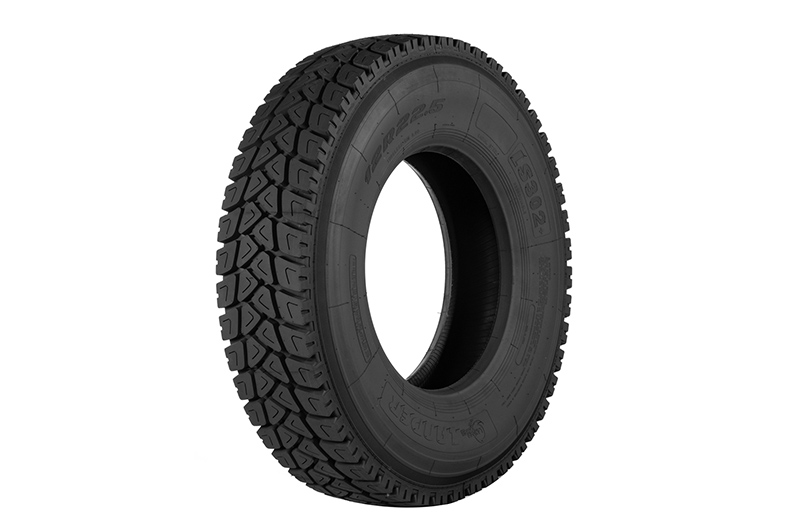
Heavy duty truck tires in cross-regional fleet duty confront ongoing stresses from seasonal weather shifts and environmental conditions. Extended high pavement temperatures on southern runs, sub-freezing exposures on northern corridors, persistent heavy rainfall, snow accumulation on highways, cumulative ultraviolet radiation, and ozone interaction each apply specific loads to compounds, casings, grip characteristics, rolling resistance levels, and safety thresholds. Maintenance supervisors and procurement specialists in the heavy-duty segment understand that tire selections not aligned to these realities or inconsistent on-road monitoring lead to quicker tread loss, unscheduled service events, higher recap and new-tire spending, and increased regulatory and accident-related risks. The material that follows outlines these influences from documented fleet patterns and lays out practical guidelines for tire matching and field care that yield dependable results over mixed territories.   High Temperatures: Key Strains on Heavy Duty Truck Tires & Cost Impacts Southern highway segments or equivalent dry-climate paths commonly register road surfaces well over 140°F with ambient air frequently in the upper 90s or higher. Heavy axle loadings paired with steady highway velocities produce considerable internal heat via friction and repeated deformation. When casing temperatures surpass 195°F, compounds soften detectably. Sidewalls show greater deflection than intended, bead regions take on elevated shear forces, and tread areas wear at quicker rates. Air volume expansion inside adds to the concern: tires brought to cold specification often climb 10–15 psi or beyond after hours of exposure, moving into zones where structural strain intensifies and failure likelihood grows without intervention. Maintenance logs from operators on desert-fringe routes reveal distinct seasonal trends. Sidewall detachments and tread chunking rise sharply in peak summer periods, while blowout occurrences increase on legs with ongoing high heat and payload. The same heat buildup raises rolling resistance, demanding more engine work and contributing 2–4% additional fuel use on prolonged hot-weather segments—amounts that add up meaningfully across fleet operations. Low Temperatures, Rain, and Snow: Consequences for Grip and Handling Stability Cold air contraction influences tire pressure in a predictable manner. Field experience consistently shows about 1–2 psi decrease per 10°F temperature drop. Trucks departing from heated facilities at proper cold pressure can register 10–15 psi short after sitting through nights in the 20s, resulting in increased sidewall flex and faster shoulder-area abrasion. Compounds harden considerably below 45°F, reducing the contact patch’s ability to adapt to road irregularities and lowering effective grip. Stopping distances grow on wet surfaces, and hydroplaning onset points drop when tread channels cannot move water efficiently. On snow-covered or icy northern paths, limited siping or rigid cold-state materials cause clear traction shortfalls, elevating jackknife chances or heavy dependence on electronic stability controls. Fleet service records note braking distances extending 20–40% on reduced-friction roads with stiffened or underinflated tires. Heavily loaded combinations need extra buffer, since built-up momentum turns any grip deficit into substantially longer required stopping distances. Environmental Factors: Progressive Deterioration Processes Ultraviolet exposure and ozone progressively attack tire materials. Continuous direct sunlight starts surface cracking on sidewalls that advances inward with ongoing load repetitions. Ozone interacts with polymer networks, forming micro-tears during downtime intervals between runs. Humidity swings speed internal oxidation, and alternating wet-dry cycles place stress on belt assemblies, encouraging separation in builds without strong protective layers. These processes regularly overlap with seasonal demands: ultraviolet-damaged sidewalls meeting winter cold generate accelerated fatigue, cutting anticipated mileage below initial estimates. Tyre environmental performance links closely to rolling resistance patterns. Weakened compounds or ongoing inflation inconsistencies boost fuel requirements and emissions volumes—considerations that carry more weight amid stricter fleet regulations and fluctuating diesel pricing. Fitting Tire Construction to Cross-Regional Fleet Needs Compound composition serves as the leading differentiator. Heat-resistant formulations with increased synthetic rubber fractions and precisely distributed carbon black maintain stability, resisting excessive softening even when internal heat reaches near 220°F on extended southern hauls. Compounds built with substantial natural rubber portions or silica additions preserve pliability in lower temperatures. These avoid severe stiffening below freezing, upholding traction and countering grip reduction. Operators handling northern routes often see 15–25% tread life improvements after transitioning to cold-adapted formulations. Tread layout contributes significantly. Multi-directional configurations with deep, widely spaced voids clear water rapidly in heavy downpours, limiting hydroplaning exposure. Tight siping networks enhance mechanical engagement on packed snow, while strengthened shoulders and debris-ejection elements fit mixed-duty routes subject to pickup of stones or gravel. Fleets operating across broad climate zones without frequent seasonal swaps gain from all-position patterns that balance tread depth, siping density, and even wear for steady performance throughout the year. Load index, speed rating, and casing build require careful alignment to operational specifications. Robust belt layers and thick undertreads support heavy loads with limited flex, while low rolling resistance profiles provide lasting fuel savings through varying temperatures. Compliance with international certification standards supports dependable procurement for fleets spanning multiple regions or global sourcing. Maintenance Routines for Field Safety and Performance Reliability Pressure readings take place cold—best before initial movement or after a minimum four-hour standstill. Expected temperature swings dictate adjustments: plan for roughly 1 psi rise per 10°F increase during running, with equivalent downward corrections for colder portions. Pre-trip examinations concentrate on sidewall abnormalities, cuts, bulges, or wear inconsistencies. Tread depth checks at various groove positions detect unevenness pointing to alignment shifts or persistent inflation issues. In challenging weather, replacement timing tightens: hold minimum 4/32″ on steer axles and 2/32″ on drive and trailer positions for dependable wet or snowy capability. Rotation schedules—commonly 50,000–80,000 miles in line-haul work—balance positional wear differences. Tire pressure monitoring systems deliver real-time alerts on gradual pressure drops or heat-related changes. Driver guidelines call for moderated speeds in extreme heat or intense rain, measured braking on slippery pavement, and swift reporting of unusual vibrations or pull. Route sequencing reduces overall stress exposure. Placing southern legs outside midday heat maxima and timing northern segments for transitional milder periods cuts cumulative thermal cycling. Spares maintained at correct pressure and kept shaded stay service-ready without accelerated breakdown. About Qingdao Lander Sky Tyre Qingdao Lander Sky Tyre Co., Ltd. started in 2013, located in Qingdao, China. The company produces radial truck and bus tires (TBR), off-the-road tires (OTR), industrial tires, agricultural tires, and forklift tires. Five workshops with up-to-date equipment cover 3,000 square meters, supported by thorough incoming material checks and production-stage quality controls. The range carries certifications including GCC, DOT, ECE, and CCC, meeting requirements in varied international markets. Distribution reaches partners in over 60 countries, including Latin America, Southeast Asia, Australia, the Middle East, Africa, Russia, and the CIS areas, with more than 100 ongoing relationships. TBR products feature radial design suited to heavy-load highway and regional service. Low rolling resistance compounds limit heat development while enabling longer service runs—frequently over 200,000 km in standard fleet duty. A three-year warranty covers the series, reflecting built-in durability. The organization focuses on quick response, reliable scheduling, and continued partnership with fleet operations. Full technical details are accessible via official product materials.   Conclusion Seasonal temperature cycles and environmental exposures create steady challenges for heavy duty truck tires in cross-regional service. High heat raises blowout potential and fuel costs, cold weather reduces traction and causes pressure shortfalls, rain and snow call for strong water displacement and material flexibility, and long-term exposure hastens compound and structural wear. Purposeful tire specification—focusing on compound toughness, tread design, and load-handling construction—alongside disciplined pressure checks, inspection protocols, rotation timing, and driver practices produces clear gains in cost per mile, uptime reliability, and safety performance. Fleets following these methods attain extended tire service, better efficiency, and more consistent operational results. FAQs How much does heavy duty truck tire pressure change with temperature? Temperature variations usually cause 1–2 psi pressure shift per 10°F. A tire set correctly cold at 100 psi can lose 10–15 psi after overnight freezing or gain similarly during extended summer running, making regular cold-pressure checks a standard practice. Why do heavy duty truck tires blow out more in extreme summer heat? Sustained high temperatures soften compounds and expand internal air, driving pressure into unsafe levels. Road contact friction and heavy loads intensify overheating, sidewall loading, and eventual tread or casing failure on long southern segments. How do cold temperatures reduce traction on heavy duty truck tires? Compounds stiffen below 45°F, limiting flexibility and contact patch effectiveness. Combined with underinflation from cold contraction, this creates uneven wear and considerably longer braking distances on wet, snowy, or icy roads. Which tire features improve heavy duty truck handling in heavy rain and snow? Deep multi-directional grooves promote fast water evacuation to reduce hydroplaning. Dense siping together with cold-flexible compounds maintain tread shape and grip on low-traction surfaces, shortening stops and aiding control. How can fleet operators reduce environmental aging of heavy duty truck tires? Frequent sidewall inspections spot early UV or ozone cracking. Shaded storage, steady inflation to decrease flex fatigue, scheduled rotations, and limiting prolonged sunlight contact together slow deterioration and lengthen usable life.
Off-the-Road Tyres in Extreme Conditions Traction, Durability, and Selection for Mining and Rocky Terrain

Off-the-Road Tyres in Extreme Conditions: Traction, Durability, and Selection for Mining and Rocky Terrain

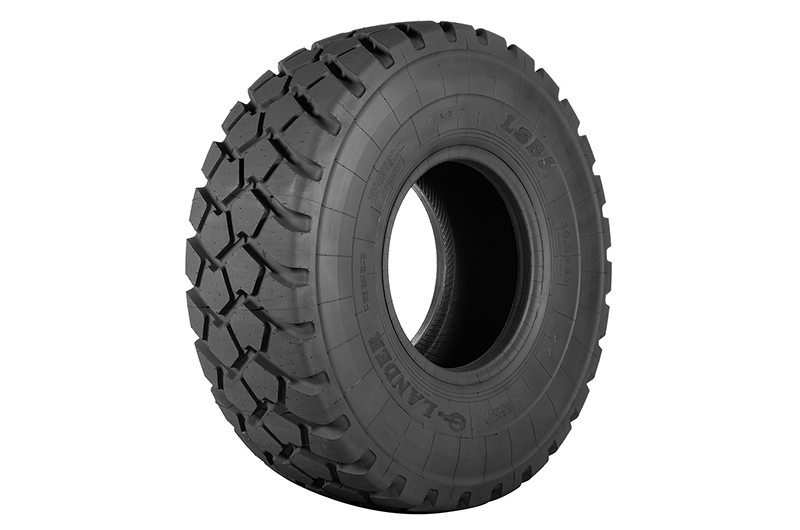
Off-the-road tyres take a beating in open-pit mining, hard-rock quarries, and heavy earthmoving jobs where sharp edges, massive tonnages, extended cycles at torque, and abrasive loose ground create nonstop risks of cuts, penetrations, overheating, and grip loss. A tyre that goes down in these surroundings stops the haul truck or loader cold, racks up replacement expenses, and tightens safety exposure across the shift. The gap between tyres that barely make it through a campaign and those that deliver solid hours lies in how closely the build, compound, and tread layout tackle the site’s main pressures—rocky terrain tyre resistance, mining OTR tyre traction, heavy-load heat control, and cut/chip toughness.   The following sections cover the dominant failure modes seen in the field, outline a practical path for picking constructions and patterns suited to rough ground and high-payload work, weigh the on-the-job behavior of typical tread styles drawn from actual site results, and detail the upkeep routines that push service life further in tough setups. Procurement groups and fleet supervisors rely on these details to match tyre specs to real operating profiles instead of relying solely on catalog claims. Primary Stresses OTR Tyres Face in Harsh Mining and Quarry Environments Hard-rock operations repeatedly show the same breakdown patterns. Angular fragments carve into tread blocks and sidewalls, producing chunk-outs and punctures that cut service short. Continuous heavy payloads across long hauls or slow loading loops generate core temperatures that soften the rubber, speed up scrubbing, and compromise casing strength. Loose overburden or slick rock faces cut forward drive and stopping power, particularly on ramps. Trapped stones bore deeper rotation after rotation, converting small intrusions into major structural issues. Sidewall rips from bench strikes or haul-road curbs expose belts and invite separation. These problems compound in practice. A cut lets moisture in and hastens heat-driven breakdown; weak traction pushes operators to apply more power, spiking temperatures; stone drilling thins the casing so the next hit triggers a blowout. Tyres engineered for extreme duty fight back with thicker undertread, compounds resistant to thermal softening, beefed-up bead zones, and tread shapes that shed debris before it settles in. Decision Framework for Rough Terrain and Heavy-Load Applications Pattern and build decisions track what the site actually throws at the tyre rather than generic labels. Bias constructions supply stiff, substantial sidewalls that stand up to sharp impacts in rock-heavy ground, giving reliable rocky terrain tyre resistance while trading some ride quality and heat escape. Radial builds, using steel belts and lower sidewall stiffness, shed heat more effectively during steady heavy loads and longer runs, which suits haul trucks on extended routes with higher average speeds. Tread class steers the balance. E4 and L5 patterns, carrying deeper tread and bulky lug blocks, stress cut and chip resistance in highly abrasive rock settings where penetration threats dominate. They trade a bit of rolling resistance for shielding against cuts and chunking. E3 and L3 patterns deliver balanced mining OTR tyre traction with controlled heat, holding up in mixed rock and soil where pure rock exposure is moderate. Loader and dozer work in pits often leans toward deeper E4/L5 choices to resist bucket shear and side forces, whereas haul-truck patterns focus on uniform wear and thermal balance. A direct assessment begins with three key checks: dominant ground type (sharp rock, mixed loose, or maintained roads), typical load per tyre plus cycle distance, and prevailing temperatures and speeds. Answers guide the right mix of build, tread depth, and compound hardness. Ignoring load-speed ratings or running low pressure cuts life more than small variances in starting tread depth. Practical Performance of Different Tread Designs in Extreme Conditions Tread shape governs grip retention and damage shedding in day-to-day runs. Deep-lug patterns—high, spaced blocks with generous void areas—dig into loose or soft cover, providing strong traction mining capability on slopes and under acceleration with load. The open layout aids ejection of bigger pieces, though finer stones lodge without regular clearing. In hard-rock mining, these patterns often rack up extended hours before notable chunking when matched with cut-resistant compounds. Block-style treads spread pressure over a broader contact patch on solid rock, maintaining steady grip without deep digging that invites slicing. They wear evenly in varied conditions but give up some aggression in very loose overburden relative to deep-lug options. Stone-ejector or self-cleaning layouts use angled channels, lug bridges, or stepped edges to push trapped material out during rotation. Operators working rocky terrain frequently note reduced drilling incidents and related stops—commonly 20-30 percent longer tread life in abrasive ground—since fewer stones stay embedded long enough to wear through undertread. Smooth or shallow-tread patterns rarely appear in open-pit or quarry duty; they fit flat, hard applications like stockpile yards or paved ports. The call between deep-lug, block, and ejector styles rests on machine function and ground makeup: aggressive bite for dozers and loaders shifting material versus heat and wear equilibrium for haul trucks on longer cycles. Field-Proven Habits to Extend OTR Tyre Life in Severe Conditions Maintenance consistency turns capable tyres into high-hour performers. Holding cold inflation to manufacturer specs limits flex heat and sidewall stress; nitrogen fill adds stability in hot regions by cutting moisture swings. Shift-end walk-arounds spot early cuts, scuffs, or lodged stones for prompt removal. Clearing tread voids routinely stops stone drilling from advancing to casing splits. Tracking temperatures—via handheld guns or vehicle systems—spots rising trends that signal low pressure, overload, or mismatched speed/load. Scheduled rotations even abrasion across positions and stretch fleet totals. Applied without gaps, these steps let correctly spec’d tyres gather thousands more hours in settings where unscheduled changes carry heavy penalties. About Qingdao Lander Sky Tyre Qingdao Lander Sky Tyre Co., Ltd., started in 2013 and located in Qingdao, China, specializes in tyres built for severe service. Production spans over 3,000 square meters in five workshops, with tight controls on raw inputs and process steps to hold uniformity. OTR tyres anchor the lineup, supplied in bias and radial forms with strengthened carcasses, generous undertread, and compounds tuned for cut resistance and thermal endurance. Patterns feature deep-lug options geared toward mining and rocky conditions, stressing traction and penetration defense.   The series meets GCC, DOT, ECE, and CCC standards, backed by a 3-year warranty. Products serve partners across more than 60 countries, supported by prompt technical assistance and focus on enduring, trust-based ties in heavy industrial fields. Conclusion Success in extreme mining and quarry duty hinges on tyres that fit construction and tread to the site’s core stresses—rocky terrain resistance, traction under payload, cut shielding, and heat handling. When specs match terrain, load, and cycle realities, and when routine care stays rigorous, unplanned stops decline, change frequency drops, and cost control improves steadily. Fleet choices rooted in these field realities produce the clearest gains across the tyre’s working span. FAQs What causes the most common OTR tyre failures in rocky mining sites? Sharp angular rocks drive most failures via cuts, punctures, and chunking, while prolonged heavy loads create excessive heat that degrades compounds and casings. Reduced traction on loose or wet faces demands higher throttle, amplifying heat and wear cycles. How should tread depth be selected for extreme rocky terrain mining operations? Deeper E4 or L5 tread depths supply stronger cut and chip resistance where sharp rock penetration risks peak. Shallower E3 patterns suit mixed ground better, where heat buildup and uniform wear outweigh maximum cut protection. Why do some OTR tyres lose traction faster on mining inclines? Insufficient lug height or void spacing prevents effective digging into loose cover, weakening grip during acceleration and braking. Deep-lug patterns with wide spacing typically sustain better traction mining performance on grades when debris clearance remains consistent. What maintenance stops stone drilling damage on OTR tyres in quarries? Frequent extraction of embedded stones from tread voids halts small debris from grinding deeper into undertread and casing. Paired with proper inflation and temperature monitoring, this practice markedly lowers drilling-linked punctures and separations in abrasive rocky terrain. When do radial OTR tyres outperform bias in heavy mining applications? Radial constructions dissipate heat more effectively and support longer cycles with steady loads, favoring haul trucks on extended hauls. Bias constructions generally deliver superior sidewall puncture resistance in impact-dominant, short-cycle rocky sites.
Tractor Tyre Pressure Guide How to Set the Right PSI for Maximum Life and Fuel Savings

Tractor Tyre Pressure Guide: How to Set the Right PSI for Maximum Life and Fuel Savings

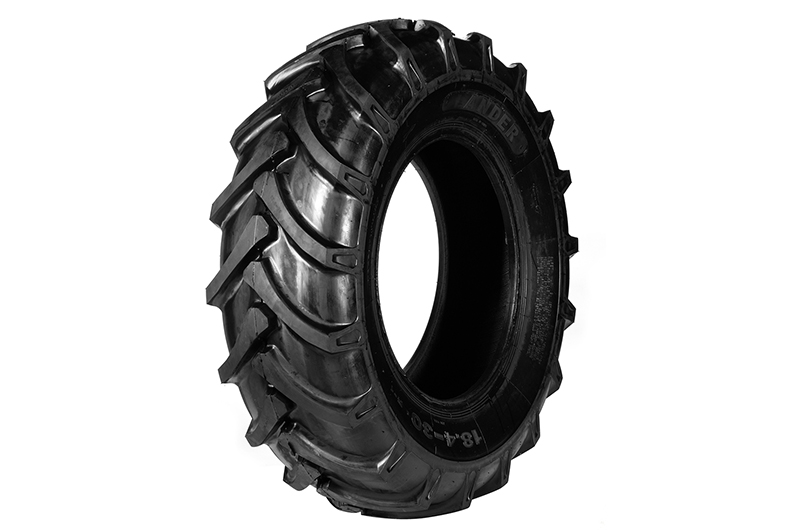
Tractor tyre pressure remains one of the most direct controls for managing wear rates, fuel burn, and soil impact in daily operations. Proper tractor tyre pressure, adjusted for real axle loads, speeds, and ground conditions, consistently delivers 20–30% longer service intervals, measurable diesel savings, and reduced compaction. Operations that maintain accurate inflation see uniform tread wear, reliable traction during draft work, and lower running costs over a full season.   Field service records show underinflation causes repeated sidewall flexing under load. Internal heat softens compounds, initiates sidewall cracking, and accelerates shoulder and lug wear. In wet or loose soils slip increases, lateral forces rise, and tread degrades unevenly. Mixed field-road cycles often record 15–25% shorter life when low pressure persists, with higher transport speeds worsening the effect on fatigued casings. Overinflation concentrates load on center tread ribs. Middle wear advances rapidly while shoulders stay intact, producing cupped profiles after moderate hours. Traction drops on firm surfaces, rolling resistance climbs, and fuel consumption rises. In fields overinflation focuses pressure along the center line, potentially limiting root growth in later crops. Both conditions increase costs beyond replacement price. Higher rolling resistance drives fuel use up, soil disturbance worsens, and uneven wear forces early change-outs despite remaining tread depth elsewhere. Why Tractor Tyre Pressure Matters – The Real Impact on Performance and Costs Effects of Incorrect Pressure Underinflated tyres flex excessively in sidewalls during loaded passes. Heat buildup degrades rubber, promotes micro-cracks, and speeds edge wear. Wet soils amplify slip and uneven lug erosion. Mixed-duty fleets commonly log 15–25% life reductions when low pressure continues unchecked. Overinflated tyres focus weight on central ribs. Center tread wears quickly, traction falls on hard ground, rolling resistance increases, and fuel burn rises. Soil compaction intensifies under the center line, affecting future root development. Benefits of Proper PSI Correct inflation distributes load evenly across lugs. Wear becomes uniform, extending hours significantly. Radial designs benefit most — flexible sidewalls allow lower pressures without excessive heat or deformation. Broader footprints lower peak ground pressure, preserving soil structure. Fuel savings of 5–10% appear in combined duties. Reduced compaction supports steadier yields. A mid-size tractor running 800–1,200 hours yearly across tillage, planting, and haulage shows the difference. Correcting mismatched pressure to task-specific settings adds hundreds of hours. Fuel use drops, and critical-window interruptions decrease. Understanding Load, Speed, and Inflation Tables – The Foundation Load and inflation tables provide the baseline for settings. Charts specify PSI based on axle load, speed, and tyre size. Sidewall max values indicate peak limits, not routine targets. Excess pressure shrinks footprint when traction matters most. Cold readings are essential — operating heat raises PSI by 4–8, skewing tables. Digital gauges with fine resolution ensure accuracy. Axle weights vary with ballast, implements, and loads; portable scales give reliable on-farm figures. Radial tyres respond well to precise control. Compliant sidewalls support lower inflation without bead issues or rapid heat rise. Wider footprints spread forces evenly. Step-by-Step: How to Set the Right Tractor Tyre Pressure   Step 1 – Determine Axle Loads Weigh axles under working conditions, including ballast and implements. Divide by tyres per axle for per-tyre load. Measure front and rear separately — loads differ markedly during draft tasks. Step 2 – Select Speed and Application Low-speed field work permits lower pressure for flotation. Road or higher-speed runs require higher settings for stability and reduced resistance. Never go below table minimum for the load. Step 3 – Consult Inflation Tables Match load and speed to tyre-specific charts. Many radial sizes under moderate field load need 12–18 PSI; road transport often calls for 23–30 PSI or more. Step 4 – Measure and Adjust Check cold tyres before use. Adjust axles independently. Log settings, loads, speeds, and conditions. Regular review sharpens decisions. Daily checks prevent most wear issues. Seasonal and Task-Specific Tractor Tyre Pressure Adjustments Spring wet work favors lower range to enlarge footprint and limit compaction. Summer harvest on drier ground uses mid-to-upper settings for wear balance and grip. Autumn mixes tillage with road runs — raise pressure for highways, lower for field tasks. Winter storage holds cold inflation slightly above spec to avoid flat spots. Seasonal reference: Spring wet-field: 12–18 PSI range for footprint and compaction control. Summer dry-harvest: 20–28 PSI for even wear and traction. Autumn transport-heavy: 28–35 PSI for efficiency and stability. Front and rear often need different values due to load differences. Common Mistakes and How to Avoid Them Fixed year-round pressure ignores seasonal shifts and accelerates wear. Inflating to sidewall max regardless of load reduces footprint when needed. Hot checks give false readings. Equal axle pressures overinflate lighter fronts. Skipping inspections lets leaks or temperature changes accumulate. Addressing these extends intervals and reliability. The ROI – Quantifying Fuel Savings and Extended Tyre Life Tyres represent major maintenance expense. 20–30% longer life defers replacement. Fuel savings of 5–10% accumulate in mixed cycles. Lower compaction preserves soil and yields. Downtime drops during key windows. A 4,000-hour rated set often reaches 4,800–5,200 hours with proper management. Hourly cost falls, and fuel/labor savings exceed check time. Why Radial Tyres Make Pressure Management Easier and More Rewarding Radial sidewalls flex to allow lower pressures without deformation or heat issues. Broader footprints reduce peak pressure and promote even contact. Durable compounds resist punctures and aging when pressures stay in range. Qingdao Lander Sky Tyre radial agricultural series, including RADIAL AGR with wider treads for reduced compaction, perform reliably across variable conditions. Strong casings and compounds support even wear, traction, and durability in field and road use. Tools and Tips for Ongoing Success Digital gauges give accurate cold readings. Logs track seasonal changes. Manual checks remain effective for most fleets. Weekly verification and load-based adjustments produce outsized returns. About Qingdao Lander Sky Tyre Qingdao Lander Sky Tyre, founded in 2013 in Qingdao, China, manufactures radial and bias tyres for heavy-duty agricultural use. The line includes RADIAL AGR series with wider treads for lower compaction, R1W, R1-NEW, R1, R2-NEW, IMP100 implements, and I3 patterns. Five workshops cover 3,000 square meters with modern equipment and strict quality control. Products hold GCC, DOT, ECE, and CCC certifications, reaching over 60 countries with three-year warranty support. Radial designs feature flexible sidewalls for low-pressure running, robust compounds for puncture and aging resistance, and treads that deliver even wear and traction under varied conditions. Conclusion Systematic tractor tyre pressure management yields reliable gains in life, traction, fuel efficiency, and costs. Matching inflation to load, speed, and conditions produces uniform wear, strong performance, and extended cycles. Cold checks, seasonal adjustments, and monitoring require little time yet return substantial field and economic benefits. Operations adopting these practices get closer to full tyre potential every season. FAQs How do I find the right tractor tyre pressure for my workload? Measure axle loads with implements, use manufacturer load and inflation tables for size, load, and speed, then set cold pressure. Lower PSI fits field work for traction and compaction control; higher suits road for stability and fuel savings. What PSI range fits tractor tyres in wet soil conditions? Run 12–18 PSI in wet or soft soil to enlarge footprint and reduce compaction. Confirm against current load and speed tables to keep sidewalls stable. Does proper tractor tyre pressure lower fuel use? Yes, correct pressure cuts rolling resistance, with 5–10% fuel savings common in mixed duties. Balanced inflation also extends life for added savings. How much longer do tractor tyres last with correct pressure? Recommended PSI typically adds 20–30% to life through even wear and controlled heat. Radials often show the biggest improvement due to sidewall flexibility. Why check tractor tyre pressure cold instead of after use? Cold readings match inflation tables exactly. Operating heat raises PSI by 4–8, giving false highs that can cause overinflation if used for adjustments. Pre-use checks provide the true baseline.
How Proper Tyre Pressure Extends Agricultural Tyre Life by 20-30% – Practical Field Guidance for Farm Managers and Tyre Specialists

How Proper Tyre Pressure Extends Agricultural Tyre Life by 20-30% – Practical Field Guidance for Farm Managers and Tyre Specialists

Tyre pressure management continues to rank among the highest-impact maintenance routines in agricultural equipment fleets. Proper tyre pressure governs tread wear distribution, field traction levels, rolling resistance figures, and long-term casing durability. When operators keep inflation aligned with real axle loads, travel speeds, and prevailing ground conditions, agricultural tyres consistently deliver 20-30% extended service life relative to units run at unchanging or mismatched pressures. That additional duration cuts replacement cycles, reduces total ownership costs, and keeps machines available during narrow seasonal windows.   Decades of field service reports and controlled tyre testing show clear patterns when inflation drifts from specification. Persistent underinflation forces greater sidewall deflection, which builds internal heat, breaks down rubber polymers, and hastens shoulder and lug degradation. Overinflation narrows the contact patch to the central tread zone, concentrating pressure and producing pronounced middle-rib wear while sacrificing grip on tilled or moist surfaces. Steady adherence to load-specific pressure values creates balanced contact, controls operating temperatures, and maintains predictable wear progression. Field Impact of Incorrect Tyre Pressure on Agricultural Tyres Underinflated agricultural tyres undergo repeated sidewall bending during load-bearing passes. The resulting heat buildup softens compounds, promotes micro-cracking in sidewalls, and accelerates tread loss particularly at the shoulders. In saturated or loose soils the footprint expands unevenly, raising slip percentages and side forces that erode lugs asymmetrically. Service records from mixed-use fleets frequently show 15-25% shorter life spans when low pressure continues unchecked, with the penalty growing sharper on routes that alternate between field work and higher-speed road transport. Overinflated tyres shift the opposite way. Load concentrates on the center tread ribs, wearing that section rapidly while leaving shoulder lugs relatively intact, often resulting in a visible cupped profile. On firm or compacted surfaces traction drops noticeably, rolling resistance climbs, and fuel burn increases to overcome the added drag. Within the field overinflation intensifies soil pressure directly beneath the center line, which restricts root penetration and can influence crop stand establishment in following seasons. These wear patterns drive costs beyond the tyre invoice alone. Elevated fuel consumption from higher resistance, increased soil structure disturbance, and uneven degradation that triggers early removal despite usable tread elsewhere all erode margins.   Measuring the Service Life Gain from Correct Tyre Pressure Actual extensions in tyre hours vary according to construction type, load spectrum, soil profiles, and duty cycles, yet accumulated data supports reliable outcomes. Inflation matched to manufacturer load-speed tables distributes tread forces more uniformly across the lug array. Under typical mixed conditions that alignment yields 10-20% added life through minimized irregular wear and moderated heat cycles. Fleets moving from fixed high-pressure habits or chronic underinflation to task-adjusted settings regularly achieve 20-30% gains, with radial constructions showing the clearest response due to inherent sidewall compliance. Radial agricultural tyres particularly reward accurate pressure control. Flexible sidewalls permit lower inflation levels without bead instability or excessive temperature rise. The resulting broader footprint spreads weight evenly, cuts peak ground pressure, and sustains consistent lug contact. Modern compounds formulated for ozone resistance and cut/chunk protection perform longer when heat remains in check. Operations that combine weekly cold checks with seasonal recalibration commonly extract full rated hours without premature sidewall fatigue, bead slippage, or differential lug wear. For a mid-size tractor accumulating 800-1,200 hours annually across tillage, planting, spraying, and transport, even incremental pressure corrections frequently add several hundred service hours. Economic returns compound when extended intervals pair with documented fuel savings and reduced interruption risk during peak demand periods. Procedure for Setting Accurate Agricultural Tyre Pressure Correct inflation requires precise reference data and disciplined execution. The sequence below aligns settings with current operating realities. Start with the tyre-specific load and inflation tables issued by the manufacturer. Capture actual axle weights under loaded conditions—ballast, implement mass, tank contents, and crop load all shift the numbers. Portable scales remain the most dependable method for on-farm verification. Conduct checks on cold tyres, ideally at the start of the day before any rolling. Heat generated during use can elevate pressure 4-8 psi above static values, skewing comparisons to reference charts. Digital gauges offering 0.1 psi increments provide the resolution needed for repeatable accuracy. Calibrate pressure to match the immediate application. Lower settings benefit soft, wet, or residue-heavy ground by enlarging footprint and limiting compaction depth. Higher values suit road segments or faster field speeds for improved lateral stability and reduced rolling resistance. Maintain at least the table minimum for the prevailing load to safeguard bead retention and sidewall stability. Keep a concise adjustment record noting date, front and rear pressures, load description, speed category, and surface type. Periodic review of these notes highlights recurring patterns and sharpens decision-making. Five minutes of verification before fieldwork eliminates the majority of pressure-induced wear. Adapting Tyre Pressure to Seasonal and Task Variations Seasonal progression in agriculture demands corresponding inflation changes. Spring planting on moist or cover-cropped fields favors the lower portion of the recommended band to maximize flotation, enhance traction, and protect early soil structure during root zone development. Summer harvest duties on drier, denser ground with elevated transport loads benefit from mid-to-upper range pressures. These levels guard against center-tread acceleration while preserving grip under full hoppers or bale stacks. Autumn fieldwork blends tillage with extended road movements. Increase pressure for highway portions to lower fuel consumption and control heat, then decrease for discing, chisel plowing, or subsoiling to maintain drawbar pull and limit rut depth. During winter lay-up periods, hold cold inflation at or slightly above specification to counteract flat-spotting from extended static loading. Periodic rotation helps if units sit idle for long stretches. A compact seasonal guide facilitates rapid reference: Spring wet-field operations: Lower range (commonly 0.8-1.2 bar for standard sizes) to enlarge footprint and minimize soil compaction. Summer dry-harvest conditions: Mid-to-upper range (1.4-2.0 bar) for uniform wear and sustained traction. Autumn transport-heavy duties: Higher range (2.0-2.5 bar) for rolling efficiency, stability, and reduced resistance. Front and rear axles warrant separate adjustments given typical load disparity—rear tyres bear greater draft forces and often require distinct pressure values. Typical Tyre Pressure Mistakes Observed in the Field Certain practices shorten agricultural tyre intervals without drawing immediate attention. Holding one pressure setting across the entire calendar year overlooks shifts in load distribution, ground firmness, and speed profiles, accelerating wear during mismatched phases. Inflating to the sidewall maximum irrespective of actual load constitutes another frequent deviation. That limit applies only to peak load-speed combinations, not standard farm duty. Excess pressure shrinks footprint precisely when maximum contact area matters most. Taking readings immediately post-operation produces artificially high figures from residual heat. Cold measurements correspond directly to published tables. Assigning identical pressure to both axles disregards weight differences. Front tyres ordinarily carry lighter loads, so equal settings overinflate them in relation to real weight. Failing to perform periodic inspections permits slow leaks, valve deterioration, or seasonal temperature swings to accumulate unnoticed. Weekly verification during active seasons catches drift before measurable wear develops. Correcting these routines extends replacement horizons and sustains machine dependability. Financial Returns from Systematic Tyre Pressure Control Cost analyses reveal swift payback. Agricultural tyres form one of the larger recurring line items in equipment budgets. Realizing 20-30% additional life defers major capital outlays and improves liquidity for other investments. Fuel economy improvements provide further savings. Optimized inflation lowers rolling resistance, with field-documented reductions of 5-10% across combined duty cycles. Reduced compaction maintains soil tilth, supporting yield stability and limiting future agronomic inputs. Minimized unplanned downtime preserves productivity during planting, protection, and harvest windows. Uniform wear patterns lower the incidence of field breakdowns or urgent roadside service. Basic arithmetic illustrates the advantage: a tyre set priced in the thousands and rated for 4,000 hours under nominal conditions frequently reaches 4,800-5,200 hours with disciplined pressure management. Hourly cost declines accordingly, and cumulative fuel plus labor savings routinely exceed the effort required for routine checks. About Qingdao Lander Sky Tyre Qingdao Lander Sky Tyre, established in 2013 and located in Qingdao, China, produces a comprehensive lineup of radial and bias tyres engineered for severe-duty environments. The range covers truck and bus radial (TBR), off-the-road (OTR), industrial, forklift, and agricultural categories. Agricultural products include radial R1W, R1-NEW, R1, R2-NEW, implement IMP100, and I3 patterns suited to varied field requirements. Production runs across five specialized workshops utilizing contemporary equipment within 3,000 square meters of controlled space. Quality systems monitor raw materials through finished goods, with certifications encompassing GCC, DOT, ECE, and CCC. Products serve distribution networks in over 60 countries, supported by a three-year warranty and prompt technical assistance. Within the agricultural line, radial architecture facilitates lower-pressure running with decreased soil compaction, superior puncture tolerance, enhanced aging resistance, and robust tread formulations that favor prolonged service. Compliant sidewalls and task-oriented tread geometries provide dependable traction while encouraging even wear distribution under fluctuating conditions. Conclusion Deliberate tyre pressure control yields consistent gains in wear life, traction reliability, fuel efficiency, and overall equipment economics. Matching inflation to prevailing load, speed, and ground parameters produces more uniform degradation, stronger performance in the field, and longer intervals between replacements. The described routines—cold verification, seasonal adaptation, load-based calibration, and ongoing monitoring—require limited investment yet generate significant operational and budgetary advantages. Fleets and individual operations that embed these practices position their tyre assets to deliver closer to maximum designed capability season after season. FAQs How does correct tyre pressure extend agricultural tyre life during typical field seasons?  Correct tyre pressure ensures load spreads evenly across the tread face, limiting uneven wear from sidewall over-flex or center concentration. Underinflation creates heat and sidewall strain that degrade rubber more rapidly, while overinflation speeds center-tread loss. Alignment with load and speed guidelines commonly increases service duration by 20-30% via balanced wear profiles and controlled internal temperatures. What steps produce the most reliable tractor tyre pressure checks in agricultural settings? Perform checks on cold tyres prior to daily use with a high-resolution digital gauge. Consult the manufacturer’s load and inflation tables for the exact tyre size, axle weight, and planned speed. Modify pressure for the current task—lower values for soft soil work, higher for road segments—and log each setting to track historical patterns. How should tyre pressure adjustments occur across agricultural seasons? Apply lower pressure during spring wet conditions to expand footprint and decrease compaction. Use mid-to-higher levels in summer on drier surfaces for wear uniformity and traction security. Elevate pressure for autumn road transport to gain fuel efficiency and handling stability, then reduce again for tillage tasks. Confirm every adjustment against the applicable load table. Why do radial agricultural tyres show stronger response to proper pressure management? Radial design incorporates compliant sidewalls that support lower inflation without significant deformation or heat generation. The configuration develops broader, more consistent footprints that reduce peak ground pressure and maintain uniform tread engagement. Paired with durable compounds, these attributes extend service intervals and improve resistance to punctures or environmental aging when pressures stay within specified limits. What additional effects does incorrect tyre pressure create beyond faster agricultural tyre wear? Incorrect pressure elevates rolling resistance and fuel demand, heightens compaction risk under overinflation, and diminishes traction leading to slip or deeper soil disturbance under underinflation. These consequences reduce machine productivity, affect long-term soil quality and crop performance, and increase total running costs far beyond accelerated tyre replacement expenses.  
Home
WhatsApp
Email
Contacts