

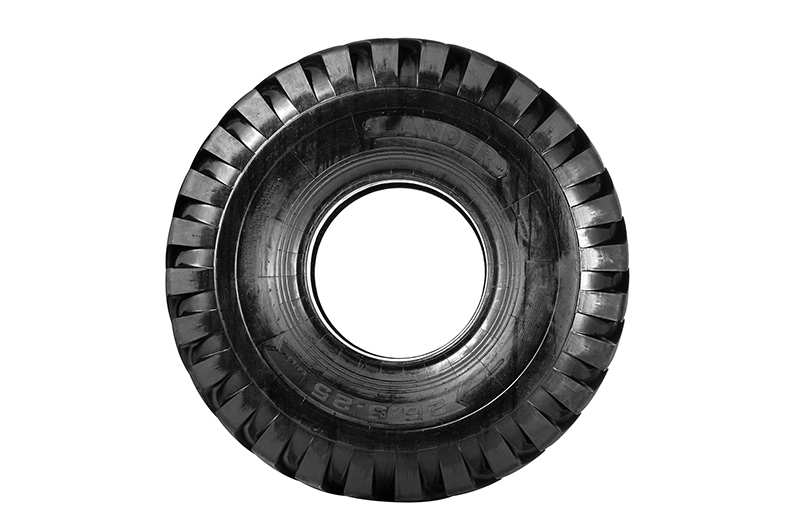
Importing of OTR tires from China can provide huge cost savings if properly managed through the necessary paperwork and compliance required. A simple missing stamp or misclassified product can cause a container to be held at the port for weeks and result in additional thousands of dollars in unexpected fees. In 2026, with increased safety regulations as well as ever changing trade policies, importers will view necessary certifications and inspections as part of the buying process and not an afterthought.
Practical Guidance for bringing quality Bias OTR tires into China for use by Fleet Operators, Distributors and Construction Companies alike.
Why Compliance Has Become Non-Negotiable
Safety and quality have become a major concern for more than 95% of all tire imports. Prior to releasing tires into the local market, Customs authorities all over the world want to be provided with suitable proof that the respective tires meet the required safety standards of the respective country. As is usually the case, omitting single steps or deviating from the best course of action is not cost-effective in the long run.
One story of misfortune of an importer came from a Construction Fleet Manager in Australia. He ordered a 40ft container of tyres to Australia. On arrival, he was dismayed to find that the tyres did not have the required ECE marking. It took 23 days to sort out the paperwork, and in the meantime, the importer was charged for storage of the container. He said that he would have been much better off had he ordered the tyres from a local supplier as he would have made a saving and there would have been no hassle. Importing goods to Australia takes time, so don’t rush it!
Key Certifications You Need for OTR Tires
Different markets require different marks. For bias tires for OTR the most important marks are listed below.
- DOT Certification — Required for any tire entering the United States. The DOT number must be clearly molded on the sidewall.
- ECE R54 — The European standard covering load capacity, speed rating, and safety performance. Very commonly requested for international shipments.
- SONCAP — Essential for Nigeria and several other African markets.
- 3C Certification — Shows the tires meet Chinese export quality requirements.
- ISO 9001 and IATF 16949 — Demonstrate that the manufacturer follows strong quality management systems.
Good quality factories can provide full test reports from accredited labs and corresponding documents are kept in order. This enables for smooth clearing of customs and prevents from being rejected.
Understanding Duty Rates and Trade Agreements
Countries have different tariff rates and some of these are part of trade agreements. Many importers will benefit from low tariffs in 2026.
- Standard MFN rates
- Free Trade Agreements that lower or eliminate duties
- Section 301 considerations for the US market
The accurate classification of goods under the relevant HS code is critical. Because Bias OTR tires are distinguishable from other types of tires such as passenger tires and truck tires for customs purposes, incorrect classification of goods could result in over payment of duties or even the initiation of an anti-dumping investigation. Utilizing the services of an experienced customs broker well versed in the world of tires can help to prevent very costly errors.
Pre-Shipment Inspection: Your Safety Net
Never ship a large container of bias tires for OTR without a proper third-party inspection. A good inspector will check for the following:
- Correct size, pattern, and load ratings
- Proper sidewall markings and certifications
- Random sampling for physical quality and defects
- Packaging strength for ocean transit
A mining supplier in South Africa discovered a production batch of tires were not all produced with the same tread depth during their pre-shipment check. They were able to correct this at the factory of origin for a fraction of the cost it would have been to deal with rejected tires at destination.
Step-by-Step Import Process That Works
- Supplier Selection — Verify certifications, request recent test reports, and ideally visit the factory.
- Clear Contract Terms — Specify exact certification requirements, inspection clauses, and responsibility for documentation.
- Production Monitoring — For large orders, consider a mid-production check.
- Pre-Shipment Inspection — Hire an independent company to verify the full shipment.
- Documentation Package — Commercial invoice, packing list, bill of lading, certificate of origin, and all certification files.
- Customs Clearance — Partner with a broker familiar with tire imports.
Special Considerations for Bias Tires for OTR
Heavy and oversized Bias tires for earthmovers, loaders, graders etc. require special care during transportation and can be classified in different Tariff numbers than normal tires. The supplier must be aware of the specific technical requirements for your equipment and operating conditions.
A lot of operators like the bias construction as it has strong sidewalls and good puncture resistance for operation in rough mining or construction environments. When purchasing import tires make sure they are rated for the actual load and operating conditions.
Common Pitfalls and How to Avoid Them
- Incomplete certificate of origin
- Mismatched HS codes
- Weak packaging that fails during sea transit
- Last-minute certification problems
- Underestimating total landed cost
Many importers who order products regularly create a standard checklist for each order, and they have established good relationships with their factory contact and their logistics team.
Real Results from Proper Planning
A Port Equipment Operator from the Middle East switched to a reliable Chinese supplier after having a few poor experiences with other suppliers. The supplier maintains the full certification files and carries out pre-shipment inspections on a consistent basis. As a result the Customs Clearance time has reduced from an average of 18 days to only 4 days. The operator also reported a reduction of 26% in tire cost per hour with improved equipment uptime.
QINGDAO LANDER-SKY TYRE CO., LTD as a Tyre Manufacturer

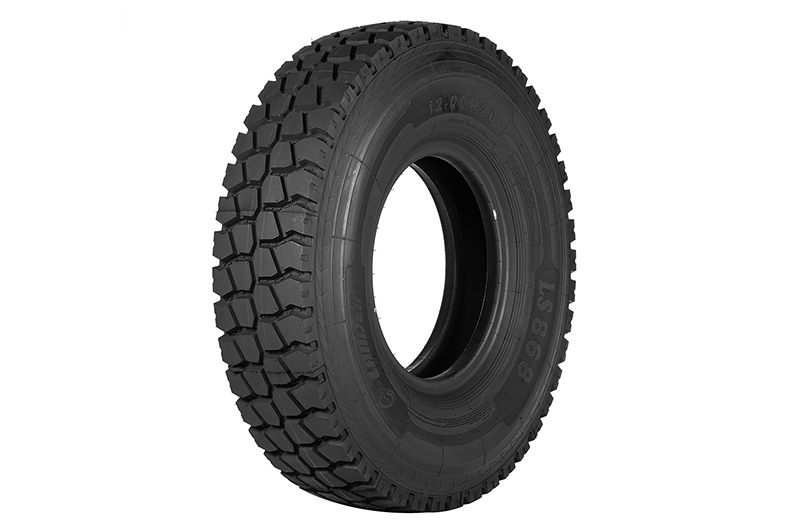
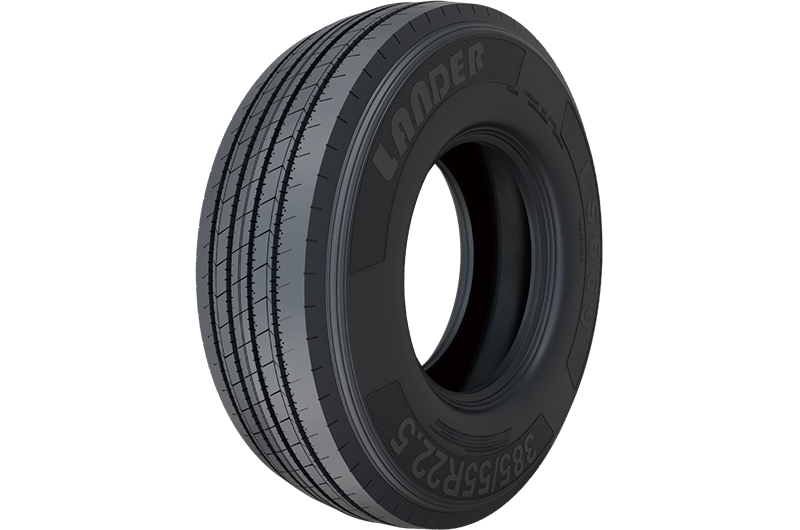
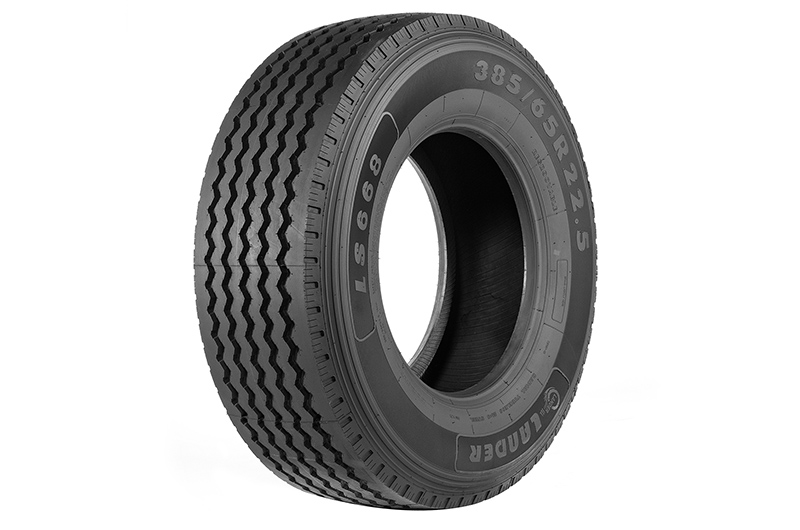
QINGDAO LANDER-SKY TYRE CO., LTD is a well-established tyre manufacturer, specializing in the design, development, manufacturing and marketing of high quality TBR, OTR and bias tyres for specific applications and markets. We utilize modern manufacturing plant and the most stringent quality control measures to consistently provide our customers with high quality tyre products that offer reliable performance and durability.
MFG Tire is experienced in both radial and bias tire technology and can provide very practical solutions for customers involved in construction, mining and transportation. Many of their customers are fleet operators or distributors and come back to MFG time and time again. This is because the tires they sell are able to perform in the most arduous of conditions, and the company is always available to supply and support its customers through the ordering and shipping process. In summary, the company provides a very practical and quality-driven service that provides value to its customers without sacrificing safety or service life.
Conclusion
While cost effective tires for OTR bias application available in China offer good value for money for 2026 importing could offer even greater value if handled well in terms of relevant certifications and proper accurate documentation and good pre-shipment inspection. This way good value high quality product can be sourced whilst maintaining a good total cost of ownership.
It is always worth your time to work with a supplier who has extensive experience. Keeping proper records and making sure that an independent verification is always done is crucial. Importers who treat the process with due respect are consistently rewarded with best long term results and few problems at the customs clearance.
FAQs
What are the most important certifications when importing bias tires for OTR from China?
DOT for the US, ECE R54 for Europe, and SONCAP for certain African markets are among the most common. Always confirm requirements for your specific destination.
How can I avoid high duty rates when importing OTR tires?
Use correct HS codes, take advantage of any applicable trade agreements, and work with a knowledgeable customs broker who understands the tire industry.
Is pre-shipment inspection really necessary for every container?
Yes, especially for large orders. It catches quality or documentation issues before the tires leave China and can save significant time and money at destination.
What documents are typical for importing of bias tires for OTR?
Commercial invoice, packing list, bill of lading, certificate of origin and complete certification files (DOT, ECE etc.).
What is the average time required to clear customs for properly prepared OTR tire shipments?
Typically 3–7 days for clearance at main ports after full documentation and pre-shipment inspection have been completed. Time may vary by country and depending on port congestion.



Leave a comments