

Agricultural tires play a significant part in the efficiency of farming today, affecting a number of key factors including traction, fuel consumption, soil type and operating cost. Because agricultural tires are used on a variety of different surfaces and in changing circumstances, such as from fields to roads, they are subjected to different demands than typical road tires. Consequently, the life of farm tires is typically measured in hours of operation rather than miles traveled, and predicting the lifespan of agricultural tires is a critical factor for farmers, operators of fleets of agricultural equipment, and distributors of such equipment.
One of the most frequently asked questions among agricultural professionals is: How many hours should farm tires last under real working conditions? The answer is not fixed, as tire lifespan is determined by multiple interconnected factors such as tire construction, rubber compound quality, soil conditions, inflation management, and daily maintenance practices.
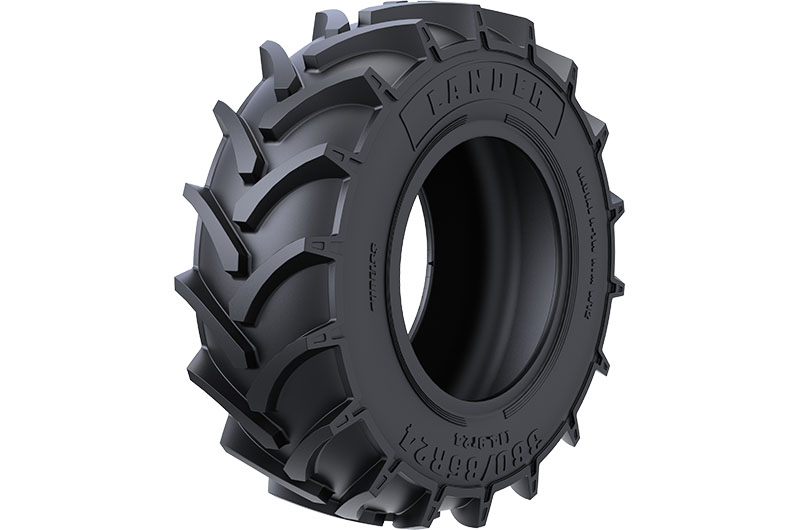
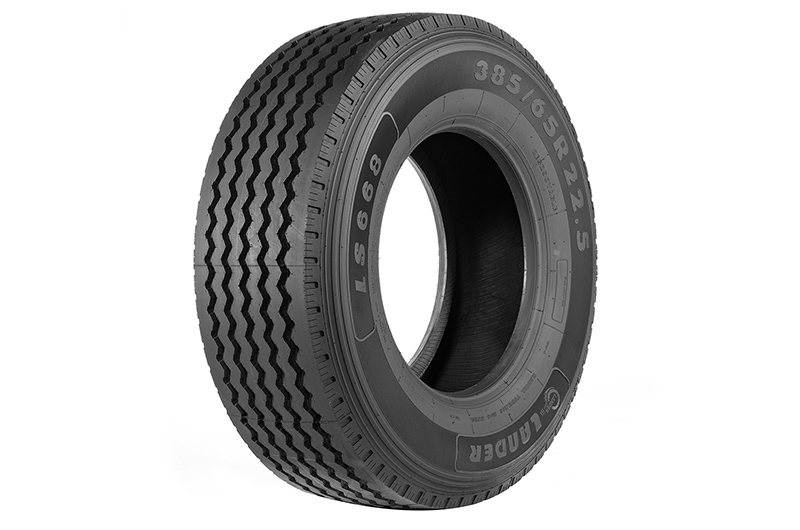
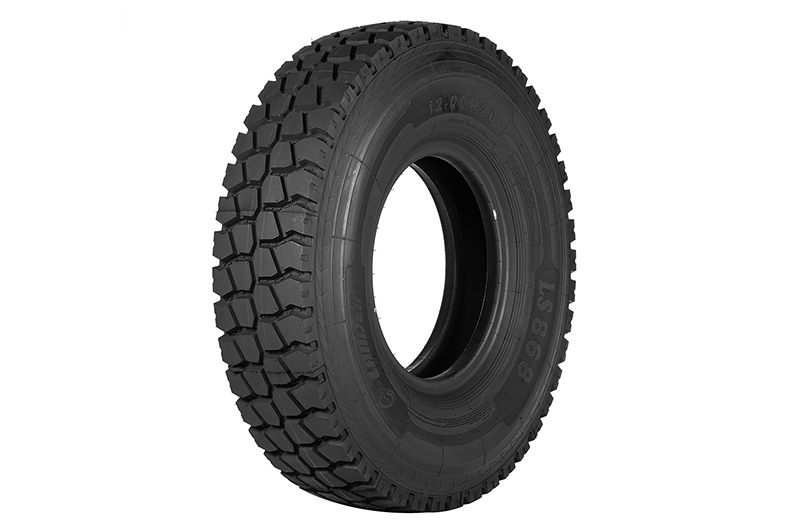
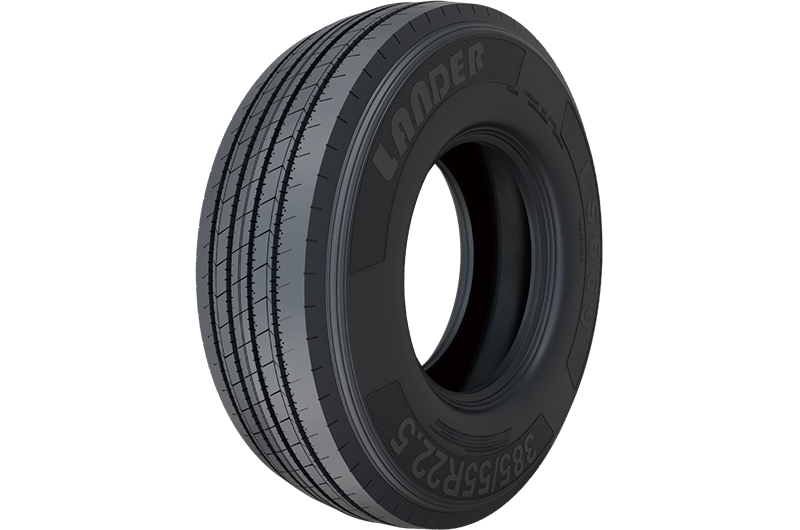
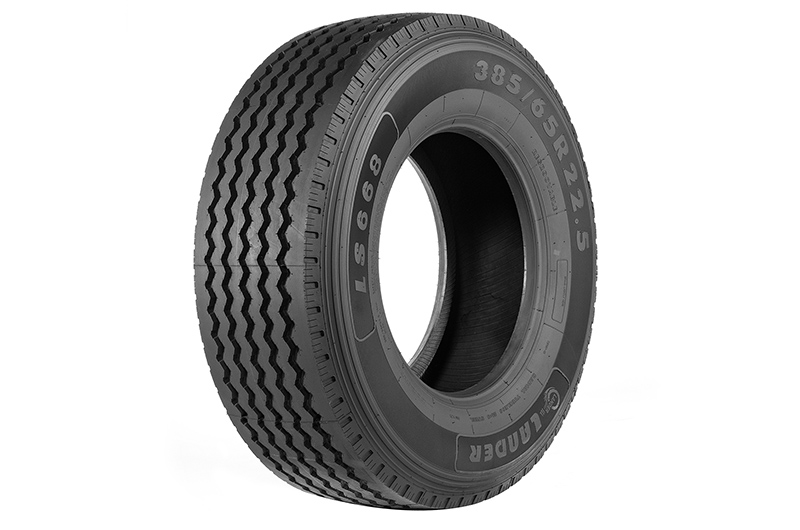
Advanced radial agricultural tires, for example, designed by QINGDAO LANDER-SKY TYRE CO., LTD, have reinforced structures and use the highest quality rubber compounds. This allows for increased durability and less soil compaction. Thus, the high performance of such tires in agricultural applications with heavy machinery is increased and the service life of the tires is extended in demanding environments.
Agricultural tire lifespan is not just about predicting when you will need to change to a new set of tires. It is also about ensuring that you are getting the best value for money in the long term, reducing the amount of time that you are out of action and increasing your time in the field. In this article we will examine the average number of operating hours that you can expect to get from the various types of agricultural tire, the key factors that affect tire wear and tear, and some practical examples of how to get more from your tires.
What Factors Determine the Lifespan of Agricultural Tires?
The agricultural tires are being used till their mechanical design, field conditions and maintenance criteria are being fulfilled. Agronomists know very well how the quality of the agricultural tires is being affected by their design, usage in different fields and by regular maintenance.
Tire Construction and Material Composition
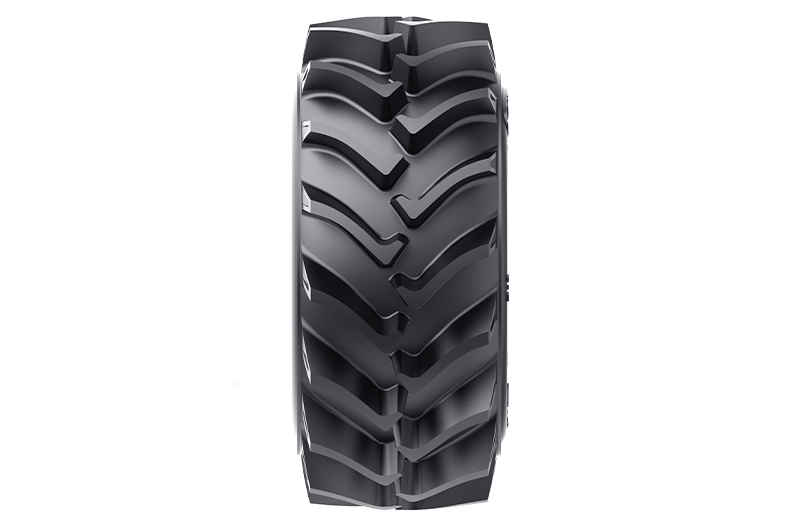
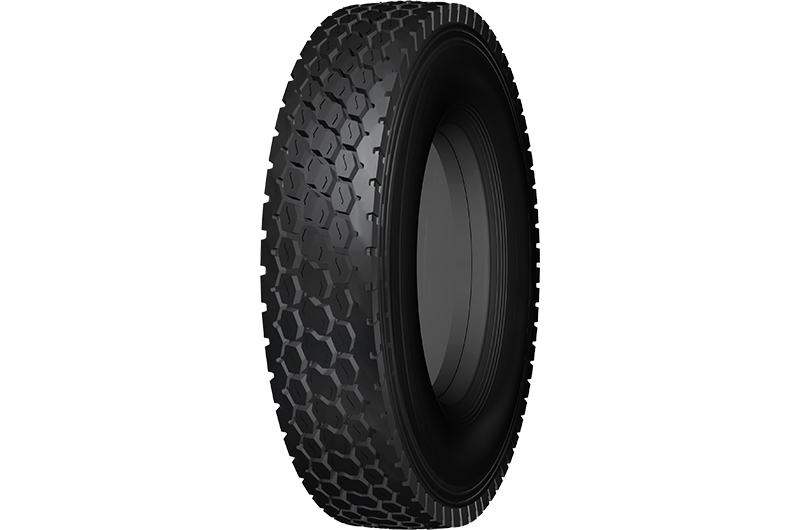
The structural design of a tire—whether radial or bias-ply—plays a decisive role in its wear pattern and endurance. Radial tires typically offer better flexibility and heat dissipation, while bias-ply models provide stronger sidewalls for rugged terrain. RADIAL AGR tires from QINGDAO LANDER-SKY TYRE CO., LTD feature a radial structure with wider tread that can efficiently reduce soil compaction caused by increasingly heavy agricultural machines. This design not only improves traction but also contributes to longer operational life.
Tire compounds also play an important role. A high performance rubber compound was developed and a strong tire structure designed. As a result, the tire will have a longer service life, leading to cost savings in the long run. Also, reinforced sidewalls are provided with extra puncture protection against stubble and mechanical damage even under heaviest application.
Operating Conditions and Terrain
Variation in terrain greatly affects wear rates. Abrasive surfaces and hard rocks continue to wear down the tread while traveling on these surfaces. Moist soil surfaces have low traction but high slip, which leads to uneven wear of the lugs. Transitioning from field to road constantly puts the tire through stress cycles, testing the tire’s ability to handle heat and maintain its structure through the varying demands.
Maintenance Practices and Inflation Management
Inflation control is one of the best tools to control tire wear and life. Maintain the proper pressure to ensure that the load is evenly distributed across the contact patch to prevent premature edge wear. Regular checks of the machine’s alignment to ensure that the tread is wearing evenly and symmetrical to prevent irregular wear. Clean off the tread of the tire after field use to remove any debris that may cause increased operating temperature.
How Many Hours Do Farm Tires Typically Last?
Unlike on highways where tire mileage is a measure for tires, on the farm the life of a tire is expressed in hours of operation. The varying field conditions of agriculture make this a more accurate measure.
Average Lifespan Ranges by Tire Type
According to industry estimates, rear tractor tires typically last between 3,000 and 6,000 operating hours under normal working conditions. Front tires, that are used for steering, have a lifetime of 2,000 to 4,000 hours, depending on the number of turns and the distribution of the load. Specialized implement tires used for sprayers or trailers can reach 7,000 hours or more if properly maintained.
The RADIAL AGR tire from Qingdao Lander-Sky Tyre Co., Ltd. is designed to last longer: by using high performance rubber compounds and a strong tire structure the average lifespan in operation can be reached or even exceeded, also in rough applications.
Factors That Shorten Tire Lifespan
Overloading beyond manufacturer specifications causes carcass fatigue and internal delamination. Prolonged exposure to ultraviolet radiation hardens rubber compounds, while improper outdoor storage leads to cracking or dry rot that compromises structural safety.
How Can Operators Extend the Service Life of Agricultural Tires?
To get the most out of your agricultural tires, it is necessary to check them systematically and follow the manufacturer’s recommendations.
Regular Inspection and Preventive Maintenance
It is operators’ responsibility to check the tread depth from time to time to assess wear. Any cuts or bulges must be repaired as soon as possible to prevent a possible blowout, especially during peak torque. In addition, by rotating jobs on a regular basis and moving positions on axles, wear patterns can be distributed evenly where possible.
Optimal Inflation Pressure Management
Correct maintenance of the tire’s inflation pressure is crucial to ensure the best possible traction at all times. The pressure needs to be adjusted daily, depending on the load and on the type of soil the vehicle is operating in. This must be done with the aid of a calibrated pressure gauge and not by eye. It is also important to never over-inflate the tire, as this can lead to distortion of the sidewall or the lugs, resulting in a premature failure of the tire.
What Are the Signs That Agricultural Tires Need Replacement?
All Agricultural tires, even premium grade, have a service life and continue use beyond this life can compromise safety or efficiency.
Visual Indicators of Wear or Damage
Sidewall cracks are indicative of either an older tire’s compound degradation or surface exposure to UV rays. Exposed tire cords within the tire’s interior tread area indicate full tire carcass failure and must be replaced immediately. Uneven tire tread wear can often be attributed to past misalignment or to a history of sub optimal tire inflation.
Performance Symptoms During Operation
Softer ground can cause increased slippage during tillage as the lugs on the tire are worn so the tire cannot get enough traction to pull through the ground. Higher speed vibration could be from an imbalance in the tire or from internal deformation of the casing layers. Increased fuel consumption during tillage could be due to increased rolling resistance caused by a very flattened out tread profile.
Why Choose QINGDAO LANDER-SKY TYRE CO., LTD for Reliable Agricultural Tires?
We at Qingdao Lander Sky Tyre are suppliers for tyres of premium quality and full service. Since our founding in 2013 we have been specializing in the design of TBR tyres, OTR tyres, industrial tyres, agricultural tyres and forklift tyres. Our tyres are being exported to all continents worldwide and to countries in the Middle East, Southeast Asia, Latin America and Africa. Our production for the different sorts of tyres is taking place in 5 big workshops with more than 3,000 square meters area. Every single production step from refining the rubber to the vulcanization is carried out with the most advanced machines in order to guarantee a constant high quality.
Key Strengths of QINGDAO LANDER-SKY TYRE CO., LTD
Our product range has Bias-Ply and Radial patterns, designed for Tractors, Harvesters, Sprayers and Farm Implements. Our RADIAL AGR tire offers improved traction. Our newly developed tire tread has richer tire tread patterns and wider tire tread widths to bring more strength and work efficiency to your Agricultural Machines. They deliver superior grip stability and minimize soil compaction for maximum field efficiency.
Our quality assurance is supported by international certification like ECE/GSO/SASO/DOT/CCC/R117 to check our products against worldwide safety standards. 3 year manufacturer’s warranty for all tires. Each tire is X-rayed at end of production line before being dispatched to market for any possible defects like air bubble or exposed wire to prevent any misuse in the market by selling low quality products.
Our customer-centric philosophy defines our way of operating: We keep the spirit of a 100-years partnership with every single customer. That’s how we ensure the reliability needed by our distributors with large fleets of agricultural vehicles active worldwide.
Summary Insights on Maximizing Agricultural Tire Lifespan
While there are many factors that can affect the maximum value of operation that can be gained from your farm tires, the experts agree that brand is less of a factor and that by specifying the correct tires for your operating conditions and then following a disciplined regime of maintenance and inspection, you can maximize your operating hours between tire changes. By matching your equipment to the jobs that you are doing, and using a supplier such as QINGDAO LANDER-SKY TYRE CO., LTD, you can gain extended tire life while still being able to operate in the field 24/7.
FAQs About Agricultural Tire Lifespan
1. How do I calculate operating hours for my farm tires?
The operating hours of tractors are recorded by hour meters. By comparing the actual usage with manufacturer’s reference values an exact estimate of the remaining lifespan is achieved.
2. Can retreading extend agricultural tire life effectively?
Retreading by a certified specialist using compatible tread compounds can restore the traction characteristics of the original tire and offer a cost effective solution without compromising safety standards, as long as the carcass remains intact.
3. What storage conditions help preserve unused agricultural tires?
For long-term storage, agricultural tires should be kept in a cool, dry area away from direct sunlight, ozone sources, and chemicals.
4. How does tire ballast affect wear rate?
The correct amount of ballast can improve traction, but too much liquid ballast can pull the side walls and over time cause deterioration. Proper ratios of ballast to trailer are a must to maintain correct distribution of weight on axles.
5. Are radial tires always superior to bias-ply designs for longevity?
No, Radials are best for their flexibility and heat dissipation when running continuously under heavy loads. On the other hand, Bias-ply tires are best for uneven terrain as they have strong sidewalls which are resistant to damage by impact in harsh farm conditions such as stony fields or uneven soil. Many modern agricultural vehicles are equipped with advanced tire technology and are being used on farms all over the world, by companies such as QINGDAO LANDER-SKY TYRE CO., LTD.



Leave a comments