Q I N G D A O L A N D E R - S K Y T Y R E

Loading

Nullam dignissim, ante scelerisque the is euismod fermentum odio sem semper the is erat, a feugiat leo urna eget eros. Duis Aenean a imperdiet risus.

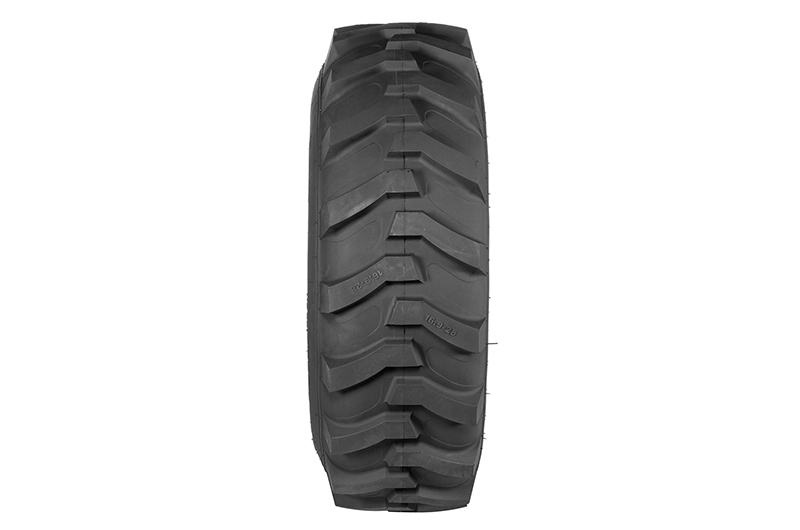
R4
R4
R4(1)
R4
R4
R4(1)

R4

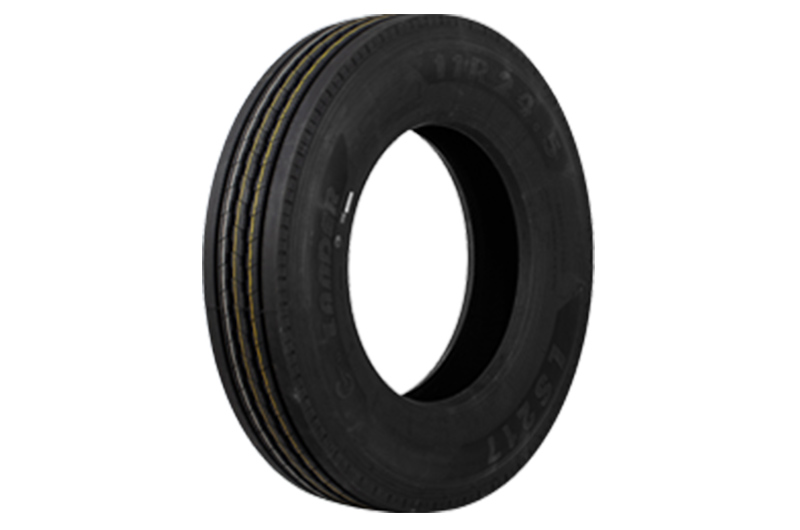
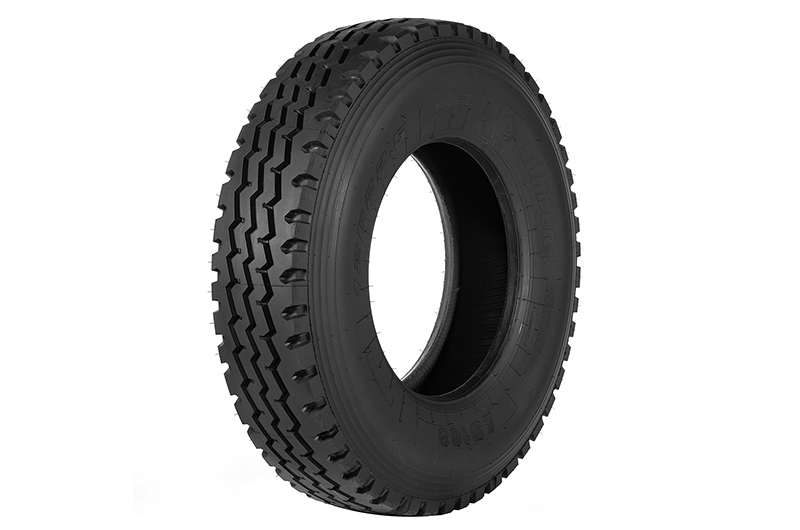
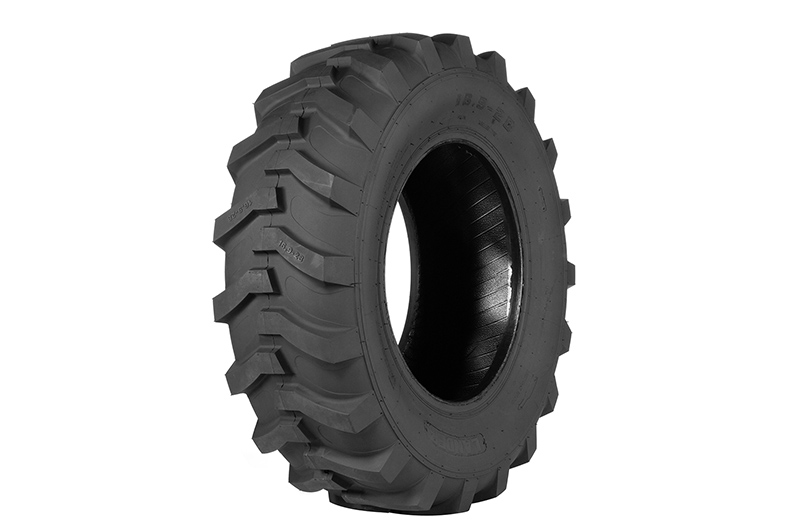
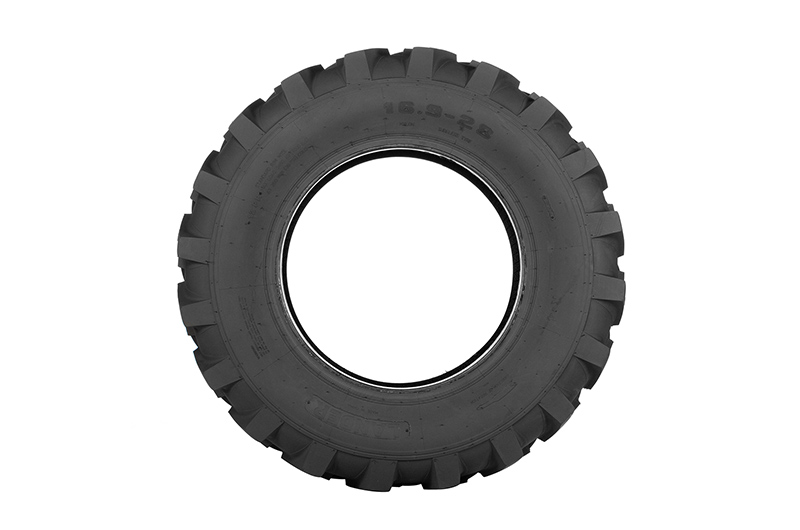
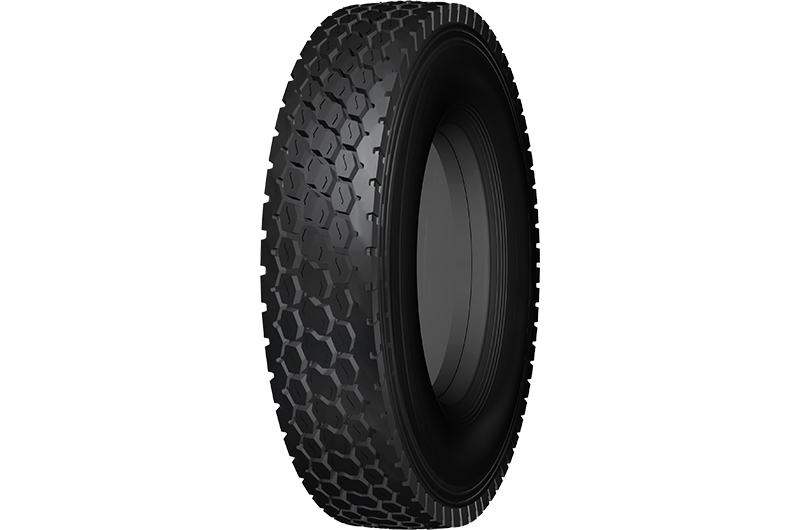
1. R4 classic pattern all purpose construction tire is suitable for excavator, tractors and backhoes. 2. This kind of industrial tires has excellent traction and flotation characteristics and superior impact resistance. 3. "R" serial's specially deep tread design permits multitasks for industrial and construction enviroment. 4. High performance in heavy duty and rough conditions. 5. Long life span.
Size PR Overall Diameter(mm) Section Width(mm) Rim Load Capacity (kg) inflated Pressure (kpa) Pattern
10.5/80-18 10 912  274  9.0  1630  350  R4
12.5/80-18 12 1001  350  9.0  2625  370  R4
16.9-24 12 1236  429  15  3250  260  R4
16.9-28 12 1435  430  15  3450  260  R4
19.5L-24 12 1314 495 17  3455  230  R4
18.4-26 14 1450 467 16  2985  230  R4
Latest Product

Check out our Product

View More
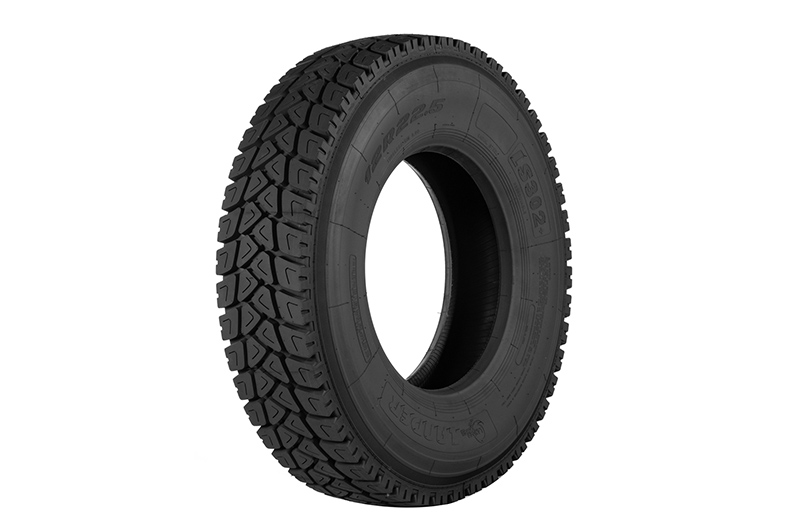
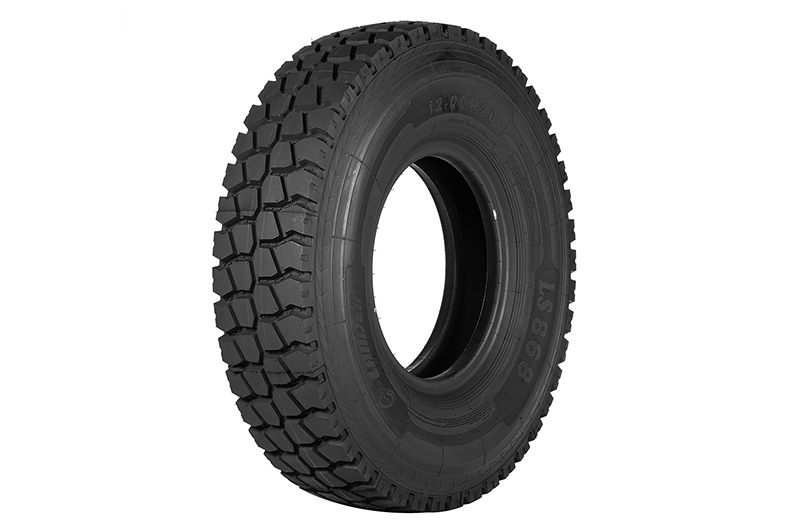
LS868

LS868

LS868 is a mixed-road regional TBR tire for muddy roads, construction routes and heavy-duty transport.<br><table border="1" cellpadding="6" cellspacing="0"><tr><td rowspan="1">Available Sizes</td><td>10.00R20</td><td>12.00R20</td></tr></table><br>Buyer Fit: For buyers who need self-cleaning grooves, muddy-road grip and stable load performance.<br>Spec Check: Check Product Specifications first for PR, load index, rim, tread depth, load and pressure details.
Read More
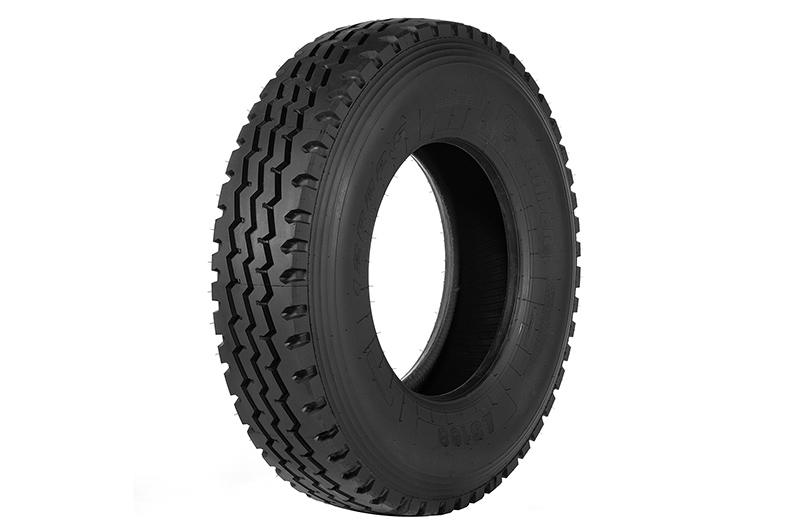
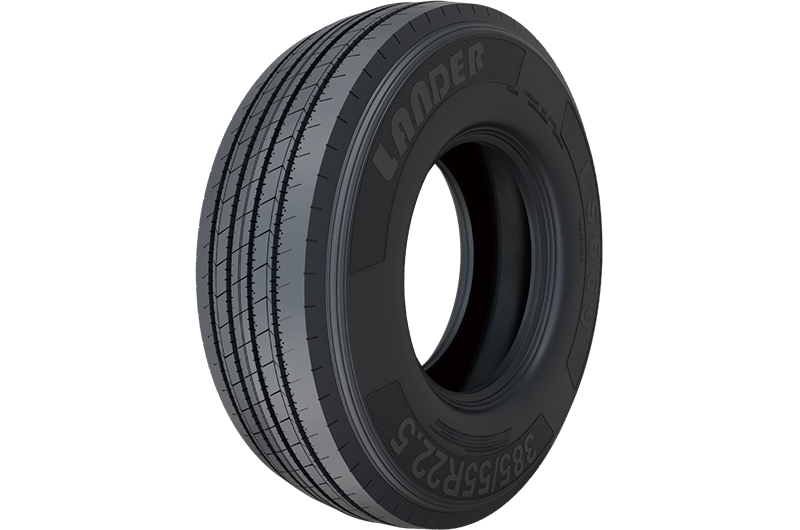
LS669

LS669

LS669 is a regional TBR tire for buyers comparing anti-skid handling, lower heat generation and wear resistance.<br><table border="1" cellpadding="6" cellspacing="0"><tr><td rowspan="1">Available Sizes</td><td>385/65R22.5</td><td>385/55R22.5</td></tr></table><br>Buyer Fit: For regional fleets and replacement buyers who need handling stability and durability on daily routes.<br>Specification Note: Check Product Specifications first for PR, load index, rim, tread depth, load and pressure details.
Read More
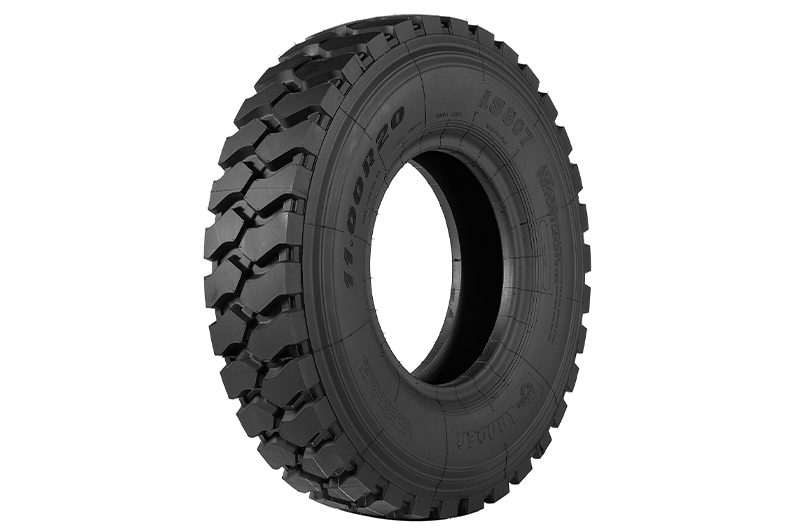
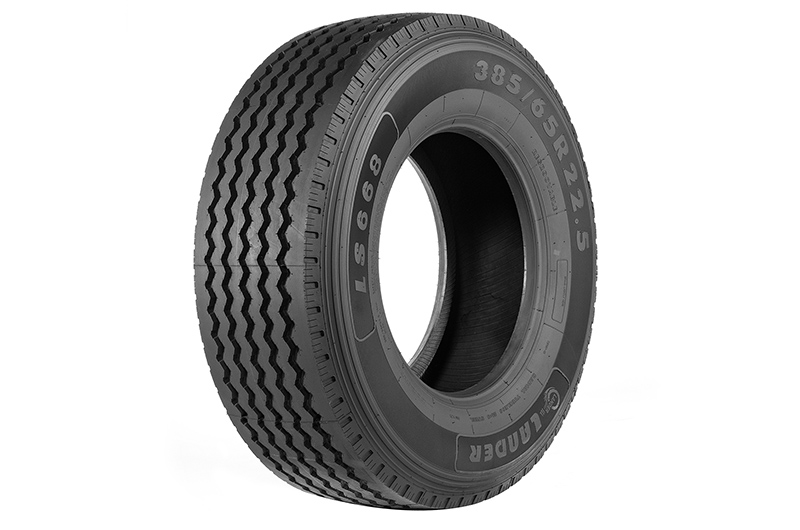
LS668

LS668

LS668 is a regional steer and trailer TBR tire with a five-groove tread design for handling and endurance.<br><table border="1" cellpadding="6" cellspacing="0"><tr><td rowspan="1">Available Sizes</td><td>385/65R22.5</td></tr></table><br>Buyer Fit: For buyers who need steer/trailer stability, low heat build-up and anti-skid handling on regional routes.<br>Specification Note: Check Product Specifications first for PR, load index, rim, tread depth, load and pressure details.
Read More
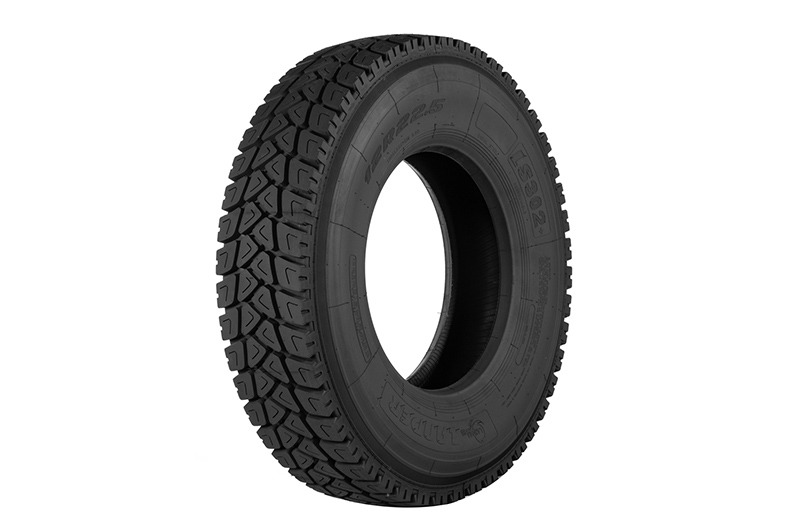
LS569

LS569

LS569 is a regional TBR tire for buyers who value low rolling resistance, fuel saving and reliable traction.<br><table border="1" cellpadding="6" cellspacing="0"><tr><td rowspan="1">Available Sizes</td><td>295/80R22.5</td></tr></table><br>Buyer Fit: For fleets and distributors balancing fuel economy with grip on regional daily routes.<br>Specification Note: Check Product Specifications first for PR, load index, rim, tread depth, load and pressure details.
Read More
Latest News

Check out our blog posts

View More

25/ June

How to Choose the Right TBR Tire Pattern for Long-Haul

Long-haul fleets have unique demands placed on them when it comes to tires used for long-haul operations. Tires used for long-haul transportation as opposed to regional or mixed service applications, demand in excess of average mileage from their tires, with a focus on low rolling resistance and balanced handling to maximize mileage. Selecting the right TBR tire for long-haul operations requires research of various tire models and consideration of specific applications, including specific on road applications, vehicle applications, gross vehicle weight, fuel efficiency goals, and intended end use and removal from service. When it comes to TBRs and long-hauls, many different rib, lug and block tread designs are available and by selecting the correct design, considerable cost savings can be made whilst improving safety and increasing the productivity of a user’s fleet. This Buying Guide deals with the main points that must be taken into account when selecting tires for long-hauls, looks at the various tread designs on offer and outlines the points that must be considered when purchasing and maintaining the tires, as well as offering advice on where to purchase them. This guide will be of use to Fleet Managers, Distributors and Commercial Vehicle Users and Owners. What Factors Should Be Considered When Selecting TBR Tires for Long-Haul Operations? Choosing the correct Tire for the Right application, or TBR tire pattern for long-haul operations is key to the fleet’s overall performance, better fuel economy and operational reliability. To choose the correct tire, a number of factors have to be looked at in relation to technical and environmental aspects. These factors need to be thoroughly analyzed in order to optimally match the tire to the respective routes and application. Road Conditions and Operating Environment The first criterion for choosing the correct TBR tire for a fleet’s operations is to identify the roads which will be traveled by that fleet. For long-haul trucking, the majority of routes consist of highways, which often require consistent speeds and little to no braking. Regional hauls, on the other hand, are conducted on mixed surfaces, and could demand different features in a tire. Additionally, trucks travel in many varying climates and it is essential to take into consideration the temperature as well as any inclement weather that the tires may encounter. Tires with enhanced water dispersion are better for wet climates and can maintain stability when driving in adverse weather. LS938 for example, is a long mileage tire, provides good grip and traction in a variety of conditions as well as excellent water dispersion and heat dispersion to keep the tire operating efficiently throughout long regional hauls. Also critical is an evaluation of how loads are distributed throughout the axle sets and by using corresponding tire patterns for drive, steer and trailer positions, an optimal operating configuration can be realized.   Vehicle Type and Load Requirements Tire choice is based on vehicle configuration: tractor units, semi-trailers, rigid vehicles etc. and their specific stress. Gross vehicle weight is the main point to choose the right loadindex. A higher load requires deeper tread to maintain its characteristics under high pressure. For cost efficient driving with excellent braking and driving properties on high loads there is the tire model LS398PRO. The LS23B tire model is mainly used for long distance driving on the steer axles and the trailer axles. On these axles the cross-sipe design ensures good traction and low heat generation.   Mileage Expectations and Fuel Efficiency Goals To achieve economic efficiency in long-haul operations, the primary objective of tire design is to achieve the best possible balance between rolling resistance and tread mileage. For high-mileage operations, special tire compounds have been developed to provide maximum wear. The LS569 tire, for example, is a fuel efficient tire that offers low rolling resistance without sacrificing traction. For long-haul operations with a focus on TCO (total cost of ownership), fuel-efficient tread compounds can help to save operating expenses over time, while at the same time offering consistent wear and good maintenance scheduling. How Do Different TBR Tire Patterns Affect Performance? TBR tires are designed with specific tread geometries to deliver performance characteristics of traction, handling, noise and wear uniformity. Understanding these characteristics will help you select the proper tire for your operation. Rib Pattern for Highway Applications Rib-type TBR tires are designed for highway operation at constant speeds. As they are designed with minimal rolling resistance, they are also very fuel efficient. Even tread wear is another characteristic. Tire patterns like the LS34-2 are designed for extra stability on smooth surfaces such as highways, with an extra-wide tread band, mainly designed for the steer axles. Lug Pattern for Traction-Oriented Routes Deep tread lug patterns are designed for applications where high torque is transmitted such as drive axles operating on hills or brake application areas. The LS938 features our regional drive axle design that provides excellent traction and heat dispersion in off road applications. Regional application of drive axle. Good grip and traction performance. Excellent water drainage and heat dispersion performance. Block Pattern for Mixed Road Conditions Block-pattern TBR tires offer the rib stability of on-road tires and the lug traction of off-road tires. This makes them an ideal tire for use by fleets of trucks that operate on a variety of road surfaces including city streets and regional highways. A tire such as the LS868 from Locomaster Tires uses a mixed-deepen block tread pattern. This provides improved self-cleaning ability as well as excellent traction on mud and other very rough surfaces. This is ideal for use as a ‘commuter’ tire, allowing the operator to drive on the highway during the day and then operate on construction sites, etc. during the day. How Can Maintenance Practices Extend TBR Tire Life? Even the premium long-haul tire needs dedicated maintenance in order to unlock its full performance capability. With suitable care the risk of standstill times can be minimized, premature wear prevented and safe operation ensured in the long term. Regular Inspection and Pressure Management Maintaining correct inflation pressure prevents irregular wear patterns such as cupping or shoulder erosion. Digital monitoring systems integrated into modern fleet management tools can track real-time pressure changes across all axles. Routine visual inspections should also check for cuts, punctures, or sidewall bulges that may compromise structural integrity. Alignment, Rotation, and Balancing Procedures Proper wheel alignment extends tire tread life by evenly wearing the two outside shoulder lugs rather than prematurely wearing them. Tire rotation on a axle-by-axle basis ensures balanced and even tire wear. As with balancing, periodic checking and balancing of tires prevents excessive vibration which can damage bearings and other suspension components. Retreading Practices for Cost Optimization Retreading within a quality framework extends the usable life of a tire casing. Only test tire casings for their structural integrity and then retread them. Choose the correct retread tire design to match the original tire tread on your tire. Track the number of retreads per casing to plan the timely replacement of tires for your fleet. Why Is Supplier Selection Important in Choosing TBR Tires? Supplier reliability is not only a measure of the quality of the products supplied, but also of the supplier’s ability to deliver in a timely and efficient manner, as well as to provide suitable technical support in all regions of the world. This is a critical factor in the global Fleet Management context. Evaluating Technical Support Capabilities We recommend that Fleet Operators choose suppliers who are able to provide engineering consultation during the pattern selection phase. This allows for the best possible match for a specific route profile. The reports provide for analytical comparison of mileage on different loads. Assessing Product Range and Quality Control Systems Dependable supplier, supplying the full range of certified tire patterns for on road applications, from long distance highway use to various types of off road use on mixed surfaces. The supplier would guarantee that all products are made to International quality standards, such as ISO/TS certification, and that all production batches will meet the same quality control criteria. Who Is QINGDAO LANDER-SKY TYRE CO., LTD? Qingdao Lander-Sky Tyre Co., Ltd. is a professional manufacturer and exporter specializing in TBR, OTR, Agricultural, Industrial, and PCR tires. Established in 2013, the company serves customers in more than 50 countries and regions worldwide, providing high-quality products, strict quality control, and comprehensive after-sales support. The company operates five production workshops with total floor area of over 3,000 square meters. With the most advanced refining equipment, calendering machine, tire forming machine, vulcanization machine and testing machine, the company strictly controls each processing step from raw materials selection to X-ray testing before shipping out. Our company philosophy is to maintain a long-term partnership with our customers, i.e. the spirit of a 100-years partnership with our customers, and we also provide a 3-years warranty to our customers. We do not merely sell tires, we provide total service to our customers after sales. Innovative models such as the LS938 for regional drive axles are designed to meet specific demands, e.g. to achieve the best possible combination of grip, water discharge and thermal treatment during long runs in the logistics networks. What Are the Key Takeaways When Choosing a TBR Tire Pattern? Selecting an appropriate TBR tire pattern requires aligning operational objectives—fuel economy versus durability—with environmental realities such as road type or weather exposure: Rib patterns remain optimal for highway fleets prioritizing mileage consistency. Lug configurations deliver superior traction where torque loads dominate. Block designs provide adaptability across variable terrains without compromising endurance. By integrating these considerations into procurement strategy alongside disciplined maintenance programs and reliable supplier partnerships like those offered by QINGDAO LANDER-SKY TYRE CO., LTD., fleet operators can significantly lower total cost per kilometer while enhancing safety margins throughout their transport networks. FAQs What is the main difference between rib, lug, and block TBR tire patterns? Tire ribs are designed for a smooth rolling motion on highways, lug patterns have been designed for high torque traction, and tire block patterns offer a good balance between the two for various driving conditions. How often should long-haul fleets rotate their TBR tires? Typical distances for rotation are between 10,000 to 15,000 km, depending on axle configuration and obvious unequal wear during the inspection intervals. Can retreaded TBR tires perform as effectively as new ones? When verified tire casings are retreaded under strict quality control measures – such as X-ray inspected during manufacturing by tire retread manufacturers – tires derived from those tire casings will have tire performance characteristics similar to new tires as long as the retread does not compromise the casing’s structural integrity before it was retreaded. What tire pressure is recommended for long-haul TBR tires? Recommended inflation pressure varies by tire size, load index, and axle position. For most long-haul steer axles, pressures typically range between 110–120 psi (7.6–8.3 bar), while drive and trailer axles may operate at 100–110 psi (6.9–7.6 bar). Always refer to the tire sidewall markings and the vehicle manufacturer’s guidelines for specific pressure settings. Under-inflation increases rolling resistance and fuel consumption, while over-inflation reduces traction and causes center tread wear. How can fleet managers track tire performance across multiple vehicles? Modern fleet management systems integrate tire pressure monitoring systems (TPMS) and telematics platforms that record tire temperature, pressure, and mileage data in real time. Many TBR tire suppliers also offer fleet management software that tracks tread depth, rotation schedules, retread history, and cost-per-kilometer metrics. This data-driven approach enables predictive maintenance, identifies underperforming tires, and optimizes replacement intervals to reduce total cost of ownership across the entire fleet.
Read More
How to Choose the Right TBR Tire Pattern for Long-Haul

18/ June

Agricultural Tire Lifespan Guide: How Many Hours Do Farm Tires Last?

Agricultural tires play a significant part in the efficiency of farming today, affecting a number of key factors including traction, fuel consumption, soil type and operating cost. Because agricultural tires are used on a variety of different surfaces and in changing circumstances, such as from fields to roads, they are subjected to different demands than typical road tires. Consequently, the life of farm tires is typically measured in hours of operation rather than miles traveled, and predicting the lifespan of agricultural tires is a critical factor for farmers, operators of fleets of agricultural equipment, and distributors of such equipment. One of the most frequently asked questions among agricultural professionals is: How many hours should farm tires last under real working conditions? The answer is not fixed, as tire lifespan is determined by multiple interconnected factors such as tire construction, rubber compound quality, soil conditions, inflation management, and daily maintenance practices. Advanced radial agricultural tires, for example, designed by QINGDAO LANDER-SKY TYRE CO., LTD, have reinforced structures and use the highest quality rubber compounds. This allows for increased durability and less soil compaction. Thus, the high performance of such tires in agricultural applications with heavy machinery is increased and the service life of the tires is extended in demanding environments. Agricultural tire lifespan is not just about predicting when you will need to change to a new set of tires. It is also about ensuring that you are getting the best value for money in the long term, reducing the amount of time that you are out of action and increasing your time in the field. In this article we will examine the average number of operating hours that you can expect to get from the various types of agricultural tire, the key factors that affect tire wear and tear, and some practical examples of how to get more from your tires. What Factors Determine the Lifespan of Agricultural Tires? The agricultural tires are being used till their mechanical design, field conditions and maintenance criteria are being fulfilled. Agronomists know very well how the quality of the agricultural tires is being affected by their design, usage in different fields and by regular maintenance. Tire Construction and Material Composition The structural design of a tire—whether radial or bias-ply—plays a decisive role in its wear pattern and endurance. Radial tires typically offer better flexibility and heat dissipation, while bias-ply models provide stronger sidewalls for rugged terrain. RADIAL AGR tires from QINGDAO LANDER-SKY TYRE CO., LTD feature a radial structure with wider tread that can efficiently reduce soil compaction caused by increasingly heavy agricultural machines. This design not only improves traction but also contributes to longer operational life. Tire compounds also play an important role. A high performance rubber compound was developed and a strong tire structure designed. As a result, the tire will have a longer service life, leading to cost savings in the long run. Also, reinforced sidewalls are provided with extra puncture protection against stubble and mechanical damage even under heaviest application. Operating Conditions and Terrain Variation in terrain greatly affects wear rates. Abrasive surfaces and hard rocks continue to wear down the tread while traveling on these surfaces. Moist soil surfaces have low traction but high slip, which leads to uneven wear of the lugs. Transitioning from field to road constantly puts the tire through stress cycles, testing the tire’s ability to handle heat and maintain its structure through the varying demands. Maintenance Practices and Inflation Management Inflation control is one of the best tools to control tire wear and life. Maintain the proper pressure to ensure that the load is evenly distributed across the contact patch to prevent premature edge wear. Regular checks of the machine’s alignment to ensure that the tread is wearing evenly and symmetrical to prevent irregular wear. Clean off the tread of the tire after field use to remove any debris that may cause increased operating temperature. How Many Hours Do Farm Tires Typically Last? Unlike on highways where tire mileage is a measure for tires, on the farm the life of a tire is expressed in hours of operation. The varying field conditions of agriculture make this a more accurate measure. Average Lifespan Ranges by Tire Type According to industry estimates, rear tractor tires typically last between 3,000 and 6,000 operating hours under normal working conditions. Front tires, that are used for steering, have a lifetime of 2,000 to 4,000 hours, depending on the number of turns and the distribution of the load. Specialized implement tires used for sprayers or trailers can reach 7,000 hours or more if properly maintained. The RADIAL AGR tire from Qingdao Lander-Sky Tyre Co., Ltd. is designed to last longer: by using high performance rubber compounds and a strong tire structure the average lifespan in operation can be reached or even exceeded, also in rough applications. Factors That Shorten Tire Lifespan Overloading beyond manufacturer specifications causes carcass fatigue and internal delamination. Prolonged exposure to ultraviolet radiation hardens rubber compounds, while improper outdoor storage leads to cracking or dry rot that compromises structural safety. How Can Operators Extend the Service Life of Agricultural Tires? To get the most out of your agricultural tires, it is necessary to check them systematically and follow the manufacturer’s recommendations. Regular Inspection and Preventive Maintenance It is operators’ responsibility to check the tread depth from time to time to assess wear. Any cuts or bulges must be repaired as soon as possible to prevent a possible blowout, especially during peak torque. In addition, by rotating jobs on a regular basis and moving positions on axles, wear patterns can be distributed evenly where possible. Optimal Inflation Pressure Management Correct maintenance of the tire’s inflation pressure is crucial to ensure the best possible traction at all times. The pressure needs to be adjusted daily, depending on the load and on the type of soil the vehicle is operating in. This must be done with the aid of a calibrated pressure gauge and not by eye. It is also important to never over-inflate the tire, as this can lead to distortion of the sidewall or the lugs, resulting in a premature failure of the tire. What Are the Signs That Agricultural Tires Need Replacement? All Agricultural tires, even premium grade, have a service life and continue use beyond this life can compromise safety or efficiency. Visual Indicators of Wear or Damage Sidewall cracks are indicative of either an older tire’s compound degradation or surface exposure to UV rays. Exposed tire cords within the tire’s interior tread area indicate full tire carcass failure and must be replaced immediately. Uneven tire tread wear can often be attributed to past misalignment or to a history of sub optimal tire inflation. Performance Symptoms During Operation Softer ground can cause increased slippage during tillage as the lugs on the tire are worn so the tire cannot get enough traction to pull through the ground. Higher speed vibration could be from an imbalance in the tire or from internal deformation of the casing layers. Increased fuel consumption during tillage could be due to increased rolling resistance caused by a very flattened out tread profile. Why Choose QINGDAO LANDER-SKY TYRE CO., LTD for Reliable Agricultural Tires? We at Qingdao Lander Sky Tyre are suppliers for tyres of premium quality and full service. Since our founding in 2013 we have been specializing in the design of TBR tyres, OTR tyres, industrial tyres, agricultural tyres and forklift tyres. Our tyres are being exported to all continents worldwide and to countries in the Middle East, Southeast Asia, Latin America and Africa. Our production for the different sorts of tyres is taking place in 5 big workshops with more than 3,000 square meters area. Every single production step from refining the rubber to the vulcanization is carried out with the most advanced machines in order to guarantee a constant high quality. Key Strengths of QINGDAO LANDER-SKY TYRE CO., LTD Our product range has Bias-Ply and Radial patterns, designed for Tractors, Harvesters, Sprayers and Farm Implements. Our RADIAL AGR tire offers improved traction. Our newly developed tire tread has richer tire tread patterns and wider tire tread widths to bring more strength and work efficiency to your Agricultural Machines. They deliver superior grip stability and minimize soil compaction for maximum field efficiency. Our quality assurance is supported by international certification like ECE/GSO/SASO/DOT/CCC/R117 to check our products against worldwide safety standards. 3 year manufacturer’s warranty for all tires. Each tire is X-rayed at end of production line before being dispatched to market for any possible defects like air bubble or exposed wire to prevent any misuse in the market by selling low quality products. Our customer-centric philosophy defines our way of operating: We keep the spirit of a 100-years partnership with every single customer. That’s how we ensure the reliability needed by our distributors with large fleets of agricultural vehicles active worldwide. Summary Insights on Maximizing Agricultural Tire Lifespan While there are many factors that can affect the maximum value of operation that can be gained from your farm tires, the experts agree that brand is less of a factor and that by specifying the correct tires for your operating conditions and then following a disciplined regime of maintenance and inspection, you can maximize your operating hours between tire changes. By matching your equipment to the jobs that you are doing, and using a supplier such as QINGDAO LANDER-SKY TYRE CO., LTD, you can gain extended tire life while still being able to operate in the field 24/7. FAQs About Agricultural Tire Lifespan 1. How do I calculate operating hours for my farm tires? The operating hours of tractors are recorded by hour meters. By comparing the actual usage with manufacturer’s reference values an exact estimate of the remaining lifespan is achieved. 2. Can retreading extend agricultural tire life effectively? Retreading by a certified specialist using compatible tread compounds can restore the traction characteristics of the original tire and offer a cost effective solution without compromising safety standards, as long as the carcass remains intact. 3. What storage conditions help preserve unused agricultural tires? For long-term storage, agricultural tires should be kept in a cool, dry area away from direct sunlight, ozone sources, and chemicals. 4. How does tire ballast affect wear rate? The correct amount of ballast can improve traction, but too much liquid ballast can pull the side walls and over time cause deterioration. Proper ratios of ballast to trailer are a must to maintain correct distribution of weight on axles. 5. Are radial tires always superior to bias-ply designs for longevity? No, Radials are best for their flexibility and heat dissipation when running continuously under heavy loads. On the other hand, Bias-ply tires are best for uneven terrain as they have strong sidewalls which are resistant to damage by impact in harsh farm conditions such as stony fields or uneven soil. Many modern agricultural vehicles are equipped with advanced tire technology and are being used on farms all over the world, by companies such as QINGDAO LANDER-SKY TYRE CO., LTD.
Read More
Agricultural Tire Lifespan How Many Hours Should Farm Tires Last

11/ June

Importing OTR Tires from China Navigating Certifications, Duty Rates and Pre-Shipment Inspection

Importing of OTR tires from China can provide huge cost savings if properly managed through the necessary paperwork and compliance required. A simple missing stamp or misclassified product can cause a container to be held at the port for weeks and result in additional thousands of dollars in unexpected fees. In 2026, with increased safety regulations as well as ever changing trade policies, importers will view necessary certifications and inspections as part of the buying process and not an afterthought. Practical Guidance for bringing quality Bias OTR tires into China for use by Fleet Operators, Distributors and Construction Companies alike. Why Compliance Has Become Non-Negotiable Safety and quality have become a major concern for more than 95% of all tire imports. Prior to releasing tires into the local market, Customs authorities all over the world want to be provided with suitable proof that the respective tires meet the required safety standards of the respective country. As is usually the case, omitting single steps or deviating from the best course of action is not cost-effective in the long run. One story of misfortune of an importer came from a Construction Fleet Manager in Australia. He ordered a 40ft container of tyres to Australia. On arrival, he was dismayed to find that the tyres did not have the required ECE marking. It took 23 days to sort out the paperwork, and in the meantime, the importer was charged for storage of the container. He said that he would have been much better off had he ordered the tyres from a local supplier as he would have made a saving and there would have been no hassle. Importing goods to Australia takes time, so don’t rush it! Key Certifications You Need for OTR Tires Different markets require different marks. For bias tires for OTR the most important marks are listed below. DOT Certification — Required for any tire entering the United States. The DOT number must be clearly molded on the sidewall. ECE R54 — The European standard covering load capacity, speed rating, and safety performance. Very commonly requested for international shipments. SONCAP — Essential for Nigeria and several other African markets. 3C Certification — Shows the tires meet Chinese export quality requirements. ISO 9001 and IATF 16949 — Demonstrate that the manufacturer follows strong quality management systems. Good quality factories can provide full test reports from accredited labs and corresponding documents are kept in order. This enables for smooth clearing of customs and prevents from being rejected. Understanding Duty Rates and Trade Agreements Countries have different tariff rates and some of these are part of trade agreements. Many importers will benefit from low tariffs in 2026. Standard MFN rates Free Trade Agreements that lower or eliminate duties Section 301 considerations for the US market The accurate classification of goods under the relevant HS code is critical. Because Bias OTR tires are distinguishable from other types of tires such as passenger tires and truck tires for customs purposes, incorrect classification of goods could result in over payment of duties or even the initiation of an anti-dumping investigation. Utilizing the services of an experienced customs broker well versed in the world of tires can help to prevent very costly errors. Pre-Shipment Inspection: Your Safety Net Never ship a large container of bias tires for OTR without a proper third-party inspection. A good inspector will check for the following: Correct size, pattern, and load ratings Proper sidewall markings and certifications Random sampling for physical quality and defects Packaging strength for ocean transit A mining supplier in South Africa discovered a production batch of tires were not all produced with the same tread depth during their pre-shipment check. They were able to correct this at the factory of origin for a fraction of the cost it would have been to deal with rejected tires at destination. Step-by-Step Import Process That Works Supplier Selection — Verify certifications, request recent test reports, and ideally visit the factory. Clear Contract Terms — Specify exact certification requirements, inspection clauses, and responsibility for documentation. Production Monitoring — For large orders, consider a mid-production check. Pre-Shipment Inspection — Hire an independent company to verify the full shipment. Documentation Package — Commercial invoice, packing list, bill of lading, certificate of origin, and all certification files. Customs Clearance — Partner with a broker familiar with tire imports. Special Considerations for Bias Tires for OTR Heavy and oversized Bias tires for earthmovers, loaders, graders etc. require special care during transportation and can be classified in different Tariff numbers than normal tires. The supplier must be aware of the specific technical requirements for your equipment and operating conditions. A lot of operators like the bias construction as it has strong sidewalls and good puncture resistance for operation in rough mining or construction environments. When purchasing import tires make sure they are rated for the actual load and operating conditions. Common Pitfalls and How to Avoid Them Incomplete certificate of origin Mismatched HS codes Weak packaging that fails during sea transit Last-minute certification problems Underestimating total landed cost Many importers who order products regularly create a standard checklist for each order, and they have established good relationships with their factory contact and their logistics team. Real Results from Proper Planning A Port Equipment Operator from the Middle East switched to a reliable Chinese supplier after having a few poor experiences with other suppliers. The supplier maintains the full certification files and carries out pre-shipment inspections on a consistent basis. As a result the Customs Clearance time has reduced from an average of 18 days to only 4 days. The operator also reported a reduction of 26% in tire cost per hour with improved equipment uptime. QINGDAO LANDER-SKY TYRE CO., LTD as a Tyre Manufacturer   QINGDAO LANDER-SKY TYRE CO., LTD is a well-established tyre manufacturer, specializing in the design, development, manufacturing and marketing of high quality TBR, OTR and bias tyres for specific applications and markets. We utilize modern manufacturing plant and the most stringent quality control measures to consistently provide our customers with high quality tyre products that offer reliable performance and durability. MFG Tire is experienced in both radial and bias tire technology and can provide very practical solutions for customers involved in construction, mining and transportation. Many of their customers are fleet operators or distributors and come back to MFG time and time again. This is because the tires they sell are able to perform in the most arduous of conditions, and the company is always available to supply and support its customers through the ordering and shipping process. In summary, the company provides a very practical and quality-driven service that provides value to its customers without sacrificing safety or service life. Conclusion While cost effective tires for OTR bias application available in China offer good value for money for 2026 importing could offer even greater value if handled well in terms of relevant certifications and proper accurate documentation and good pre-shipment inspection. This way good value high quality product can be sourced whilst maintaining a good total cost of ownership. It is always worth your time to work with a supplier who has extensive experience. Keeping proper records and making sure that an independent verification is always done is crucial. Importers who treat the process with due respect are consistently rewarded with best long term results and few problems at the customs clearance. FAQs What are the most important certifications when importing bias tires for OTR from China? DOT for the US, ECE R54 for Europe, and SONCAP for certain African markets are among the most common. Always confirm requirements for your specific destination. How can I avoid high duty rates when importing OTR tires? Use correct HS codes, take advantage of any applicable trade agreements, and work with a knowledgeable customs broker who understands the tire industry. Is pre-shipment inspection really necessary for every container? Yes, especially for large orders. It catches quality or documentation issues before the tires leave China and can save significant time and money at destination. What documents are typical for importing of bias tires for OTR? Commercial invoice, packing list, bill of lading, certificate of origin and complete certification files (DOT, ECE etc.). What is the average time required to clear customs for properly prepared OTR tire shipments? Typically 3–7 days for clearance at main ports after full documentation and pre-shipment inspection have been completed. Time may vary by country and depending on port congestion.
Read More
Importing OTR Tires from China Navigating Certifications, Duty Rates and Pre-Shipment Inspection

4/ June

Why Fleet Owners Are Switching to Chinese TBR Tires in 2026

The global transportation and logistics industry is facing new challenges in relation to its increasing operating costs, stricter environmental requirements and maximum usage of the available vehicle fleet. In view of these developments, the tire procurement strategies are undergoing changes in 2026. Instead of sticking to the well-established premium brands on the market, a growing number of fleet operators are now opting for TBR tires from Chinese manufacturers. These offer a unique combination of cost efficiency, durability, latest technology and a reliable supply. Over the last 10 years or so, the production lines of Chinese tire manufacturers have been greatly upgraded through the implementation of ‘smart manufacturing’ as well as innovations in tire rubber compounds, automated quality control, and certifications that are recognized globally. The Chinese TBR tires are able to hold their own against global brands of high caliber, not only in terms of mileage, fuel efficiency as well as retreadability but also in terms of reliability in daily use. Global supply chain restructuring and new cross-border networks of logistics have recently triggered a dramatic growth of Chinese commercial tires’ market share on the territory of North and South America, Europe, the Middle East, Southeast Asia and Africa. The demand for Chinese commercial tires is driven by the interests of a new group of customers – the fleet operators. When choosing between the different types of tires, the key factor for them is the total cost of their ownership (TCO), as well as the ability of tires to be maintained predictively and their long-life performance, as opposed to the brand recognition. China’s TBR manufacturers are now strategic partners to the modern fleet who requires tires to be delivered in a cost effective and flexible manner and who requires support and data to optimize use of the tire and to improve sustainability of transport. This article explains why and presents a case study of Qingdao Lander-Sky Tyre Co., Ltd., a leading manufacturer, and examines what the future of commercial fleet tire management might look like in 2026. What Is Driving Fleet Owners Toward Chinese TBR Tires in 2026? The global commercial vehicle market is undergoing a profound transformation as more and more fleet operators are equipping their trucks with Chinese TBR tires. This shift to Chinese TBR tires is a natural progression of economic rationality, technological maturity and operational optimization in the modern logistics ecosystem of 2026. Economic Factors Influencing Tire Selection With the growing number of fleet operators around the world becoming increasingly cost-driven while at the same time attempting to keep their procurement expenditures down in the long run, tire manufacturers from China are now positioning themselves in the market with cost-competitive tires that create value for customers. For overseas customers, Chinese tire manufacturers are now able to enjoy reduced import tariffs and better trade relations with many countries and regions, facilitating their access to the global market. Qingdao Lander Sky Tyre is one of leading and professional tyre suppliers who provide premium tyres and full service. Since 2013, Lander devotes to designing and manufacturing TBR, OTR, industrial tyres, agricultural tyres and forklift tyres. Due to the large production capacity and high quality products, Chinese manufacturers are able to keep prices competitive while ensuring the products are of good quality and consistent standard. Advancements in Tire Technology from China Innovations in technology have also led to the increased adoption of Chinese TBR tires. Modern TBR tires benefit from new innovations in tire compound and tire construction. Today’s compounds are mixed together to produce a unique tire that has reduced rolling resistance whilst still delivering increased endurance at higher application loads. Improvements in tread compound have also led to increased traction in wet conditions whilst also delivering increased mileage. Innovations in tire manufacturing have also led to increased automation within tire production facilities, allowing for more accurate construction of larger volumes of tires. Many Chinese brands have also integrated the smart tire monitoring system into their products. This system includes sensors installed inside the tire that can measure in real time the tire’s temperature and air pressure as well as the tire’s wear. This system can enable the predictive maintenance of tires, in line with the overall digitalization in the fleet management sector. The Role of Global Supply Chain Dynamics Diversifying the portfolio of suppliers, traditionally used in the tire market, is becoming increasingly important. Use of efficient logistics in transferring goods from major Chinese ports to global distributors and stockists enables the company to maintain delivery times despite changes in the shipping market. Long-term partnerships established by OEMs with Chinese producers of tires for specific applications allow to ensure supplies to operate the fleet on a continuous basis. How Do Chinese TBR Tires Compare to Other Global Brands? Today’s fleet operators can compare tires using tangible performance metrics such as tread mileage, cost per mile, and environmental characteristics. Performance Benchmarks in Real-World Operations Modern Chinese TBR tyres have the same mileage and safety performance as their Western competitors. LS938: Regional application of drive axle. Good grip and traction on various surfaces. Good water drainage and heat dispersion. LS398PRO: Anti eccentric wear. Cost effective. Good brake and drive performance. By using advanced tread geometry TBR tyres from Chinese manufacturers are able to achieve great stability when operating under high loads. At the same time they ensure optimal heat dissipation during long distance driving. Lifecycle Cost Efficiency Analysis Lower purchase price, longer wear life, lower Total Cost of Ownership. Retreadable casings provide extended product life, enabling sustainable fleet management. Predictive maintenance reduces unnecessary tire swaps by advising exactly when service is required – eliminating high cost of premature tire disposal or emergency fix. This results in less fleet idle time and higher productivity for vehicles running on tight schedules. Environmental and Regulatory Compliance Considerations Environmental stewardship is becoming a critical factor in procurement decisions. Certifications such as ECE, GSO, SASO and R117 are in place to ensure that our products meet certain environmental standards. In addition, we have also obtained European and Middle East Gulf certifications to meet market requirements. These certifications are based on international standards such as ISO 14001 equivalents for environmental management systems. Our eco-friendly production processes minimize our carbon footprint by utilizing low-energy vulcanization methods, while complying with local regulations and ensuring regional requirements are met. Why Are Fleet Managers Prioritizing Durability and Reliability? In commercial transportation, the reliability of tires has direct bearing on both the safety of operations and profitability. The Importance of Consistent Performance Across Routes Tires for long-distance fleets on all kinds of roads require good grip on various surfaces and in changing temperatures. Tires with reinforced sidewalls can prevent punctures on gravel and other unpaved roads. Above all, a predictable wear pattern is important for scheduling maintenance in good time. For example, the LS668: Tread with five tortuous grooves offers excellent anti-skid properties and driving characteristics. It is suitable for use on both steering and trailer wheels and is a perfect example of how structural engineering can create tires that are suitable for use on all kinds of mixed routes and last long. Technological Enhancements Supporting Reliability Goals The high tensile steel belts within the joint improve the overall structural integrity of the belt under continuous operating load cycles. The latest advanced rubber compounds are formulated to resist cracking, oxidation and uneven wear under the most severe operating stress factors. Even under highest operating temperatures and moisture exposure the belts are able to perform to maximum capacity. The embedded RFID chips are read by fleet management computer systems to enable precise tracking and monitoring of each belt, enabling operators to adhere to the latest predictive maintenance practices. How Are Chinese Manufacturers Building Global Trust? Chinese tire makers are spending a lot of time and effort to establish brand images and credibility by testing products, opening up their quality control processes and collaborating with other partners from around the world. Quality Assurance Through Rigorous Testing Protocols Our tires have a 3 year warranty. In our production process the last step is the X-ray inspection. The tires are checked in our X-ray laboratory for air bubbles, for pores, for exposed internal wires and other possible defects. Every batch of tires is tested in several steps for load, for the rolling resistance, for the heat generation and for the tread contact as well as for the consistency of the tire in general. Only after successful testing for all mentioned parameters the tires are approved for the markets world wide. Only then they are delivered to the customers. Strategic Collaborations with International Distributors Chinese manufacturers often cooperate with European and American distributors in order to set up after-sales service networks. By means of co-development of products, Chinese manufacturers adjust the technical parameters of the products to meet the requirements of the target market. Moreover, distributors arrange installation training courses for local technicians, which also helps to increase the image of Chinese manufacturers abroad. What Makes QINGDAO LANDER-SKY TYRE CO., LTD a Reliable Supplier? QINGDAO LANDER-SKY TYRE CO., LTD is one of leading industrial companies in Qingdao, China. The Company is specialized in designing and manufacturing of high quality truck tires for different uses. Company Overview and Core Strengths Qingdao Lander Sky Tyre – supplier of high quality tires in premium quality complete with full service. Five production workshops are operating at more than 3,000 square meters. German curing technology is being used. The finest processing quality is being guaranteed right from the processing of the internal treads to the inspection of the finished tires using X-ray diagnostics. With a vast range of products, some are made to travel long hauls (LS23B), travel regionally (LS868), working in mines (LS807) or on/off road (LS899). Our Radial range includes LS868 – a rugged tyre capable of traveling on muddy roads providing great grip. It features a horizontal wide groove design which ensures the tyre is self cleaning. Commitment to Customer-Centric Solutions Our philosophy towards customers is to keep a 100-years long term partnership with them. By keeping this in mind, our promise to the highest quality for each and every order and daily service, a comprehensive warranty program which can be backed up by service teams around the globe that responds promptly to any manufacturing defects or premature wear and tear that could occur to our products and used by clients all over the world. How Will the Shift Toward Chinese TBR Tires Shape the Future of Fleet Management? By 2026 Global Adoption will have shifted enough to require procurement to start buying based on Value as opposed to buying from a legacy vendor. Implications for Fleet Procurement Strategies Consumers are increasingly going to use telematics-driven analytics as opposed to personal preference in choosing between suppliers of truck tires. They will want lifecycle cost analysis that has been transparently produced using digital procurement systems and also be able to see detailed information on the costs of ownership of different tread patterns as the competition between suppliers of trucks is increasingly driving innovations in fuel efficiency as well as in the areas of transport and tire technologies. The latter, in turn, will require optimal tread designs which in future will need to take account of emerging regulations in relation to traction control systems as well as other transport-related issues. The Role of Sustainability in Future Tire Selection Sustainability will become the main driver for decisions of multinational truck fleets on their way to Net Zero. These fleets will decide in favor of tire designs which can be retreaded and which are made of low rolling resistance materials in order to fulfill the carbon reduction targets of international logistics associations. Furthermore manufacturers, who use bio-based materials or energy-efficient curing processes, will get advantages by governments in Green-Certified Markets. Conclusion: The Strategic Advantage of Embracing Chinese TBR Tires in 2026 Chinese TBR tires have found a balance of price, latest technology, durability, and environmental protection. The balance makes Chinese TBR tires very competitive on the market and can meet requirement of modern fleet management that looking for ways to manage risk in today’s uncertain global economy. FAQs About Switching to Chinese TBR Tires 1. Are Chinese TBR tires suitable for long-haul transportation? Yes, many models today such as LS23B are made for long haul with reinforced parts for constant use on highways, long country routes. 2. How do these tires perform compared to premium Western brands? The latest developments have significantly narrowed down the performance gap and currently many models already meet the respective benchmarks for traction, mileage, noise and heat as well as have been approved by global type-approval tests. 3. What kind of warranty or after-sales support is typically offered? Reputable Suppliers such as QINGDAO LANDER-SKY TYRE CO., LTD offer comprehensive warranty against manufacturing defects. Suppliers also offer dedicated technical support teams to service customers globally and are usually listed on the supplier’s official website contact pages. 4. Are there environmental benefits associated with using these tires? Yes. Many manufacturers nowadays use sustainable materials for their tires, combined with low-energy vulcanization, which results in minimum emission during the production. The tire casings can be retreaded multiple times, which extends the tire’s life cycle within a circular economy. 5. How can fleet managers ensure they are purchasing authentic products? Our clients benefit from purchasing from authorized Distributors or from the Official Manufacturer’s Network and they receive complete procurement documentation such as serial numbers or RFID tags embedded in the tire, all managed according to the ISO certified Quality Systems of major companies such as QINGDAO LANDER-SKY TYRE CO., LTD.
Read More
Why Fleet Owners Are Switching to Chinese TBR Tires in 2026

28/ May

How to Choose the Right IND Tires for Forklifts, Loaders, and Warehouse Equipment A Complete Buying Guide

Choosing the right IND tires is essential for maintaining safety, productivity, and operational efficiency in industrial applications.Picking suitable IND tires improves safety at the workplace every day. It also raises output levels. At the same time, this choice helps avoid costly and sudden stops in operations. Whether you handle a busy logistics terminal, manage a construction fleet, or operate a large fulfillment warehouse, your tire selection affects daily work in clear ways. This full buying manual explains all the main points you need to review. It supports you in reaching a wise and cost-effective decision.   What Are IND Tires and Why Are They Important for Industrial Equipment? IND tires represent specialized industrial tires. Makers design them to handle the tough and high-stress needs of forklifts, heavy loaders, and various warehouse machines. These tires stand up to the specific mechanical pressures that heavy equipment faces. Such vehicles work long hours in fields like warehousing, material handling, construction, and manufacturing. Their build differs from regular car tires. They come with strong bodies. These structures carry heavy loads and fight quick wear during extended shifts. Key Characteristics of IND Tires They use reinforced sidewalls. These help support large static and dynamic weights. They feature specific tread designs. These provide steady traction on wet concrete, loose gravel, or uneven outdoor areas. They rely on custom rubber mixes. These resist wear from abrasion, heat buildup, and sharp objects that cause punctures. Industrial tires depend on tough internal structures. These designs manage big loads while the equipment stays stable during turns and lifts. Moreover, the rubber blends in the treads offer good grip on rough spots. Thanks to these traits, the tires play a key role in keeping balance across different and changing work settings. The Role of IND Tires in Equipment Performance Choosing proper IND tires lifts both safety and machine performance. They help heavy vehicles keep firm contact during lifts or loading tasks. By cutting down on slippage, these tires give operators stronger control in wet or rough zones. In addition, better rolling resistance lowers energy consumption. This benefit applies to electric warehouse fleets as well as machines with internal combustion engines. Heat buildup presents a constant risk in these settings. For this reason, good rubber compounds reduce downtime from overheating or tread issues. How Do You Match Tire Types to Specific Equipment Applications? Finding the best tire type calls for close review. You need to link the tire structure to the actual conditions where your forklifts, loaders, or warehouse equipment works. Each machine puts unique stresses on its tires. These forces shape how the tread wears and how well traction holds. Tire Options for Forklifts Pneumatic Tires: These work well in outdoor areas. Operators gain solid shock absorption on uneven ground. For example, the LS658(PNEUMATIC) shows a versatile pattern. It performs across many industrial jobs. This option fits traditional forklifts, heavy-duty fork trucks, and industrial towing tractors. Solid Tires: These suit tough indoor spaces where puncture protection counts most. A good solid forklift tire applies modern construction. It mixes premium nylon with natural rubber. This combination handles hard use without going flat. Cushion Tires: They have compact profiles. This feature allows smooth and exact moves inside tight warehouse spaces. Tire Options for Loaders Heavy wheel loaders need strong sidewalls. These must endure hits from rocks, debris, or rough unpaved ground. Bias-Ply Tires: They deliver rigid sidewalls that fight deep cuts. This choice offers good value for short-distance heavy lifting. Radial Tires: They supply better traction and heat release. They fit machines that run longer distances outdoors. The LSB7 model serves heavy wheel loaders, industrial scrapers, and other large vehicles. It targets harsh places like underground mining areas or tight tunnels. It brings an 8% gain in tread depth. This leads to stronger puncture resistance. Tire Options for Warehouse Equipment Indoor warehouse settings focus on clean floors and precise control. Non-Marking Tires: These stop floor stains and black marks. They appear often in clean industries such as food processing and pharmaceuticals. Polyurethane Tires: They last long and stay lightweight. They fit electric pallet jacks and reach trucks on smooth concrete floors. What Factors Should Be Considered Before Purchasing IND Tires? Selecting the correct IND tires involves checking several operational details. Look at load ratings, surface conditions, possible hazards, and your team’s ability to handle maintenance. Load Capacity Requirements Always check the official load ratings from the maker. This step prevents unsafe overloading. Fleet teams should calculate static weight during high lifts and dynamic weight during movement. Putting too much load on a tire creates extra heat inside. This stress weakens the rubber and shortens service life. Surface Conditions and Environment The choice between indoor and outdoor work decides the tread pattern. Smooth indoor concrete needs shallower treads. These lower rolling resistance and save energy. Rough outdoor areas require deeper lugs. These dig into soil for grip. If tires meet chemicals, oils, or high heat, pick rubber mixes built to resist that damage. Maintenance Expectations Solid tires cut daily checks because they never go flat. Yet they pass more vibration to the machine and operator because of their firmness. Pneumatic tires need regular pressure monitoring. In return, they offer a smoother ride on broken surfaces. How Can Proper Tire Selection Improve Operational Efficiency? The correct IND tire choice drives productivity. It strengthens equipment life and cuts expensive downtime in all industrial areas. Reducing Downtime Through Durability Strong rubber compounds resist wear from rough concrete or gravel. When you select puncture-resistant models, you lower how often tires need replacement. This advantage shows clearly in ports, recycling centers, or construction sites. Regular care further stretches tire life and improves reliability. Enhancing Operator Comfort and Safety Effective shock absorption reduces fatigue over long shifts. Strong grip stops skids when carrying elevated heavy loads. Thicker sidewalls add comfort. They smooth out bumps and keep stability during lifts. Why Partner with QINGDAO LANDER-SKY TYRE CO., LTD for Your IND Tire Needs? QINGDAO LANDER-SKY TYRE CO., LTD holds a solid name as a global manufacturer. They focus on high-performance industrial-grade tires for forklifts, heavy loaders, skid steers, and warehouse machinery. As a leading tyre supplier, Qingdao Lander Sky Tyre commits to premium tyres and reliable service. Since 2013, Lander has concentrated on the design and production of TBR, OTR, industrial tyres, agricultural tyres, and forklift tyres. Their range includes solid press-on bands like the LS659(SOLID), pneumatic versions like the LS658(PNEUMATIC), and non-marking options for clean facilities. They also provide deep-tread models like the LS801. These deliver stability under heavy loads. The LS801 shows a deep tread with larger blocks. This design creates strong grip, stability, and cut resistance. The Raw Material Selection → Refining & Calendering → Forming & Vulcanization → Quality Inspection → Global Distributionhese cover more than 3,000 square meters. They include advanced equipment for refining, calendering, forming, vulcanization, and inspection. Lander applies tight quality checks on raw materials. They combine this with modern tools to ensure high standards in every batch. Their support extends past the sale. They provide a three-year warranty. This policy builds customer confidence. Their approach values after-sales service above new orders. This view supports their strong reputation. Today, Lander reaches more than 50 countries. Markets include the Middle East, Southeast Asia, Latin America, and Africa. A responsive technical team offers custom advice for each machinery type. What Are the Common Mistakes When Choosing IND Tires? Even skilled buyers can make basic errors. These issues hurt long-term efficiency if key details get missed. Overlooking Operating Environment Variables: Using outdoor treads on smooth indoor floors raises rolling resistance. This wastes fuel or battery power. On the other hand, indoor tires on outdoor ground wear fast and slip on unpaved spots. Ignoring temperature changes speeds up degradation and leads to early failure. Focusing Solely on Price Instead of Total Cost of Ownership: Low-cost tires may seem cheap at first. Yet they often need quick replacement due to weaker materials or low load ratings. Premium compounds last longer. They cut total costs by avoiding frequent downtime. Conclusion Selecting the right IND tires stands as a key decision. It affects safety standards, energy use, and cost control over time. The proper choice also lengthens machine life in industrial settings. Calculate your load needs, study the terrain, and consider maintenance limits. These steps lead to better decisions. Working with a trusted maker like QINGDAO LANDER-SKY TYRE CO., LTD brings dependable results. Their products suit standard forklifts, heavy loaders, or skid steers such as the SKS-5 or SKS-6 series. For instance, the SKS2 mini-loader tire features an extra-deep tread. It suits tough construction work and offers good traction plus self-cleaning. Businesses protect operations and reduce delays through smart choices. Every tire meets rigorous quality systems and holds certifications like ECE and DOT. FAQs How often should IND tires be inspected? Perform visual and physical checks every 250 operating hours or at least monthly. Early detection of cracks or pressure loss prevents bigger problems. Can the same type of IND tire be used across different machines? Some models offer versatility. The LS801, for example, fits several loader setups. Still, match each tire to its main application. This ensures the best mix of traction and support. What indicators show it’s time to replace an IND tire? Watch for deep sidewall cracks, worn tread that causes slip, or extra steering vibration. These signs point to internal issues. Replace the tire right away following safety guidelines.
Read More
How to Choose the Right IND Tires for Forklifts, Loaders, and Warehouse Equipment A Complete Buying Guide

21/ May

How are OTR tires manufactured and what are tire compounds

The making of Off-The-Road (OTR) tires involves several key stages. It combines material science with careful manufacturing oversight. This approach helps create tires that offer strong durability, good grip, and solid performance in tough settings. Every step in the process aims to fit the needs of demanding areas like mining, construction, and port operations.   Raw Material Selection and Preparation The base of OTR tire production starts with picking materials wisely. Natural rubber gives bounce and toughness. Synthetic rubber boosts resistance to wear. Materials for strength, such as steel cords or nylon fabrics, get ready to hold up against heavy weights. Chemicals like carbon black, sulfur, and antioxidants get measured exactly. They help increase resistance to wear and keep heat stable while the tire works. Mixing and Compounding Process During this part, rubber parts blend in mixers inside. Temperature and pressure stay under watch. The mix goes through rolling to spread fillers and additives evenly. Checks for quality look at things like thickness, weight per volume, and stretchiness. These tests happen before moving on. Such steps ensure steady results from one batch to another. This is vital for big tire runs. Building the Tire Structure Workers build the main body by stacking rubber sheets that have been smoothed with fabric or steel supports. They add bead wires to keep a firm hold on rims. This holds true even under great pressure from loads. The tread design gets chosen based on what the job needs for grip. For example, patterns suit loaders like the LSB7 Smooth. That one has an extra deep tread for loaders, scrapers, and other machines in underground mine paths. Or for port gear, such as the LSB3. This model uses special building with very deep tread, great load capacity, and a long working life. Curing and Vulcanization The uncured tire goes into a mold. Heat and pressure start the vulcanization. This change turns the soft rubber mix into a springy but strong form. It can handle bending stress well. While curing, the tread shapes get set in place. This leads to the best grip on various grounds, from wet mud in quarries to hard rocks in mines. Inspection and Quality Control Every completed OTR tire faces strict checks. These include X-ray scans to confirm the inside is sound. They also test size accuracy, even balance, and outer surface quality. Only then do tires get cleared for shipping.   What Are Tire Compounds and Why Are They Critical? Tire compounds shape how an OTR tire acts in certain work spots. They affect hold, heat release, resistance to cuts, and total lifespan. Composition of Tire Compounds A common OTR tire compound mixes natural rubber for bendiness with man-made polymers for control over scraping. Fillers like carbon black or silica build pulling strength. At the same time, they cut down on rolling drag. Add-ons such as oils and waxes adjust the mix of hardness and stretch. This depends on if the tire will run in mine holes or port yards. Types of OTR Tire Compounds Based on Application Heat-Resistant Compounds These mixes work best for fast moves or long trips. There, steady rubbing builds up warmth. They stop breakdown from heat by keeping links steady in the tread base. Cut-and-Chip Resistant Compounds Builders design these for rough spots like stone pits or open mine areas. Think of places where machines like loaders and dozers face very rocky ground. The LSA8 fits there. It offers top sidewall protection from cuts and a deeper tread depth. Such compounds stand up to rips from sharp points. Cold Weather Compounds These use polymers that stay soft in freezing cold. That way, they provide sure grip. They do this without weakening the main tire body during winter work. How Do Manufacturing Techniques Influence Compound Performance? New manufacturing methods play a direct role in how compounds hold up in actual use. Precision Mixing Technology Today’s sealed mixers allow even spread of parts at a tiny scale across polymer links. This avoids soft spots that might cause early breaks or uneven rubbing off. Controlled Curing Systems Auto-run vulcanization setups manage heat levels across molds. They keep link thickness the same in side parts and tread zones. This matters for fair spread of force during repeated loads. Real-Time Quality Monitoring Systems Built-in digital tools watch pressure changes and curing time for each run. They help keep the compound strong over many units made each month. How Does QINGDAO LANDER-SKY TYRE CO., LTD Ensure Reliable OTR Tire Supply? We apply tough rules for checking raw materials. Plus, we use top-notch gear for making. This guarantees very high quality. Our tires reach more than 50 countries worldwide. That covers the Middle East, Southeast Asia, Latin America, and Africa. Their setup for shipping handles quick sends. It works even when markets shift. The firm’s five work areas span over 3,000 square meters. They bring together steps like refining, smoothing, shaping, heating, and last checks. All this uses modern machines. Their range covers radial types like LSB8. This has a special toothed design in the shoulder for handling mud and sand in beach-like areas. It also includes slanted builds like L-5. That one gives extra deep tread for strong defense against rock damage. This variety lets QINGDAO LANDER-SKY TYRE CO., LTD offer fits for many fields. From dirt movers in mine spots to levelers on blended ground paths. What Are the Emerging Trends in OTR Tire Materials? Changes in polymer work are changing how makers handle green practices. At the same time, they keep the needed toughness for hard jobs. Sustainable Material Integration Rubbers from plant sources now match the power of oil-based ones. But they leave a smaller mark on the earth. This path fits with worldwide green aims. Firms like Lander Sky Tyre follow it. Nanotechnology Applications in Compounding Tiny silica bits boost defense against wear. They do this with less amount than old carbon black ways. This step cuts energy loss in rolling. Thus, it aids fuel savings. Grip stays strong. Smart Tire Technologies Sensors built inside track heat changes or air levels right away. They allow plans to fix issues early. This spots odd signs before the build tires out. It cuts stop times for users. Conclusion: The Engineering Behind Reliable OTR Tires The work behind today’s OTR tires joins exact mix science with auto build care. It starts from blending base parts through watched heating rounds. It ends with digital checks that confirm perfect build soundness. Each part sets how well the tire runs under great force loads. These loads hit trucks or loaders around the world. Groups like QINGDAO LANDER-SKY TYRE CO., LTD show this blend well. Their top setups meet world standards like ECE and DOT. They back this with a three-year promise. It comes from trackable quality steps. FAQs What makes OTR tire compounds different from regular tire compounds? OTR mixes have more filler shares. They also use special stretch materials made for lasting under hard strain. This differs from car tires. Those focus on ease over balance. How often should OTR tires be inspected during operation? How often to check relies on how rough the site is. Weekly looks work for usual runs. But daily ones suit mine areas. There, watch tread rub signs or side wear hints. Tools like heat imaging help spot them if on hand. Can custom compounds be developed for specific site conditions? Yes. Makers like QINGDAO LANDER-SKY TYRE CO., LTD team up with buyers. They craft special mixes for odd work setups. This includes wild heat or rough grounds.
Read More
How are OTR tires manufactured and what are tire compounds
Home
WhatsApp
Email
Contacts