Q I N G D A O L A N D E R - S K Y T Y R E

Loading

Nullam dignissim, ante scelerisque the is euismod fermentum odio sem semper the is erat, a feugiat leo urna eget eros. Duis Aenean a imperdiet risus.

Agriculture Tyres for Harvest Season: How to Improve Load Capacity and Field Efficiency

Agriculture Tyres for Harvest Season: How to Improve Load Capacity and Field Efficiency

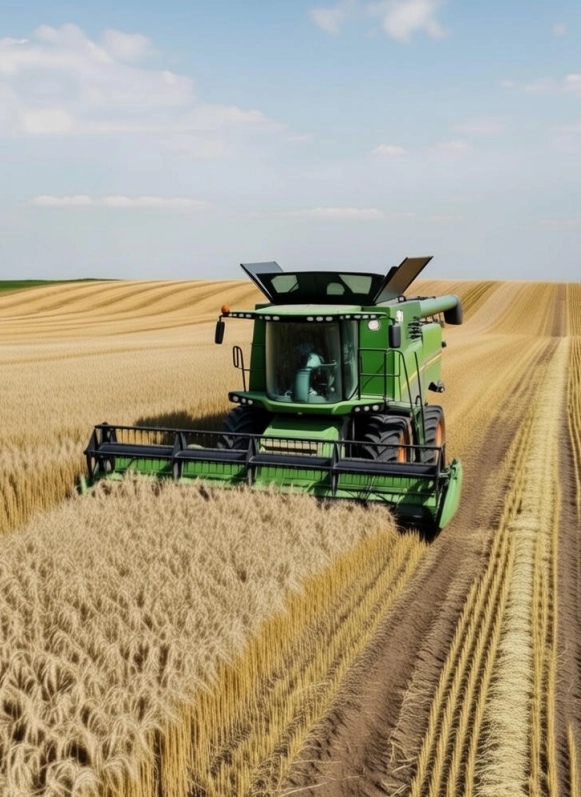
Harvest season is the make-or-break time for many farming operations. Combines and tractors work long hours, often from dawn to dusk, moving through fields under changing conditions. Grain tanks fill to capacity. Trailers load heavy. The weight on the tyres shifts constantly as machines empty and refill. Fields throw up stubble, loose soil, wet patches, or hidden rocks. A tyre that cannot cope leads to flats, slip, or bogging down right when time is tight. Soil left compacted from heavy passes affects yields the following year. Fuel burns faster with poor traction. Farmers and contractors look for agriculture tyres that carry the load reliably while keeping traction solid and ground pressure low. The choices made ahead of the season influence how smoothly everything runs and what the final costs look like.   The Demands Placed on Agriculture Tyres During Harvest Harvest brings some of the heaviest loads farm machinery sees all year. Large combines carry full hoppers weighing several tonnes. Front tyres on modern machines often support 8 to 12 tonnes each when loaded. Rear tyres manage steering under that weight plus the machine’s own mass. Tractors pulling grain carts or trailers add similar axle loads during transport phases. Field conditions vary day to day and even hour to hour. Dry stubble leaves sharp residues that can cut into rubber. Rain creates soft spots where traction disappears. Loose topsoil allows sinking if the contact area is small. Continuous runs mean tyres heat up from friction and long hours on the job. Road transfers between fields add speed and vibration that stress sidewalls. Downtime hits hard during harvest. A punctured tyre or bogged machine stops the whole chain. Crews lose valuable hours fixing or waiting for help. Compacted soil reduces water infiltration and root growth for following crops. Slip wastes fuel and time per hectare. Agriculture tyres for harvest season need to balance load support, traction, puncture resistance, and soil care to keep work flowing. Different crops and regions bring their own twists. Corn stubble is sharp and abrasive. Rice paddies stay wet and slippery. Wheat fields can be dry and hard or soft after rain. Larger operations with multiple machines amplify the need for consistent performance across the fleet. Key Factors Affecting Load Capacity in Harvest Tyres Load capacity starts with tyre construction. Radial agriculture tyres use cords running perpendicular to travel direction, with stabilising belts under the tread. This allows flexible sidewalls and a flat, wide footprint. Bias ply tyres have cords crossing diagonally, creating a stiffer overall structure. The footprint spreads weight. Radial designs typically provide 20 to 30 percent larger contact area than bias at similar pressure. Wider tyres and larger diameters increase this further. Lower pressures become possible without sidewall collapse, distributing load and reducing ground pressure. Load index markings on the sidewall indicate maximum weight at specified pressure and speed. Harvest operations involve cyclic loading—empty to full hopper repeatedly. Some tyres carry ratings for cyclic field work, allowing higher loads at low field speeds. For example, a tyre rated for standard use might handle extra weight in harvest cycles. Pressure management plays a role. Lower inflation increases footprint and flotation in soft soil. Higher pressure suits road travel but can increase soil pressure in fields. Harvest tyres often run lower in fields for better support and less compaction. Construction details matter too. Reinforced sidewalls resist flex damage under heavy loads. Multiple steel belts protect against punctures from below. Thicker rubber in the tread and shoulder areas extends wear life in abrasive conditions. Improving Field Efficiency with the Right Tyre Choice Traction depends on lug design and contact patch. Deep, angled lugs bite into soil for pull. Self-cleaning patterns shed mud in wet conditions. Wider footprints reduce slip, cutting fuel use and time per hectare. Soil compaction influences future yields. Heavy machines during harvest can pack subsoil if pressure is high. Larger footprints at lower pressures spread weight, preserving structure. Studies show reduced compaction improves root development and water holding in following seasons. Puncture resistance protects against stubble damage. Reinforced belts and tougher compounds resist cuts from crop residues. Stronger sidewalls handle impacts from rocks or debris common in harvest fields. Radial agriculture tyres generally offer advantages in harvest efficiency. The flexible sidewall absorbs shocks, providing smoother ride over uneven ground. Larger footprint improves pull and reduces slip. Lower rolling resistance on road saves fuel during transfers. Tread pattern selection matches crop and soil. R-1 patterns suit general harvest with good traction in dry or moderate wet. R-2 deeper lugs work in rice or very soft ground. Some designs incorporate curved lugs for better self-cleaning and less vibration on road. Practical Considerations for Harvest Season Tyre Selection Farmers face mixed demands in harvest. Tyres handle field work and road runs. R-1 tread suits general conditions with good traction in dry or moderate wet. R-2 deeper lugs work in rice or very soft ground. Size matching avoids issues. Larger diameters reduce revolutions per distance, lowering wear. Wider sections increase load support and flotation. Checking machine weight and typical hopper fill ensures capacity. Pressure management during season maintains performance. Morning cool allows lower settings for field work. Warming raises pressure for road safety. Regular checks account for temperature changes. Maintenance catches problems early. Inspecting for stubble cuts or sidewall damage prevents failures. Cleaning lugs keeps traction consistent.   Qingdao Lander Sky Tyre’s Agriculture Tyre Range for Harvest Applications Qingdao Lander Sky Tyre produces agriculture tyres suited to seasonal demands. The range includes R-1 and R-2 patterns for tractors and harvesters. Radial constructions feature reinforced structures for load support in field conditions. R-1 designs provide balanced traction with durable compounds. R-2 options offer deeper tread for challenging soil. High load indices suit combine applications. Puncture-resistant features help in stubble fields. About Qingdao Lander Sky Tyre Qingdao Lander Sky Tyre has been producing tyres from its base in Qingdao, China, for over two decades. The company started with a focus on agricultural applications and has built its range around the needs of farmers working in varied conditions worldwide. Production facilities handle the full process from compound mixing to curing, with particular attention to radial designs that suit modern farm machinery. The agriculture tyre line covers patterns for different soil types and seasons. R-1 tread provides traction for general field work. R-2 options offer deeper lugs for wet or soft ground common in rice or heavy clay areas. Radial constructions feature reinforced belts and sidewalls to support high loads while maintaining flexibility. The tyres carry load indices suited to combines and large tractors during peak seasons. Quality control follows international standards, with testing for pressure retention, puncture resistance, and wear characteristics. The company supplies dealers and OEM customers in multiple markets, with emphasis on consistent performance in real farm use. Export experience includes regions with demanding harvest conditions, where durability and field efficiency matter most. Conclusion Harvest season tests agriculture tyres with heavy loads and challenging conditions. Selecting tyres with suitable load capacity, traction, and puncture resistance supports efficient field work while protecting soil. Proper matching to equipment and conditions contributes to smoother operations and better long-term results. FAQs – Agriculture Tyres for Harvest Season Q: How does tyre construction affect load capacity in harvest operations? A: Radial agriculture tyres typically provide larger footprints and better load distribution for harvest work. Q: What tread patterns work well for harvest field efficiency? A: R-1 patterns in agriculture tyres offer good traction across common harvest conditions. Q: How can agriculture tyres reduce soil compaction during harvest? A: Wider footprints and lower pressures in suitable agriculture tyres spread weight to limit compaction. Q: Are larger agriculture tyres better for harvest puncture resistance? A: Larger sizes and reinforced designs in agriculture tyres help resist damage from harvest stubble. Q: What factors influence agriculture tyre choice for combine harvesters? A: Load index, traction, and durability features in agriculture tyres suit combine harvest demands.
Radial vs Bias Agriculture Tyres: Comparison, Advantages and Which Type Gives Farmers Better Value

Radial vs Bias Agriculture Tyres: Comparison, Advantages and Which Type Gives Farmers Better Value

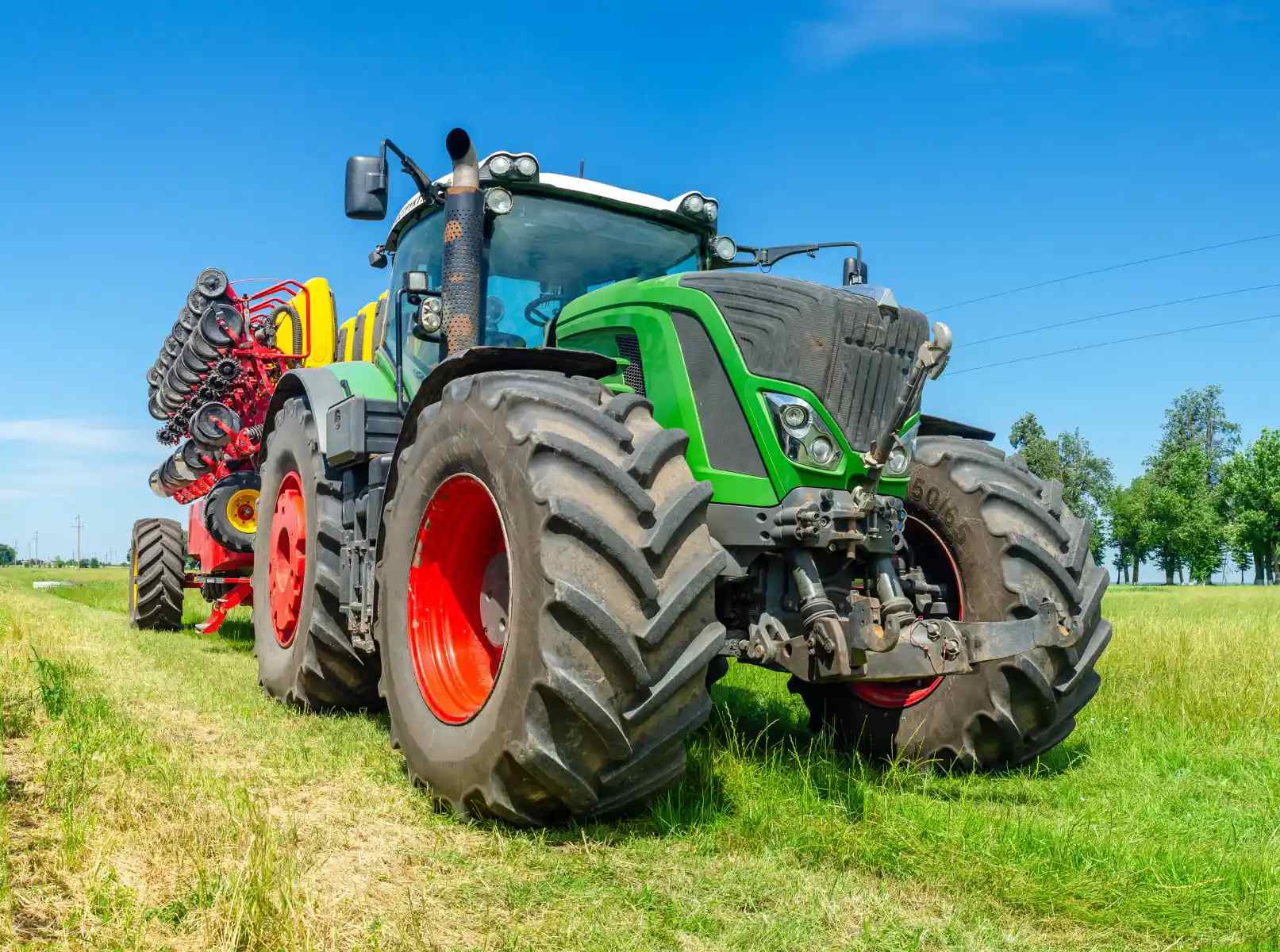
Walk across any farm yard and you can almost guess the tyre type from the ground. If you see deep ruts on the headlands and a tractor that rides rough on the lane, chances are it is still on bias agriculture tyres. If the tracks are wider and shallower and the driver looks a bit more relaxed after a long day hauling grain on the road, you are probably looking at radial agriculture tyresFor dealers, farm machinery cooperatives and large growers, the question is not “which is newer”, but very simple: which tyre construction gives better value for money on this farm, with these implements and these road miles. That is where understanding the real difference between radial and bias agriculture tyres, beyond the sales talk, starts to pay off.   Why the Radial vs Bias Agriculture Tyres Comparison Matters Cost per hour, not price per tyre Most buying decisions still start with the quote. Bias agriculture tyres usually come with a lower upfront price. Radial agriculture tyres often look expensive on the spreadsheet in week one. But a tyre that runs thousands more hours, burns less fuel and protects soil better can easily win on cost per hour and cost per hectare, even if the invoice is higher. For distributors talking to serious operators, it helps to translate “radial vs bias agriculture tyres” into daily reality: how often the machine stops for tyre work, how much fuel it spends dragging rigid casings through the field, and how much time is lost on slow, nervous road moves. Construction basics in one minute The difference between radial and bias agriculture tyres is not marketing—it is structural engineering. Radial tyres have plies running at 90 degrees with belts under the tread. Bias tyres have layers crossing at 30–40 degrees. This casing layout determines flexibility, heat build-up and footprint. That layout dictates how the tyre flexes, how it carries load and how heat builds up. Once you see that, the performance gap between radial and bias agriculture tyres starts to feel quite logical. How construction turns into behaviour in the field Radial agriculture tyres: flexible sidewall, stable footprint With radial agriculture tyres for tractors, the sidewall and the tread do not behave the same way. The sidewall is allowed to flex, especially at lower inflation pressures, while the tread band stays comparatively stable and flat. Lander AGR tyres highlight that radial construction improves flexibility and footprint stability. On a real tractor this shows up as a longer, wider contact patch and a lower slip rate at the same drawbar pull. The tractor hooks up more cleanly, climbs out of wet spots with fewer attempts and leaves behind a surface that is easier to work on the next pass. For growers who count fuel per hectare and care about soil structure, that is not a minor detail. Bias agriculture tyres: rigid package and simple toughness Bias agriculture tyres are built as a single, rigid structure where the sidewall and tread work together. That has some advantages. The casing is inherently tough and can shrug off abuse from low-speed work, sharp stubble or yard scrap better than many operators expect. For implements that move slowly and spend very little time on the road, bias tyres still deliver honest value. The trade-off is that bias agriculture tyres for tractors do not flex as freely. The footprint is shorter and narrower at the same load and pressure, which pushes more weight into a smaller area. That can mean more compaction and more spin in difficult conditions, especially once the machine power goes up. Cost, lifespan and the value of hours between failures Upfront savings versus total cost A dealer quoting a fleet of bias agriculture tyres for a smaller tractor will almost always beat the first quote for radials. However, radial agriculture tyres typically run cooler at working speeds, distribute stress more evenly and wear more slowly on the road. On mixed field and transport duty, that can translate into several additional seasons before replacement, or a large number of extra road hours moving grain, slurry or silage. When distributors talk to cooperatives, it often helps to work out a rough cost per operating hour or cost per ton moved instead of stopping at purchase price. Radial vs bias agriculture tyres cost comparison looks very different when you spread tyre cost across fuel, machine depreciation and labour. Heat and casing life Radial carcasses flex in the sidewall and keep the tread more stable, which reduces internal heat under sustained transport speeds. Bias carcasses move as one package, so heat tends to build quickly when the tractor spends long periods above twenty or thirty kilometres per hour. Over time that heat hardens rubber, accelerates cracking and can shorten casing life. In practice, a set of radial agriculture tyres for tractors doing regular road work will usually give more years of service at a more stable performance level than an equivalent bias set, even if the bias tyres look “stronger” when new. Traction, soil compaction and fuel use Traction and slip Radial agriculture tyres with a long, flat footprint put more lugs in contact with the soil at any given moment. That lowers slip percentage and makes draft more consistent. Bias agriculture tyres often need higher inflation to carry the same load; the stiffer casing then shortens the footprint and increases local stress. From a fuel perspective, every percentage point of extra slip is wasted energy. When a cooperative compares radial vs bias agriculture tyres across several tractors, the difference in fuel consumed over a full season of ploughing, cultivating and hauling can be substantial, even if each hour feels similar from the cab. Compaction and yield impact Soil compaction is harder to see week by week, but it shows up in yield maps and in the power required for tillage. Radial agriculture tyres for tractors can be run at lower pressure in the field, spreading load over a larger footprint and reducing maximum ground pressure. Bias agriculture tyres, especially when run at “safe” higher pressures for the road, tend to drive more weight into a smaller patch of soil. For farmers already using controlled traffic or precision planting, a move from bias agriculture tyres to well-chosen radial AGR tyres is often one of the easier ways to protect topsoil without changing machinery size.   Road behaviour and mixed-use machines Comfort and control between fields Modern farms rarely stay inside one block. Tractors haul grain to distant storage, pull tankers on public roads and shuttle between outlying fields. On these mixed profiles, radial agriculture tyres are usually the better tool. The flexible sidewall smooths small bumps and reduces vibration, while the stable tread keeps a consistent contact patch at speed. Drivers get off the machine at the end of the day less tired, and chassis components see less shock loading. Bias agriculture tyres can feel harsher and tend to wander more at speed, especially when worn. For short, slow road moves this may be acceptable; for long days hauling, it becomes a safety and comfort issue. Wear patterns and noise Radial vs bias agriculture tyres also differ in how they wear on hard surfaces. Radials tend to wear more evenly across the tread when correctly inflated for transport, which extends usable life and keeps rolling resistance predictable. Bias tyres often scrub more at the shoulders and can become noisy and irregular as kilometres accumulate. For machinery cooperatives where tractors see many different operators and routes, predictable behaviour on the road is a real part of “value”, even though it does not show up on the sidewall. Matching tyre choice to farm and fleet When radial agriculture tyres make sense Radial agriculture tyres for tractors and harvesters show their strength on high-horsepower machines, mixed field and road work, heavy towing and in operations where soil protection is part of the business model. Large arable farms, dairy operations with high slurry traffic and contractors covering many kilometres between clients are typical examples. Where bias agriculture tyres still fit Bias agriculture tyres still have a place on low-speed implements, older tractors used as yard machines and equipment that spends most of its life in one yard or one field. For distributors serving very price-sensitive segments, bias construction can be a practical option when annual hours are low and transport distances are short. The key is not to treat radial vs bias agriculture tyres as a “good versus bad” story, but as different tools for different operating profiles. Qingdao Lander Sky Tyre: a partner for AGR tyre choices Qingdao Lander Sky Tyre was founded in 2013 and has grown into a global tyre supplier specialising in TBR, OTR, industrial, agricultural and forklift tyres. The company operates five workshops with strict quality control and focuses on premium-grade products backed by a three-year warranty, fast response and long-term partnership thinking. From its modern 3,000-square-metre factory with imported equipment and a skilled production team, Qingdao Lander Sky Tyre manages the full process from rubber preparation to final inspection. Its agriculture range covers both radial and bias agriculture tyres, which means dealers and cooperatives can discuss real-world duty cycles and choose constructions that fit tractors, trailers and implements across a mixed fleet rather than forcing one pattern on every axle. With exports to more than fifty countries and certifications such as DOT, ECE, GCC and CCC across major product lines, the company is positioned to support distributors who need consistent quality, reliable supply and technical dialogue on subjects like radial vs bias agriculture tyres for tractors and harvesters. Conclusion At first glance, radial and bias agriculture tyres do the same job: they carry the machine, transmit torque and keep the farm moving. Underneath, the construction and the filtration of forces through carcass and tread are completely different. Radial agriculture tyres for tractors bring a flexible sidewall and stable tread that favour traction, lower fuel use, better road behaviour and soil protection. Bias agriculture tyres offer simpler toughness and a lower ticket price where hours and speed remain modest. For dealers and farm machinery cooperatives, the “better value” question is never answered in a single sentence. It depends on power, duty cycle, soil type, transport distance and replacement strategy. What does stay constant is the need to talk in terms of cost per hour and cost per hectare, not just price per tyre. Suppliers like Qingdao Lander Sky Tyre, with both radial and bias agriculture tyres in their AGR portfolio, give you the flexibility to build a tyre policy that fits each segment of your customer base instead of forcing one answer on every machine. FAQs about radial vs bias agriculture tyres Are radial agriculture tyres always the best choice for modern tractors? Radial agriculture tyres for tractors are usually the best choice when machines cover many hours, spend real time on the road and work in conditions where traction and soil protection matter. In very low-hour or purely yard-duty applications, bias agriculture tyres can still be a sensible, lower-cost option. How do radial vs bias agriculture tyres affect fuel consumption? Radial agriculture tyres typically run at lower slip and can work at lower field pressures, which reduces rolling resistance and the energy lost in spinning. Bias agriculture tyres tend to slip more under the same load, especially in soft soils, so fuel burn per hectare can be higher over a full season. Do radial agriculture tyres wear faster on the road than bias tyres? In most mixed-use cases, the opposite is true. When correctly inflated for transport, radial agriculture tyres distribute load more evenly across the tread and manage heat better, so they often deliver more road hours than bias agriculture tyres, which can scrub and heat up faster at higher speeds. Can I mix radial and bias agriculture tyres on the same tractor? From a technical standpoint, mixing radial and bias agriculture tyres on the same axle is not recommended. The casings flex differently, which can create unstable handling and uneven load sharing. Some operators mix constructions on different axles, but it is always safer to consult the tyre supplier or tractor manufacturer before doing so. How should dealers explain radial vs bias agriculture tyres value to farmers? A practical way is to translate the discussion into cost per hour and cost per hectare. Show how radial agriculture tyres may reduce fuel, extend tyre life and protect soil, then set that against the higher initial price. For low-hour machines, point out where bias agriculture tyres still work well. That approach turns a technical debate into a clear business decision.

Why Mining Tyre Heat Dissipation Matters —and How Modern OTR Tyres Solve It

Why Mining Tyre Heat Dissipation Matters —and How Modern OTR Tyres Solve It

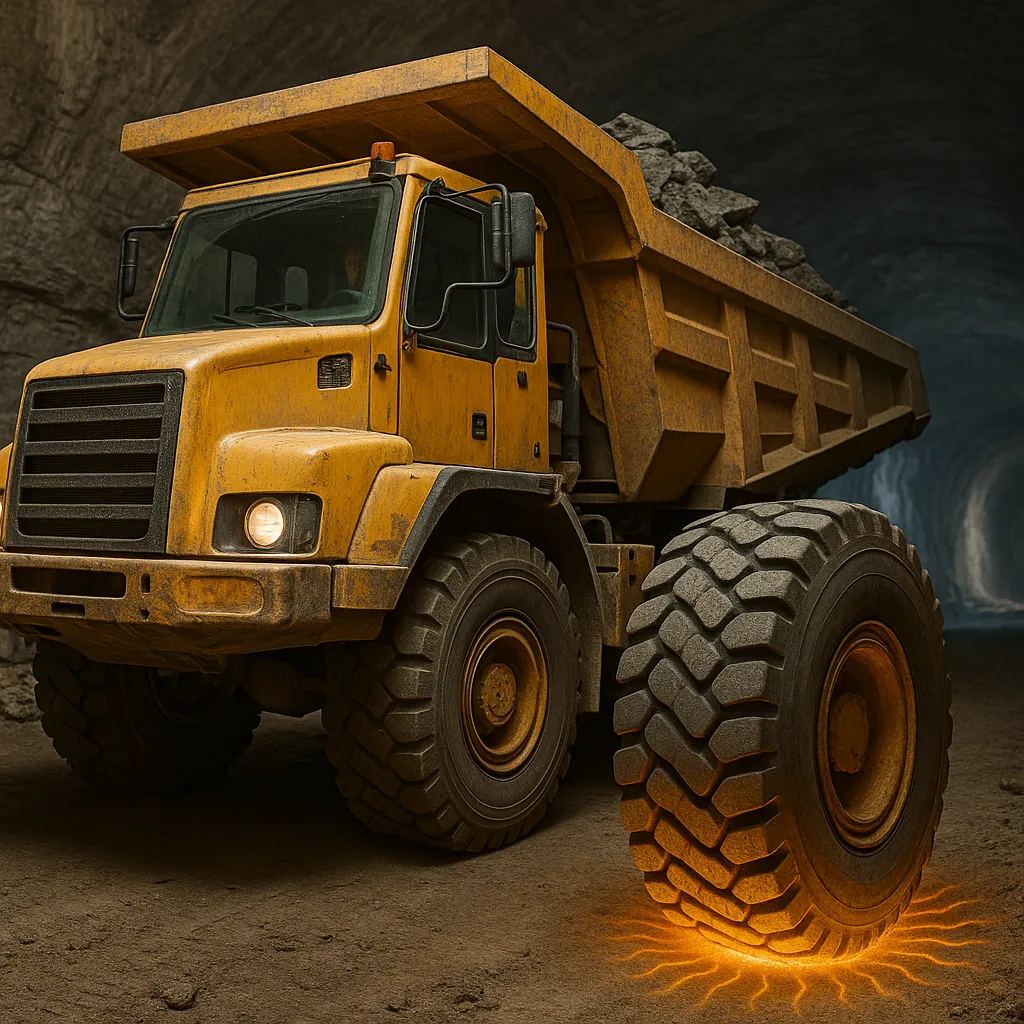
Anyone who has spent time around mining equipment knows that tyres don’t fail “all of a sudden.” There is almost always a slow build-up of stress behind the scenes, often starting with heat. Operators may see rocks, rough haul roads, sharp edges, or a heavy load and assume that’s what kills a tyre—but in many cases, the real damage comes from temperature creeping higher hour after hour. Once the heat gets into the rubber and the carcass, the tyre starts aging from the inside long before anything shows on the outside. For mining operations that rely on continuous equipment operation, this internal aging caused by poor heat dissipation directly increases tyre replacement costs and downtime. In deep mines or high-temperature sites, this happens faster than most people expect. A loader working underground, for example, can begin its shift in air that already feels warmer than any workshop. The machine moves constantly—no long breaks, no cooling pauses—and every cycle adds a little more temperature to the tyre. After the midpoint of a shift, the sidewalls feel softer, the shoulders warm up, and the internal cords begin to carry more strain than they were meant to. It doesn’t make noise, and it doesn’t alert the operator right away, but the clock starts ticking. On surface mines, the picture is different but the result is similar. A haul truck rolling down a long grade with a full bed generates heat from flexing, braking, and road friction. Even when the weather is cool, the tyre heats up simply from constant weight transfer and repeated deformation. Overloaded runs and under-inflated tyres make the problem worse. Many fleet managers say the same thing: “Cut resistance is easy to see. Heat isn’t.” And that’s exactly why heat dissipation has become such a critical part of OTR tyre design.   Why Heat Build-Up Is a Serious Threat in Mining Sites Deep mines trap heat and limit airflow Air temperatures rise as operations go deeper underground. A tyre that would run comfortably at 55–60°C on the surface might run at 70–80°C underground simply because there’s nowhere for the heat to escape. When this happens: Rubber becomes softer Cord tension increases Fatigue begins earlier in the shift In some mines, tyres never drop back to a normal temperature range, even during shift changes. Surface trucks generate heat through long rolling cycles Haul trucks driving long distances at moderate speeds experience: Tread block flexing Shoulder compression Repeated load impact during braking All of these generate heat inside the tyre. When the truck is fully loaded, each tyre carries an enormous amount of weight, and every rotation adds more internal temperature. Round-the-clock operations leave no time for cooling OTR tyres used in 24/7 operations rarely cool to baseline temperatures. Tyres that run hot all day and stay warm all night enter a cycle of thermal fatigue that shortens service life dramatically. What Happens When a Mining OTR Tyre Overheats? Rubber breakdown Heat causes the rubber molecules to lose strength. Cracks begin showing at: The shoulder Between lugs The bead area Once the compound hardens or becomes brittle, the tyre wears faster and loses grip. Carcass fatigue and cord weakening Most catastrophic failures originate here. Excessive heat weakens the internal cords, leading to: Sidewall bulging Bead area separation Sudden carcass collapse Even minor temperature spikes, repeated for weeks, can cause long-term damage. Tread separation due to internal stress Layers inside the tyre expand and contract at different rates when overheated. This mismatch can create separation lines, which eventually grow into visible damage. Overall faster wear Heat accelerates every form of abrasion. A tyre that might normally last six months in a quarry may only last four when running at consistently higher temperatures. How Modern OTR Tyres Combat Heat in Mining Work Heat-resistant rubber compounds Newer tyres use compounds that: Hold their flexibility at higher temperatures Resist oxidation Reduce heat absorption from constant flex This keeps the tyre more stable over long shifts. Tread patterns that lower rolling resistance Patterns designed for cooler running often feature: Wider center ribs Reinforced blocks Lug shapes that flex less Less flex means less internal heat. Reinforced shoulders built for high stress points The shoulder generates more heat than any other part of the tyre. Modern OTR tyres use: Cooler-running shoulder blends Heat-dissipating groove shapes Added reinforcement in known stress zones These features slow down crack formation. Carcass designs that handle thermal expansion better Tyres built with high-denier cords, advanced bonding layers, and stronger steel belts help maintain shape and strength even during temperature swings.   Choosing the Right OTR Tyre for Heat-Intensive Mining Sites Start with the mine environment Different mines require different heat strategies: Basalt quarries → sharp edges + high friction Deep gold mines → warm air + poor ventilation High-altitude surface pits → long haul cycles Matching tread pattern and compound to the actual site is essential. Match tyre rating to load and speed A tyre built for 20 km/h will not survive a 30 km/h haul cycle in hot weather. Load index and speed index should match: Peak load Average load Emergency load conditions Inflation pressure matters every single day Under-inflation is one of the fastest ways to create excessive heat. Over-inflation concentrates heat in smaller contact areas. Look for tyres built for continuous operation Not all OTR tyres are meant for 2-shift or 3-shift operations. Continuous-duty mining requires: Stronger bonding layers Lower-heat compounds Carcass protection against fatigue About Qingdao Lander Sky Tyre A natural introduction based on the company’s official information: Qingdao Lander Sky Tyre manufactures a broad range of off-the-road tyres for loaders, dump trucks, graders, port machinery, and heavy equipment used in mining and construction. The company works extensively with customers operating in difficult environments, where heat, sharp rock, and long duty cycles challenge tyre durability. Its tyres are built with reinforced carcasses, heat-resistant rubber compounds, and tread designs intended to stay stable in deep mines or high-temperature regions. For fleets that struggle with temperature-related failures, this type of construction helps reduce downtime and maintenance cost.Learn more about its mining OTR tyre series for heat dissipation here. Conclusion Heat doesn’t burst a tyre the same way a sharp rock does. It works slowly, almost quietly, until the rubber, cords, or bonding layers can’t take the stress anymore. In mining operations—especially deep or high-temperature sites—managing tyre heat is a big part of keeping equipment running and costs under control. Modern OTR tyres approach the problem from several angles: stronger carcass builds, cooler-running tread compounds, smart shoulder designs, and patterns that flex less. When all of this works together, the tyre stays closer to its ideal temperature range. And that means more predictable wear, fewer early failures, and a smoother operation overall. Companies like Qingdao Lander Sky Tyre design their OTR products with these real-world conditions in mind, giving fleets tools that fit the harsh conditions they deal with every day.If you’re looking for OTR tyres tailored to your mining site’s heat challenges, contact our team today for a free consultation—or download our Mining Tyre Heat Dissipation Guide to learn more.” FAQs About Tyre Heat Dissipation and OTR Tyres in Mining Operations Why is tyre heat dissipation critical in mining? Mining tyres face heavy loads and continuous cycles. When the rubber overheats, it loses strength, which increases the risk of cracking, tread separation, or carcass failure. What conditions make OTR tyres overheat most often? Deep mines with warm air, long haul roads, overloaded trucks, and improper inflation are the most common reasons tyres gain heat faster than they can release it. Can tyre selection help reduce heat build-up? Yes. Tread patterns with lower rolling resistance, strong bonding layers, and heat-resistant rubber compounds all help tyres run cooler during long mining cycles. Does tyre pressure affect operating temperature? Very much. Low pressure increases flexing, which generates heat. High pressure shrinks the footprint and creates hot spots. Correct pressure slows heat accumulation. Does Qingdao Lander Sky Tyre make tyres for heat-intensive mining conditions? Yes. The company builds OTR tyres with reinforced carcasses and rubber compounds that hold up better in deep mines and high-temperature operations. Still have questions about mining tyre heat dissipation? Fill out our online form, and a tyre expert will get back to you within 24 hours.
Home
WhatsApp
Email
Contacts