

Choosing the correct TBR tire size directly affects truck safety, fuel efficiency, carrying capacity, and fleet operating costs. For regional transportation fleets, 12R22.5 and 315/80R22.5 are two widely used drive axle tire sizes, but they are not interchangeable.
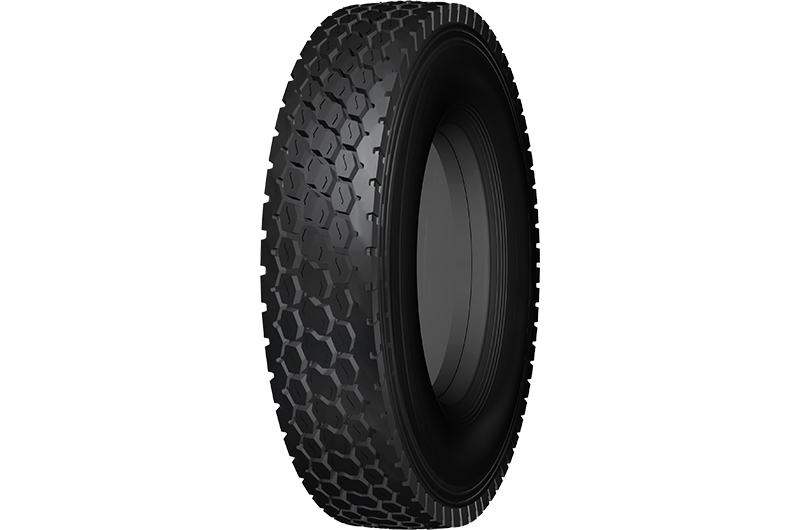
However, they are not exactly the same. The LANDER SEA LS302+ comes in both sizes. It serves as a dependable regional TBR tire for paved routes and varied daily tasks. This guide looks at the two choices. It helps fleets, dealers, and truck owners pick the best specification.
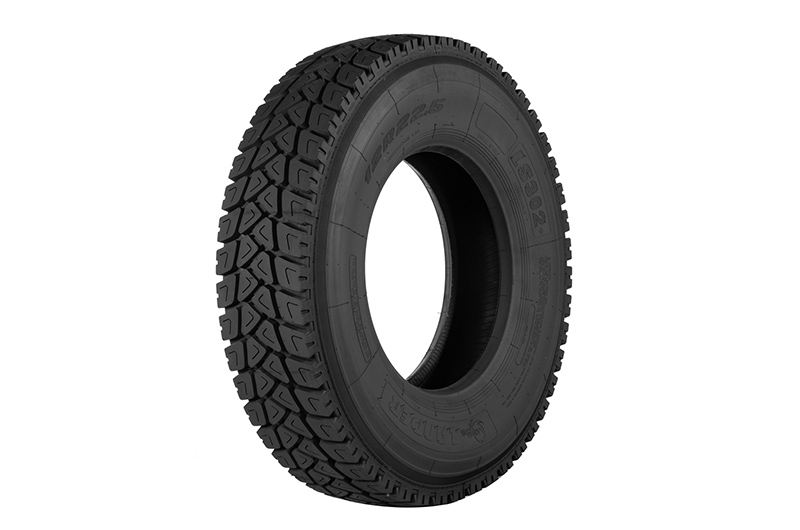
What Do 12R22.5 and 315/80R22.5 Mean?
These two sizes rely on distinct naming rules. Understanding each format properly is the initial step. You must do this before checking load limits, rim matching, and vehicle fitment.
What Does 12R22.5 Mean?
In the 12R22.5 format, “12” stands for a nominal section width in inches. The letter “R” indicates radial construction. Finally, “22.5” shows the rim diameter in inches.
For the LS302+, this size holds an 18PR rating. It features a 152/149L load index and speed symbol. It fits a 9.00-inch standard rim. The listed section width is 300 mm. Its overall diameter reaches 1,085 mm. The tread depth is 18 mm.
What Does 315/80R22.5 Mean?
In the 315/80R22.5 format, “315” shows the nominal tire width in millimeters. The number “80” represents the aspect ratio. The “R” means radial construction. The “22.5” is the rim diameter in inches.
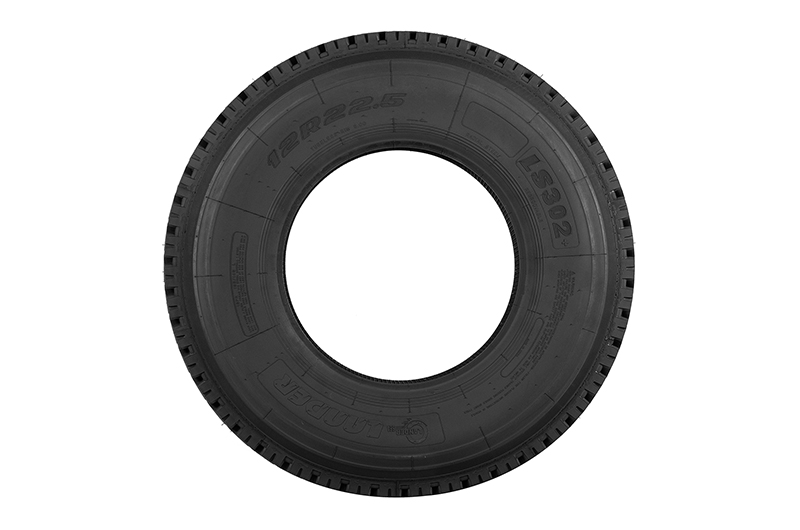
For the LS302+, this size carries a 20PR rating with a 156/150L mark. It also mounts on a 9.00-inch standard rim. The stated section width measures 312 mm. The overall diameter is 1,076 mm. It has a tread depth of 20 mm.
How Do the Two LS302+ Sizes Compare?
Both sizes fall under the LS302+ regional drive-position series. Yet, their physical dimensions and load ratings vary. Buyers need to examine the full specification. They should not look solely at the shared 22.5-inch rim diameter.
What Are the Main Specification Differences?
| Specification | 12R22.5 | 315/80R22.5 |
| Ply rating | 18PR | 20PR |
| Load index and speed symbol | 152/149L | 156/150L |
| Standard rim | 9.00 | 9.00 |
| Section width | 300 mm | 312 mm |
| Overall diameter | 1,085 mm | 1,076 mm |
| Tread depth | 18 mm | 20 mm |
| Maximum single load | 3,550 kg | 4,000 kg |
| Maximum dual load | 3,250 kg | 3,350 kg |
| Listed inflation pressure | 930 kPa | 850 kPa |
The 315/80R22.5 option is broader. It supports a greater listed load. Additionally, it offers 2 mm more original tread depth. The 12R22.5 option is a bit taller. This might be more useful for fleets that already use this classic size. These details come from the official LS302+ product specifications.
Does a Higher Load Rating Always Mean a Better Choice?
No. A greater load index does not instantly make one tire superior for every regional truck.
The right choice still relies on the tire sizes authorized by the vehicle maker. It depends on the true axle load, rim fit, dual-tire spacing, and route speed. Road conditions and standard operating pressure matter too. Buyers must align the tire with the actual job. They should not pick based just on load rating or tread depth.
Which LS302+ Size Better Fits Your Regional Truck?
Begin with the tire size authorized by the truck builder. Next, you can assess the vehicle’s working load and the existing wheel setup. Look at your maintenance routine and the local replacement market demand.
When Should You Choose 12R22.5?
Select the 12R22.5 LS302+ if the truck is authorized and already set up for this dimension. It works well for fleets whose rims and spare tire stocks rely on 12R22.5. Maintenance tools and replacement steps should match too.
It can also be a sensible choice for steady regional routes. This is true when the real axle load stays within the stated limit. For distributors, the 12R22.5 can be vital for business. This applies to markets where older inch-based commercial tire sizes stay very popular.
Keeping the same authorized size can ease inventory tracking. It also minimizes fitment issues across an existing fleet.
When Should You Choose 315/80R22.5?
Select the 315/80R22.5 LS302+ if it is an authorized vehicle size. Choose it when the job demands its greater listed load index.
This size might suit newer metric-size trucks. It fits markets with heavy replacement demand for 315/80R22.5 tires. Its 312 mm stated section width and 20 mm tread depth can also benefit specific fleet replacement strategies.
Still, the greater load rating does not eliminate the need to inspect the rim and axle position. You must check inflation rules, vehicle clearance, and the actual operating load.
What Should You Check Before Switching Sizes?
Moving from one commercial tire size to another needs a thorough fitment check. Sharing a 22.5-inch rim mark does not make the 12R22.5 and 315/80R22.5 instantly swappable.
Are the Vehicle and Rim Compatible?
Review the vehicle manual or ask the truck maker before altering sizes. Verify the authorized tire size and rim width. Check wheel condition, suspension clearance, and brake clearance. Ensure there is enough free space around the tire.
Both LS302+ sizes mention a 9.00-inch standard rim. However, this detail alone does not guarantee that every truck can swap between the two dimensions.
Are Load and Dual-Tire Matching Correct?
Measure the real axle load while the truck works under standard conditions. Contrast this number with the tire’s stated single or dual load limit.
For dual-wheel setups, utilize tires with matching dimensions and construction. Tread depth and inflation pressure must align too. Badly matched dual tires can cause uneven load spread and irregular wear. They lead to higher tire temperatures and extra maintenance expenses.
Fleets should avoid adjusting tire pressure based on broad online advice. The proper operating pressure must match the tire specification and the true load. It should follow vehicle guidelines and relevant local laws.
Why Choose QINGDAO LANDER-SKY TYRE CO., LTD as a TBR Tire Supplier?
A trustworthy TBR tire supplier should assist buyers in matching the tire to the vehicle. They must consider axle position, load, and route before talking only about price. This is deeply important for importers, distributors, fleet managers, and replacement tire dealers.
How Does LANDER SEA Support TBR Tire Buyers?
QINGDAO LANDER-SKY TYRE CO., LTD provides TBR and other commercial tire items for global markets. For LS302+ questions, buyers can share the needed tire size and axle position. Tell them about road conditions, route type, and load needs. Include order quantity, target market, and any certificate or packaging requests.
The company can also talk about minimum order quantities and mixed-container choices. They cover lead times and OEM packaging. This application-focused method helps B2B buyers set up orders more smoothly. It lowers the danger of picking a wrong specification.
Conclusion
Pick the 12R22.5 LS302+ if your truck is authorized for this dimension. It is ideal if your fleet prefers matching with existing inch-size gear, spare stocks, and maintenance habits.
Look at the 315/80R22.5 LS302+ if the vehicle accepts the metric size. Choose it if the task needs its greater listed load limit, wider section, or deeper tread.
Before buying, verify the rim, axle position, and real load. Check inflation rules, dual-tire matching, road conditions, and local laws. Giving these details to LANDER SEA will help make the tire suggestion and price quote much more precise.
FAQs
Can 12R22.5 and 315/80R22.5 Be Used Interchangeably?
Not instantly. Their rim diameter matches, but their width and overall diameter differ. Load index, ply rating, pressure rules, and fitment needs also vary. Verify vehicle approval and rim matching. Check available clearance and dual-tire spacing before making a switch.
Which LS302+ Size Has the Higher Load Capacity?
The 315/80R22.5 LS302+ delivers the greater listed capacity. Its peak single load hits 4,000 kg. This compares to 3,550 kg for the 12R22.5 model. Its peak dual load reaches 3,350 kg. The 12R22.5 offers 3,250 kg.
What Information Is Needed for an LS302+ Quotation?
Supply the needed tire size, vehicle type, and axle position. Include the true load, route type, and road condition. Share the order quantity, target market, and destination. Add any certificate or packaging needs. These facts help the supplier assess the task and build a more accurate quote.



Leave a comments