Q I N G D A O L A N D E R - S K Y T Y R E

Loading

Nullam dignissim, ante scelerisque the is euismod fermentum odio sem semper the is erat, a feugiat leo urna eget eros. Duis Aenean a imperdiet risus.

Best Agriculture Tyres for Wet & Muddy Fields: How to Choose the Right Tractor Tyres (R1/R1W/R2 Guide)?

Best Agriculture Tyres for Wet & Muddy Fields: How to Choose the Right Tractor Tyres (R1/R1W/R2 Guide)?

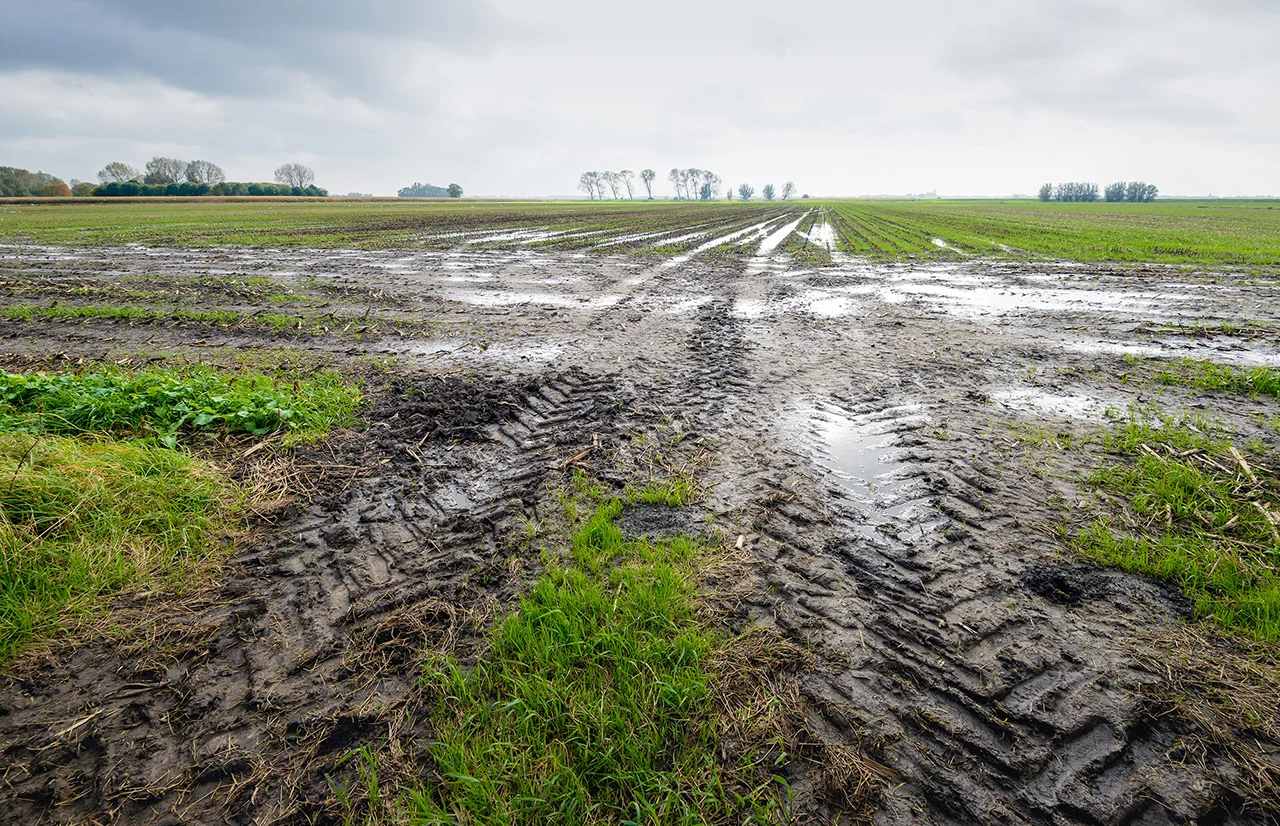
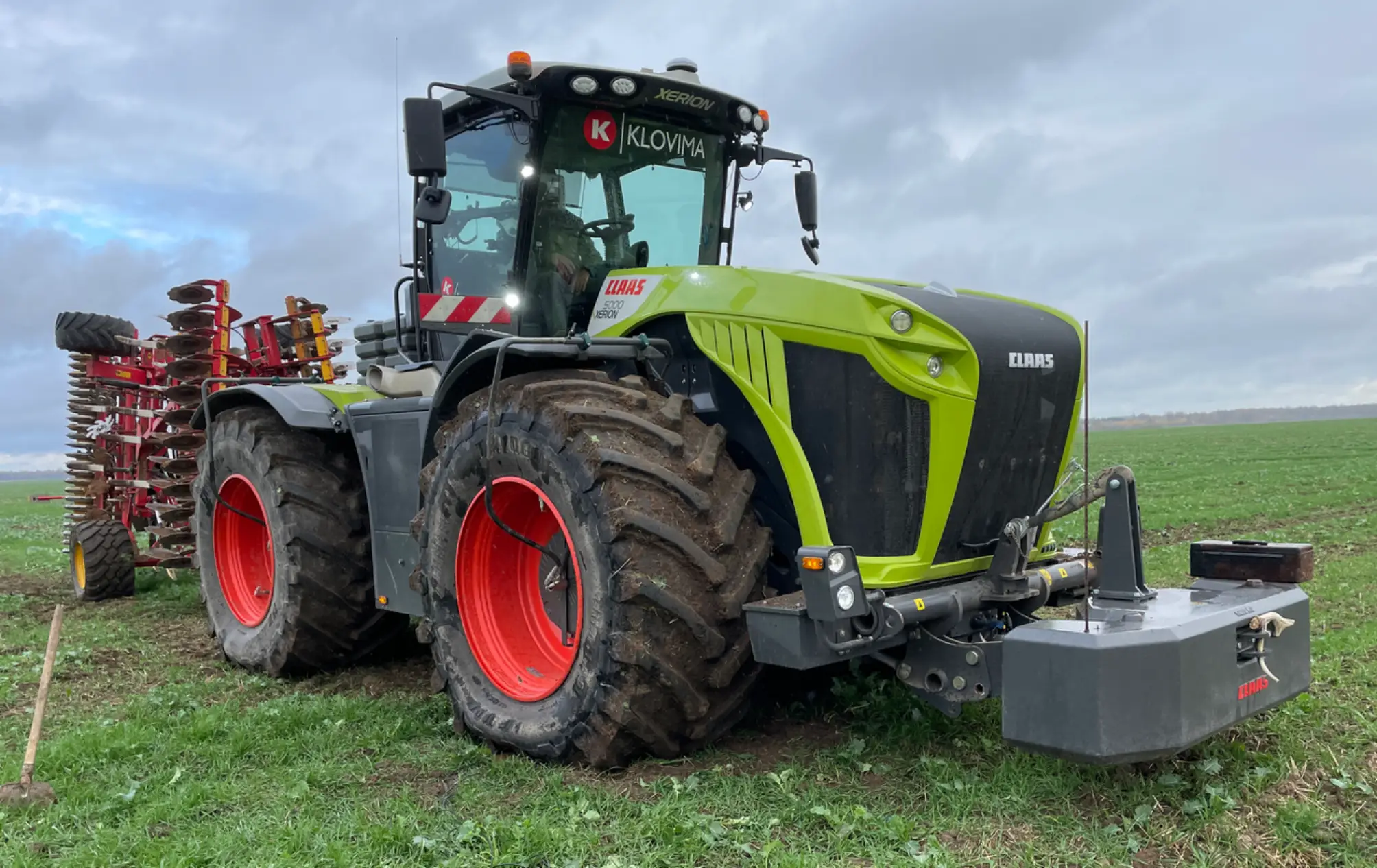
Farmers working through long rainy seasons understand one thing clearly: wet fields change everything. A tractor that normally runs smoothly can start slipping sideways, digging trenches, or bogging down halfway across a field. In regions where heavy rain is a yearly routine—whether monsoon areas in Asia, river-fed farmland in Africa, or tropical zones in Latin America—choosing the right agriculture and tractor tyres becomes a practical necessity instead of a nice-to-have upgrade. The right tyre can turn a muddy season into a manageable one. The wrong tyre can cost hours of lost time, higher fuel burn, and sometimes the unpleasant job of pulling a stuck tractor out of the field. Below, we’ll walk through what matters most when selecting tyres for wet fields, and how leading suppliers like Qingdao Lander Sky Tyre design tyres specifically to face these challenges. Why Wet Soil and Mud Require Specialised Agriculture Tyres   Traction Drops Fast When Soil Saturates Once the soil absorbs enough moisture, it stops providing firm resistance. Instead of gripping, your tyres start smearing mud like butter on a pan. This is why tractors can feel like they’re floating or fishtailing slightly when pulling implements. Deep-lug patterns—like the R1, R1-NEW, and R2-NEW styles used by Qingdao Lander Sky Tyre—are built exactly for this type of unstable ground. Long bars with strong bases bite through the top layer to reach soil that still has some structure. This difference becomes obvious when you compare field performance: shallow lugs spin quickly, while deeper lugs keep the machine moving forward. Getting Stuck Becomes a Real Risk Anyone who has farmed through rainy months knows the sinking feeling—literally—when a tractor settles into soft mud past its axle. Pulling it out isn’t only time-consuming; it can bend implements, damage tyres, and overload the drivetrain. Tyres designed for wet ground usually have: Wider tread faces Strong sidewalls High PR (ply rating) construction Patterns that prevent excessive digging Many of Lander’s AGR tyres feature 10–16 PR structures, giving them the stiffness needed to hold shape in deep ruts instead of collapsing inward. That structural stability is crucial when working in mud that pulls the machine from both sides. Mud Packing Reduces Traction to Zero Mud packing is one of the biggest productivity killers. When mud fills the space between lugs, the tyre loses its “teeth,” turning into a smooth cylinder. A good wet-field tyre must prevent this. Patterns such as R1-NEW and R2-NEW from Lander Sky Tyre were developed with self-cleaning performance in mind. Their alternating lug designs kick mud out with every rotation, helping maintain traction even in heavy clay. Key Features to Look for in Wet-Season Agriculture Tyres Deep, Aggressive Lug Depth (R1W / R2) Lug depth is your best tool for gaining traction in mud.R1W and R2 tyres offer extra depth and are ideal for sticky clay, rice fields, and rain-soaked farmland. Lander Sky Tyre’s R2-NEW line, for example, comes with widely spaced, deep bars that perform well in sticky, suction-heavy soils like rice paddies and rain-drenched vegetable fields. Sidewall Strength and Durability Sidewalls do more work in mud than farmers sometimes realize. When a tractor sinks into ruts, the entire weight shifts to the sidewalls. A weak structure folds inward, killing traction. A strong sidewall stays firm and transfers torque to the soil. Lander’s agricultural series uses reinforced carcass construction and higher ply ratings (8–16 PR depending on size), giving operators better stability under heavy loads or when pulling implements through mud. Wider Footprint for Flotation Wider tyres distribute the tractor’s weight on a bigger surface, reducing the chance of sinking. Sizes such as 23.1-26, 24.5-32, and other large-format AGR tyres provide excellent flotation during wet season operations. This is especially helpful for farmers using sprayers or planters during weeks when fields stay damp day after day. Self-Cleaning Groove Design A self-cleaning pattern is essential. Lander’s R1 and R2 patterns rely on: Open shoulders Angled grooves Larger mud channels These features naturally release mud and keep the lugs exposed. This dramatically improves traction in areas where soil shifts from soft topsoil to sticky clay within the same row. Real Field Example: Wet-Season Efficiency Consider a case from a tropical fruit plantation operating a 90HP tractor across hilly land. During peak rains, the standard R1 tyres packed with mud every few meters. Operators stopped repeatedly to scrape the tyres clean—slowing down the entire operation. After switching to a deeper R2-style tyre, the tractor maintained grip consistently. Field time dropped by almost a third, and the farm saved over 10 liters of fuel per day. That change alone paid for the tyres within a single season. Choosing Tyres Based on Soil Type and Machine Power Different conditions require different tread styles: R1: Traditional farm pattern, strong traction, suitable for mixed soil R1W: Deeper version, better for heavy clay or moist ground R2: Designed for very wet or muddy fields, including partially submerged areas Radial AGR: Wider footprint, less soil compaction, ideal for high-HP tractors Qingdao Lander Sky Tyre manufactures all three categories—R1, R1-NEW, and R2-NEW—giving farmers multiple options depending on the season’s moisture and crop requirements.   Qingdao Lander Sky Tyre: Built for Challenging Field Conditions For operators comparing tyre brands, it helps to look beyond tread patterns and understand the manufacturer behind them. Qingdao Lander Sky Tyre has specialized in agricultural, industrial, OTR, forklift, and truck tyres since 2013. Today, its products serve customers in more than 50 countries across Southeast Asia, Latin America, Africa, and the Middle East. The company’s production involves five workshops covering more than 3,000 square meters. Each stage—from raw material refining to calendering, forming, vulcanizing, and final inspection—is tightly controlled to maintain consistent quality. Lander’s tyres undergo strict X-ray inspections to detect bubbles, pores, and wire exposure, ensuring only qualified tyres reach customers. Customers often highlight the company’s long-term service mindset, quick response time, and three-year warranty. Many importers start with small trial orders and later become regional distributors as they gain confidence in the performance of Lander’s products in harsh, real-world environments. Conclusion Working in wet fields is always a challenge, but the right tyres can dramatically improve performance. For farmers needing reliable performance in mud and rain, deep lugs, strong sidewalls, and self-cleaning patterns are essential. Contact Qingdao Lander Sky Tyre for customised AGR tyre solutions for wet-field farming. FAQs 1.What tyres work best in muddy fields? R1W and R2 tyres perform best due to deeper lugs and strong cleaning ability. 2.Do wider tyres help in wet soil? Yes. Wider tyres improve flotation and reduce sinking. 3.Is self-cleaning important? Extremely. Without it, traction drops to zero. 4.Are higher PR tyres better for wet fields? Yes. Stronger sidewalls help maintain stability in deep ruts. 5.Why choose Lander Sky Tyre? Lander’s R1, R1-NEW and R2-NEW tyres are engineered for wet-season traction, durability, and clean-out performance.
Best Agriculture Tyres for Tractors: How to Reduce Soil Compaction and Fuel Consumption

Best Agriculture Tyres for Tractors: How to Reduce Soil Compaction and Fuel Consumption

When farmers talk about improving yields, agriculture tyres and tractor tyres are not always the first factors they consider. Engines, implements, and soil preparation often take center stage. However, anyone with real field experience knows that the right tractor tyres influence nearly every aspect of farm performance—from daily fuel consumption to how well the soil maintains its structure throughout the growing season. Soil compaction isn’t always dramatic. Sometimes it’s just a thin layer beneath the surface that hardens after repeated passes. Other times it shows up as a stubborn patch where water doesn’t drain the way it should. Whatever the case, tractor tyres play a much bigger role than many operators realize. This is why agriculture tyres have become a serious topic for farm managers, large growers, and even equipment dealers. The right tyre can turn a long day into a smoother one—and save fuel at the same time. In this article, we’ll take a practical look at how tyre design impacts soil health and fuel consumption, and what farmers should consider when choosing the best agriculture tyres for their tractors.   Why Soil Compaction Matters More Than Ever Compaction quietly reduces yields Most compaction damage happens where the tyre meets the soil. A narrow contact patch, high inflation pressure, and heavy equipment combine to squeeze soil particles together. When this happens repeatedly: Water infiltration slows Root systems stop spreading Soil microbes lose oxygen Crops become more vulnerable to stress Compaction doesn’t always look dramatic, but its impact is very real—often cutting yields by 10% or more in affected zones. Bigger tractors mean bigger risks Modern tractors are heavier, stronger, and designed to pull wide implements. That’s great for productivity, but it also means the soil endures more load than it did 20 years ago. Without the right tyre setup, that added weight goes straight into the topsoil. This is where tyre selection becomes a make-or-break decision. How Agriculture Tyres Help Reduce Soil Compaction Wider contact patch = better soil protection When a tyre spreads weight over a larger area, the ground absorbs less pressure. This is one reason modern agriculture tyres often feature: Wider tread designs Larger diameters Flatter profiles A broader footprint means the tractor doesn’t sink as aggressively into soft ground, especially when the soil is moist. Low-pressure tyres make a huge difference Running tyres at lower pressures—when the structure is built for it—helps the tyre flex and “float” more easily. This reduces rutting and protects topsoil. Low-pressure tyres also perform better in: Spring planting conditions Tilled fields Sandy soils Moist environments The lower the ground pressure, the healthier the soil stays. Radial construction improves flexibility Radial agriculture tyres don’t behave like traditional bias tyres. The sidewalls flex more freely while the tread remains firm. More flexibility means the tyre stays in better contact with the ground and distributes weight more evenly. This translates into: Less soil disturbance Smoother passes Lower slip rates Slip percentage might seem trivial, but it affects fuel consumption and compaction at the same time. How Agriculture Tyres Influence Fuel Consumption Traction determines how much fuel you burn Poor traction isn’t just annoying—it burns fuel quickly. When a tractor slips, the engine works harder without producing equivalent movement. A tyre designed with deeper lugs or optimized lug angles grips the soil better and avoids the spinning that wastes diesel. Better traction means: Fewer passes Less time in the field Lower hourly fuel usage Even a small reduction in slip can add up across an entire season. Rolling resistance impacts engine load Good tyres roll smoothly rather than sinking into the ground. Radial tyres with softer sidewalls tend to reduce rolling resistance, which in turn: Reduces load on the engine Lets the tractor maintain speed more easily Avoids unnecessary downshifting Across large farms running long field operations, the fuel savings become easy to notice. Proper inflation saves fuel immediately Overinflated tyres cut deep into the soil and pull harder. Underinflated tyres generate heat and flex too much. Getting the pressure right—matched to load and field condition—is one of the simplest ways to cut fuel costs. Operators who check pressure regularly can see: 5–15% fuel savings Lower tyre wear Less compaction Simple habits can produce real returns. What to Look for in the Best Agriculture Tyres for Tractors High-flotation agriculture tyre designsfor working in softer or moist fields. Strong sidewall constructionto support heavy loads without deformation. Deep, self-cleaning tread patternsthat maintain traction and reduce fuel consumption. Radial tractor tyresfor better soil protection and improved efficiency. Durable, puncture-resistant carcassfor long-term reliability in rough field conditions About Qingdao Lander Sky Tyre Qingdao Lander Sky Tyre has built its reputation by focusing on the real demands of modern farms. The company specializes in designing high-quality agriculture tyres and tractor tyres with advanced structures, durable rubber compounds, and tread patterns engineered for long hours of field operation. What customers tend to appreciate is the consistency. Each batch is produced under strict quality checks, and the team has extensive experience with export requirements and field performance expectations across different regions. For dealers, large growers, and equipment distributors, this reliability reduces after-sales risk and simplifies procurement. Conclusion Agriculture tyres do much more than support the tractor’s weight. They shape the way the machine interacts with the soil, determine how efficiently fuel gets used, and influence how well the field performs season after season. Choosing the right tyre isn’t only a technical decision—it’s an investment in long-term soil health. With the right tread design, pressure setup, and tyre structure, farmers can protect their fields, reduce fuel bills, and improve productivity at the same time. For buyers who need tyres that balance durability with thoughtful engineering, working with an experienced manufacturer like Qingdao Lander Sky Tyre brings long-term value. FAQs About Agriculture Tyres for Tractors What tyre features matter most in muddy or wet fields? Deep lugs, strong sidewalls, and self-cleaning tread designs help maintain traction and reduce slip, especially when selecting agriculture tyres for muddy conditions. How long do quality agriculture tyres typically last? Lifespan varies based on field conditions, loads, and inflation practices. With proper maintenance, high-quality tractor tyres can last several seasons without losing performance. Does changing tyre pressure really affect fuel consumption? Yes. Proper inflation reduces slip and rolling resistance. Both factors have a noticeable impact on fuel usage during long field operations. Are radial tyres always better than bias tyres for tractors? For most field applications, radial tyres offer better soil protection and better fuel efficiency. Bias tyres may still work well for heavy transport or loader applications, but for fieldwork, radials usually perform better. What tyre features matter most in muddy or wet fields? Deep lugs, strong sidewalls, and good self-cleaning properties help the tyre maintain traction and prevent excessive slip. How long do good agriculture tyres typically last? Lifespan depends on loads, field conditions, and inflation practices. With proper maintenance, quality agriculture tyres can last for many seasons without losing performance.  
Exploring TBR, OTR, and AGR Tyres: Complete Guide to Truck, Mining, and Agricultural Tyres

Exploring TBR, OTR, and AGR Tyres: Complete Guide to Truck, Mining, and Agricultural Tyres

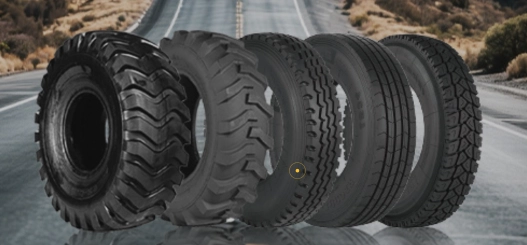
Buying tyres is never just about size and price. The real difference comes from knowing exactly what kind of work the tyre was built to do. In the commercial world, three letters show up again and again: TBR, OTR, and AGR. If you run trucks, construction equipment, or a farm, these categories decide how long your tyres last, how safe your people are, and how much money you actually keep at the end of the year. Let’s break them down one by one, in plain language, so you can make smarter choices. What TBR Actually Means (and Why Truck Owners Care TBR stands for Truck and Bus Radial, a key category in commercial truck tyres used on long-haul trucks, logistics fleets, and buses.These are the tyres you see on semi-trucks, delivery vans, city buses, and long-haul rigs. The “radial” part simply means the cords inside the tyre run at 90 degrees to the direction of travel. That design gives a softer ride, lower rolling resistance, and much longer mileage than older bias-ply tyres. Most TBR tyres today are tubeless and built with steel belts. They have to handle heavy loads over thousands of kilometres of highway, mixed roads, or city stop-and-go traffic. Manufacturers split them into three main uses: Steering axle tyres – focus on precise handling and even wear Drive axle tyres – deep tread and strong traction for pulling heavy loads Trailer tyres – built for stability and heat resistance under constant weight A good TBR tyre can easily run 150,000–250,000 km on highways when the truck is loaded properly and pressures are checked regularly. That kind of mileage is why fleet managers pay close attention to the category. Common TBR Applications Typical Road Conditions Key Needs Long-haul transport Mostly highway Fuel economy, heat resistance, even wear Regional delivery Highway + city roads Grip in rain, braking performance City buses Stop-start traffic Sidewall strength, comfort What Are OTR Tyres? OTR means Off-The-Road. These tyres never see a normal road. They live on construction sites, quarries, mines, ports, and logging roads. Think massive dump trucks, wheel loaders, graders, and cranes. Because the ground is rocky, muddy, or full of sharp debris, OTR tyres are engineered completely differently: Extra-thick tread – sometimes 50–100 mm deep Heavy-duty sidewalls with cut-resistant rubber compounds Reinforced beads and multiple steel belts to survive impacts Special patterns that throw stones out instead of trapping them Some OTR tyres weigh more than 1,000 kg each and cost as much as a small car. But one good set can keep a 100-tonne mining truck moving for 4,000–6,000 hours before it needs replacement. That’s real money saved in downtime. OTR Sub-categories Typical Machines Main Challenges Earthmover / Loader Wheel loaders, dozers Rocks, cuts, heavy loads Grader Motor graders Precision + loose surfaces Port / Crane Reach stackers, mobile cranes Slow speed, very high point loads Underground mining Low-profile trucks Low ceiling, sharp rocks, heat Choosing the right OTR tyre is not just about price per hour; it’s about keeping million-dollar machines running without unexpected breakdowns. AGR Tyres: Keeping Farms Productive Year After Year AGR stands for Agricultural tyres – the ones on tractors, combine harvesters, sprayers, and trailers. Modern farming equipment is huge and heavy, yet still has to float over soft soil without compacting it too much. That’s why AGR tyres look so different: Very tall sidewalls for low ground pressure Wide footprints that spread the weight Aggressive lugs that bite into mud but still clean out fast Special rubber mixes that resist stubble damage and chemicals There are two big families inside AGR: Standard tractor tyres (R-1, R-1W) – deep lugs for field work Flotation or IF/VF tyres – extra-wide or flexible sidewalls to carry the same load at lower air pressure and protect the soil Farmers who switch to proper AGR tyres often see 5–15% less soil damage and better crop yields in the following seasons. The tyres literally pay for themselves through healthier fields. AGR Tyre Type Best Use Main Benefit R-1 General field work Traction in wet soil R-2 Rice & cane fields Very deep lugs, self-cleaning IF / VF Large sprayers & heavy trailers Low soil compaction Implement Trailers, balers Gentle on grass, long road life Why the Difference the Right Category Makes Mixing up these categories is expensive. Put an AGR tyre on a mining truck and it will shred in days. Put an OTR tyre on a highway trailer and you’ll burn fuel like crazy and wear it out in a few months. Knowing TBR, OTR, and AGR lets you: Match the tyre exactly to the job Predict real-world lifespan and cost per kilometre/hour Reduce downtime and repair bills Keep drivers and operators safe In short, the three letters on the sidewall tell you almost everything you need to know before you buy. A Trusted Name in TBR, OTR, and AGR Tyres When you need reliable tyres in any of these categories, Qingdao Lander Sky Tyre has been delivering since 2013. Based in Qingdao, China, the company runs its own modern factories with full control from raw material mixing to final X-ray inspection. They ship TBR, OTR, and AGR tyres to more than 50 countries across the Middle East, Southeast Asia, Latin America, and Africa. With a clear focus on long-term partnerships, three-year warranties, fast response times, and strict quality standards (DOT, ECE, GCC, CCC, and more), Lander Sky Tyre has become a go-to supplier for fleets and distributors who want consistency and real support after the sale. Conclusion TBR, OTR, and AGR are much more than random letters. They are shorthand for completely different engineering solutions built for completely different lives. Understanding them helps you buy smarter, run safer, and spend less over time. Whether you manage a fleet of trucks, a quarry, or a large farm, starting with the right category is the single biggest decision you can make. Learn more about our TBR tyre range → https://www.landerseatyre.com/tbr/ Learn more about our OTR tyre range → https://www.landerseatyre.com/otr/ Learn more about our AGR tyre range → https://www.landerseatyre.com/agr/ FAQs About TBR, OTR, and AGR Tyres Q: Which category lasts the longest on normal roads? A: TBR tyres. A quality radial truck tyre on highway service can easily reach 200,000 km or more. OTR and AGR tyres are over-built for roads and wear out faster if used there. Q: Can I use an OTR tyre on a tractor just because both are “big”?  A: No. OTR tyres have very hard rubber and thick sidewalls that make them stiff and harsh on soil. They also cost much more. Always stay within the AGR category for farm machines. Q: Are all TBR tyres the same quality? A: Not at all. Look for proper certifications (DOT, ECE, etc.), real warranty terms, and a supplier who offers after-sales support. Cheap tyres without traceability often fail early and cost more in the long run. Q: What is the biggest mistake people make when buying OTR tyres?  A: Buying only on price per tyre instead of cost per operating hour. A slightly more expensive tyre that lasts 30–40 % longer in rocky conditions almost always saves money. Q: Do AGR tyres work on the road between fields? A: Yes. Modern radial AGR tyres are designed for 30–50 km/h road travel without damaging the tyre or the crop. Just keep the pressure right for road use (usually higher than field pressure).  

Home
WhatsApp
Email
Contacts