

Construction trucks face the toughest grounds in the transport business. Dump trucks, mixers, tippers, and material haulers frequently travel across paved roads. They also drive through gravel paths, muddy work areas, and spots filled with sharp trash. These tough settings put enormous pressure on the tread and casing. Chipping, chunking, and stuck stones might look like tiny surface issues at first. However, they can easily cut tire life short. They also cause more downtime and will eventually ruin the casing. Fleet managers, contractors, dealers, and drivers can lower these dangers. They just need to pick the right tires, perform routine checks, and drive carefully.
Why Do Construction Truck Tires Chip and Chunk?
Chipping and chunking are closely connected types of tread damage. Still, their severity levels are quite different. Spotting these warning signs early is very helpful. It allows maintenance crews to discover the main cause before the damage gets worse.
What Causes Tire Chipping?
Chipping happens when tiny bits of tread rubber simply break off. You will often see this on crushed rock or broken concrete. It also happens on rough gravel and similar harsh grounds. Sharp edges slice into the rubber. Meanwhile, actions like braking, speeding up, and steering pull hard on those weak spots.
A tread mixture made for normal highways will likely chip fast in tough mixed-road conditions. Wrong air pressure and carrying too much weight will speed up this ruin. Spinning the wheels and harsh braking also make the damage much worse.
What Causes Tire Chunking?
Chunking takes place when bigger chunks of rubber tear away. Sometimes, whole sections of a tread block rip off completely. This trouble usually starts with a deep cut or a heavy blow. Too much block movement or rubber softened by high heat can also start the process.
This kind of damage needs a quick check. A lost rubber block leaves deeper parts open to rocks and wetness. As a result, the danger of ruining the steel belts or the casing goes up rapidly.
Why Do Stones Become Trapped in Tire Grooves?
Building sites are full of rocks in all sorts of shapes and sizes. Many stones fall out of the tread on their own. Others, however, get jammed tightly inside the grooves.
How Does Stone Drilling Damage the Casing?
A stuck rock gets pushed down repeatedly between the tire and the street. Over time, it digs further into the bottom of the groove. People usually call this action stone drilling. The harm can easily reach the steel belts. This lets water sneak in and ruins a casing that could otherwise be fixed or retreaded.
The danger climbs higher when paths are covered with sharp rocks. It also goes up if the groove shapes grab onto trash tightly. Failing to pick out stones during daily checks adds to the risk as well. Good groove designs and built-in stone ejectors can really help lessen this headache.
Which Operating Conditions Make Tire Damage Worse?
Tread and casing ruin almost never come from just a single reason. Weight, air pressure, and heat all play a big part. The state of the road and how the driver acts also mix together to cause harm.
How Do Load and Inflation Affect the Tire?
Putting too much weight on a truck bends the casing too far. It also makes the tread shift around and creates extra heat. Low air pressure causes very similar stress. This happens because the tire bends much more than it should. On the other hand, too much air makes the tread stiff. This makes it highly sensitive to hard hits and random cuts.
Cold air pressure must be adjusted based on the real axle weight and the specific tire size. You also need to look at whether it is a single or dual setup. Always check the tire manufacturer’s load and pressure charts. A single basic pressure number simply does not work for every truck.
Why Do Heat and Driving Habits Matter?
Heavy cargo and constant braking build up a lot of internal heat. Long trips on paved highways and hot weather do the same thing. Too much heat softens the rubber. It also makes the inside parts wear out much faster.
Spinning tires, tight turns, and slamming on the brakes add huge stress to the tread. Driving fast over trash does this too. Drivers really need to slow down on bumpy paths. They should stop spinning the wheels. Also, they must avoid turning the steering wheel when a heavy truck is parked.
How Can Fleets Prevent Chipping, Chunking, and Stone Damage?
Stopping damage begins before you even install the tires. It must continue during the entire life of the product. Good safety plans blend picking the right items with strict air control. They also rely on frequent checks and smart jobsite management.
Match the Tire to the Real Duty Cycle
Keep track of the time your truck spends on paved highways. Also, note the hours spent on gravel, mud, and active building sites. Buyers need to think about travel speed and axle weight. How often the truck turns and the types of local trash matter a lot too.
A tire made mainly for smooth streets will likely fail on rough grounds. It will struggle if a truck spends half its day on sharp rocks. The tread design and rubber mixture absolutely must fit the real road conditions.
Inspect Tires After Severe Service
Drivers must look for stuck rocks, new cuts, and torn rubber chunks. They should also watch for visible steel cords, weird bumps, and uneven wear. Checking the sidewalls for hit marks is vital. Pulling out a rock before it digs deep will save the casing.
Sometimes a cut looks deep enough to touch the inner steel cords. A trained commercial tire expert should look at this kind of damage right away.
Control Pressure, Load, and Vehicle Condition
Always check the air levels when the tires are totally cold. Try to weigh the loaded axles whenever you can. Fix any poor alignment, broken suspension parts, and bad wheel balance. These mechanical faults easily lead to uneven tread wear.
Tires placed next to each other in dual setups must match perfectly. Big differences in air pressure or overall height are dangerous. Uneven tread depth is also bad. These gaps force one tire to carry way too much weight.
Improve the Jobsite Surface
Smoothing out the dirt, fixing water drains, and clearing away trash help a lot. Setting up clear driving paths will cut down on hard hits and deep slices. You must remove bare steel, sharp metal scraps, and giant rocks from loading zones. Doing this protects every truck in the fleet.
What Tire Features Help Protect Construction Trucks?
A good mixed-service TBR tire has to balance several things. It needs strong wear resistance, good heat control, and solid grip. Stable tread action is also important. Buyers must pick a tire based on real working facts instead of just how it looks.
Why Do Compound and Tread Design Matter?
Tough crown rubber fights off daily scraping. Meanwhile, a cooler-running inner rubber layer boosts overall strength during mixed-road trips. Open shoulder designs provide a much better grip. They also let heat escape easily when trucks drive from smooth pavement into loose dirt.
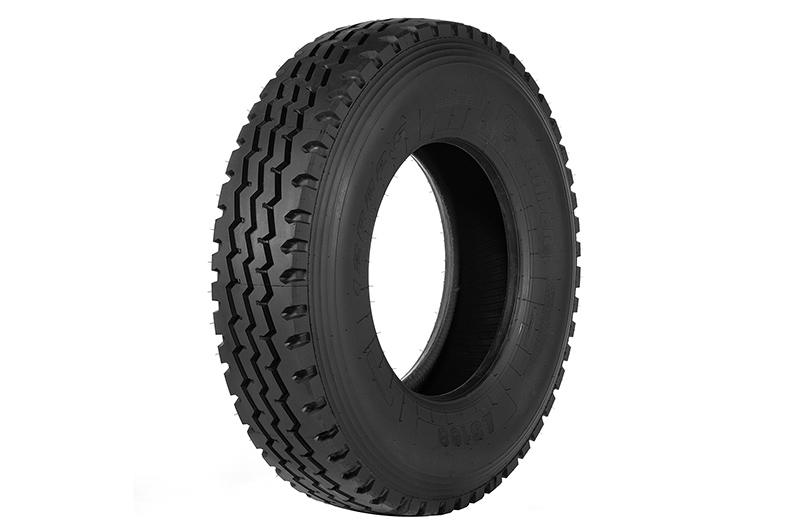
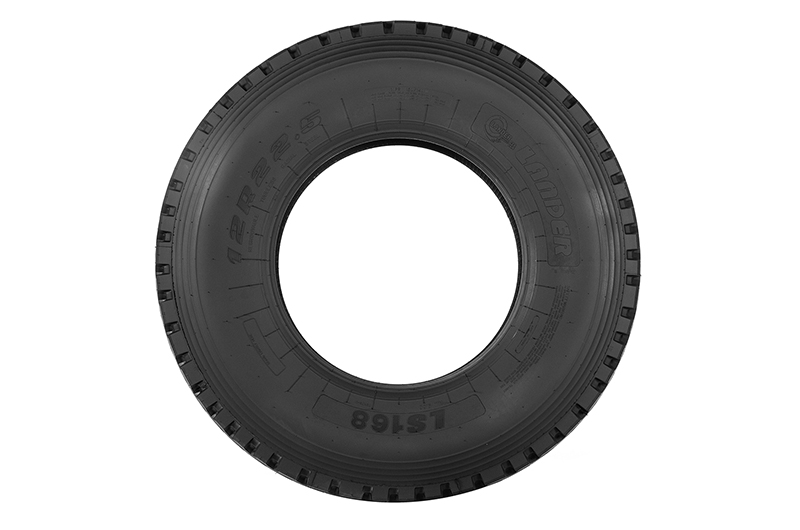
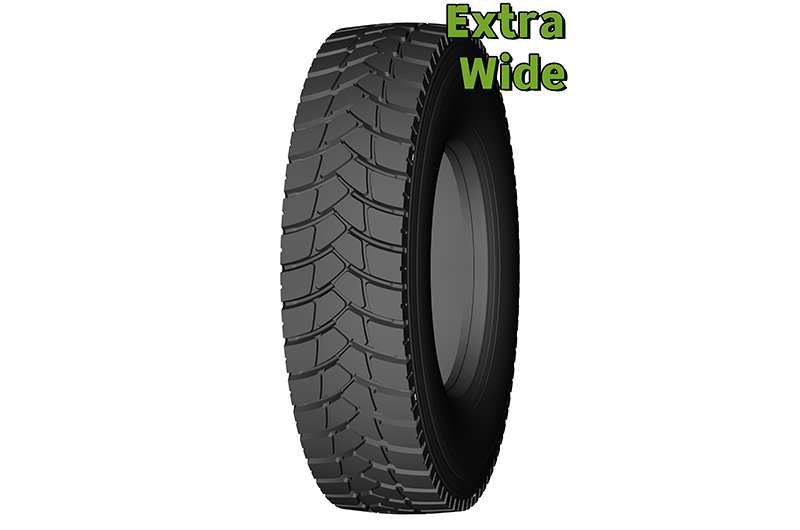
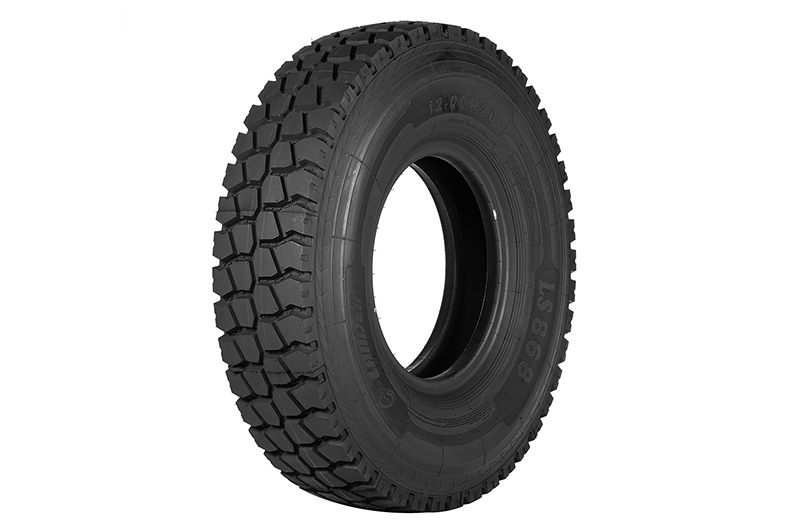
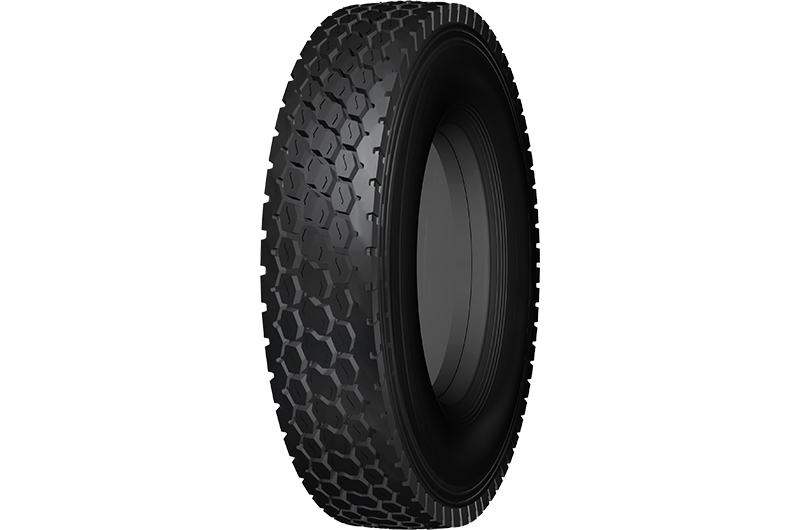
LANDER SEA LS168 is built specifically for mixed-road and on/off-road truck jobs. It features a special double-compound tread. This includes a tough crown layer and a cooler inner layer. Its open-shoulder shape gives great grip and pushes heat away. At the same time, its layered tread pattern helps cut down on driving noise. The available sizes go from 700R16 up to 315/80R22.5.
Before placing an order, buyers need to check several details. They must confirm the ply rating, load index, and the standard rim size. Tread depth, weight limits, air rules, axle spots, and daily road types are also crucial.
Why Is QINGDAO LANDER-SKY TYRE CO., LTD. a Reliable TBR Tire Supplier?
Finding a trusted source is vital. Buyers often need exact details, many size choices, and tough products for hard jobs. QINGDAO LANDER-SKY TYRE CO., LTD. provides TBR and other commercial tires. They serve distributors, large fleets, builders, and standard replacement markets.
For questions about the LS168, buyers can talk about tire sizes and order amounts. They can also discuss their target markets, road types, and mixed-container needs. Delivery times and OEM packing options are open for discussion too. Giving full working details helps the supplier check if the product fits well. It also allows them to create a much better price quote.
Conclusion
Construction truck tire chipping, chunking, and stuck rocks must never be ignored. Sharp grounds, huge loads, and wrong air levels cause major trouble. High heat, wild driving, and bad tread designs also lead to early ruin. Poorly kept work areas just add to the rapid damage.
Fleets can keep their casings safe by choosing the correct mixed-service tires for their real daily tasks. They must manage air pressure and weight carefully. Pulling out jammed rocks and checking fresh cuts early are very helpful steps. Cleaning up the driving paths is also smart. These simple actions will cut down on lost time, make tires last longer, and save the value of the casing.
FAQs
Can a Tire With Chipped Tread Continue Working?
Tiny surface chips might not force you to take the tire off right away. However, you still need to look closely for deep slices and bare steel cords. Watch out for loose rubber bits or damage that grows quickly. Any hint of deep structural harm must be checked by a skilled professional.
How Often Should Trapped Stones Be Removed?
Tires need a good look during normal pre-trip checks. You must also inspect them after driving through rough gravel, deep quarries, or messy building zones. If rocks keep getting stuck all the time, there is a problem. It usually means your current tread design is completely wrong for that specific route.
Is LS168 Suitable for Both Paved and Unpaved Roads?
LS168 is built specifically for mixed-road and on/off-road truck jobs. Even so, buyers still have to check a few things before buying. They must confirm the needed size, load limits, and rim type. Air pressure rules, axle spots, and daily working conditions are also highly important to verify.



Leave a comments