

Buying wholesale truck tires is not simply about finding the lowest unit price. For importers, distributors, and commercial tire dealers, choosing the right wholesale truck tire supplier involves comparing tire sizes, applications, load specifications, pricing, Incoterms, documentation, quality control, and delivery responsibilities.
Wholesale Buying Starts With a Defined Commercial Objective
A wholesale order should solve a specific replacement-market or fleet need. Before requesting prices, the buyer needs to decide which customers the stock will serve and how quickly each line is expected to move.
Target Customers and Sales Channels
Separate fleet contracts, independent dealers, roadside service, and general replacement sales. A fleet account may require a narrow specification for known vehicles, while a distributor may need several mainstream sizes across different applications. Record the expected customer group for every proposed line so the supplier can discuss products in the right commercial context.Wholesale truck tire buyers should also consider whether their customers mainly need highway, regional, mixed-road, or off-road commercial tires.
Route and Axle Demand
Describe whether demand comes from long-haul paved routes, regional delivery, mixed roads, or rough jobsite access. Then identify the intended steer, drive, trailer, or all-position use. The article on long-haul TBR tire pattern selection can support buyers who need a deeper route discussion, while the wholesale brief should remain focused on the assortment and order decision.
Inventory Breadth and Reorder Logic
Estimate which sizes need continuous stock, which can be ordered for named customers, and which are suitable only for a trial. Avoid filling a container with too many slow-moving variations merely to create a broad catalogue. A smaller set of well-defined lines is easier to price, inspect, sell, and reorder.
A Complete RFQ Makes Wholesale Offers Comparable
The request for quotation is the buyer’s control document. It should give each supplier the same facts and require the same response fields, reducing ambiguity before price becomes the focus.
| RFQ field | Information to provide | Reason it matters |
| Product need | Tire size, intended axle, route, vehicle group, and expected order quantity | Keeps product selection tied to a real application |
| Technical response | Pattern, PR, load index, speed symbol, rim, tread depth, load data, and pressure data | Allows line-by-line specification comparison |
| Market requirements | Destination country, required documents, labeling, and any product-specific approval request | Prevents assumptions about compliance scope |
| Commercial terms | Currency, Incoterm, quotation validity, payment stages, warranty scope, and claim procedure | Defines what the quoted price includes |
| Packing and shipping | Packing method, quantity per shipment, gross/net weight, loading plan, and document set | Supports freight, warehouse, and receiving preparation |
Exact Size and Fitment Data
Use the size authorized for the target vehicle and record the relevant rim and wheel-position requirements. A phrase such as “large truck tire” is not enough for a reliable quotation. If the order covers wholesale semi truck tires for several customer groups, list every required size as a separate line rather than combining them in one description.
Operating Profile
Share normal load, road condition, average trip type, speed pattern, climate, and known wear complaints. These details do not guarantee a particular result, but they help separate a highway-oriented proposal from a mixed-road or high-traction option. They also give the buyer a basis for rejecting a product that does not match the stated duty.
Destination and Documentation Needs
State the destination market early and ask which documents can be supplied for the exact pattern and size. Certification or labeling claims should be checked at product and market level rather than assumed from a general company description. The buyer should also confirm which party will prepare shipping documents and which party is responsible for local import review.
Product Mix Should Follow Demand Instead of Catalogue Size
A wholesale portfolio needs enough coverage to serve customers without creating avoidable stock. The practical comparison is not between the largest catalogues; it is between assortments that match local vehicle populations and operating conditions.
Paved-Route Core Lines
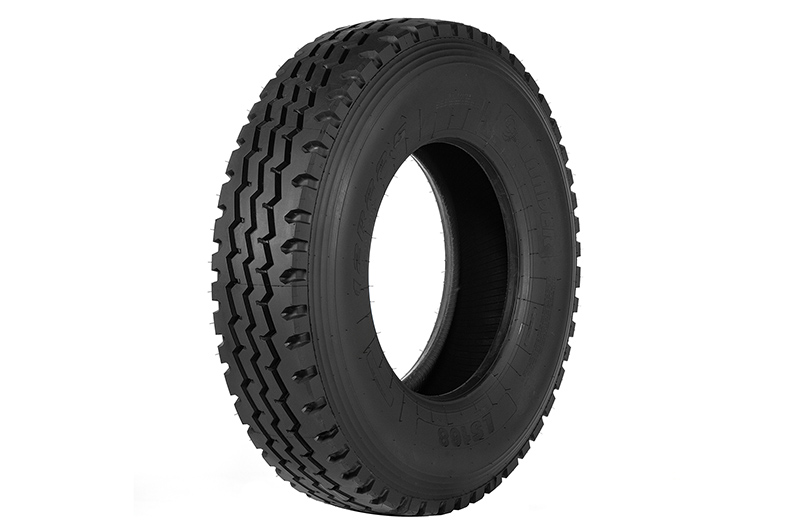
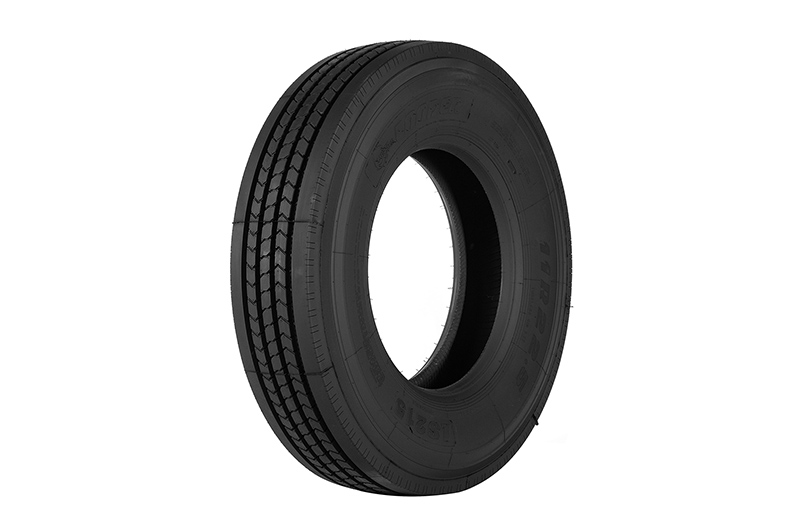
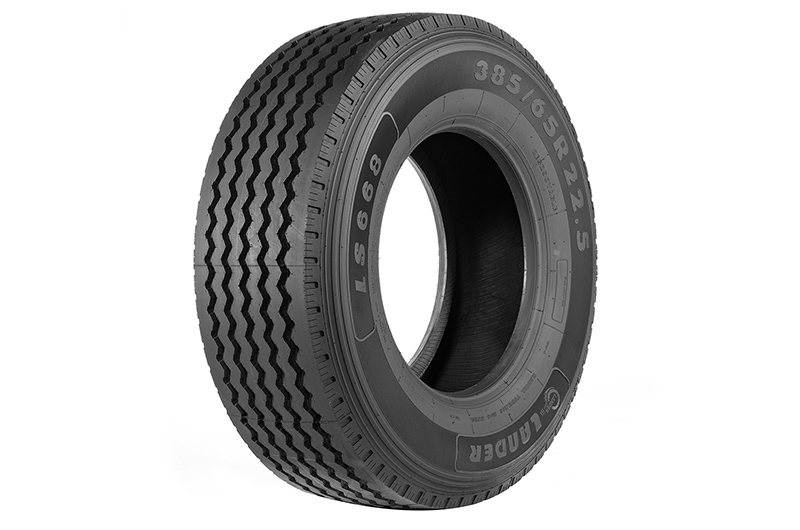
For markets with strong highway replacement demand, begin with approved sizes and tread applications that fit long-haul or regional paved service. The LS215 long-haul TBR product page lists several mainstream highway truck sizes and can be used as an example of how buyers should review a pattern by size and specification rather than by tread appearance alone.
Mixed-Road Supporting Lines
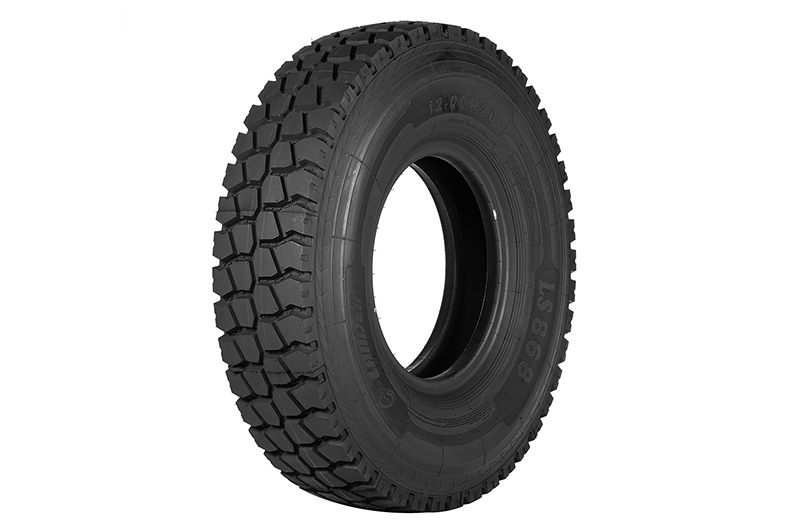
Where trucks regularly leave pavement, a separate mixed-road line may be needed instead of asking one highway pattern to cover every route. The LS168 mixed-road TBR product page shows a broader size range for mixed-road and on/off-road applications. Buyers still need to check each proposed size, route, axle, load, and market requirement before ordering.
Size Depth Versus Pattern Breadth
Carrying more units of a few fast-moving sizes may be more useful than carrying one unit of many patterns. Review historic sales, customer inquiries, lost-sale records, and seasonal demand. Use those records to decide where the assortment needs depth and where a supplier discussion or special order is sufficient.
Supplier Offers Need Normalization Before Price Comparison
Commercial truck tires wholesale quotations often use different descriptions and price boundaries. Normalize each response into one comparison sheet before shortlisting suppliers.
Technical Equivalence
Check that the quoted lines use the same requested size and that the proposed PR, load index, speed symbol, rim, tread depth, and application are visible. A lower price does not represent a saving if the line is not technically comparable. Flag every substitution and request a written explanation before approval.
Commercial Boundaries
Align the currency, Incoterm, included packaging, quotation validity, and payment stages. Separate product price from freight, insurance, duty, local handling, inspection, banking charges, and warehouse costs. This keeps the comparison connected to the buyer’s actual responsibility rather than a headline unit price.
Quality and Claim Evidence
Ask how the product is identified, inspected, documented, and handled if a claim arises. Request the applicable warranty terms and claim procedure for the proposed products. Avoid converting a general quality statement into an unsupported assumption about every size, batch, application, or destination market.
A Trial Order Creates a Decision Gate Before Scale
A trial is useful only when it has an acceptance plan. The objective is to confirm that the supplied products, documents, communication, and logistics match the approved order, then gather controlled service feedback where a fleet trial is available.
Pre-Order Sample and Document Review
Confirm the technical sheet, product images, sidewall markings, packing proposal, and draft document list before final approval. Record who approved each item and the version date. If a requirement changes, update the purchase record rather than relying on a message thread that may be missed later.
Delivery and Receiving Checks
At arrival, compare the packing list, quantities, sizes, patterns, markings, and visible condition with the purchase order. Photograph the loading condition and representative products. Segregate any disputed line so the receiving record remains clear and the claim discussion can use specific evidence.
Controlled Market or Fleet Feedback
For dealer stock, track inquiries, sell-through, fitment questions, returns, and reorder demand by SKU. For a fleet trial, keep vehicle group, route, axle position, pressure checks, maintenance, and removal reasons consistent enough to support a fair review. Do not turn a few early comments into a universal performance claim.
The Purchase File Should Remain Useful After Arrival
Wholesale procurement continues after the container or shipment reaches the warehouse. A disciplined record helps the buyer reorder the right lines, investigate claims, and refine the next assortment.
SKU-Level Traceability
Keep the supplier item, buyer SKU, size, pattern, batch or traceability reference, received quantity, storage location, and customer application together. This reduces confusion when similar sizes or tread patterns are stocked in the same warehouse.
Sell-Through and Reorder Signals
Review stock age, monthly sales, customer inquiries, lost sales, and committed fleet demand. Reorder points should reflect replenishment time and demand variability, not just an empty rack. Slow-moving stock needs a commercial decision before the next wholesale order repeats it.
Claims and Corrective Actions
Record the product identity, application, installation and maintenance context, observed issue, photographs, and supplier response. A consistent claim file helps distinguish fitment or operating problems from product questions and gives both parties a clearer basis for corrective action.
QINGDAO LANDER-SKY TYRE CO. ,LTD as a Wholesale TBR Tire Supplier
QINGDAO LANDER-SKY TYRE CO. ,LTD is a TBR tire supplier serving international buyers with truck tire options, quality-control procedures, and after-sales support. Importers and distributors can review the company’s tire product range and share size, axle, route, quantity, destination, documentation, and packaging requirements through the official contact page. Product availability, commercial terms, warranty coverage, and destination-market requirements should be confirmed for the exact order.
Conclusion: A Wholesale Order Needs Evidence at Every Gate
The better wholesale truck tire order is the one that remains clear from RFQ to receiving. Define the customer and route, provide exact size and application data, normalize every offer, approve documents before shipment, and retain SKU-level records after arrival. This process does not remove every purchasing risk, but it makes differences visible early and gives importers and distributors better evidence for trial, reorder, claim, and supplier decisions.
Wholesale Truck Tire FAQs
These common questions address the final checks that importers and distributors often make before placing a wholesale order.
Q: What information should be included in a wholesale truck tire RFQ?
A: Include tire size, intended axle, route, vehicle group, normal load, order quantity, destination market, required documents, packing needs, and requested commercial terms. Ask the supplier to return the technical specification for each line.
Q: Is the lowest wholesale unit price the best offer?
A: Not necessarily. Compare technical equivalence, Incoterm, packaging, document scope, warranty terms, freight responsibilities, and likely local costs before judging the price.
Q: Can highway and mixed-road truck tires be placed in one order?
A: The order mix can be discussed with the supplier, but every line still needs its own size, axle, route, load, and market check. Do not treat mixed loading as proof that one pattern fits every application.
Q: How should buyers compare wholesale semi truck tires from different suppliers?
A: Use one comparison sheet with the same fields for size, pattern, PR, load index, speed symbol, rim, tread depth, application, price boundary, documents, warranty, packing, and delivery responsibility.
Q: What should be checked before a truck tire shipment leaves the supplier?
A: Confirm the approved specification, quantities, sidewall markings, packing, loading plan, and draft shipping documents. Record any accepted substitution or revision in the purchase file.
Q: What should a warehouse inspect when wholesale tires arrive?
A: Check shipment condition, quantities, sizes, patterns, markings, packing, and visible damage against the purchase order and packing list. Photograph representative products and segregate disputed items.
Q: When should an importer move from a trial to a larger order?
A: Scale only after the delivered product and documents match the approval, communication is reliable, claims procedures are clear, and sales or controlled fleet feedback supports the planned assortment. A trial should close with a written decision, not only an informal impression.



Leave a comments