

Heavy equipment tyres in mining and construction operations take a beating from constantly changing ground. Tyre wear patterns in tough conditions show up clearly once the fleet starts logging hours—gravel haul roads tear up shoulders and leave cuts, muddy pits round off lugs in heel-to-toe fashion, paved access stretches thin the center rib or feather the edges. Procurement teams and site maintenance leads see these signs turn into real money: accelerated replacement cycles, surprise downtime during peak shifts, and lost tonnage or cubic yards. A haul truck running mixed terrain might lose 30–60% of expected tread life compared to steady soft ground, depending on payload, cycle speed, and how consistently pressures get checked. The following sections break down wear mechanisms across gravel, mud, and paved surfaces based on field patterns, describe what to look for during walk-arounds, and lay out field-proven steps to stretch service hours while keeping sudden failures to a minimum.
Gravel and Rocky Roads: Fast Abrasion and Embedded Damage
Gravel haul roads—typical in open-pit mines or big earthmoving jobs—are loaded with angular rock that grinds like endless sandpaper under loaded axles. Dump trucks or articulated haulers moving at 20–40 mph generate heavy friction and impact every time a tread block bites in. Shoulders take the worst hit first because they contact the sharpest edges during turns and articulation.
The earliest visible damage shows as uneven shoulder wear, often with fresh chips turning into deeper gouges. Cupping and scalloping develop where high spots keep hitting the same rocks cycle after cycle. Sidewalls pick up cuts from protruding material, particularly on loaded climbs or when the machine twists over stockpiles. In bad cases, sharp stones penetrate the undertread, risking fast air loss or belt exposure.
Maintenance logs from western mining fleets show rocky haul roads can cut OTR tyre life in half or worse when debris stays embedded. Friction heat builds fast during long hauls, pushing casing temperatures higher, softening the compound, and speeding up chunking. Leaving stones in place lets them drill deeper, turning surface scuffs into casing-level problems that force early pull-outs.
Muddy and Soft Ground: Scrubbing and Loss of Self-Cleaning
Wet pits, soft overburden, or rain-soaked borrow areas flip the wear dynamic. Tyres spin under load or slip during acceleration, scrubbing the trailing edge of each lug against the ground in a repeated heel-to-toe action. That scrubbing rounds block tops, drops effective height, and packs mud into voids, killing self-cleaning.
Heel-to-toe wear stands out as the main pattern: rear portions of lugs erode first, leaving a forward-slanted, chisel shape that loses grip quickly. Side lugs take lateral scrubbing on steering maneuvers in deep mud, creating feathering or irregular shoulder wear. Grooves clog with packed material, causing slippage even at crawl speeds and worsening spin under full payload.
Construction fleets during rainy seasons or mining ops with high groundwater see this constantly. Once blocks round off, traction falls sharply, forcing reduced loads or slower cycles to keep from bogging. Field data from articulated dump truck operations shows untreated mud buildup can shave 25–40% off tread life because self-cleaning stops and heat from slippage builds in the carcass.
Paved or Urban Access Roads: Even but Cumulative Wear
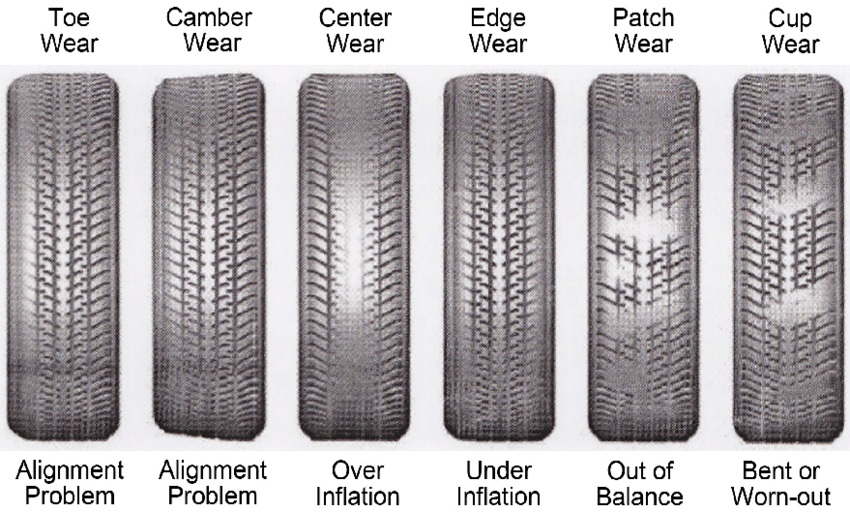
Fleets often shift from rough sites to paved haul roads or city streets for delivery or scale runs. Hard surfaces spread load more uniformly but introduce different stresses. Stop-and-go traffic or tight turns at scales scrub the contact patch, while overinflation on asphalt concentrates wear right down the middle.
Center-line rib wear appears frequently from sustained high pressure. Shoulder feathering shows up when misalignment creeps in during repeated maneuvers. Slight underinflation on smooth pavement lets more flex, leading to edge scalloping or irregular contact. Loaders or graders splitting time between pit and paved access often show faster overall depletion than dedicated off-road units.
Paved wear builds steadily even though it feels less aggressive. A tyre that holds up in the pit can thin out early on return legs if site pressures stay unchanged. Industry experience indicates 10–20% of total wear on hybrid routes comes from these transitions, frequently missed until tread gauges show clear imbalance.
Spotting Wear Patterns and Tuning Maintenance Cycles
Catching patterns early stops minor wear from turning into major expense. On gravel routes, walk the tyres daily looking for shoulder chips or sidewall cuts; gauge tread depth at several spots around the circumference to detect cupping. Muddy sites need post-shift groove checks—use a pick to dig out packed material and note whether heel-to-toe rounding has started. Paved segments call for weekly center and edge inspections to spot thinning or feathering.
Cycles adjust to the main surface. Gravel-dominant fleets run daily visuals and stone removal, with rotations every 500–800 hours or when shoulder differentials hit 20%. Mud-heavy operations push cleaning every shift and rotations every 300–500 hours to spread scrubbing. Paved access requires monthly alignment checks and pressure tweaks based on load and temperature swings.
Rising vibration, drift under load, or climbing fuel burn act as red flags. Tread depth readings give hard numbers—replace before hitting minimums (typically 20–30% of original depth left, varying by position and local rules). Tracking patterns fleet-wide helps forecast pull dates and fine-tune rotation timing.
Field Maintenance Practices and Downtime Prevention
Start each shift with cold pressure verification—set according to load tables and add a small buffer for heat on gravel runs. Remove embedded stones or mud after every shift to stop drilling. Sidewall checks catch cuts before they reach belts.
Rotation balances wear. Move tyres from drive to steer or trailer positions to even scrubbing; gravel sites often need more frequent swaps to counter shoulder bias. Alignment every 1,000 hours prevents feathering, and balancing cuts vibration-driven cupping.
Downtime control relies on staying ahead of replacement. Keep spares inflated and shaded to avoid early aging. Train operators to limit spin in mud and avoid overloads on rocky grades. Route sequencing that cuts paved exposure or runs gravel legs in cooler parts of the day reduces overall stress.
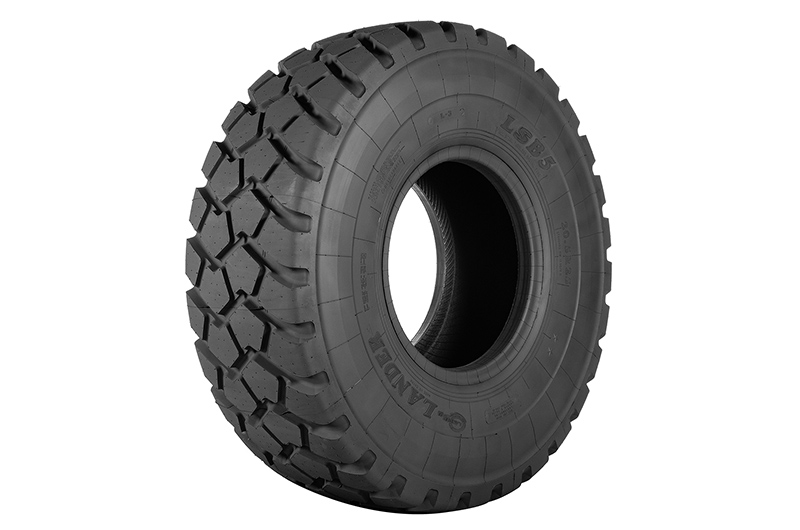
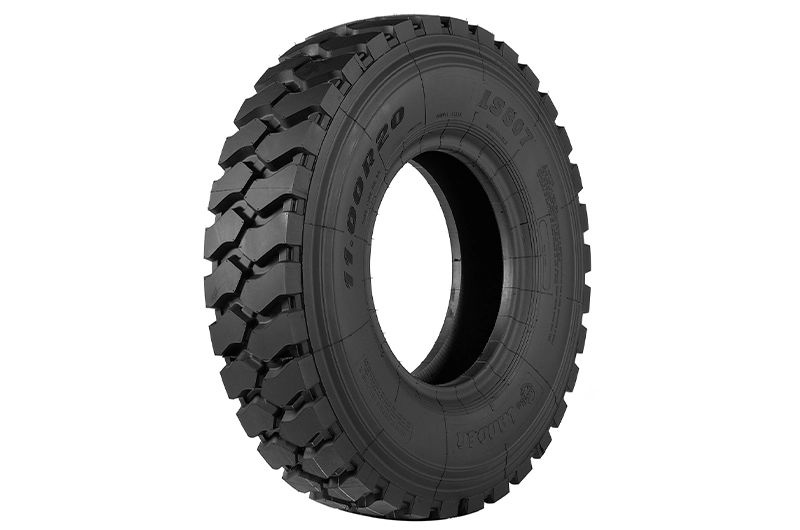
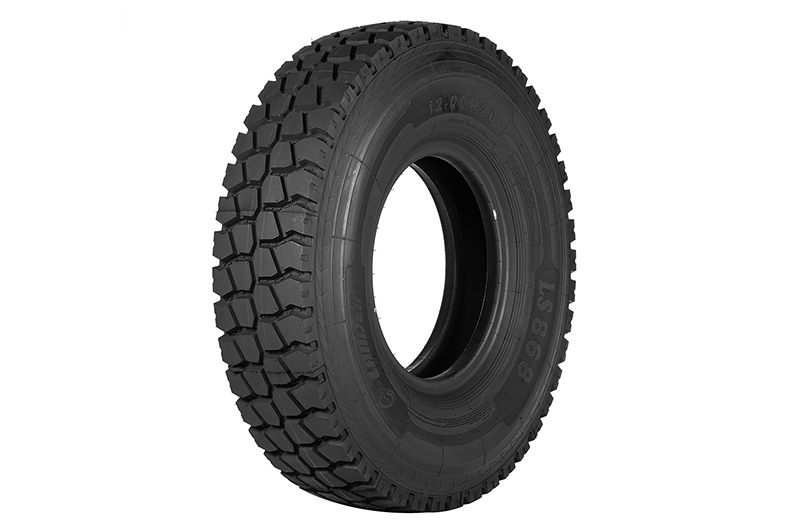
When wear accelerates, review tyre construction. Deep E3 or E4 lugs with reinforced shoulders stand up to gravel cuts, while open voids and self-cleaning blocks clear mud effectively. Cut-resistant compounds and thick undertreads add hours in rocky ground.
About Qingdao Lander Sky Tyre
Qingdao Lander Sky Tyre Co., Ltd. started in 2013, based in Qingdao, China. The company produces radial truck and bus tyres (TBR), off-the-road tyres (OTR), industrial tyres, agricultural tyres, and forklift tyres. Five workshops with modern equipment span 3,000 square meters, backed by strict incoming material checks and ongoing production quality controls.
The range carries GCC, DOT, ECE, and CCC certifications, meeting requirements in multiple international markets. Distribution covers partners in more than 60 countries, including Latin America, Southeast Asia, Australia, the Middle East, Africa, Russia, and the CIS regions, with over 100 established accounts.
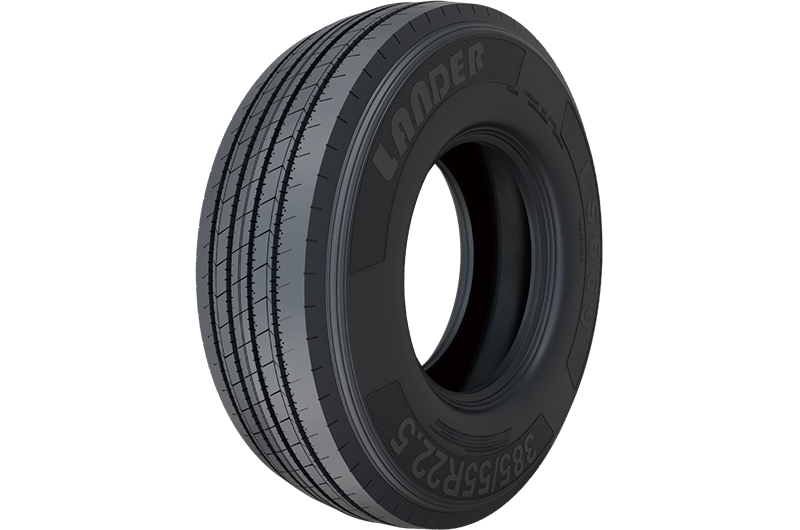
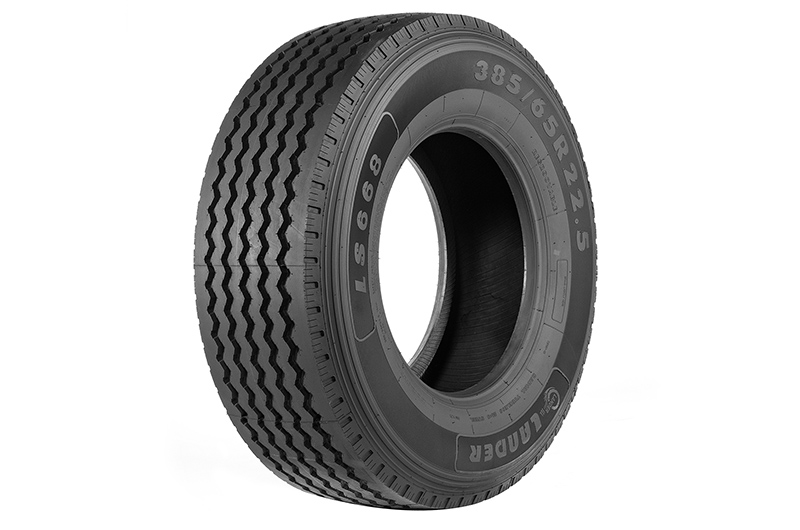
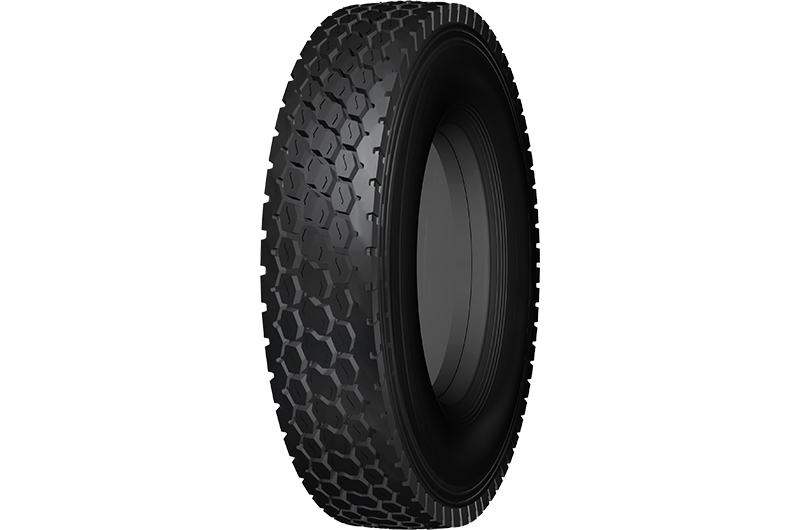
OTR products use heavy-duty builds designed for mining and construction service. Reinforced shoulders and thick undertreads deliver cut and puncture resistance on rocky terrain, while deep lug patterns (E3, E4, L5 configurations) provide traction and debris clearance in loose or muddy conditions. Compounds prioritize heat dissipation and abrasion resistance, supporting extended hours in severe duty. A three-year warranty covers the line, reflecting expected durability. The company focuses on fast response, dependable scheduling, and long-term cooperation with fleet operators. Full specifications appear in official product resources.
Conclusion
Gravel roads grind shoulders and embed cuts, muddy ground scrubs lugs into rounded shapes, paved stretches thin centers or feather edges—each leaves clear tyre wear patterns in tough conditions that point to maintenance gaps well before tyres fail. Identifying patterns through consistent walk-arounds, tuning cycles to the primary terrain, and sticking to disciplined pressure, cleaning, rotation, and alignment practices extends tyre life, lowers replacement frequency, and keeps downtime low. Fleets that pair the right construction—deep lugs for mud evacuation, reinforced builds for rock protection—with site-specific routines turn one of the biggest variable costs into something more predictable and controlled.
FAQs
How do I spot tyre wear patterns in tough conditions on gravel haul roads?
Check shoulders daily for chipping, gouges, and cupping where high spots hit sharp rocks repeatedly. Gauge tread depth at multiple circumference points to catch uneven shoulder loss that signals fast abrasion.
What creates heel-to-toe wear on heavy equipment tyres in muddy ground?
Load-induced slipping scrubs the trailing lug edge first, rounding blocks and cutting traction. Packed mud in grooves worsens the problem, making heel-to-toe rounding noticeable after repeated shifts.
How often should tyres rotate on mining sites with gravel and mud mix?
Rotate every 500–800 hours on gravel-heavy routes to balance shoulder wear, or every 300–500 hours in dominant mud to spread scrubbing. Adjust intervals based on tread depth variance and vibration feedback.
What field steps slow tyre wear on rocky construction sites?
Remove embedded rocks after each shift, hold cold pressure to load charts, inspect sidewalls for cuts, and rotate more often. Reinforced shoulders and cut-resistant compounds add hours before chunking starts.
Why does paved access cause center wear on off-road equipment tyres?
Hard pavement focuses load in the center under high pressure, thinning the middle rib while shoulders stay thicker. Stop-and-go scrubbing adds to it; drop pressure for paved legs to spread contact evenly.




Leave a comments