

Fleet tyre case studies provide real-world data that helps logistics, mining, and industrial fleet operators make better purchasing decisions. Instead of relying on theoretical performance, these case studies show how tyre selection, working conditions, and maintenance practices directly impact mileage, operating hours, downtime, and cost per kilometer.
Across different sectors, the results are clear. Logistics fleets focus on fuel efficiency and tyre lifespan. Mining fleets prioritize durability under extreme loads and harsh terrain. Industrial fleets aim to reduce punctures and improve equipment uptime.
The following case studies present real performance data from typical fleet operations, showing how the right tyre solution can significantly improve efficiency and reduce costs.
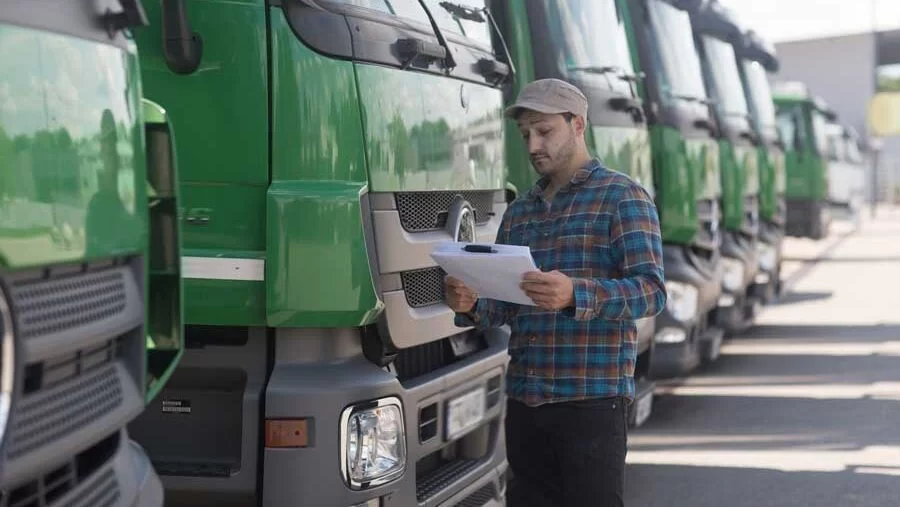
Logistics Fleet Case: Mileage Gains and Fuel Burn Drop
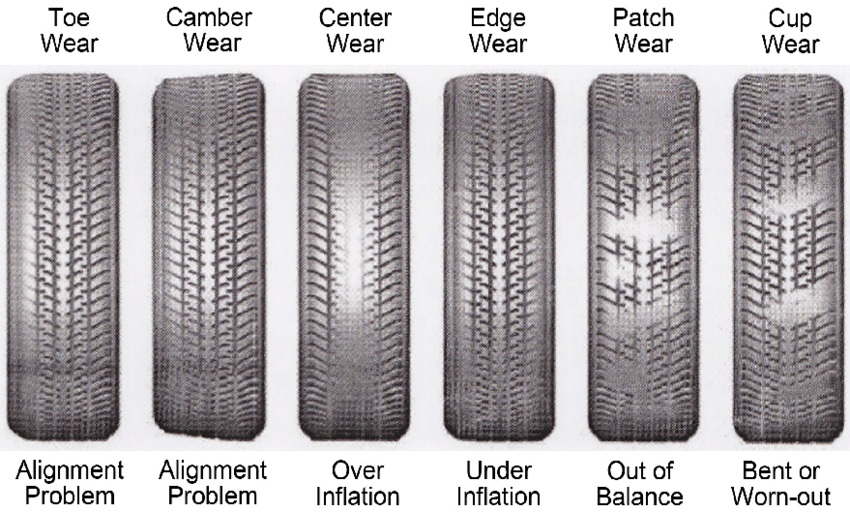
A mid-sized regional distribution fleet running roughly 200 tractor-trailers on highway and delivery routes dealt with persistent uneven tread wear and fuel consumption running higher than planned. Annual mileage per unit landed in the 120,000–150,000 kilometer range, steer and drive positions losing tread early from varying loads and frequent stops. Tyre life averaged 180,000 kilometers before shoulder feathering and center rib thinning made replacement necessary.
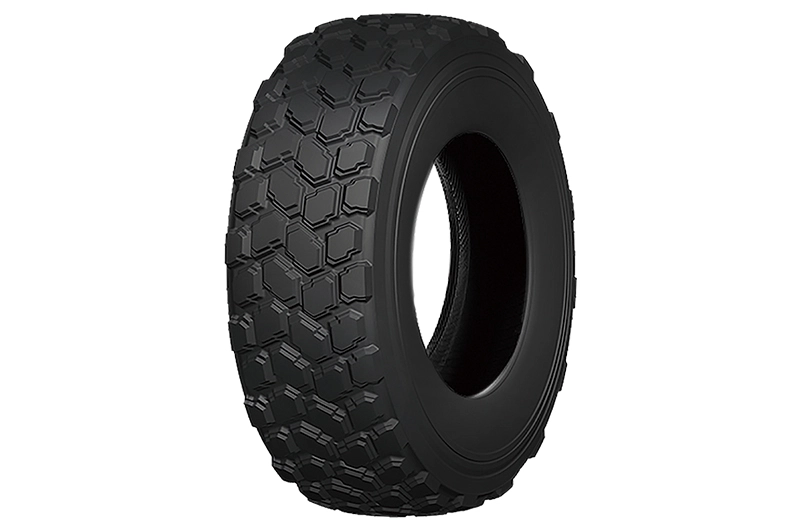
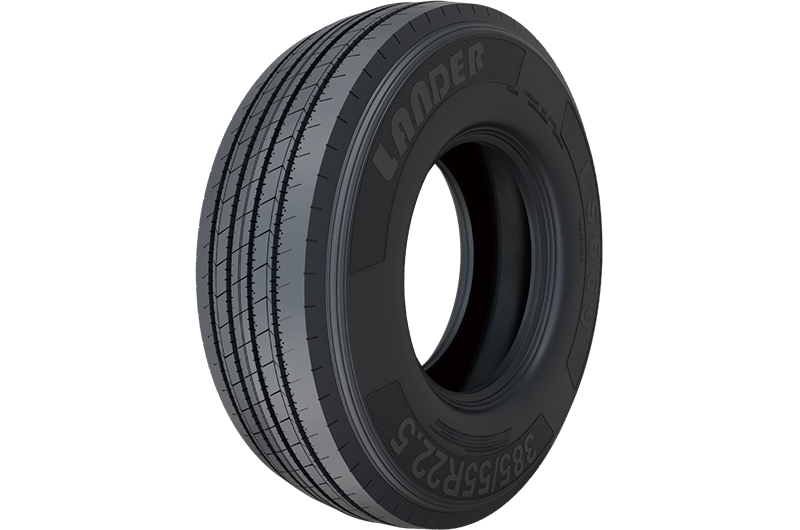
The fleet transitioned to radial truck and bus tyres fitted with low rolling resistance compounds and continuous rib tread geometry built for highway pavement service. These constructions kept casing heat controlled on extended runs and spread road contact more uniformly. Pressure verification every shift and rotations at 80,000 kilometer intervals distributed wear evenly across positions.
Records spanning 18 months showed steer tyre life climbing to 240,000 kilometers on average, drive positions reaching 220,000 kilometers—a steady 30–33% extension. Fuel consumption decreased 12–15% on matched route segments, linked to the reduction in rolling resistance. Tyre-triggered roadside incidents fell approximately 20%, with blowouts and punctures occurring less frequently and causing fewer schedule interruptions.
Table 1: Tyre Life and Cost Metrics – Logistics Fleet
| Metric | Before Transition | After Transition |
|---|---|---|
| Average tyre life | 180,000 km | 240,000 km |
| Annual tyre cost per truck | $18,000 | $14,500 |
| Downtime hours per year | 45 | 36 |
| Fuel effect | Baseline | 0.8–1.2 liters per 100 km reduction fleet-wide |
The data makes clear how radial builds engineered for highway duty, combined with routine monitoring, bring down per-kilometer expenses and strengthen schedule reliability.
Mining Fleet Case: Service Hours Increase in Rough Haul Conditions
An open-pit mining fleet consisting of 80–100 haul trucks and loaders faced repeated early tyre removals on rocky haul roads and in elevated ambient temperatures. Payloads ranged 120–150 tons over legs of 5–8 kilometers, sharp rock fragments producing sidewall cuts and tread chunking. Service life generally reached 4,000–5,000 hours per tyre, well short of design expectations, resulting in frequent downtime and replacement costs that exceeded budgeted levels.
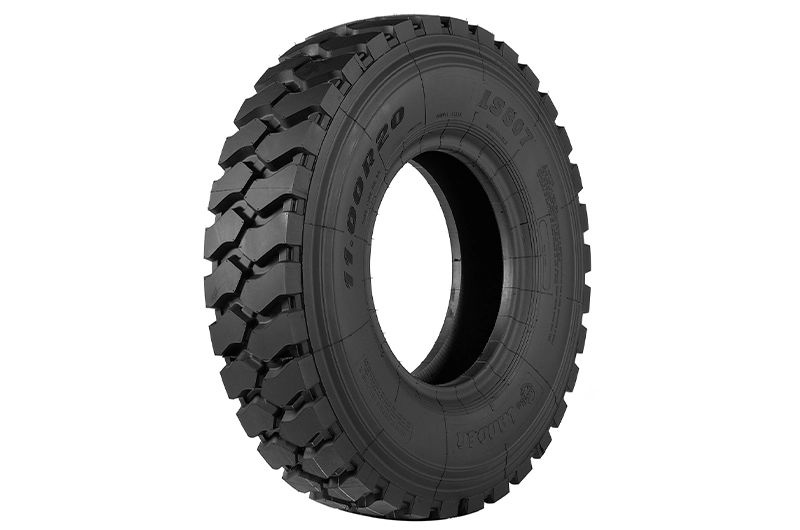
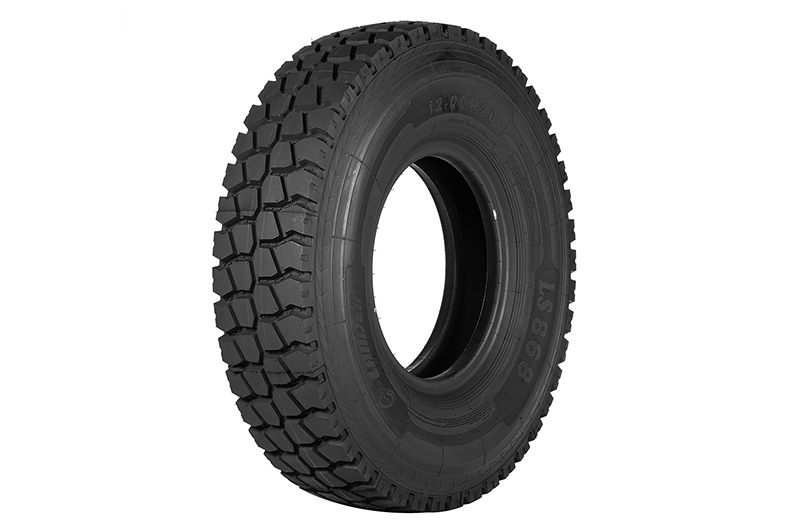
The fleet adopted off-the-road tyres with reinforced shoulders, thick undertreads, and deep E3/E4 lug patterns designed for rock exposure and heat management. These builds resisted cuts from angular material and cleared loose debris effectively. Shift-by-shift pressure checks and rotations every 500–700 hours corrected longstanding overinflation that had contributed heavily to damage.
Three-year tracking indicated average tyre hours rising to 6,500–7,200—a 50–60% extension in haul truck positions. Premature discards fell from 80–90% of total removals to below 40%, site-induced damage accounting for a smaller portion. Downtime per unit decreased 25–30%, permitting steadier cycle times and higher daily tonnage output.
Bar Chart Description (Tyre Service Hours – Mining Fleet): Pre-transition: Median 4,500 hours; premature failures 80% Post-transition: Median 6,800 hours; premature failures 35% Cost per operating hour: 18–22% reduction from fewer replacements and minimized production losses.
The results confirm the payoff of aligning tyre structure—deep lugs for grip, cut-resistant compounds for rock contact—with terrain demands, generating substantial savings in capital-intensive operations.
Industrial Fleet Case: Availability Boost in Mixed Handling Service
A construction materials operation with 50 forklift units and support vehicles struggled with frequent punctures and sidewall damage from debris on concrete yards and rough loading zones. Equipment operated continuous shifts in warehouse interiors and outdoor stockpiles, static loads and sharp objects increasing flat risks. Replacements occurred every 2,500–3,000 hours, repair costs accumulated steadily, and unplanned stops interfered with material movement.
The fleet implemented industrial tyres—solid puncture-proof models for warehouse forklift service and pneumatic versions with reinforced sidewalls for outdoor exposure. Solid compounds eliminated flats in controlled environments, while pneumatic builds with thick undertreads withstood gravel and rebar contact. Weekly inspections and pressure settings aligned to load charts kept wear uniform.
Two-year records showed puncture-related downtime dropping 60–70%, tyre life extending to 4,500–5,500 hours in mixed duty. Repair spending decreased 30–35% from reduced emergency repairs and changes. Availability climbed to 94–96%, supporting more consistent delivery timing.
Table 2: Puncture and Cost Metrics – Industrial Fleet
| Metric | Before Transition | After Transition |
|---|---|---|
| Punctures per month | 12 | 3 |
| Annual repair cost | $45,000 | $30,000 |
| Uptime | 82% | 95% |
| Additional hours gained per unit annually | — | 1,800–2,200 |
The transition illustrates how specialized industrial tyres—flat treads for stability, abrasion-resistant compounds for concrete—minimize variability and sustain steady throughput.
Cross-Sector Comparison and Procurement Guidance
Setting the cases next to each other highlights recurring elements in tyre performance data. Logistics advantages derived from rolling resistance reductions and mileage extension. Mining improvements came from reinforcement and heat control in harsh terrain. Industrial progress focused on puncture prevention and availability in debris-prone yards.
Table 3: Performance Summary Across Sectors
| Sector | Life Extension (%) | Downtime Reduction (%) | Annual Cost Impact (example) | Primary Driver |
|---|---|---|---|---|
| Logistics | 30–33 | 20 | $3,500–$4,000/truck savings | Rolling resistance & monitoring |
| Mining | 50–60 | 25–30 | $50,000–$100,000+ fleet level | Cut/heat resistance & rotation |
| Industrial | 60–80 (hours basis) | 60–70 | $15,000–$20,000/fleet savings | Puncture resistance & inspections |
Procurement teams can follow a parallel process: gather current fleet metrics (mileage/hours, failure types), compare against these benchmarks, run trials with targeted tyre types in key positions, evaluate results over 6–12 months, then expand effective choices fleet-wide. Neglecting pressure discipline or terrain matching commonly leads to 70–90% premature discards in mining or elevated fuel use in logistics—outcomes systematic approaches prevent.
About Qingdao Lander Sky Tyre
Qingdao Lander Sky Tyre Co., Ltd. specializes in providing reliable tyre solutions for logistics, mining, and industrial fleets worldwide. With over a decade of manufacturing experience, the company offers a full range of TBR, OTR, industrial, and agricultural tyres designed to meet real working conditions.
Its products are widely used across more than 60 countries, helping fleet operators improve efficiency, reduce downtime, and lower operating costs.
Products carry GCC, DOT, ECE, and CCC certifications, complying with standards in diverse markets. The company supplies partners in over 60 countries, spanning Latin America, Southeast Asia, Australia, the Middle East, Africa, Russia, and the CIS regions, with more than 100 long-term accounts.
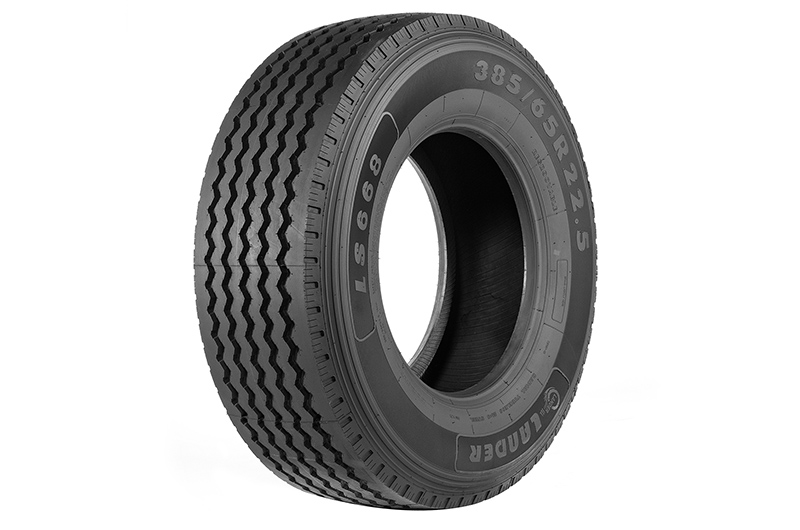
TBR lines feature radial construction suited to logistics and highway service, with low rolling resistance compounds that control heat buildup and promote extended, uniform wear. OTR products include heavy-duty builds with reinforced shoulders and thick undertreads for cut and puncture protection in mining terrain, plus deep lug patterns (E3, E4, L5 configurations) for traction and debris clearance. Industrial and forklift tyres deliver stability under static loads and resistance to abrasion on concrete surfaces. A three-year warranty covers the range. The organization prioritizes prompt response, reliable delivery, and ongoing collaboration with fleet operators. Detailed technical specifications are available through official product documentation.
Conclusion
Field fleet tyre case studies expose clear ties between tyre specification, maintenance habits, and fleet-level results. Logistics fleets secure 30%+ mileage gains and fuel reductions through rolling resistance emphasis. Mining operations attain 50–60% hour extensions with builds suited to rock and heat exposure. Industrial applications realize major puncture and downtime cuts via puncture-resistant designs. In all sectors, disciplined pressure checks and rotation transform variable costs into controlled ones, typically producing 15–30% lower tyre-related expenses overall. Procurement teams measuring their own data against these patterns can locate similar chances for cost control and operational consistency. For assessments adjusted to particular routes, loads, or conditions, direct contact forms the logical next action.
FAQs
How much can mining tyre life be extended according to fleet tyre case studies?
Fleet tyre case studies commonly report 50–60% increases in operating hours after adopting reinforced OTR tyres with cut-resistant compounds and scheduled rotation, reducing premature failures from 80–90% to considerably lower levels.
How much fuel reduction appears in logistics fleet tyre performance data?
Fleet tyre case study records frequently indicate 12–15% lower fuel consumption per 100 km after implementing low rolling resistance TBR tyres supported by pressure monitoring and balanced wear.
What puncture reduction rates emerge from industrial tyre case studies?
Industrial fleet tyre case studies typically show 60–70% decreases in puncture events with solid or reinforced pneumatic tyres, resulting in higher uptime and 25–35% lower repair costs.
How do tyre performance data comparisons guide mining fleet decisions?
Tyre performance data from fleet tyre case studies highlight 25–30% downtime reductions and 18–22% lower cost per operating hour when tyres match terrain demands, steering procurement toward durable constructions.
Why do fleet tyre case studies emphasize rotation and pressure checks?
Fleet tyre case study evidence consistently demonstrates that rotation every 500–800 hours and shift pressure verification prevent uneven wear and early discards, extending service life and controlling costs in logistics, mining, and industrial operations.



Leave a comments