26/ February
Tractor Tyre Pressure Guide: How to Set the Right PSI for Maximum Life and Fuel Savings
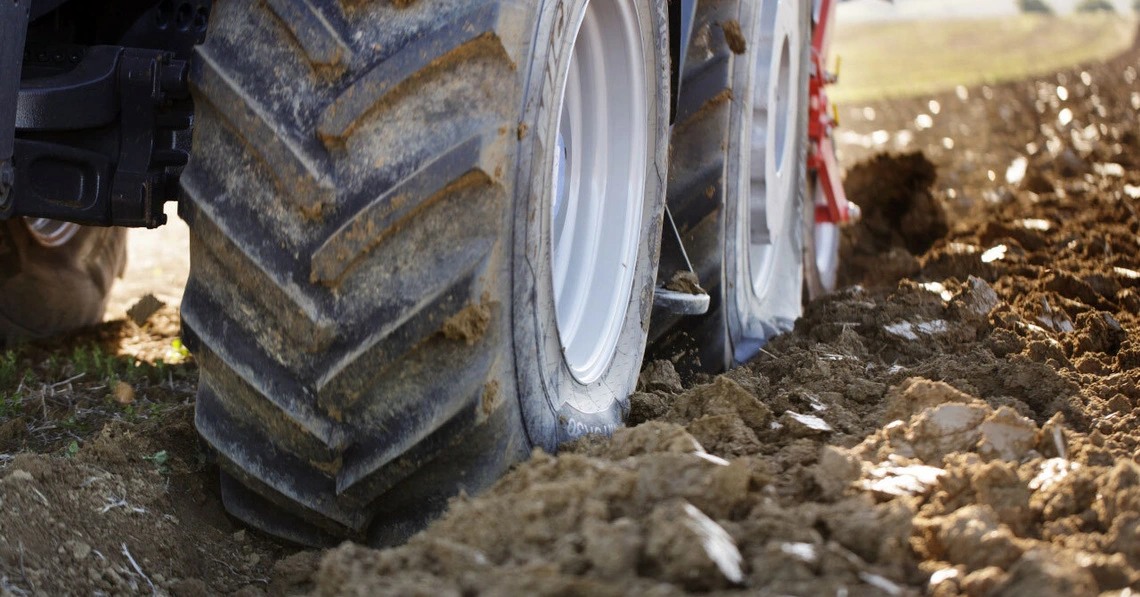
Tractor tyre pressure remains one of the most direct controls for managing wear rates, fuel burn, and soil impact in daily operations. Proper tractor tyre pressure, adjusted for real axle loads, speeds, and ground conditions, consistently delivers 20–30% longer service intervals, measurable diesel savings, and reduced compaction. Operations that maintain accurate inflation see uniform tread wear, reliable traction during draft work, and lower running costs over a full season.
Field service records show underinflation causes repeated sidewall flexing under load. Internal heat softens compounds, initiates sidewall cracking, and accelerates shoulder and lug wear. In wet or loose soils slip increases, lateral forces rise, and tread degrades unevenly. Mixed field-road cycles often record 15–25% shorter life when low pressure persists, with higher transport speeds worsening the effect on fatigued casings.
Overinflation concentrates load on center tread ribs. Middle wear advances rapidly while shoulders stay intact, producing cupped profiles after moderate hours. Traction drops on firm surfaces, rolling resistance climbs, and fuel consumption rises. In fields overinflation focuses pressure along the center line, potentially limiting root growth in later crops.
Both conditions increase costs beyond replacement price. Higher rolling resistance drives fuel use up, soil disturbance worsens, and uneven wear forces early change-outs despite remaining tread depth elsewhere.
Why Tractor Tyre Pressure Matters – The Real Impact on Performance and Costs
Effects of Incorrect Pressure
Underinflated tyres flex excessively in sidewalls during loaded passes. Heat buildup degrades rubber, promotes micro-cracks, and speeds edge wear. Wet soils amplify slip and uneven lug erosion. Mixed-duty fleets commonly log 15–25% life reductions when low pressure continues unchecked.
Overinflated tyres focus weight on central ribs. Center tread wears quickly, traction falls on hard ground, rolling resistance increases, and fuel burn rises. Soil compaction intensifies under the center line, affecting future root development.
Benefits of Proper PSI
Correct inflation distributes load evenly across lugs. Wear becomes uniform, extending hours significantly. Radial designs benefit most — flexible sidewalls allow lower pressures without excessive heat or deformation. Broader footprints lower peak ground pressure, preserving soil structure. Fuel savings of 5–10% appear in combined duties. Reduced compaction supports steadier yields.
A mid-size tractor running 800–1,200 hours yearly across tillage, planting, and haulage shows the difference. Correcting mismatched pressure to task-specific settings adds hundreds of hours. Fuel use drops, and critical-window interruptions decrease.
Understanding Load, Speed, and Inflation Tables – The Foundation
Load and inflation tables provide the baseline for settings. Charts specify PSI based on axle load, speed, and tyre size. Sidewall max values indicate peak limits, not routine targets. Excess pressure shrinks footprint when traction matters most.
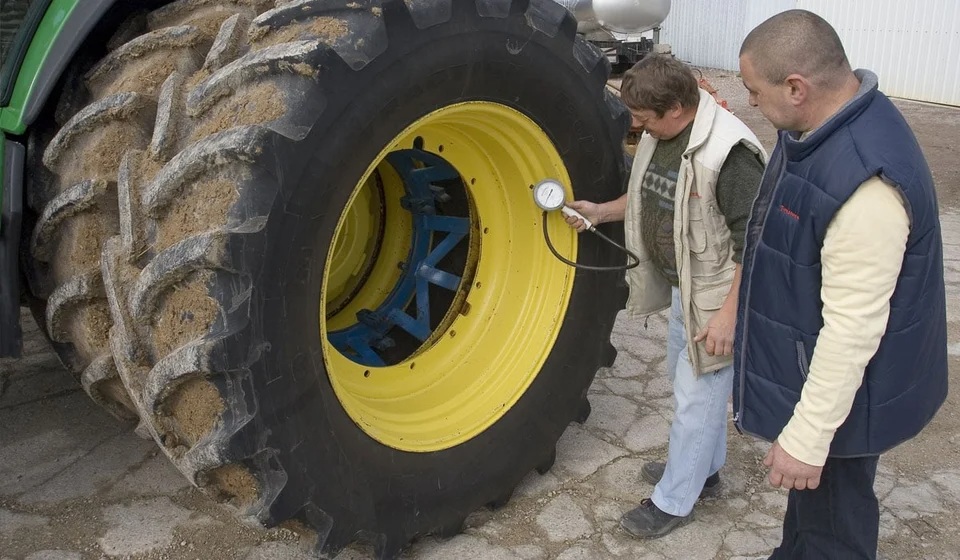
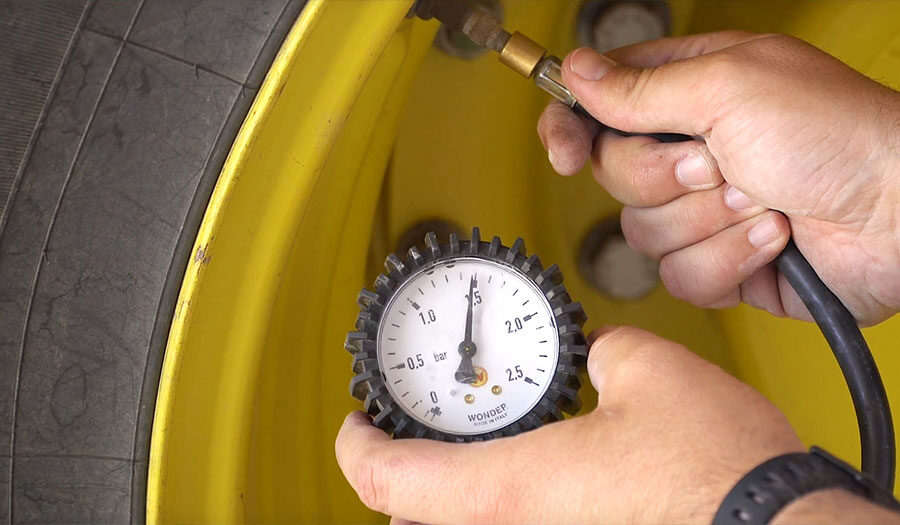
Cold readings are essential — operating heat raises PSI by 4–8, skewing tables. Digital gauges with fine resolution ensure accuracy. Axle weights vary with ballast, implements, and loads; portable scales give reliable on-farm figures.
Radial tyres respond well to precise control. Compliant sidewalls support lower inflation without bead issues or rapid heat rise. Wider footprints spread forces evenly.
Step-by-Step: How to Set the Right Tractor Tyre Pressure
Step 1 – Determine Axle Loads
Weigh axles under working conditions, including ballast and implements. Divide by tyres per axle for per-tyre load. Measure front and rear separately — loads differ markedly during draft tasks.
Step 2 – Select Speed and Application
Low-speed field work permits lower pressure for flotation. Road or higher-speed runs require higher settings for stability and reduced resistance. Never go below table minimum for the load.
Step 3 – Consult Inflation Tables
Match load and speed to tyre-specific charts. Many radial sizes under moderate field load need 12–18 PSI; road transport often calls for 23–30 PSI or more.
Step 4 – Measure and Adjust
Check cold tyres before use. Adjust axles independently. Log settings, loads, speeds, and conditions. Regular review sharpens decisions. Daily checks prevent most wear issues.
Seasonal and Task-Specific Tractor Tyre Pressure Adjustments
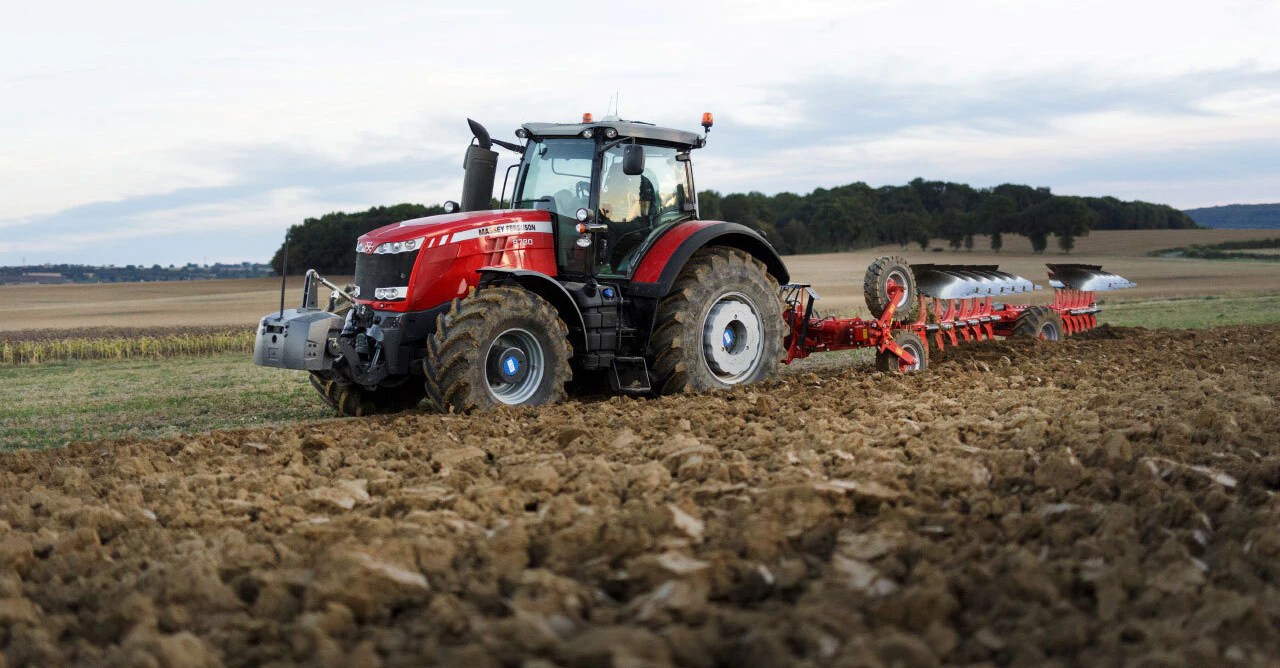
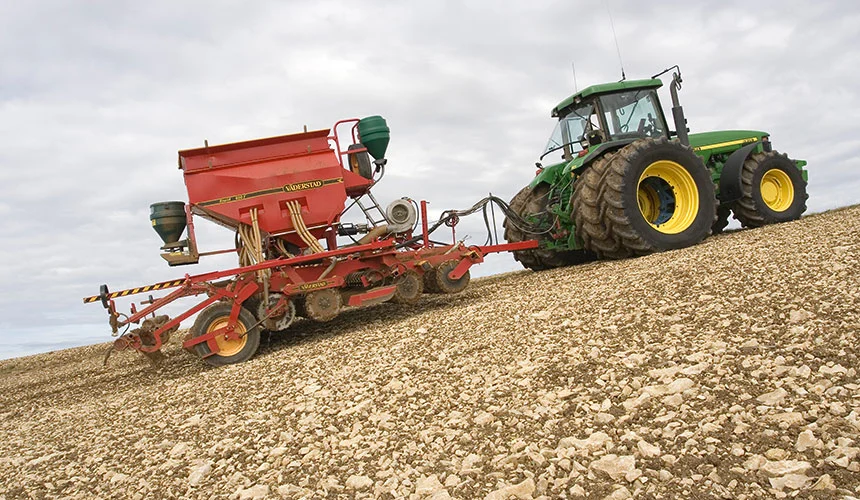
Spring wet work favors lower range to enlarge footprint and limit compaction. Summer harvest on drier ground uses mid-to-upper settings for wear balance and grip. Autumn mixes tillage with road runs — raise pressure for highways, lower for field tasks. Winter storage holds cold inflation slightly above spec to avoid flat spots.
Seasonal reference:
Spring wet-field: 12–18 PSI range for footprint and compaction control. Summer dry-harvest: 20–28 PSI for even wear and traction. Autumn transport-heavy: 28–35 PSI for efficiency and stability.
Front and rear often need different values due to load differences.
Common Mistakes and How to Avoid Them
Fixed year-round pressure ignores seasonal shifts and accelerates wear. Inflating to sidewall max regardless of load reduces footprint when needed. Hot checks give false readings. Equal axle pressures overinflate lighter fronts. Skipping inspections lets leaks or temperature changes accumulate.
Addressing these extends intervals and reliability.
The ROI – Quantifying Fuel Savings and Extended Tyre Life
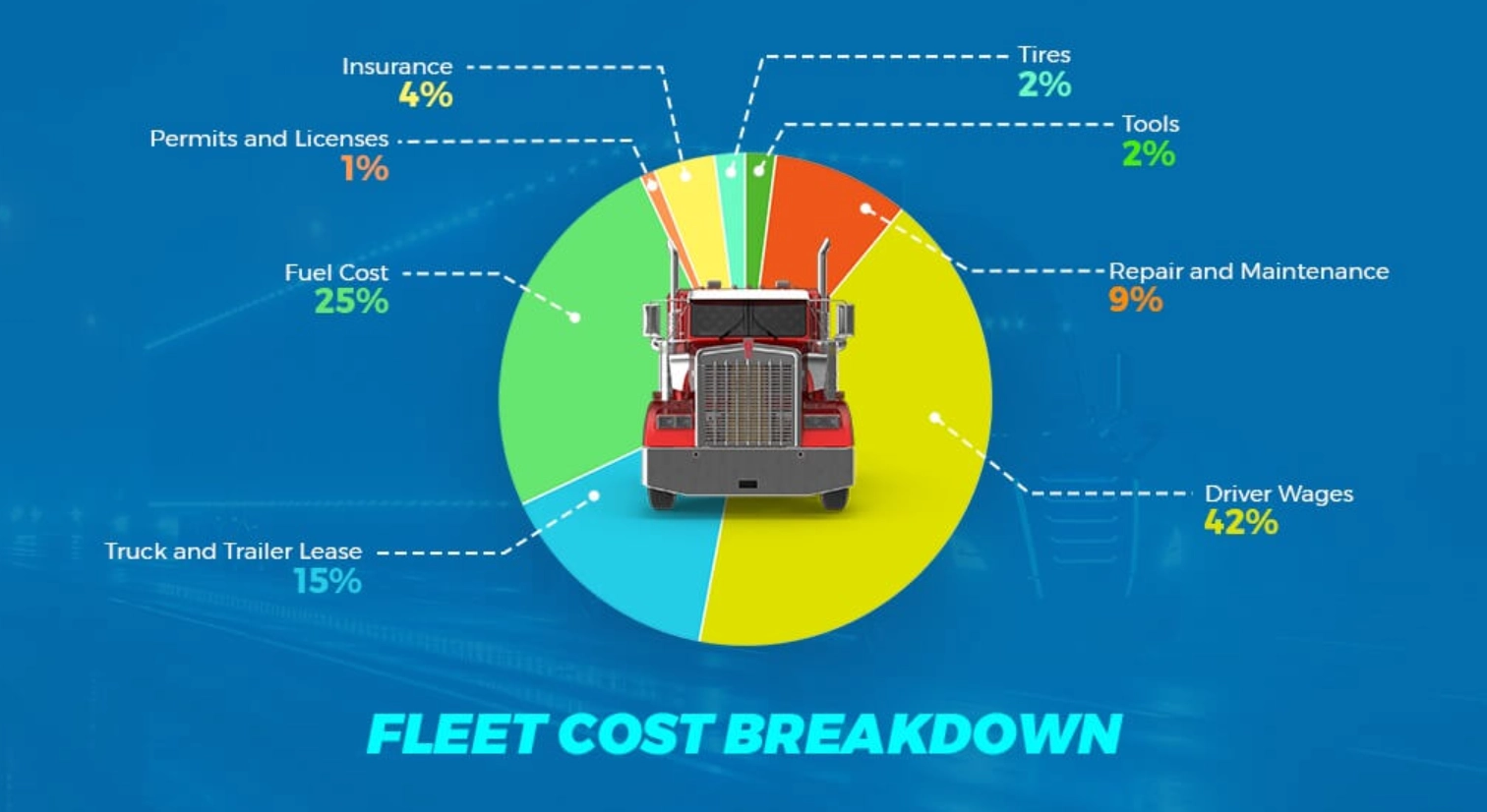
Tyres represent major maintenance expense. 20–30% longer life defers replacement. Fuel savings of 5–10% accumulate in mixed cycles. Lower compaction preserves soil and yields. Downtime drops during key windows.
A 4,000-hour rated set often reaches 4,800–5,200 hours with proper management. Hourly cost falls, and fuel/labor savings exceed check time.
Why Radial Tyres Make Pressure Management Easier and More Rewarding
Radial sidewalls flex to allow lower pressures without deformation or heat issues. Broader footprints reduce peak pressure and promote even contact. Durable compounds resist punctures and aging when pressures stay in range.
Qingdao Lander Sky Tyre radial agricultural series, including RADIAL AGR with wider treads for reduced compaction, perform reliably across variable conditions. Strong casings and compounds support even wear, traction, and durability in field and road use.
Tools and Tips for Ongoing Success
Digital gauges give accurate cold readings. Logs track seasonal changes. Manual checks remain effective for most fleets. Weekly verification and load-based adjustments produce outsized returns.
About Qingdao Lander Sky Tyre
Qingdao Lander Sky Tyre, founded in 2013 in Qingdao, China, manufactures radial and bias tyres for heavy-duty agricultural use. The line includes RADIAL AGR series with wider treads for lower compaction, R1W, R1-NEW, R1, R2-NEW, IMP100 implements, and I3 patterns. Five workshops cover 3,000 square meters with modern equipment and strict quality control. Products hold GCC, DOT, ECE, and CCC certifications, reaching over 60 countries with three-year warranty support. Radial designs feature flexible sidewalls for low-pressure running, robust compounds for puncture and aging resistance, and treads that deliver even wear and traction under varied conditions.
Conclusion
Systematic tractor tyre pressure management yields reliable gains in life, traction, fuel efficiency, and costs. Matching inflation to load, speed, and conditions produces uniform wear, strong performance, and extended cycles. Cold checks, seasonal adjustments, and monitoring require little time yet return substantial field and economic benefits. Operations adopting these practices get closer to full tyre potential every season.
FAQs
How do I find the right tractor tyre pressure for my workload?
Measure axle loads with implements, use manufacturer load and inflation tables for size, load, and speed, then set cold pressure. Lower PSI fits field work for traction and compaction control; higher suits road for stability and fuel savings.
What PSI range fits tractor tyres in wet soil conditions?
Run 12–18 PSI in wet or soft soil to enlarge footprint and reduce compaction. Confirm against current load and speed tables to keep sidewalls stable.
Does proper tractor tyre pressure lower fuel use?
Yes, correct pressure cuts rolling resistance, with 5–10% fuel savings common in mixed duties. Balanced inflation also extends life for added savings.
How much longer do tractor tyres last with correct pressure?
Recommended PSI typically adds 20–30% to life through even wear and controlled heat. Radials often show the biggest improvement due to sidewall flexibility.
Why check tractor tyre pressure cold instead of after use?
Cold readings match inflation tables exactly. Operating heat raises PSI by 4–8, giving false highs that can cause overinflation if used for adjustments. Pre-use checks provide the true baseline.
Read More