

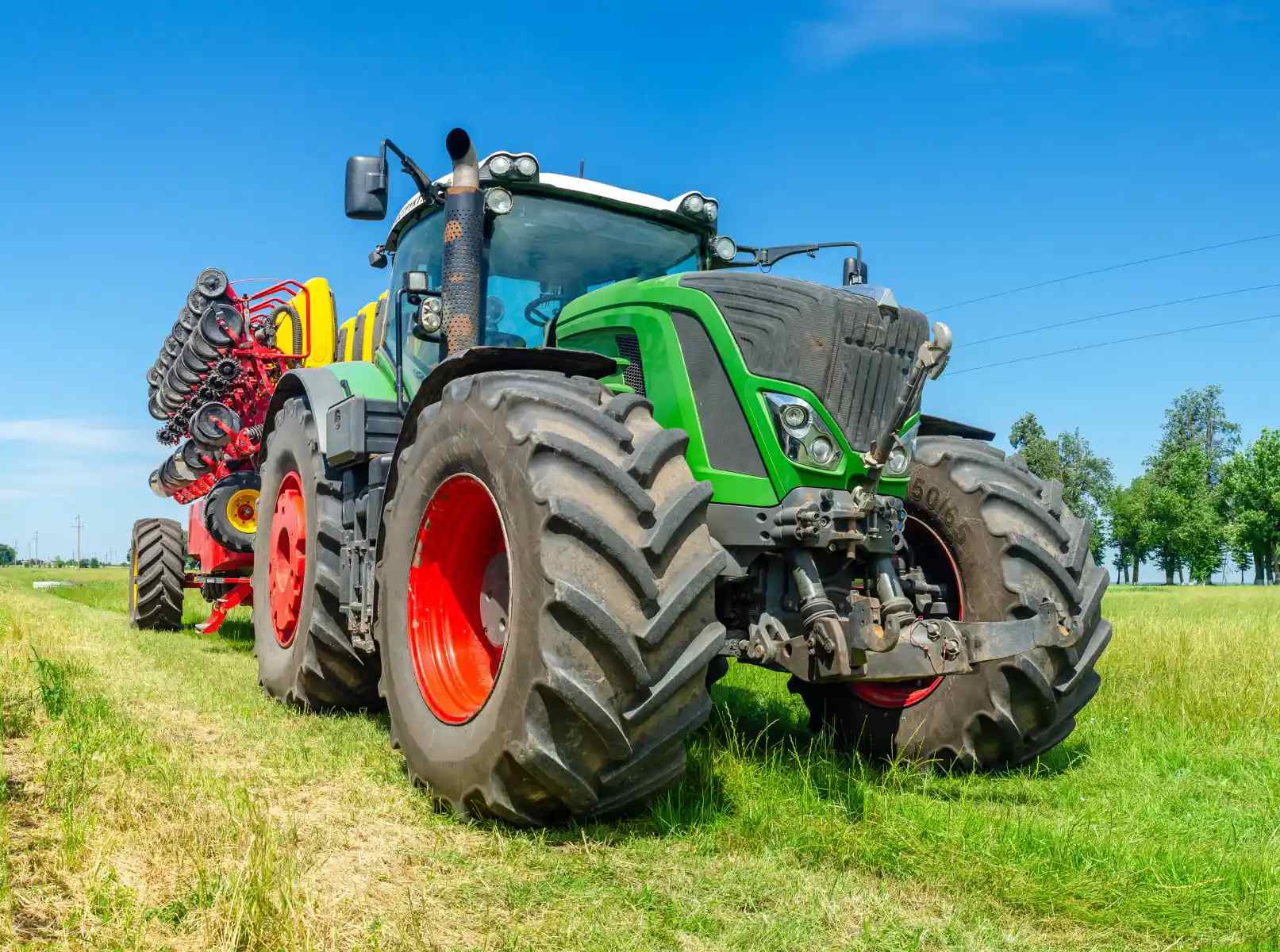
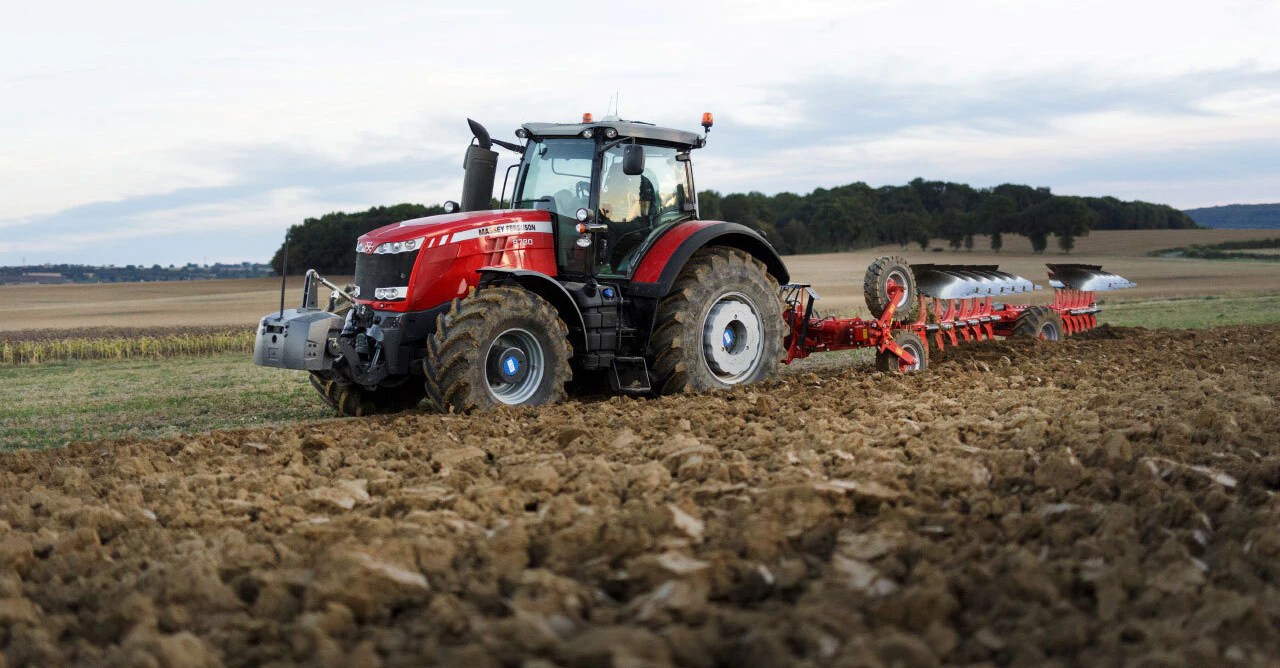
Walk across any farm yard and you can almost guess the tyre type from the ground. If you see deep ruts on the headlands and a tractor that rides rough on the lane, chances are it is still on bias agriculture tyres. If the tracks are wider and shallower and the driver looks a bit more relaxed after a long day hauling grain on the road, you are probably looking at radial agriculture tyresFor dealers, farm machinery cooperatives and large growers, the question is not “which is newer”, but very simple: which tyre construction gives better value for money on this farm, with these implements and these road miles. That is where understanding the real difference between radial and bias agriculture tyres, beyond the sales talk, starts to pay off.
Why the Radial vs Bias Agriculture Tyres Comparison Matters
Cost per hour, not price per tyre
Most buying decisions still start with the quote. Bias agriculture tyres usually come with a lower upfront price. Radial agriculture tyres often look expensive on the spreadsheet in week one. But a tyre that runs thousands more hours, burns less fuel and protects soil better can easily win on cost per hour and cost per hectare, even if the invoice is higher.
For distributors talking to serious operators, it helps to translate “radial vs bias agriculture tyres” into daily reality: how often the machine stops for tyre work, how much fuel it spends dragging rigid casings through the field, and how much time is lost on slow, nervous road moves.
Construction basics in one minute
The difference between radial and bias agriculture tyres is not marketing—it is structural engineering. Radial tyres have plies running at 90 degrees with belts under the tread. Bias tyres have layers crossing at 30–40 degrees. This casing layout determines flexibility, heat build-up and footprint.
That layout dictates how the tyre flexes, how it carries load and how heat builds up. Once you see that, the performance gap between radial and bias agriculture tyres starts to feel quite logical.
How construction turns into behaviour in the field
Radial agriculture tyres: flexible sidewall, stable footprint
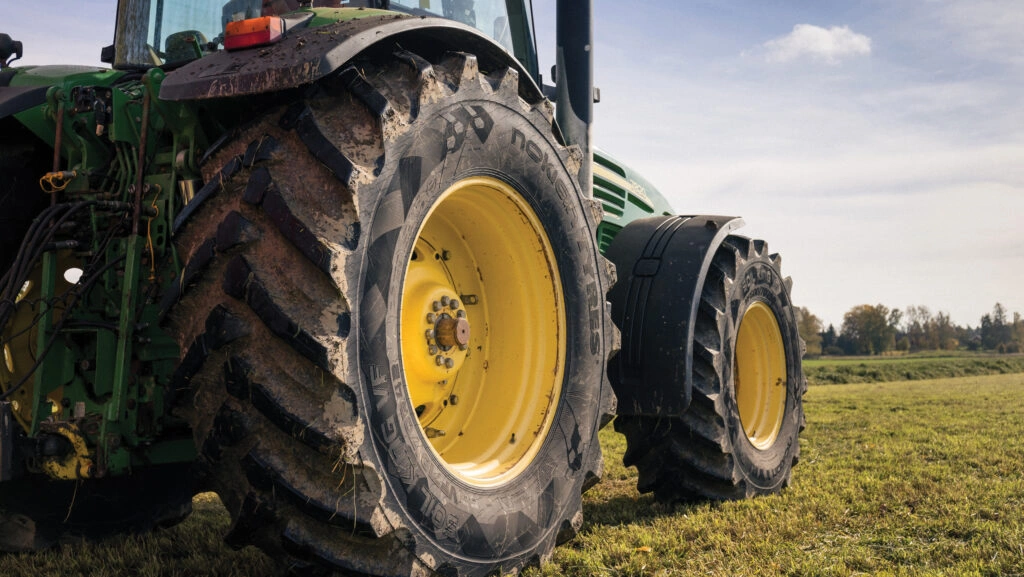
With radial agriculture tyres for tractors, the sidewall and the tread do not behave the same way. The sidewall is allowed to flex, especially at lower inflation pressures, while the tread band stays comparatively stable and flat. Lander AGR tyres highlight that radial construction improves flexibility and footprint stability.
On a real tractor this shows up as a longer, wider contact patch and a lower slip rate at the same drawbar pull. The tractor hooks up more cleanly, climbs out of wet spots with fewer attempts and leaves behind a surface that is easier to work on the next pass. For growers who count fuel per hectare and care about soil structure, that is not a minor detail.
Bias agriculture tyres: rigid package and simple toughness
Bias agriculture tyres are built as a single, rigid structure where the sidewall and tread work together. That has some advantages. The casing is inherently tough and can shrug off abuse from low-speed work, sharp stubble or yard scrap better than many operators expect. For implements that move slowly and spend very little time on the road, bias tyres still deliver honest value.
The trade-off is that bias agriculture tyres for tractors do not flex as freely. The footprint is shorter and narrower at the same load and pressure, which pushes more weight into a smaller area. That can mean more compaction and more spin in difficult conditions, especially once the machine power goes up.
Cost, lifespan and the value of hours between failures
Upfront savings versus total cost
A dealer quoting a fleet of bias agriculture tyres for a smaller tractor will almost always beat the first quote for radials. However, radial agriculture tyres typically run cooler at working speeds, distribute stress more evenly and wear more slowly on the road. On mixed field and transport duty, that can translate into several additional seasons before replacement, or a large number of extra road hours moving grain, slurry or silage.
When distributors talk to cooperatives, it often helps to work out a rough cost per operating hour or cost per ton moved instead of stopping at purchase price. Radial vs bias agriculture tyres cost comparison looks very different when you spread tyre cost across fuel, machine depreciation and labour.
Heat and casing life
Radial carcasses flex in the sidewall and keep the tread more stable, which reduces internal heat under sustained transport speeds. Bias carcasses move as one package, so heat tends to build quickly when the tractor spends long periods above twenty or thirty kilometres per hour. Over time that heat hardens rubber, accelerates cracking and can shorten casing life.
In practice, a set of radial agriculture tyres for tractors doing regular road work will usually give more years of service at a more stable performance level than an equivalent bias set, even if the bias tyres look “stronger” when new.
Traction, soil compaction and fuel use
Traction and slip
Radial agriculture tyres with a long, flat footprint put more lugs in contact with the soil at any given moment. That lowers slip percentage and makes draft more consistent. Bias agriculture tyres often need higher inflation to carry the same load; the stiffer casing then shortens the footprint and increases local stress.
From a fuel perspective, every percentage point of extra slip is wasted energy. When a cooperative compares radial vs bias agriculture tyres across several tractors, the difference in fuel consumed over a full season of ploughing, cultivating and hauling can be substantial, even if each hour feels similar from the cab.
Compaction and yield impact
Soil compaction is harder to see week by week, but it shows up in yield maps and in the power required for tillage. Radial agriculture tyres for tractors can be run at lower pressure in the field, spreading load over a larger footprint and reducing maximum ground pressure. Bias agriculture tyres, especially when run at “safe” higher pressures for the road, tend to drive more weight into a smaller patch of soil.
For farmers already using controlled traffic or precision planting, a move from bias agriculture tyres to well-chosen radial AGR tyres is often one of the easier ways to protect topsoil without changing machinery size.
Road behaviour and mixed-use machines
Comfort and control between fields
Modern farms rarely stay inside one block. Tractors haul grain to distant storage, pull tankers on public roads and shuttle between outlying fields. On these mixed profiles, radial agriculture tyres are usually the better tool. The flexible sidewall smooths small bumps and reduces vibration, while the stable tread keeps a consistent contact patch at speed. Drivers get off the machine at the end of the day less tired, and chassis components see less shock loading.
Bias agriculture tyres can feel harsher and tend to wander more at speed, especially when worn. For short, slow road moves this may be acceptable; for long days hauling, it becomes a safety and comfort issue.
Wear patterns and noise
Radial vs bias agriculture tyres also differ in how they wear on hard surfaces. Radials tend to wear more evenly across the tread when correctly inflated for transport, which extends usable life and keeps rolling resistance predictable. Bias tyres often scrub more at the shoulders and can become noisy and irregular as kilometres accumulate.
For machinery cooperatives where tractors see many different operators and routes, predictable behaviour on the road is a real part of “value”, even though it does not show up on the sidewall.
Matching tyre choice to farm and fleet
When radial agriculture tyres make sense
Radial agriculture tyres for tractors and harvesters show their strength on high-horsepower machines, mixed field and road work, heavy towing and in operations where soil protection is part of the business model. Large arable farms, dairy operations with high slurry traffic and contractors covering many kilometres between clients are typical examples.
Where bias agriculture tyres still fit
Bias agriculture tyres still have a place on low-speed implements, older tractors used as yard machines and equipment that spends most of its life in one yard or one field. For distributors serving very price-sensitive segments, bias construction can be a practical option when annual hours are low and transport distances are short.
The key is not to treat radial vs bias agriculture tyres as a “good versus bad” story, but as different tools for different operating profiles.
Qingdao Lander Sky Tyre: a partner for AGR tyre choices
Qingdao Lander Sky Tyre was founded in 2013 and has grown into a global tyre supplier specialising in TBR, OTR, industrial, agricultural and forklift tyres. The company operates five workshops with strict quality control and focuses on premium-grade products backed by a three-year warranty, fast response and long-term partnership thinking.
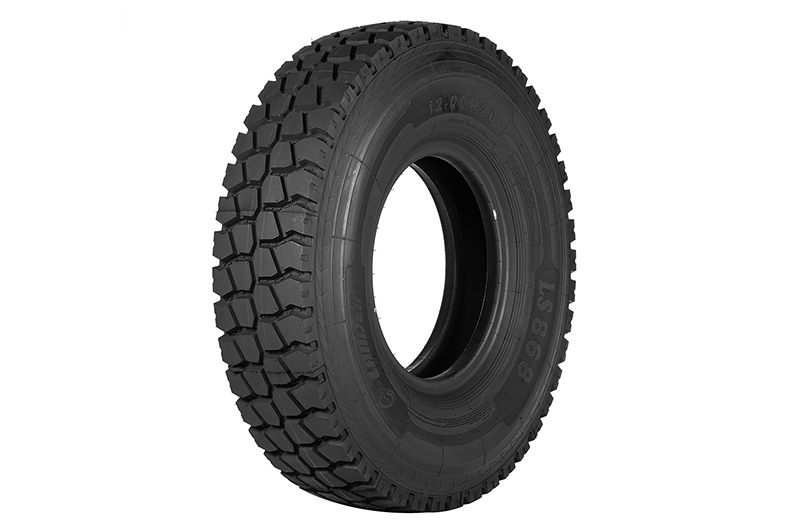
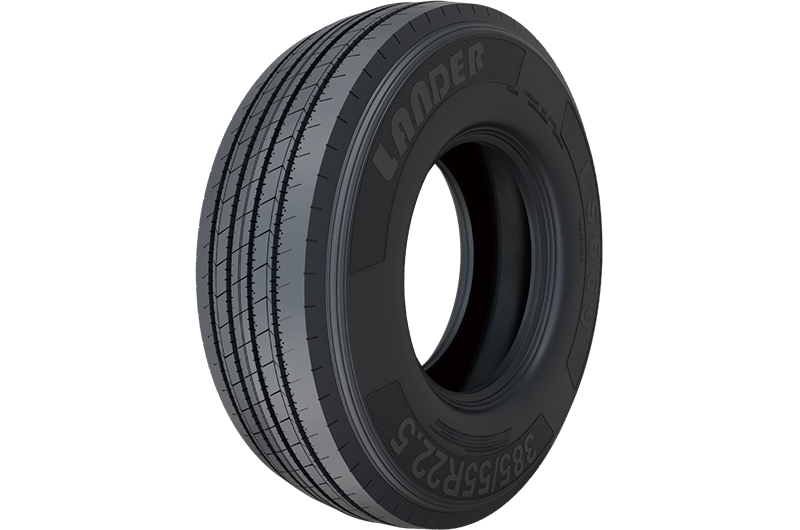
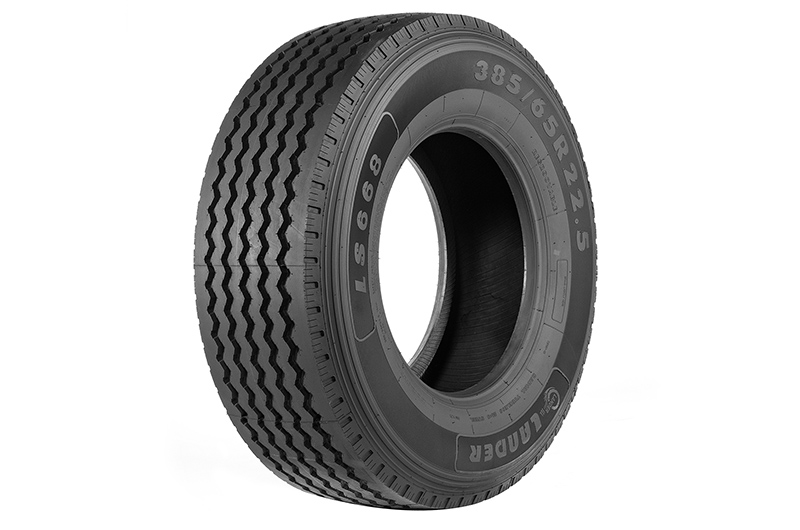
From its modern 3,000-square-metre factory with imported equipment and a skilled production team, Qingdao Lander Sky Tyre manages the full process from rubber preparation to final inspection. Its agriculture range covers both radial and bias agriculture tyres, which means dealers and cooperatives can discuss real-world duty cycles and choose constructions that fit tractors, trailers and implements across a mixed fleet rather than forcing one pattern on every axle.
With exports to more than fifty countries and certifications such as DOT, ECE, GCC and CCC across major product lines, the company is positioned to support distributors who need consistent quality, reliable supply and technical dialogue on subjects like radial vs bias agriculture tyres for tractors and harvesters.
Conclusion
At first glance, radial and bias agriculture tyres do the same job: they carry the machine, transmit torque and keep the farm moving. Underneath, the construction and the filtration of forces through carcass and tread are completely different. Radial agriculture tyres for tractors bring a flexible sidewall and stable tread that favour traction, lower fuel use, better road behaviour and soil protection. Bias agriculture tyres offer simpler toughness and a lower ticket price where hours and speed remain modest.
For dealers and farm machinery cooperatives, the “better value” question is never answered in a single sentence. It depends on power, duty cycle, soil type, transport distance and replacement strategy. What does stay constant is the need to talk in terms of cost per hour and cost per hectare, not just price per tyre. Suppliers like Qingdao Lander Sky Tyre, with both radial and bias agriculture tyres in their AGR portfolio, give you the flexibility to build a tyre policy that fits each segment of your customer base instead of forcing one answer on every machine.
FAQs about radial vs bias agriculture tyres
Are radial agriculture tyres always the best choice for modern tractors?
Radial agriculture tyres for tractors are usually the best choice when machines cover many hours, spend real time on the road and work in conditions where traction and soil protection matter. In very low-hour or purely yard-duty applications, bias agriculture tyres can still be a sensible, lower-cost option.
How do radial vs bias agriculture tyres affect fuel consumption?
Radial agriculture tyres typically run at lower slip and can work at lower field pressures, which reduces rolling resistance and the energy lost in spinning. Bias agriculture tyres tend to slip more under the same load, especially in soft soils, so fuel burn per hectare can be higher over a full season.
Do radial agriculture tyres wear faster on the road than bias tyres?
In most mixed-use cases, the opposite is true. When correctly inflated for transport, radial agriculture tyres distribute load more evenly across the tread and manage heat better, so they often deliver more road hours than bias agriculture tyres, which can scrub and heat up faster at higher speeds.
Can I mix radial and bias agriculture tyres on the same tractor?
From a technical standpoint, mixing radial and bias agriculture tyres on the same axle is not recommended. The casings flex differently, which can create unstable handling and uneven load sharing. Some operators mix constructions on different axles, but it is always safer to consult the tyre supplier or tractor manufacturer before doing so.
How should dealers explain radial vs bias agriculture tyres value to farmers?
A practical way is to translate the discussion into cost per hour and cost per hectare. Show how radial agriculture tyres may reduce fuel, extend tyre life and protect soil, then set that against the higher initial price. For low-hour machines, point out where bias agriculture tyres still work well. That approach turns a technical debate into a clear business decision.



Leave a comments