

In heavy load truck fleets, tyre selection is rarely discussed with the same attention as engines or transmissions. It often sits quietly in procurement routines, handled by copying last year’s specifications or choosing the familiar option. At first, this seems practical. The tyres fit. The trucks roll. Operations continue.
Over time, however, many fleets start noticing patterns that are harder to explain. Certain vehicles consume tyres faster than others despite running similar routes. Fuel figures slowly drift upward. Maintenance teams spend more time dealing with tyre-related issues than expected. None of these problems arrive suddenly, but together they reshape operating costs.
This is where tyre selection for heavy load truck fleets becomes less about compliance with specifications and more about understanding how tyres behave under real working pressure, day after day.
Why Tyre Selection Is Critical for Heavy Load Truck Fleets
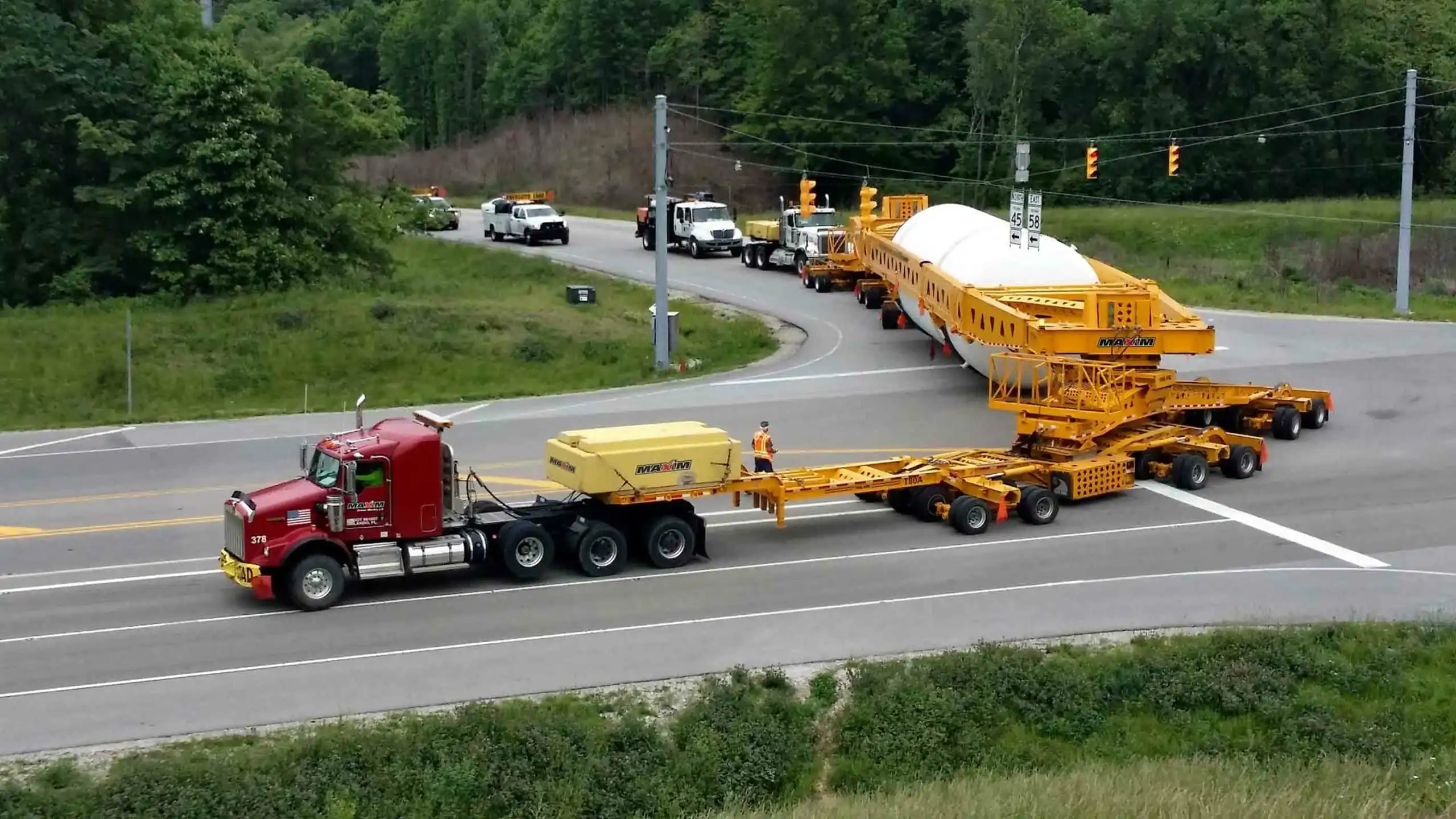
Rated load and actual load are rarely the same
Most heavy trucks spend their lives close to maximum capacity. In theory, load ratings should protect tyres from overload. In practice, loads are uneven, routes are unpredictable, and operational pressure often pushes vehicles beyond ideal conditions.
In many fleets, the problem is not extreme overloading, but continuous high loading. Tyres may technically remain within rated limits, yet still operate under sustained stress. Heat builds gradually. Sidewalls work harder. Tread compounds age faster. These effects are subtle at first and easy to ignore.
Fleets that rely solely on catalogue ratings often discover too late that those numbers describe limits, not long-term comfort zones.
Road conditions amplify every load decision
Heavy load magnifies road quality issues. Smooth highways reward stable construction and rolling efficiency. Mixed roads introduce abrasion and impact. Poor surfaces accelerate casing fatigue and irregular wear.
In real operations, fleets rarely run on a single surface type. Construction detours, industrial zones, and regional roads all add complexity. Tyres selected without considering these variations often perform well on paper but struggle in daily use.
What Experienced Fleet Managers Actually Look for in Heavy Load Tyres
Heat behavior under sustained operation
Heat is one of the quiet killers of tyre life in heavy load fleets. Unlike visible damage, heat-related degradation happens internally and reveals itself only when performance drops earlier than expected.
Some tyres handle short periods of heavy load well but lose stability during long operating cycles. Others maintain consistent behavior over time. The difference becomes obvious only after months of service, which is why experienced managers focus on long-term performance rather than early impressions.
Wear consistency matters more than headline mileage
Maximum mileage figures can be misleading. For heavy load fleets, predictable wear is often more valuable than pushing tyres to their theoretical limits.
When wear patterns remain stable across axles and vehicles, maintenance planning becomes easier. When wear varies widely, fleets lose control over replacement schedules. This unpredictability, rather than absolute wear rate, is what often drives frustration.
Balancing durability and rolling efficiency
There is no perfect tyre for every heavy load application. Designs that prioritize durability may trade some rolling efficiency. Designs focused on fuel savings may require more careful route control.
The key is alignment. Long-haul fleets usually accept lower damage resistance in exchange for efficiency. Mixed or regional fleets often find durability more forgiving. Problems arise when tyres are chosen without acknowledging this trade-off.
How Tyre Selection Shapes Total Cost of Ownership Over Time
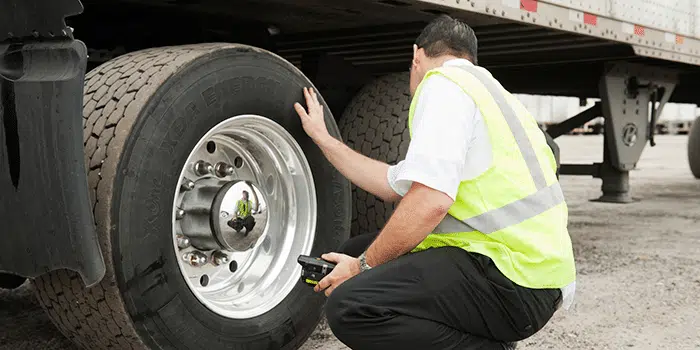
Replacement cycles and maintenance pressure
In heavy load fleets, tyre replacement is never just about parts. Each change consumes labor, workshop capacity, and planning effort. When replacement frequency increases unexpectedly, maintenance teams feel the pressure long before cost reports catch up.
Fleets that achieve stable tyre life reduce not only material cost, but also operational stress. This stability is often the clearest indicator of a good selection decision.
Fuel consumption as a long-term variable
Fuel impact from tyres rarely shows up immediately. Differences appear gradually, especially in fleets with high utilization. Over a year, small variations become measurable.
Rather than chasing aggressive efficiency claims, many fleets rely on internal comparisons, observing how tyres behave across similar vehicles and routes. This practical approach often reveals more than laboratory figures.
Downtime and operational risk
Unexpected tyre issues disrupt schedules and strain logistics planning. Even when replacements are planned, the cumulative effect of downtime can be significant.
Tyres that offer predictable performance reduce these disruptions. Over time, this predictability becomes one of the most valuable qualities a fleet can have.
Where Heavy Load Fleets Commonly Go Wrong
One frequent mistake is assuming that a tyre successful in one fleet will behave the same way elsewhere. Differences in load discipline, climate, road maintenance, and driving habits quickly change outcomes.
Another issue is sticking with legacy specifications long after operating conditions evolve. Routes change. Loads increase. Utilization rises. Tyre choices often lag behind these shifts, creating hidden inefficiencies.
Price-driven comparisons also distort decisions. Two tyres may appear similar in cost but differ significantly in service life stability. These differences rarely appear in short-term evaluations.
A More Practical Way to Choose Tyres for Heavy Load Truck Fleets
Start from operating reality
Effective selection begins with honest assessment. How heavy are the loads most days, not just on paper? How mixed are the routes? How often do vehicles run at full capacity?
Fleets that answer these questions realistically make better decisions than those relying on idealized assumptions.
Observe performance, not just installation results
Initial impressions matter less than long-term behavior. Monitoring wear patterns, heat-related issues, and maintenance needs over time provides far more reliable guidance.
Some fleets deliberately test tyres in small numbers before full rollout. While slower, this approach often prevents costly mistakes.
Revisit decisions as conditions change
Heavy load operations evolve. What worked two years ago may not fit today’s routes or volumes. Treating tyre selection as a living process rather than a fixed rule helps fleets adapt without disruption.
When External Technical Input Becomes Valuable
As operations become more complex, internal experience alone may not be enough. Mixed surfaces, high utilization, and extreme climates introduce variables that are difficult to isolate.
In these situations, working with suppliers who understand heavy load behavior and are willing to discuss real operating data can shorten the learning curve and reduce trial-and-error costs.
About Qingdao Lander Sky Tyre
Qingdao Lander Sky Tyre focuses on supporting commercial and industrial fleets that operate under demanding conditions. The company supplies a broad range of TBR, OTR, industrial, agricultural, and forklift tyres, with an emphasis on stable performance rather than short-term benchmarks.
With products supplied to markets across multiple regions and climates, Qingdao Lander Sky Tyre works closely with fleet customers to understand how tyres perform under sustained load, mixed road conditions, and high utilization. This practical, operation-driven approach reflects a commitment to long-term reliability and consistent service.
Conclusion
For heavy load truck fleets, tyre selection is less about finding an ideal product and more about managing risk. Tyres that match real operating conditions reduce surprises, stabilize costs, and make planning easier. Over time, these benefits outweigh any initial savings gained through simplified purchasing decisions.
FAQs
Why do heavy load truck tyres wear faster than expected?
Continuous high load, uneven distribution, and mixed road conditions increase stress and heat, accelerating wear when tyres are not well matched to actual use.
Is load rating enough for choosing tyres in heavy load fleets?
Load rating is only a baseline. Real-world load patterns and duty cycles play a major role in long-term performance.
How can fleets reduce tyre-related downtime?
By selecting tyres with predictable wear behavior and reviewing performance regularly, fleets can plan maintenance more effectively.
Do higher-priced tyres always reduce total cost of ownership?
Not always. The key is matching tyre characteristics to operating conditions, not simply choosing the most expensive option.
When should a fleet reconsider its tyre strategy?
Consistent irregular wear, rising replacement frequency, or increased downtime are clear signs that current selections may no longer fit operations.



Leave a comments