
Introduction
Equipment managers and fleet operators face constant pressure to balance performance, cost, and safety across diverse operating conditions. Choosing the wrong tyre category can lead to premature wear, higher fuel consumption, or even catastrophic failures. Understanding the engineering differences between TBR, OTR, AGR and industrial tyres is essential for fleet managers, equipment owners, and tyre buyers. Choosing the right tyre category directly impacts vehicle performance, operating cost, safety, and service life.
These categories—TBR for truck and bus radial, OTR for off-the-road, AGR for agricultural, and industrial for material handling—emerge from distinct engineering priorities. Each addresses specific demands in load distribution, traction requirements, heat management, and resistance to damage. Mismatching them ignores those priorities, often with expensive consequences.
A mining operation once fitted OTR tyres on highway haul trucks to save initial costs. Rapid shoulder wear appeared within weeks, forcing replacement far sooner than expected. Similar stories arise when agricultural tyres enter construction sites or industrial tyres handle long-haul routes. Proper category selection avoids such pitfalls.
Engineering Behind TBR Tyres
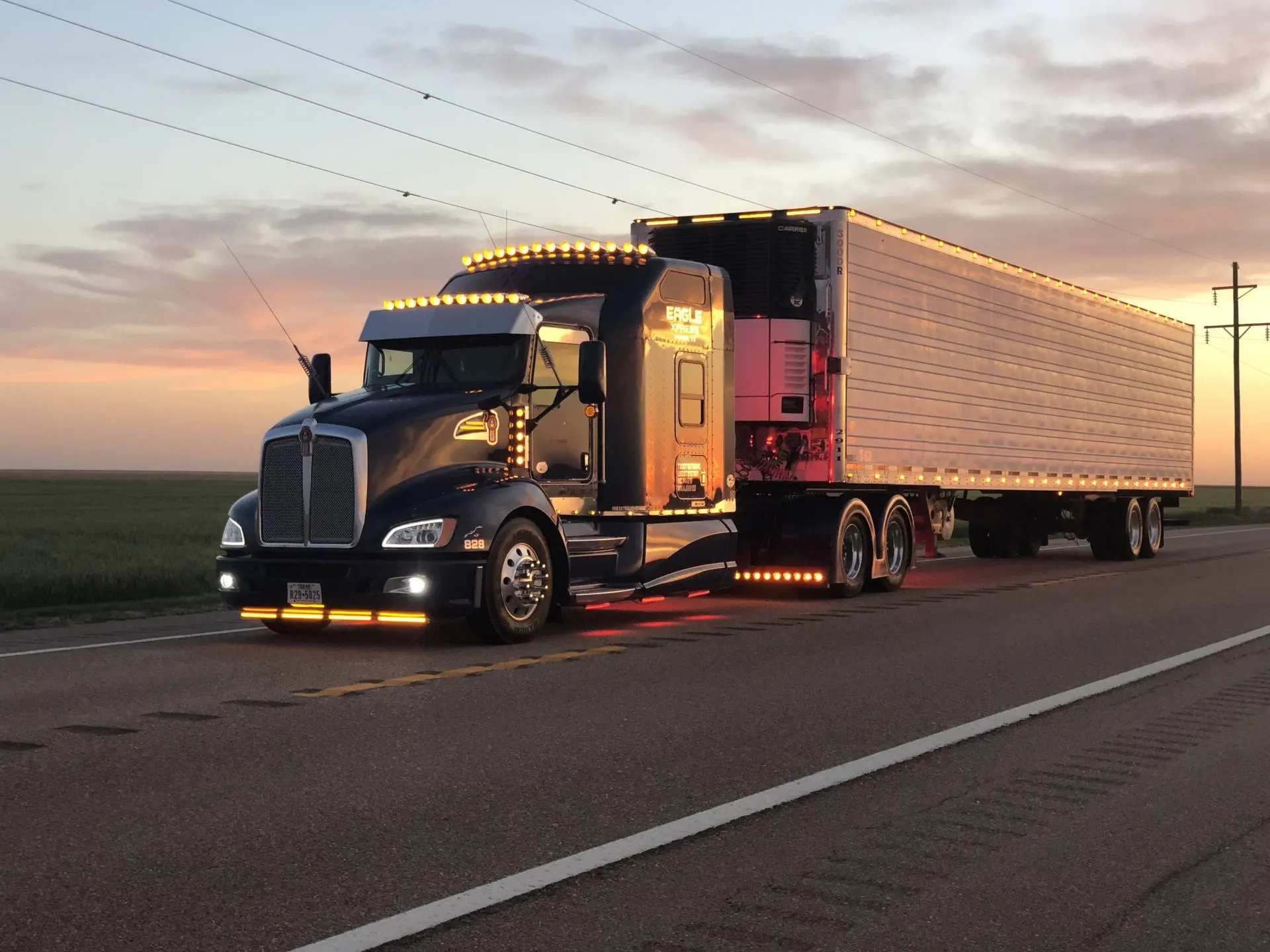
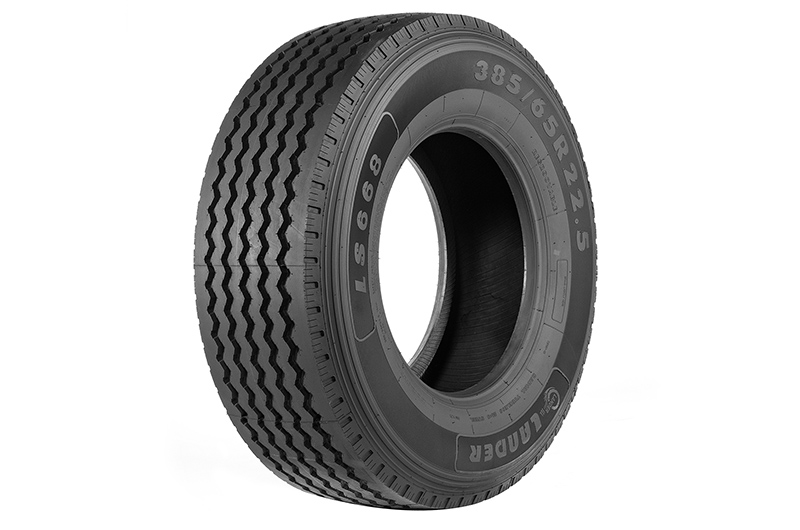
TBR tyres serve long-distance and regional trucking where consistent speed, fuel efficiency, and mileage dominate concerns.
Radial construction forms the core. Steel belts run circumferentially under the tread, allowing flexible sidewalls that absorb road shock while maintaining tread stability. This design reduces rolling resistance, critical for highway applications where fuel costs accumulate over hundreds of thousands of kilometers.
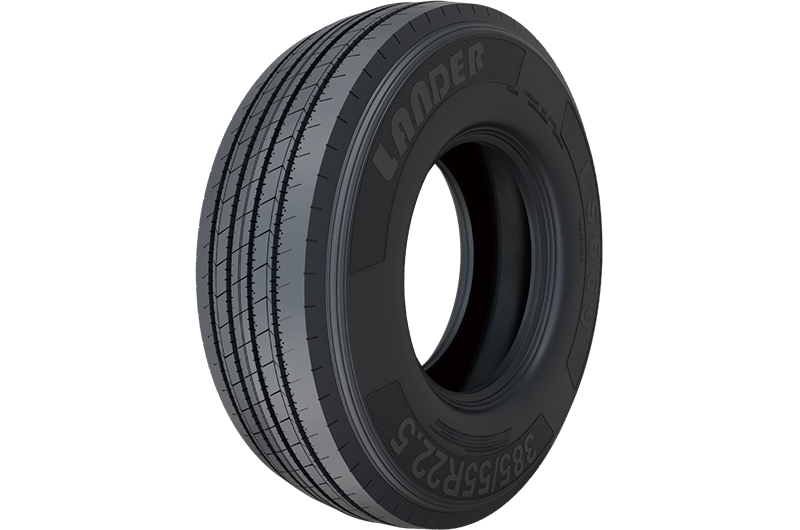
Tread patterns emphasize shallow grooves and solid ribs for even contact on paved surfaces. Compounds focus on low heat buildup and abrasion resistance, supporting lifespans commonly exceeding 200,000 kilometers in steer and trailer positions. Drive-axle variants add deeper blocks for traction without sacrificing wear characteristics.
Certification testing reflects these priorities. DOT and ECE endurance runs simulate extended highway use, measuring heat retention and structural integrity under sustained loads. Low rolling resistance ratings contribute to fleet fuel savings.
Engineering Behind OTR Tyres
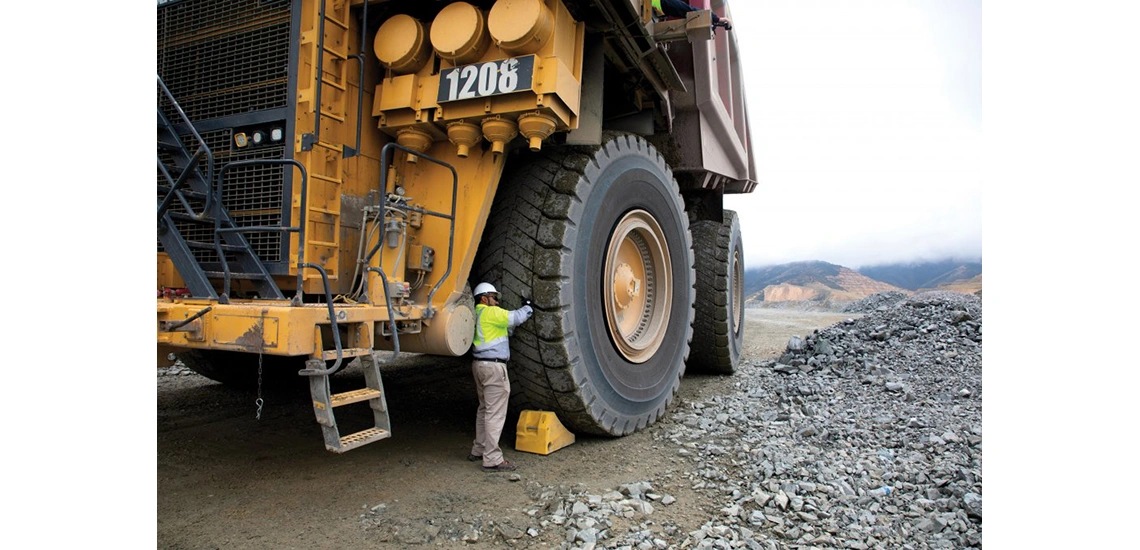
OTR tyres operate in environments where impact, cutting, and heat present constant threats.
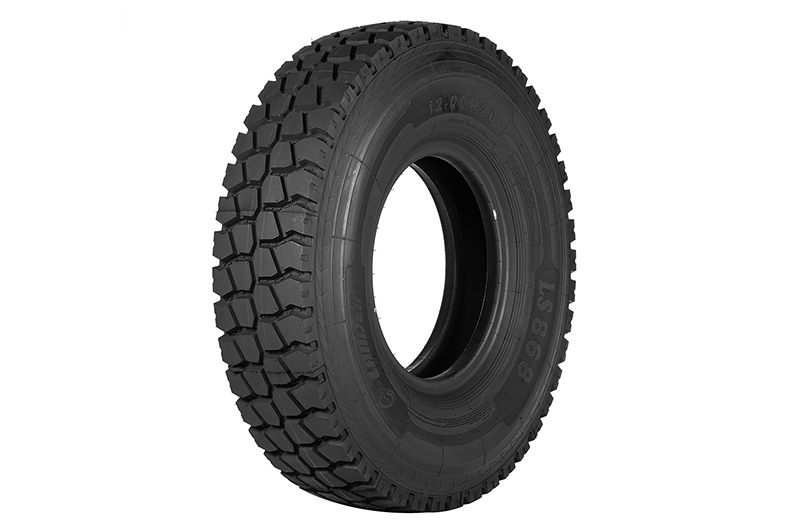
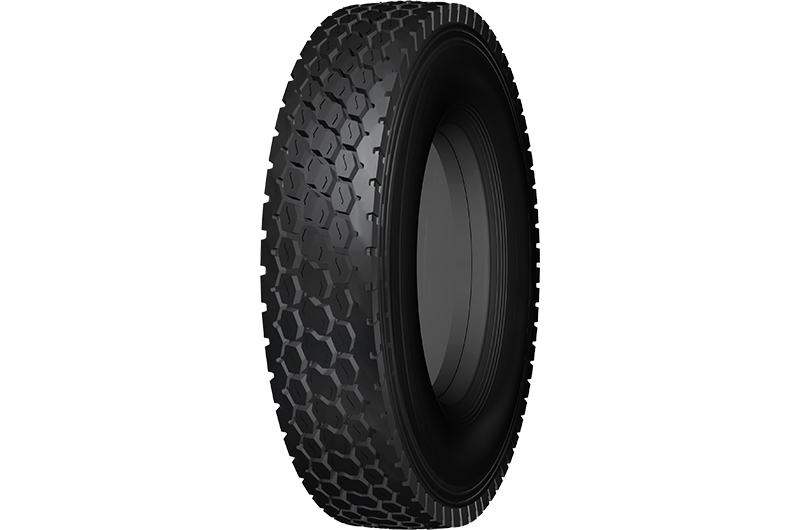
Heavy-duty bias or radial ply constructions reinforce carcasses against rock damage. Thicker undertreads and reinforced shoulders protect against penetration. Deep lugs—often E3, E4, or L5 patterns—provide traction in loose material while expelling mud and debris.
Compounds prioritize cut resistance and heat dissipation. Large voids between blocks allow cooling air flow during slow-speed, high-torque work. Sidewall thickness guards against sidewall tears common in rocky terrain.
Subcategories reflect specific tasks. Loader tyres emphasize stability under bucket loads. Haul truck variants balance mileage in pit cycles with rock protection. Port applications demand smooth wear on concrete alongside puncture resistance.
Field data highlights durability. Properly matched OTR tyres routinely achieve thousands of hours in severe conditions before retreading becomes viable.
Engineering Behind AGR Tyres
Agricultural tyres address soil interaction as much as vehicle movement.
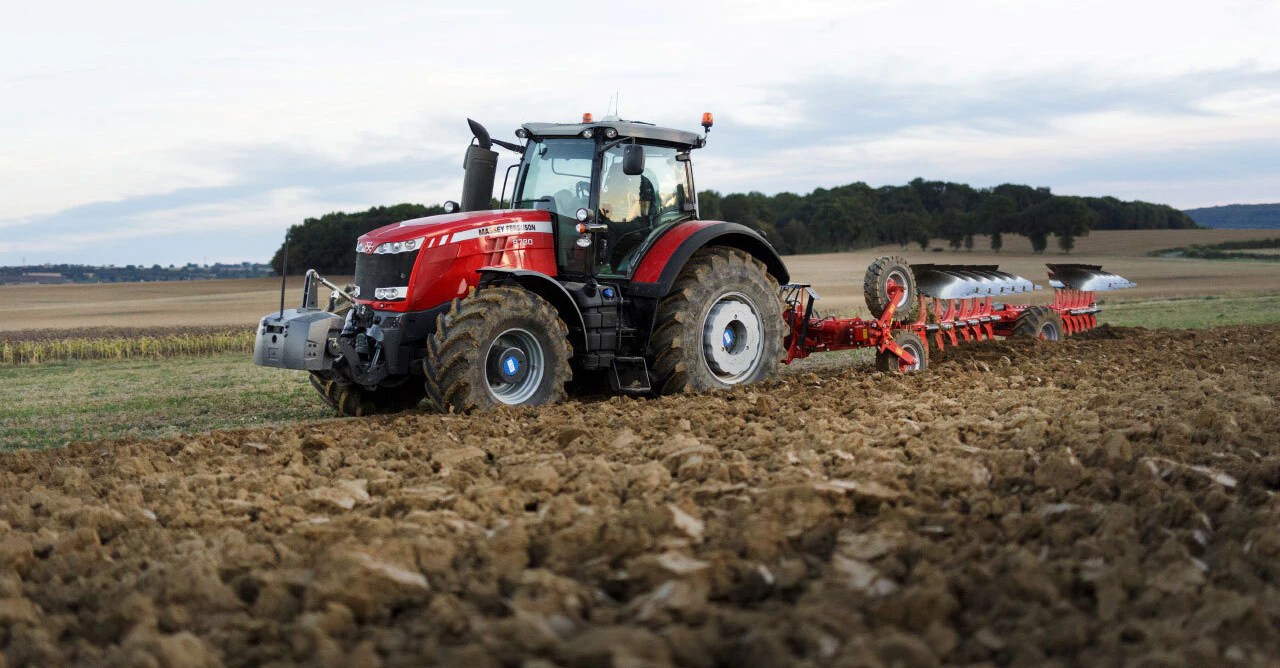
Low ground pressure stands central. Wide footprints and flexible radial sidewalls distribute weight to minimize compaction, preserving soil structure for crop yields. Tall, angled lugs deliver traction in soft fields while self-cleaning between rows.
R1 patterns suit general fieldwork. R2 designs handle wet rice paddies with deeper grooves. Implement tyres like I1 or F3 focus on flotation and roadability for trailers and sprayers.
Bias and radial options coexist. Radial constructions reduce slippage and fuel use on larger modern tractors. Bias remains common for cost-sensitive implement applications.
Soil studies show radial AGR tyres can cut compaction depth significantly compared to narrower alternatives, influencing long-term field productivity.
Engineering Behind Industrial Tyres
Industrial tyres support material handling in warehouses, ports, and factories.
Stability under static loads drives design. Pneumatic versions cushion impacts while solid tyres eliminate downtime from punctures. Wide, flat treads maximize contact area for forklift balance during lifts.
Compounds resist wear on concrete and abrasion from debris. Multi-rib or smooth patterns reduce turning resistance in tight aisles. Cushion or solid constructions absorb vibration in continuous operation.
Forklift applications dominate, but port and container handling use larger variants. Heat management differs from other categories—slow speeds generate less rolling heat, allowing denser rubber formulations.
Why Interchangeability Fails: Real-World Cases
Mixing categories rarely succeeds due to conflicting engineering goals.
An African fleet fitted OTR tyres on highway trucks expecting durability benefits. Shoulder cracking appeared early from sustained high-speed flexing. Mileage fell well below TBR norms, raising costs despite lower purchase price.
Conversely, TBR tyres on quarry loaders suffered rapid tread loss from rock cutting and turning stress. Sidewalls tore under lateral loads the radial construction never intended to handle.
Agricultural tyres pressed into construction service faced similar fates. Flexible sidewalls buckled under heavy bucket loads, while lugs wore quickly on hard surfaces. Compaction advantages became irrelevant in non-field settings.
Industrial solid tyres on over-the-road trailers overheated from continuous rolling, leading to bond failures. The mismatch highlighted heat generation differences between slow warehouse speeds and highway travel.
These cases share common outcomes: accelerated wear, safety risks, and higher total costs. Engineering compromises built into each category cannot stretch across others without penalty.
Selection Guidelines and Certifications
Matching tyres to conditions requires systematic evaluation.
Load and speed ratings form the starting point. TBR categories carry speed symbols for highway use. OTR ratings focus on tonnage and cycle distance. AGR considers implement flotation. Industrial emphasizes static lift capacity.
Terrain analysis follows. Paved roads favor shallow patterns. Loose material demands deep lugs. Mixed use requires compromise patterns within the correct category.
Certification provides verification. DOT endurance tests simulate highway conditions for TBR. ECE and GCC cover regional requirements. OTR tyres undergo similar rigorous validation for cut resistance and heat.
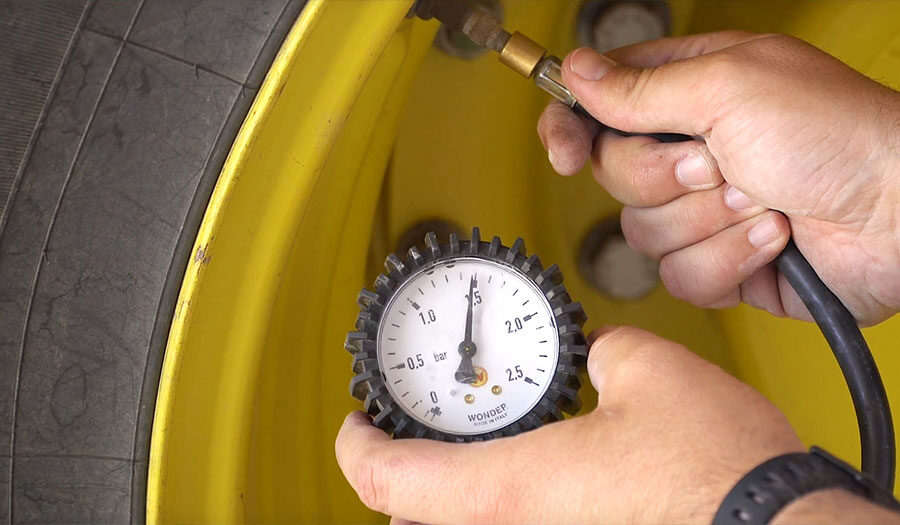
Maintenance practices extend performance. Proper inflation prevents heat-related failures in TBR. Regular inspections catch cuts early in OTR applications. Pressure monitoring preserves soil benefits in AGR.
Decision tools help quantify choices. Total cost calculations incorporating mileage, retreading potential, and downtime reveal true economics beyond purchase price.
Introducing Qingdao Lander Sky Tyre
Qingdao Lander Sky Tyre specializes in TBR, OTR, agricultural, industrial, and forklift tyres since 2013. With integrated production and strict quality control, Qingdao Lander Sky Tyre delivers reliable, application-matched tyre solutions for highway, mining, agricultural, and industrial operations worldwide.
Products reach more than 50 countries across multiple continents, backed by DOT, ECE, GCC, and CCC certifications. A three-year warranty supports all categories, reflecting confidence in design and manufacturing consistency.
Full-category coverage allows matched solutions for diverse equipment needs, from highway fleets to mining operations and agricultural implements.
Conclusion
Engineering differences between TBR, OTR, AGR, and industrial tyres reflect the specific demands each application imposes. Matching category to condition delivers optimal performance, safety, and cost control.
Operations that respect these distinctions avoid the pitfalls of interchangeability while gaining reliable service life and reduced operating expense across varied equipment fleets.
FAQs
What defines the main engineering focus of TBR truck and bus radial tyres?
Highway mileage, low rolling resistance, and even wear through radial construction and shallow tread patterns suited to paved roads.
Why do OTR tyres use deeper lugs than other categories?
Deep tread blocks provide traction in loose material while allowing heat dissipation and rock ejection essential for slow-speed, high-load work.
How does AGR tyre design minimize soil damage?
Wide footprints and flexible sidewalls distribute weight, reducing compaction depth compared to narrower alternatives.
When does using industrial tyres outside warehouses cause problems?
Continuous rolling at higher speeds generates heat that dense compounds cannot dissipate, leading to bond separation.
Which certifications indicate suitable highway performance?
DOT and ECE ratings validate endurance under sustained loads and speeds typical of TBR applications.



Leave a comments