

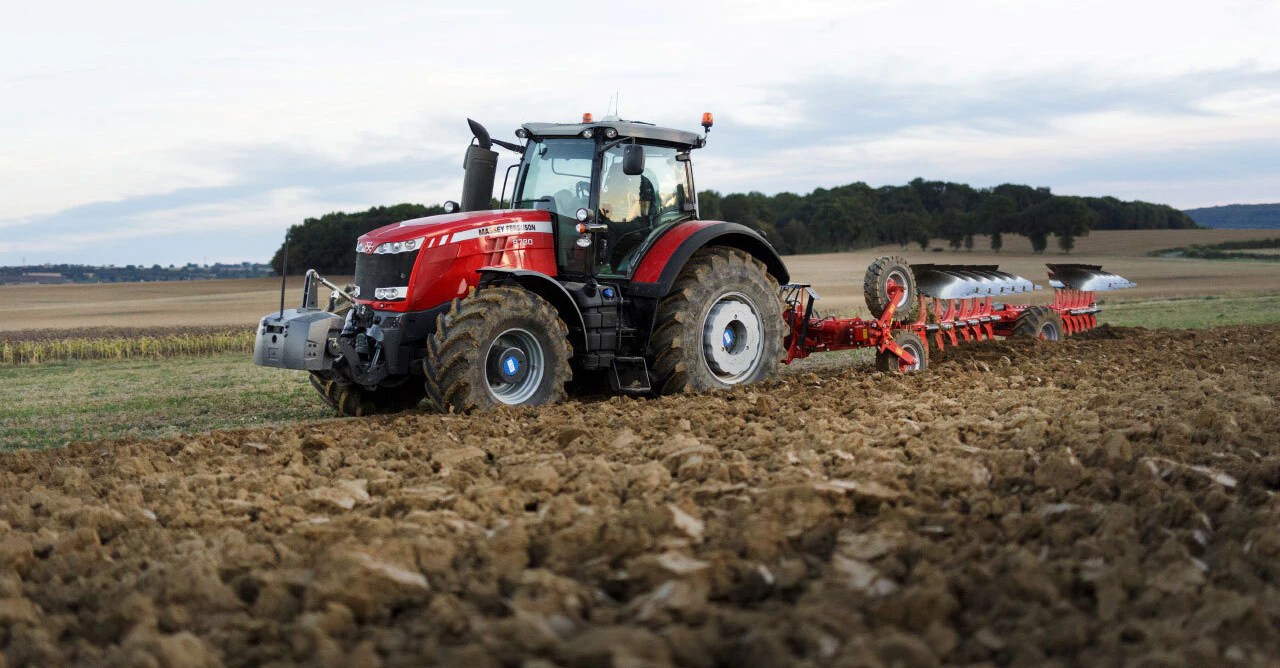
Farmers working through long rainy seasons understand one thing clearly: wet fields change everything. A tractor that normally runs smoothly can start slipping sideways, digging trenches, or bogging down halfway across a field. In regions where heavy rain is a yearly routine—whether monsoon areas in Asia, river-fed farmland in Africa, or tropical zones in Latin America—choosing the right agriculture and tractor tyres becomes a practical necessity instead of a nice-to-have upgrade.
The right tyre can turn a muddy season into a manageable one. The wrong tyre can cost hours of lost time, higher fuel burn, and sometimes the unpleasant job of pulling a stuck tractor out of the field. Below, we’ll walk through what matters most when selecting tyres for wet fields, and how leading suppliers like Qingdao Lander Sky Tyre design tyres specifically to face these challenges.
Why Wet Soil and Mud Require Specialised Agriculture Tyres
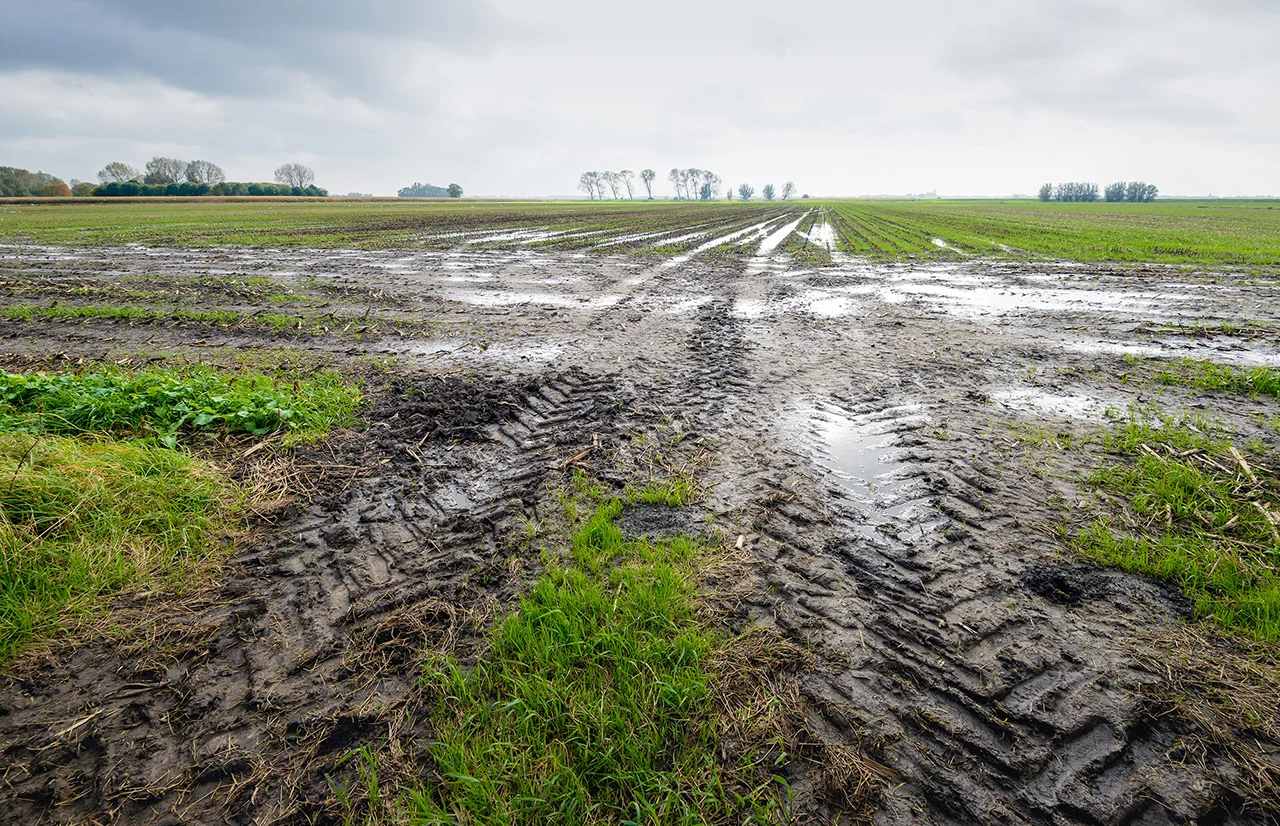
Traction Drops Fast When Soil Saturates
Once the soil absorbs enough moisture, it stops providing firm resistance. Instead of gripping, your tyres start smearing mud like butter on a pan. This is why tractors can feel like they’re floating or fishtailing slightly when pulling implements.
Deep-lug patterns—like the R1, R1-NEW, and R2-NEW styles used by Qingdao Lander Sky Tyre—are built exactly for this type of unstable ground. Long bars with strong bases bite through the top layer to reach soil that still has some structure. This difference becomes obvious when you compare field performance: shallow lugs spin quickly, while deeper lugs keep the machine moving forward.
Getting Stuck Becomes a Real Risk
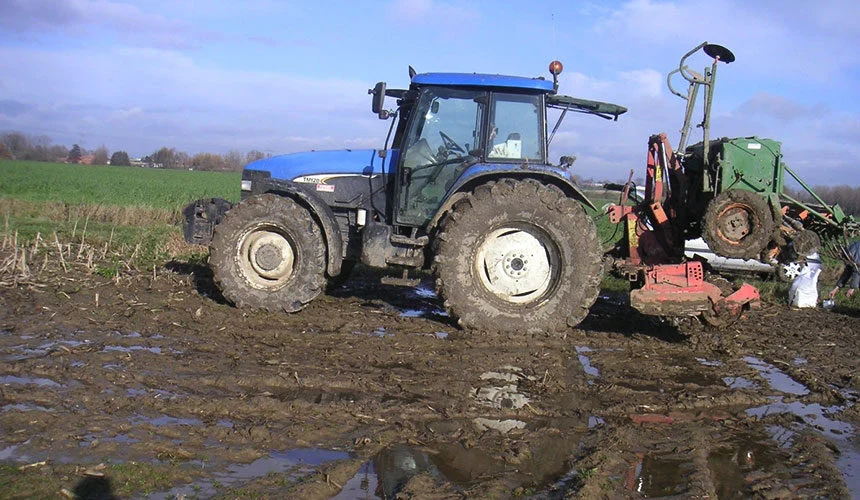
Anyone who has farmed through rainy months knows the sinking feeling—literally—when a tractor settles into soft mud past its axle. Pulling it out isn’t only time-consuming; it can bend implements, damage tyres, and overload the drivetrain.
Tyres designed for wet ground usually have:
- Wider tread faces
- Strong sidewalls
- High PR (ply rating) construction
- Patterns that prevent excessive digging
Many of Lander’s AGR tyres feature 10–16 PR structures, giving them the stiffness needed to hold shape in deep ruts instead of collapsing inward. That structural stability is crucial when working in mud that pulls the machine from both sides.
Mud Packing Reduces Traction to Zero
Mud packing is one of the biggest productivity killers. When mud fills the space between lugs, the tyre loses its “teeth,” turning into a smooth cylinder. A good wet-field tyre must prevent this.
Patterns such as R1-NEW and R2-NEW from Lander Sky Tyre were developed with self-cleaning performance in mind. Their alternating lug designs kick mud out with every rotation, helping maintain traction even in heavy clay.
Key Features to Look for in Wet-Season Agriculture Tyres
Deep, Aggressive Lug Depth (R1W / R2)
Lug depth is your best tool for gaining traction in mud.R1W and R2 tyres offer extra depth and are ideal for sticky clay, rice fields, and rain-soaked farmland.
Lander Sky Tyre’s R2-NEW line, for example, comes with widely spaced, deep bars that perform well in sticky, suction-heavy soils like rice paddies and rain-drenched vegetable fields.
Sidewall Strength and Durability
Sidewalls do more work in mud than farmers sometimes realize. When a tractor sinks into ruts, the entire weight shifts to the sidewalls. A weak structure folds inward, killing traction. A strong sidewall stays firm and transfers torque to the soil.
Lander’s agricultural series uses reinforced carcass construction and higher ply ratings (8–16 PR depending on size), giving operators better stability under heavy loads or when pulling implements through mud.
Wider Footprint for Flotation
Wider tyres distribute the tractor’s weight on a bigger surface, reducing the chance of sinking. Sizes such as 23.1-26, 24.5-32, and other large-format AGR tyres provide excellent flotation during wet season operations.
This is especially helpful for farmers using sprayers or planters during weeks when fields stay damp day after day.
Self-Cleaning Groove Design
A self-cleaning pattern is essential. Lander’s R1 and R2 patterns rely on:
- Open shoulders
- Angled grooves
- Larger mud channels
These features naturally release mud and keep the lugs exposed.
This dramatically improves traction in areas where soil shifts from soft topsoil to sticky clay within the same row.
Real Field Example: Wet-Season Efficiency
Consider a case from a tropical fruit plantation operating a 90HP tractor across hilly land. During peak rains, the standard R1 tyres packed with mud every few meters. Operators stopped repeatedly to scrape the tyres clean—slowing down the entire operation.
After switching to a deeper R2-style tyre, the tractor maintained grip consistently. Field time dropped by almost a third, and the farm saved over 10 liters of fuel per day. That change alone paid for the tyres within a single season.
Choosing Tyres Based on Soil Type and Machine Power
Different conditions require different tread styles:
- R1: Traditional farm pattern, strong traction, suitable for mixed soil
- R1W: Deeper version, better for heavy clay or moist ground
- R2: Designed for very wet or muddy fields, including partially submerged areas
- Radial AGR: Wider footprint, less soil compaction, ideal for high-HP tractors
Qingdao Lander Sky Tyre manufactures all three categories—R1, R1-NEW, and R2-NEW—giving farmers multiple options depending on the season’s moisture and crop requirements.
Qingdao Lander Sky Tyre: Built for Challenging Field Conditions
For operators comparing tyre brands, it helps to look beyond tread patterns and understand the manufacturer behind them. Qingdao Lander Sky Tyre has specialized in agricultural, industrial, OTR, forklift, and truck tyres since 2013. Today, its products serve customers in more than 50 countries across Southeast Asia, Latin America, Africa, and the Middle East.
The company’s production involves five workshops covering more than 3,000 square meters. Each stage—from raw material refining to calendering, forming, vulcanizing, and final inspection—is tightly controlled to maintain consistent quality. Lander’s tyres undergo strict X-ray inspections to detect bubbles, pores, and wire exposure, ensuring only qualified tyres reach customers.
Customers often highlight the company’s long-term service mindset, quick response time, and three-year warranty. Many importers start with small trial orders and later become regional distributors as they gain confidence in the performance of Lander’s products in harsh, real-world environments.
Conclusion
Working in wet fields is always a challenge, but the right tyres can dramatically improve performance.
For farmers needing reliable performance in mud and rain, deep lugs, strong sidewalls, and self-cleaning patterns are essential.
Contact Qingdao Lander Sky Tyre for customised AGR tyre solutions for wet-field farming.
FAQs
1.What tyres work best in muddy fields?
R1W and R2 tyres perform best due to deeper lugs and strong cleaning ability.
2.Do wider tyres help in wet soil?
Yes. Wider tyres improve flotation and reduce sinking.
3.Is self-cleaning important?
Extremely. Without it, traction drops to zero.
4.Are higher PR tyres better for wet fields?
Yes. Stronger sidewalls help maintain stability in deep ruts.
5.Why choose Lander Sky Tyre?
Lander’s R1, R1-NEW and R2-NEW tyres are engineered for wet-season traction, durability, and clean-out performance.



Leave a comments