

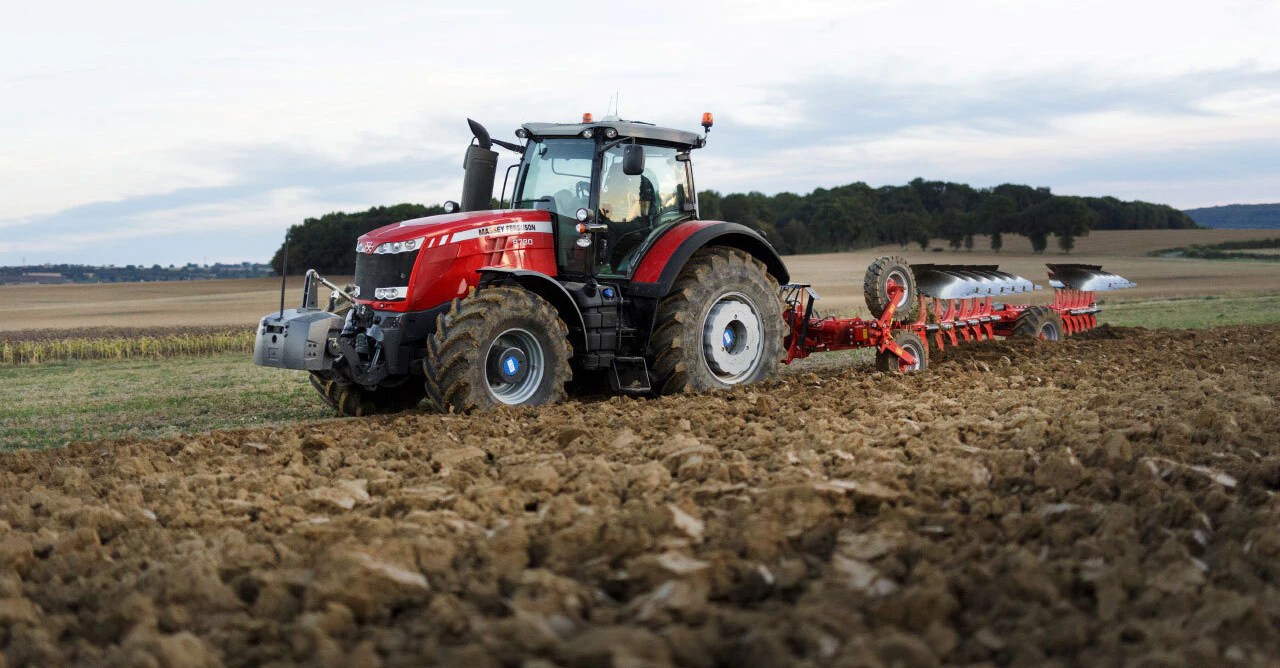
When farmers talk about improving yields, agriculture tyres and tractor tyres are not always the first factors they consider. Engines, implements, and soil preparation often take center stage. However, anyone with real field experience knows that the right tractor tyres influence nearly every aspect of farm performance—from daily fuel consumption to how well the soil maintains its structure throughout the growing season.
Soil compaction isn’t always dramatic. Sometimes it’s just a thin layer beneath the surface that hardens after repeated passes. Other times it shows up as a stubborn patch where water doesn’t drain the way it should. Whatever the case, tractor tyres play a much bigger role than many operators realize.
This is why agriculture tyres have become a serious topic for farm managers, large growers, and even equipment dealers. The right tyre can turn a long day into a smoother one—and save fuel at the same time.
In this article, we’ll take a practical look at how tyre design impacts soil health and fuel consumption, and what farmers should consider when choosing the best agriculture tyres for their tractors.
Why Soil Compaction Matters More Than Ever
Compaction quietly reduces yields
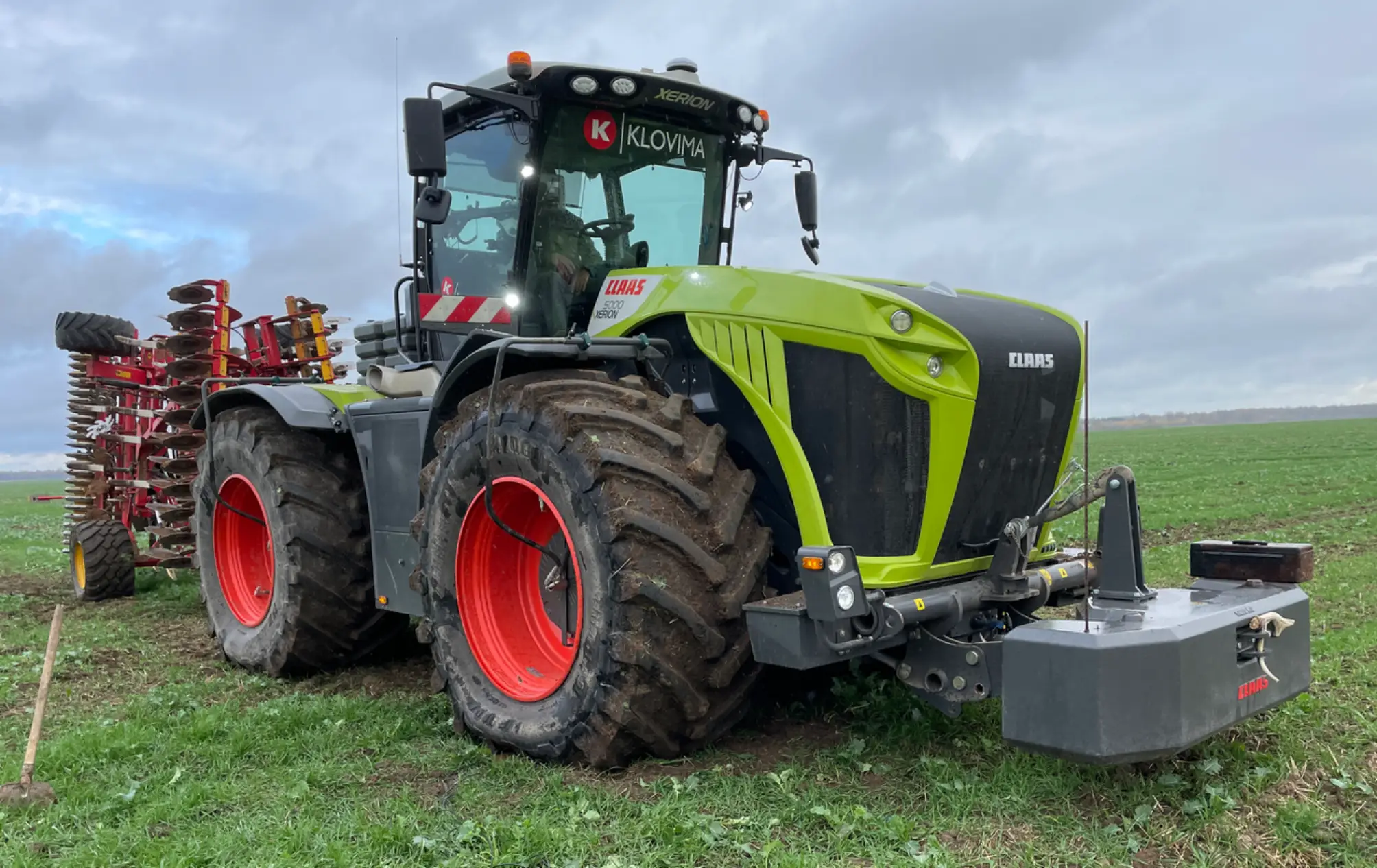
Most compaction damage happens where the tyre meets the soil. A narrow contact patch, high inflation pressure, and heavy equipment combine to squeeze soil particles together. When this happens repeatedly:
- Water infiltration slows
- Root systems stop spreading
- Soil microbes lose oxygen
- Crops become more vulnerable to stress
Compaction doesn’t always look dramatic, but its impact is very real—often cutting yields by 10% or more in affected zones.
Bigger tractors mean bigger risks
Modern tractors are heavier, stronger, and designed to pull wide implements. That’s great for productivity, but it also means the soil endures more load than it did 20 years ago. Without the right tyre setup, that added weight goes straight into the topsoil.
This is where tyre selection becomes a make-or-break decision.
How Agriculture Tyres Help Reduce Soil Compaction
Wider contact patch = better soil protection
When a tyre spreads weight over a larger area, the ground absorbs less pressure. This is one reason modern agriculture tyres often feature:
- Wider tread designs
- Larger diameters
- Flatter profiles
A broader footprint means the tractor doesn’t sink as aggressively into soft ground, especially when the soil is moist.
Low-pressure tyres make a huge difference
Running tyres at lower pressures—when the structure is built for it—helps the tyre flex and “float” more easily. This reduces rutting and protects topsoil.
Low-pressure tyres also perform better in:
- Spring planting conditions
- Tilled fields
- Sandy soils
- Moist environments
The lower the ground pressure, the healthier the soil stays.
Radial construction improves flexibility
Radial agriculture tyres don’t behave like traditional bias tyres. The sidewalls flex more freely while the tread remains firm. More flexibility means the tyre stays in better contact with the ground and distributes weight more evenly.
This translates into:
- Less soil disturbance
- Smoother passes
- Lower slip rates
Slip percentage might seem trivial, but it affects fuel consumption and compaction at the same time.
How Agriculture Tyres Influence Fuel Consumption
Traction determines how much fuel you burn
Poor traction isn’t just annoying—it burns fuel quickly. When a tractor slips, the engine works harder without producing equivalent movement. A tyre designed with deeper lugs or optimized lug angles grips the soil better and avoids the spinning that wastes diesel.
Better traction means:
- Fewer passes
- Less time in the field
- Lower hourly fuel usage
Even a small reduction in slip can add up across an entire season.
Rolling resistance impacts engine load
Good tyres roll smoothly rather than sinking into the ground. Radial tyres with softer sidewalls tend to reduce rolling resistance, which in turn:
- Reduces load on the engine
- Lets the tractor maintain speed more easily
- Avoids unnecessary downshifting
Across large farms running long field operations, the fuel savings become easy to notice.
Proper inflation saves fuel immediately
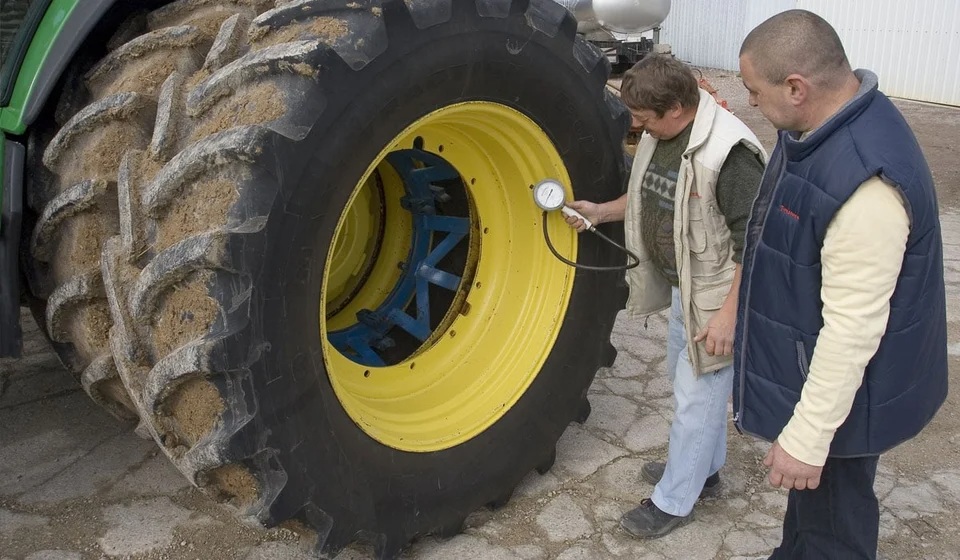
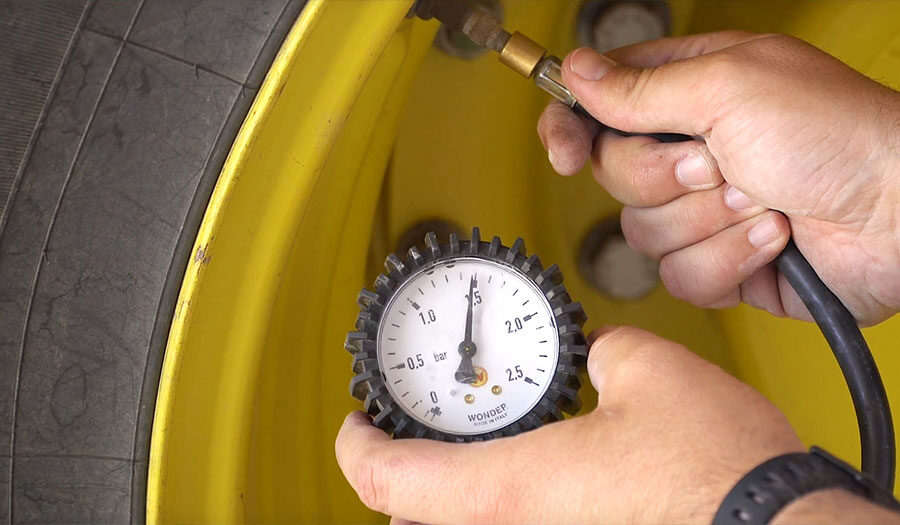
Overinflated tyres cut deep into the soil and pull harder. Underinflated tyres generate heat and flex too much. Getting the pressure right—matched to load and field condition—is one of the simplest ways to cut fuel costs.
Operators who check pressure regularly can see:
- 5–15% fuel savings
- Lower tyre wear
- Less compaction
Simple habits can produce real returns.
What to Look for in the Best Agriculture Tyres for Tractors
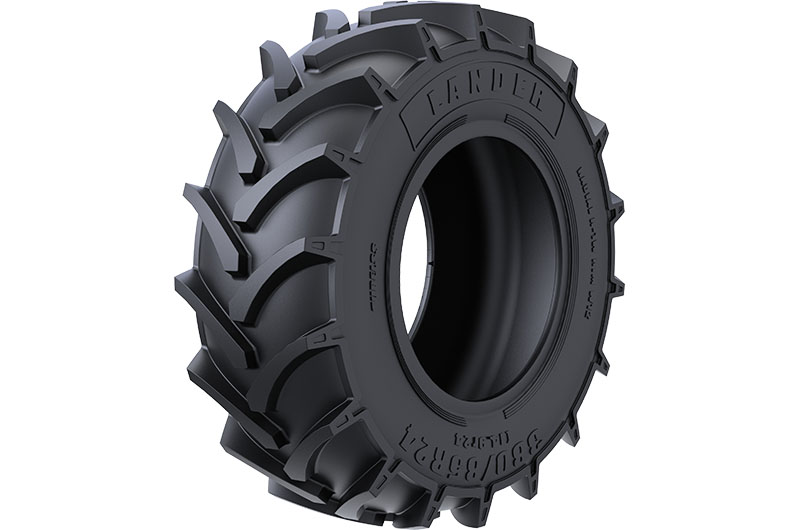
- High-flotation agriculture tyre designsfor working in softer or moist fields.
- Strong sidewall constructionto support heavy loads without deformation.
- Deep, self-cleaning tread patternsthat maintain traction and reduce fuel consumption.
- Radial tractor tyresfor better soil protection and improved efficiency.
- Durable, puncture-resistant carcassfor long-term reliability in rough field conditions
About Qingdao Lander Sky Tyre
Qingdao Lander Sky Tyre has built its reputation by focusing on the real demands of modern farms. The company specializes in designing high-quality agriculture tyres and tractor tyres with advanced structures, durable rubber compounds, and tread patterns engineered for long hours of field operation.
What customers tend to appreciate is the consistency. Each batch is produced under strict quality checks, and the team has extensive experience with export requirements and field performance expectations across different regions. For dealers, large growers, and equipment distributors, this reliability reduces after-sales risk and simplifies procurement.
Conclusion
Agriculture tyres do much more than support the tractor’s weight. They shape the way the machine interacts with the soil, determine how efficiently fuel gets used, and influence how well the field performs season after season.
Choosing the right tyre isn’t only a technical decision—it’s an investment in long-term soil health. With the right tread design, pressure setup, and tyre structure, farmers can protect their fields, reduce fuel bills, and improve productivity at the same time.
For buyers who need tyres that balance durability with thoughtful engineering, working with an experienced manufacturer like Qingdao Lander Sky Tyre brings long-term value.
FAQs About Agriculture Tyres for Tractors
What tyre features matter most in muddy or wet fields?
Deep lugs, strong sidewalls, and self-cleaning tread designs help maintain traction and reduce slip, especially when selecting agriculture tyres for muddy conditions.
How long do quality agriculture tyres typically last?
Lifespan varies based on field conditions, loads, and inflation practices. With proper maintenance, high-quality tractor tyres can last several seasons without losing performance.
Does changing tyre pressure really affect fuel consumption?
Yes. Proper inflation reduces slip and rolling resistance. Both factors have a noticeable impact on fuel usage during long field operations.
Are radial tyres always better than bias tyres for tractors?
For most field applications, radial tyres offer better soil protection and better fuel efficiency. Bias tyres may still work well for heavy transport or loader applications, but for fieldwork, radials usually perform better.
What tyre features matter most in muddy or wet fields?
Deep lugs, strong sidewalls, and good self-cleaning properties help the tyre maintain traction and prevent excessive slip.
How long do good agriculture tyres typically last?
Lifespan depends on loads, field conditions, and inflation practices. With proper maintenance, quality agriculture tyres can last for many seasons without losing performance.



Leave a comments