

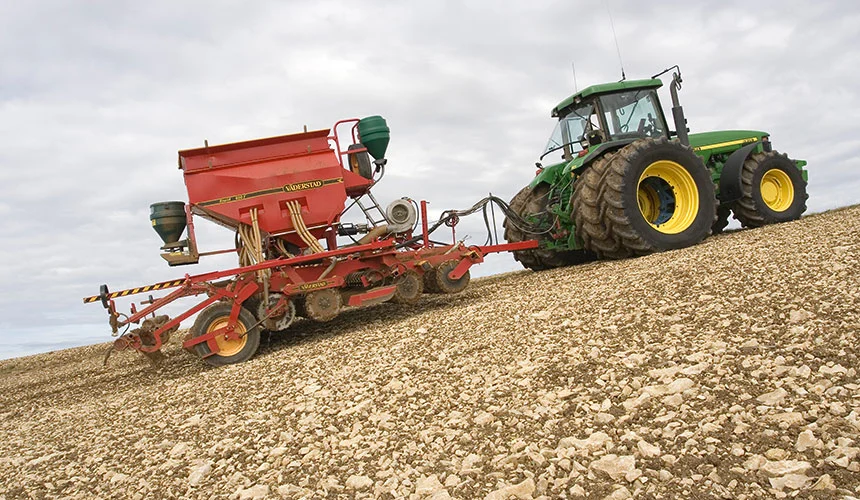
Agricultural machinery nowadays covers serious road distance. Pulling loaded grain trailers to far collection points, moving heavy implements between contract jobs, or carrying produce straight to buyers regularly pushes paved-road time into the 30–50 percent range of total operating hours. Asphalt and concrete hit rubber much harder than soil — constant abrasive action, fast internal heat rise, and steady grinding take tread depth away at a much quicker pace than field-only running.
Tyres that hold up well in transport-heavy duty show three main strengths: real durability against repeated heavy load and surface abrasion, solid performance and stability at transport speeds, and actual wear resistance that keeps usable tread depth over long highway stretches. When these three points line up correctly, operators get clear returns — longer time between tyre changes, noticeably lower rolling resistance that helps reduce fuel burn, and better machine availability when the schedule is tight.
Understanding the Challenges of Road Transport with Agricultural Tyres
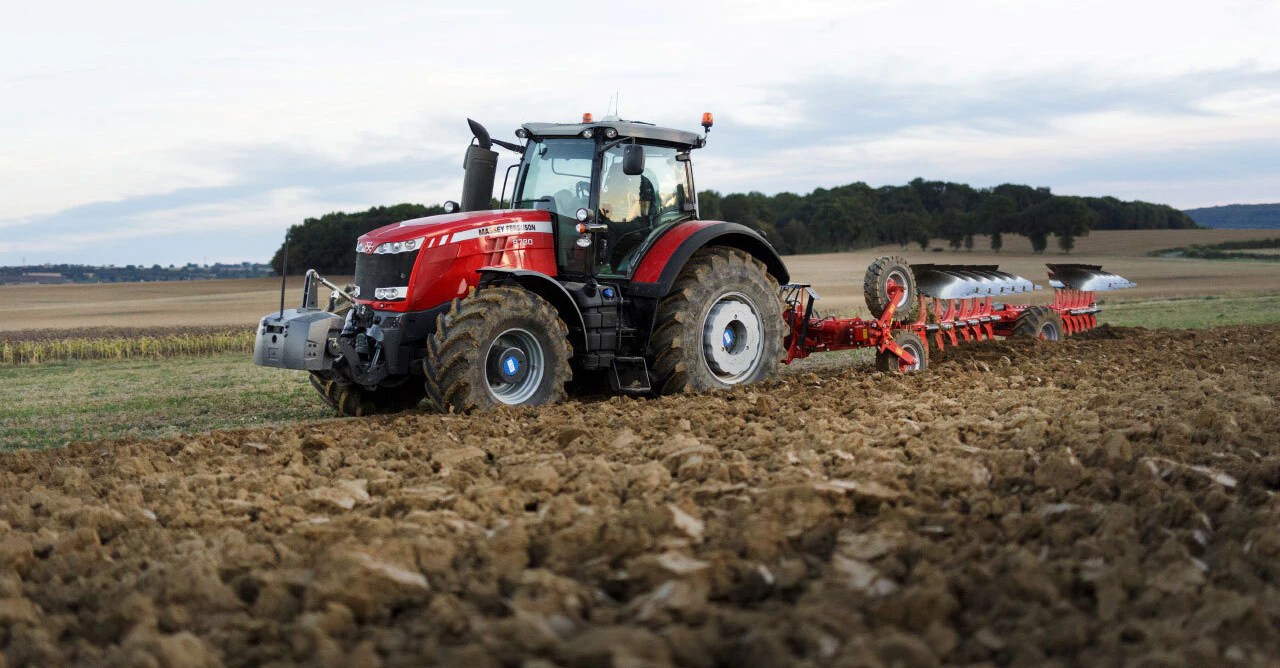
Hard road surfaces punish agricultural tyres far more than fields do. Continuous contact with abrasive pavement removes rubber steadily, especially when axle loads stay high or cruising speed is held for long periods. Extended road running creates considerable internal heat; the temperature rise softens compounds, puts extra stress on belts, and speeds up overall casing breakdown.
After several transport-heavy weeks the wear signs usually become obvious: center tread disappears fastest because of constant pavement pressure, shoulders show uneven loss from cornering forces, sidewalls pick up cuts and marks from roadside debris. When the same set of tyres has to handle deep field work one shift and long paved transfers the next, these wear patterns develop much quicker. Road joints send vibrations that fatigue the structure and wrong inflation pressure turns light scrubbing into serious heat buildup and material loss.
A large part of the problem comes from necessary design trade-offs. Deep-lug field patterns give very good traction in mud and loose soil, but they create high rolling resistance, loud road noise, and dangerous heat generation the moment pavement becomes the main surface. Without specific road-focused features, tyres in transport-heavy use very often reach only half — or clearly less — of their expected service life.
Key Features to Look for in Road-Capable Agricultural Tyres
Radial construction brings the biggest structural advantage for road-intensive work. Radial plies going bead to bead combined with steel belts running around under the tread create a wider and flatter footprint. That design spreads pressure more evenly, cuts rolling resistance quite a lot, and gets rid of internal heat much better than bias-ply construction. Field records show radials frequently adding 30 percent or more service hours in mixed or mainly transport duty.
Speed rating has to match the real usage. D-rated construction is built for continuous running up to 65 km/h, and some lines go higher to fit faster modern tractors. Higher ratings come from stronger casings, heat-stable compounds, and belt packages that handle centrifugal forces and temperature rise — things that become very important on longer hauls.
Tread pattern shape affects hard-surface wear directly. Rounded lug shoulders, variable block pitch, or hybrid transitional layouts reduce side scrubbing during turns and lower vibration over uneven or jointed pavement. These patterns keep contact area more consistent than very aggressive directional lugs, which lowers unit pressure and slows down abrasive wear. Compounds made with modern polymers resist heat softening, surface cracking, and chunking, giving clearly longer mileage when running on roads.
Steel belts placed under the tread make the footprint stiffer for better tracking at speed, improve protection against road debris penetration, and help move heat away from the inner areas. Stronger, thicker sidewalls limit how much the tyre flexes under load, cutting down fatigue during heavy transport runs.
Top Considerations for Durability in Road Transport Scenarios
Take a normal mid-size farm where the main tractor pulls loaded grain trailers 40 km round trip several times a week during harvest. Field-pattern tyres in that kind of cycle usually drop below 1,500 service hours. Tyres built with durable compound mixes and stronger structure very often go beyond 2,500 hours under the same conditions.
Abrasion-resistant outer layers stand up well to pavement grit and tearing, while the inner compound stays flexible through temperature changes. Even, gradual tread wear — without fast center loss or heavy shoulder cupping — shows a tyre is properly suited to transport work. Correct load rating keeps the tyre profile stable when fully loaded, which reduces distortion, heat buildup, and uneven contact.
Good stability at transport speed prevents sway or bounce, especially on wide implements and multi-axle trailers. Wider section width helps with lateral control, making the whole outfit feel more secure during normal road movements.
Comparing Tyre Types for Optimal Road Performance
Standard R-1 lugs give excellent pull in soft, wet, or loose ground. On pavement they pay a heavy price — high rolling resistance pushes internal temperature up, open lugs increase vibration and road noise, sharp edges scrub hard every time the direction changes.
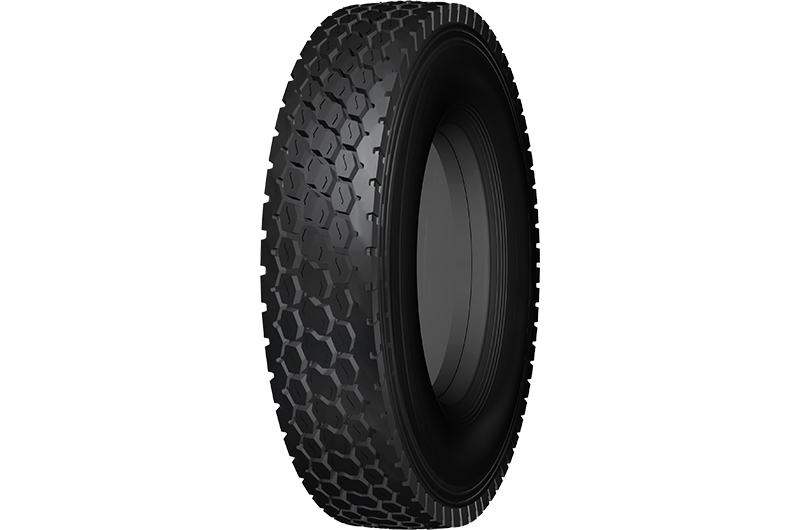
Radials made with road transport in mind shift the focus toward pavement efficiency. Broader tread areas and shallower block patterns create larger, more stable contact on hard surfaces, cutting friction and cabin noise while still keeping enough grip for light field work when needed. Implement lines built for trailers and haulage put emphasis on high load capacity with controlled soil pressure during short off-road parts.
Many current agricultural radial families now use dual-compound tread areas: very hard-wearing outer layers for abrasion combined with heat-tolerant inner layers that protect belts and casing. That combination gives quieter highway running, much longer mileage, and better ability to handle different jobs without changing tyres often.
Practical Tips to Maximize Speed and Minimize Wear on Roads
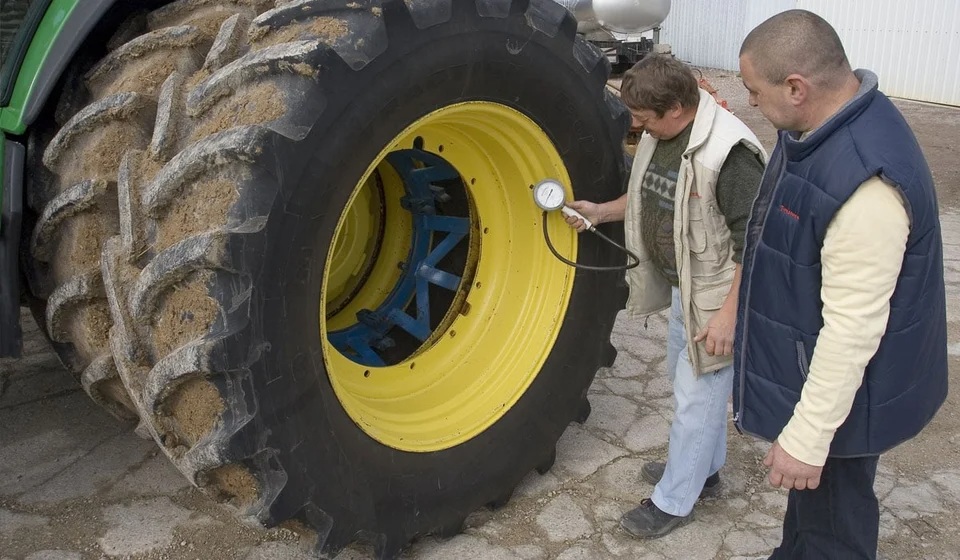
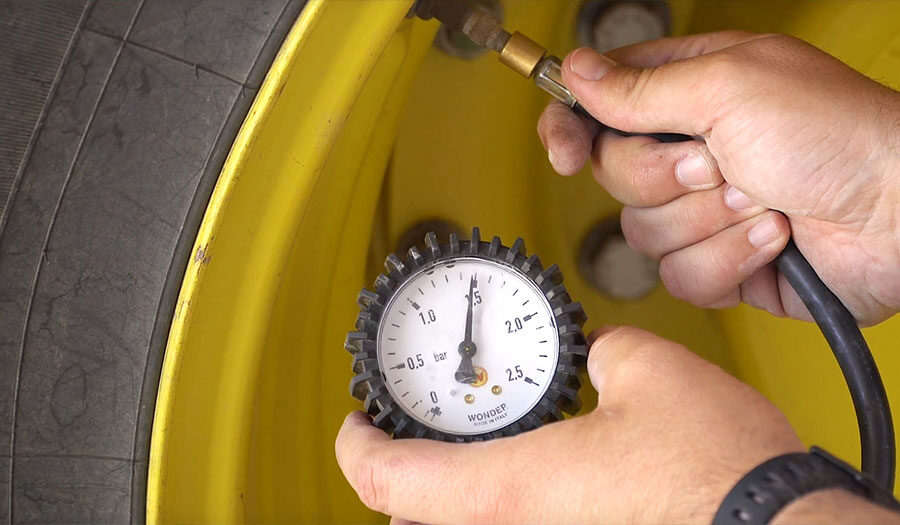
Inflation pressure is still the biggest single thing operators can control. Road work needs higher pressure than field work to stop sidewall roll and keep wear even across the tread. Always check the load/speed inflation tables and set the pressure exactly.
Do regular checks about every 100 road hours — take out any stones that are stuck, look at sidewalls for cuts or bulges, keep track of any irregular wear that starts to show. Rotate the tyres between positions to spread the different axle wear more evenly.
The way the machine is driven matters a lot: smooth throttle on, smooth braking, steady cruising speed keeps heat and stress peaks lower. When planning the route, choosing gentler hills and wider turns helps reduce sidewall loading.
Storage during the off-season needs proper attention too. Clean the tyres well before putting them away, keep them out of direct sun and away from ozone sources, and leave moderate pressure in them to avoid flat spots and cracking.
Selecting the Right Tyres for Your Farm’s Road Transport Needs
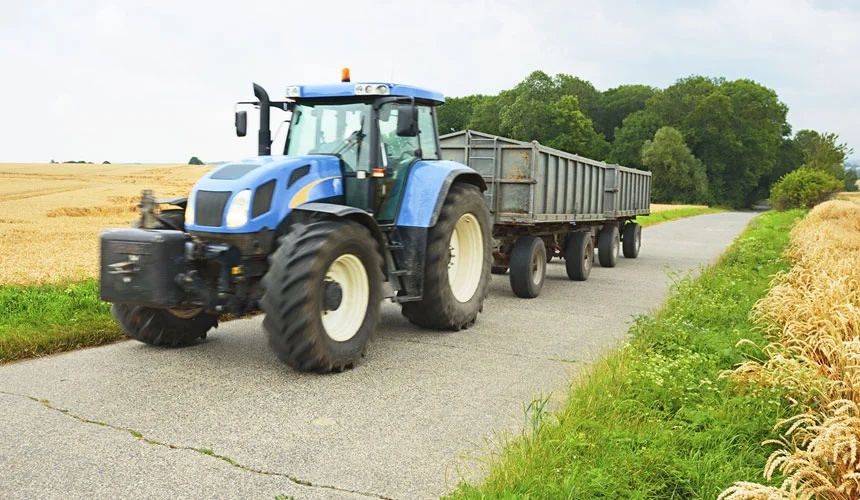
First step is getting a clear picture of real usage split. Scattered fields or heavy contract transport work point toward tyres that lean more toward road characteristics — higher speed ratings, abrasion-resistant compounds, casings that stay stable at speed. Farms that work mostly heavy sticky soil but have occasional long road moves usually do better with hybrid patterns that keep good field traction while cutting pavement wear penalty.
Look at total cost of ownership rather than just the purchase price. Longer life means much less downtime, fewer labour hours for changes, and lower cost per operating hour, which very often makes a small extra cost at buying time worth it. Three-year warranty coverage gives real extra protection against early problems.
Operators who run mixed fleets normally want the widest possible use — tyres that can move between highway trailer work and moderate field duty without fast tread loss or big drop in grip.
About Qingdao Lander Sky Tyre
Qingdao Lander Sky Tyre Co., Ltd., started in 2013 and located in Qingdao, China, produces both radial and bias tyres covering agricultural, truck, OTR, industrial, and forklift lines. Five workshops over 3,000 square meters run very tight quality control from raw materials all the way through to finished product. The whole range holds GCC, DOT, ECE, and CCC approvals.
The agricultural side focuses on radial AGR series made with high-performance compounds and strong casings for good durability and low soil compaction. Other important patterns include R2-NEW for better wet grip and puncture protection, R1-NEW with alternating lugs to reduce vibration, IMP100 designed for on- and off-road transport with high load capacity, and I3 series that put strong focus on wear resistance and implement handling. Products go to more than 60 countries with three-year warranty and strong emphasis on quick response and long-term cooperation.
Conclusion
Tyres that have to handle serious road transport need much more than just field traction. Durability under continuous heavy load, good speed capability, and strong wear resistance decide how long the rubber actually lasts and how well costs stay controlled. Radial construction, properly chosen speed ratings, advanced compound mixes, and regular maintenance habits push service life much higher — even when road kilometres come close to or pass field hours. The right choice cuts unexpected stops, brings total cost down, and keeps machines running smoothly through the busiest times.
Frequently Asked Questions (FAQs)
Why do agricultural tyres wear much faster on roads than in fields?
Asphalt creates constant high-friction contact that removes rubber much quicker than soil. Combined with steady transport speeds and heavy loads the heat softens compounds and speeds up tread loss — very often cutting life by 40 to 60 percent compared with mostly field use.
What are the most important features for agricultural tyres used mainly on roads?
Radial construction comes first for better heat removal and longer life, together with correct speed rating (D for continuous 65 km/h), abrasion-resistant compounds, and tread patterns that use rounded shoulders or block design to keep scrubbing and rolling resistance low on pavement.
How can tyre life be made longer during frequent road transport?
Set inflation pressure correctly — higher for road running to get even wear. Check tyres regularly for stones, cuts, or uneven wear patterns, rotate positions to balance axle wear, drive smoothly to control heat, and store tyres properly during off-season to prevent cracking or flat spots.
Are radial agricultural tyres better for mixed field and road work?
Radial construction generally gives wider footprints, clearly lower rolling resistance, and much better heat management, leading to longer overall life and improved stability at speed compared with bias-ply tyres — especially useful when road transport takes a large part of total hours.
How important is the speed rating for agricultural tyres on highways?
Speed rating shows how well the tyre can handle heat and centrifugal forces at steady high speeds without casing fatigue or failure. Wrong or too low rating increases overheating risk on long hauls, so matching the rating to normal transport speeds directly affects safety and tyre life.



Leave a comments