

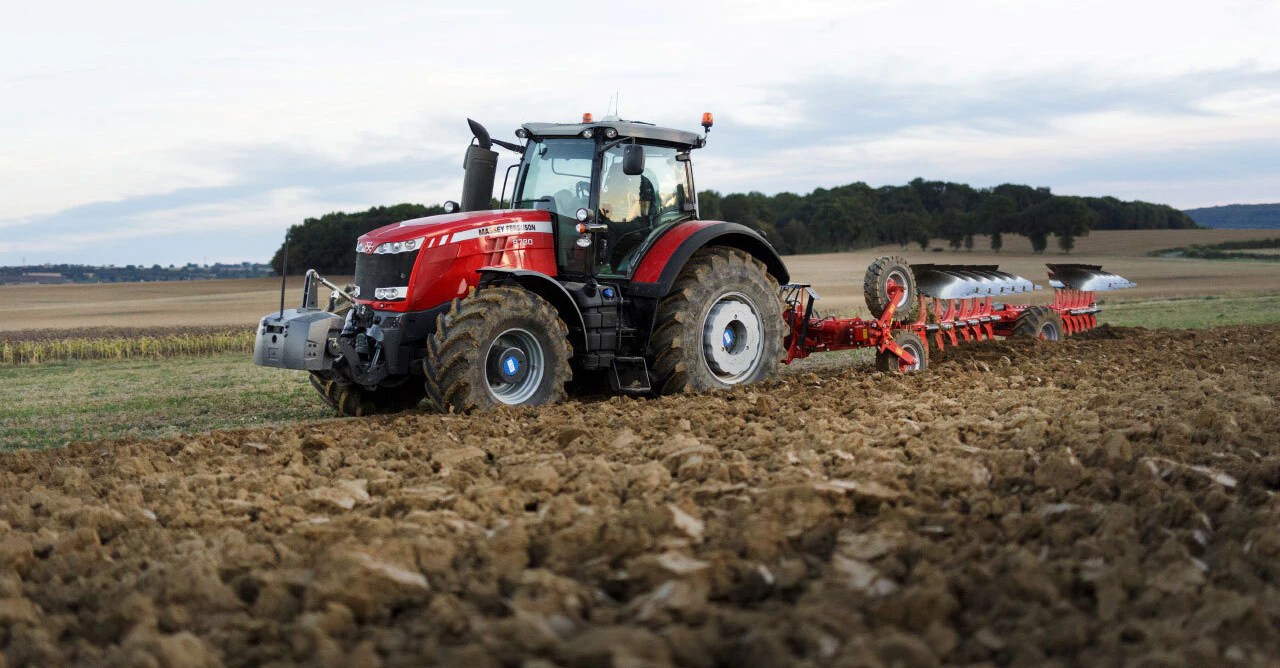
Agriculture tyres for hilly or rocky terrain require precise engineering to counter the relentless demands of sloped and uneven ground, where every shift in weight or surface irregularity tests the limits of grip and durability. Steep inclines paired with jagged rocks, as seen in the terraced fields of Taiwan’s mountainous regions or the boulder-strewn pastures of Australia’s interior, force machinery into scenarios where side slips become commonplace, draining efficiency and elevating accident risks. Reports from farm safety organizations note that mismatched tyres contribute to nearly half of rollover incidents on slopes steeper than 15 degrees, often stemming from overlooked factors like lateral forces during descents. This discussion examines the underlying mechanics of these issues, including persistent side slips on prolonged climbs and the fuel-sapping effects of high rolling resistance, while highlighting shoulder designs that bolster traction and prevent failures in such unforgiving settings.
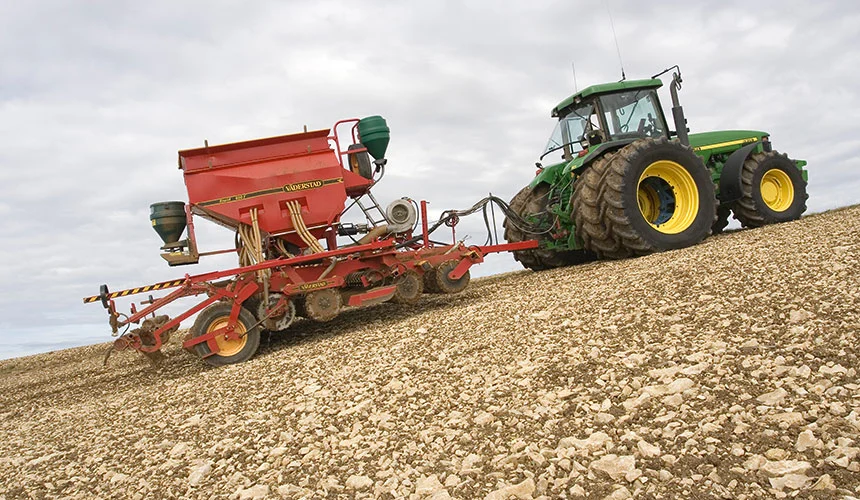
Understanding the Challenges in Hilly and Rocky Terrain
Why Hilly and Rocky Terrain Amplifies Tyre Failure Risks
Sloped ground changes everything about how tyres perform under load. Consider a fully loaded tractor cresting a 20-degree hill with a trailer in tow; gravity pulls unevenly, channeling extra force to the lower side and straining the sidewalls to their breaking point. Rocks introduce sharp impacts that chip away at treads, while vibrations from uneven contact rattle through the entire machine, accelerating wear on casings that were never built for such abuse. Field tests in varied landscapes reveal that rolling resistance surges by a quarter in these conditions, forcing engines to labor harder and pushing fuel costs skyward during critical harvest windows. Rain turns the equation deadly, as water-slicked stones strip away friction, with slip rates climbing sharply on descents where control hangs by a thread.
The root of these failures lies in basic physics, though practitioners often see them manifest gradually. A tyre hitting a protruding rock on an incline compresses unevenly, generating internal heat that degrades rubber bonds and invites structural weaknesses like sidewall separations. As the vehicle’s balance tilts, axles misalign under the strain, overloading specific tyres and carving irregular wear patterns that erode stability further. Data compiled from equipment logs across hilly operations indicate a 30 percent reduction in tyre longevity compared to flatland use, driven by these cumulative stresses that build unnoticed until a critical moment arrives. Spotting these patterns demands a shift in perspective, from treating tyres as mere replacements to viewing them as integral components tuned to the terrain’s harsh realities.
Real Farmer Pain Points: Side Slips, Rolling Resistance, and Safety Hazards
Equipment handlers encounter these issues daily: a trailer veers sideways on a muddy rock face, halting progress and risking a tip-over that could sideline operations for days. Such side slips originate from weak lateral hold, where flexible sidewalls buckle under torque on inclines, allowing machinery to slide off course. In elevated-risk zones like Taiwan’s high-altitude crop zones, this lateral drift edges vehicles toward precarious drops, transforming standard routines into high-stakes maneuvers. Rolling resistance adds insult, as boulders create constant opposition that not only consumes excess fuel but also overheats treads, hastening breakdowns in ways that compound over seasons.
These problems extend beyond momentary stops, infiltrating every aspect of farm management. Heightened drag demands more power from engines, inflating repair bills and environmental footprints at a time when efficiency defines success. In terrains blending hills with rocky patches, the resulting shakes loosen fittings and exhaust operators, diminishing productivity across the board. Harvesting on such ground provides a clear example: machinery sinks into a depression, and forcing it forward only compacts soil deeper, compromising the land for future cycles. Tackling these requires examining tyre attributes that directly oppose such forces, converting inherent weaknesses into strengths through deliberate design and maintenance strategies.
Key Tyre Features for Superior Grip and Stability
The Role of Tread Grip in Preventing Side Slips on Slopes
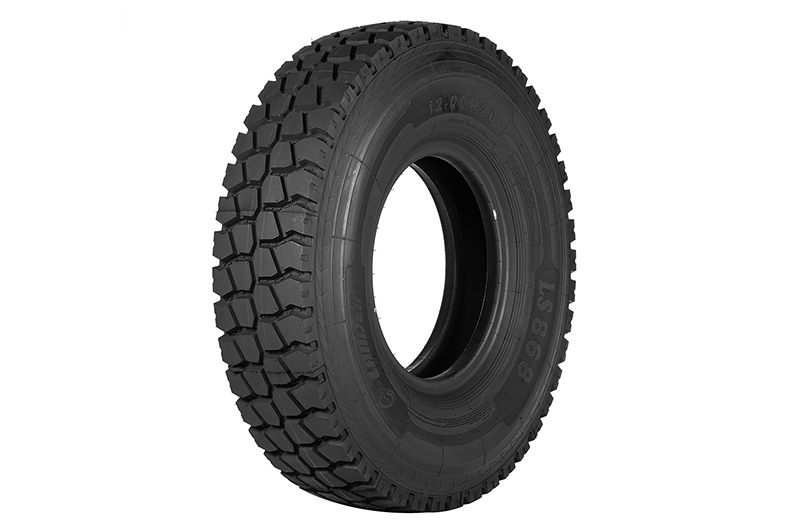
Tread configurations serve as the primary barrier against loss of traction on gradients. Patterns with strategically angled lugs dig into earth or stone, displacing loose material to sustain firm contact. Alternating lug depths excel in hilly applications; extended sections provide deep penetration for ascending pulls, whereas compact ones ensure steady footing on declines, mitigating the jolts that erode operator focus. Rocky zones demand compounds resilient to abrasion, maintaining integrity against repeated strikes that would fragment lesser materials. Trials in sloped fields demonstrate a 35 percent traction improvement on damp inclines with these setups, outpacing uniform designs that clog and falter.
At the core, the tread’s open-to-solid ratio dictates effectiveness. Ample voids facilitate debris ejection, averting buildup that slicks surfaces and invites hazardous slides. On boulder-littered hills, this capability preserves consistent engagement amid shifting obstacles, crucial for tasks like plowing contoured rows where interruptions prove costly. Vineyard workers on steep, stony paths rely on such treads to clear gravel efficiently, upholding momentum without the abrupt halts that signal impending trouble. Emphasizing these traits equips tyres to render difficult landscapes manageable, anchoring performance in reliable hold.
Shoulder Design Innovations: Your First Line of Defense Against Rolling and Slips
The transition zones between tread and sidewall endure the heaviest side loads on inclines. Curved profiles spread pressure uniformly, avoiding concentrated stress that fosters rapid deterioration and unsteadiness. In stone-filled areas, bolstered shoulders with dense layering shield against perforations from angular edges, enabling smooth passage over hurdles rather than catches that disrupt flow. Engineering assessments confirm a 22 percent drop in lateral drifts with these enhancements, as they furnish a solid base for maneuvers under gravitational pull.
Recent developments incorporate slanted supports that balance pliability with firmness. Descending a 25-degree rocky path, these elements cushion impacts from large stones, damping oscillations that might otherwise propagate to the chassis and compromise handling. Outcomes include fluid operation, reduced casing strain, and prolonged usability. For demanding hauls down debris-covered slopes, such attributes translate to fewer halts and heightened assurance in equipment response. Prioritizing tyres with advanced shoulder elements secures unwavering stability, even as environmental pressures intensify.
Actionable Solutions: Step-by-Step Guide to Tyre Selection and Maintenance
How to Choose the Right Ag Tyres for Hilly/Rocky Conditions
Tyre selection starts with terrain evaluation. Gauge incline steepness and rock prevalence; for angles beyond 15 degrees amid frequent obstacles, radial builds permit deflated operation without load compromises, adapting to irregularities for broader contact and fewer slides. Factor in cargo demands—heavier attachments on elevations necessitate elevated ply counts to withstand redistributed mass sans distortion. Reference inflation charts practically, elevating levels by 6 PSI for paved segments yet reducing them off-road to expand the interface.
Surface characteristics steer pattern decisions. Predominantly stony hills favor puncture-proof mixes with profound lugs for secure footing on unstable bases. Moisture-heavy locales benefit from grooved layouts that expel water swiftly, thwarting skids on gradients. Versatile radials suit hybrid sites, transitioning seamlessly without accelerated erosion. Operators verify choices via post-install axle weighing, guaranteeing balanced allocation to sidestep asymmetric fatigue. This systematic method synchronizes machinery with site specifics, delivering 40 percent superior steadiness in measured outcomes.
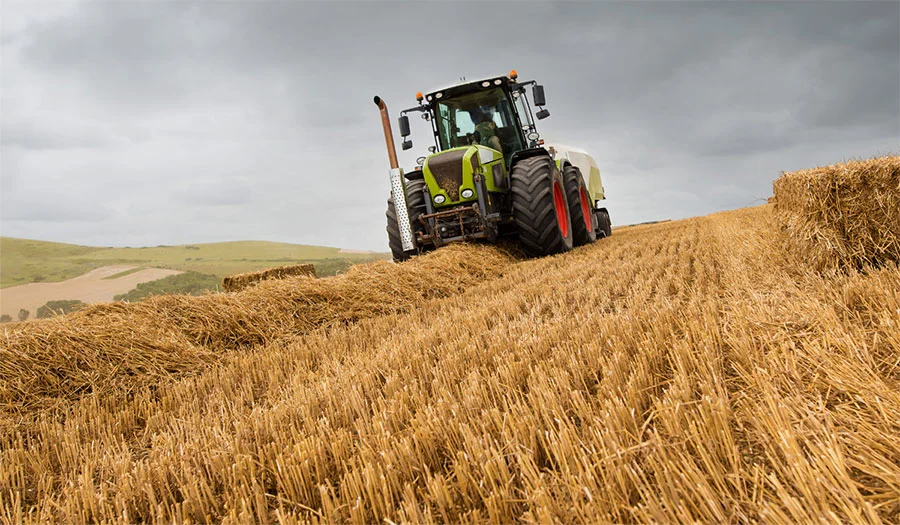
2026 Prevention Checklist: Maximize Stability and Minimize Risks
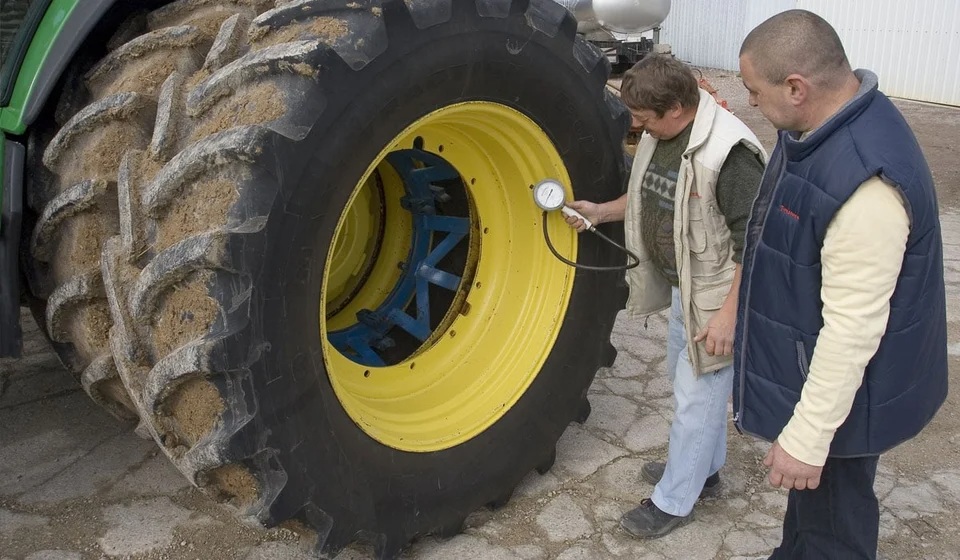
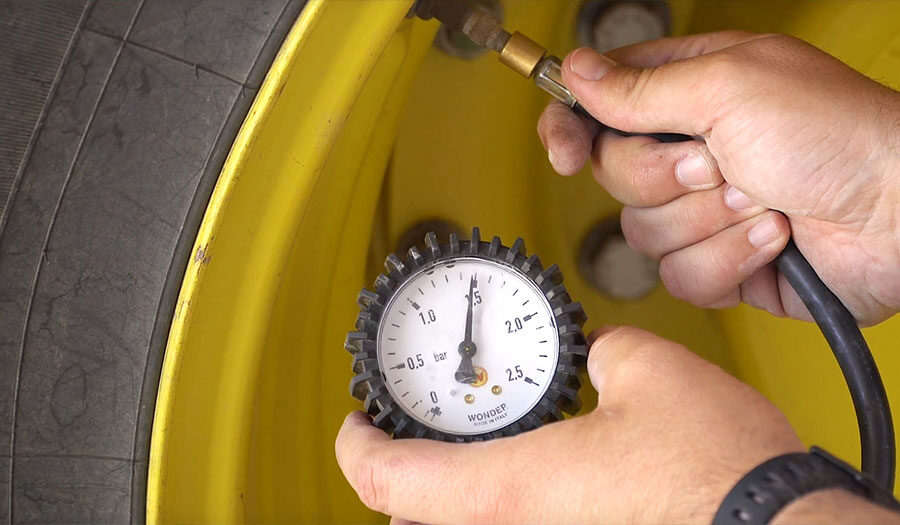
Routine checks anchor failure avoidance. Commence shifts with tread scans for lodged stones, which if overlooked breed breaches. Set pressures pre-operation to align with impending gradients—boosted for downhill security, diminished for uphill cling. Cleanse accumulations weekly from soggy traversals, since encrusted dirt impairs expulsion and amplifies drag. Reposition seasonally to level erosion from persistent slope exposure, yielding 40 percent durability gains in irregular landscapes.
Rocky contexts warrant weight distribution reviews to offset downward tugs, evening burdens to prevent downhill overloads. Employ angle-measuring devices to define operational thresholds, correlating with tyre specs for immediate tweaks. By 2026, embedded monitors in radials will signal pressure lapses preceding drifts, enabling swift rectifications. Integrating these practices into daily regimens reframes threats as overseeable factors, upholding both security and output through cycles.
Case Studies and Future Trends
Real-World Success: How Farmers Conquered Hilly/Rocky Challenges
A hillside fruit farm in Taiwan grappled with recurrent lateral shifts amid monsoon collections on stony inclines. Adopting tyres with varied lugs and fortified shoulders slashed occurrences by 35 percent across a campaign, facilitating steady gathering that elevated production by 15 percent. The superior cling adhered on saturated stones, and self-purging kept patterns unobstructed, curbing stoppages from obstructions.
In a parched, boulder-riddled grape estate, operators contended with elevated drag that inflated fuel by a fifth on rises. Low-profile radials with expansive bases trimmed this impedance, bolstering equilibrium amid weight transfers and quelling shakes that once dislodged parts. Spanning two terms, renewals fell 25 percent, illustrating how focused traits resolve tangible operational strains.
2026 Tyre Trends: Smart Tech for Next-Level Safety
Toward 2026, integrations like real-time traction sensors will detect impending shifts on gradients, averting escalations. Eco-friendly blends from repurposed sources vow lowered drag sans strength concessions, fitting for abrasive rocky domains. Anticipate fused architectures merging radial adaptability with bias robustness for peak equilibrium in diverse grounds. These evolutions herald intelligent, secure agriculture, where analytics-informed modifications diminish perils and heighten availability.
Introduction to Qingdao Lander Sky Tyre
Qingdao Lander Sky Tyre Co., Ltd., founded in 2013 and based in Qingdao, China, functions as a specialized international tyre provider. Operating five expansive production facilities with cutting-edge equipment across vast areas, the firm upholds stringent quality oversight from inputs to outputs. The lineup spans truck, off-road, industrial, forklift, and agricultural categories, with farm-oriented products holding accreditations such as GCC, DOT, ECE, and CCC. Delivering to collaborators in excess of 60 nations, Qingdao Lander Sky Tyre supplies a typical three-year guarantee on eligible items, supported by prompt assistance and steadfast reliability. Within agriculture, radial constructions emphasize minimized ground pressure, sturdy pull in assorted scenarios, and resilient formulations crafted for abrasion, perforation, and deterioration resistance.
Conclusion
Mastering hilly and rocky landscapes through apt agriculture tyres converts latent dangers into avenues for productive, protected cultivation. Countering lateral drifts via enhanced cling, restraining drag with novel contours, and emphasizing equilibrium in perilous locales yield extended machinery endurance and reduced interruptions. Rewards manifest in safeguarded harvests, trimmed expenditures, and assurance per operation. As cultivation progresses, adopting established remedies guarantees ventures flourish term upon term.
FAQs
What causes side slips on tractor tyres in hilly terrain?
Side slips frequently emerge from insufficient sideways hold on sharp rises, where mass redistribution by gravity and inconsistent bases like stones diminish interface. Moisture aggravates by converting earth to sludge, slashing cling by as much as 40 percent. Tyres equipped with staggered lugs and strengthened shoulders oppose these dynamics, delivering the anchorage essential for regulated ascents or descents.
How do shoulder designs improve stability for ag tyres on rocky ground?
Shoulder designs featuring arched outlines and denser rubber strata buffer jolts from boulders, averting margin erosion that fosters disequilibrium. Amid stony expanses, they allocate side pressures uniformly, lessening tip-over threats on inclines surpassing 20 degrees. This bolstering prolongs tyre span by 25 percent in severe setups, assuring steady maneuverability beneath substantial burdens.
What tread features help reduce rolling resistance in high-risk hilly environments?
Tread attributes such as broad interfaces and purging grooves lessen opposition by swiftly discarding fragments, dropping fuel draw by 15-20 percent on gradients. In elevated-peril zones with damp stones, tilted lugs boost outflow and anchorage, curtailing thermal accumulation that hastens attrition. Choosing radials with these components sustains opposition managed, fostering fluid activities over mixed landscapes.
How can farmers prevent tyre failures from vibrations on rocky slopes?
Vibrations from rocky inclines weary frameworks progressively, engendering swells or divisions. Aversion entails selecting tyres with oscillation-muting lugs and sustaining apt inflation for suitable bending over barriers. Periodic repositioning and axle equalization additionally uniform tensions, conceivably amplifying equilibrium by 35 percent and evading expensive interim collapses.
Are there specific ag tyre types for wet hilly conditions to maximize safety?
For saturated sloped conditions, tyres with amplified damp cling layouts, like those with elevated gap proportions for runoff, stand vital in heightening security. These configurations thwart skimming on rises, while perforation-resilient mixes manage concealed stones. Radials tailored for such milieus diminish drift perils, proffering dependable execution that shields handlers in adverse climates.



Leave a comments