

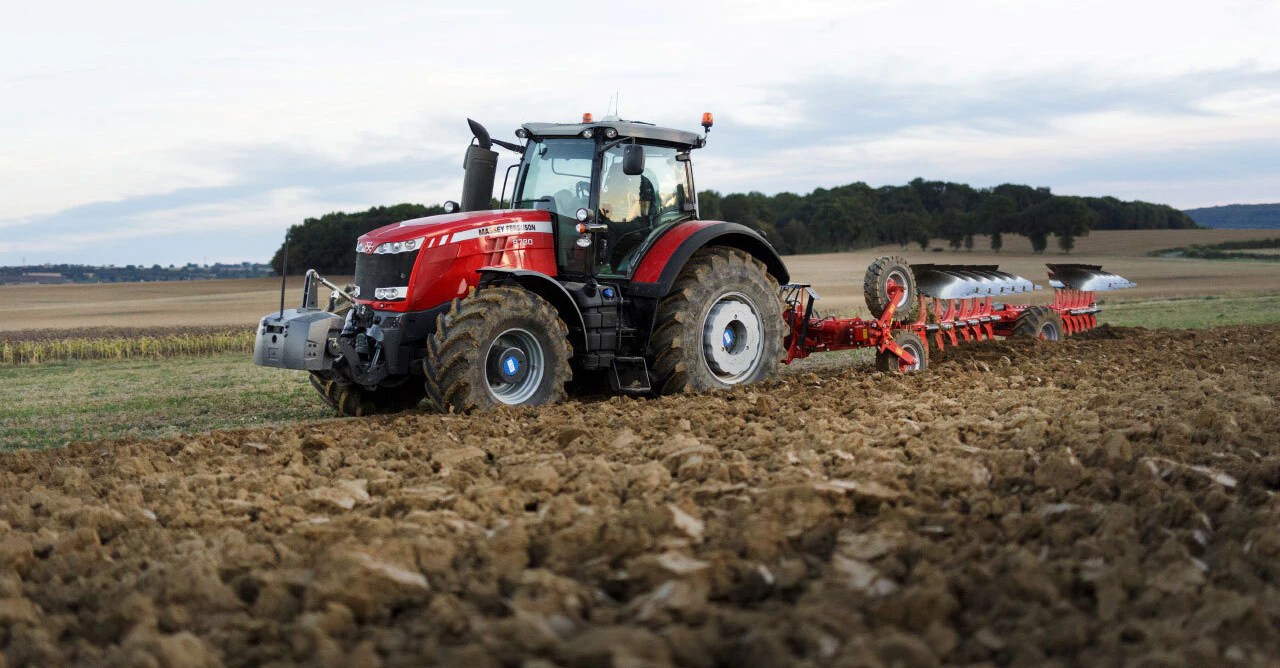
Harvest season is the make-or-break time for many farming operations. Combines and tractors work long hours, often from dawn to dusk, moving through fields under changing conditions. Grain tanks fill to capacity. Trailers load heavy. The weight on the tyres shifts constantly as machines empty and refill. Fields throw up stubble, loose soil, wet patches, or hidden rocks. A tyre that cannot cope leads to flats, slip, or bogging down right when time is tight. Soil left compacted from heavy passes affects yields the following year. Fuel burns faster with poor traction. Farmers and contractors look for agriculture tyres that carry the load reliably while keeping traction solid and ground pressure low. The choices made ahead of the season influence how smoothly everything runs and what the final costs look like.
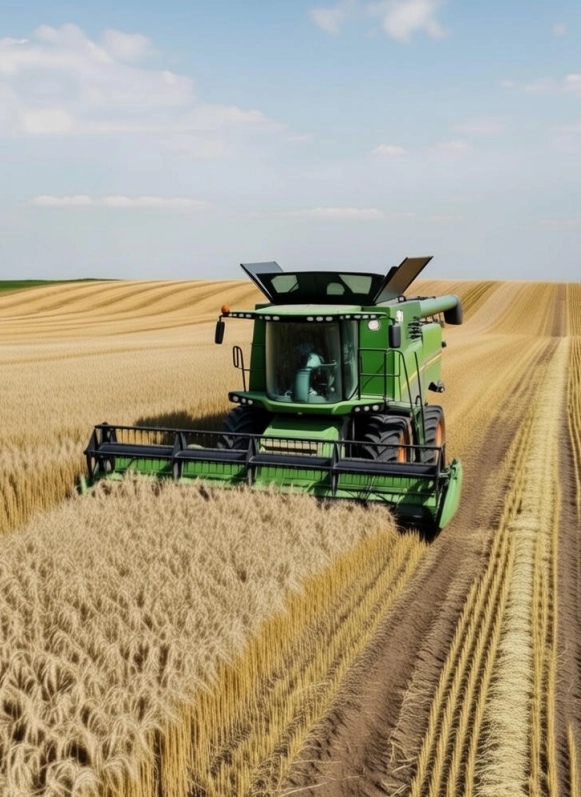
The Demands Placed on Agriculture Tyres During Harvest
Harvest brings some of the heaviest loads farm machinery sees all year. Large combines carry full hoppers weighing several tonnes. Front tyres on modern machines often support 8 to 12 tonnes each when loaded. Rear tyres manage steering under that weight plus the machine’s own mass. Tractors pulling grain carts or trailers add similar axle loads during transport phases.
Field conditions vary day to day and even hour to hour. Dry stubble leaves sharp residues that can cut into rubber. Rain creates soft spots where traction disappears. Loose topsoil allows sinking if the contact area is small. Continuous runs mean tyres heat up from friction and long hours on the job. Road transfers between fields add speed and vibration that stress sidewalls.
Downtime hits hard during harvest. A punctured tyre or bogged machine stops the whole chain. Crews lose valuable hours fixing or waiting for help. Compacted soil reduces water infiltration and root growth for following crops. Slip wastes fuel and time per hectare. Agriculture tyres for harvest season need to balance load support, traction, puncture resistance, and soil care to keep work flowing.
Different crops and regions bring their own twists. Corn stubble is sharp and abrasive. Rice paddies stay wet and slippery. Wheat fields can be dry and hard or soft after rain. Larger operations with multiple machines amplify the need for consistent performance across the fleet.
Key Factors Affecting Load Capacity in Harvest Tyres
Load capacity starts with tyre construction. Radial agriculture tyres use cords running perpendicular to travel direction, with stabilising belts under the tread. This allows flexible sidewalls and a flat, wide footprint. Bias ply tyres have cords crossing diagonally, creating a stiffer overall structure.
The footprint spreads weight. Radial designs typically provide 20 to 30 percent larger contact area than bias at similar pressure. Wider tyres and larger diameters increase this further. Lower pressures become possible without sidewall collapse, distributing load and reducing ground pressure.
Load index markings on the sidewall indicate maximum weight at specified pressure and speed. Harvest operations involve cyclic loading—empty to full hopper repeatedly. Some tyres carry ratings for cyclic field work, allowing higher loads at low field speeds. For example, a tyre rated for standard use might handle extra weight in harvest cycles.
Pressure management plays a role. Lower inflation increases footprint and flotation in soft soil. Higher pressure suits road travel but can increase soil pressure in fields. Harvest tyres often run lower in fields for better support and less compaction.
Construction details matter too. Reinforced sidewalls resist flex damage under heavy loads. Multiple steel belts protect against punctures from below. Thicker rubber in the tread and shoulder areas extends wear life in abrasive conditions.
Improving Field Efficiency with the Right Tyre Choice
Traction depends on lug design and contact patch. Deep, angled lugs bite into soil for pull. Self-cleaning patterns shed mud in wet conditions. Wider footprints reduce slip, cutting fuel use and time per hectare.
Soil compaction influences future yields. Heavy machines during harvest can pack subsoil if pressure is high. Larger footprints at lower pressures spread weight, preserving structure. Studies show reduced compaction improves root development and water holding in following seasons.
Puncture resistance protects against stubble damage. Reinforced belts and tougher compounds resist cuts from crop residues. Stronger sidewalls handle impacts from rocks or debris common in harvest fields.
Radial agriculture tyres generally offer advantages in harvest efficiency. The flexible sidewall absorbs shocks, providing smoother ride over uneven ground. Larger footprint improves pull and reduces slip. Lower rolling resistance on road saves fuel during transfers.
Tread pattern selection matches crop and soil. R-1 patterns suit general harvest with good traction in dry or moderate wet. R-2 deeper lugs work in rice or very soft ground. Some designs incorporate curved lugs for better self-cleaning and less vibration on road.
Practical Considerations for Harvest Season Tyre Selection
Farmers face mixed demands in harvest. Tyres handle field work and road runs. R-1 tread suits general conditions with good traction in dry or moderate wet. R-2 deeper lugs work in rice or very soft ground.
Size matching avoids issues. Larger diameters reduce revolutions per distance, lowering wear. Wider sections increase load support and flotation. Checking machine weight and typical hopper fill ensures capacity.
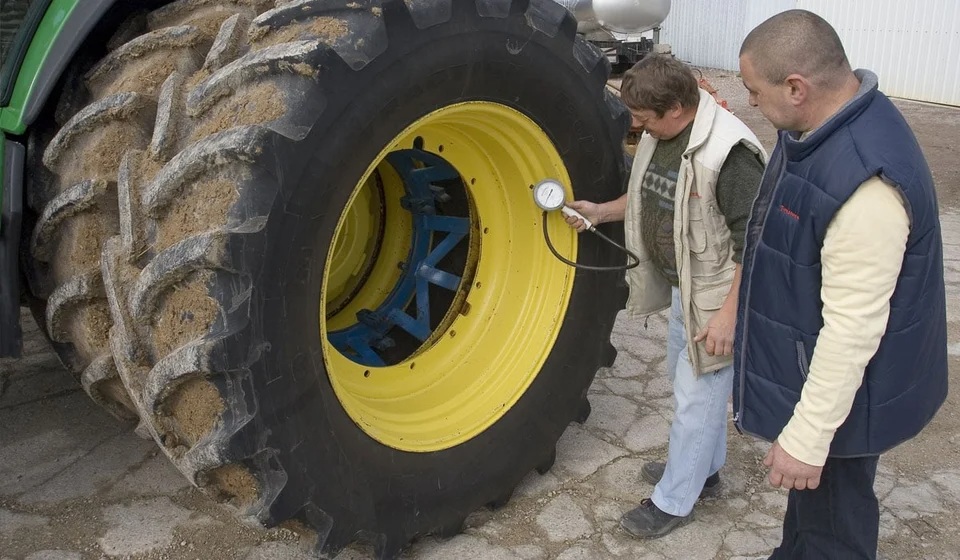
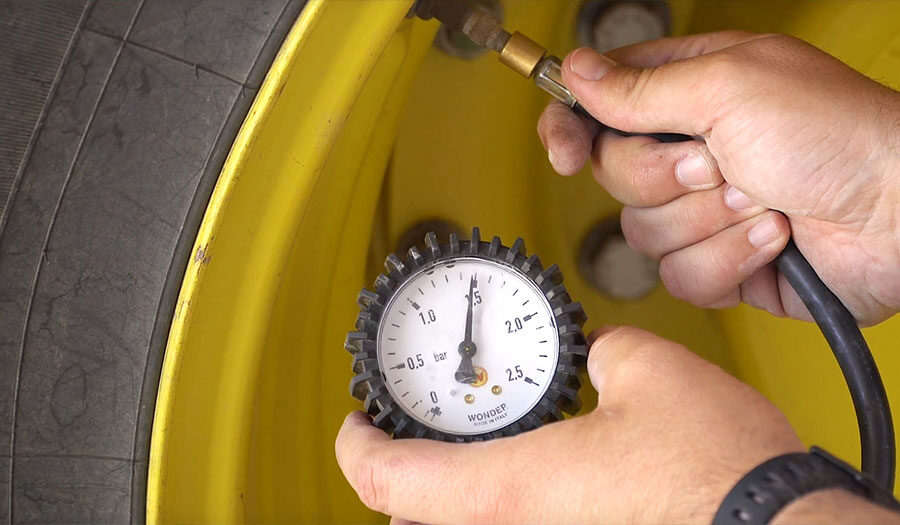
Pressure management during season maintains performance. Morning cool allows lower settings for field work. Warming raises pressure for road safety. Regular checks account for temperature changes.
Maintenance catches problems early. Inspecting for stubble cuts or sidewall damage prevents failures. Cleaning lugs keeps traction consistent.
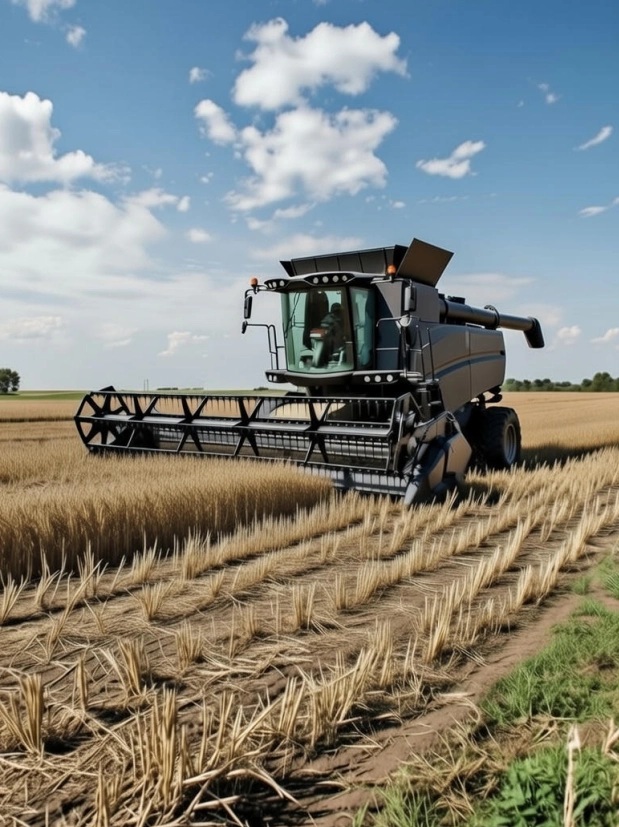
Qingdao Lander Sky Tyre’s Agriculture Tyre Range for Harvest Applications
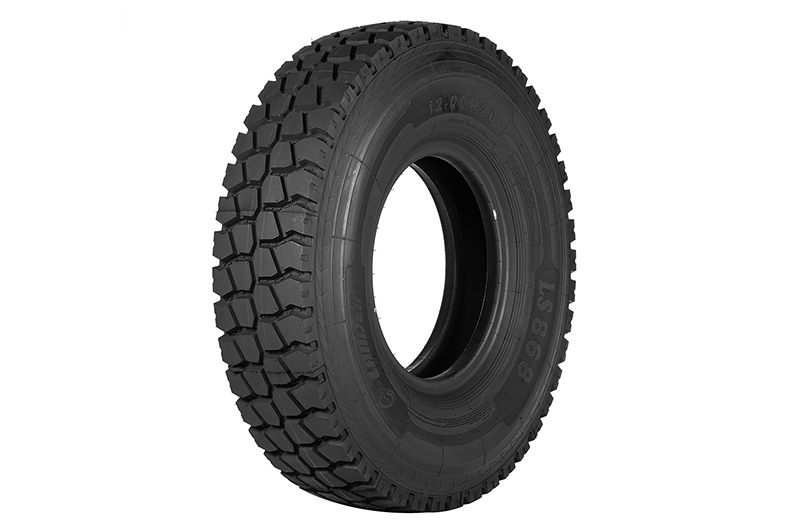
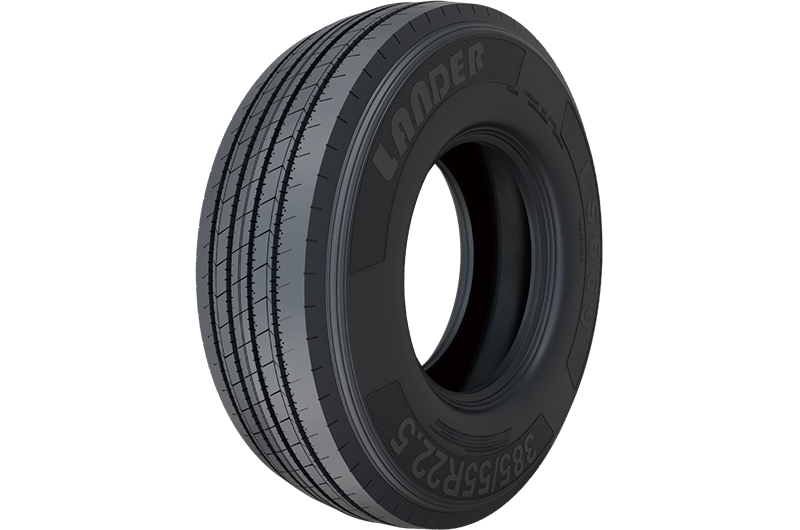
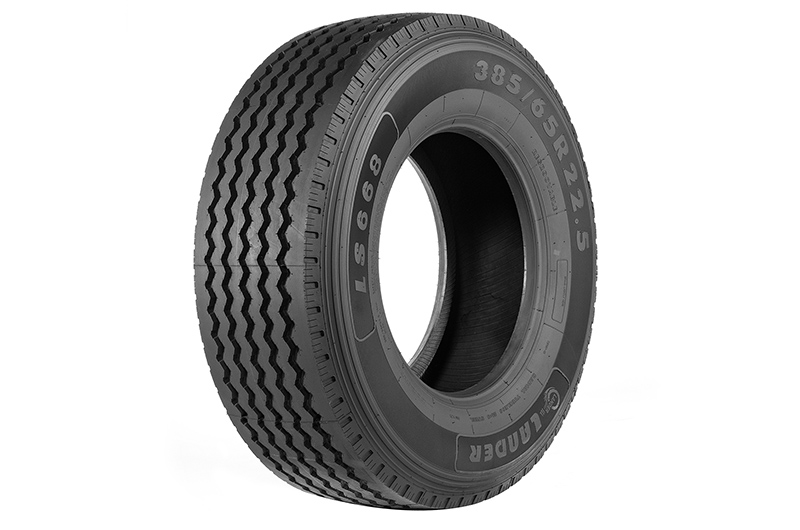
Qingdao Lander Sky Tyre produces agriculture tyres suited to seasonal demands. The range includes R-1 and R-2 patterns for tractors and harvesters. Radial constructions feature reinforced structures for load support in field conditions.
R-1 designs provide balanced traction with durable compounds. R-2 options offer deeper tread for challenging soil. High load indices suit combine applications. Puncture-resistant features help in stubble fields.
About Qingdao Lander Sky Tyre
Qingdao Lander Sky Tyre has been producing tyres from its base in Qingdao, China, for over two decades. The company started with a focus on agricultural applications and has built its range around the needs of farmers working in varied conditions worldwide. Production facilities handle the full process from compound mixing to curing, with particular attention to radial designs that suit modern farm machinery.
The agriculture tyre line covers patterns for different soil types and seasons. R-1 tread provides traction for general field work. R-2 options offer deeper lugs for wet or soft ground common in rice or heavy clay areas. Radial constructions feature reinforced belts and sidewalls to support high loads while maintaining flexibility. The tyres carry load indices suited to combines and large tractors during peak seasons.
Quality control follows international standards, with testing for pressure retention, puncture resistance, and wear characteristics. The company supplies dealers and OEM customers in multiple markets, with emphasis on consistent performance in real farm use. Export experience includes regions with demanding harvest conditions, where durability and field efficiency matter most.
Conclusion
Harvest season tests agriculture tyres with heavy loads and challenging conditions. Selecting tyres with suitable load capacity, traction, and puncture resistance supports efficient field work while protecting soil. Proper matching to equipment and conditions contributes to smoother operations and better long-term results.
FAQs – Agriculture Tyres for Harvest Season
Q: How does tyre construction affect load capacity in harvest operations?
A: Radial agriculture tyres typically provide larger footprints and better load distribution for harvest work.
Q: What tread patterns work well for harvest field efficiency?
A: R-1 patterns in agriculture tyres offer good traction across common harvest conditions.
Q: How can agriculture tyres reduce soil compaction during harvest?
A: Wider footprints and lower pressures in suitable agriculture tyres spread weight to limit compaction.
Q: Are larger agriculture tyres better for harvest puncture resistance?
A: Larger sizes and reinforced designs in agriculture tyres help resist damage from harvest stubble.
Q: What factors influence agriculture tyre choice for combine harvesters?
A: Load index, traction, and durability features in agriculture tyres suit combine harvest demands.



Leave a comments