

Farm machinery tyre failures hit hardest during critical windows—mid-harvest, planting rushes, or when shifting heavy loads across rough ground. A blowout or accelerated wear pattern translates directly into lost hours, extra fuel from slippage, and replacement expenses that stack up fast. In seasons where timing drives profitability, these disruptions carry real financial weight: delayed operations, increased compaction from struggling traction, and sometimes measurable drops in yield.
Many breakdowns trace back to factors that develop gradually rather than from one dramatic event. Operators often zero in on tread depth or obvious damage while subtler contributors slip past until the tyre fails under load. Recognizing these overlooked elements moves the approach from fixing breakdowns to heading them off. The payoff shows in longer service intervals, lower running costs, and machinery that stays productive when every shift counts.
7 Real Causes of Farm Machinery Tyre Failure Farmers Ignore
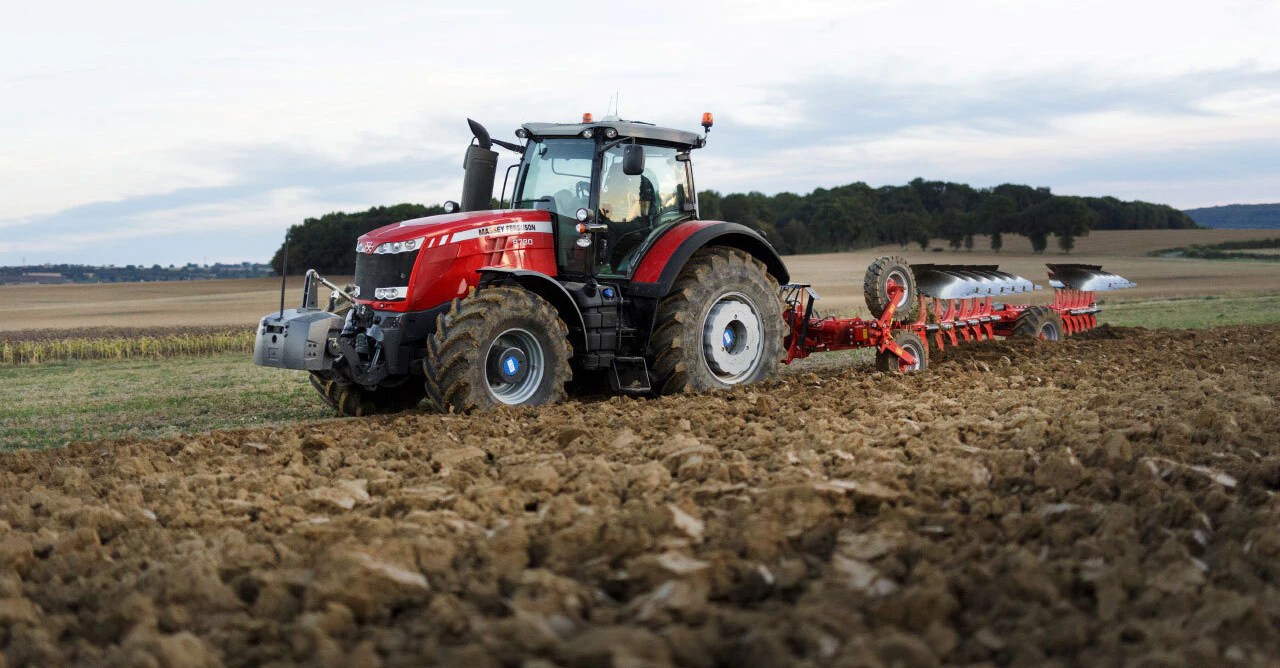
Field Heavy Loads Combined with Soft or Wet Soil Conditions
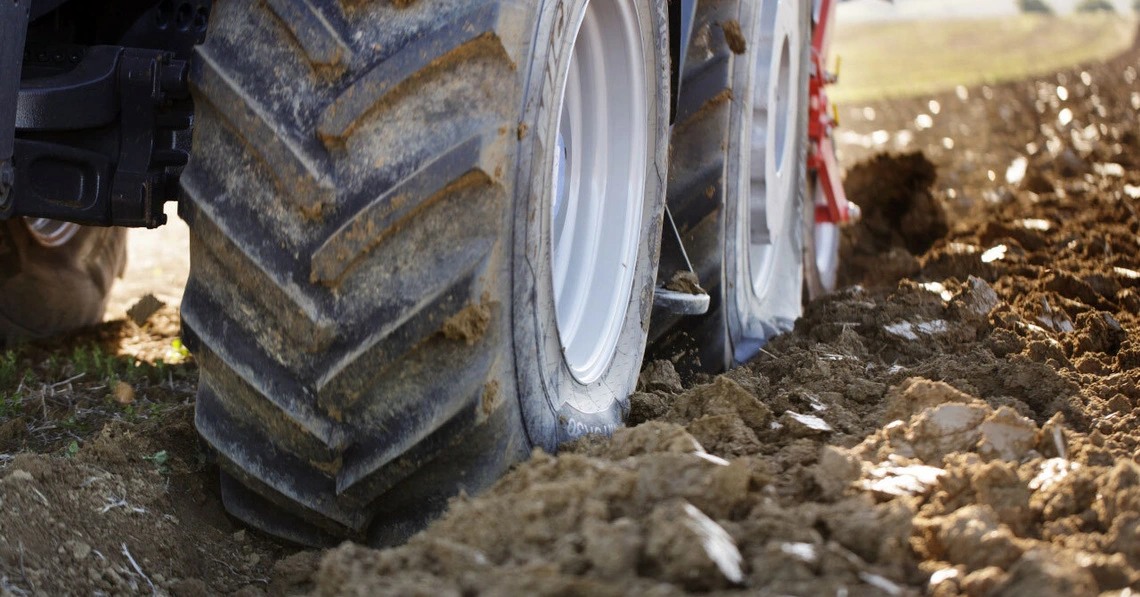
When heavy implements or loaded trailers work soft ground, tyres face repeated low-pressure flexing. Sidewalls deform excessively, building internal heat through cycle after cycle. That heat weakens the casing, often resulting in sidewall bulges, layer separation, or abrupt bursts once an obstruction appears.
Wet seasons or heavy clay soils amplify the strain—tyres sink further, multiplying flex cycles. Running uniform pressure across all conditions overlooks how soft terrain escalates sidewall fatigue. In severe exposure, this shortens tyre life by 40-50% compared to setups matched to actual ground and load demands.
Frequent Road Transport at Higher Speeds
Modern operations push tractors onto roads more often, moving gear between distant plots. Sustained higher speeds with pressures tuned only for slow fieldwork concentrate wear in the center tread while heat accumulates in the crown area. Rubber ages quicker from constant friction, showing cracks or chunking sooner.
Speed ratings get overlooked—tyres built for low-RPM field duty suffer noticeably at 25-40 km/h over long stretches. Centerline wear develops steadily, cutting grip when the machine returns to soil. This pattern accounts for significant premature center tread loss across mixed-use fleets.
Prolonged Exposure to Chemicals and Fertilizer Residues
Fertilizers, pesticides, and herbicides cling to tyre surfaces after application. These agents attack rubber compounds, leading to surface cracking, material chunking, or loss of flexibility. Sidewalls turn brittle, raising rupture risks even under standard loads.
Thorough post-application cleaning or residue-free storage rarely happens consistently. In high-chemical regimes, this gradual degradation cuts service life by 15-25%. Small cracks expand, particularly when UV exposure or temperature fluctuations join in.
Incorrect Ballasting or Uneven Load Distribution
Front loaders, heavy attachments, or unbalanced ballast shift weight unevenly across axles. One side carries excess load while the other runs light, accelerating wear on the overloaded tyre and adding vibration throughout.
Ballast adjustments suit specific jobs but often stay unchanged afterward. Single-sided wear shows as deeper shoulder grooves on one tyre, forcing 20% earlier replacements. Axle weighing or careful distribution verification keeps stress even and prevents this imbalance.
Improper Storage and Long-Term Inactivity
Tyres parked outdoors, stacked directly, or left at zero pressure develop ozone cracking, flat spots, and permanent deformation. UV breaks down compounds while constant ground contact creates bulges along sidewalls.
Seasonal storage rules—covering, elevating, maintaining air—get skipped frequently. Fine cracks deepen over months, compromising integrity before the next season starts. This contributes to 10-20% of early failures when equipment re-enters service.
Unaddressed Mechanical Misalignments
Wheel alignment drift, worn steering parts, or incorrect toe-in generate diagonal or feathered wear patterns. Tyres scrub laterally, heating edges and wearing shoulders unevenly while vibration fatigues the casing.
Subtle pulls go unnoticed until wear becomes obvious. Uncorrected mechanical issues shorten life by 25% or more. Off-season alignment checks catch these before patterns lock in.
Selecting the Wrong Tyre Type or Speed Rating for Mixed Use
Defaulting to standard field tyres for frequent road runs or mismatched patterns for soil types causes rapid center wear or inadequate self-cleaning. Speed ratings ignored during transport build excessive heat; unsuitable lug designs pack mud, reducing traction and increasing slip.
One-tyre-fits-all choices ignore how R1 patterns perform in loose soil but wear quickly on hard surfaces. Mismatches drive 15-30% faster wear, especially in operations that blend fieldwork and transport.
Immediate Actionable Prevention Solutions
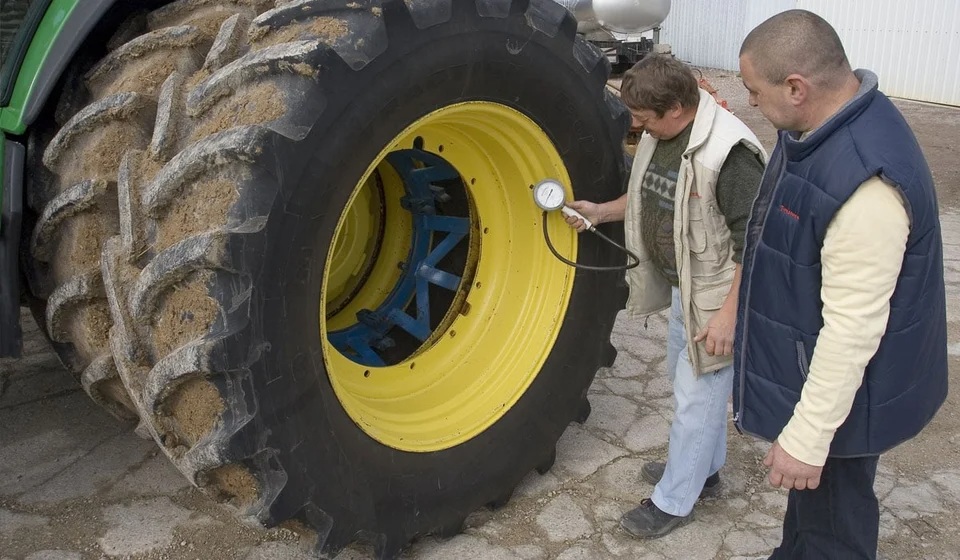
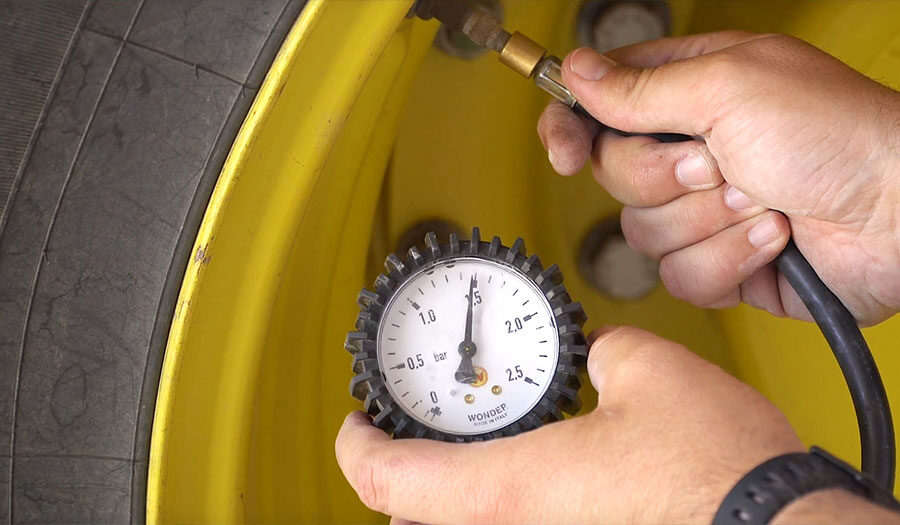
Stopping failures relies on routines that integrate into daily and seasonal workflows. Begin with quick daily walks around the machine: scan for cuts, bulges, or foreign objects embedded in the tread. Use a trusted gauge to check cold inflation pressure and log readings to spot trends early.
After heavy shifts or weekly, remove chemical residues and packed mud from surfaces. Examine sidewalls carefully for initial cracking or flex fatigue. Align pressure to current load and speed following load-inflation tables—drop it for field passes to spread weight and limit compaction, raise it for road movement to stabilize the footprint.
Monthly inspections go deeper: gauge tread at several points, assess alignment visually, and confirm ballast balance. Weigh axles when practical to dial in exact pressures. For off-season storage, clean thoroughly, shield from direct sun, elevate where possible, and keep minimal inflation to prevent flat spotting.
Key seasonal steps—pre-planting and pre-harvest—include rotating tyres showing uneven wear, replacing those nearing tread limits, and tuning for expected conditions. These habits detect issues before they escalate, reducing mid-season surprises.
A straightforward routine delivers results: five-minute daily visual and pressure check, fifteen-to-twenty-minute weekly cleaning and damage review, thirty-to-forty-five-minute monthly comprehensive inspection covering tread, alignment, and load match. Consistent application extends tyre life while safeguarding soil structure and machine performance.
Choosing Durable Agricultural Tyres That Last
Tyres engineered for actual farm demands simplify prevention. Strong casings with reinforced radial construction withstand sidewall flex without breakdown. Advanced compounds hold up against chemical exposure, heat cycles, and environmental aging.
Tread design plays a critical role—alternating lug lengths enhance traction and self-cleaning in mud or residue-laden fields. Wider footprints distribute load, reducing compaction and even wear. Radial builds allow lower pressures without durability trade-offs.
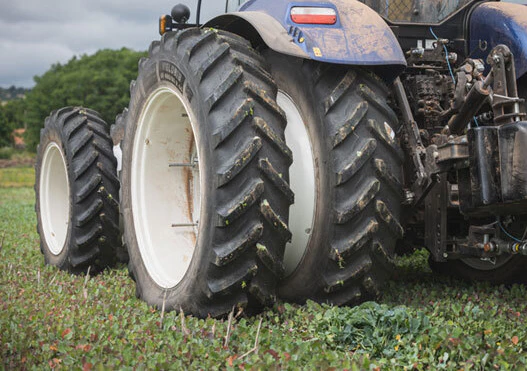
Qingdao Lander Sky Tyre’s AGR radial series targets these requirements precisely. Built with high-performance rubber formulations, the line delivers puncture resistance, anti-aging properties, and extended wear life. Flexible sidewalls and optimized footprints minimize soil compaction, while rich patterns provide superior traction across diverse surfaces. The range covers R1 for standard fieldwork, R1-NEW with alternating lugs for vibration reduction and all-soil performance, R2-NEW for deeper grip in wet conditions, IMP100 for low-section implement use, and I3 patterns emphasizing wear and puncture protection.
These characteristics support longer replacement cycles and lower total ownership costs through consistent reliability in challenging agricultural settings.
Introduction to Qingdao Lander Sky Tyre
Qingdao Lander Sky Tyre Co., Ltd., founded in 2013 and headquartered in Qingdao, China, operates as a dedicated global tyre supplier. Five production workshops equipped with advanced facilities cover thousands of square meters, supporting rigorous quality control from material intake to final output.
The portfolio includes truck, off-the-road, industrial, forklift, and agricultural tyres, with agricultural lines carrying certifications such as GCC, DOT, ECE, and CCC. Exports serve partners in over 60 countries, backed by rapid response, dependable service, and a standard three-year warranty on qualifying products.
In the agricultural segment, radial AGR tyres emphasize reduced soil compaction, robust traction in varied conditions, and durable compounds engineered for wear, puncture, and aging resistance.
Conclusion
Roughly 80% of farm machinery tyre failures follow preventable patterns that accumulate unnoticed. Tackling root causes through regular inspections, load-matched pressures, and informed tyre choices maintains equipment reliability and keeps schedules intact. Daily discipline yields substantial returns: minimized downtime, better fuel efficiency from reduced slip, and preserved field conditions for sustained productivity.
Time spent on prevention far outweighs the cost of mid-season repairs. Tyres designed and maintained with purpose provide the dependable link to the ground that operations depend on season after season.
FAQs
Why do tractor tyres fail suddenly in the field?
Sudden field failures commonly result from accumulated sidewall strain under prolonged low-pressure operation in soft soil or undetected bulges from overloading. Internal heat weakens the structure until a final load triggers a blowout—routine pressure monitoring and load-specific adjustments eliminate most instances.
How can farmers prevent rapid centre wear on agricultural tyres?
Centre wear accelerates from overinflation during road transport or using field-oriented tyres at elevated speeds. Raise pressure appropriately for road sections to even tread contact, and select mixed-use rated tyres to distribute wear more uniformly across the crown.
What signs indicate a farm machinery tyre needs replacement soon?
Sidewall cracks, severe shoulder wear, exposed casing cords, visible bulges, or tread worn below 20-25% remaining mark nearing end-of-life. Age-related degradation or chemical damage further reduces integrity even with remaining tread—thorough pre-season inspections identify these risks.
Does underinflation really cause tyre failure in farming machinery?
Underinflation creates excessive sidewall flex, generating heat and fatigue that produce bulges, separations, or eventual bursts. It also heightens rolling resistance and slip—matching cold pressure to load and speed using accurate tables prevents these cascading effects.
How do I know if my tractor tyre pressure is correct for different tasks?
Pressure requirements shift with axle load, travel speed, and application—lower settings suit field work to curb compaction, higher ones stabilize road transport. Refer to tyre-specific load-inflation tables, weigh axles for precision when feasible, and verify cold readings consistently for safe, effective operation.



Leave a comments